
The Under-The-Radar New Jersey Bayside Town With Old-World Charm
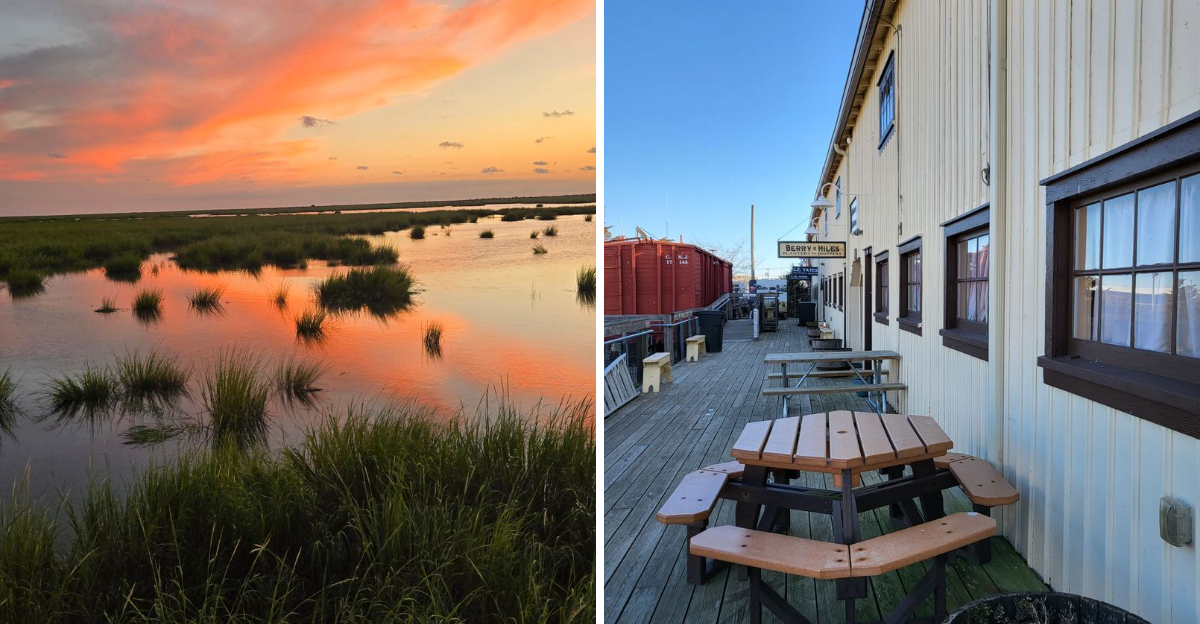
Tucked along the Delaware Bay in Commercial Township, Bivalve remains one of New Jersey’s most overlooked coastal communities.
This quiet bayside settlement at coordinates 39.234281, -75.033789 carries the weight of maritime tradition without the polish of modern tourism.
Few travelers stumble upon it by accident, and those who do find a working waterfront shaped by oyster harvests, weathered docks, and sunsets that stretch uninterrupted across tidal marshes.
Bivalve offers something increasingly rare: a place that feels authentic because it never stopped being itself.
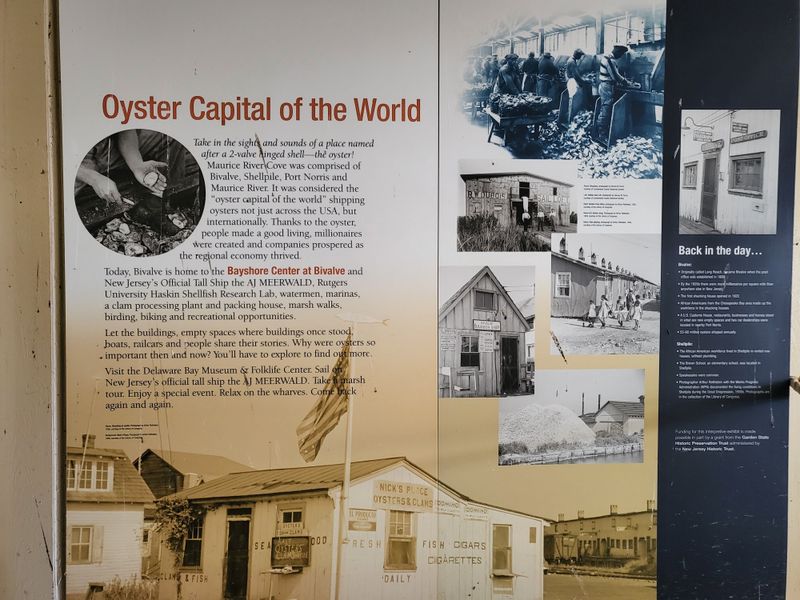
An Oyster Town Built On The Bay
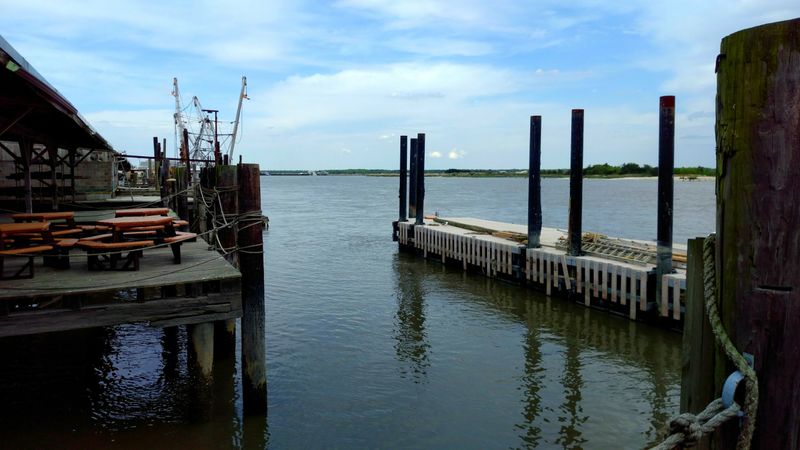
Bivalve earned its name from the shellfish that defined its economy for more than a century.
Oysters pulled from the Delaware Bay built homes, fed families, and shaped the rhythm of daily life in this corner of Cumberland County.
Commercial oystering began here in the late 1800s, transforming marshland into a bustling port.
Boats arrived laden with shells, and workers lined the docks to unload, sort, and prepare the harvest for markets up and down the East Coast.
Even as the industry declined, the town held onto its identity.
Streets still lead to the water, and the scent of salt air mixes with the memory of shucking knives and wooden crates.
Bivalve never pretended to be anything other than what it was.
That honesty remains visible in every weathered piling and every boat tied to the pier.
Where Shucking Houses Once Ruled
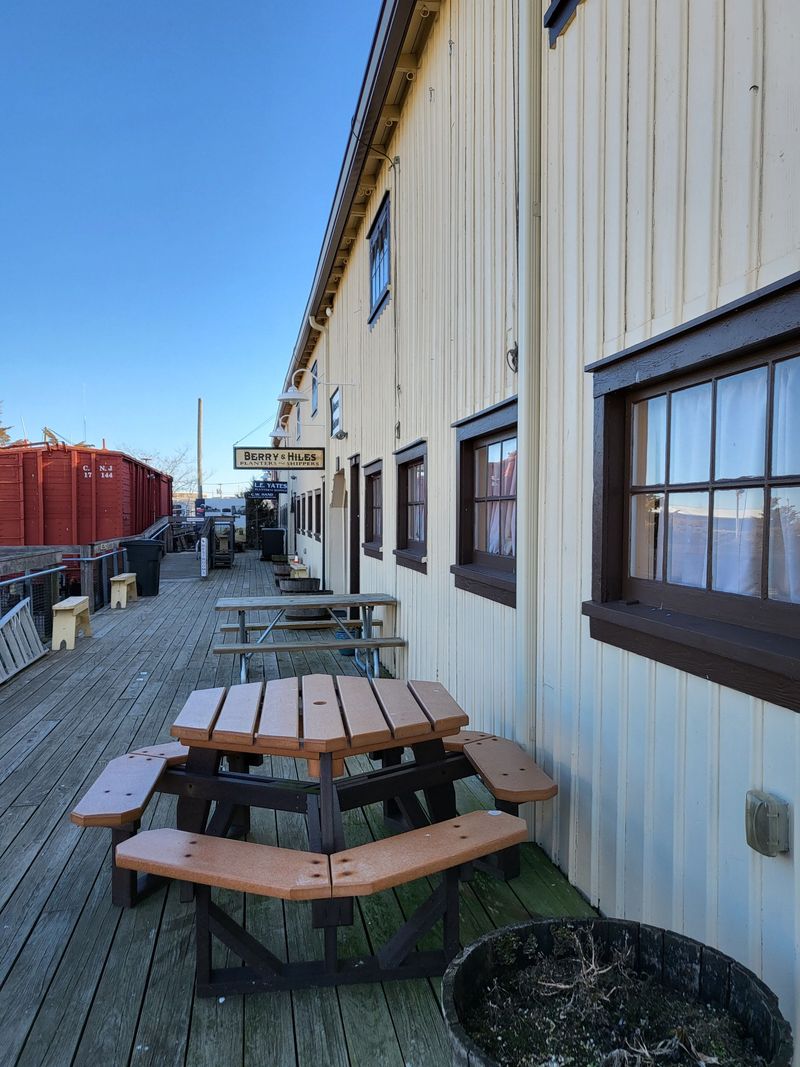
Rows of shucking houses once crowded the waterfront, their walls echoing with the clatter of shells and the voices of workers.
These structures served as the heartbeat of Bivalve’s economy, where raw oysters became market-ready goods.
Inside, men and women stood at long tables, opening shells with practiced efficiency.
Speed mattered, but so did skill—each oyster had to be cleaned and packed without damage.
Most of those buildings are gone now, claimed by storms, neglect, or simple economics.
A few remain, their wood silvered by decades of weather, standing as quiet monuments to an era when the bay provided steady work.
Walking past them, you can almost hear the rhythm of labor that once filled these spaces.
The silence feels heavier because of what used to be.
Home To New Jersey’s Tall Ship
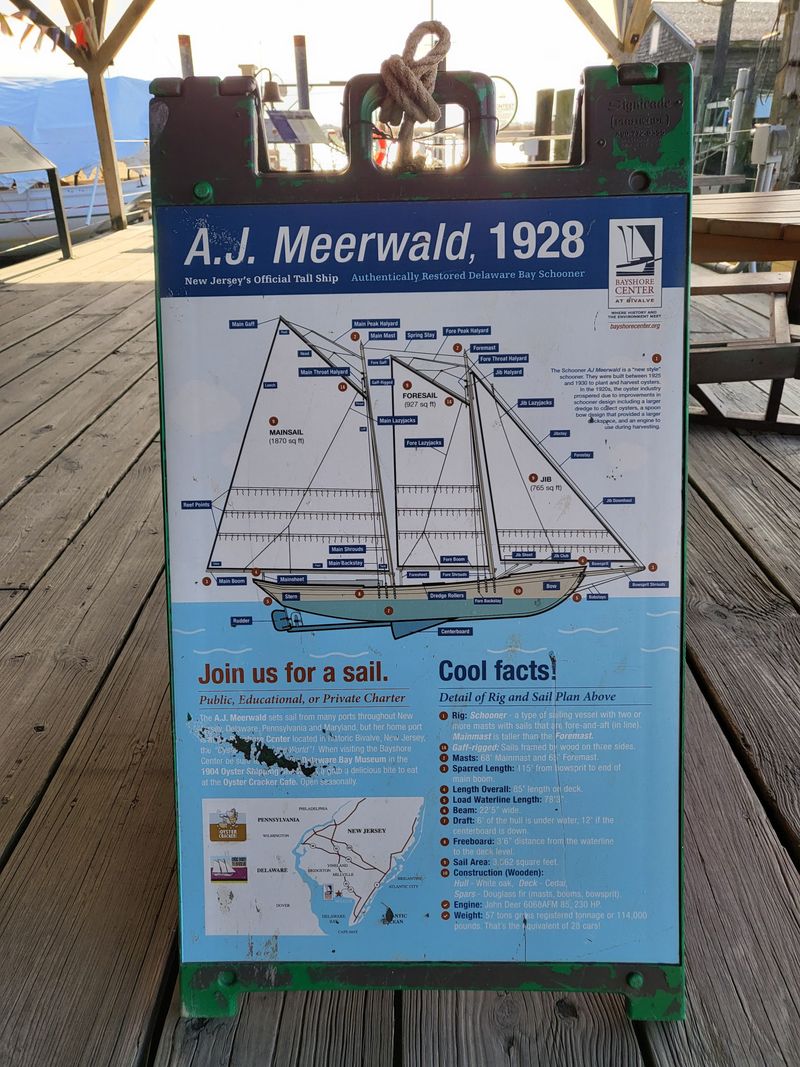
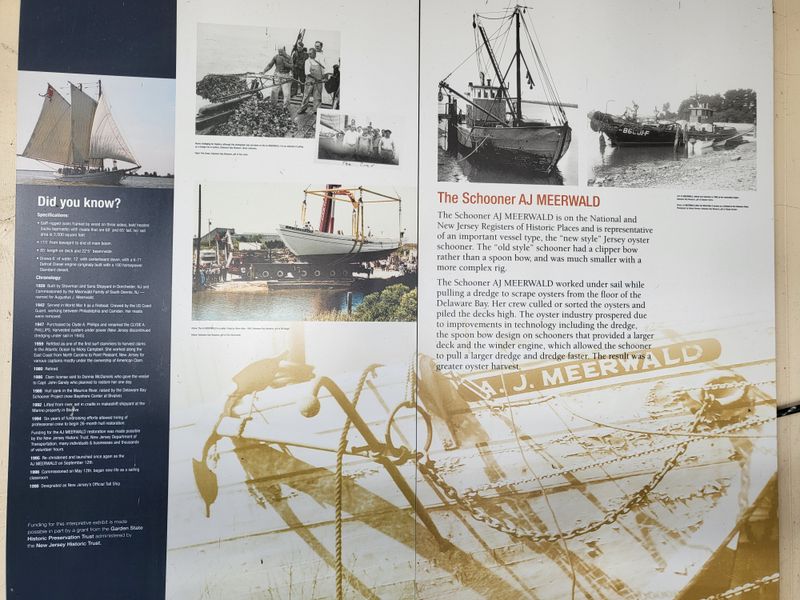
The A.J. Meerwald, a restored oyster schooner, calls Bivalve home when not sailing educational missions along the coast.
Built in 1928, this wooden vessel represents the last of New Jersey’s oyster fleet, a floating piece of maritime heritage.
Named after a local oysterman, the ship worked the Delaware Bay for decades before falling into disrepair.
Volunteers and historians brought it back to life in the 1990s, preserving both craftsmanship and memory.
Today, the Meerwald serves as New Jersey’s official tall ship, offering programs that teach sailing, ecology, and history.
Docked at Bivalve’s waterfront, it draws visitors who might otherwise never find this quiet town.
Seeing the ship against the backdrop of working docks reminds you that some traditions refuse to disappear.
They simply find new ways to matter.
A Waterfront That Still Works
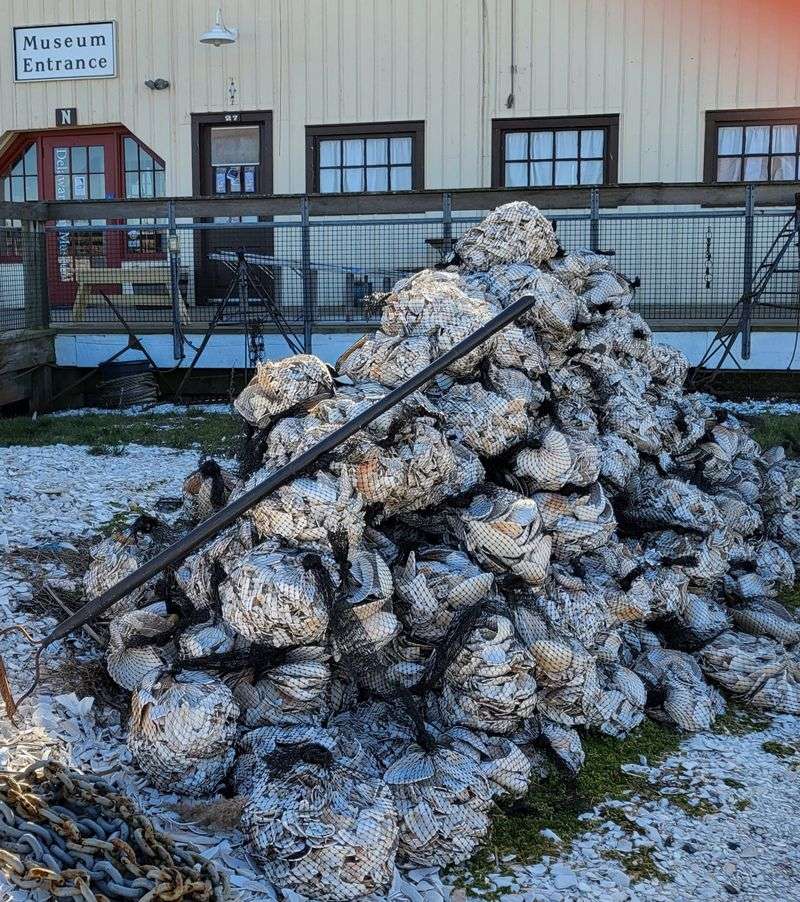
Unlike many coastal towns that turned their waterfronts into attractions, Bivalve kept its docks functional.
Fishing boats still tie up here, unloading catches that end up in markets rather than souvenir shops.
Crab traps stack along the piers, and the smell of diesel and brine hangs in the air.
Men in rubber boots move with purpose, tending to nets, engines, and the hundred small tasks that keep a working harbor alive.
There are no boardwalks or ice cream stands, no crowds jostling for waterfront selfies.
What you see is what the town needs to survive—boats, docks, and the bay that connects them.
This kind of authenticity can feel jarring if you expect polished tourism.
But for those seeking something real, it’s exactly what draws them back.
Maritime History At The Center
Bivalve’s identity revolves around its relationship with the water, and that history remains central to the town’s character.
Local efforts to preserve maritime traditions have resulted in small museums and interpretive displays that tell the story of oystering, shipbuilding, and bayside life.
These collections aren’t grand or heavily funded, but they hold genuine artifacts—tools, photographs, logbooks—that speak to the labor and ingenuity of generations past.
You won’t find interactive screens or gift shops, just honest documentation of what mattered here.
Volunteers often staff these spaces, sharing stories passed down through families who worked the bay.
Their knowledge adds depth that no placard can match.
History here isn’t abstract or distant.
It’s woven into the landscape, the buildings, and the people who still call this place home.
Life Shaped By The Delaware Bay

Everything in Bivalve bends toward the bay.
Tides dictate schedules, weather rolls in off the water, and the horizon stretches unbroken toward Delaware on the opposite shore.
The bay’s influence runs deeper than geography.
It determined what crops wouldn’t grow, what industries could thrive, and which families stayed or left.
For those who remained, the water became both provider and teacher.
Marshes edge the town on all sides, their grasses shifting color with the seasons.
Birds follow the tides, and so do the people, attuned to rhythms older than any structure built here.
Understanding Bivalve means understanding its relationship with the bay.
The two are inseparable, each shaping the other across centuries of coexistence.
That connection defines the town more than any single building or road.
Twin Villages Of The Oyster Era
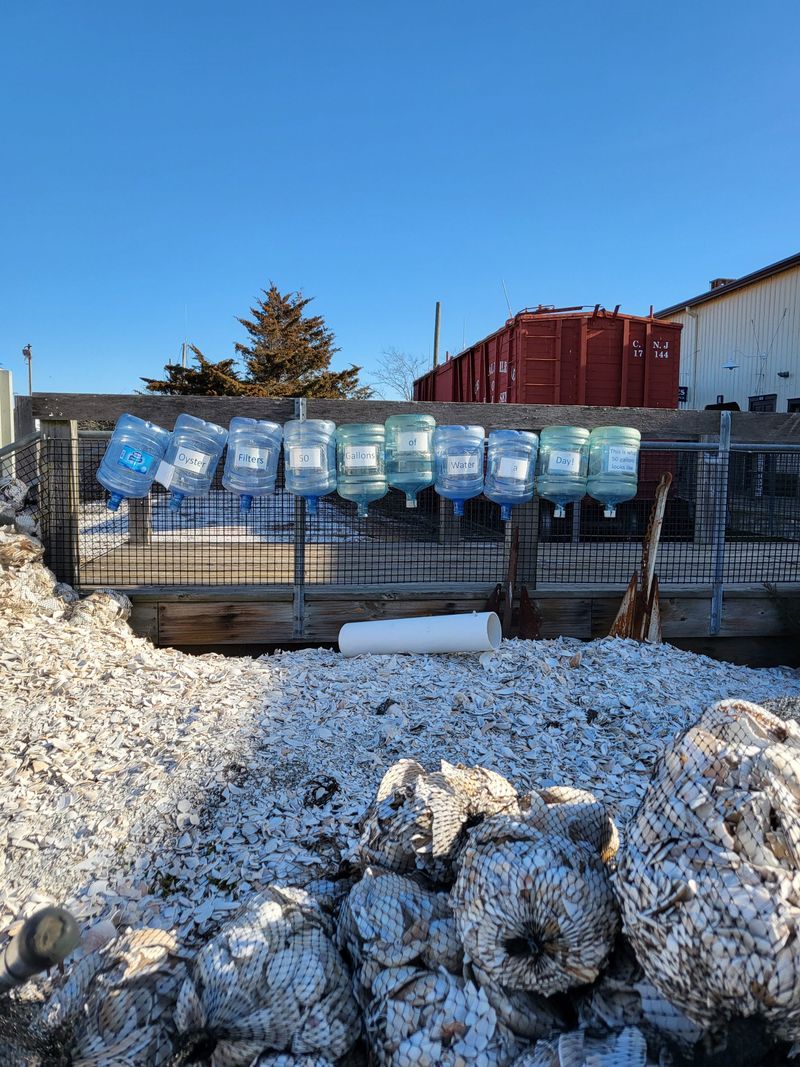
Bivalve once shared its oyster dominance with Shellpile, a neighboring settlement that thrived during the same era.
Together, these twin villages formed the heart of New Jersey’s shellfish industry, their docks bustling with activity.
Shellpile has largely faded, its structures claimed by time and nature.
Bivalve persisted, though much diminished, holding onto enough infrastructure and memory to remain identifiable.
The relationship between the two communities illustrates the fragility of towns built on a single industry.
When oyster populations declined due to disease and overharvesting, both villages suffered, but Bivalve managed to retain a foothold.
Driving through the area, you can still trace the outlines of what existed.
Foundations peek through marsh grass, and old pilings mark where docks once extended into the bay.
Sunsets Instead Of Attractions
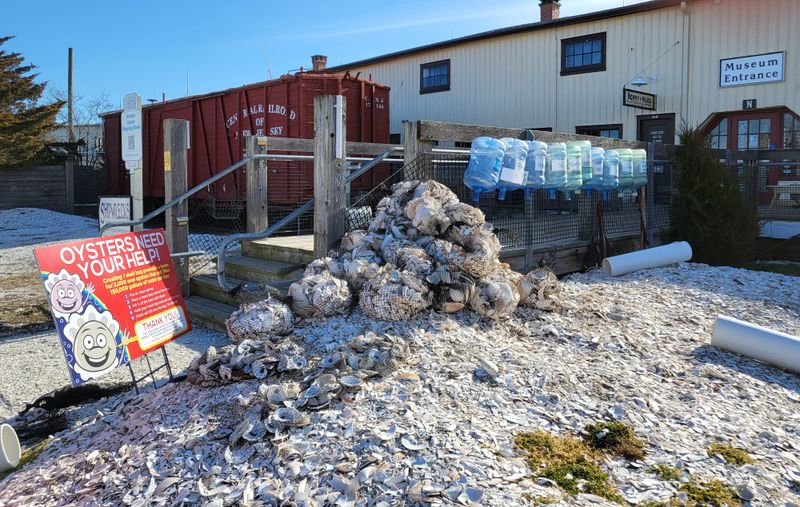
Bivalve offers no amusement parks, no famous restaurants, no list of must-see stops.
What it does offer, generously and without fanfare, is some of the finest sunset views along the Jersey coast.
The bay opens westward, allowing the sun to sink directly into the water on clear evenings.
Colors spread across the sky and marsh in layers—orange bleeding into pink, then violet, then the deep blue of approaching night.
Locals know the best spots: certain docks, a particular stretch of road, the edge of the marsh where nothing blocks the view.
They don’t advertise these places, but they don’t hide them either.
Watching the light fade over Bivalve feels meditative, almost ceremonial.
It’s the kind of experience that reminds you why people settle near water in the first place.
Seasonal, Not Tourist-Driven
Bivalve doesn’t swell with summer crowds or empty out in winter like beach towns farther north.
Its population remains small and steady, shaped more by the rhythms of fishing and agriculture than by vacation calendars.
Seasonal changes here relate to weather and bay conditions rather than tourist seasons.
Spring brings migratory birds and the start of crabbing.
Summer means long days on the water. Fall sees the marsh grasses turn gold, and winter brings a stillness that feels almost complete.
You won’t find businesses that close after Labor Day or hotels that triple their rates in July.
What operates here does so year-round, serving locals and the occasional curious traveler equally.
This consistency gives Bivalve a reliability that tourist-dependent towns lack.
It exists for itself, not for visitors, which paradoxically makes it more appealing to those seeking something genuine.
Preserved, Not Recreated

Nothing about Bivalve feels staged or reconstructed.
The buildings that remain are originals, weathered and functional, not replicas designed to evoke nostalgia.
This authenticity comes partly from necessity—there’s been no influx of money to fund restoration projects or historic recreations.
But it also reflects a certain practical mindset among residents who value what works over what looks picturesque.
Paint peels because repainting costs money better spent elsewhere.
Docks show their age because they’re used daily, not maintained as museum pieces.
The result is a town that looks its age without apology.
For travelers weary of carefully curated historic districts, Bivalve offers something refreshing: a place that never stopped being itself.
The preservation happened naturally, through continued use rather than deliberate effort.
Quiet Marshes On All Sides
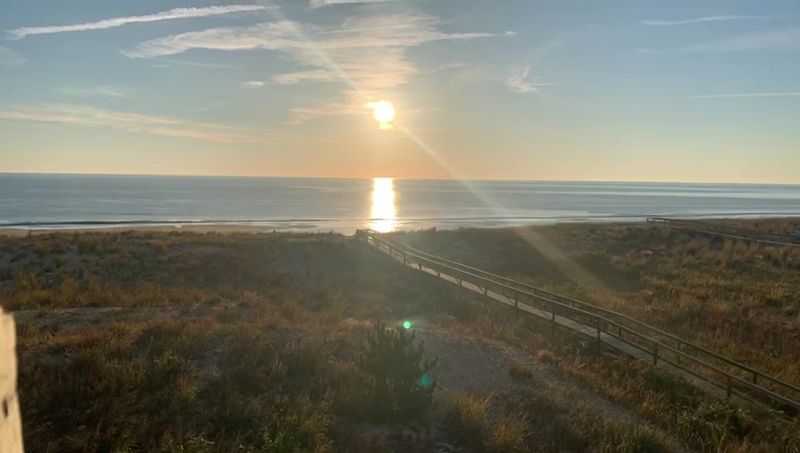
Marshland defines Bivalve’s edges, creating a buffer between the town and the rest of Cumberland County.
These wetlands shift with the tides, sometimes waterlogged, sometimes exposed, always teeming with life.
Egrets stalk through the shallows, and fiddler crabs scuttle across mud flats.
The grasses whisper with wind and the movements of unseen creatures.
Walking the margins of these marshes requires patience and attention—beauty here is subtle rather than dramatic.
The marshes also provide practical benefits, filtering water and buffering storms.
They’re not decorative features but working ecosystems that support both wildlife and the bay’s health.
Understanding these wetlands helps you understand Bivalve itself.
Both exist in the space between land and water, shaped by forces larger than themselves, quietly essential.
A Destination You Seek Out

No highway exit signs direct you to Bivalve. No billboards advertise its charms.
Finding it requires intention—you have to want to get there, which means most people who arrive have done their homework.
This selectivity shapes the visitor experience.
Those who make the trip tend to appreciate what they find because they came looking for precisely this kind of place: quiet, authentic, unpretentious.
The address, Commercial Township, NJ 08349, sits in a sparsely populated corner of the state, far from urban centers and major attractions.
The isolation protects Bivalve from casual tourism but also limits its economic opportunities.
Yet that remoteness is part of the appeal.
In an era when every interesting place gets discovered, hashtagged, and overrun, Bivalve remains genuinely under the radar.
A Place That Remembers Itself

Memory runs deep in Bivalve, held not just in museums or historical societies but in the landscape itself.
The town hasn’t forgotten what it was, and that remembering shapes what it remains.
Families who’ve lived here for generations carry stories that never made it into official histories.
They know which storms damaged which buildings, which boats belonged to which captains, which years brought good harvests and which brought hardship.
This collective memory creates continuity that newer communities lack.
Changes happen slowly here because the past still matters, still informs decisions, still provides context for understanding the present.
Visiting Bivalve means encountering a place that knows itself thoroughly.
That self-knowledge manifests as confidence rather than nostalgia—an understanding that what came before still has value worth preserving.