
The Under-The-Radar South Dakota Town Where Main Street Still Matters
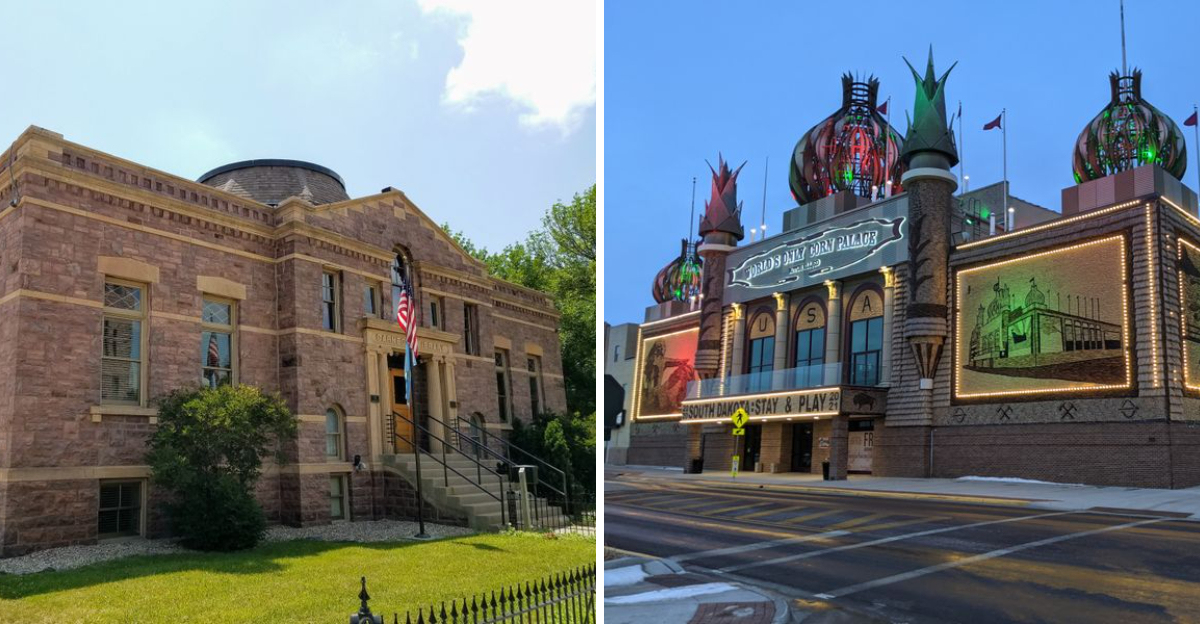
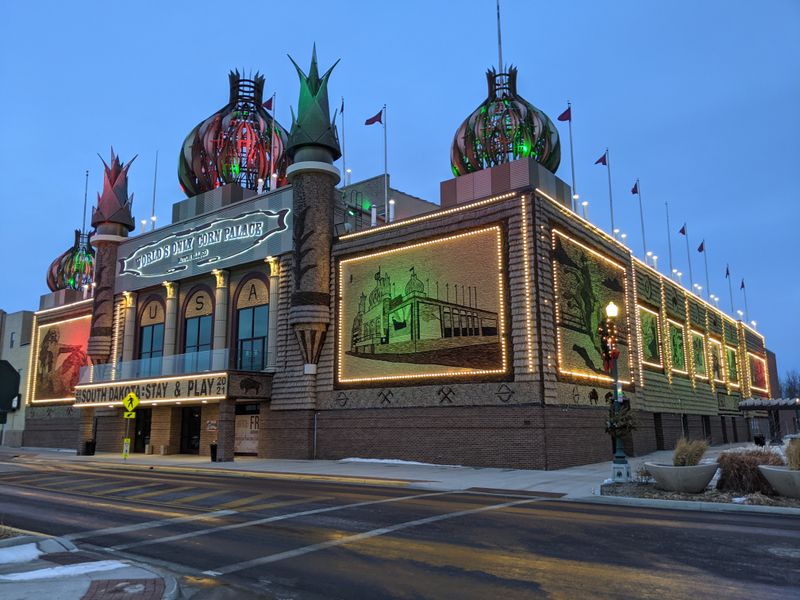
Mitchell sits along Interstate 90 in eastern South Dakota, a place where travelers often stop for the Corn Palace but rarely linger long enough to notice what else the town offers.
Main Street here still functions the way it was meant to—anchoring the community, hosting gatherings, and supporting locally owned shops that have been around for decades.
While many small towns have lost their downtown identity to big-box sprawl, Mitchell has quietly preserved its center, keeping it active, walkable, and genuinely useful to the people who live there.
Mitchell’s Main Street Is More Than A Road — It’s A Community Hub
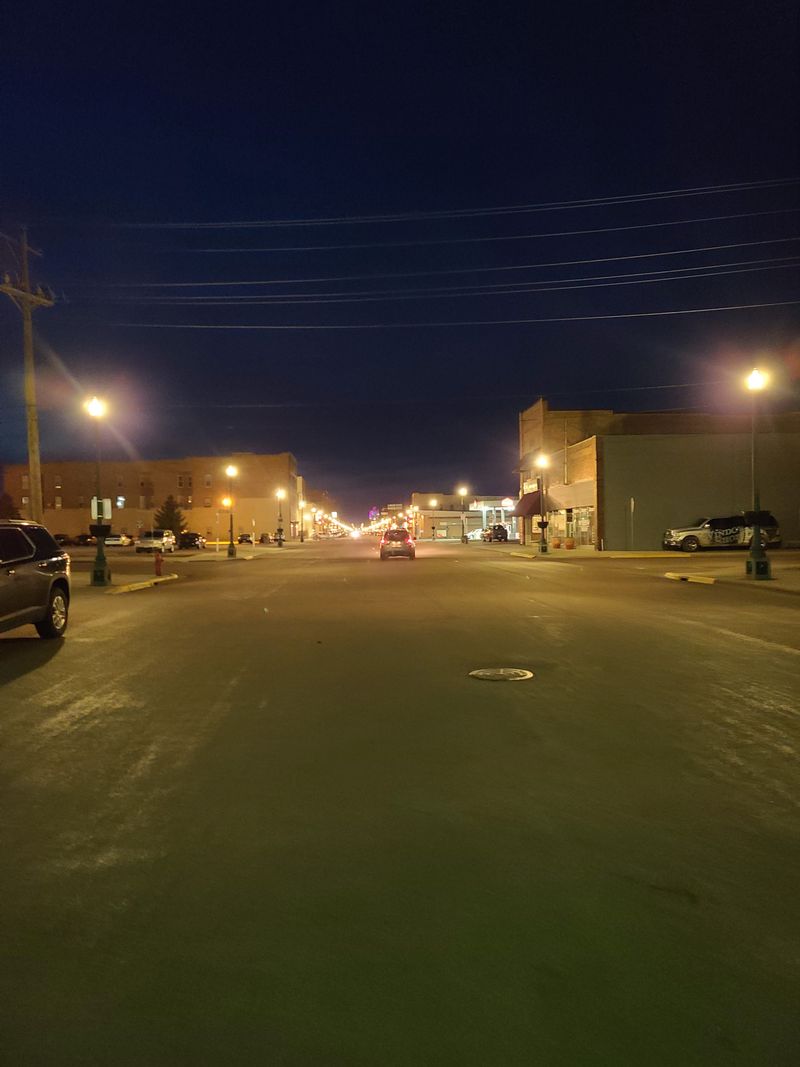
Walking down Main Street in Mitchell feels different than scrolling past another strip mall parking lot.
People stop to talk on the sidewalk. Store owners know their customers by name.
The street itself becomes a meeting point rather than just a route between destinations.
This stretch of asphalt and brick has remained central to daily life in Mitchell, South Dakota, even as many American downtowns have faded into irrelevance.
Farmers still come into town on Saturday mornings. High school students gather after school at the corner café.
Retirees meet for coffee in the same booths they occupied forty years ago.
Main Street here doesn’t try to be quaint or nostalgic—it simply continues to serve its original purpose.
The rhythm of the place feels unhurried but deliberate, shaped by people who have chosen to invest their time and energy into keeping the center of town alive and functional.
Historic Storefronts Line Mitchell’s Main Street
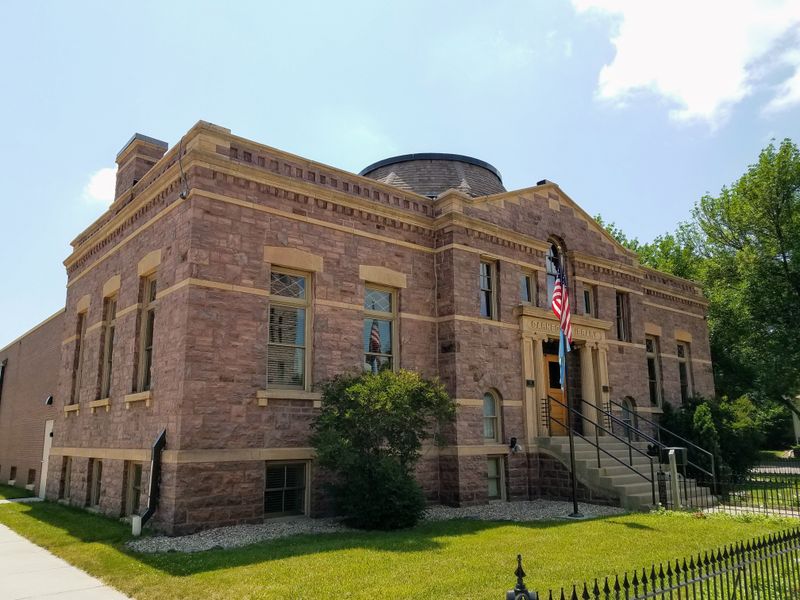
Brick buildings from the early twentieth century stand shoulder to shoulder along Main Street, their facades largely intact and their upper-story windows still framed in original woodwork.
These structures weren’t built to be disposable.
Their thick walls, high ceilings, and ornamental cornices reflect a time when permanence mattered more than convenience.
Many still house the same types of businesses they were designed for—retail on the ground floor, offices or apartments above.
Preservation efforts in Mitchell have been practical rather than precious. Owners maintain the buildings because they work, not just because they’re old.
Paint gets refreshed. Roofs get repaired. Storefronts stay occupied because the spaces remain useful and affordable.
The architectural continuity along Main Street creates a visual coherence that newer commercial districts lack.
Each building contributes to a larger streetscape that feels complete, grounded, and genuinely connected to the town’s history.
Local Businesses Outnumber National Chains On Main Street
National franchises haven’t colonized Mitchell’s Main Street the way they have in many American towns.
Instead, you’ll find family-run clothing stores, independent bookshops, and hardware stores that have operated under the same name for generations.
The owners live in Mitchell.
They sponsor Little League teams, serve on the city council, and show up at community events.
This local ownership creates a different economic ecosystem.
Money spent on Main Street circulates through the community rather than disappearing into distant corporate accounts.
Business decisions get made by people who have a stake in the town’s future, not by regional managers following a corporate playbook.
The variety of goods and services reflects local needs rather than national marketing strategies.
You can still buy work boots that will last, get a vacuum cleaner repaired, or order fabric by the yard—transactions that have become nearly impossible in chain-dominated retail environments.
Murals, Public Art, And Local Pride Transform Mitchell’s Downtown
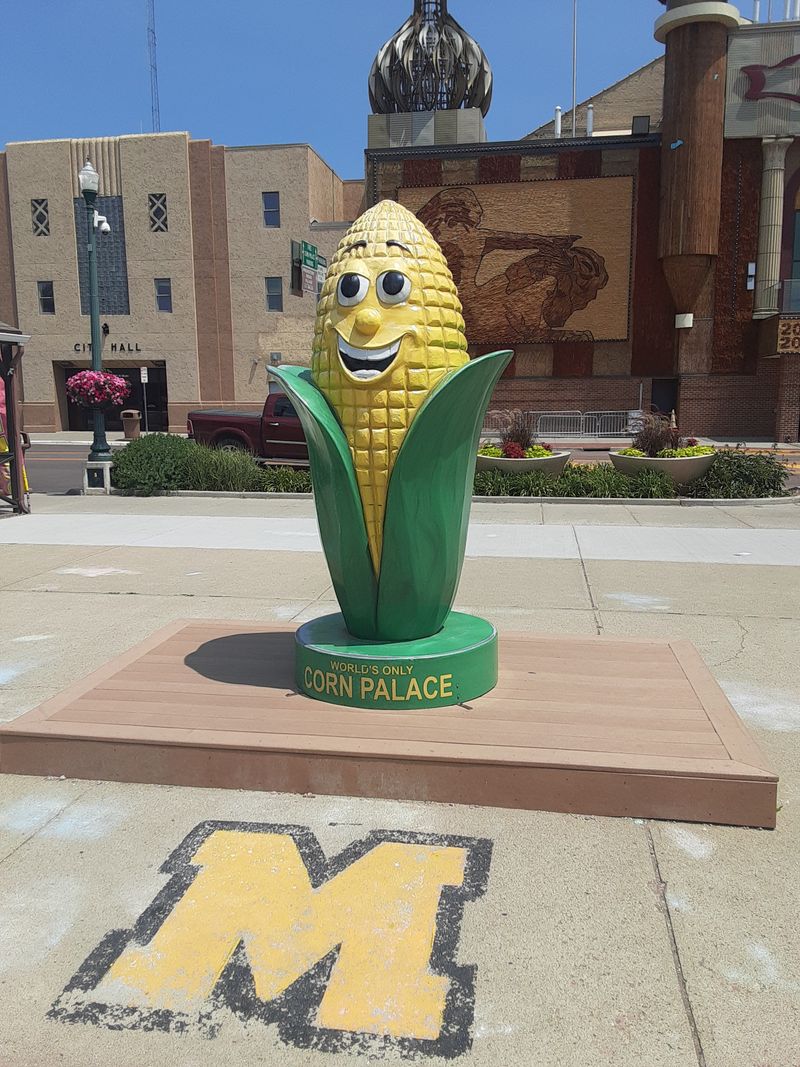
Public art in Mitchell doesn’t announce itself with pretension or demand interpretation through an artist’s statement.
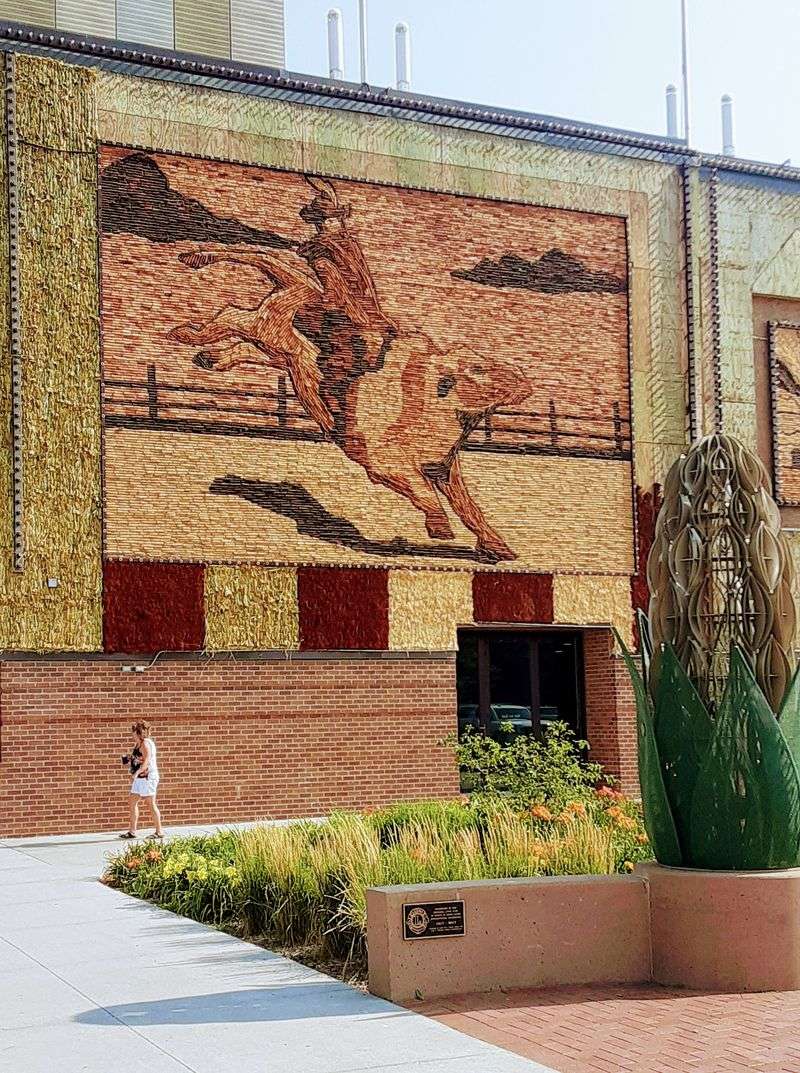
Murals depicting prairie landscapes, agricultural heritage, and local history cover blank walls throughout downtown.
These aren’t token gestures toward beautification—they represent genuine community investment in making Main Street visually engaging and reflective of local identity.
Many of the murals were created by regional artists working with community input.
Subjects include everything from pheasant hunting to wheat harvests to portraits of longtime residents.
The imagery feels specific to this place rather than generically inspirational.
Sculptures, benches, and decorative lighting add layers of visual interest without overwhelming the historic character of the street.
Mitchell, located at 43.7094283, -98.0297992, has managed to incorporate contemporary public art while maintaining the integrity of its downtown architecture—a balance many towns struggle to achieve.
Community Events Bring Main Street To Life Year‑Round
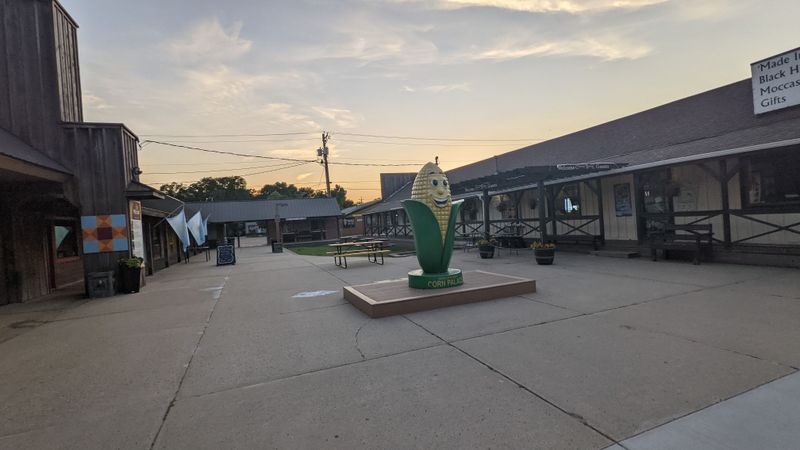
Main Street in Mitchell serves as the natural venue for community gatherings throughout the year, from farmers markets to holiday parades to outdoor concerts.
These events aren’t manufactured tourist attractions—they’re actual community functions that bring residents together in shared public space.
Kids ride bikes in the street during summer festivals.
Veterans march in formation on Memorial Day.
Local musicians set up on corner stages.
The physical layout of Main Street accommodates these gatherings without requiring elaborate infrastructure.
Wide sidewalks provide room for vendor booths.
Buildings frame the space naturally. Parking exists but doesn’t dominate.
Regular use of Main Street for community events reinforces its centrality to town life.
People develop habits of showing up, seeing neighbors, and participating in collective activities.
The street becomes more than infrastructure—it becomes a commons where civic life actually happens in visible, tangible ways.
Main Street Shops Tell Stories Of South Dakota Craft And Culture
Retail spaces along Main Street function as informal museums of regional culture, showcasing work by South Dakota artisans, craftspeople, and small manufacturers.
You’ll find quilts stitched by local quilting circles, pottery thrown by regional ceramicists, and jewelry made from Black Hills gold.
These aren’t imported souvenirs stamped with generic Dakota imagery—they’re actual products of local skill and creativity.
Shop owners often know the makers personally and can tell you where materials came from or how techniques were learned.
This direct connection between producer and seller creates a retail experience that feels educational rather than purely transactional.
The emphasis on local craft reflects broader values in Mitchell—self-reliance, quality workmanship, and respect for traditional skills.
Main Street shops preserve and promote these values by giving them economic viability and public visibility, ensuring that regional culture remains living practice rather than museum relic.
Mitchell’s Main Street Is A Walkable Downtown Oasis
Main Street in Mitchell was designed for walking, and it still works that way.
Sidewalks are wide enough for comfortable passage.
Buildings sit close to the street, creating a sense of enclosure rather than exposure.
Parking exists behind or alongside buildings rather than dominating the streetscape with massive lots.
You can park once and accomplish multiple errands on foot—a simple convenience that has become surprisingly rare in American towns.
The distances are human-scaled.
Crosswalks are short. Businesses cluster together rather than scattering across miles of commercial strip.
Trees provide shade in summer.
Benches offer places to rest.
The physical environment supports pedestrian activity through thoughtful design choices that prioritize people over vehicles.
Walking down Main Street feels natural and pleasant, not like an act of rebellion against car-dependent infrastructure.
Mitchell has maintained this walkability not through expensive retrofitting but through basic preservation of its original downtown layout.
Cafés And Diners On Main Street Keep Conversation Flowing
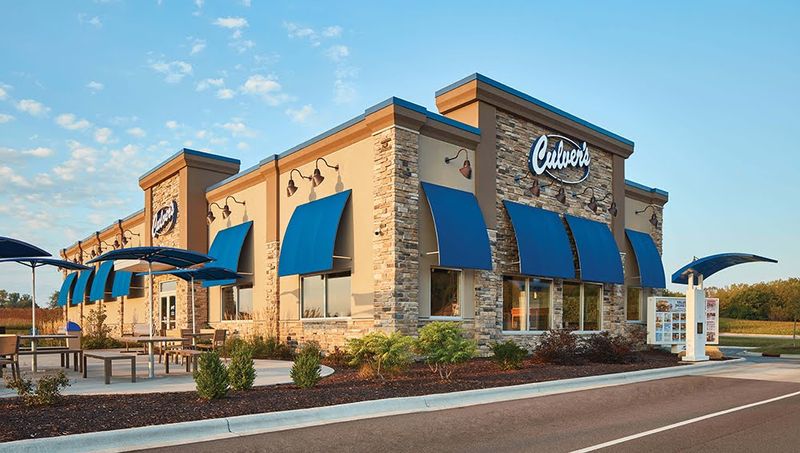
Coffee shops and diners along Main Street function as unofficial town halls where information gets exchanged, opinions get aired, and relationships get maintained.
These aren’t trendy third-wave coffee bars with minimalist interiors and laptop restrictions.
They’re working-class establishments with vinyl booths, bottomless coffee, and menus that haven’t changed much in decades.
Regulars occupy the same stools every morning.
Waitresses know orders before they’re spoken.
Conversation here moves at Main Street pace—unhurried, digressive, and genuinely social rather than performatively networked.
People discuss weather, crops, local politics, and high school sports with equal seriousness.
Strangers get drawn into discussions. Stories get told and retold.
These gathering spaces preserve something essential about small-town life—the habit of face-to-face interaction in shared public space.
Mitchell’s Main Street cafés remain busy not because they’re Instagram-worthy but because they serve a genuine social function that digital communication can’t replace.