
The Underrated Canyon In Nevada That Feels Like A Hidden World Away From The Main Roads
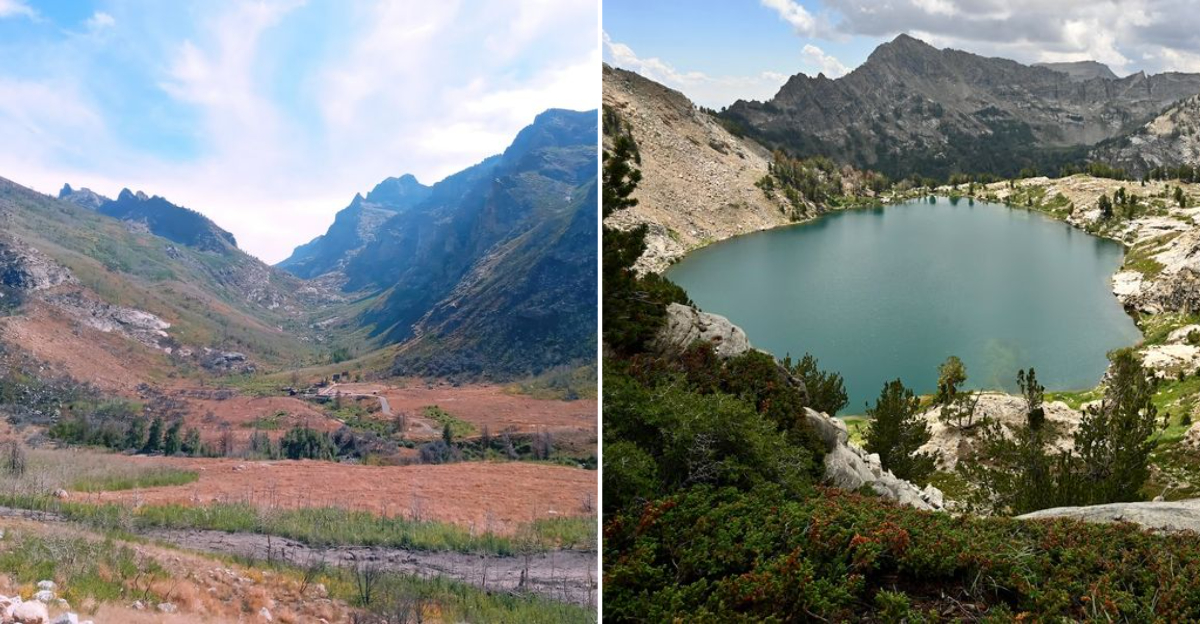
The turn off the main road doesn’t look like it leads anywhere worth the detour. That first impression is the canyon’s most effective filter.
Nevada hides its most rewarding geology behind access that requires a decision rather than a suggestion from a travel guide.
This canyon sits behind exactly that kind of access, and what opens up on the other side stops most first-time visitors mid-sentence.
Walls that change color through the day without any help from a filter. Silence that arrives complete rather than in degrees.
The main roads carry millions of people past the turnoff every year without a single sign making the case for what sits a short distance from the pavement. A canyon that feels like a different world because it effectively is one.
Geological Features That Define The Canyon
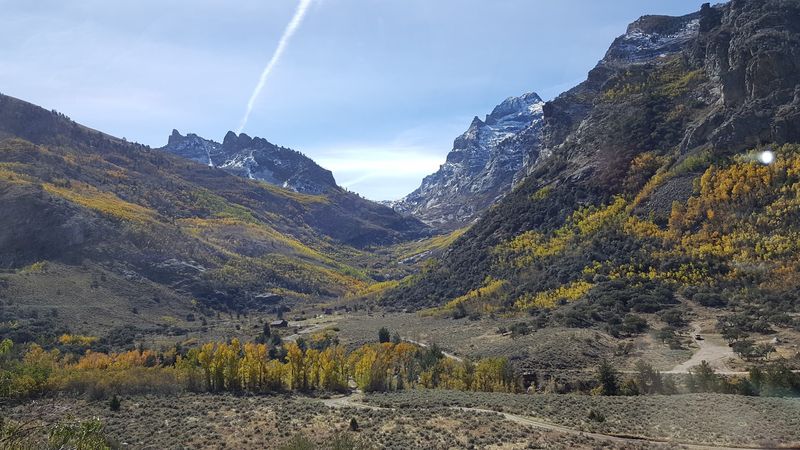
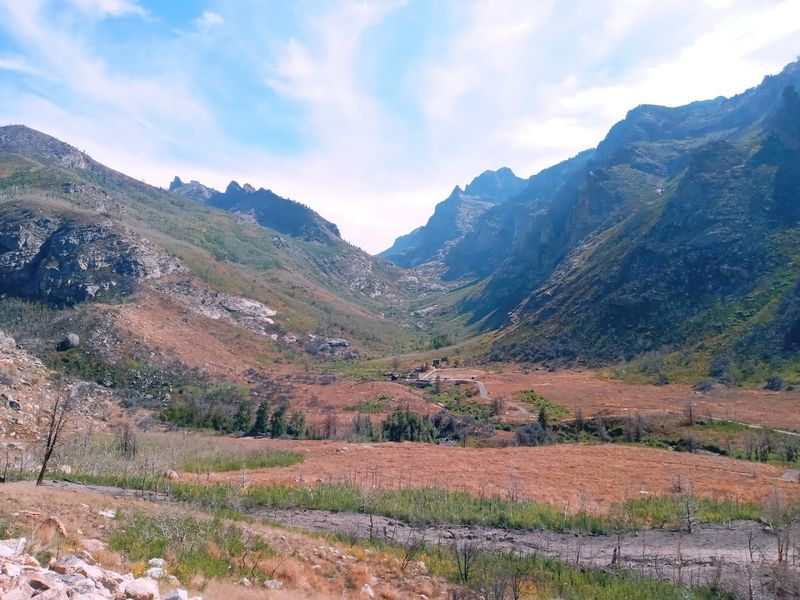
Glaciers did some seriously impressive work here thousands of years ago. Lamoille Canyon is a classic U-shaped valley, carved out by massive sheets of ice during past ice ages.
The result is a canyon that looks almost too dramatic to be real.
The walls rise sharply on both sides, revealing layers of ancient granite and metamorphic rock. You can spot cirques, which are bowl-shaped hollows carved by glaciers, clinging to the upper ridgelines.
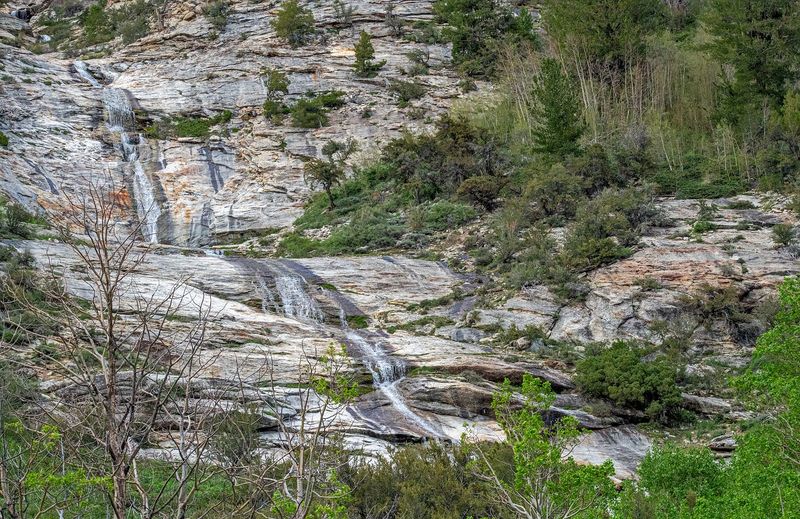
Hanging valleys dangle above the main canyon floor, sometimes releasing waterfalls during the snowmelt season.
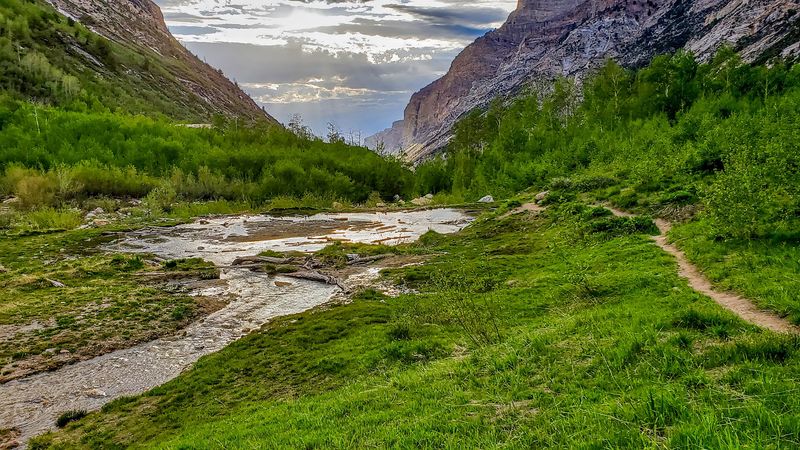
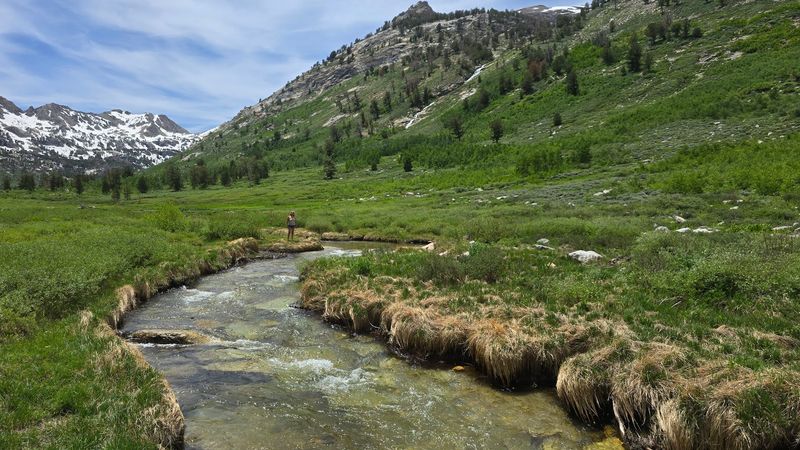
The Ruby Mountains are actually unusual for Nevada because they hold so much water. Streams run through the canyon floor year-round.
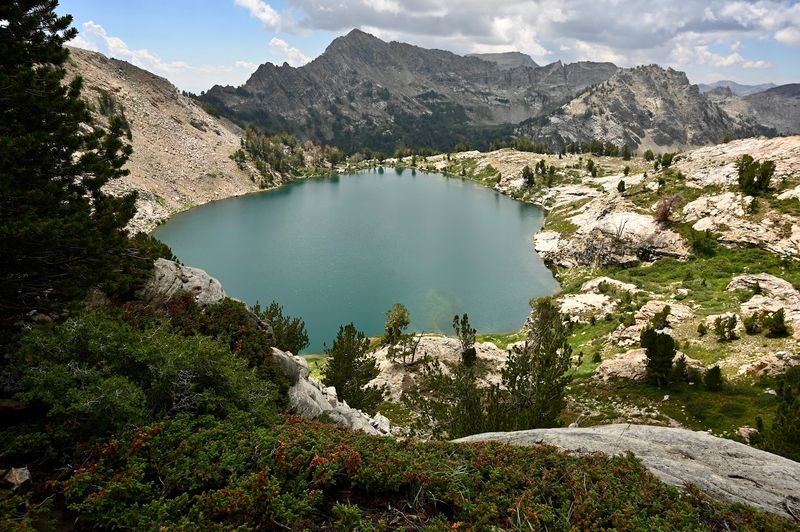
Alpine lakes sit in glacier-carved basins high above the byway.
The Lamoille Canyon Scenic Byway, also called FS Road 660, winds 12 miles into the canyon. It starts at lower elevations and climbs to around 8,800 feet at the road terminus.
Every mile reveals a new rock formation or cliff face worth stopping to admire.
Geologists love this place for good reason. The exposed rock tells a story of tectonic uplift, glacial erosion, and millions of years of natural sculpting.
You do not need a geology degree to appreciate it, though. One look at those cliffs and you instantly understand why people call this Nevada’s Yosemite.
Flora And Fauna Unique To The Area
Wildlife here does not play shy. Mule deer wander through meadows like they own the place, and honestly, they kind of do.
Mountain goats perch on rocky ledges so high up they look like tiny white dots against the granite.
Bighorn sheep also roam the Ruby Mountains. Elk pass through during certain seasons.
Bird watchers will find plenty to get excited about, from raptors circling overhead to smaller songbirds nesting in willows along the creek banks.
The plant life is equally impressive. Spring and summer bring waves of wildflowers across the alpine meadows.
Columbines, paintbrushes, and lupines create patches of color that almost look painted on the hillsides.
Beavers have built dams along the canyon streams, creating calm ponds that reflect the surrounding peaks. These beaver ponds are peaceful and photogenic.
They also support healthy fish populations, which is great news for anglers.
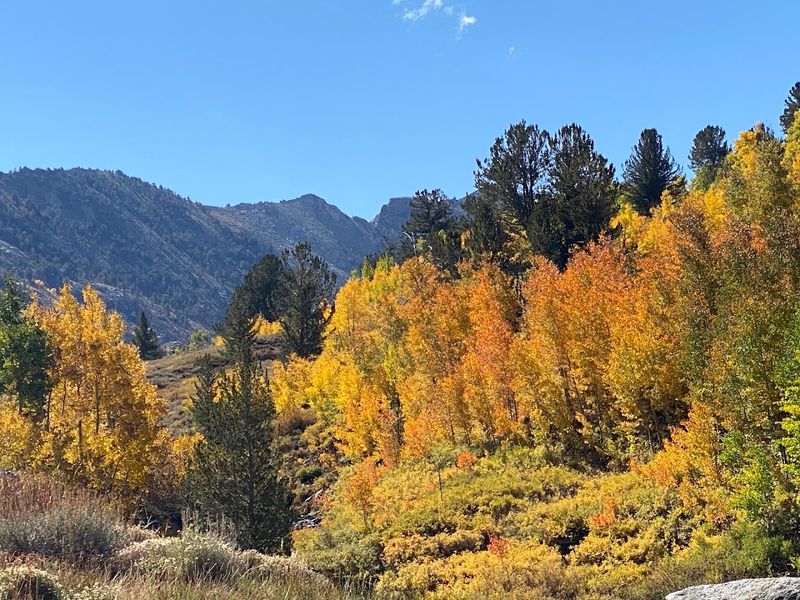
Aspen groves line parts of the canyon, and in fall they turn brilliant shades of gold and orange. The contrast against the dark granite walls is genuinely jaw-dropping.
Higher up, subalpine fir and Engelmann spruce take over the landscape.
The Ruby Mountains receive more precipitation than most Nevada ranges. That extra moisture supports plant communities you would normally expect to find much farther north.
Everything here feels lush and alive in a way that surprises most first-time visitors.
Best Times And Seasons To Visit The Canyon
Timing your visit matters a lot here. The Lamoille Canyon Scenic Byway is generally open from May through October.
Snow closes the upper portion of the road during winter, so plan accordingly.
Late spring is magical. Snowmelt sends waterfalls cascading down the canyon walls from every direction.
The streams run high and fast. Wildflowers start popping up in the meadows almost immediately after the snow retreats.
Summer is the most popular window, and for good reason. Temperatures in the canyon stay cooler than the surrounding desert.
Highs typically stay comfortable for hiking and picnicking. The alpine lakes are accessible, and the trails are in their best condition.
Fall might actually be the best-kept secret of all. September and October bring stunning foliage.
The aspen groves go full gold, and the crowds thin out considerably. You can have entire trail sections completely to yourself on a weekday in October.
Winter transforms the canyon into a quiet, snow-covered landscape. While the scenic byway closes, the lower sections remain accessible for Nordic skiing and snowshoeing.
Heli-skiing is also available in the Ruby Mountains for those chasing powder.
Weekdays are always quieter than weekends, regardless of the season. If you can swing a Tuesday or Wednesday visit, do it.
The canyon feels completely different without other vehicles on the byway. Mornings are also cooler and often clearer for photography and wildlife spotting.
Outdoor Activities Suitable For All Ages
There is genuinely something here for everyone, regardless of age or fitness level. The canyon does not require you to be an elite athlete to enjoy it.
Even a slow walk along the byway with a few stops delivers incredible scenery.
Fishing is a favorite activity for families. The alpine lakes and beaver ponds hold healthy trout populations.
A quiet morning by the water with a fishing rod is hard to beat in this setting.
Picnicking is popular at the day-use areas near the canyon entrance. The spots are well-maintained and surrounded by stunning views.
Bring a good lunch and plan to stay a while.
Camping is available at Thomas Canyon Campground, which sits right in the canyon. Primitive camping options also exist for those who prefer something more remote.
Falling asleep to the sound of a nearby stream is a solid life experience.
Horseback riding is permitted on several trails, making this a great destination for equestrian visitors. The Lamoille Stock Trail is specifically designed with horses in mind.
Wide paths and scenic terrain make it enjoyable for riders of all experience levels.
Wildlife watching requires zero equipment and zero fitness level. Simply find a quiet spot and wait.
Deer, birds, and even the occasional mountain goat will often appear without much effort. The canyon rewards patience in a big way.
Photography Tips For Capturing Natural Beauty
Golden hour hits different in Lamoille Canyon. The light bouncing off those granite walls in the early morning and late afternoon creates colors that look almost unreal in photos.
Set your alarm early. It is worth it.
The beaver ponds are perfect for reflection shots. On calm mornings, the water mirrors the surrounding peaks with almost perfect clarity.
Wide-angle lenses work especially well in these spots to capture both the foreground water and the mountains behind.
Waterfalls are best photographed during late spring when snowmelt is at its peak. A slower shutter speed creates that silky water effect.
Bring a tripod if you want sharp, professional-looking shots of moving water.
Wildlife photography takes patience. Mule deer often appear near the meadows in the early morning.
Mountain goats favor the high ridgelines and can be spotted with a telephoto lens. Do not approach wildlife to get a closer shot.
Use your Zoom instead.
Fall foliage photography is spectacular along the aspen groves. The warm gold tones contrast beautifully with the cool grey granite.
Overcast days can actually work well for foliage shots because the light is softer and more even.
The 12-mile scenic byway itself makes a great photography subject. Pull-offs are spaced along the road for safe stopping.
Shoot, looking both up the canyon and back toward the valley below for interesting perspective variety throughout the drive.
Trail Options And Hiking Difficulty Levels
The trail system here covers a wide range of difficulty levels. Whether you want a casual stroll or a serious mountain workout, the canyon delivers both without complaint.
Planning makes the difference between a great day and a rough one.
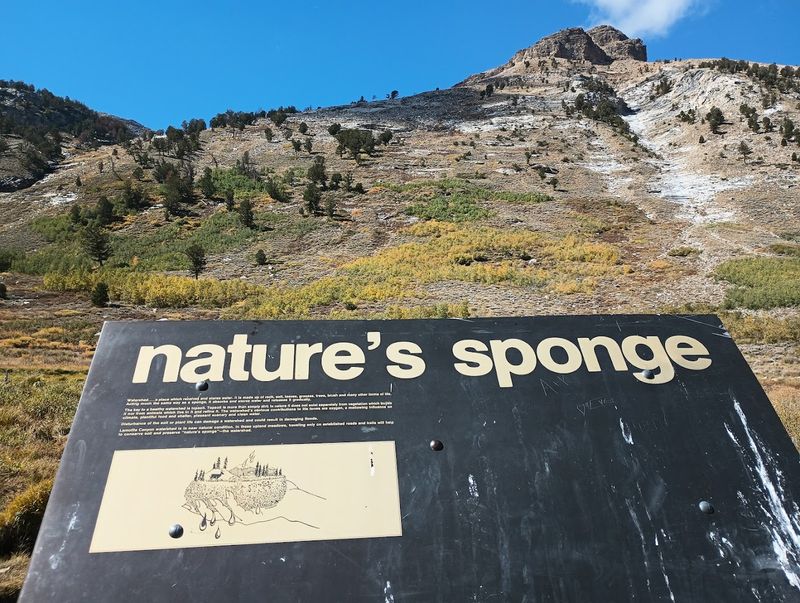
The Valley View interpretive trail near the byway entrance is short and easy. It includes informational signs about the canyon’s geology and ecosystem.
This is a great starting point for first-time visitors or families with young children.
The Lamoille Lake Trail is the most popular route in the canyon. It climbs roughly 1,800 feet over about 3.5 miles one way.
The destination is a stunning alpine lake surrounded by granite peaks. The effort is absolutely worth it.
Liberty Pass Trail extends beyond Lamoille Lake and continues to a high ridge with panoramic views. This route is more challenging and requires solid fitness.
The views from the pass are some of the best in the entire Ruby Mountains.
Island Lake Trail branches off from the main route and leads to another gorgeous alpine lake. It adds extra mileage and elevation but rewards hikers with a quieter destination.
Fewer people make the full trip out there.
The Ruby Crest National Recreation Trail is a 43-mile route that runs the length of the range. Sections of it are accessible from Lamoille Canyon.
Backpackers can plan multi-day routes using this trail for a more immersive wilderness experience.
Safety Precautions To Consider While Exploring
The canyon is beautiful, but it demands respect. Conditions can change fast, especially at higher elevations.
A sunny morning can turn into an afternoon thunderstorm without much warning during the summer months.
Always carry more water than you think you need. The trails climb significantly, and the exertion at altitude is more intense than it feels at lower elevations.
Dehydration sneaks up on hikers faster in mountain environments.
Snow can linger on upper trails well into July. Check trail conditions before heading out.
Ice patches on shaded sections of the trail can be dangerously slippery without traction devices or hiking poles.
The canyon road itself can be icy in winter and during early spring mornings. If you are visiting outside the main season, drive carefully.
The upper portion of the byway closes seasonally due to snow accumulation and avalanche risk.
Cell service is limited or nonexistent in much of the canyon. Download offline maps before you arrive.
Let someone know your plans and expected return time before heading out on longer trails.
Wildlife encounters are possible and should be handled calmly. Keep a safe distance from all animals, including deer.
Bears have been spotted in the Ruby Mountains, so carrying bear spray on backcountry routes is a smart precaution.
Start hikes early in the day. Lightning at elevation is a real danger in summer afternoons.
Being above treeline during a storm is a situation you want to avoid entirely.
History And Cultural Significance Of The Location
Long before it became a scenic byway destination, Lamoille Canyon held deep significance for the people who lived near these mountains. The Western Shoshone people inhabited the Great Basin region for thousands of years.
The Ruby Mountains were part of their traditional territory and provided important resources including game, plants, and water.
European American settlers arrived in the mid-1800s during the era of westward expansion. The town of Lamoille, near the canyon entrance, was established in the 1860s.
It became a small agricultural community supported by the streams flowing out of the Ruby Mountains.
The canyon’s name comes from this small town. Lamoille itself may have been named after Lamoille County in Vermont by early settlers who missed home.
Local history has a way of carrying those quiet personal stories across generations.
The Lamoille Glacier overlook along the byway includes interpretive exhibits explaining the canyon’s glacial history. These displays connect visitors to the deeper geological timeline of the landscape.
Understanding what shaped the canyon adds another layer to the experience.
The Ruby Mountains have attracted outdoor enthusiasts for over a century. Early explorers documented the dramatic scenery and rich wildlife.
The area eventually gained recognition from the U.S. Forest Service, which now manages much of the land.
The canyon remains a living part of the regional identity for Elko County residents. Locals visit regularly and take genuine pride in this natural landmark sitting practically in their backyard.