
The Undiscovered Small Town In Florida That Feels Like A Step Back In Time
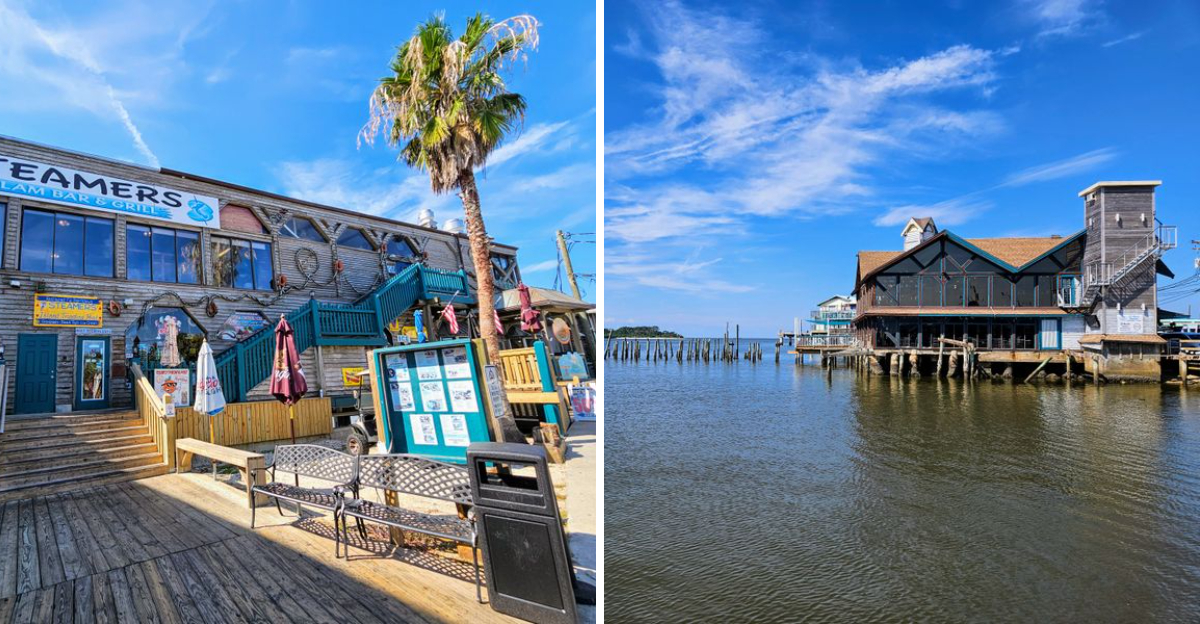
Cedar Key sits at the edge of Florida’s Big Bend coast, a small island town that never chased the usual tourist boom.
While other Gulf towns grew into resorts and high-rises, this place stayed small, stubborn, and tied to its fishing roots.
Walking its quiet streets feels like stepping into a slower era, where the waterfront still shapes daily life and the pace hasn’t changed much in decades.
That sense of simplicity is exactly what draws people who are looking for something calmer and more authentic.
Cedar Key Was Once A Major Gulf Coast Port
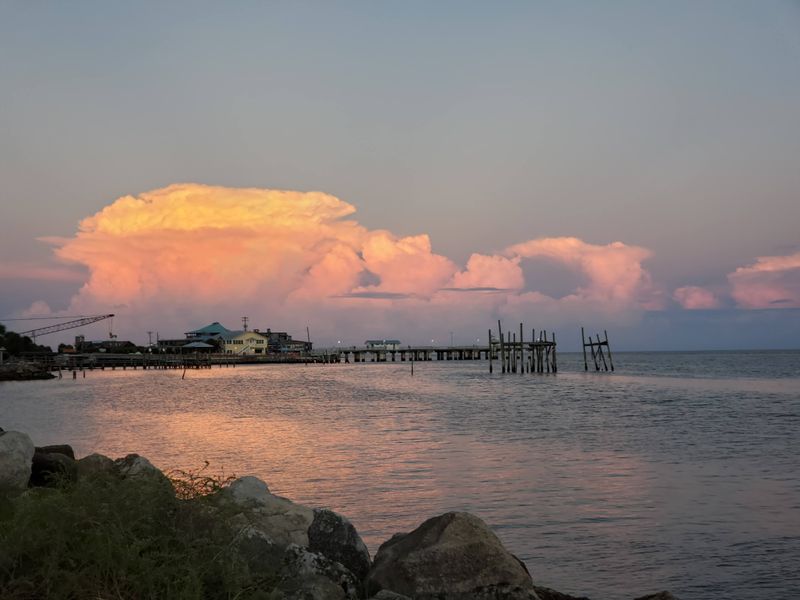
Long before the highways ran down the peninsula, Cedar Key thrived as one of Florida’s busiest ports.
Timber, pencils, and seafood moved through its docks by the ton, connecting the Gulf to northern markets.
Ships crowded the harbor, and the town hummed with commerce that felt unstoppable.
Then the railroads shifted south, bypassing the island entirely.
The port declined, the mills closed, and Cedar Key settled into a quieter rhythm that never quite reversed.
The Town Never Rebuilt As A Resort After Devastating Hurricanes
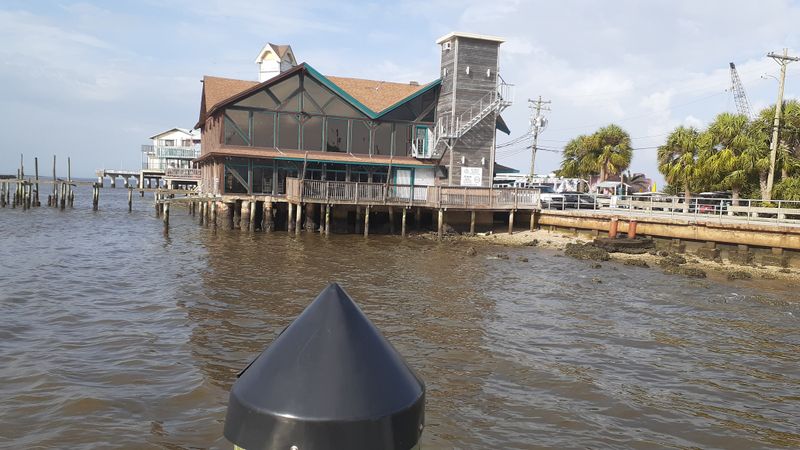
Hurricanes hit Cedar Key hard over the years, flattening buildings and washing away entire blocks.
Other coastal towns rebuilt bigger, courting developers and resort chains eager to capitalize on beachfront property.
Residents rebuilt small, keeping the scale modest and the character intact.
There was no rush to transform the waterfront into something glossy or commercial.
The town stayed low to the ground, shaped more by necessity and preference than by investor ambition.
Dock Street Still Centers Life Around The Working Waterfront
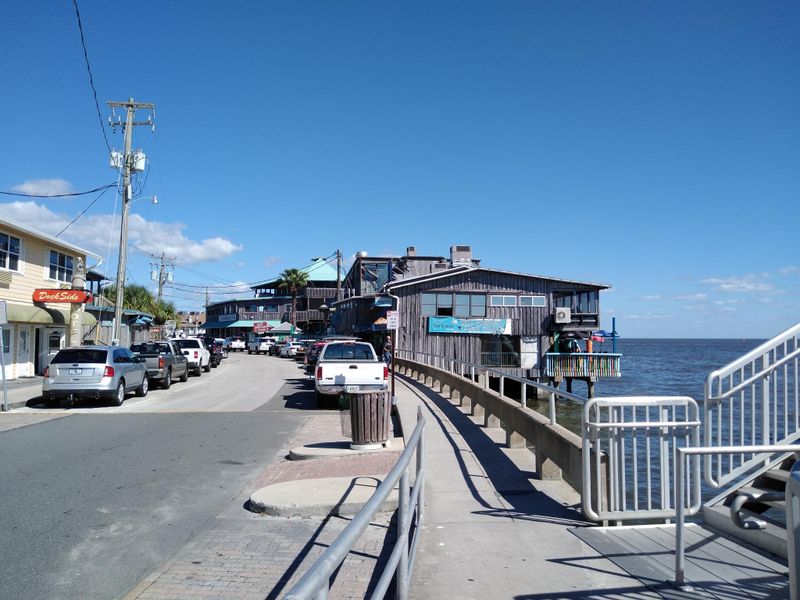
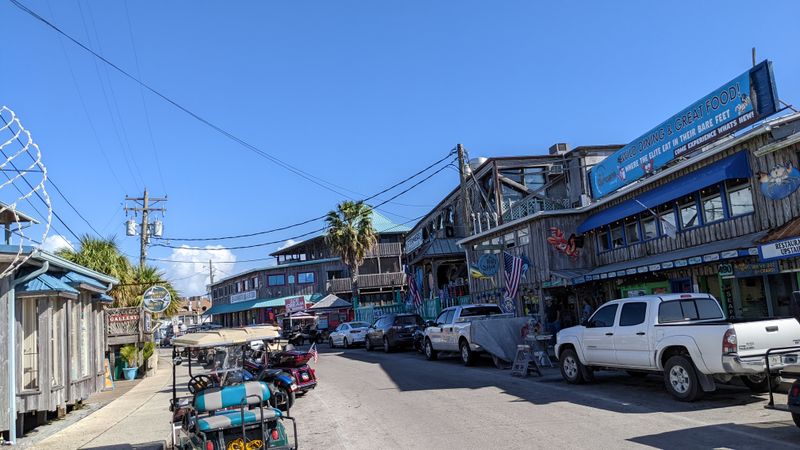
Dock Street runs along the water, lined with seafood shacks, bait shops, and weathered piers where boats tie up after a day on the Gulf.
This is not a promenade designed for tourists—it’s the functional heart of a working town.
Fishermen unload their catch here, clammers sort through buckets, and locals gather without much ceremony.
You can buy fresh oysters, watch pelicans dive, or sit on a bench without feeling rushed or sold to.
There Are No High-Rise Hotels Or Chain Resorts
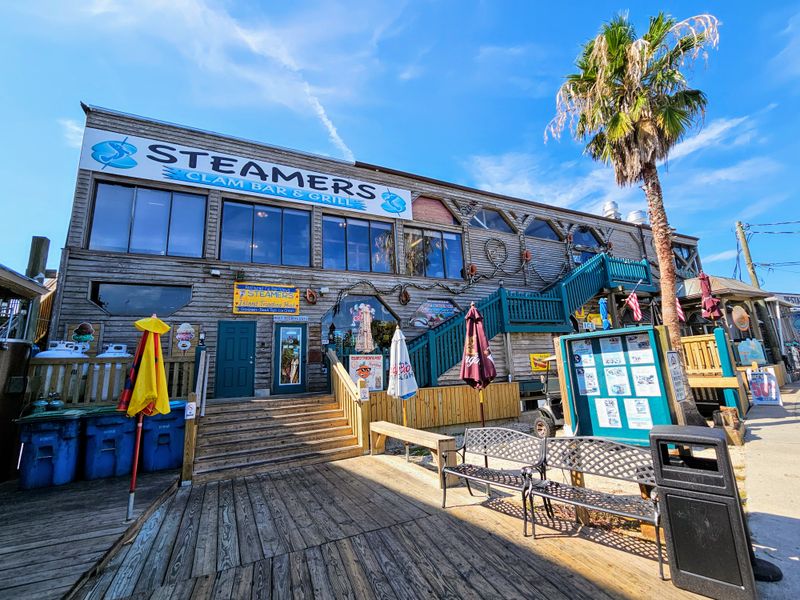
Cedar Key’s skyline consists mostly of treetops and a water tower.
There are no towering hotels blocking the view, no franchise resorts lining the shore.
The lodging here runs small—a handful of inns, cottages, and bed-and-breakfasts that feel personal rather than corporate.
Without the usual infrastructure of mass tourism, the town retains a scale that feels manageable and unhurried.
You won’t find a resort pool or a lobby bar, but you will find a place that hasn’t been flattened into sameness.
Fishing And Clamming Remain Part Of Daily Life
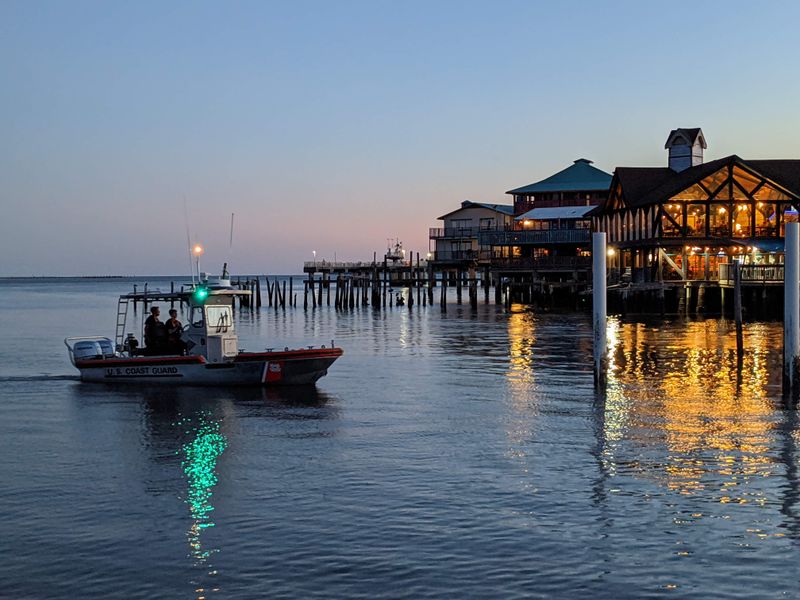
Fishing and clamming are not nostalgic activities here—they’re how people make a living.
Early mornings bring boats out to the flats, and afternoons see them returning with coolers full of clams, mullet, and stone crab.
The rhythm is steady, unglamorous, and essential.
You’ll see evidence of this everywhere: nets drying on docks, bait shops open before dawn, seafood markets selling what was caught that morning.
The town’s economy still depends on the water, and that dependence keeps it grounded in something real.
Historic Buildings House Museums, Shops, And Homes
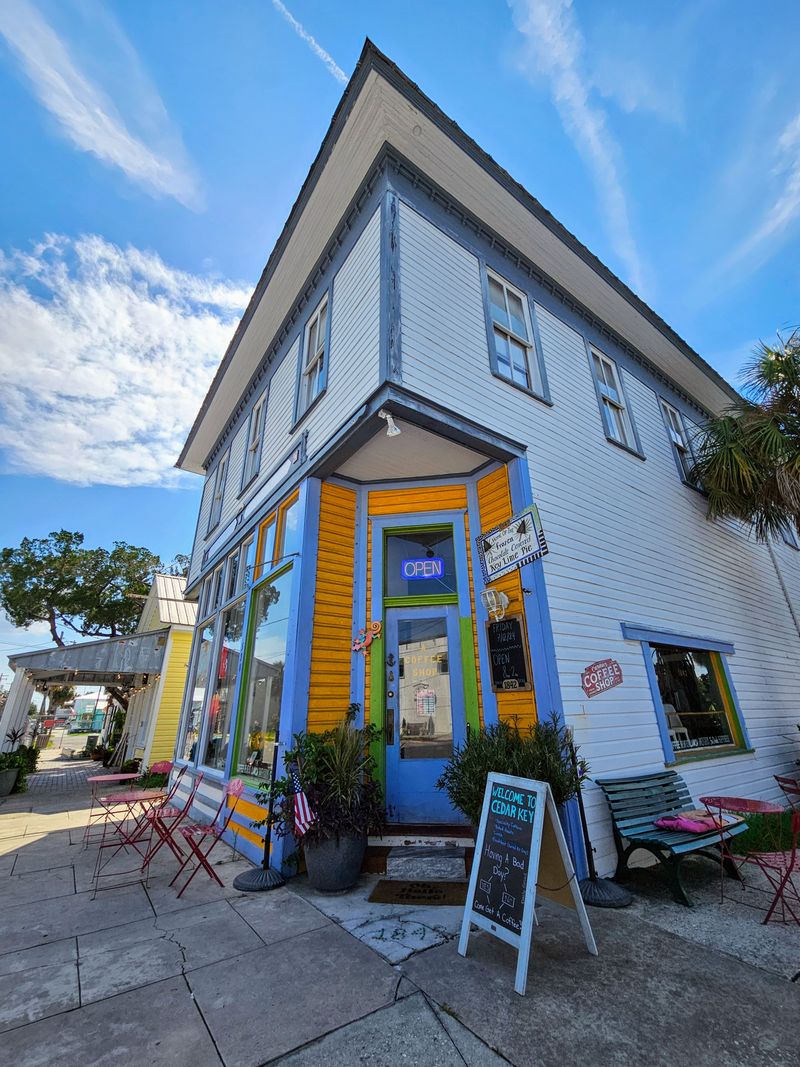
Many of Cedar Key’s older buildings still stand, repurposed over the years but never demolished.
Some house small museums displaying artifacts from the town’s port days, while others operate as galleries, gift shops, or private homes.
The architecture is modest—wood-frame structures with wide porches and tin roofs that have weathered decades of salt air.
They remind you that Cedar Key has been here a long time, adapting without erasing what came before.
A State Park Preserves The Town’s Cultural Past
Cedar Key Museum State Park sits on the island’s edge, offering both natural trails and a restored 1920s home filled with artifacts from the town’s busier days.
The exhibits cover the timber industry, the railroad that never quite arrived, and the communities that shaped the island over centuries.
The park is small but thorough, presenting Cedar Key’s history without sentimentality.
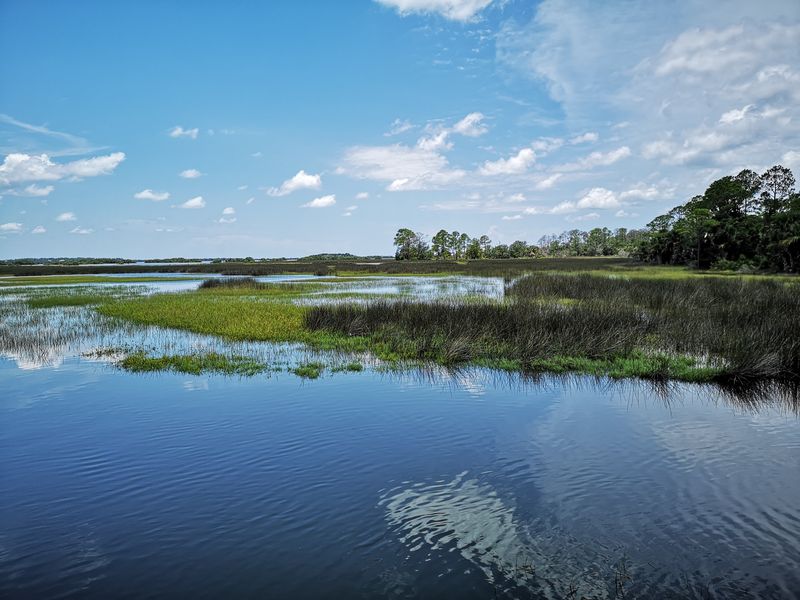
You can walk through the house, then step outside into coastal scrub and salt marsh, connecting the past directly to the landscape that remains.
Atsena Otie Key Reveals The Town’s Original Settlement
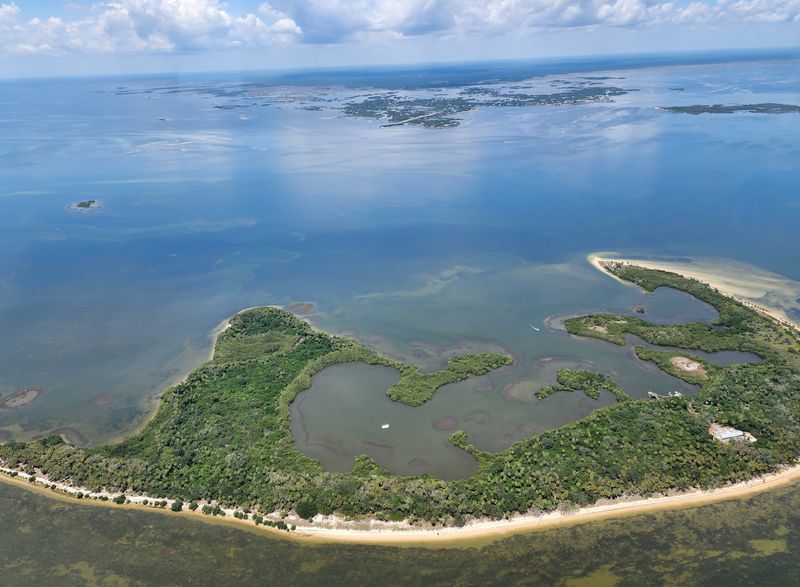
Before Cedar Key was Cedar Key, the main settlement sat on nearby Atsena Otie Key.
You can still visit the island by boat, where ruins of old structures and a historic cemetery remain scattered among the palms and scrub.
The site feels quiet and slightly forgotten, though interpretive signs explain its significance.
Walking through Atsena Otie offers a tangible sense of how Cedar Key began—and how fragile early coastal settlements were.
The island was abandoned after a hurricane, and nature has slowly reclaimed what was left behind.
Sunsets Happen Without Condos Blocking The Horizon
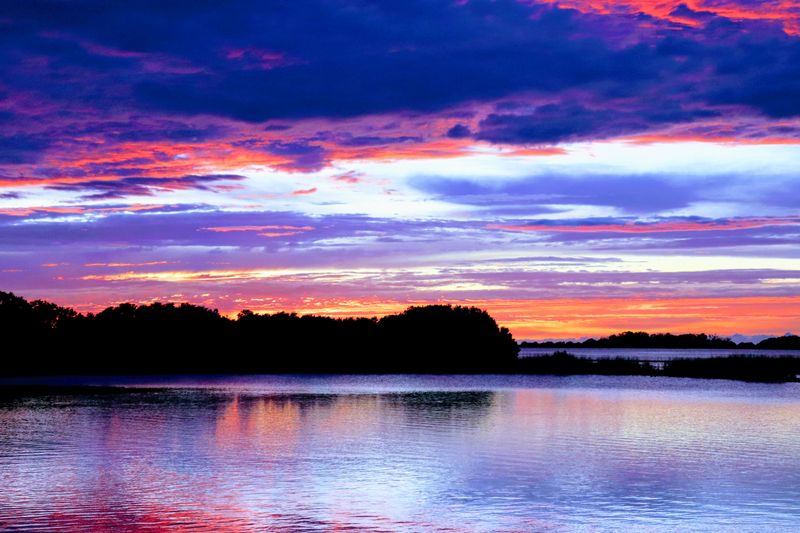
Sunsets in Cedar Key unfold across an open horizon, uninterrupted by condos or resort towers.
The sky stretches wide over the Gulf, and the light shifts through shades of orange, pink, and violet without competition from man-made structures.
People gather along the waterfront to watch, often in silence.
This simple pleasure—a clear view of the sun meeting the water—has become rare along much of Florida’s coast.
In Cedar Key, it remains a nightly ritual, available to anyone willing to pause and look west.
Cedar Key’s Slowness Is A Choice, Not An Accident
Cedar Key didn’t accidentally stay small—it chose to.
Residents have resisted large-scale development, declined offers from resort chains, and maintained zoning that keeps the town low-rise and locally owned.
The result is a place that moves at its own speed, unbothered by trends or pressure to grow.
Visitors sometimes mistake this slowness for stagnation, but it’s actually discipline.
Cedar Key knows what it is and has decided that’s enough.
The Island’s Geography Keeps Development Limited
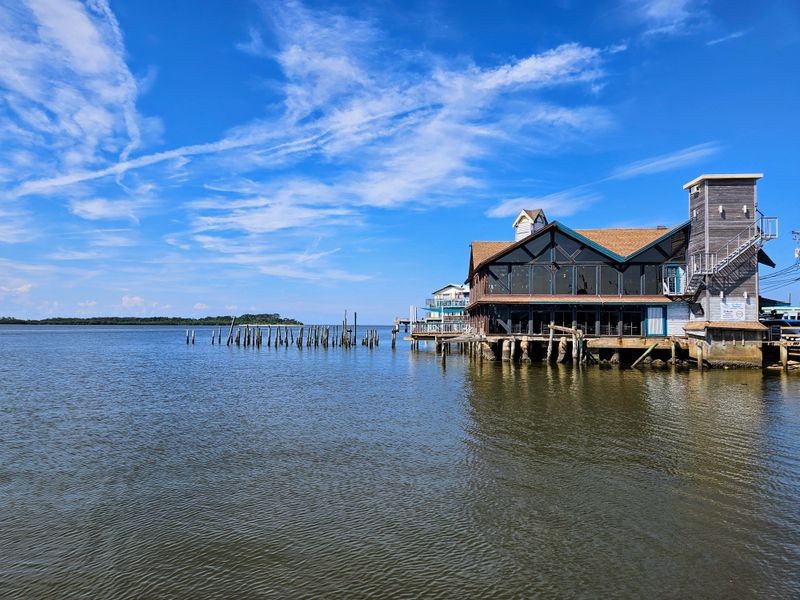
Cedar Key occupies a small island with limited space and access.
The town sits at the end of State Road 24, surrounded by water and protected wildlife areas.
There’s simply not much room to expand, even if developers wanted to try.
With only so much land available, growth remains naturally checked.
he surrounding marshes and keys remain undeveloped, creating a buffer that reinforces Cedar Key’s isolation and character.
Wildlife Refuges Surround The Town On All Sides
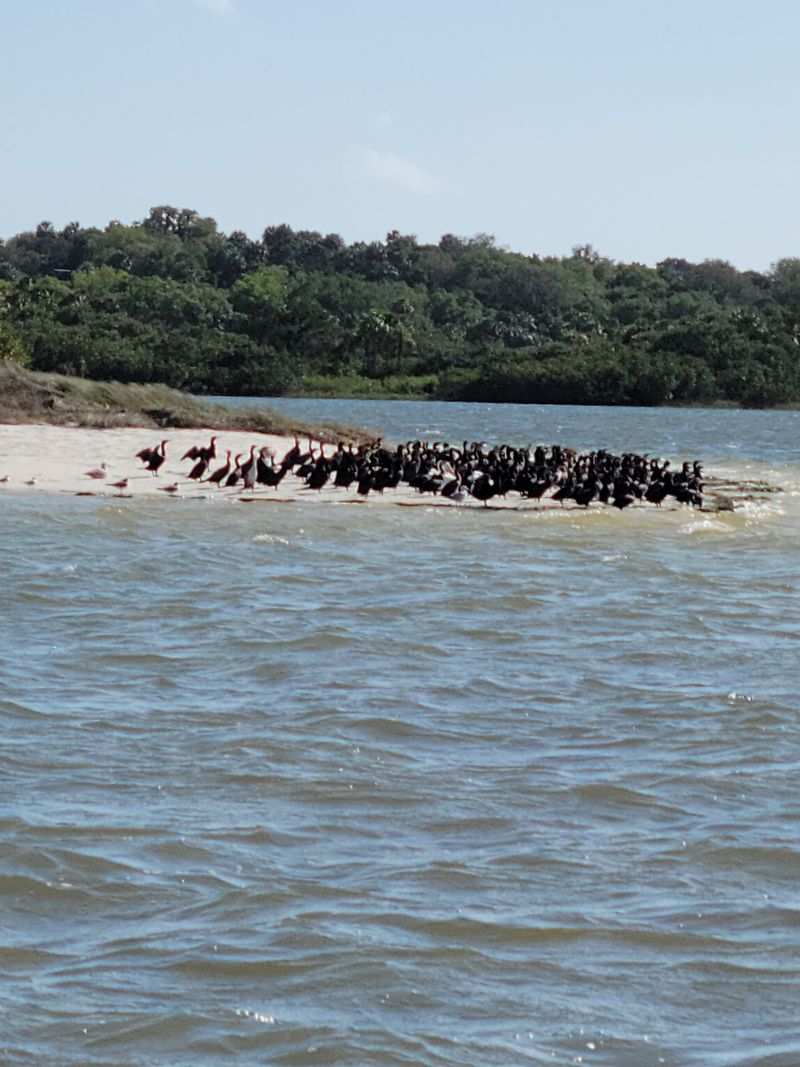
Cedar Key sits within a constellation of protected islands and refuges.
The Cedar Key National Wildlife Refuge encompasses several small keys accessible only by boat, offering trails and nesting grounds for herons, egrets, and other coastal birds.
The refuges create a natural boundary around the town, limiting where development can reach.
You can kayak through shallow waters, spot dolphins, or walk quiet trails without ever leaving the area.
The wildness feels close, not distant or theoretical.
Artists And Writers Have Long Found Refuge Here
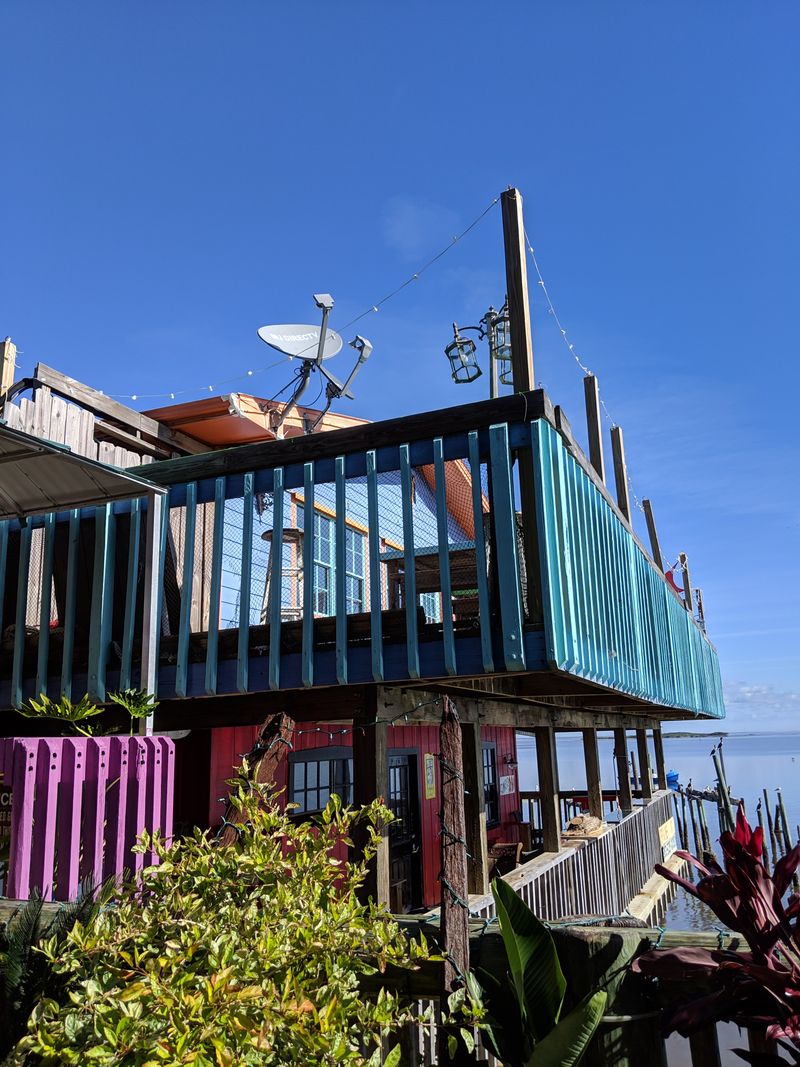
Cedar Key has quietly attracted artists and writers for decades, drawn by the light, the isolation, and the lack of distraction.
Small galleries and studios dot the town, selling paintings, pottery, and handmade goods.
The creative community is modest but present, woven into the town’s fabric without dominating it.
There’s no formal arts district or curated scene—just individuals who chose this place for its slowness and stayed.
The work they produce often reflects the landscape and rhythm of the island itself, quiet and unhurried.
The Annual Seafood Festival Draws Crowds Without Changing The Town
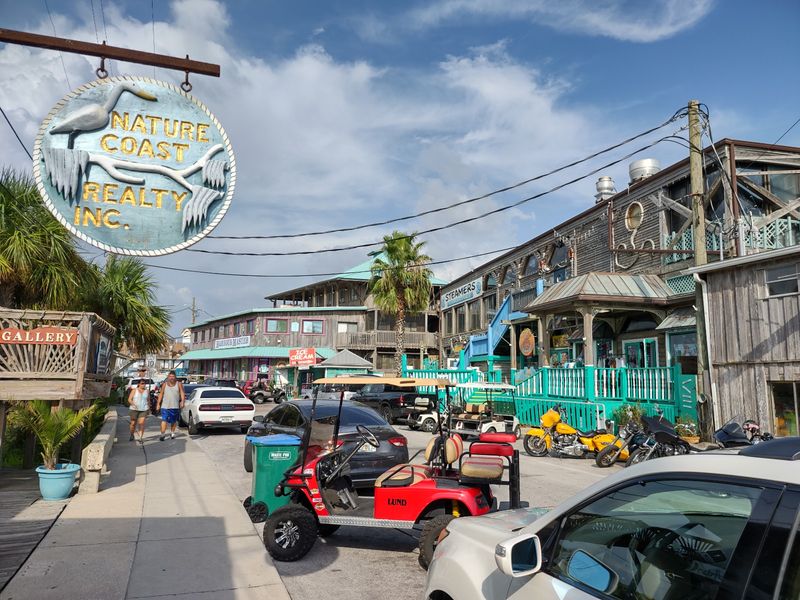
Once a year, Cedar Key hosts a seafood festival that brings thousands of visitors to the island.
For a weekend, the streets fill with vendors, live music, and long lines for clam chowder and fried fish.
It’s loud, crowded, and briefly chaotic—a sharp contrast to the town’s usual quiet.
The festival is a tradition, celebrated and endured, but it doesn’t reshape the town.
By Monday, the visitors are gone, and the waterfront is calm again, just as it was before.