
The Undiscovered Small Town In Tennessee That Feels Like Old America
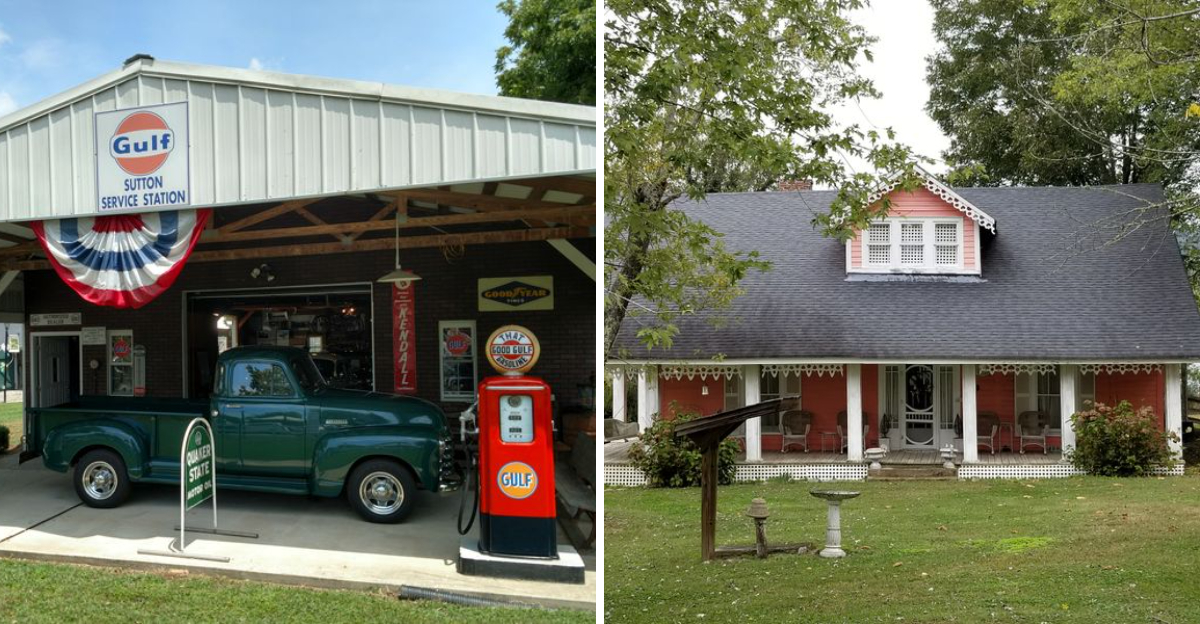
Granville, Tennessee sits tucked along the Cumberland River in Jackson County, a place where modern life hasn’t rewritten the landscape or the pace of daily routines.
This unincorporated community, birthplace of U.S.
Senator Albert Gore Sr., remains largely unchanged by tourism or commercial development.
Surrounded on three sides by Cordell Hull Lake, Granville offers a glimpse into what small-town America looked and felt like more than a century ago.
Walking through its quiet streets feels less like visiting a museum and more like stepping into a living memory of rural Tennessee.
A Tiny Tennessee Town Where Time Seems To Pause
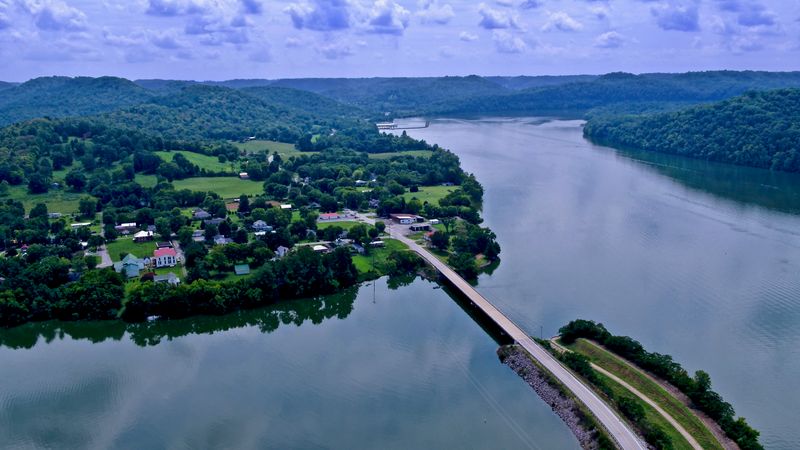
Granville occupies a peculiar position in Tennessee’s geography, hemmed in by water on three sides thanks to Cordell Hull Lake.
This isolation has created a natural buffer against sprawl and chain stores.
The town’s population remains small, and most residents have deep roots here.
Driving into Granville feels intentional rather than accidental.
You won’t stumble upon it while rushing between cities.
The roads narrow as you approach, and the landscape opens into fields and old timber homes.
There’s no urgency here, no pressure to move faster than the river itself.
Locals greet strangers with measured curiosity, not suspicion.
Conversations unfold at their own pace, and silence isn’t uncomfortable.
Granville doesn’t perform its history.
It simply continues living within it, day by day, without fanfare or self-consciousness about what makes it different from everywhere else.
A Historic General Store Still At The Heart Of Town
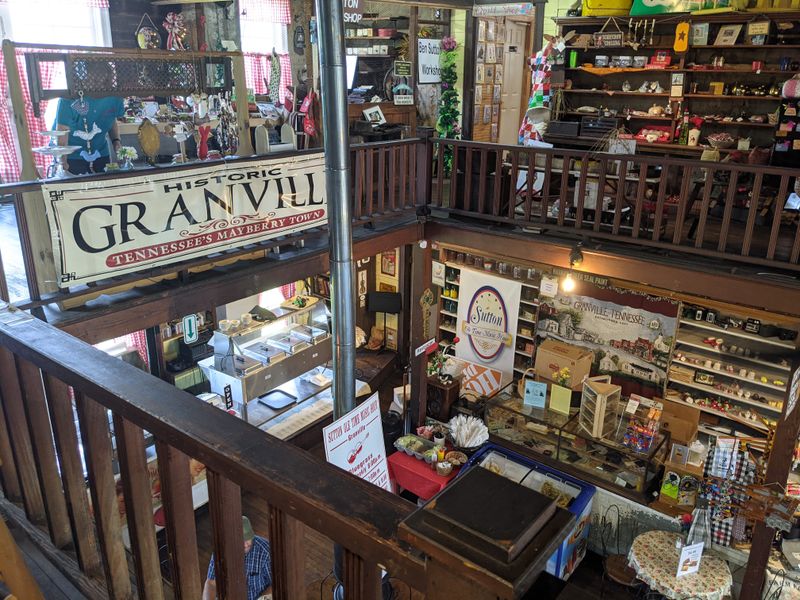
Granville’s general store stands as the social and commercial anchor of the community, a structure that predates most of the buildings around it.
Wooden floors creak underfoot, and shelves hold practical goods rather than curated nostalgia.
People come here not just to buy supplies but to exchange news and check in on neighbors.
The store operates without the polish of a restored tourist attraction.
Dust gathers in corners, and the lighting remains dim by modern standards.
Yet it functions exactly as it did generations ago, serving locals who need basics without driving to larger towns.
Conversations happen naturally here, often between people who’ve known each other for decades.
Visitors are welcomed but not catered to.
The atmosphere reflects genuine use rather than preservation for its own sake.
This building represents continuity in a world obsessed with renovation and rebranding, a place where commerce and community remain inseparable.
Founded On River Trade And Rural Community Life
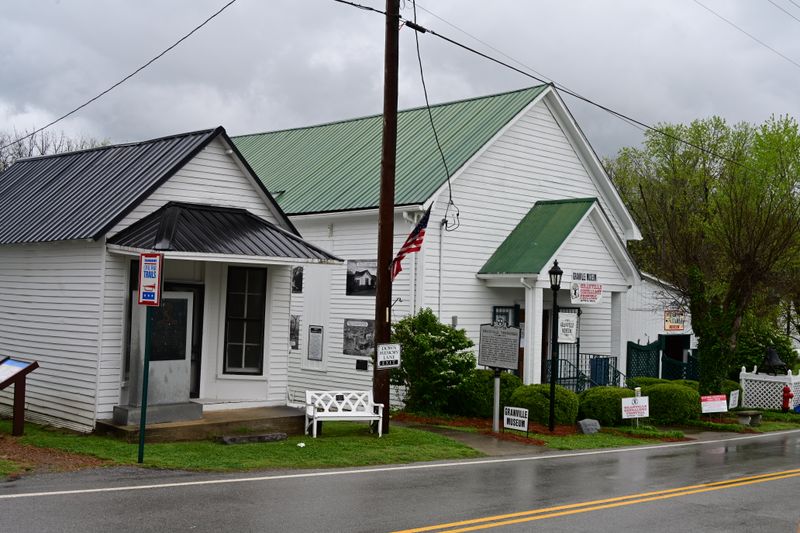
Granville’s origins trace back to the Cumberland River’s importance as a transportation and trade route through Middle Tennessee.
Before railroads and highways reshaped commerce, rivers moved goods and people across distances that would have been impossible overland.
Granville emerged as a stopping point where farmers and traders could rest and exchange products.
The town never grew large, but it served its purpose well for those who settled nearby.
Families built homes, cleared land, and established patterns of mutual support that defined rural life.
Churches and schools followed, creating the infrastructure of a stable community.
When the river trade declined, Granville didn’t adapt by chasing new industries or courting developers.
Instead, it simply continued, smaller and quieter, sustained by those who chose to stay.
This lack of reinvention preserved the town’s character in ways more ambitious places lost.
Understanding Granville requires recognizing how geography and economics shaped its past and continue influencing its present.
Why Granville Never Became A Tourist Stop
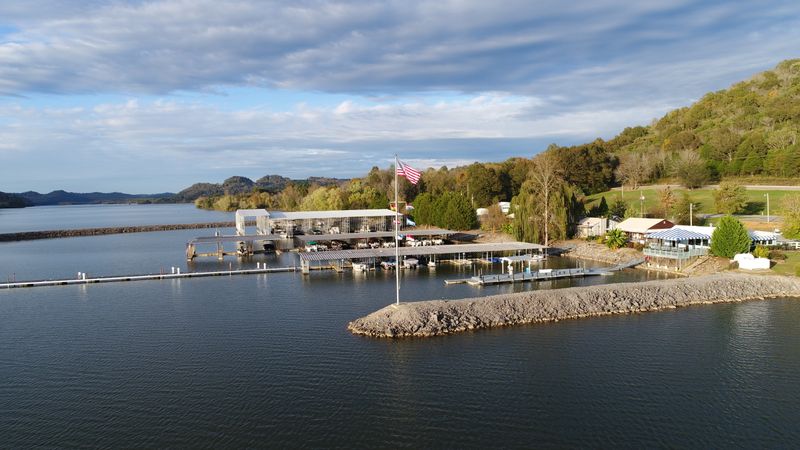
Tourism requires infrastructure: lodging, restaurants, attractions designed to occupy visitors for hours or days.
Granville has none of these in any conventional sense.
There’s no chamber of commerce promoting the town, no brochures highlighting must-see spots, no gift shops selling local crafts.
The town’s location contributes to this absence.
Surrounded by Cordell Hull Lake, Granville sits off major routes that tourists typically follow through Tennessee.
You have to want to go there specifically, and most travelers don’t know it exists.
Local residents haven’t pursued tourism development, either by choice or circumstance.
The result is a town that functions for its inhabitants rather than visitors.
This creates authenticity but also means fewer resources for preservation or promotion.
Granville’s obscurity protects it from the changes tourism brings, but it also means fewer people will ever experience what makes this place remarkable before time and economics shift again.
A Main Street That Still Feels Like The 1800s
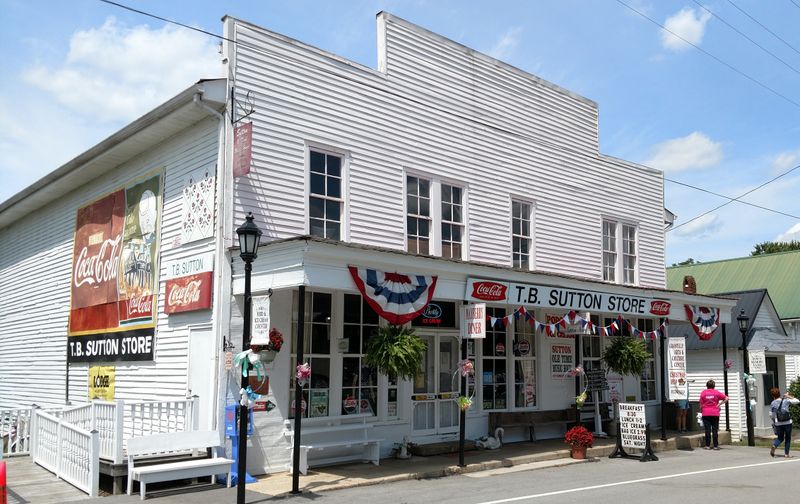
Granville’s main street lacks the polish of restored historic districts you’ll find in tourist towns.
Buildings show their age honestly, with weathered wood and faded paint that tell stories of decades without major renovation.
No boutiques or wine bars have moved in to gentrify the streetscape.
The scale remains human and walkable, designed for foot traffic and horse-drawn wagons rather than automobiles.
Sidewalks, where they exist, are uneven.
Street lighting is minimal, and after dark the town settles into deep quiet.
Architectural details reflect practical construction methods from the nineteenth century: simple lines, functional porches, materials sourced locally.
Nothing here was built to impress outsiders or make a statement beyond utility and shelter.
The effect is cohesive not through planning but through shared circumstances and limited resources.
Walking this street feels like moving through a photograph, except everything still functions and people still live here, making it far more interesting than any museum recreation.
Community Traditions That Keep The Town Alive
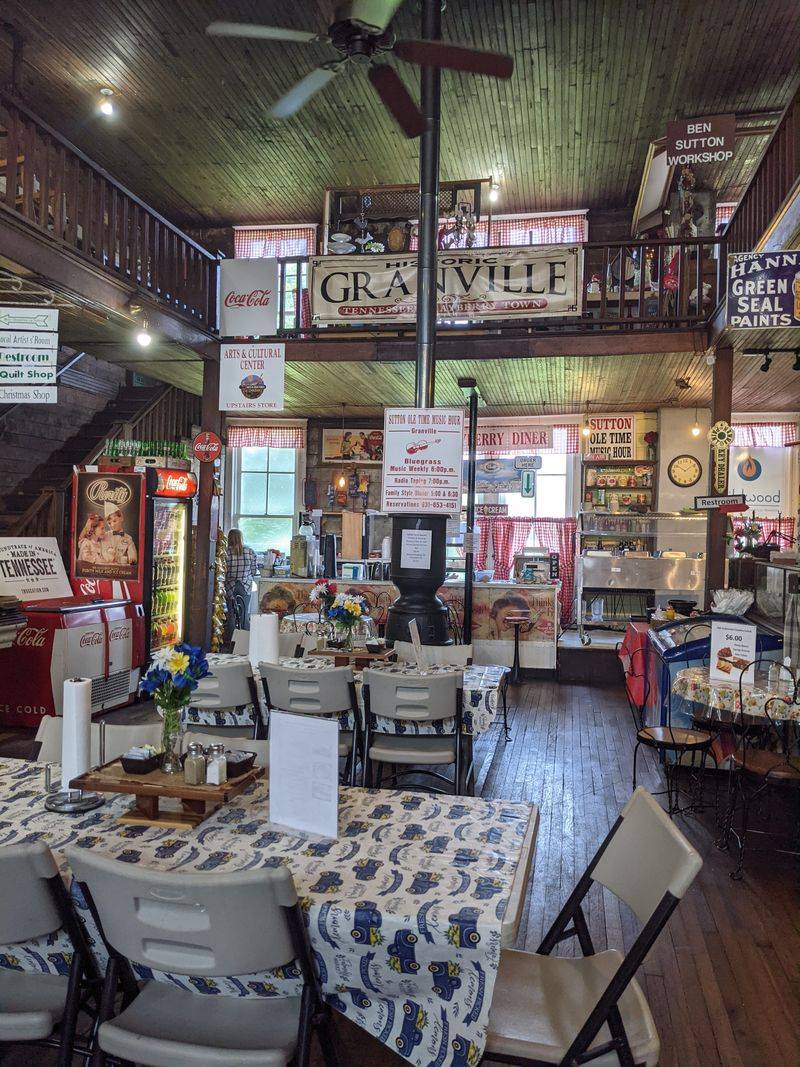
Granville survives through practices that urban dwellers might find quaint but which here represent essential social infrastructure.
Neighbors help neighbors with repairs, harvests, and emergencies without expectation of formal payment.
Knowledge passes informally between generations through conversation rather than classes.
Church gatherings remain central to community life, providing regular occasions for people to connect beyond individual households.
Potluck dinners, holiday celebrations, and memorial services create rhythms that structure the year.
These events aren’t performances for outsiders but genuine expressions of shared identity.
The traditions aren’t frozen in amber but adapt slowly to changing circumstances while maintaining their core purposes.
Young people who stay or return bring new perspectives without completely abandoning older ways.
This balance keeps Granville from becoming either a theme park or a ghost town.
Understanding these traditions requires patience and observation, qualities that casual visitors rarely bring but which reveal the town’s true character over time.
Music, Storytelling, And Old-Time Appalachian Culture
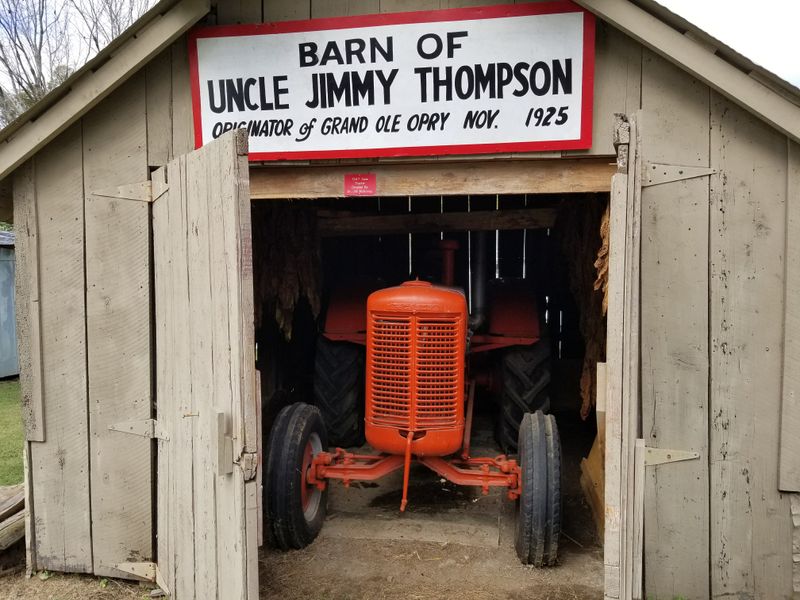
Appalachian culture runs deep in Jackson County, and Granville preserves musical traditions that elsewhere survive only in revival festivals.
Older residents remember songs learned from parents and grandparents, melodies that trace back to Scots-Irish immigrants who settled these hills.
Instruments appear at informal gatherings: fiddles, banjos, guitars played without amplification or professional polish.
Storytelling here isn’t performance art but conversation, tales about local characters and events that blend humor with history.
These stories teach values and preserve memory in communities where written records remain sparse.
Younger listeners absorb them gradually, often without realizing they’re receiving cultural education.
The culture isn’t self-conscious or marketed.
No one in Granville thinks of themselves as cultural ambassadors or heritage preservationists.
They’re simply living as their families have lived, maintaining practices that feel natural rather than archaic.
This authenticity makes Granville’s cultural life more valuable than better-documented traditions elsewhere, though ironically it also makes it more vulnerable to disappearing without notice.
Life Along The Cumberland River
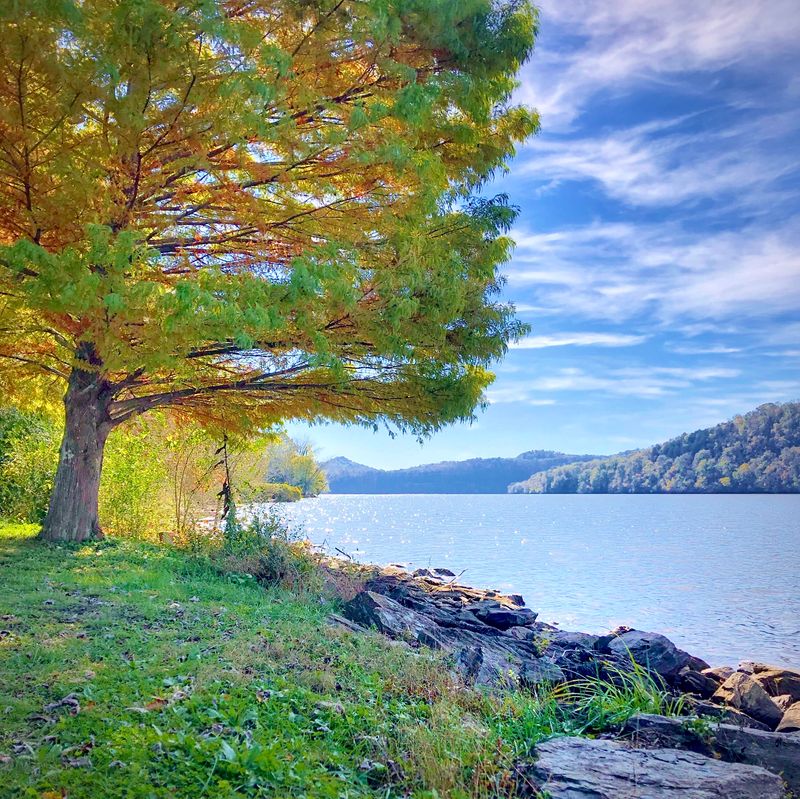
Cordell Hull Lake, formed by damming the Cumberland River, defines Granville’s physical landscape and daily rhythms.
Water surrounds the town on three sides, creating a peninsula that feels both protected and isolated.
Residents fish, boat, and watch the water levels change with seasons and rainfall.
The lake brought changes when it was created, flooding some areas and altering the town’s relationship with the river.
Older residents remember life before the dam, when the Cumberland ran free and unpredictable.
The lake tamed those floods but also transformed the ecosystem and landscape.
Today the water attracts some recreational users, mostly locals who know the coves and channels.
Commercial development never followed the lake’s creation here as it did elsewhere.
Granville’s shoreline remains largely undeveloped, lined with trees rather than vacation homes.
Living beside this water shapes perspectives and possibilities, connecting Granville to broader waterways while simultaneously reinforcing its separation from the world beyond those shores.
Fewer Crowds, Fewer Chains, More History
Granville offers something increasingly rare in American life: absence.
No national retail chains operate here.
No franchise restaurants serve predictable meals.
No crowds compete for parking or photo opportunities.
This emptiness isn’t abandonment but rather a different kind of fullness, one measured in continuity rather than activity.
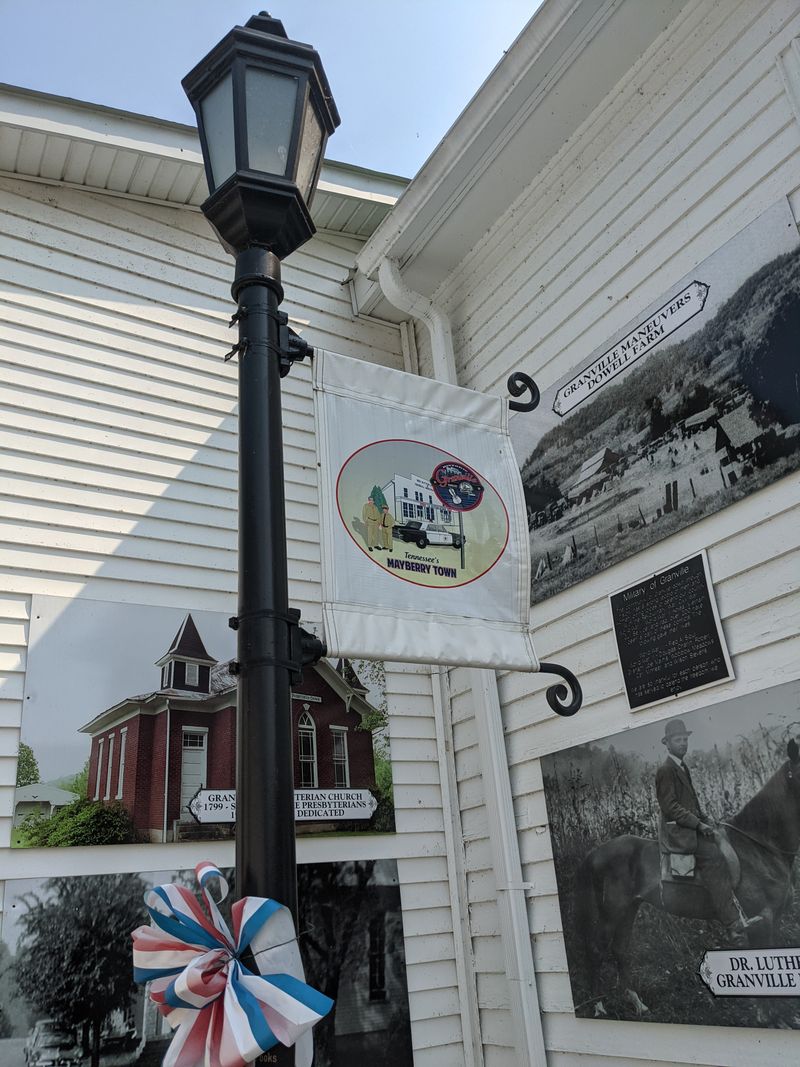
The history here isn’t curated or interpreted through plaques and visitor centers.
It exists in buildings still used for their original purposes, in families who’ve lived here for generations.
Visitors accustomed to destinations that cater to tourists might initially find Granville disappointing.
There’s nothing obvious to do, nowhere designated to go.
The town doesn’t perform or explain itself.
Those who stay longer and pay attention discover that the absence of commercial tourism creates space for genuine observation and reflection.
Granville rewards patience and curiosity rather than providing instant gratification, making it unsuitable for most travelers but perfect for those seeking something deeper.
How Local Preservation Revived A Nearly Forgotten Town
Granville faced the same challenges as countless rural communities: young people leaving, economic decline, buildings deteriorating faster than resources could repair them.
The town could have disappeared entirely, becoming another name on old maps that historians occasionally note.
Instead, a combination of local commitment and outside interest sparked modest preservation efforts.
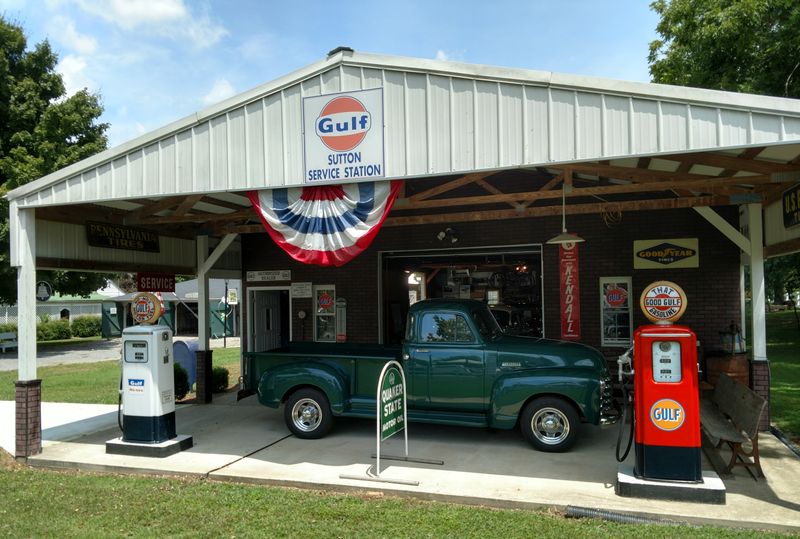
Residents who stayed invested personal time and money maintaining historic structures.
Some descendants who’d moved away returned, bringing resources and renewed appreciation for what they’d left behind.
The preservation here differs from typical historic district projects.
No major grants transformed the town overnight.
No developers saw profit potential and moved in.
Progress happened slowly, building by building, through individual decisions to repair rather than abandon.
This grassroots approach preserved authenticity that professional restoration often loses.
Granville remains a working town rather than a museum, alive in ways that more polished historic sites cannot replicate, though it also means ongoing vulnerability to forces beyond local control.
A Place Built For Neighbors, Not Visitors
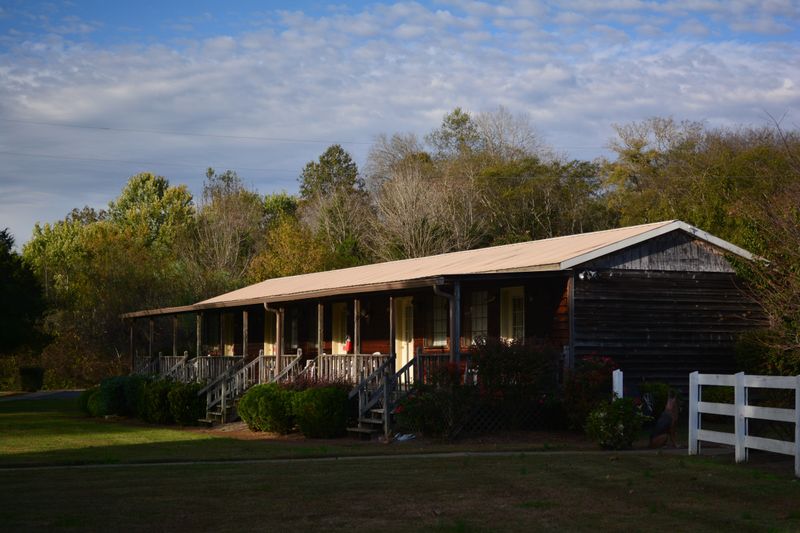
Everything in Granville’s design and function assumes you already belong here.
There are no welcome signs explaining the town’s history or directing you to points of interest.
Businesses, what few exist, operate on schedules convenient for locals rather than tourists.
You’re expected to know where things are or ask someone who does.
This insider orientation can feel unwelcoming initially, but it reflects the town’s genuine nature.
Granville wasn’t built to attract outsiders or generate revenue from visitors.
It exists to serve the people who live here, maintaining social connections that have sustained the community for generations.
The flip side of this inward focus is remarkable warmth once you’re recognized as genuinely interested rather than merely curious.
Residents will share stories, offer directions, and explain local history with generosity that scripted tourism cannot match.
You’re treated as a temporary neighbor rather than a customer.
This dynamic makes Granville challenging to visit but deeply rewarding for those willing to approach it on its own terms.
Why Granville Feels Like Old America Today
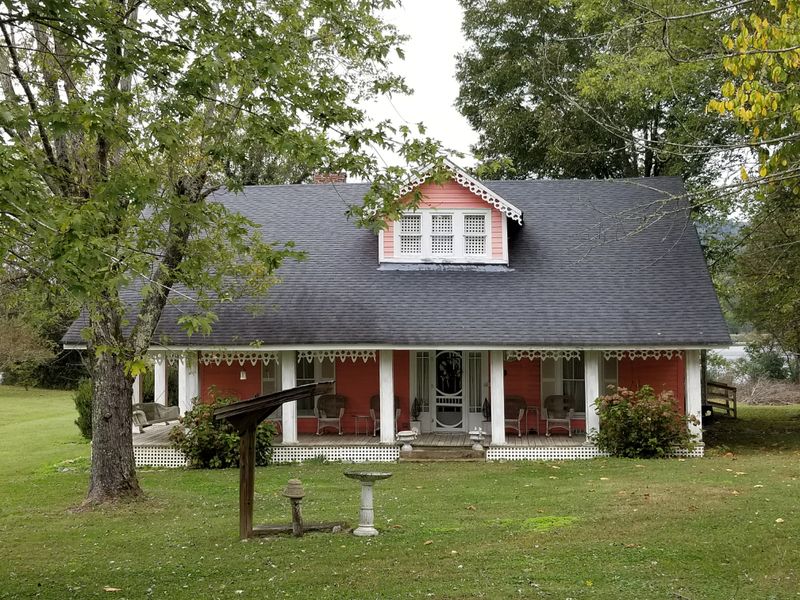
Granville embodies qualities that defined American small towns before highways, suburbs, and chain stores homogenized the landscape.
Scale remains human, with distances walkable and faces recognizable.
Economy operates partly through barter and mutual aid rather than purely through cash transactions.
Social ties matter more than professional credentials.
The town’s location at 36.2712198, -85.7954218 in Jackson County places it far enough from major cities to escape their gravitational pull.
This geographic isolation, combined with the surrounding lake, created conditions where old patterns could persist.
Granville didn’t choose to be a time capsule; circumstances simply didn’t force it to change as rapidly as other places
Walking through Granville today feels like encountering America’s rural past not because the town is frozen but because it evolved slowly enough to maintain continuity.
The feeling isn’t nostalgia but recognition of something once common that’s become rare.
Whether Granville can maintain this character remains uncertain, dependent on forces both local and far beyond anyone’s control.