
The Undiscovered Small Town In Texas That Feels Like A Step Back In Time
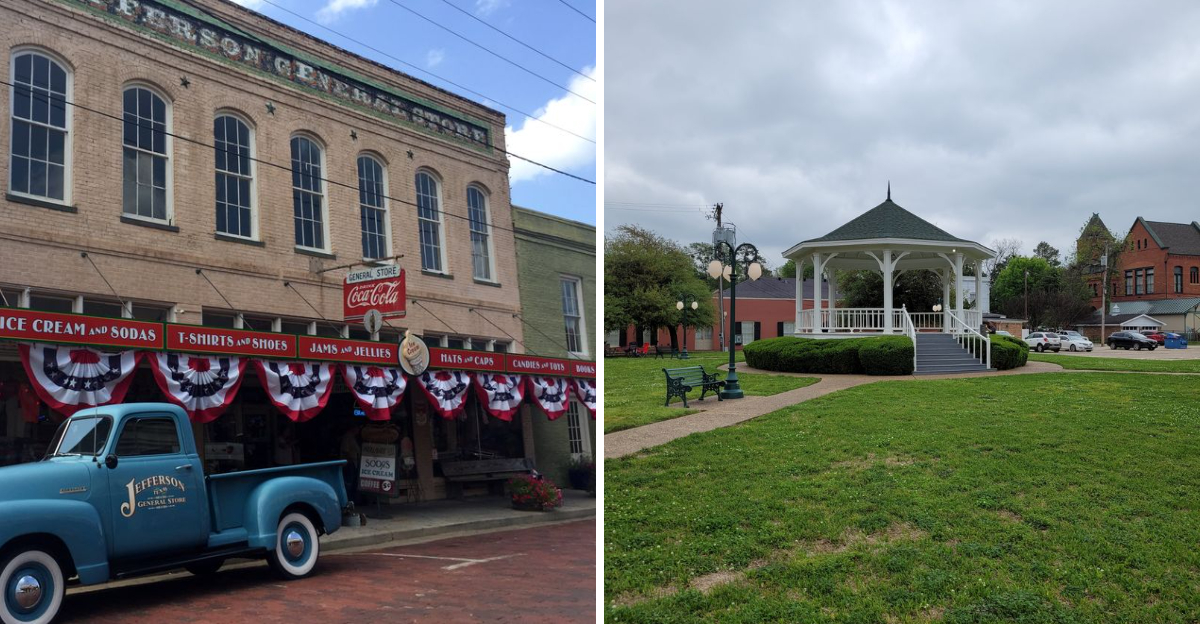
Jefferson sits in the northeast corner of Texas, a town of fewer than 2,000 people where brick streets, gas lamps, and 19th-century storefronts remain part of everyday life.
Once a thriving riverport that shipped cotton and goods across the state, Jefferson never modernized the way Houston or Dallas did—and that’s exactly what makes it remarkable today.
Walking through its downtown feels less like visiting a museum and more like stepping into a place where the past never really left.
A Riverport Town That Once Rivaled Major Texas Cities

Before the railroads reshaped Texas, Jefferson thrived as one of the state’s busiest inland ports.
Steamboats arrived daily from New Orleans, carrying goods, passengers, and commerce that fueled the local economy.
By the 1870s, Jefferson’s population and wealth rivaled cities like Houston and Galveston.
When the railroad bypassed the town in favor of other routes, Jefferson’s boom ended abruptly.
The population declined, businesses closed, and the town settled into a quieter existence.
Yet this economic stagnation preserved what progress might have erased.
Today, Jefferson’s riverport history is visible in its architecture,街 layout, and the Big Cypress Bayou that still runs through town.
Visitors can tour historic sites that explain how steamboat trade shaped the region.
The town’s former prosperity left behind a physical record that modern development never overwrote.
Brick Streets And Gas Lamps Still Shape Daily Life
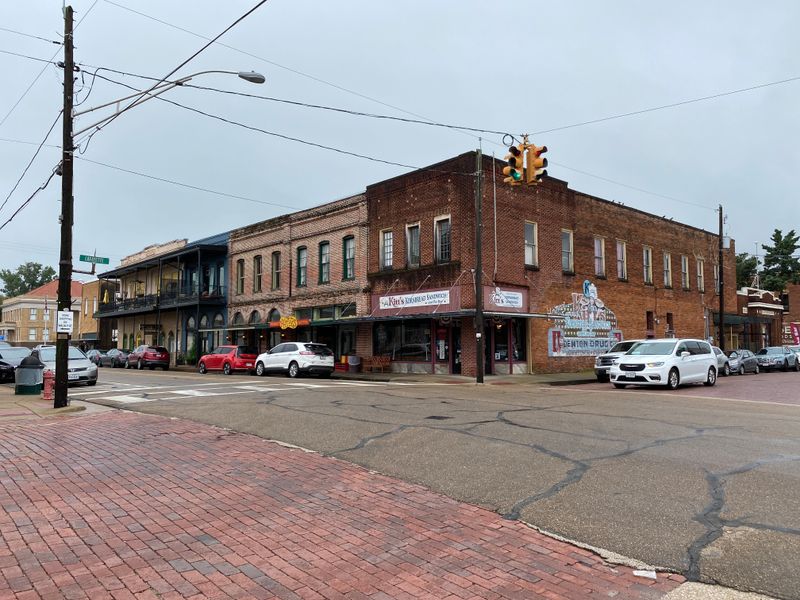
Jefferson’s downtown streets remain paved with the same red bricks laid more than a century ago.
Gas lamps line the sidewalks, casting warm light each evening over storefronts and cafés.
These aren’t decorative additions—they’re original fixtures that the town has maintained and continues to use.
Walking these streets feels different from strolling through a modern downtown.
The uneven brick surface, the glow of the lamps, and the absence of chain stores create an atmosphere that feels unrushed.
Local residents move through this setting as part of their routine, not as a tourist attraction.
The town’s commitment to preserving these elements reflects a broader philosophy.
Jefferson chose authenticity over convenience, keeping its historic character intact even when modernization might have been easier.
That choice is visible in every block of the downtown district.
One Of Texas’s Best-Preserved 19th-Century Downtowns
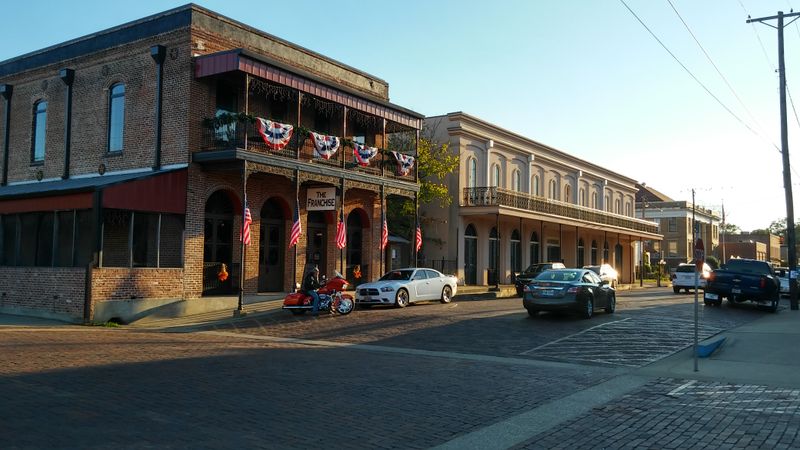
Few Texas towns can claim a downtown as architecturally intact as Jefferson’s.
The commercial district retains dozens of buildings dating from the 1850s through the 1890s, many still serving their original purposes.
Storefronts, hotels, and offices stand much as they did during the town’s riverport heyday.
Preservation here isn’t about recreating the past—it’s about maintaining what never left.
Buildings haven’t been converted into themed attractions or stripped of their original details.
Instead, they house working businesses, from antique shops to local eateries, all operating within historic walls.
The National Register of Historic Places recognizes Jefferson’s downtown as a historic district.
Walking through it offers a rare chance to see how a prosperous 19th-century Texas town actually looked and functioned.
The architecture tells the story more clearly than any museum exhibit could.
Historic Homes That Have Barely Changed In Over A Century
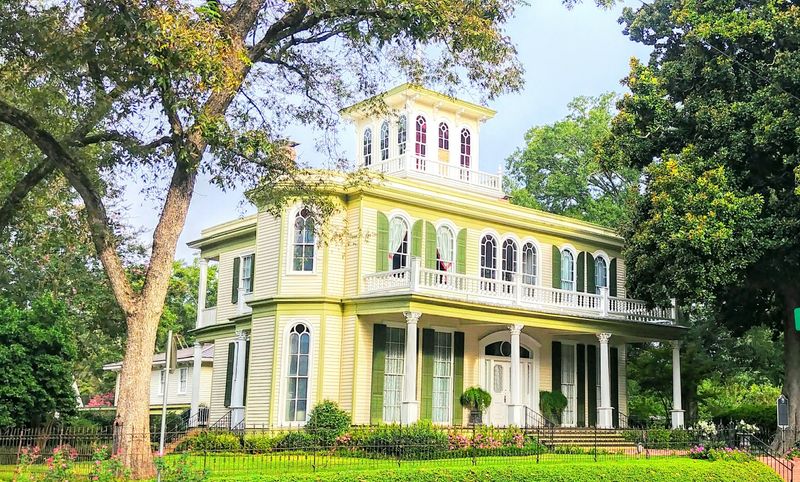
Jefferson’s residential streets showcase Victorian, Greek Revival, and Italianate homes built by cotton merchants and riverboat captains.
Many of these houses remain privately owned, still occupied, and remarkably well-maintained.
Several have been converted into bed-and-breakfasts, allowing visitors to stay in rooms that retain their original woodwork, fireplaces, and layouts.
The level of preservation goes beyond exterior facades.
Interior details—pocket doors, crown molding, stained glass—survived because successive owners valued what was already there.
There’s no sense of recreation or theme-park nostalgia; these homes simply endured.
Some properties offer tours, providing insight into how wealthy Texans lived during Jefferson’s peak.
Others remain private residences, contributing to the town’s lived-in authenticity.
Together, they form a residential landscape that feels more like stepping into history than observing it from a distance.
A Town Where Steamboats Once Defined The Economy
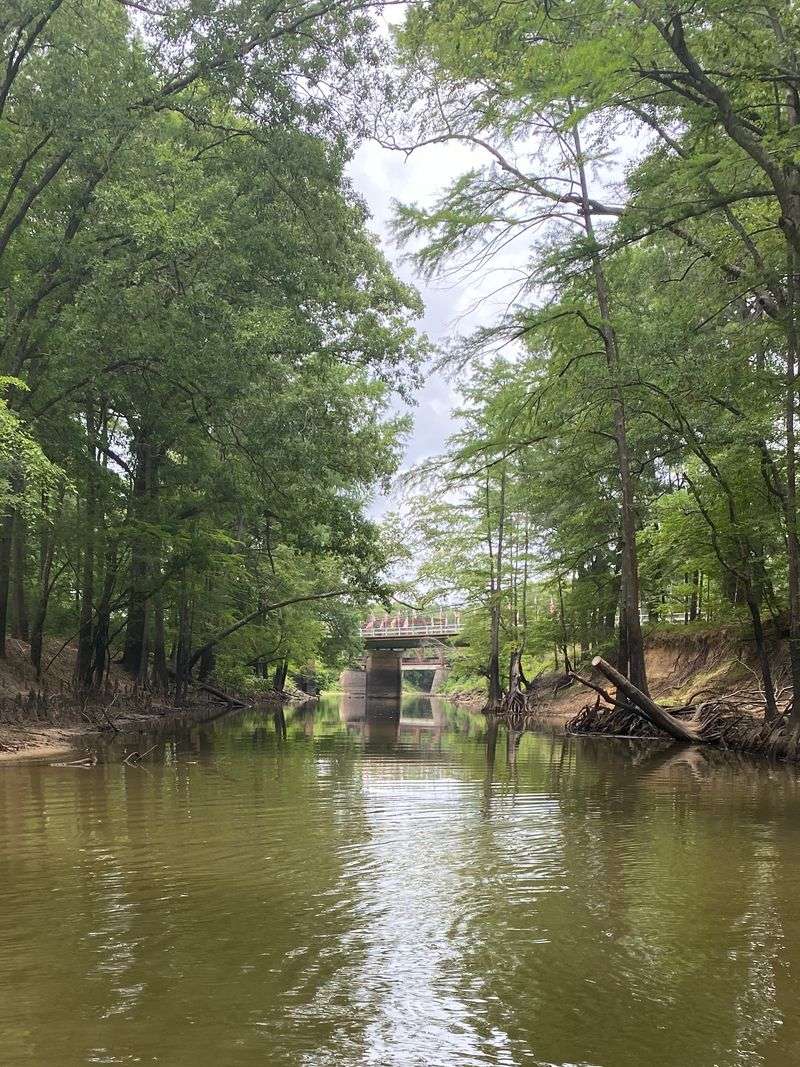
For decades, steamboats were Jefferson’s lifeline to the outside world.
They transported cotton from nearby plantations to markets in New Orleans and beyond.
The town’s entire economy revolved around the arrival and departure of these vessels, with warehouses, docks, and workers all dependent on river trade.
Big Cypress Bayou made this commerce possible, connecting Jefferson to Caddo Lake and the Red River.
When a natural logjam was cleared in the 1870s, water levels dropped, making steamboat navigation difficult.
Combined with the railroad’s arrival elsewhere, Jefferson’s riverboat era ended abruptly.
Today, visitors can take boat tours on the bayou, following routes once traveled by commercial steamers.
The waterway remains central to Jefferson’s identity, even though its economic role has long since faded.
Understanding the town’s steamboat history helps explain why it looks and feels the way it does.
Small Enough To Walk, Quiet Enough To Slow Down
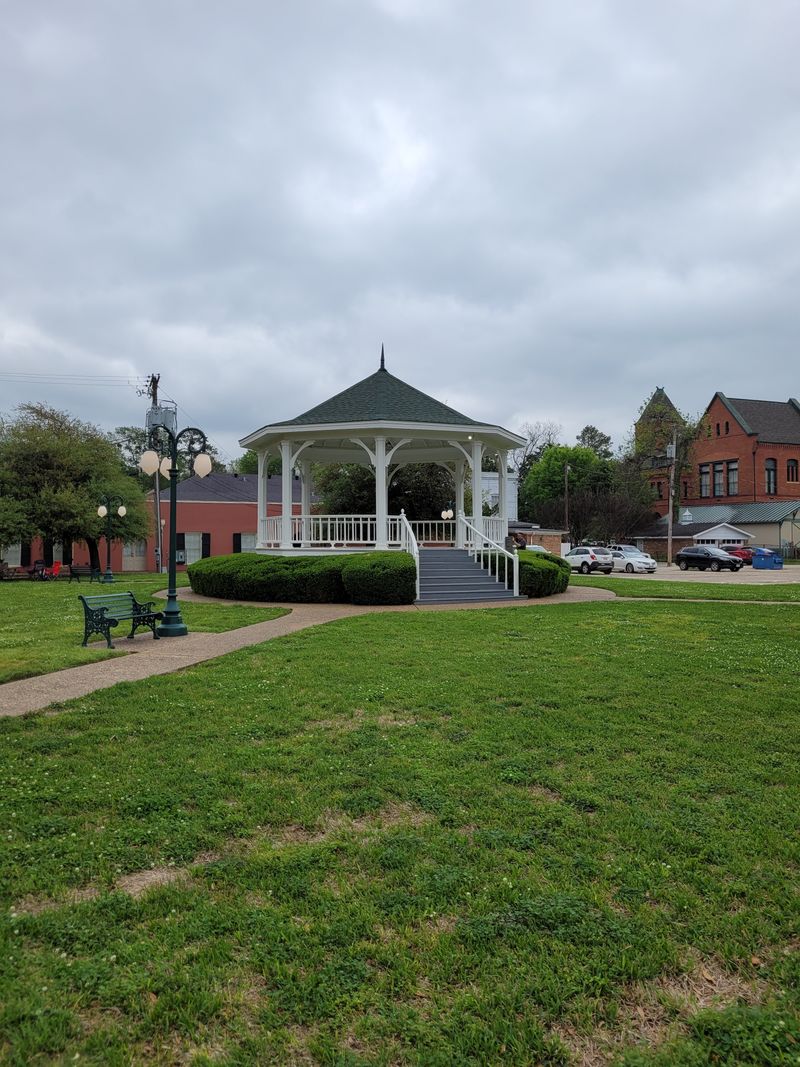
Jefferson’s entire downtown can be explored on foot in less than an hour.
The compact layout makes wandering easy, with most shops, restaurants, and historic sites within a few blocks of each other.
There’s no need for a car once you’ve arrived; everything worth seeing is accessible by walking.
The town’s small size contributes to its unhurried atmosphere.
There are no crowds, no traffic jams, and no pressure to rush from one attraction to the next.
Visitors often find themselves moving more slowly, pausing to read historical markers or chat with shopkeepers.
This quietness isn’t accidental—it’s a byproduct of Jefferson’s population and pace of life.
With fewer than 2,000 residents, the town retains a sense of calm that larger destinations lack.
That tranquility is part of what makes Jefferson feel like a place outside of modern time.
A Community Built Around Preservation, Not Growth
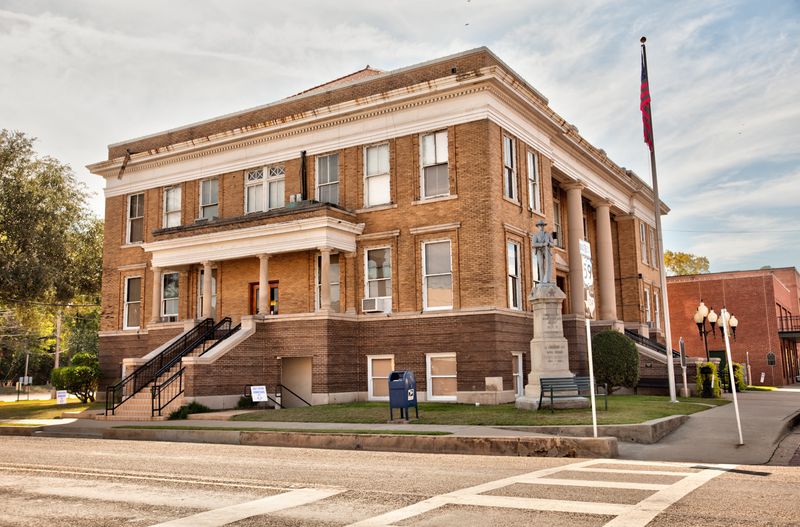
Jefferson made a deliberate choice decades ago to prioritize preservation over expansion.
Rather than pursuing industrial development or suburban sprawl, the town focused on maintaining its historic character.
Local ordinances and community efforts have protected buildings, streetscapes, and the overall aesthetic from drastic change.
This philosophy shapes everything from zoning decisions to business practices.
New construction must respect the town’s architectural heritage, and chain stores are largely absent.
The result is a downtown that feels cohesive and authentic, not patchwork or commercialized.
Residents and business owners share a commitment to Jefferson’s identity.
Many have lived here for generations, and their connection to the town’s history is personal, not merely economic.
This collective dedication to preservation is what allows Jefferson to remain a genuine step back in time rather than a manufactured tourist experience.
Local Shops And Cafés Housed In Original Buildings

Jefferson’s retail landscape consists almost entirely of independent businesses operating in century-old structures.
Antique stores, gift shops, and cafés occupy buildings that once served as general stores, hotels, or offices.
The interiors often retain original tin ceilings, wooden floors, and brick walls, adding character to every purchase or meal.
These aren’t chain establishments designed to look old—they’re genuine historic spaces adapted for modern commerce.
Shopkeepers can often share stories about their buildings’ pasts, adding context to the browsing experience.
The merchandise tends toward antiques, local crafts, and regional specialties, reinforcing Jefferson’s distinct identity.
Dining options similarly embrace the town’s aesthetic.
Restaurants serve Southern and Texas cuisine in settings that feel more like someone’s historic home than a modern eatery.
The combination of place, product, and atmosphere makes shopping and dining in Jefferson feel notably different from typical small-town commerce.