
The Virginia Mountain Village That Feels Like Stepping Back In Time
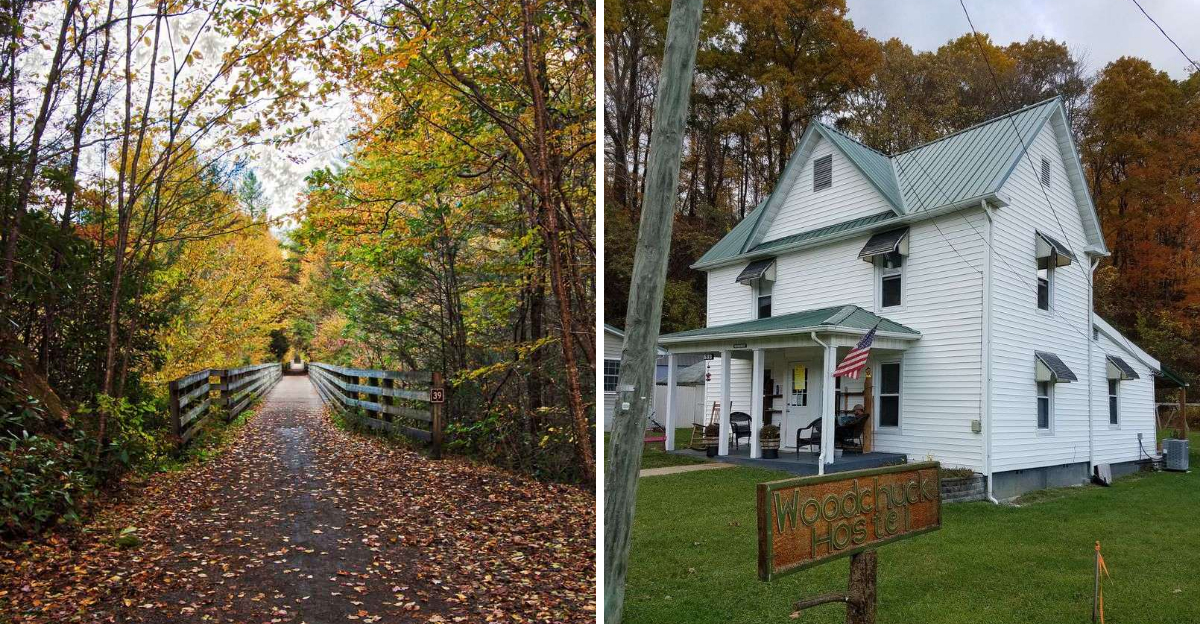
Tucked into the folds of the Blue Ridge Mountains, Damascus sits quietly along the Virginia-Tennessee border like a postcard from another era.
Main Street still looks much as it did decades ago, with storefronts that haven’t changed and locals who greet visitors by name after just one visit.
This tiny town of about 800 souls has become a beloved waypoint for hikers and cyclists, yet it holds tight to the unhurried rhythms that define genuine mountain living.
Where Time Slows Down In The Heart Of The Blue Ridge Mountains
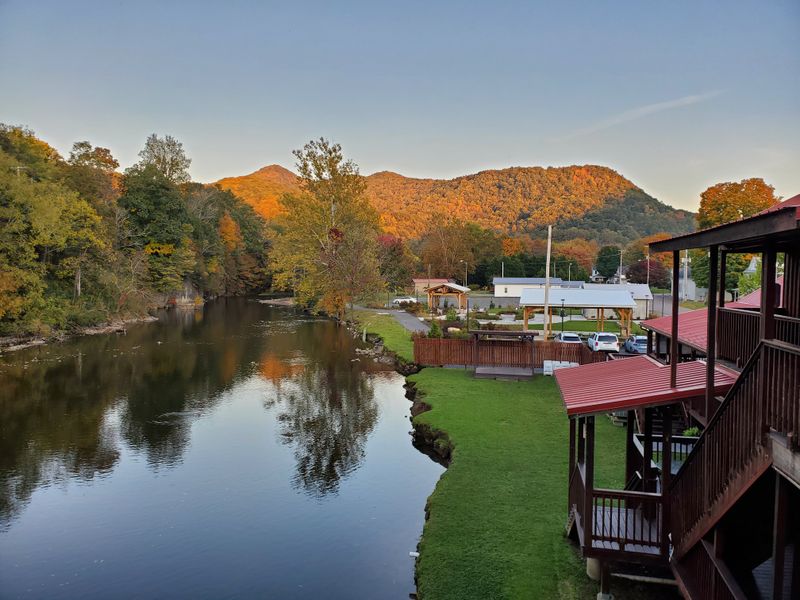
Geography shapes everything in Damascus, Virginia 24236, where ridges rise on all sides and the Laurel Creek winds through town center.
Buildings cluster along a single main corridor, their brick facades weathered but intact, suggesting a place that grew slowly and never rushed toward reinvention.
Elevation keeps the air cool even in summer, and the surrounding forest presses close enough that wildlife sightings happen regularly within town limits.
Conversations linger on sidewalks, and shopkeepers remember your order from last week.
The town operates without the frantic energy that defines most modern destinations, offering instead a rhythm that feels both foreign and deeply comforting to those accustomed to hurry.
The Appalachian Trail Meets Small-Town Hospitality
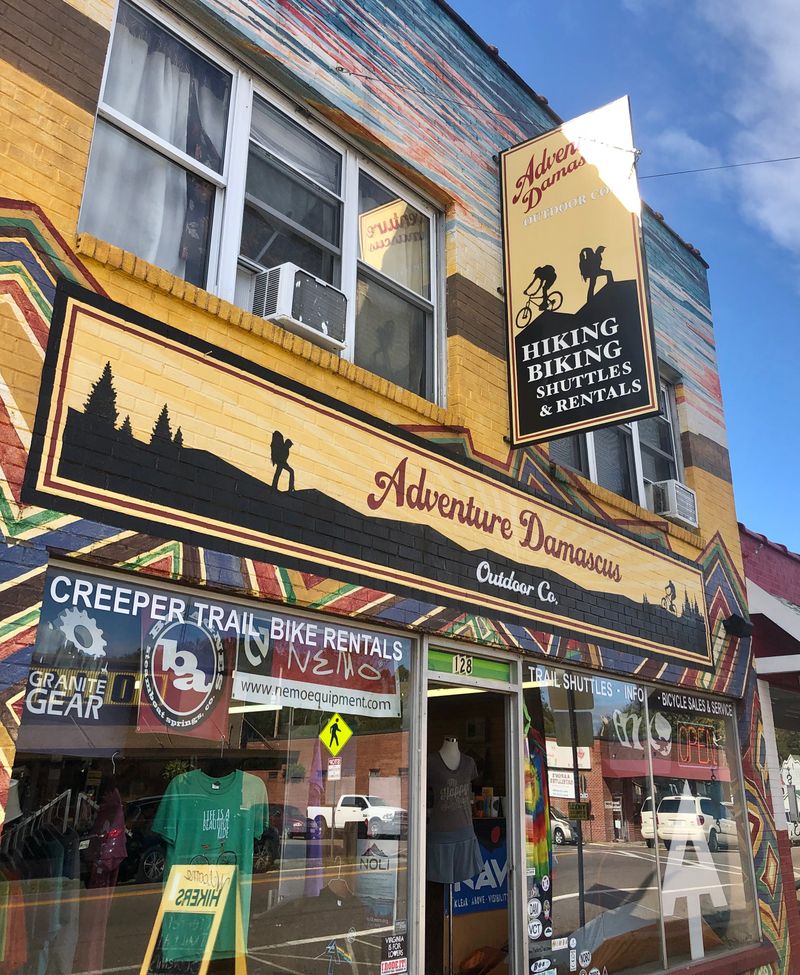
Damascus earned the nickname Trail Town USA by sitting at the crossroads of five major long-distance trails, including the Appalachian Trail, which runs directly down Laurel Avenue.
Thru-hikers emerge from weeks in the wilderness to find hot showers, laundromats, and outfitters all within a few blocks.
The town has built its identity around serving these travelers without commercializing the experience into something unrecognizable.
Restaurants offer hiker portions, hostels provide bunk space and trail advice, and gear shops stock hard-to-find replacement parts.
This symbiotic relationship between town and trail creates an atmosphere that feels less like tourism and more like genuine community support.
Damascus’ Historic Main Street
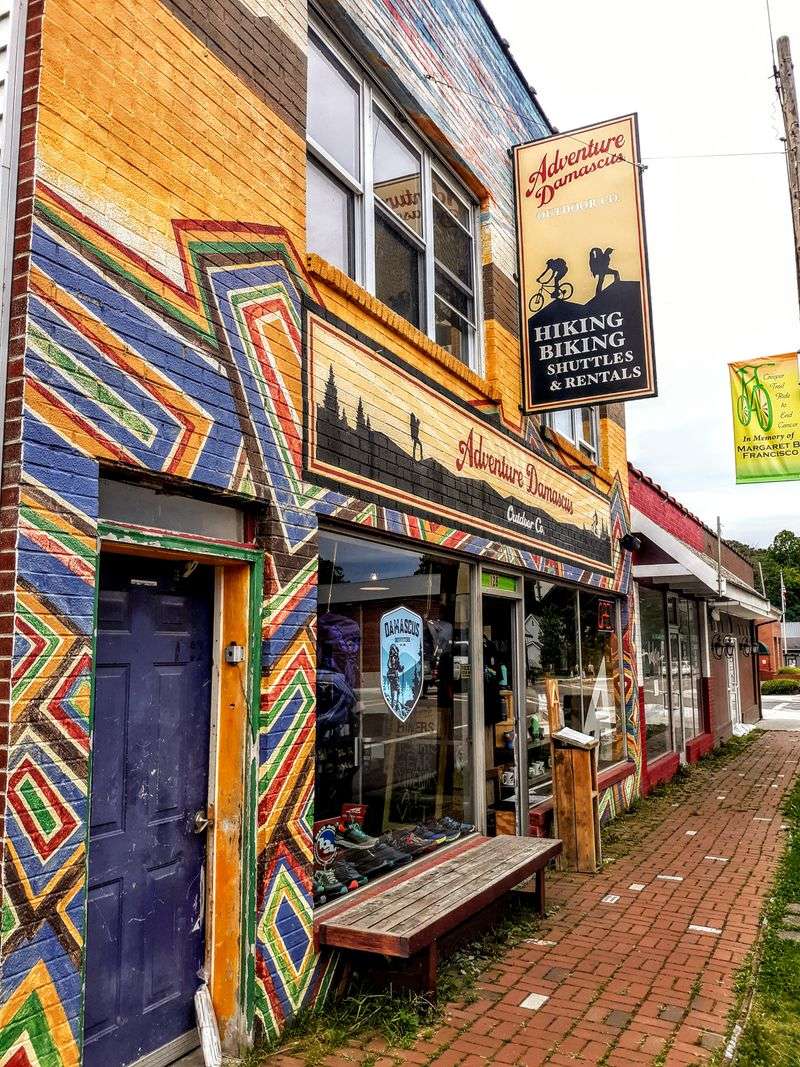
Laurel Avenue serves as Damascus’s commercial spine, a stretch of two-story buildings that haven’t seen significant alteration since the mid-twentieth century.
Awnings shade the sidewalks, hand-painted signs announce services, and the architecture speaks to an era when craftsmanship mattered more than efficiency.
Walking this street requires no imagination to picture how it looked generations ago because little has changed beyond the merchandise in the windows.
Several establishments have operated under the same family ownership for decades, creating continuity that’s increasingly rare in American towns.
This isn’t preservation for tourism’s sake but rather the natural result of a community that sees no reason to abandon what still works.
Exploring The Appalachian Trail Heritage Museum In Damascus
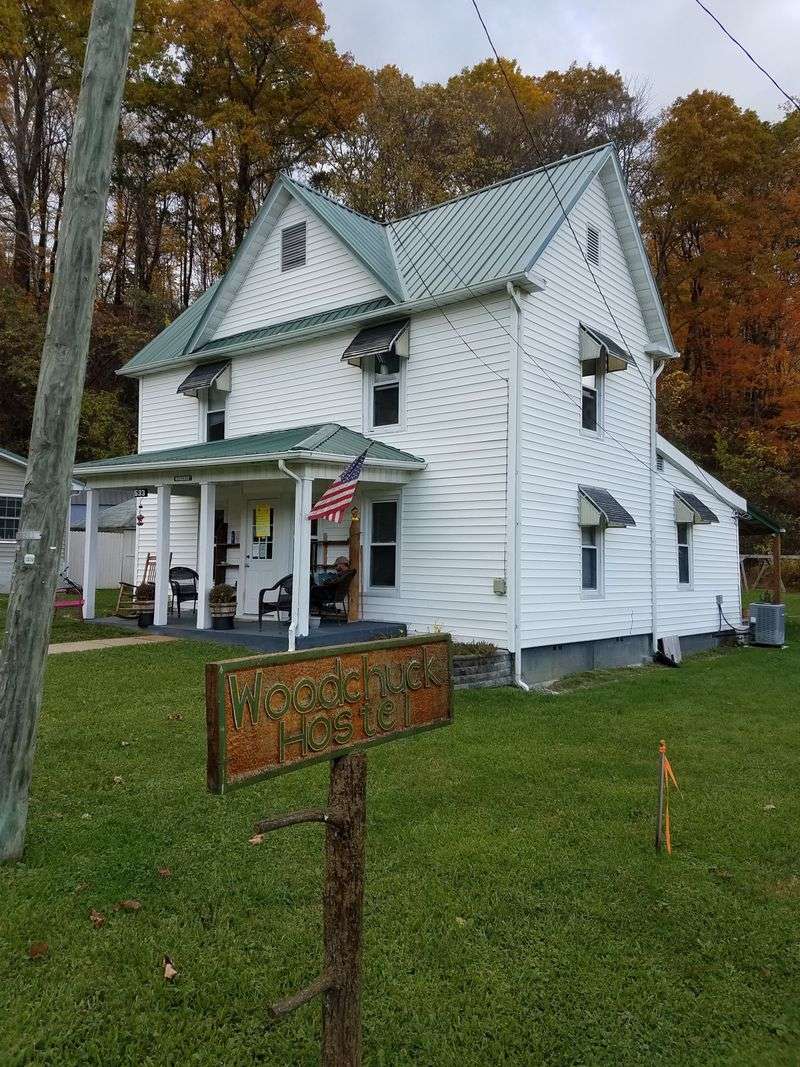
Located in a restored building on Laurel Avenue, the Appalachian Trail Heritage Museum documents the human stories behind America’s most famous footpath.
Exhibits feature gear from different decades, journals from thru-hikers, and photographs that capture both the physical challenge and emotional journey of long-distance walking.
The collection focuses less on equipment specifications and more on why people choose to spend months in the wilderness.
Volunteers staff the museum, many of them former thru-hikers themselves who can answer questions with firsthand knowledge.
Admission remains free, though donations support ongoing preservation efforts and educational programming that connects younger generations to trail culture and history.
From A Railroad Town To Outdoor Adventure Hub
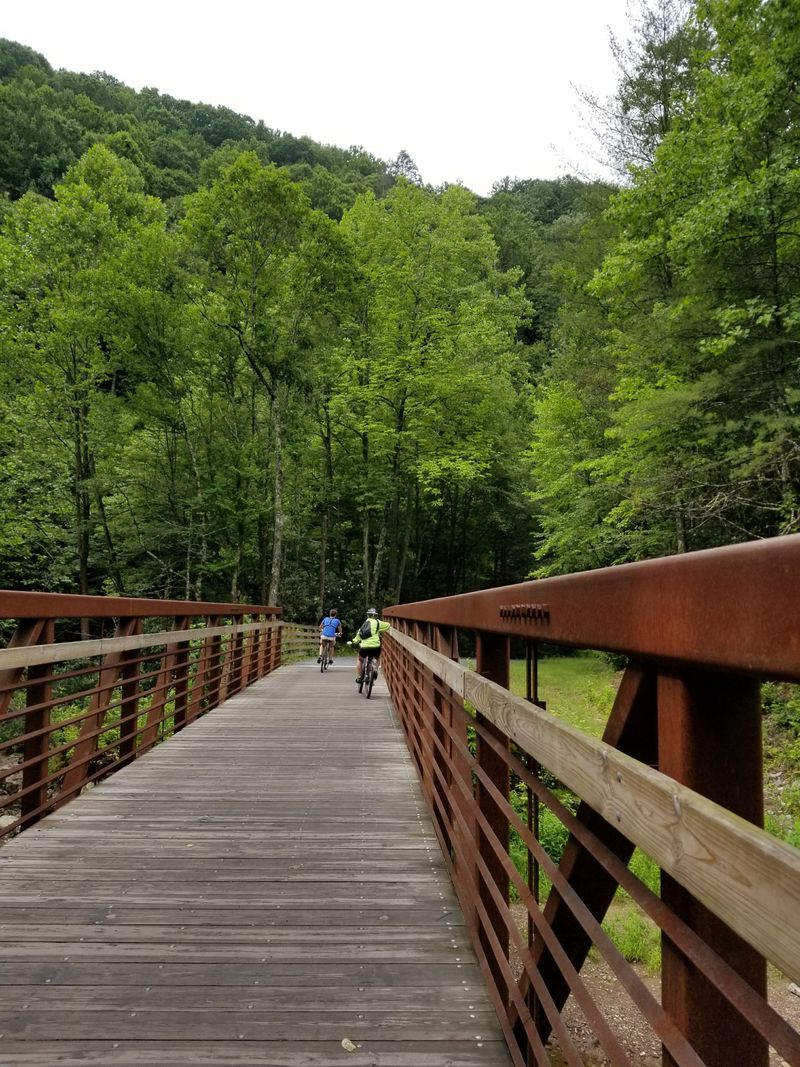
Damascus grew alongside the Virginia-Carolina Railway in the late 1800s, serving as a junction point where timber and agricultural products moved toward larger markets.
The trains brought prosperity and connected this mountain community to the broader economy, creating the infrastructure that still defines the town’s layout.
When rail service declined in the mid-twentieth century, Damascus faced the same economic uncertainty that hollowed out countless American small towns.
Rather than fade away, Damascus reinvented itself around the recreational trails that began appearing on abandoned rail corridors and through surrounding national forests.
This transition wasn’t planned by committees but emerged organically as hikers and cyclists discovered the town’s location and character.
Today’s outdoor economy provides stability without requiring Damascus to compromise the qualities that make it distinctive.
Year-Round Adventure In Damascus
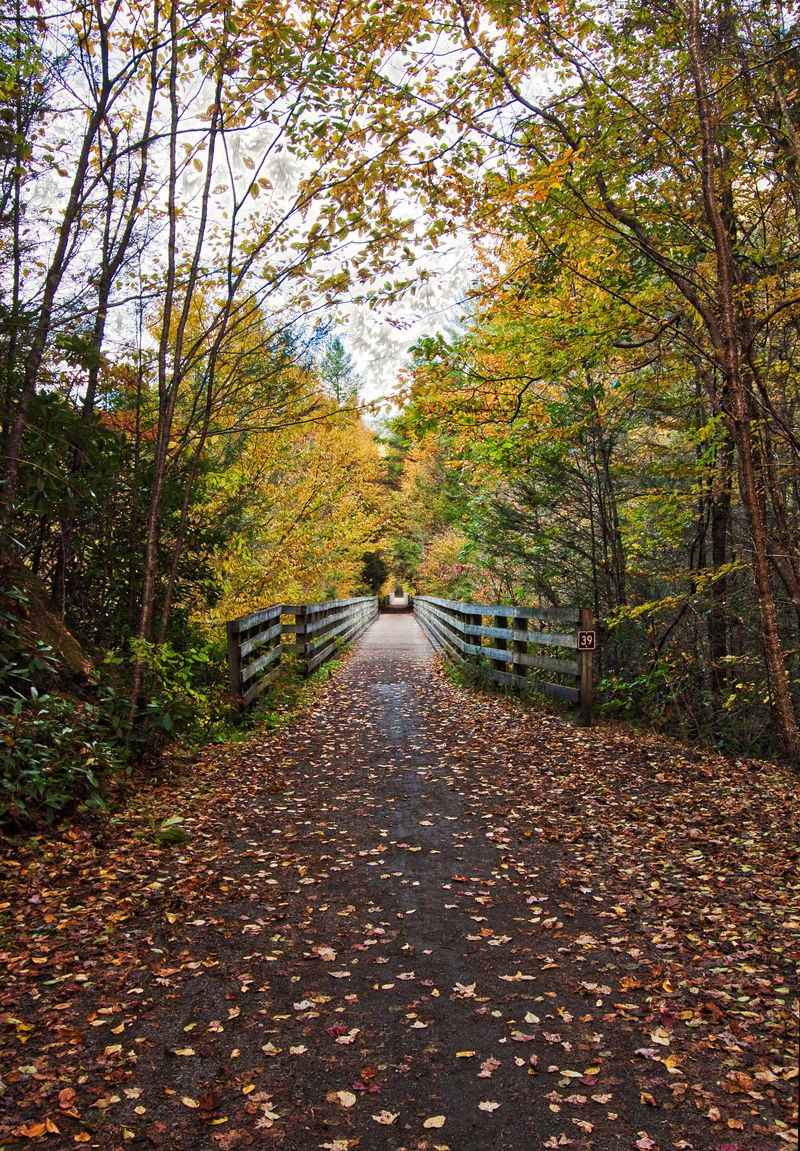
Each season reshapes the landscape around Damascus, offering different reasons to explore the surrounding mountains and valleys.
Spring brings wildflowers and rushing creeks swollen with snowmelt, while summer’s canopy provides shade along forest trails that climb toward high-elevation overlooks.
Autumn transforms the ridges into a patchwork of crimson and gold, drawing photographers and leaf-peepers from several states away.
Winter quiets the trails but doesn’t close them, and those willing to brave the cold discover a solitude that’s increasingly difficult to find.
The Virginia Creeper Trail remains accessible year-round, offering a gentle grade suitable for cyclists of varying abilities.
Damascus serves as both starting point and resupply station for adventures that range from afternoon outings to multi-day expeditions into the surrounding wilderness areas.
Old-World Charm Meets Modern-Day Exploration In Damascus
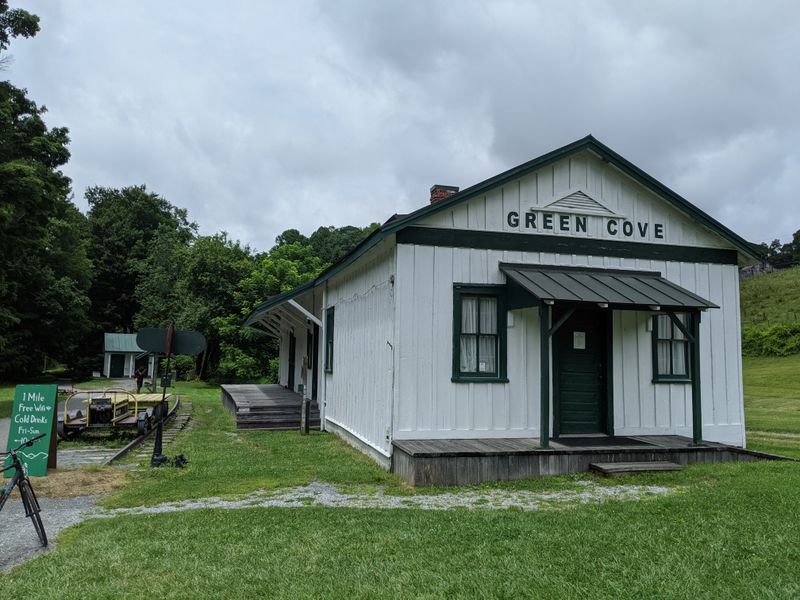
Walking through Damascus creates a peculiar temporal dissonance where century-old architecture houses businesses catering to contemporary adventurers.
An outfitter specializing in ultralight backpacking gear operates from a building that once sold dry goods to railroad workers, and a craft brewery serves locally sourced food in a space that previously functioned as a general store.
The town has managed to welcome outdoor enthusiasts without becoming a theme park version of itself.
Locals still outnumber visitors most days, and businesses serve both populations without favoring one over the other.
This balance creates an authenticity that travelers increasingly seek but rarely find—a place that functions as a real community rather than merely a destination designed for consumption.
The Best Place For A Peaceful Escape
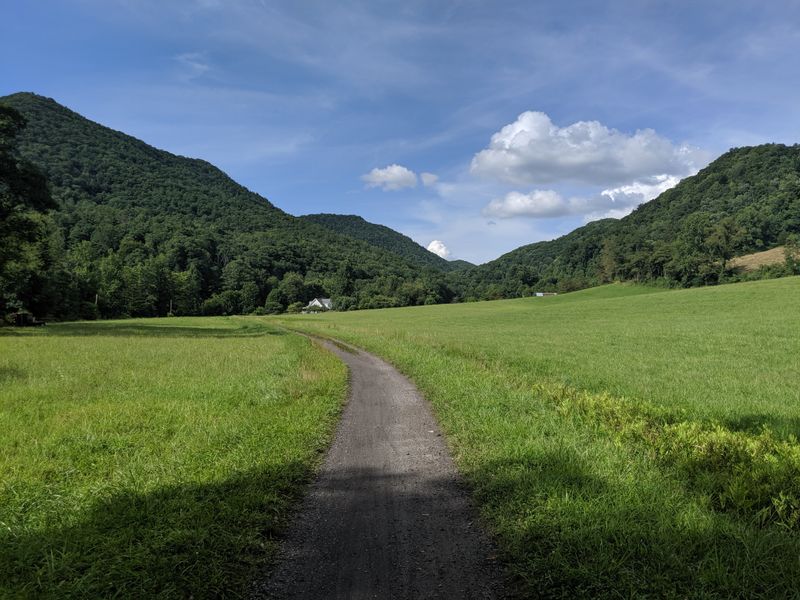
Mornings in Damascus unfold without urgency, as mist lifts from the valleys and the first coffee drinkers gather on porch stoops.
Traffic remains light enough that pedestrians cross mid-block without concern, and the loudest sounds come from birdsong and the occasional rumble of a truck heading toward the national forest.
This quietness isn’t absence but presence—the sound of a place comfortable with itself and uninterested in performing for anyone.
Visitors accustomed to packed itineraries often struggle initially with Damascus’s pace before eventually surrendering to it.
The town’s greatest offering might be permission to simply exist without agenda, to sit on a bench and watch the light change on the ridges without feeling you’re wasting valuable vacation time.
Damascus’ Timeless Festivals
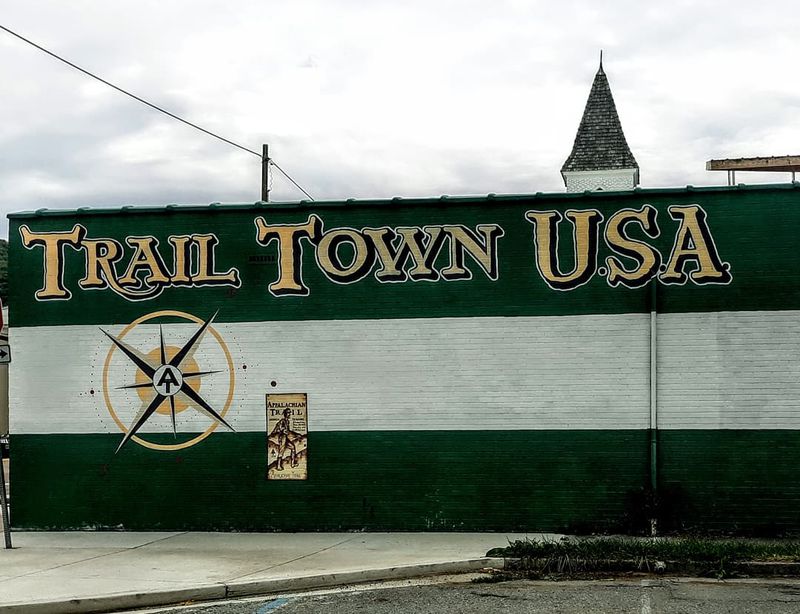
Trail Days arrives each May, transforming Damascus into a temporary city of tents and reuniting hikers who met months earlier on distant sections of the Appalachian Trail.
The festival has grown from a small gathering into one of the region’s largest outdoor events, yet it maintains an informal atmosphere that reflects the town’s character.
Music spills from multiple stages, vendors demonstrate outdoor skills, and the parade features costumes that only make sense to those familiar with trail culture.
Beyond Trail Days, Damascus hosts smaller celebrations throughout the year that honor Appalachian heritage through music, crafts, and storytelling.
These events feel less like performances for tourists and more like community gatherings that visitors are welcome to join.
The emphasis remains on participation rather than spectacle, creating experiences that feel genuine rather than choreographed.
Damascus’ Community Spirit
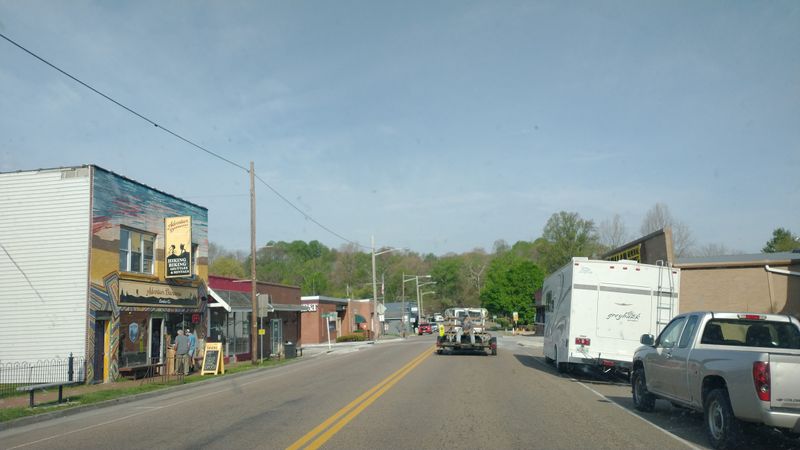
Small-town social dynamics operate differently in Damascus, where anonymity remains nearly impossible and reputation matters more than résumé.
Neighbors track each other’s comings and goings not from nosiness but from genuine concern, and help arrives without being requested when someone faces difficulty.
This interconnectedness can feel intrusive to those raised in more anonymous environments, yet it provides a safety net that modern life rarely offers.
The community extends its hospitality to visitors with surprising ease, treating strangers as temporary neighbors rather than economic opportunities.
Conversations happen naturally at the post office or hardware store, and locals offer trail recommendations or restaurant suggestions without expectation of reciprocation.
This openness stems from confidence rather than neediness—Damascus knows what it is and feels no compulsion to prove anything to outsiders.
Dining In Damascus: Simple Food Done Right In Mountain Kitchens
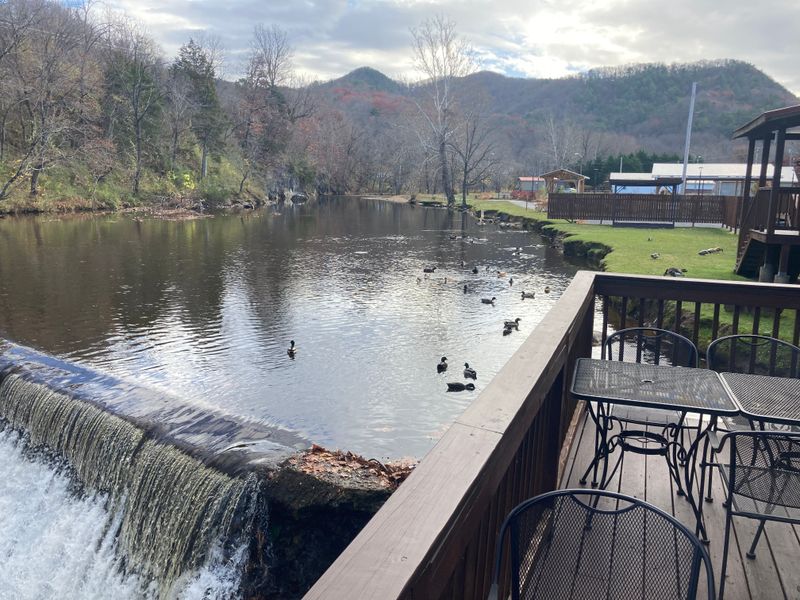
Damascus restaurants operate without pretension, serving meals that prioritize substance over presentation.
Menus feature straightforward American fare—burgers, sandwiches, breakfast plates that arrive steaming and generous—prepared by cooks who’ve been making the same dishes for years.
The emphasis falls on quality ingredients and proper technique rather than trendy fusion or elaborate plating that photographs well but satisfies poorly.
Several establishments have become institutions, their reputations built on consistency and reasonable prices rather than marketing campaigns.
Waitstaff remember regular customers and their usual orders, and meals often come with unsolicited conversation and local news.
For hikers emerging from weeks of dehydrated food, these simple plates represent luxury, but even jaded travelers find satisfaction in cooking that respects both ingredients and appetite without overthinking either.
Why Damascus Remains Unchanged
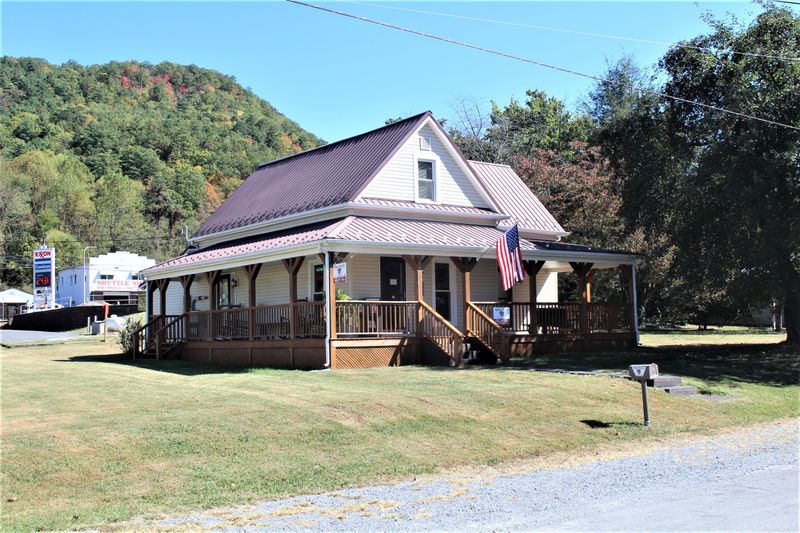
Damascus has avoided the development patterns that transformed other mountain towns into resort destinations cluttered with chain hotels and franchise restaurants.
This preservation stems partly from geography—the town’s remote location and limited infrastructure make large-scale development difficult—and partly from deliberate community choices that prioritize character over growth.
Zoning decisions favor local ownership, and residents have repeatedly rejected proposals that would bring outside capital at the cost of fundamental change.
This resistance isn’t born from hostility toward progress but from clear-eyed assessment of what makes Damascus worth preserving.
By refusing to chase every economic opportunity, Damascus maintains the authenticity that draws visitors seeking genuine experience rather than manufactured atmosphere.