
The Virginia Small Town That Tourists Overlook But Locals Can’t Get Enough Of
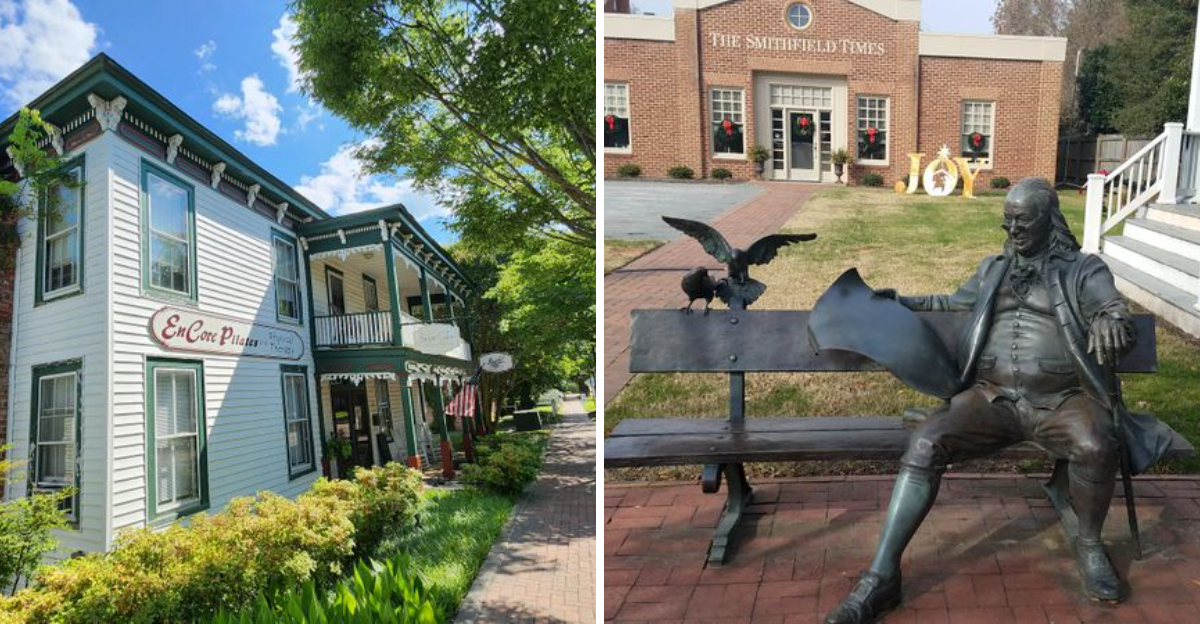
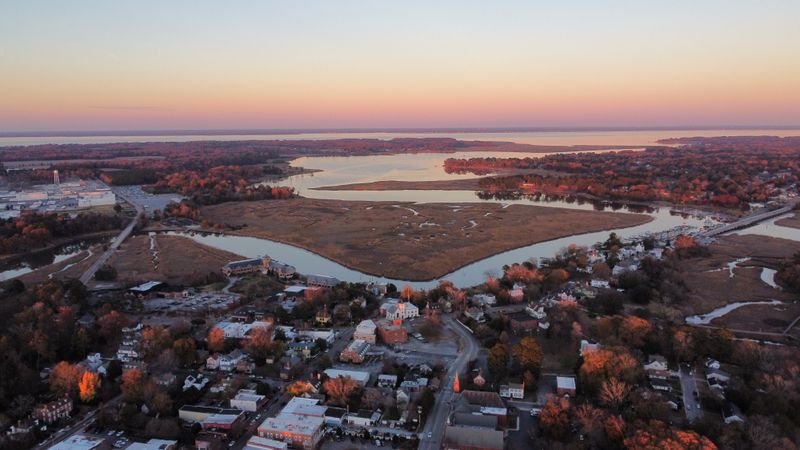
On the quiet banks of the Pagan River in southeastern Virginia lies a charming town that has managed to dodge tourist brochures and Instagram influencers.
Smithfield has been quietly perfecting the art of small-town living since 1752, blending colonial history, world-famous ham, and waterfront beauty into one irresistible package.
While crowds flock to nearby Williamsburg and Virginia Beach, locals treasure this gem for its authentic character, walkable streets, and the kind of warm hospitality you thought only existed in old movies.
A Riverside Colonial Town That Still Feels Timeless
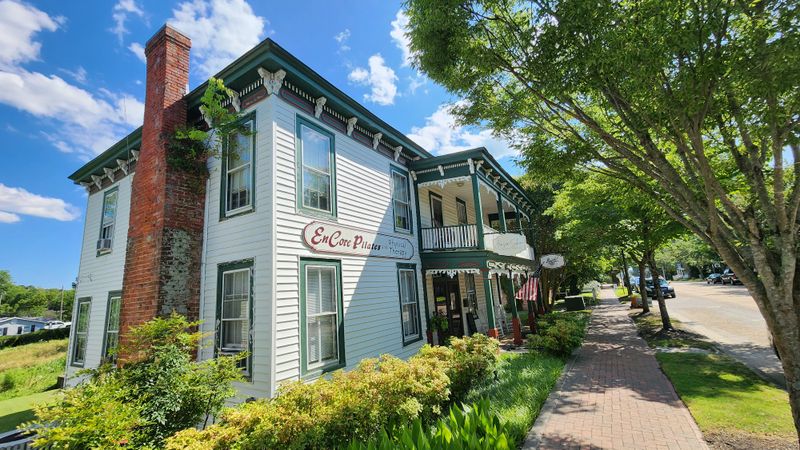
Founded before the American Revolution even became a twinkle in George Washington’s eye, Smithfield wears its 270+ years with remarkable grace.
Brick sidewalks wind past colonial-era homes where actual people still live, not museum curators in period costumes.
The town’s historic district contains over 60 buildings on the National Register, yet there’s zero stuffiness about it.
Church steeples pierce the sky while ancient oaks shade streets that look remarkably similar to their 1750s layout, creating an atmosphere where history breathes naturally rather than gasps behind glass displays.
The Home of Legendary Smithfield Ham and True Southern Flavor
Forget your grocery store spiral-cut imposters—real Smithfield ham is basically the town’s edible legacy wrapped in salty, smoky perfection.
This isn’t just any cured meat; it’s legally protected deliciousness that must be cured within town limits to earn the prestigious name.
The tradition stretches back centuries, when colonists discovered that local peanut-fed hogs and time-honored curing methods created something extraordinary.
Today, you’ll find ham festivals, ham biscuits at breakfast spots, and locals who can debate curing techniques with the passion others reserve for sports teams.
A Walkable Main Street Filled With Local Shops and Warm Hospitality
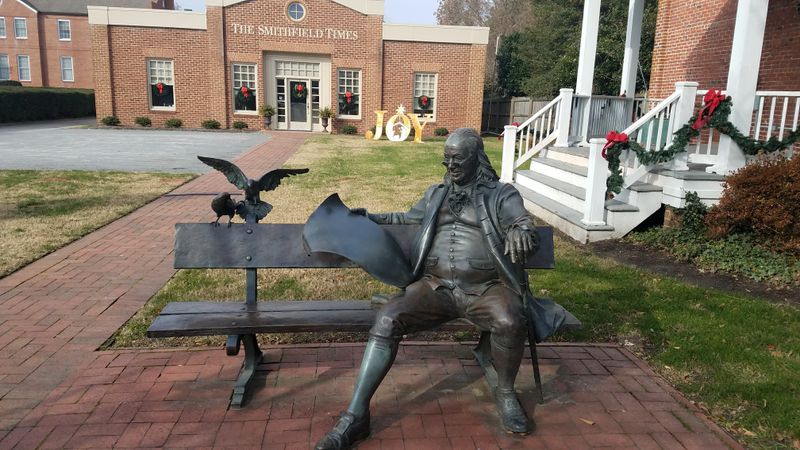
Main Street here feels like someone bottled small-town charm and poured it generously over several blocks of delightful storefronts.
Independent shops owned by actual neighbors offer everything from antiques to artisan goods, and shopkeepers still remember your name after one visit.
No chain stores interrupt the locally-owned rhythm, making each shopping experience genuinely unique.
Coffee shops serve conversation alongside lattes, while restaurants dish out Southern cooking that would make grandmothers weep with joy, all within easy strolling distance that doesn’t require GPS or complicated parking strategies.
Waterfront Parks and Pagan River Views That Tourists Rarely Find
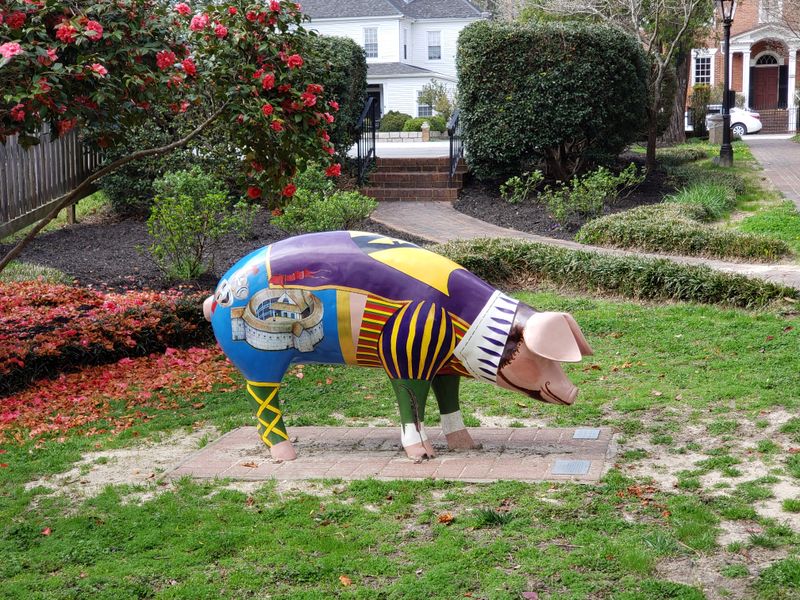
While tourist hordes elbow each other at crowded beaches, Smithfield’s waterfront remains blissfully peaceful, offering Pagan River vistas that locals guard like precious secrets.
Windsor Castle Park stretches along the water with walking trails, fishing spots, and benches perfect for contemplating life’s mysteries or simply watching boats drift by.
The river reflects sunsets in colors that would embarrass a paint store’s color wheel.
Egrets stalk the shallows while kayakers paddle past, creating scenes so tranquil you’ll wonder if someone hit life’s mute button in the best possible way.
A Community That Keeps Its Festivals Homegrown and Heartfelt
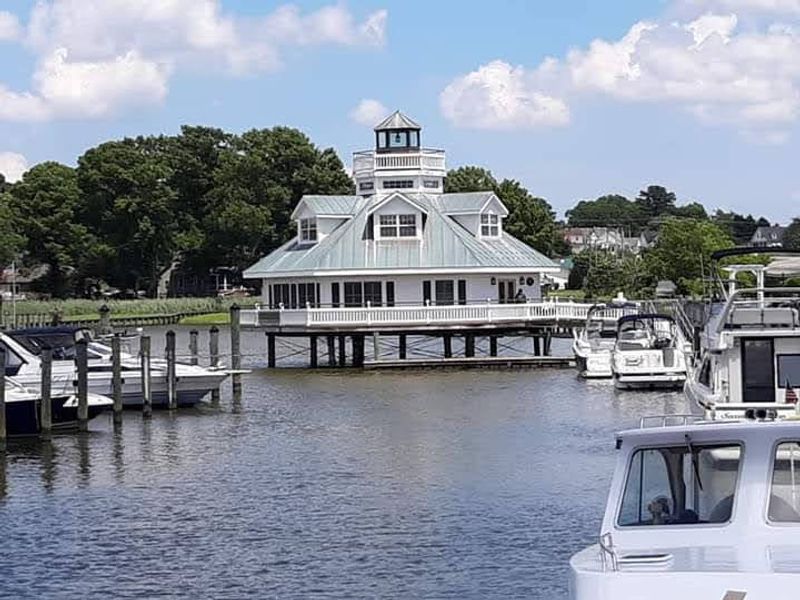
Smithfield’s calendar bursts with festivals that feel genuinely community-driven rather than corporate-sponsored spectacles designed to separate tourists from their wallets.
The annual Ham and Yam Festival celebrates local agriculture with the kind of wholesome enthusiasm that makes cynics reconsider their life choices.
Christmas parades feature neighbors waving from fire trucks, not professional float companies.
Farmers markets showcase actual local farmers, and summer concerts in the park draw crowds who actually know the musicians personally, creating connections that transform events from entertainment into shared experiences woven into the town’s social fabric.
History Is Everywhere—But Not Behind Velvet Ropes
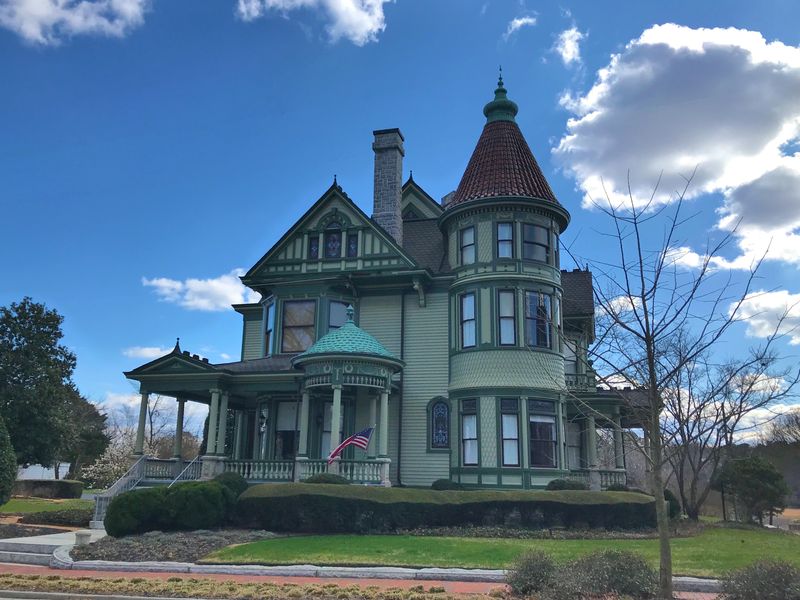
History in Smithfield doesn’t hide behind velvet ropes guarded by stern docents who shush anyone breathing too loudly.
The 1750s Isle of Wight County Museum occupies one of Virginia’s oldest buildings, yet welcomes visitors with approachable exhibits that educate without lecturing.
Colonial homes line residential streets where you can actually walk, not just photograph from tour buses.
St. Luke’s Church, dating to 1632, remains America’s oldest original Gothic church still holding services, proving history works best when it’s lived rather than merely preserved like some dusty artifact gathering cobwebs in storage.
A Small Town That Loves Its Arts Scene as Much as Its History
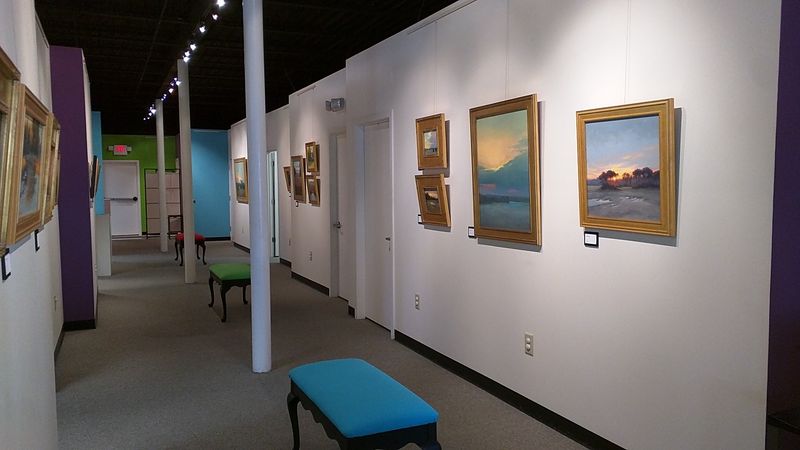
Smithfield punches well above its weight class when creativity enters the conversation, supporting local artists with genuine enthusiasm rather than token acknowledgment.
The Smithfield Center hosts performances, art exhibits, and cultural events that would impress cities ten times larger.
Local galleries showcase regional talent, while public art installations dot the downtown area, proving that appreciation for beauty doesn’t require metropolitan zip codes.
Music spills from venues on weekend nights, theater productions draw surprisingly sophisticated audiences, and the community treats arts funding like essential infrastructure rather than frivolous luxury, creating cultural richness that defies the town’s modest size.
Easy Access to Nature Without Leaving Town Limits
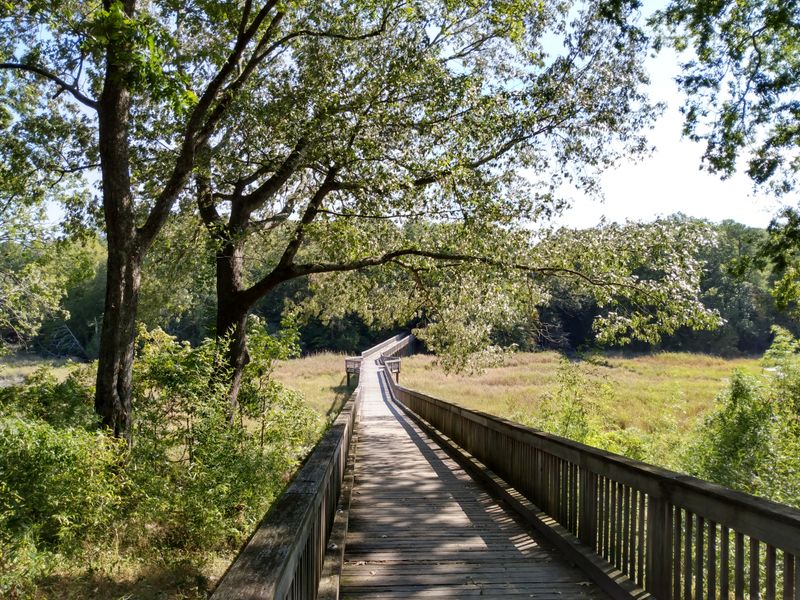
Nature doesn’t require lengthy road trips when you call Smithfield home, since greenery and wildlife coexist beautifully within town boundaries.
Walking trails wind through wooded areas where deer occasionally photobomb your morning jog, and birds provide soundtrack variety that Spotify can’t match.
The Cypress Creek Greenway offers miles of paths perfect for walking, running, or cycling through landscapes that shift from marshland to forest.
You can kayak the Pagan River, fish from public piers, or simply enjoy parks where nature feels integrated rather than imported, all accessible within minutes of downtown’s historic streets.
A Perfect Blend of Rural Peace and Coastal Proximity
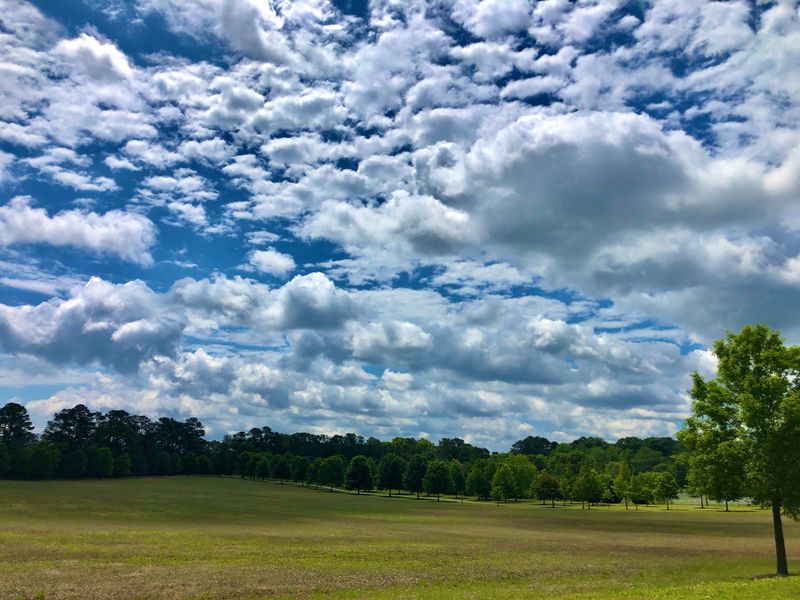
Smithfield occupies geography’s sweet spot, offering rural tranquility without sacrificing coastal access or modern conveniences.
Farmland surrounds the town, providing agricultural character and genuine countryside views that soothe souls weary from urban chaos.
Yet Virginia Beach’s shores sit just 45 minutes away, and Norfolk’s city amenities require barely 30 minutes of driving.
This positioning creates lifestyle flexibility where you can enjoy small-town quiet on Tuesday evenings and beach sunsets by Saturday afternoon, all while maintaining reasonable commutes to jobs, airports, and entertainment options that larger metropolitan areas provide when rural peace needs temporary interruption.
A Place Where Visitors Come for a Day and Stay for the Feeling
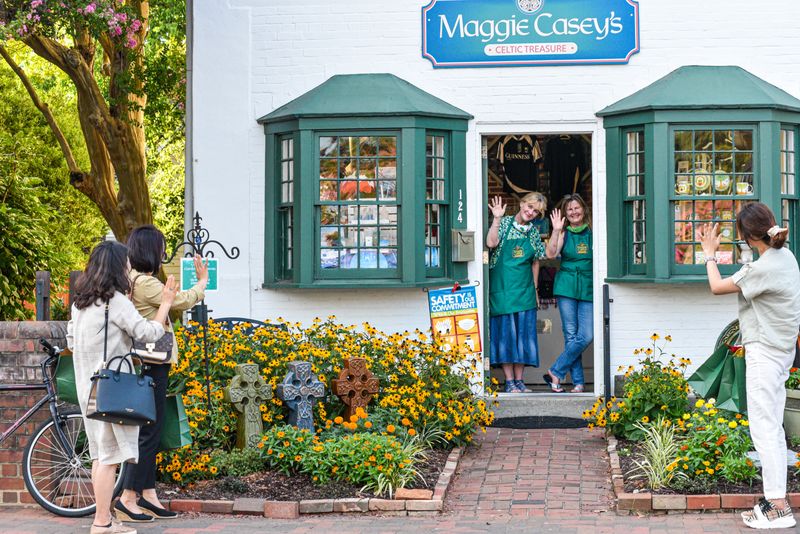
Something intangible happens when people visit Smithfield—a feeling that’s difficult to articulate but impossible to ignore once experienced.
Perhaps it’s how strangers smile genuinely on sidewalks, or how the pace slows just enough to remember what relaxation actually feels like.
Day-trippers arrive planning quick visits but find themselves lingering over lunch, browsing shops longer than intended, and seriously researching real estate prices before leaving.
The town doesn’t try impressing anyone with manufactured attractions; instead, it simply offers authentic community, natural beauty, and quality of life that makes visitors wonder why they’re living anywhere else, creating converts from skeptics with remarkable consistency.