
The Virginia Village That Tourists Always Miss But Locals Can’t Get Enough Of
Slip into Waterford, Virginia, and you will feel the pace of the day shift by a quiet degree.
The village sits seven miles northwest of Leesburg and holds its corners with an ease that encourages you to look longer than planned.
Cobblestone fragments, stone foundations, and Quaker simplicity mingle in a way that rewards patient footsteps and open eyes.
Keep going and the streets will begin to tell you how the place keeps its history useful rather than distant, woven into homes, gardens, festivals, and daily life, inviting reflection without ceremony or spectacle.
Strolling The Heart Of Second Street
Your first pass along Second Street sets the rhythm for Waterford, where stone houses press close and windows catch the light like small lanterns.
The road is narrow and steady, never hurrying anyone, which suits a village that favors conversation over spectacle.
Plaques appear without ceremony, naming families who worked with their hands and left their craft in the mortar.
You notice tidy fences, clipped hedges, and porches that look ready for a book and a chair.
Another block reveals how sound behaves here, with birds and bicycle gears sparring politely for your attention.
The views tuck and fold, so each corner reveals a slightly new alignment of rooflines and chimneys.
A few neighbors wave without breaking stride, comfortable with visitors who keep the pace.
When a truck glides past, it passes slowly enough for everyone to nod and carry on.
Later, the afternoon turns the stone walls honey colored, and details you missed earlier step forward.
Door latches, slate shingles, and sandstone sills accumulate into a portrait of work done carefully and kept that way.
You begin to sense why locals linger, because every errand likely becomes a greeting.
If you follow the block toward the small greens, you will find a bench that seems to suggest staying another ten minutes.
Somewhere within those minutes, the village clarifies its charm without trying.
The street offers simple pleasures that hold together without any fuss.
You leave promising yourself a second loop. You usually keep it.
Finding The Old Mill And Its Working Memory
Down by Catoctin Creek, the Waterford mill holds its ground with large stones and discreet confidence.
The building is handsome rather than grand, which suits a village that once measured success by steady flour and reliable gears.
Even when the wheel is still, you can imagine the grind and clatter that anchored local life. The creek moves with the sort of patience that keeps history from feeling dusty.
Approaching the mill, you notice how every surface records the weather.
Mortar bears tiny channels, timbers hold their lift, and the windows cut rectangular honesty into the facade.
Interpretive signs keep a plain tone that fits the site.
You step closer and feel the cool of shaded stone, a useful reminder that the mill once regulated heat as much as grain.
Across the water, trees offer quiet cover that softens the edges of the day.
If you listen, the creek trades small notes with the birds, and the conversation settles your stride.
Locals occasionally appear with leashes and reusable cups, nodding as though you have joined a well established routine.
Some pause to share a bit of mill lore with the ease of people who never rehearsed the lines.
Finally, you realize the mill is less a monument than a ledger, listing how the village worked, saved, and adapted.
The building does not grandstand, it simply stays useful to memory.
You leave with a grounded picture of effort and trade. That picture tends to linger.
Stepping Into Quaker Roots At The Meetinghouse
A short walk from the center brings you to the Waterford Quaker Meetinghouse, where simplicity sets the tone.
The structure stands modestly, letting proportion do the talking rather than ornament.
Inside, wooden benches face each other in a quiet arrangement that respects listening as a practice.
Light enters generously through multi pane windows and seems to pause on the floors.
Reading the history, you learn how early residents built a community by duty and steadiness.
The meeting shaped commerce, education, and daily conduct, which explains the village’s measured air.
There is no theatrical hush here, just a working calm that keeps voices low and clear. Even a brief visit makes a case for pauses as useful tools.
You might sit for a minute and find your mind finally choosing one thought at a time.
The room encourages that order without asking for it.
The wood holds a faint resin scent that suggests careful upkeep rather than nostalgia.
When footsteps pass outside, they fold into the quiet without breaking it.
Afterwards, the path back to the street feels a touch different, as if margins had widened.
The meetinghouse does not chase attention, but it gives shape to the village’s character.
You carry away a sense of how restraint can frame daily life.
It becomes easier to see why neighbors here favor sound choices over loud ones.
Wandering The Waterford National Historic Landmark District
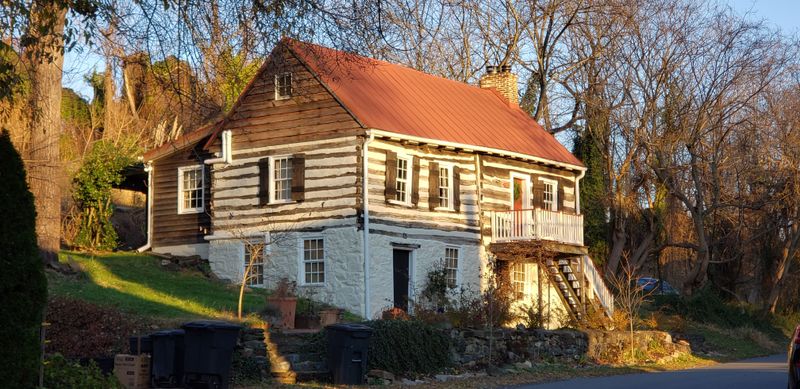
When a place earns National Historic Landmark status, expectations rise, yet Waterford meets them with understatement.
The district stitches together stone homes, narrow lanes, and working landscapes into a coherent whole.
Boundaries feel organic rather than imposed, which keeps the history from turning brittle.
You move through it the way a local might, stepping around hedges and pausing at corners that invite a second look.
Each block shows how architecture and terrain cooperate.
Houses lean into slopes, outbuildings tuck into yards, and fences trace modest arcs that guide the eye.
The palette is restrained, with limestone, wood, and brick agreeing on calm tones.
It is the kind of harmony that makes photographs appear balanced without effort.
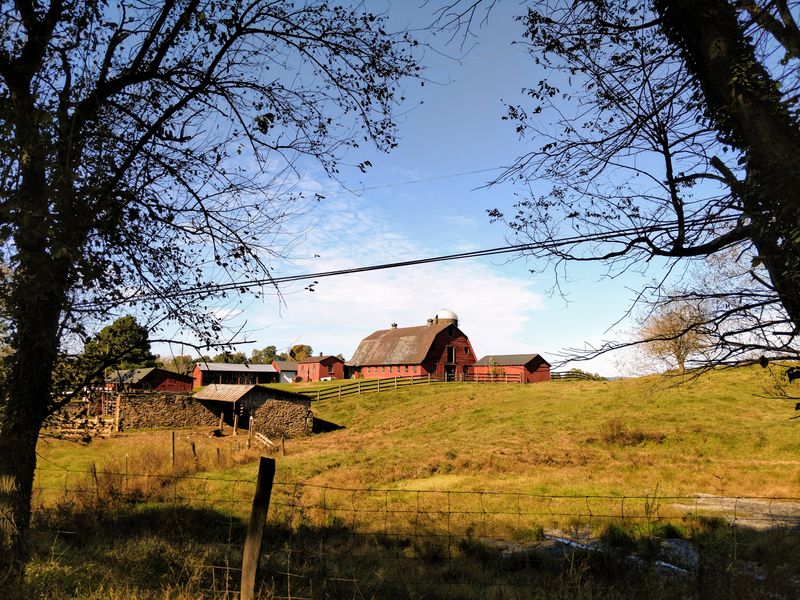
Beyond the streets, fields roll toward the edges, reminding you that the village always worked with the land.
Sightlines open to the Blue Ridge foothills in certain clearings, and the air gains a light mineral note after rain.
Interpretive markers avoid clutter and focus on names that still echo in town.
You end up reading more than planned because the stories carry clean detail.
By the time you loop back to your starting point, the label feels earned and current.
Preservation here does not sound like a slogan, it reads like maintenance done well.
The district leaves you steady rather than dazzled.
That steadiness proves memorable in its own right.
Meeting Makers And Artisans Behind Quiet Doors
Open a workshop door in Waterford and you often meet someone who can talk tools as fluently as history.
The artisans here lean toward practicality, whether they are turning bowls, weaving linen, or setting type by hand.
Benches stay orderly, yet every surface carries the marks of steady use.
You sense pride without display, the kind that grows from knowing exactly how a piece comes together.
While browsing, you will find conversation arrives without pushy salesmanship.
Questions about finishes, fibers, or glazes meet clear answers and sometimes a quick demonstration.
Prices nod to craftsmanship and time rather than passing trends.
You leave with something you can actually use and explain later with satisfaction.
During festival weekends, the energy lifts but never shouts.
Tents line familiar streets, and local stoops become viewing stands for impromptu lessons.
Even then, schedule boards stay legible and the crowds move with courtesy.
A cup of cider in hand turns waiting into a pleasant pause rather than a chore.
On quieter days, the makers still open, and the slower pace suits careful choosing.
It is easy to lose half an hour admiring joinery or the clean edge of a plane.
The purchase becomes a memory of the person who shaped it, not just the object.
That link has a way of keeping Waterford near even after you head home.
Tracing Catoctin Creek On A Gentle Walk
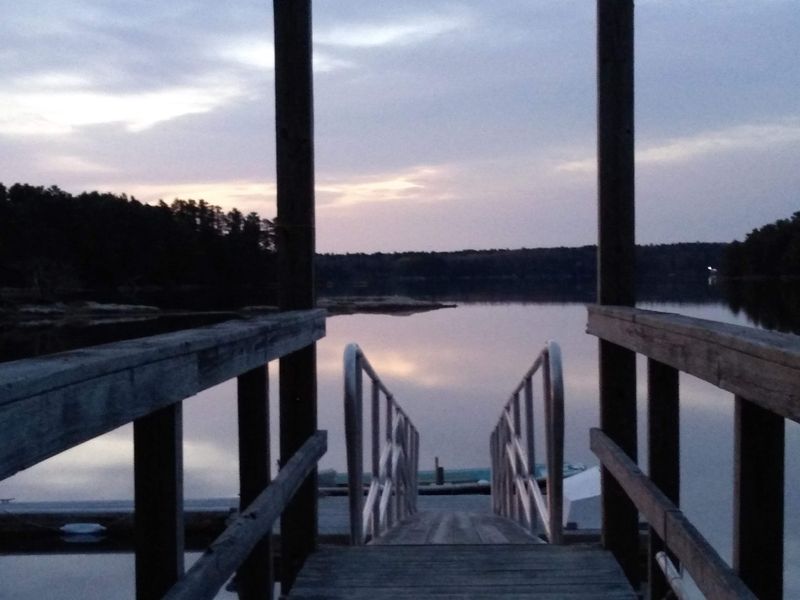
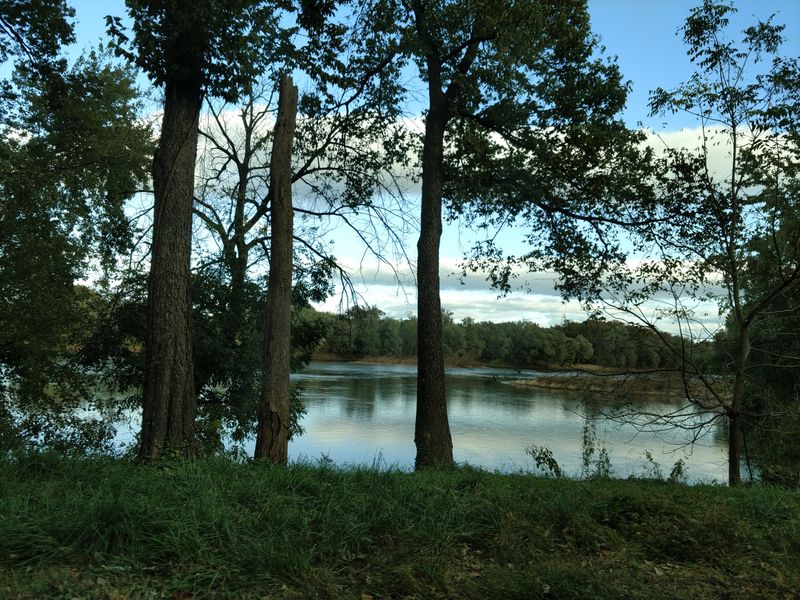
The creek path near Waterford offers a simple antidote to a full day, with water moving just fast enough to keep thoughts tidy.
The tread is easy, the grade forgiving, and the company usually limited to birds and a neighbor or two.
Light filters through leaves and lands in bright coins that shift when the breeze turns.
It is the kind of walk that recalibrates your sense of time without announcement.
Along the bank, native grasses sway and show a spectrum of greens that city eyes sometimes forget.
A wooden footbridge gives you a clean vantage to watch eddies form and dissolve.
Occasionally, a heron cruises past with the calm of a pilot who knows every marker.
You will likely slow down and let the creek set the pace.
In drier months, rocks reveal themselves and turn into stepping spots for children with good balance.
After rain, the water carries a light earth scent that feels honest and seasonal.
There are no grand overlooks, just many small compositions that reward patient looking.
A pocket snack fits the mood better than a schedule.
Eventually, the path lifts you back toward the village grid, and rooftops reappear like bookmarks.
The transition is gentle, and the sounds of traffic are still muted at Virginia 20197.
You arrive with shoulders lowered and attention sharpened.
That is often the perfect state for an unhurried dinner plan.
Planning A Day That Fits Waterford’s Pace
Starting a Waterford day benefits from a simple map and a flexible plan.
Parking near the edges of the village keeps streets quiet and lets you begin on foot.
Mornings suit the meetinghouse and Second Street, when light sits low and shadows draw clean lines.
A stop for coffee in nearby Leesburg can be timed before or after without disrupting the rhythm.
Midday pairs well with the mill and a creek walk, especially if you bring a modest picnic.
Benches appear where they are needed rather than where they are expected.
Local shops open with steady hours, and owners do not mind a few questions.
You will find that buying less but better matches the mood here.
Afternoons invite slow browsing and one more lap through the Landmark District.
Look for small details you missed earlier, like slate repair patterns or gate hardware that earned its patina.
Conversations come easily if you show patience and curiosity.
By this point, you will have settled into a pace that feels appropriate for the village.
As evening approaches, the sky over the hills usually carries soft color without fanfare.
Drives back toward Leesburg or the Route 7 corridor stay easy if you leave before the last light.
The coordinates settle in your notes at 39.186789, -77.6100378, a quiet reminder to return.
Next time, you will likely bring a friend who enjoys the same steady pleasures.