
The Water At This Missouri Spring Is So Impossibly Blue That Seeing It In Person Is The Only Way To Believe It
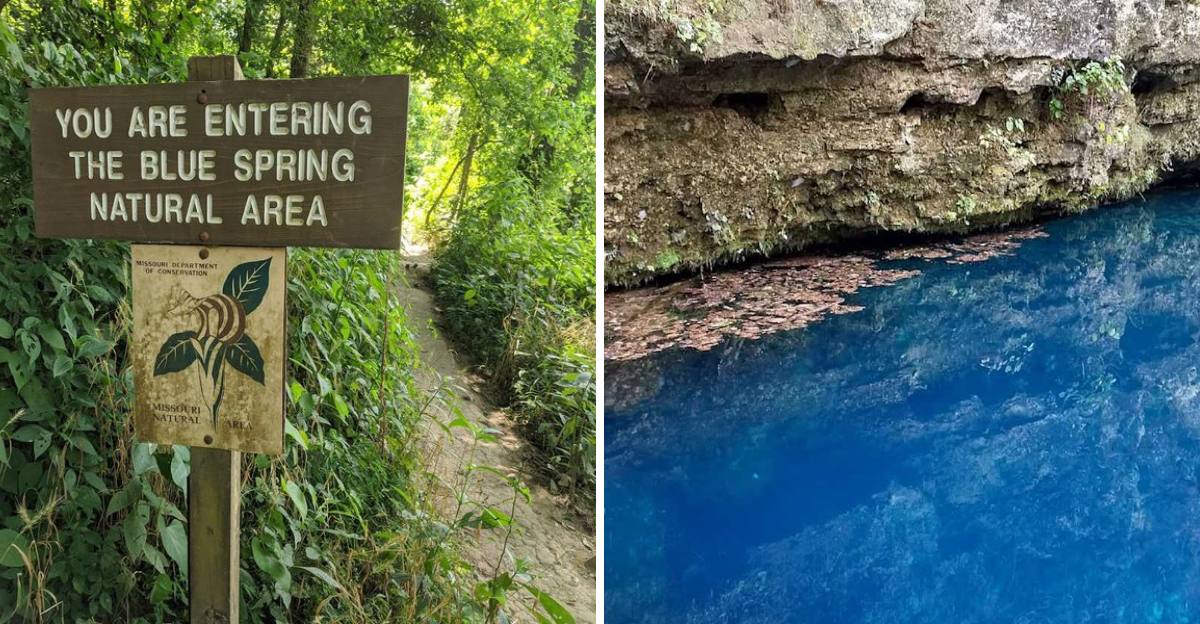
Would you believe a color like this exists somewhere in Missouri without a filter, an editor, or a single ounce of Photoshop? A hidden pocket of the Ozarks holds water so blue it looks lifted straight from a tropical postcard, dropped into the middle of the forest instead.
Get closer and the scale hits even harder. This spring plunges deep enough to swallow a national landmark almost whole, pushing out millions of gallons every single day into a river that changes color the moment the two waters meet.
Missouri rarely gets credit for scenery like this, yet here it sits, hiding past a bumpy gravel road most GPS apps barely acknowledge. Curious how deep the blue really goes?
The answer might change how you see the whole state.
The Color That Defies Explanation
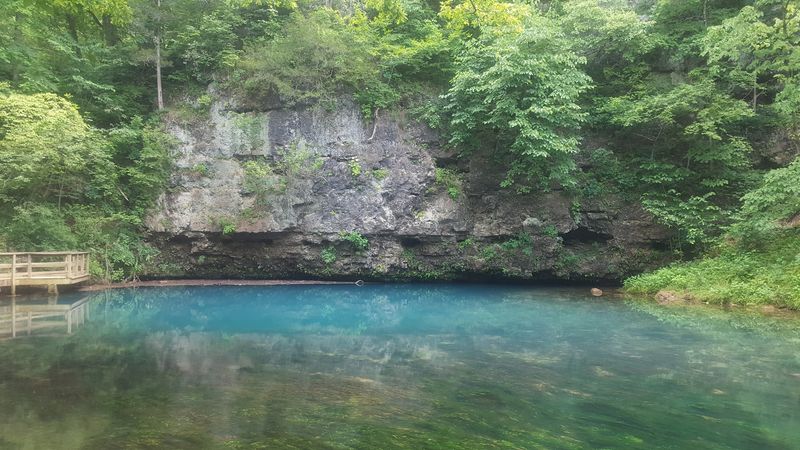
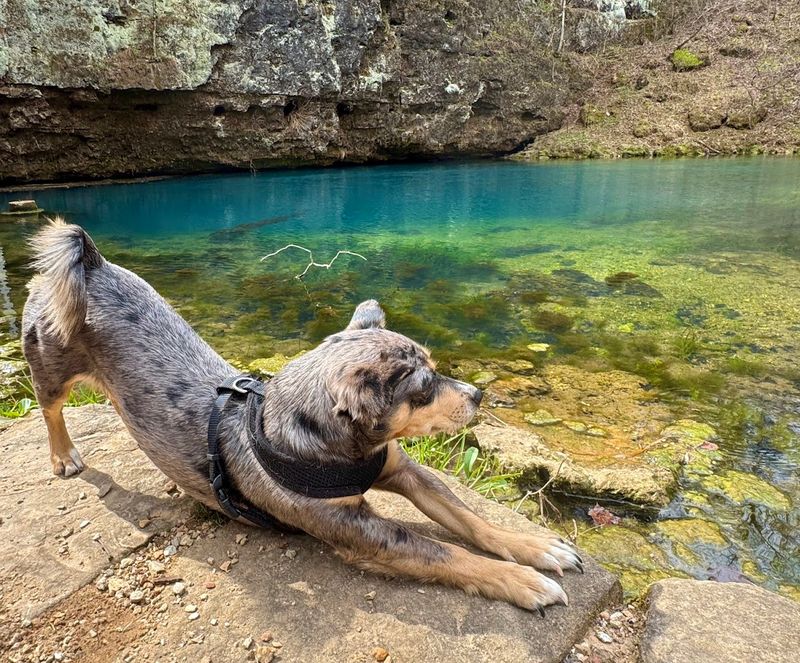
No camera setting, no filter, and no screen resolution does justice to the blue at this Missouri spring. The color hits differently in person, somewhere between electric and ethereal, landing closer to a Caribbean lagoon than a landlocked Ozark hollow.
The vivid hue comes from a combination of factors working together. The spring’s extraordinary depth absorbs red and yellow wavelengths of light, leaving only blue to reflect back to the surface.
Dissolved limestone and dolomite minerals in the water add to the optical effect, intensifying the color even further.
Sunlight plays a major role too. On bright, clear days, the blue becomes almost luminous, pulsing with an energy that feels almost unreal.
Overcast skies can mute the effect slightly, so timing a visit around good weather pays off. Standing at the wooden viewing platform and seeing that color for the first time is a moment most visitors say they will never forget.
A Spring That Pours Out An Ocean Every Day
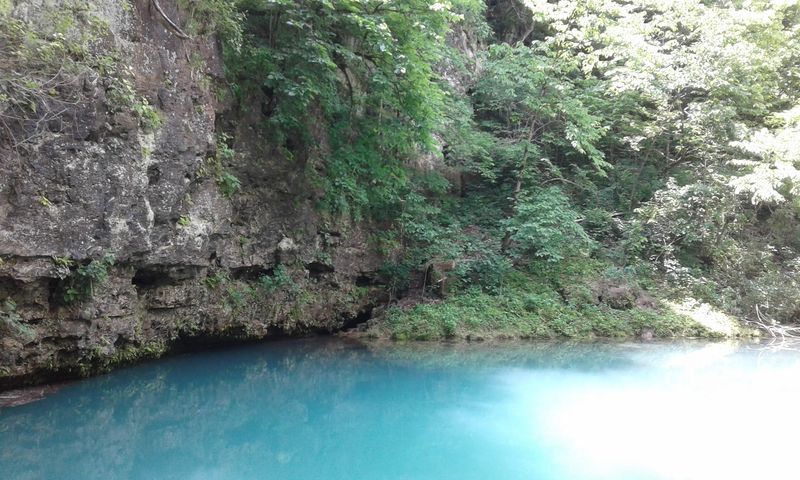
Blue Spring is not just beautiful. It is also one of the most powerful natural water sources in the entire state.
Ranked as the sixth largest spring in Missouri, it discharges an average of around 90 million gallons of water every single day into the nearby Current River.
That output is staggering when you picture it. The spring produces enough water daily to fill thousands of standard swimming pools, all emerging from deep underground through a single vent in the earth.
The sound near the spring reflects that power too, with the rushing water loud enough that visitors have noted it can be hard to hold a conversation standing right next to it.
Watching that volume of water push out and merge with the Current River gives the whole experience an extra layer of drama. The blue water from the spring and the darker tones of the river create a visible contrast where the two meet, making the outflow point another visual highlight worth seeking out during a visit.
How To Find Blue Spring Without Getting Lost
Blue Spring sits in Shannon County, Missouri, roughly 14 miles east of Eminence and about 14 miles west of Ellington. The access point is off State Route 106, and a gravel road leads from there to a dedicated parking area near the trailhead.
That gravel road deserves a mention of its own. It is steep, narrow, and can be rough depending on recent weather.
Small cars have made it successfully under dry conditions, but large RVs and buses are not recommended and may struggle badly. Checking conditions before heading out is a smart move, especially after heavy rain.
The parking area itself is modest but functional. Pit toilets are available on-site, along with at least one picnic table.
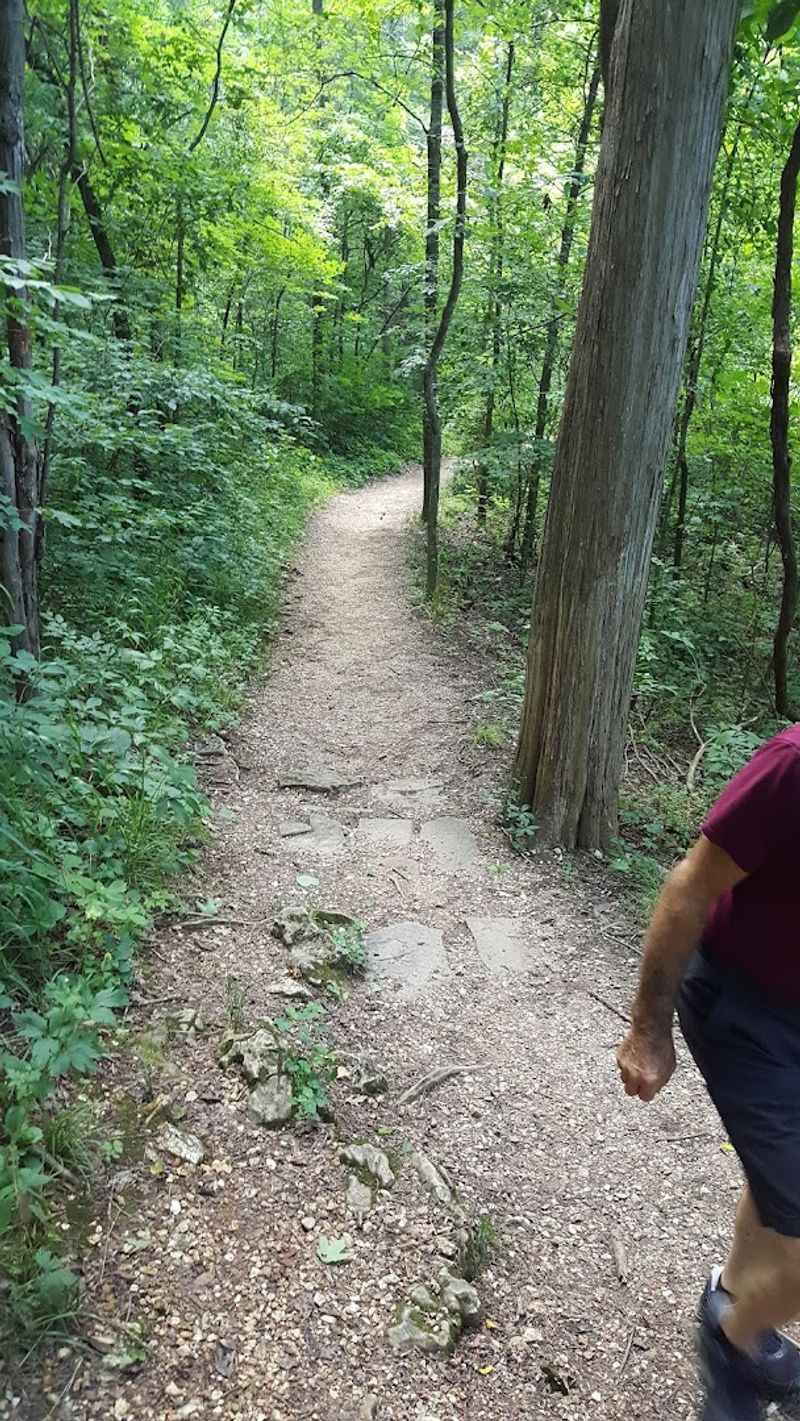
From the parking lot, the trail to the spring is a short and easy walk of about a quarter mile, making the spring accessible to most visitors once they survive the access road. The address for the area is Eminence Township, MO 63638.
The Record-Breaking Depth Beneath The Surface
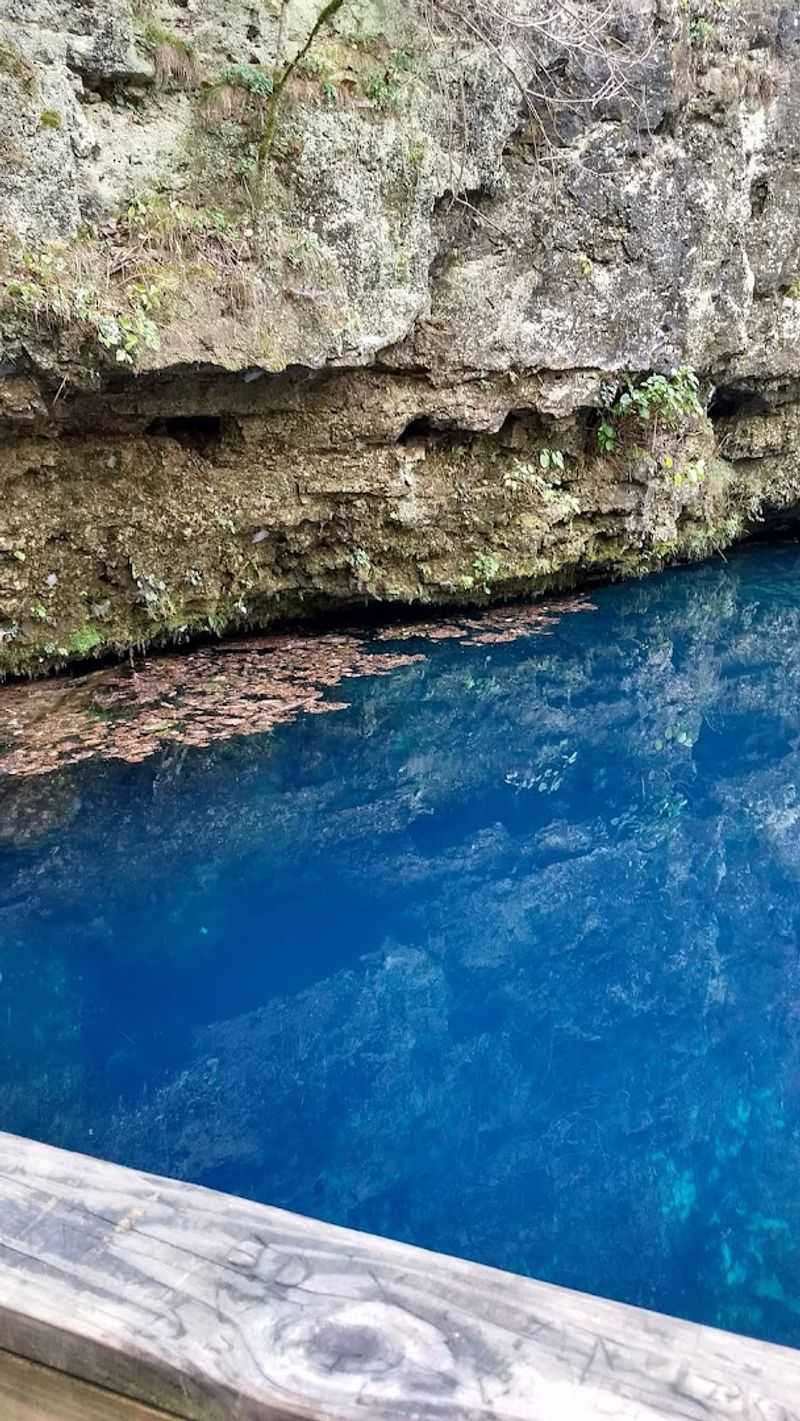
At 310 feet deep, Blue Spring holds the title of the deepest spring in all of Missouri. That number is hard to wrap your head around until someone puts it this way: if the Statue of Liberty were placed inside the spring, her famous torch would still sit five feet below the waterline.
That kind of depth creates an almost hypnotic visual effect from above. The water near the edges appears light and translucent, then gradually deepens into an inky, almost midnight blue toward the center.
The transition happens so smoothly it looks painted.
The depth also keeps the water at a consistently cool temperature year-round. Visitors who approach the spring on a warm summer day often notice the air temperature dropping noticeably as they get closer.
That natural coolness, combined with the visual drama of the blue, makes standing at the edge feel like stepping into a completely different world hidden inside the Missouri Ozarks.
The Short Trail That Feels Like A Reward
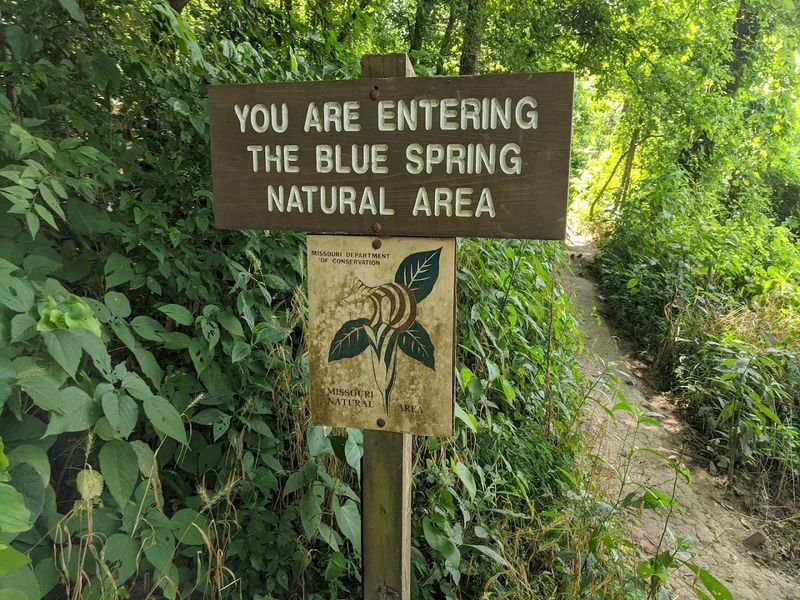
The most popular way to reach the spring is via the short trail from the parking area, which covers roughly a quarter mile of easy, mostly level terrain. It is a forgiving walk that almost anyone can handle, including older visitors and young children, though keeping an eye out for exposed tree roots and rocks is wise.
The trail itself is part of the experience. As visitors move through the Ozark forest toward the spring, the air gradually cools and the sounds of the natural world take over.
Many people report hearing the rush of water before they ever catch a first glimpse of the blue.
A longer alternative route runs about 1.5 miles from Powder Mill Campground, totaling a 3-mile round trip along the Current River. That trail offers more scenery but has reportedly been affected by flood debris in recent times, so checking current conditions before choosing this option is strongly advised.
The short trail from the parking area remains the most reliable choice.
Why Swimming Is Off The Table Here
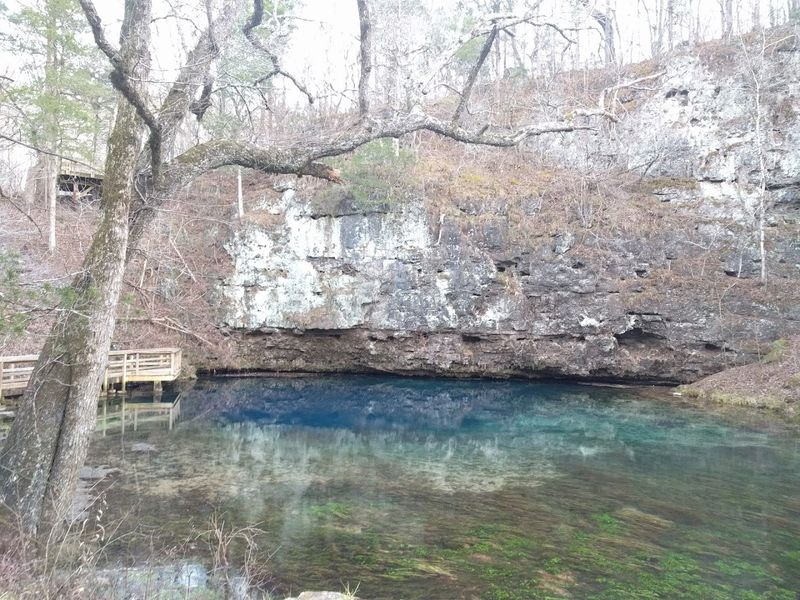
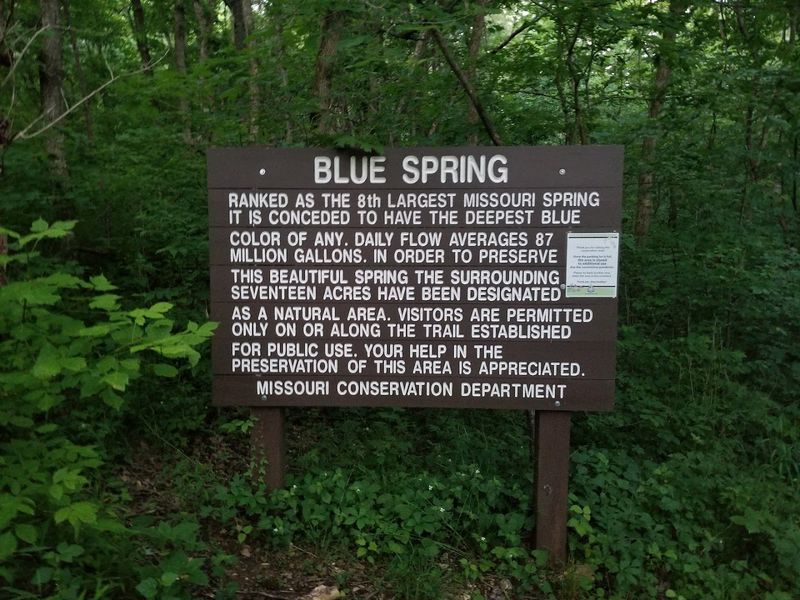
The water looks so inviting that the no-swimming rule comes as a genuine surprise to many first-time visitors. Blue Spring prohibits swimming, wading, and fishing entirely, and those rules are strictly enforced.
The restrictions exist for good reason, and most visitors say they understand once they actually see the spring up close.
The spring sits within a 17-acre area designated as a Missouri Natural Area. While the surrounding land is managed by the National Park Service, Blue Spring itself falls under the ownership of the Missouri Department of Conservation.
Protecting the delicate ecosystem inside and around the spring is the top priority for both agencies.
Introducing human activity into the water could disturb the fragile balance of organisms and minerals that make the spring function the way it does. The blue color itself depends on precise water chemistry and clarity.
Even well-meaning visitors wading in could cloud the water or disrupt the ecosystem. The rules exist to keep Blue Spring looking exactly the way it does for future generations to experience.
The Native American Name That Says It All

Long before tourists arrived with cameras, Native Americans recognized Blue Spring as something extraordinary. They called it the “Spring of the Summer Sky,” a name that captures the color with poetic precision.
That description still holds up perfectly today.
The name reflects a deep respect for the natural world and an understanding that this place was unlike anything else in the region. The spring’s blue is not just a visual curiosity.
It carries a sense of calm and awe that makes the name feel earned rather than decorative.
Missouri has hundreds of springs scattered across its Ozark landscape, but very few carry names with that kind of weight behind them. The “Spring of the Summer Sky” sets Blue Spring apart not just visually but culturally, adding a layer of meaning to the visit that goes beyond the color of the water.
Knowing that history before arriving gives the experience a richer context and makes standing at the edge of the spring feel even more significant.
Best Times To Visit For The Most Vivid Blue
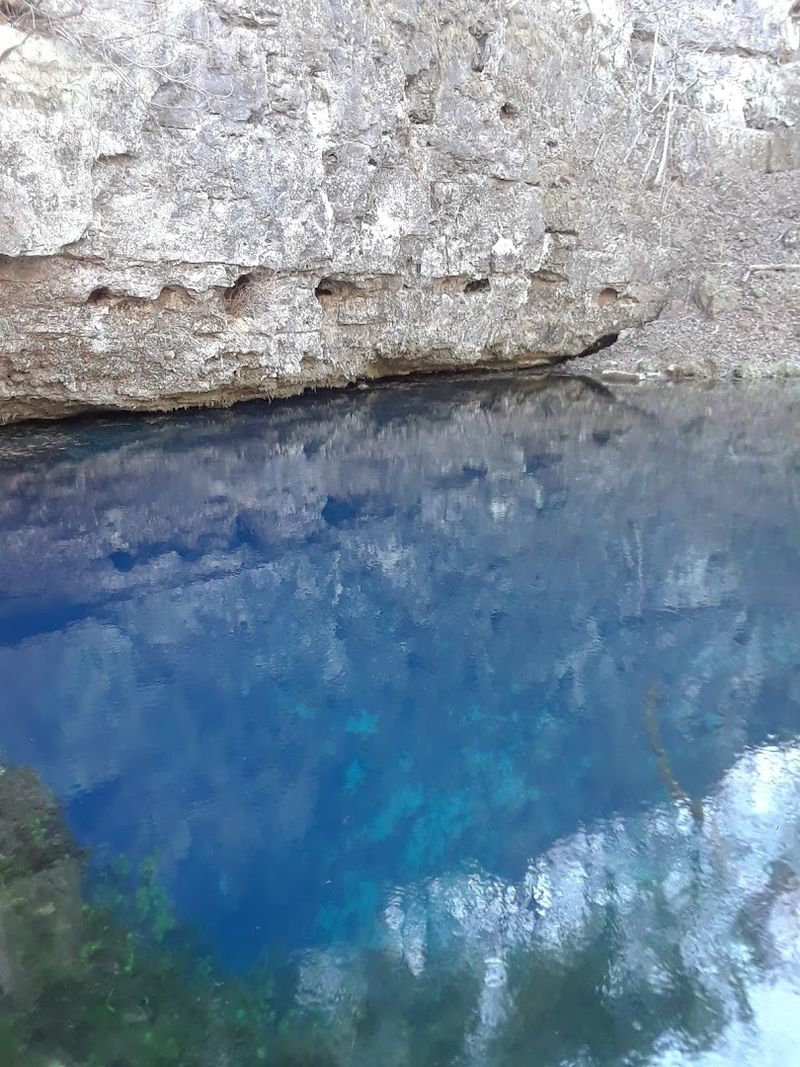
Timing matters more at Blue Spring than at most natural attractions. The intensity of the blue color shifts depending on weather and light conditions.
Bright, sunny days bring out the most vivid version of the color, making midday visits under clear skies the most rewarding option for photography and pure visual impact.
Storm runoff can temporarily muddy the water, softening the color for a day or two after heavy rain. Checking recent weather patterns before making the drive helps avoid disappointment.
Early morning visits on clear days can also produce beautiful light, with the low sun angle creating interesting reflections on the surface.
Autumn draws particular praise from visitors who have seen the spring surrounded by changing leaves, when the warm orange and red tones of the Ozark forest contrast sharply with the cool blue of the water. Winter visits are quieter and offer a different kind of beauty, especially when light fog forms above the cold water on chilly mornings.
Each season brings its own version of the experience.
Practical Tips For A Smooth Visit
A few practical details can make the difference between a smooth visit and a frustrating one. The gravel road leading to the parking area is the biggest variable.
Dry conditions make it manageable for most standard vehicles, but wet or muddy conditions can make it genuinely difficult. Arriving with a higher-clearance vehicle is always the safer bet.
Parking is limited at the small gravel lot near the trailhead. Arriving earlier in the day on weekends reduces the chance of a crowded lot.
Weekday visits tend to be quieter overall, and some visitors report having the spring almost entirely to themselves during off-peak hours on weekdays.
Bringing water and snacks is a good idea since there are no concessions on-site. Wearing sturdy shoes helps on the trail, where roots and rocks can catch an unprepared foot.
The pit toilets at the parking area are available but basic. Cell service in the area may be limited, so downloading offline maps before leaving town is a smart precaution for anyone unfamiliar with the backroads of the Missouri Ozarks.
Why This Spring Stays With You Long After You Leave
Most natural attractions are beautiful in the moment and then fade into the background of memory. Blue Spring is different.
The color is so specific and so unlike anything most people have seen before that it tends to stick around in the mind long after the drive home.
Part of what makes it linger is the contrast between the effort required and the payoff delivered. The gravel road tests patience.
The hike is short but builds anticipation. Then the blue appears, and the whole journey suddenly feels completely worthwhile.
That emotional arc from uncertainty to reward is part of what makes the experience so memorable.
Missouri does not always get credit for dramatic natural scenery, but Blue Spring makes a compelling argument on the state’s behalf. It is the kind of place that turns casual visitors into enthusiastic advocates, the sort of stop that people mention to friends for years afterward.
Seeing it once is usually enough to make someone want to return, bring someone new, and watch that first reaction happen all over again.