
The West Virginia Mountain Drive That Showcases Some Of The States Most Spectacular Landscapes
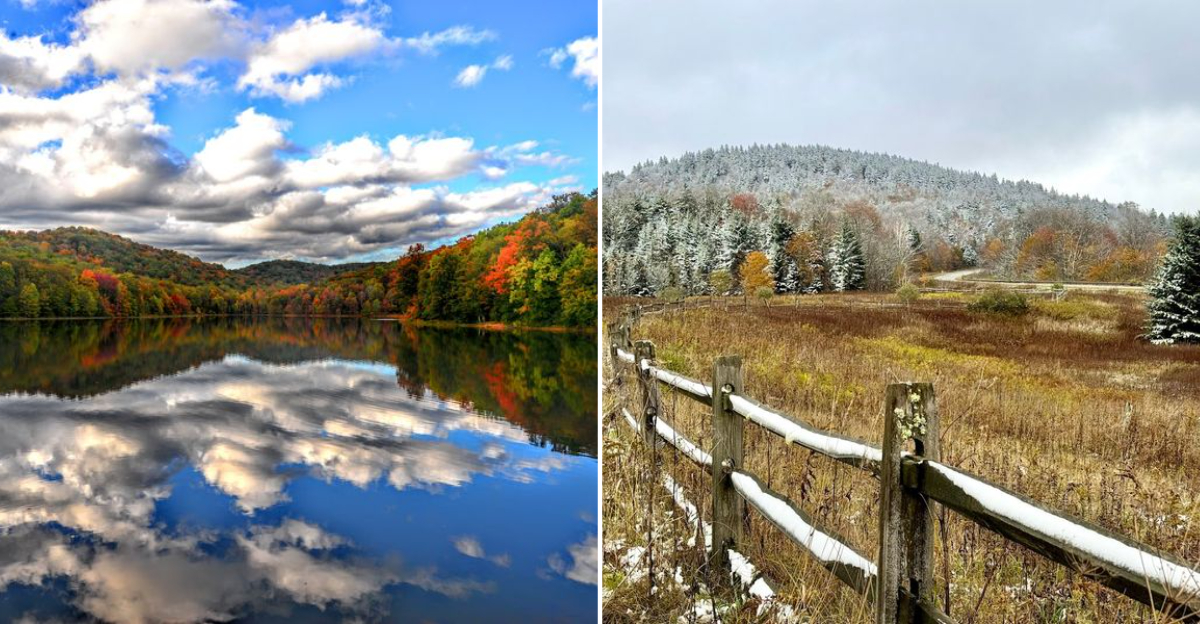
Some drives exist purely to move a person from one place to another. This West Virginia mountain route decided that was never going to be enough.
Elevation changes reveal new landscape at every crest, and valleys appear suddenly before disappearing just as fast. The windshield earns its place as the best seat available.
Overlooks here do not require a scheduled stop or a marked pullout. The scenery makes that decision independently, and the driver agrees before the thought is fully formed.
West Virginia keeps its most spectacular landscapes behind roads that reward travelers willing to leave the interstate behind. This mountain drive is the most convincing argument the state has ever made for doing exactly that.
Panoramic Views Of Mountain Ranges
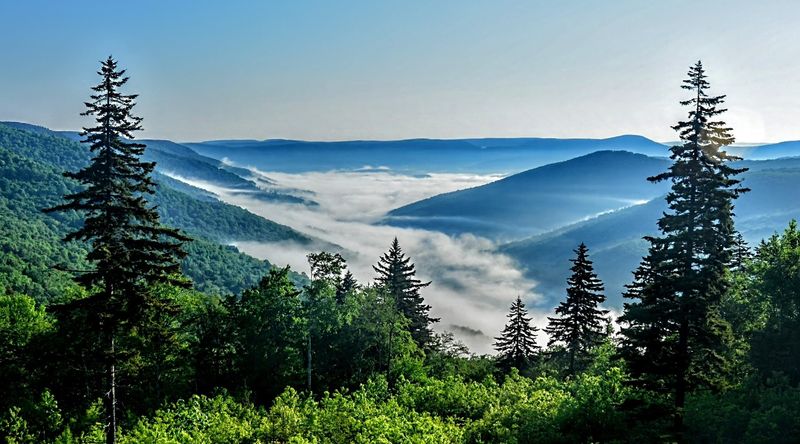
Standing at one of the four scenic overlooks on State Route 150 in West Virginia, the view genuinely stops you mid-sentence. Williams River, Big Spruce, Little Laurel, and Red Lick each deliver something different.
From the Allegheny Front, you can spot the Ridge-and-valley Appalachians stretching east like a crumpled map. To the west, Cranberry Wilderness fills the horizon with unbroken green.
The scale of it is honestly hard to process.
The road itself sits above 4,500 feet for stretches, so the views are not accidental. They were built into the byway design when it was dedicated in 1980.
You earn altitude just by driving.
At Big Spruce Overlook, dark spruce trees frame the ridgeline like a postcard border. The contrast between the high-elevation spruce and the hardwood valleys below is striking. It changes completely with the seasons.
Red Lick Overlook tends to get less traffic, which makes it a quieter stop. More room to breathe, fewer people in your photos.
Bring binoculars if you have them. The highway meanders along mountain ridges rather than cutting straight through. That design keeps the views coming steadily.
You are never far from another reason to pull over and stare. The address is State Route 150, West Virginia, located in Pocahontas County within Monongahela National Forest.
Unique Geological Features Along The Drive
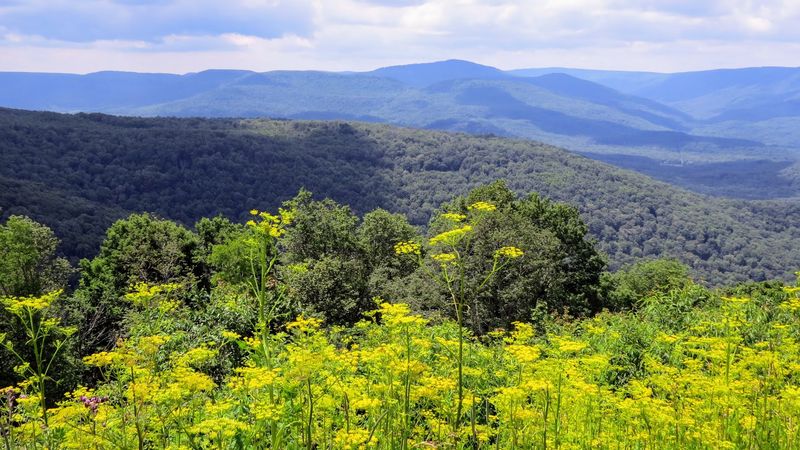
Honeycomb Rocks is one of those stops that makes you do a double take. The rocks look like someone carved geometric patterns into the stone by hand.
Nobody did nature handled that entirely on its own.
The formation is officially called Boxwork, and it is rare enough to have its own interpretive trail right off State Route 150 in West Virginia. The accessible path makes it easy for most visitors to get close.
You can read the educational signs while your brain tries to explain what your eyes are seeing.
These formations developed through a long process of erosion and mineral deposits over millions of years. The result is a honeycomb-like surface that covers large rock faces along the trail.
It looks almost architectural.
Black Mountain Overlook adds another geological layer to the story. A boardwalk there explains the history of timbering and forest fires that shaped this landscape.
The forest you see now grew back from serious disruption.
The Allegheny Highlands themselves sit on ancient rock formations that predate most things you can imagine. Elevation shifts from 2,325 feet near Richwood to over 4,500 feet along the parkway.
That range tells a serious geological story.
Cranberry Glades nearby also reflect unusual geology. The bog environment exists because of specific drainage and soil conditions.
It is the largest bog area in West Virginia, covering 750 acres of genuinely strange terrain.
Hiking Trails Accessible From The Drive
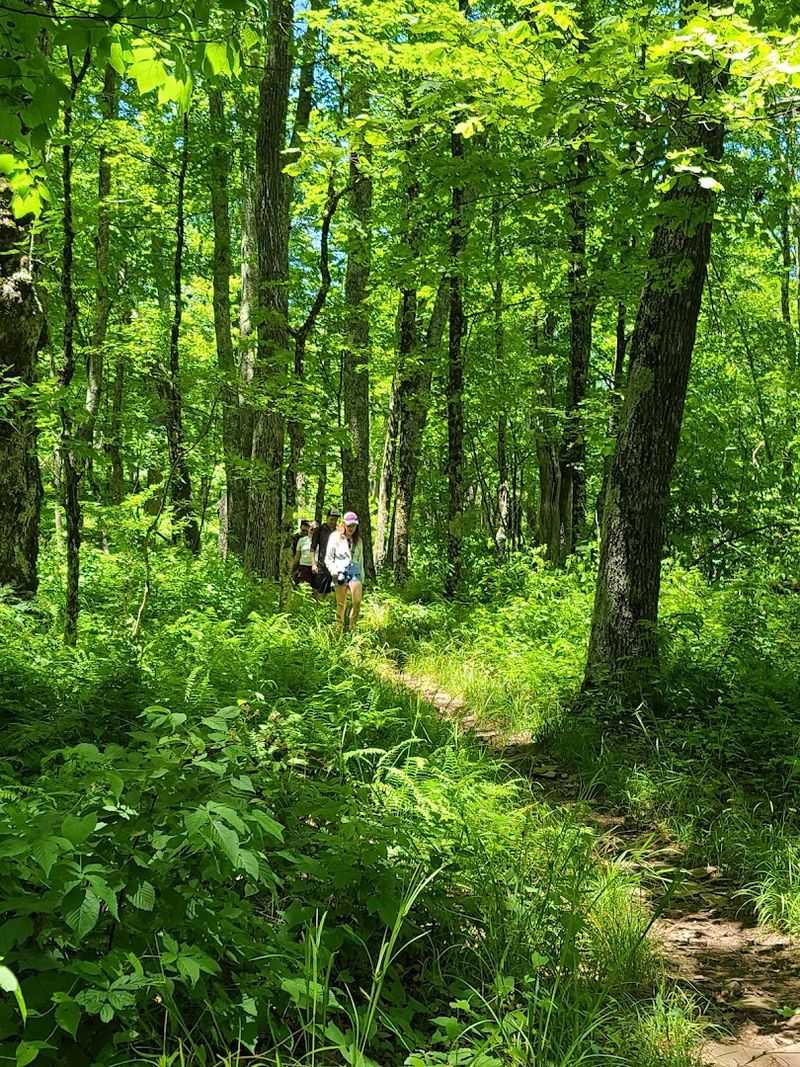
You do not need to plan a separate trip to hike here. State Route 150 in West Virginia connects directly to multiple trails inside Monongahela National Forest.
Pull over, lace up, and go.
The Williams River corridor offers access to streamside trails that follow one of the cleanest rivers in the state. Fishing is popular here too, but the walking alone is worth the stop.
The sound of moving water carries a long way in these woods.
Cranberry Glades has a half-mile boardwalk that counts as a legitimate hike through a genuinely unusual landscape. The boardwalk keeps your feet dry above the bog.
You will see carnivorous plants, which are either exciting or slightly alarming depending on your personality.
Falls of Hills Creek Scenic Area connects to the highway and features three waterfalls dropping 25, 45, and 63 feet. The path to the first falls is wheelchair accessible.
The third waterfall is the second highest in West Virginia, which is a fact worth repeating out loud.
Trails range from flat boardwalks to more rugged forest climbs. The Cranberry Wilderness to the west draws serious backpackers.
Day hikers have plenty of options without committing to a multi-day trip.
Cranberry Mountain Nature Center near the highway offers trail maps and exhibits. Staff can point you toward routes that match your pace.
It is a smart first stop before hitting the trails.
Birdwatching Opportunities In The Area
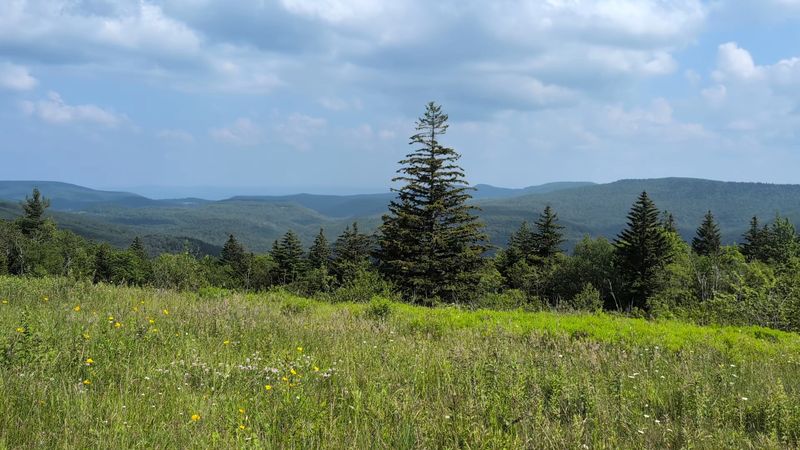
High-elevation spruce forests along State Route 150 in West Virginia attract birds you will not easily find at lower elevations. Species like the Blackburnian Warbler and Red Crossbill show up here regularly.
Birders make specific trips just for these sightings.
The mix of forest types along the highway creates a diverse habitat in a short distance. Hardwood forest, dark spruce stands, open meadows, and bog edges each pull in different species.
You can cover serious birding ground without driving far.
Cranberry Glades is particularly productive for bog-specialist birds. Bog environments support unusual plant communities, and those plants attract insects, and those insects attract birds.
The food chain works out nicely for birdwatchers.
Spring migration through the Allegheny Highlands brings warblers moving north through mountain corridors. Early May mornings along the highway can be genuinely loud with bird activity.
Bring a field guide and patience in equal measure.
Raptors use the Allegheny Front ridgeline for migration, too. Broad-winged Hawks move through in impressive numbers during fall.
Hawk watching at higher elevations along the byway can be spectacular on the right September day.
The lack of commercial traffic and the low speed limit on WV 150 make stopping easy. You can pull over whenever something catches your eye or ear.
Birding here feels unhurried, which matches the whole personality of the drive perfectly.
Historical Landmarks Visible From The Road
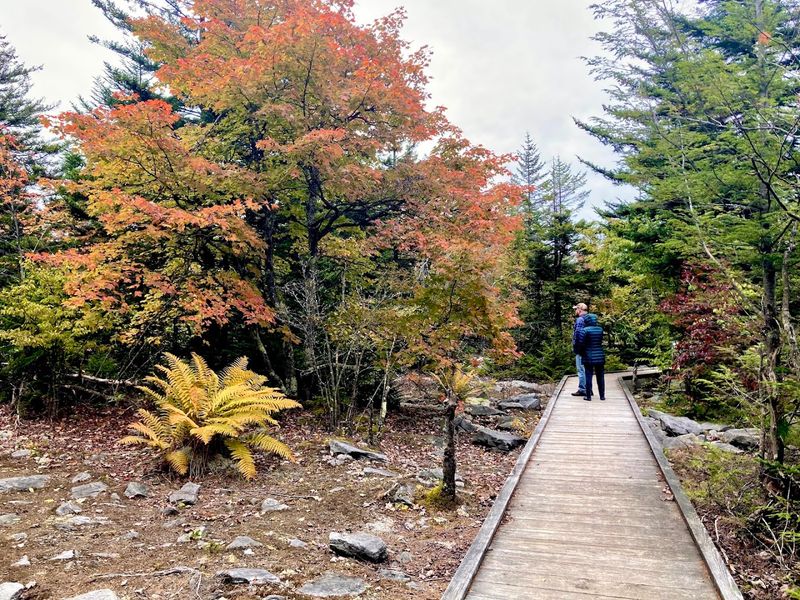
History shows up in unexpected ways along State Route 150. The landscape itself carries the story if you know where to look.
Black Mountain Overlook is the clearest example.
The boardwalk at Black Mountain Overlook includes interpretive panels explaining the timbering era that stripped much of this forest in the late 1800s and early 1900s. Forest fires followed the logging operations.
What you see today is a recovery story spanning over a century.
The Monongahela National Forest was established partly in response to that destruction. Federal protection of these lands began in the early 1900s as a direct conservation response.
The highway you drive on exists because people fought to preserve what was left.
The Highland Scenic Highway itself was dedicated in 1980, making it a relatively recent addition to the landscape. It received National Scenic Byway designation in 1996.
That official recognition placed it on the Federal Highway Administration’s America’s Byways list.
Cranberry Mountain Nature Center holds exhibits connecting the human history of the region to its natural history. The relationship between settlers, loggers, and the forest shaped everything about this place.
Understanding that history changes how you see the trees around you.
The 43-mile total Highland Scenic Highway route, incorporating WV 39 and WV 55, follows paths that connected remote mountain communities. Those communities shaped Pocahontas County’s identity.
The road carries that history quietly but clearly.
Picnic Spots With Backdrops
Eating lunch with a mountain range as your backdrop changes the whole experience. State Route 150 in West Virginia has overlooks and pull-offs that double as some of the best outdoor dining spots in the state.
No reservation needed.
The four main scenic overlooks, Williams River, Big Spruce, Little Laurel, and Red Lick, each offer space to spread out and enjoy a meal. Picnic tables appear at several stops along the route.
The views cost nothing extra.
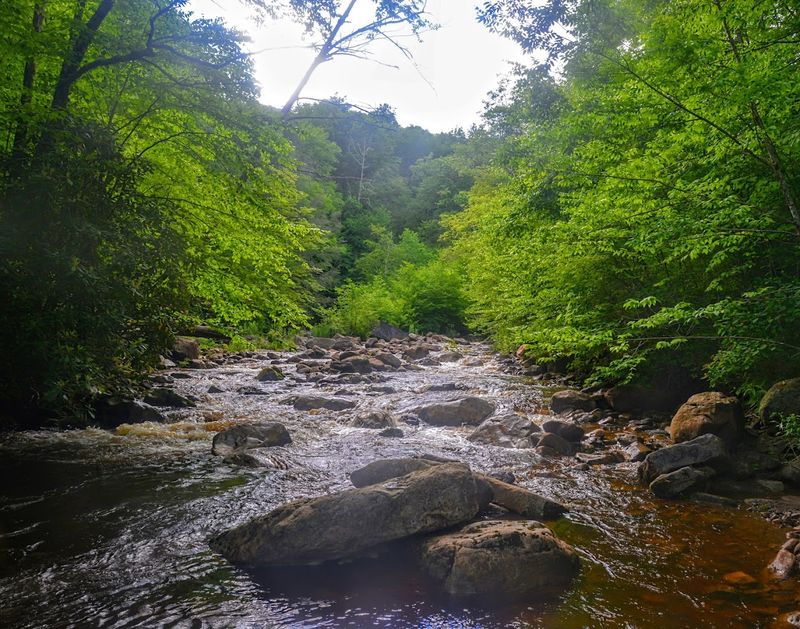
Williams River area gives you a water element that the ridge overlooking cannot. The sound of the river running below adds to the atmosphere.
It is a calming spot that earns its popularity with families.
Little Laurel Overlook tends to catch good afternoon light. If you time your picnic for mid-afternoon, the lighting across the valley is genuinely impressive.
The mountain ridges glow in a way that makes even a sandwich feel gourmet.
Restrooms at overlooks are available during warmer months, which matters for longer stops. They close in winter along with the road.
Plan your picnic for May through October for the full experience.
Cranberry Glades and Falls of Hills Creek Scenic Area both have nearby spots suitable for a rest and a meal. Packing your own food is essential since there are no stores directly on WV 150.
Marlinton and Richwood have supplies if you need to stock up before the drive.
Photography Tips For Landscape Shots
Golden hour hits differently at 4,500 feet. The light on State Route 150 in West Virginia during early morning or late afternoon creates conditions that landscape photographers plan entire trips around.
Get there early.
The four scenic overlooks each face different directions, which matters for light. Big Spruce Overlook works well for morning shots with eastern light warming the ridgeline.
Red Lick Overlook catches warmer afternoon tones facing west toward Cranberry Wilderness.
Shooting from lower angles at the Honeycomb Rocks trail adds depth and texture to geological photos. Get close to the boxwork formations with a wide-angle lens.
The patterns create natural leading lines through the frame.
Cranberry Glades offers reflection shots in still bog water on calm mornings. Mist often sits low over the bogs just after sunrise.
That fog layer adds atmosphere that is hard to replicate artificially.
Falls of Hills Creek gives you waterfall photography with three distinct drops to work with. A slower shutter speed smooths the water into silk.
Bring a tripod because the light inside the gorge is lower than you expect.
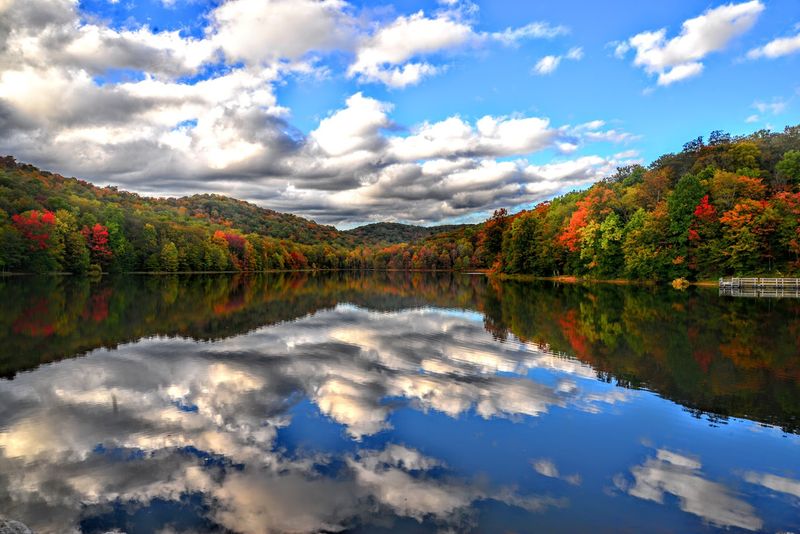
Fall foliage season transforms every shot along the highway. Peak color typically runs mid to late October at higher elevations.
The contrast between red maple, yellow birch, and dark spruce creates color combinations that almost feel unreal in a photograph.
The speed limit is 45 mph, so pulling over safely is straightforward. Take your time at each stop.
Seasonal Foliage And Natural Color Changes
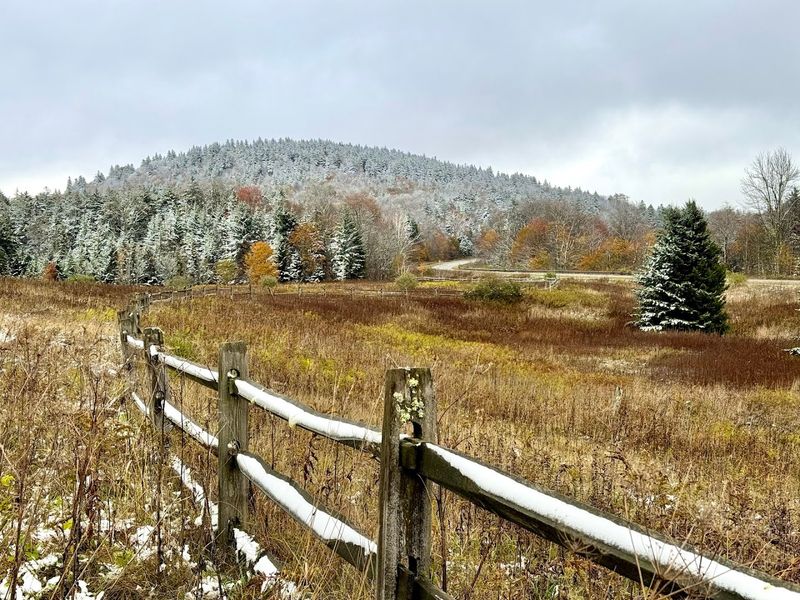
Fall along State Route 150 in West Virginia is the kind of thing people drive hours to see. The hardwood forests covering the Allegheny Highlands turn red, orange, and yellow starting in early October.
Higher elevations peak first.
At elevations above 4,000 feet, the color change begins in late September. By mid-October, the show moves down the slopes into the valleys.
You can follow the color gradient just by driving the 22.5-mile parkway section.
Spring brings a different kind of color. Wildflowers emerge along the roadside and in forest clearings from late April through June.
Trillium, wild azalea, and mountain laurel fill gaps in the forest with unexpected brightness.
Summer on the highway is deeply green. The forest canopy closes in, and the road feels like a tunnel of leaves.
Dark spruce at higher elevations stays that way year-round, creating contrast against the lighter hardwoods below.
Winter officially closes the parkway section of WV 150. The road is not plowed between November and April.
Snow-covered spruce forests visible from the edges of the route look genuinely alpine, but plan your trip before the closure hits.
Cranberry Glades changes with every season in ways the open ridgeline does not. The bog plants shift color and texture from spring through fall.
Visiting at different times of year gives you essentially a different park each time.