
The World’s Largest Train Station Is In New York, And It’s Absolutely Stunning
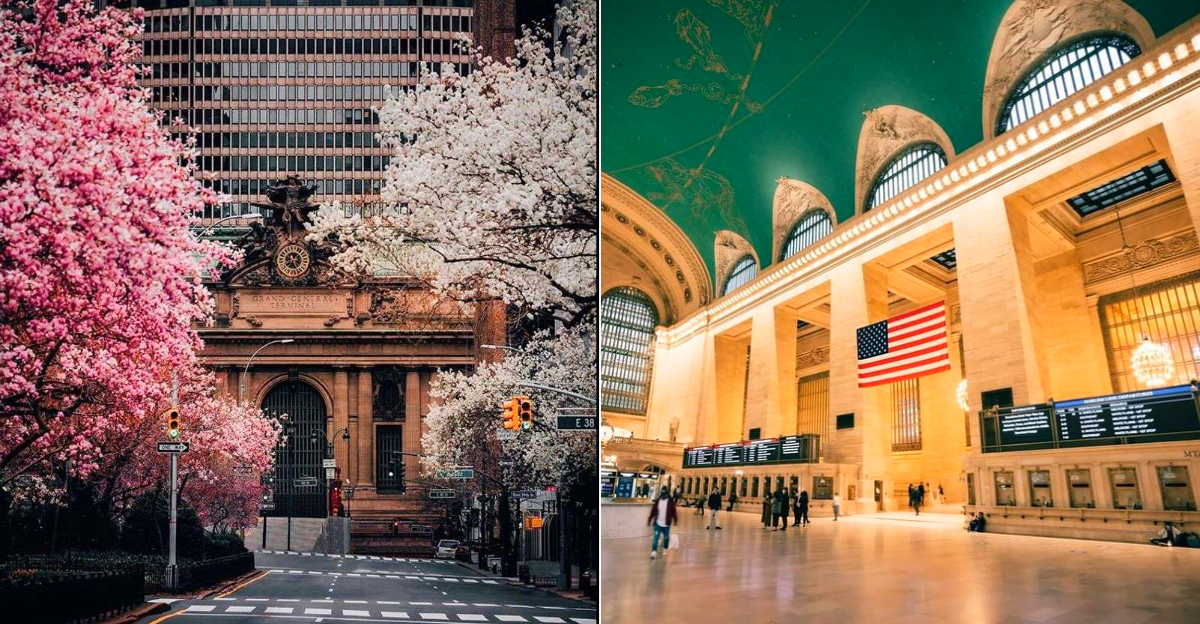
Stand in the middle of this place for five seconds and try not to look up. Impossible. This station isn’t just a busy New York landmark, it’s the world’s largest train station by number of platforms, and it’s genuinely breathtaking.
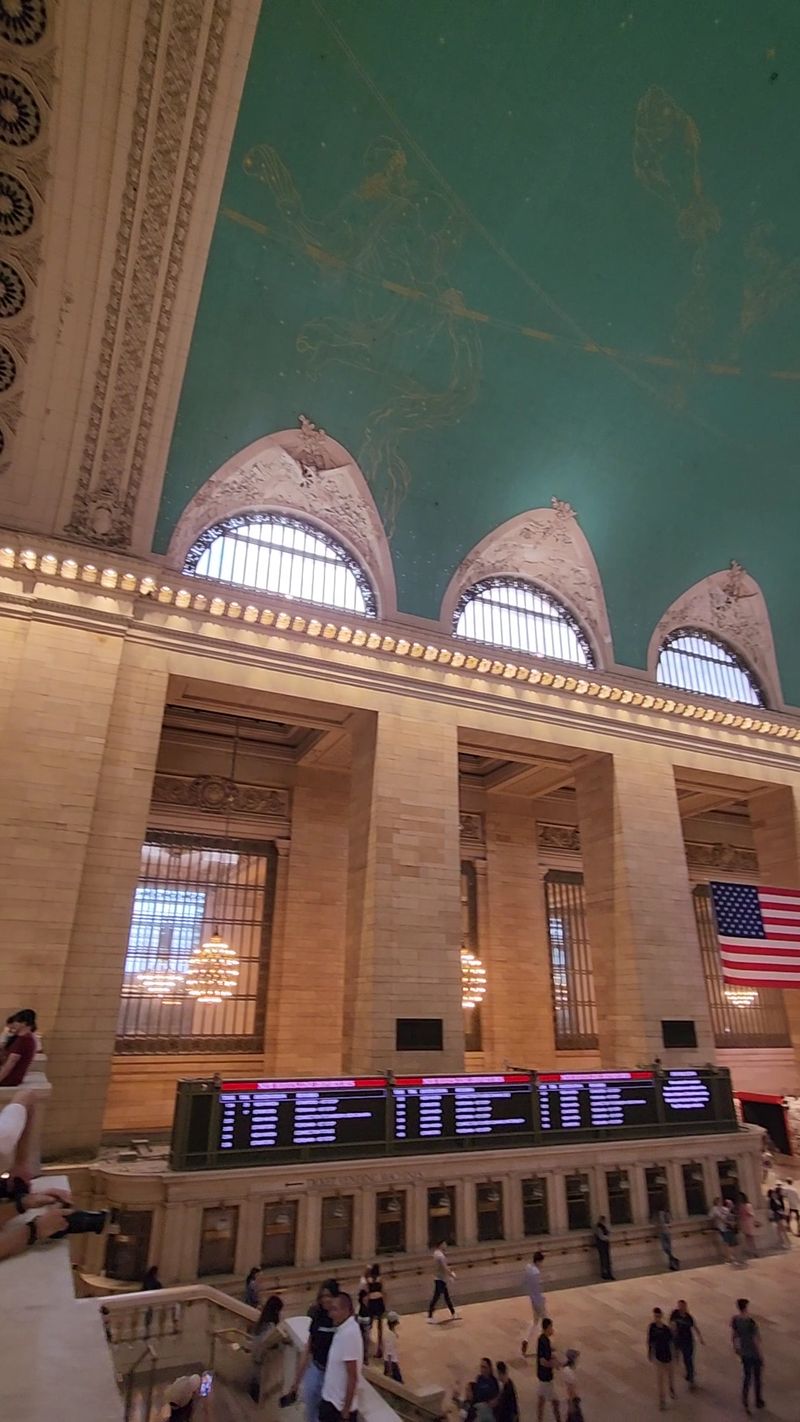
The ceiling alone feels like a work of art, painted with a glowing constellation map that makes commuters slow down for a second. Sunlight pours through tall windows. The famous clock above the information booth becomes everyone’s meeting point.
Even if you’re not catching a train, you’ll want to wander.
It’s loud, grand, and somehow still elegant in the most New York kind of way. You walk in thinking it’s just a station. You walk out feeling like you just toured a palace that happens to run on a timetable.
A Vast Room Where Time Seems To Breathe
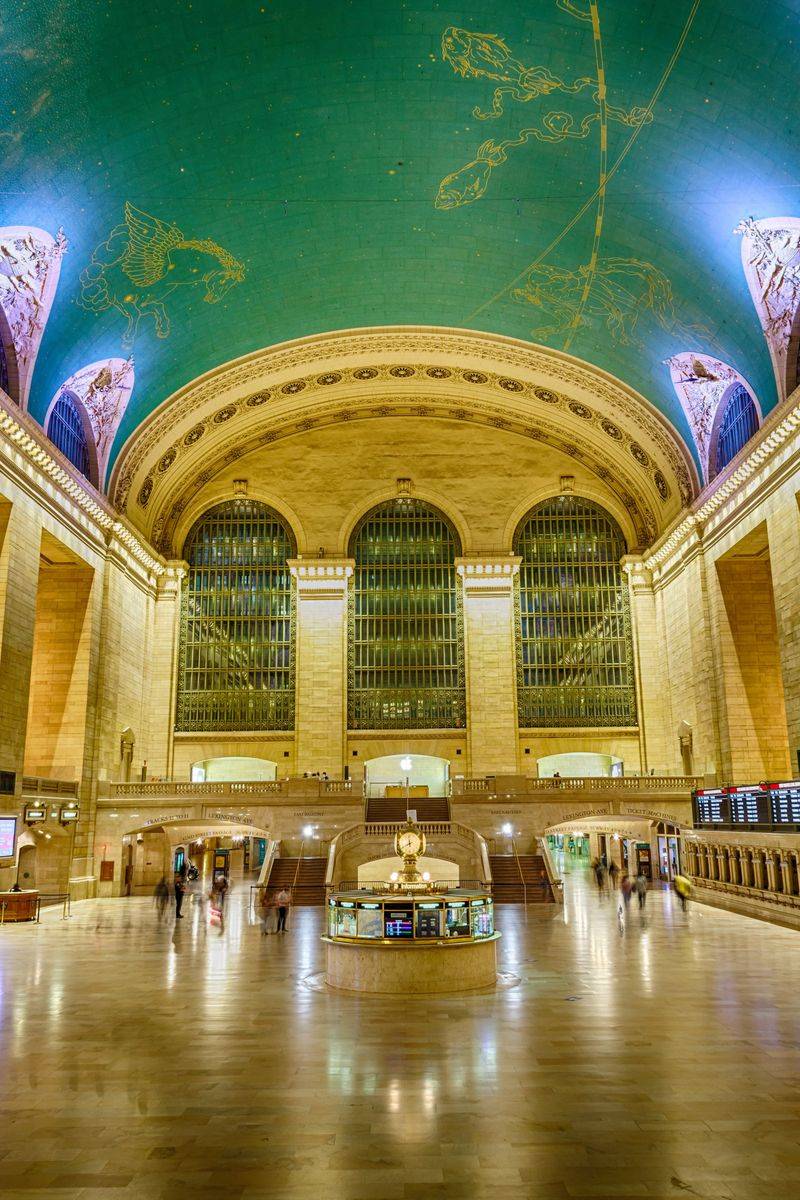
First impressions arrive with a hush that sits comfortably beside the bustle. You step into a room so tall the ceiling seems to exhale, and yet the noise never feels harsh. Light pours through monumental windows, skimming the marble and the soft green of a painted sky.
The air carries a tempered rhythm, like a station that learned poise long ago.
Eyes follow the arcs of the Beaux Arts vaults, then return to the clock anchoring the floor. Every traveler becomes a piece of choreography, crossing, pivoting, and vanishing with tidy purpose. You notice scuffs along the stone and a sheen on railings where hands have traced the same path for decades.
Patience lives here, and it has good posture.
Find a quiet angle near a column and watch the board flicker to life. You feel included in something large without being swallowed by it. The room makes space for both urgency and observation, a rare urban courtesy.
Stay a little longer, and the minutes feel properly measured.
Layers Of Craft Hidden In Plain Sight
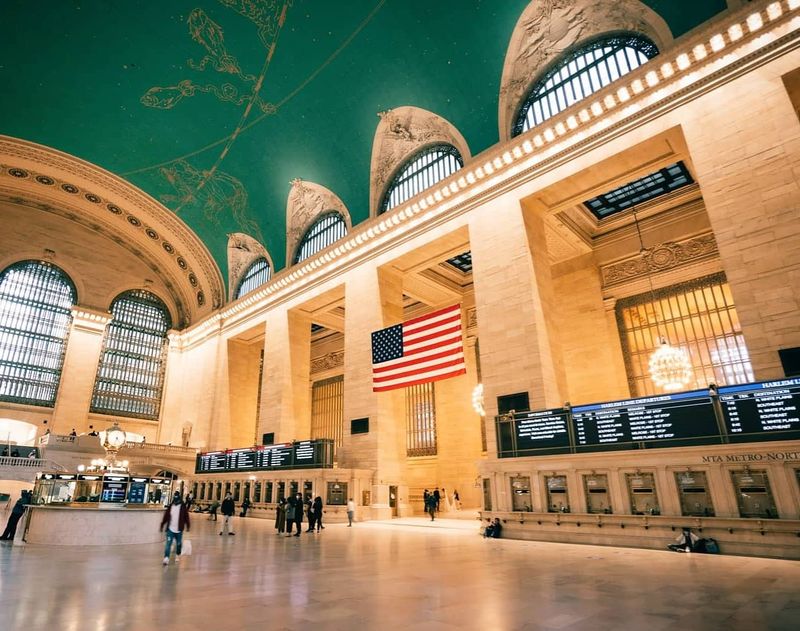
Details announce themselves slowly, the way good company reveals wit after the second cup. The chandeliers keep their brass calm while casting a gracious light on travelers below. Carved acorns and oak leaves appear along cornices, a nod to the Vanderbilt emblem that rewards a careful glance.
Even the stone seems to carry a library’s memory in its grain.
Look closer at the clock on the information booth, its opal faces warm as if lit from a patient afternoon. Stairs sweep like sentences that refuse to hurry, inviting another lap simply for the feel of it. The ticket windows, held in orderly brass, continue the station’s habit of making function look ceremonial.
Precision is not stern here, only well mannered.
Every surface says someone thought about your path long before you arrived. Railings meet palms at an angle that feels decided rather than fussy. Signage keeps its voice low, trusting you will understand.
You leave with the sense that craftsmanship thrives when it chooses restraint.
Practical Notes For A Smooth Visit
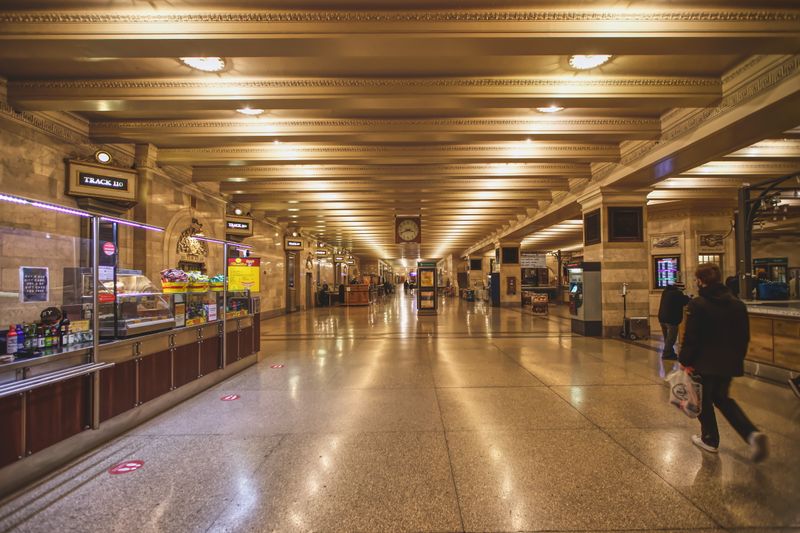
Grand Central terminal is not hard to find. Start at street level and let the flow guide you rather than racing the clock. The terminal sits at 89 E 42nd St, a location that puts you within easy reach of Midtown’s web of streets.
Information staff handle questions briskly, and boards post updates with legible confidence. Security keeps a steady watch without dulling the room’s welcome.
Weekdays carry a stronger pulse, so choose a mid morning slot if photographs matter. Evenings reward patience with warmer light and a slightly roomier floor. Shops open early enough for breakfast and close late enough to salvage a delayed arrival.
Restrooms are plainly signed, which is a courtesy worth celebrating.
Leave time to stand still, because this building repays attention like a good book. Tour groups drift in and out, but quiet corners exist for anyone willing to wander. You exit with more energy than you spent, which is rare for a transit hub.
That small surplus might be the station’s best service.
Corners Where Appetite Finds Its Moment
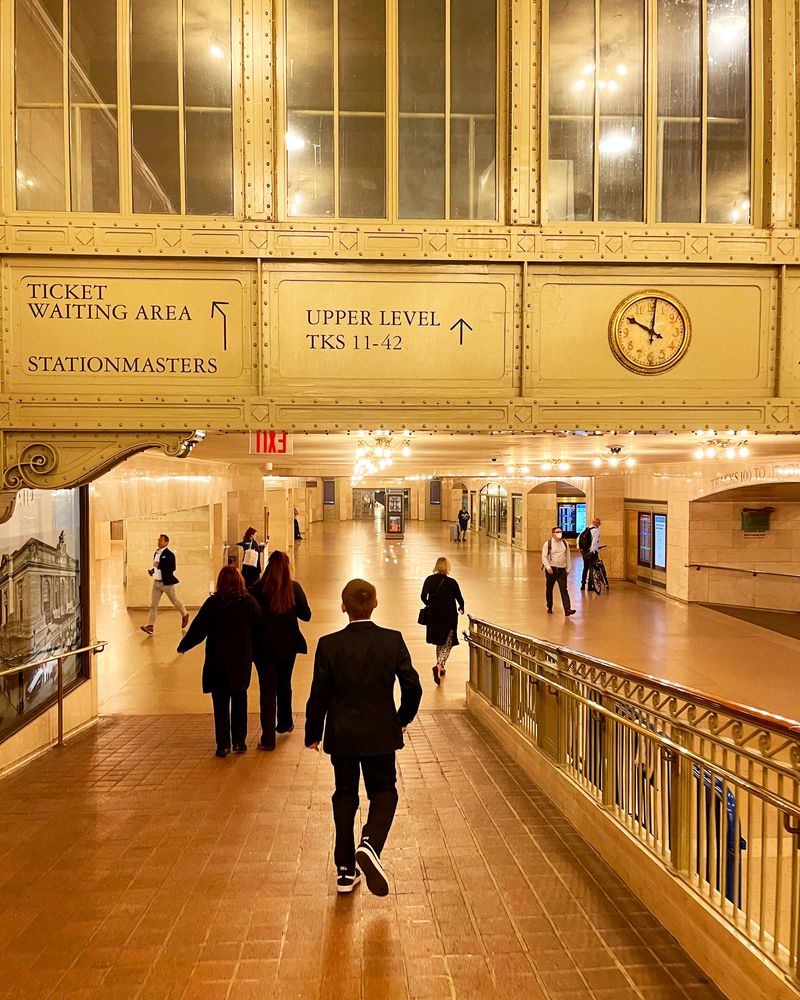
Hunger arrives on its own schedule, and Grand Central answers with grace. The market glows with color you can taste before you buy, a parade of bread, flowers, cheeses, and small indulgences. Down below, the concourse hums with trays and laughter.
You find a seat, or simply stand, and the city hands you a moment.
It is not just about eating, it is about pausing without permission slips. An oyster becomes a tiny ceremony. A slice steadies your next hour.
Vendors remember faces more than orders, and you leave with flavor stitched to the memory of marble and light.
Where The Sky Inside Tells Its Own Story
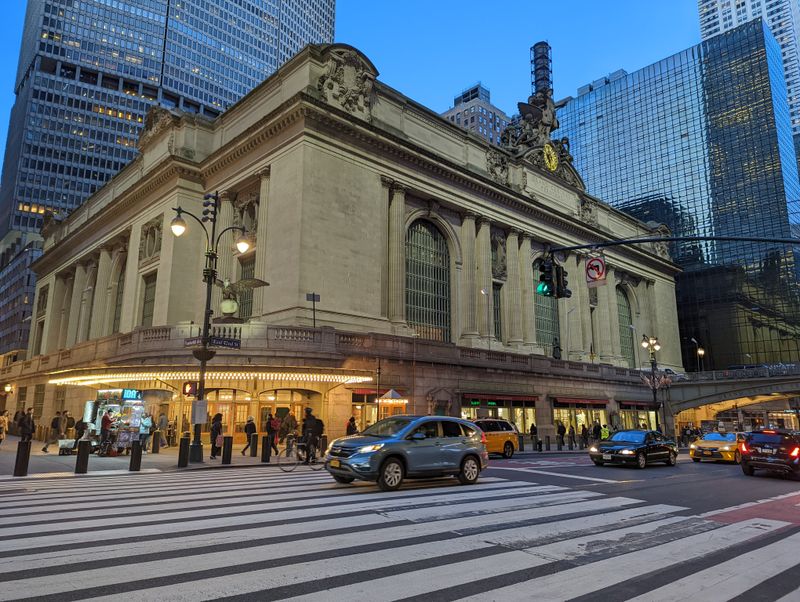
The ceiling turns heads with the unbothered confidence of a veteran guide. Constellations float in reversed orientation, a choice that nudges curiosity rather than confusion. Gold outlines suggest figures while the teal field gathers light like evening water.
You catch yourself tracing lines between stars you almost know.
A small patch remains darker, a reminder of the days when smoke and time had their say. Restoration returned the firmament’s color, but the station left that memory where it belongs. It is honest without being sentimental, and that wins more trust than polish alone.
People lie back on benches and angle cameras upward, as if charting an itinerary to Orion.
Stand near the center and let the curves hold your focus. Trains come and go, yet the sky stays fixed enough to steady a hurried mind. Your own plans feel newly navigable under that measured glow.
The city outside can keep its weather; this room keeps its stars.
A City Within The Station
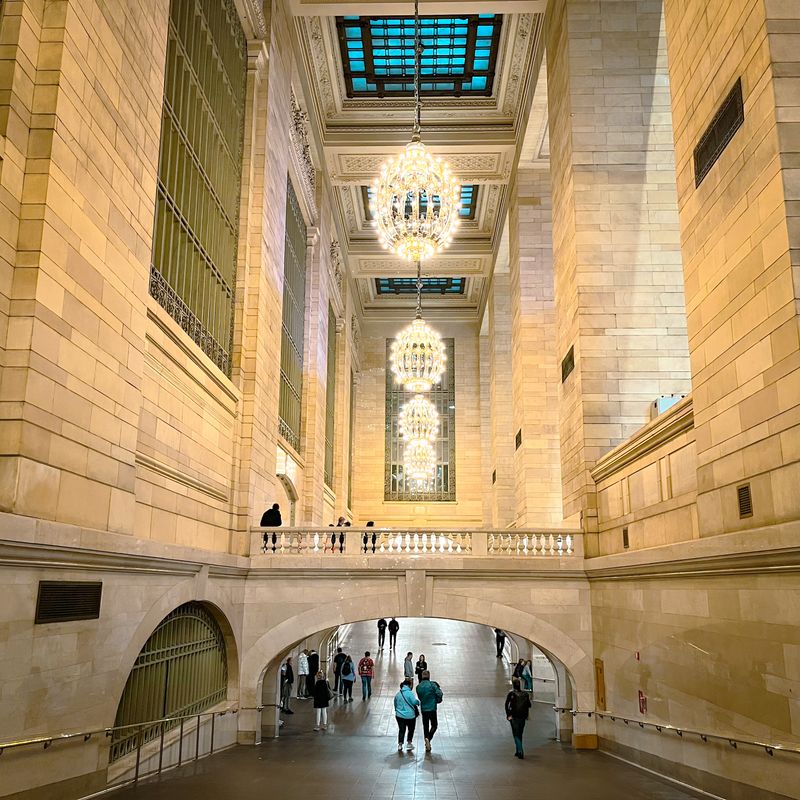
Past the grand first act, the station opens like a neighborhood with good instincts. Corridors lead to coffee, oysters, and quick bites that rarely feel rushed. Vanderbilt Hall hosts exhibitions and gatherings, giving the building a sociable streak.
You notice how sound softens in the side spaces, as though the walls know when to step back.
Stands trade in ordinary comforts that travel well: a crisp apple, a practical umbrella, a paper that still rustles. The market, when in season, piles cheeses and breads with enviable precision. Visitors ask directions and get them with a simple point and a partial smile.
The daily play between locals and guests runs smoothly because everyone benefits.
Down on the lower level, diners find real meals instead of mere fuel. Benches fill with families, briefcases, and the unhurried curiosity of a late afternoon. You can do errands here and still feel the day kept its dignity.
This is a station that learned how to be a host.
The Platforms That Power A Region
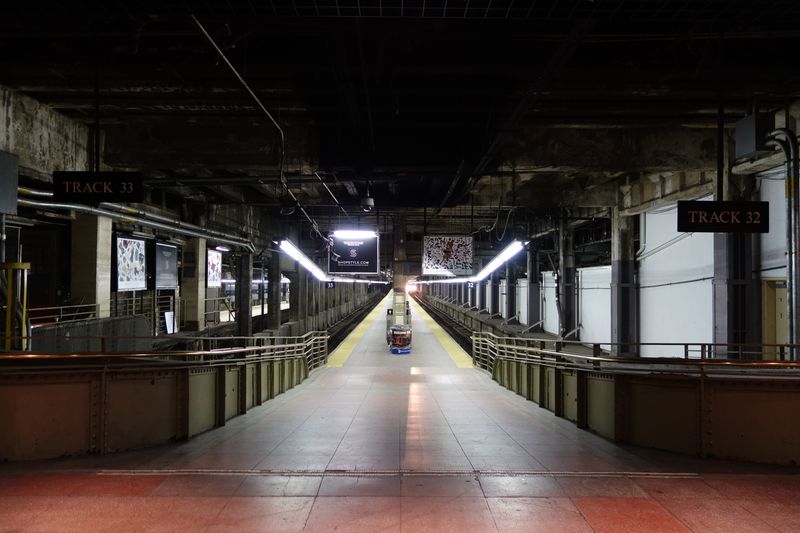
Numbers tell an impressive story before a train even arrives. Forty four platforms and sixty seven tracks spread across two underground levels make the world’s largest station by platforms feel quietly inevitable. Commuters move with the certainty of habit, catching doors that close on time and reopening evenings with the same grace.
Scale supports reliability here, not spectacle.
Walk the corridors toward Grand Central Madison and the tone shifts to a crisp modern register. New halls serve Long Island Rail Road riders with calmer connections to the East Side. Escalators dive deep, and tiles hold a brighter, cleaner line.
The addition folds neatly into the older station’s backbone without stealing the scene.
Maps become more useful than heroic when you are two minutes late. Signs steer you toward the right track, and staff keep instructions short and clear. The system favors comprehension over theater, which is exactly what a morning needs.
You leave the platform with a timetable that feels kinder.
Rituals That Make The Rush Feel Human
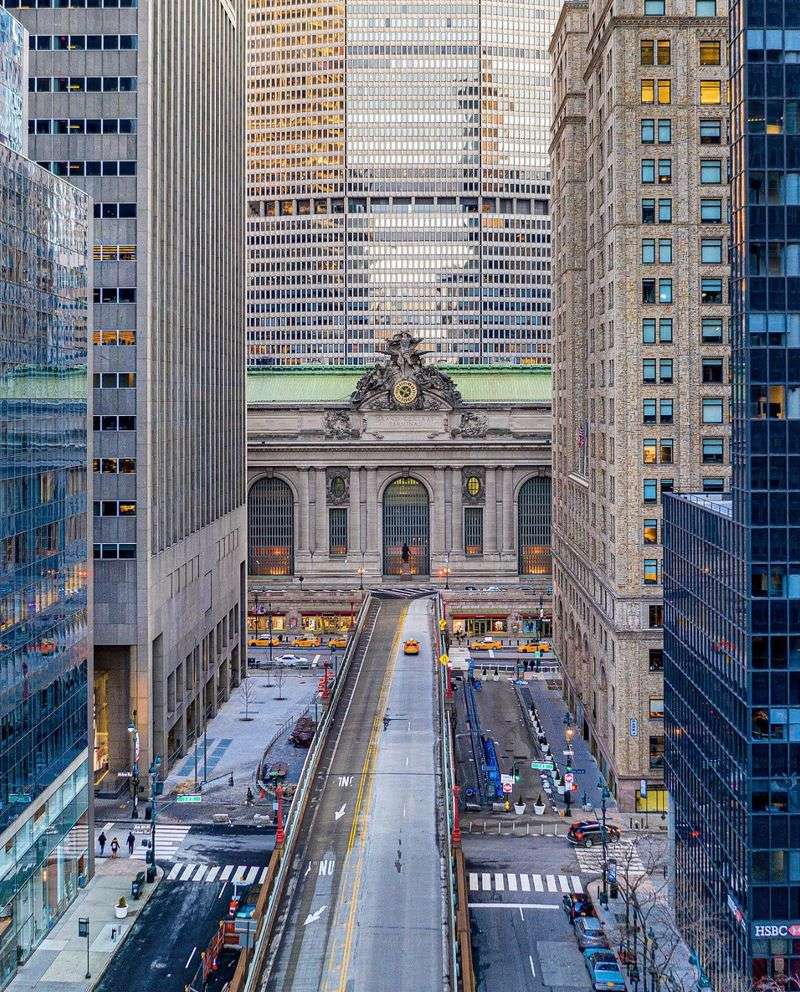
There is a rhythm here that softens the rush. You watch someone pause at the clock to sip a coffee, another to fold a map like a small promise. Footsteps sync with the whisper of arrivals, and even the announcements sound kind.
The room is large, but the gestures are close. Strangers lean into reunions that feel familiar.
Stand by the ramps and you will see patterns repeat. A nod to a conductor, a wave across marble, a glance upward for luck. Join them if you like.
Meet a friend under the clock and make the station part of your own routine.
Sounds That Shape The Silence
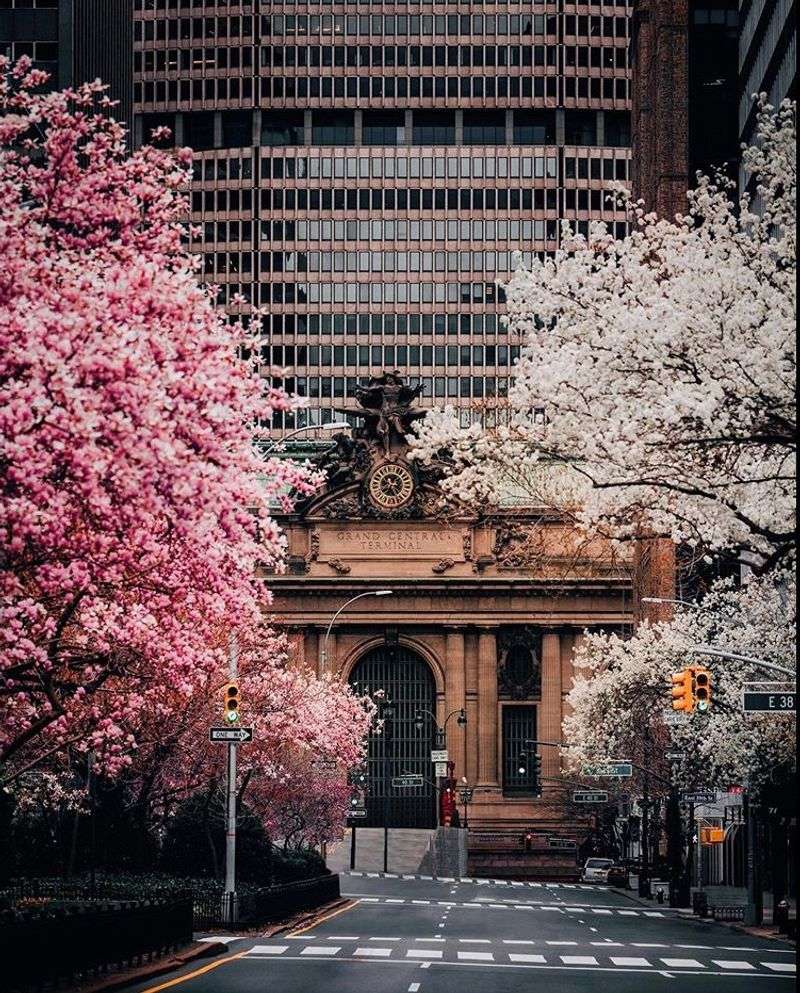
Listen before you look. The station teaches you how to hear a crowd without losing yourself in it. Announcements glide beneath the dome like a careful hand, while footsteps braid and release across the stone.
In the whispering gallery, voices travel like secrets with good manners. You speak softly, and someone far away hears you perfectly.
Even the rush has edges smoothed by acoustics older than earbuds. Music from a busker fills a corner without stealing the room. The clock ticks, imagined or real, steadying the pace.
What you carry out is not noise, but a tuned memory.
History That Moves Without Dust
Stories here tend to walk beside you rather than climb onto a pedestal. The terminal opened in 1913, shaped by Reed and Stem with Warren and Wetmore refining the Beaux Arts flourish. Upgrades and rescues followed, each era leaving a useful fingerprint instead of a lecture.
Preservation earned its place not by scolding, but by proving daily relevance.
A National Historic Landmark designation sits comfortably on the building’s shoulders. Crowds arrive as tourists and depart as participants, which is a steady kind of transformation. The constellation ceiling’s cleaning became an emblem of renewal rather than revisionism.
Even the whispering gallery keeps its party trick modest and charming.
Somewhere along a corridor, a plaque catches your glance and gives you just enough context. You keep walking, wiser by a paragraph, not burdened by a chapter. The station respects your pace while offering its past at arm’s length.
That balance feels like a pact between old stone and present purpose.