
There’s A Low-Key Art Gallery In Tennessee That’s Bursting With Unique And Quirky Artwork
Tennessee is full of music, barbecue, and bright neon stages, but every so often you stumble across a place that surprises you in a completely different way. Imagine stepping into a gallery where the walls feel alive with personality.
Bold colors. Unexpected shapes.
Art that makes you pause, tilt your head, and look a second time. Some pieces feel playful, others a little mysterious, and many spark the kind of curiosity that pulls you deeper into each room.
In Memphis, one unassuming art space delivers exactly that experience. It may not shout for attention, but once you walk inside, the creativity on display makes it impossible to forget.
A Historic Home Turned Into A World-Class Art Destination
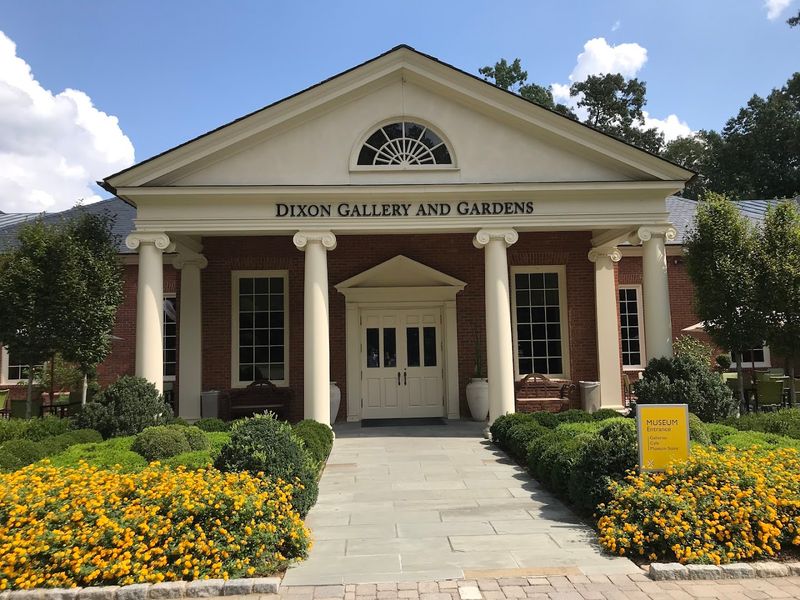
Few art spaces in the American South carry the kind of quiet dignity that comes from being born inside a real family home. This gallery egan as the private residence of Margaret and Hugo Dixon, a couple with a deep passion for art and the natural world.
When they passed, they left their estate to the people of Memphis, transforming a personal legacy into a public treasure.
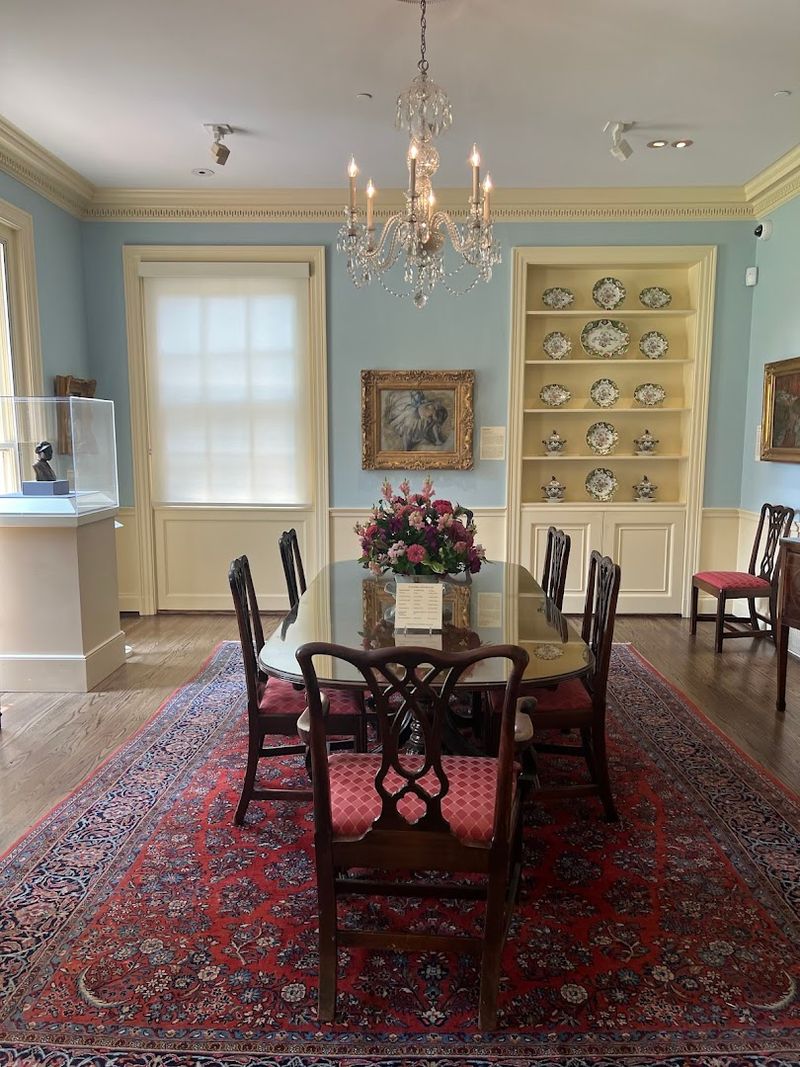
This colonial manor still holds the warmth of a lived-in space. Walking through its rooms feels less like visiting an institution and more like being invited into someone’s carefully arranged world.
The ceilings, the light, the proportions of each gallery room all carry that residential character that larger museums rarely achieve.
That sense of intimacy is exactly what makes this place so distinct from other art spaces in Tennessee. Visitors consistently mention how approachable the whole experience feels.
Art that might seem intimidating in a grand hall becomes personal and accessible here, which is precisely what Margaret and Hugo Dixon would have wanted for every person who walks through their door.
Impressionist And Post-Impressionist Paintings That Stop You Cold
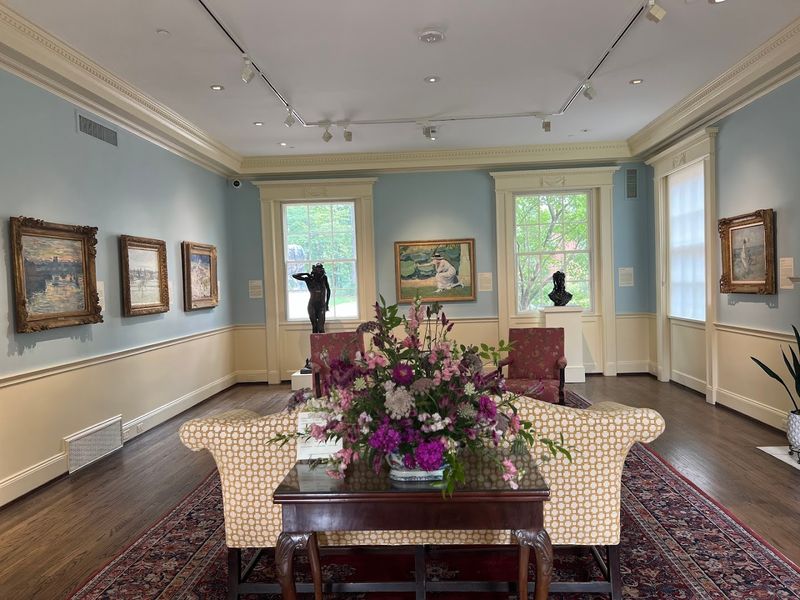
There is a particular kind of stillness that happens when you stand in front of a genuine Monet. The brushwork, the color, the way the paint builds texture like weather on a wall.
The Dixon permanent collection delivers that experience with a focus on Impressionist and post-Impressionist works that includes paintings by Claude Monet, Edgar Degas, and Camille Pissarro, among others.
What makes this collection especially interesting is how it rotates. The Dixon holds more paintings than it can display at once, so staff regularly swap works in and out, meaning repeat visits almost always surface something new.
A painting you missed last spring might be front and center when you return in autumn.
The permanent collection rooms are housed inside the original Dixon residence, which gives each painting a context that feels considered rather than institutional. Light falls across canvases in ways that feel natural.
The scale of the rooms suits the scale of the works. For anyone who has only experienced Impressionism through textbook reproductions, seeing these pieces in person at the Dixon is a genuinely different and more affecting experience than almost anything a screen can provide.
Rotating Temporary Exhibits That Keep Every Visit Fresh
One of the most reliable things about the Dixon is that it never stays exactly the same. The temporary gallery space rotates exhibits throughout the year, bringing in collections from other major institutions as well as showcasing local and regional artists.
Past exhibits have ranged from women’s sporting fashion spanning 1800 to 1960, to train-themed art, to watercolors by Chinese-French artist Zao Wou-Ki.
A recent exhibit featured works from the Susan Watkins collection on loan from the Chrysler Museum of Art, introducing Memphis audiences to a highly regarded San Francisco painter whose work deserves far more recognition than it typically receives. Another exhibit spotlighted Black artists, drawing both local residents and out-of-town visitors who made the trip specifically to see it.
The Dixon Gallery at 4339 Park Ave, Memphis, TN 38117 approaches these temporary shows with real curatorial care, spacing artwork thoughtfully and providing descriptions that give context without overwhelming the viewer. Whether you visit in February or October, there is almost always something new and unexpected waiting inside.
That consistency of programming is one of the main reasons so many Memphis residents list the Dixon as a place they return to again and again throughout the year.
Six Acres Of Botanical Gardens Worth Every Slow Minute
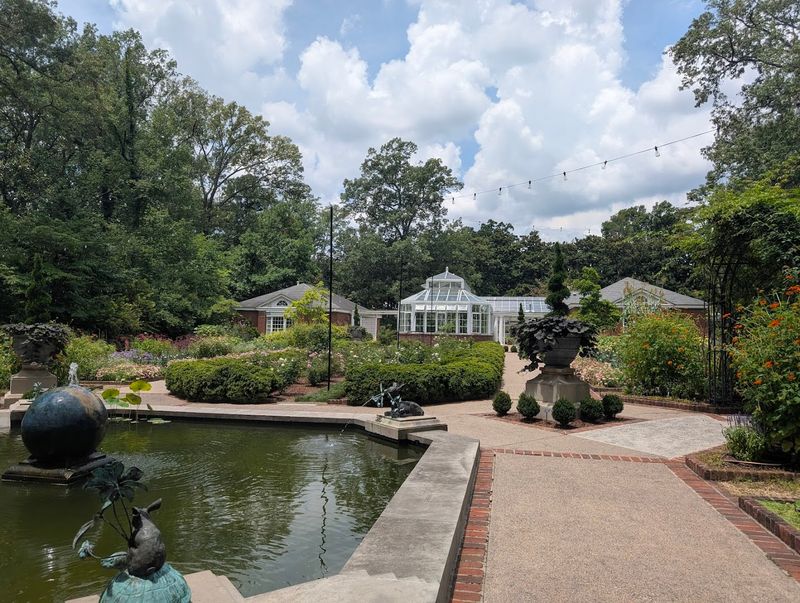
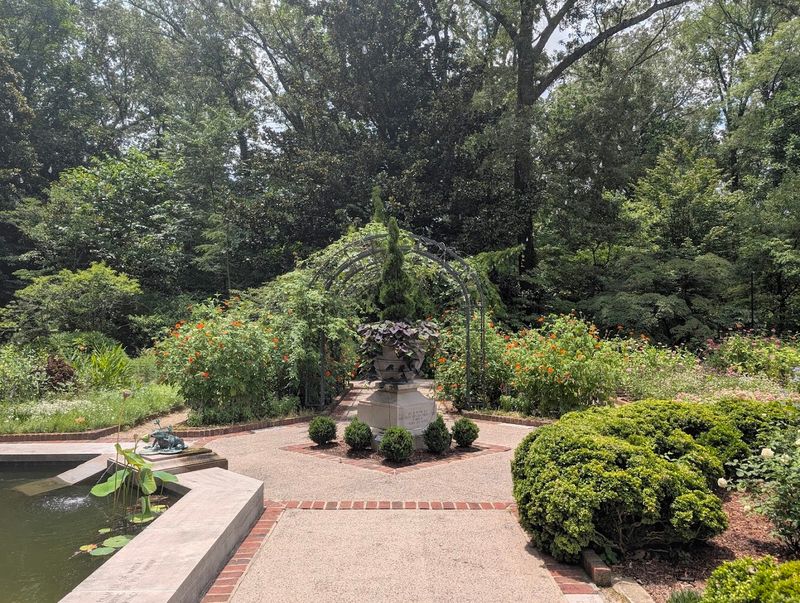
The outdoor grounds at the Dixon cover roughly six acres, and they are maintained with a level of care that earns every compliment visitors leave in reviews. Winding paths lead through flower beds, past water fountains, under the shade of mature trees, and alongside art installations and sculptures placed at intervals that reward slow walking.
This is not a garden you rush through.
Benches and tables are scattered throughout, some in open sun and some in shaded corners that feel genuinely private. Families spread out on the south lawn for picnics.
Couples photograph each other near the rose garden and the romantic fountain. Visitors who came for the indoor galleries often find themselves spending just as long outside, surprised by how much the grounds offer on their own.
Reviewers consistently recommend setting aside two to three hours to experience both the museum and the gardens properly, and that advice holds. Arriving with only an hour tends to leave people feeling like they missed something.
The outdoor space changes with the seasons too, offering different palettes in spring, summer, and fall, which makes the Dixon a destination worth revisiting across the calendar year rather than treating as a one-time stop.
The Tulip Display That Makes Spring In Memphis Unforgettable

Ask any regular visitor when to plan a trip to the Dixon and they will almost certainly say late March or early April. That is when the tulip display reaches its peak, transforming the garden grounds into something that genuinely stops people in their tracks.
Thousands of tulips bloom across the beds in clusters of red, yellow, pink, and white, creating a color density that photographs cannot fully capture.
The timing matters. Visitors who arrive in mid-February might catch the tulips just sprouting, green and promising but not yet open.
Those who wait too long into April may find the blooms fading. The sweet spot is a narrow window, but the Dixon’s programming around tulip season, including their highly regarded spring plant sale, which many locals call the best in Memphis, makes planning around it very much worthwhile.
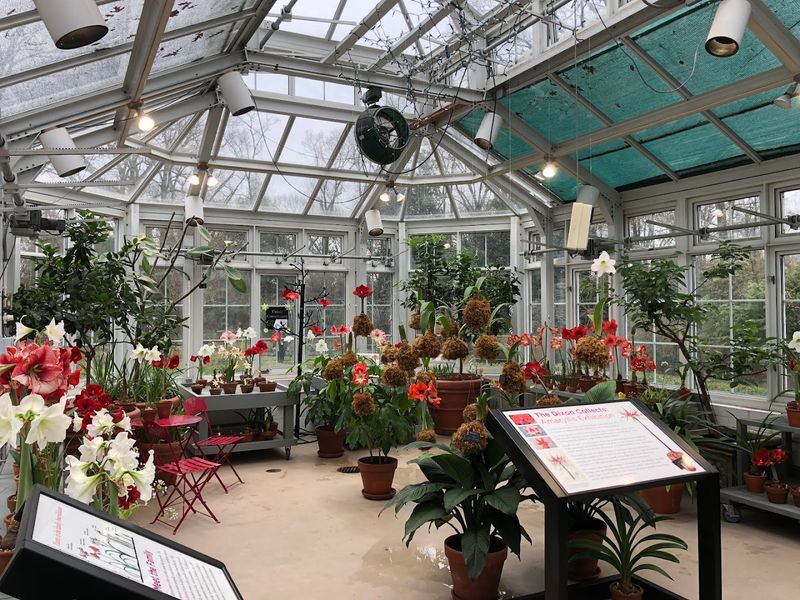
Even outside of tulip season, the cutting garden and the greenhouse add texture and interest to the outdoor experience. The greenhouse in particular offers an intimate and peaceful atmosphere that feels like a deliberate contrast to the larger botanical gardens located next door.
It is cozy, unhurried, and surprisingly easy to lose track of time inside.
An Impressive Porcelain Collection That Surprises Almost Everyone
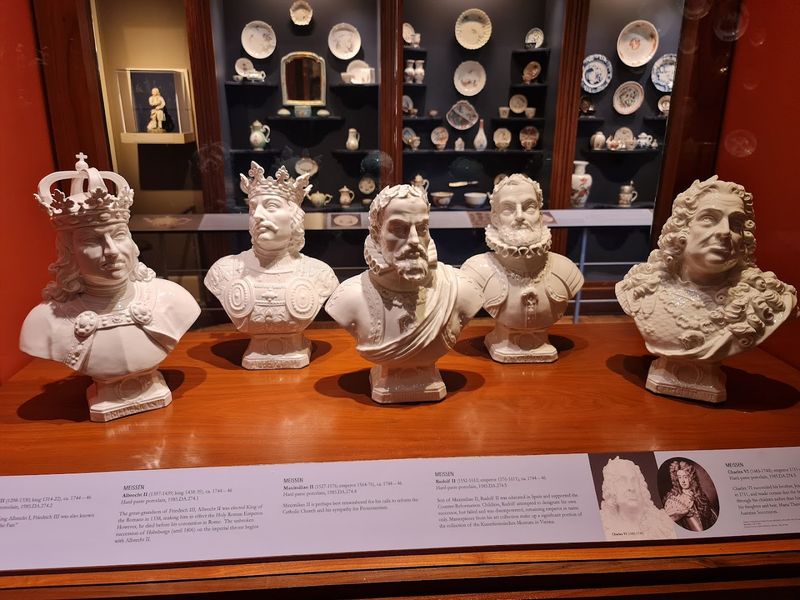
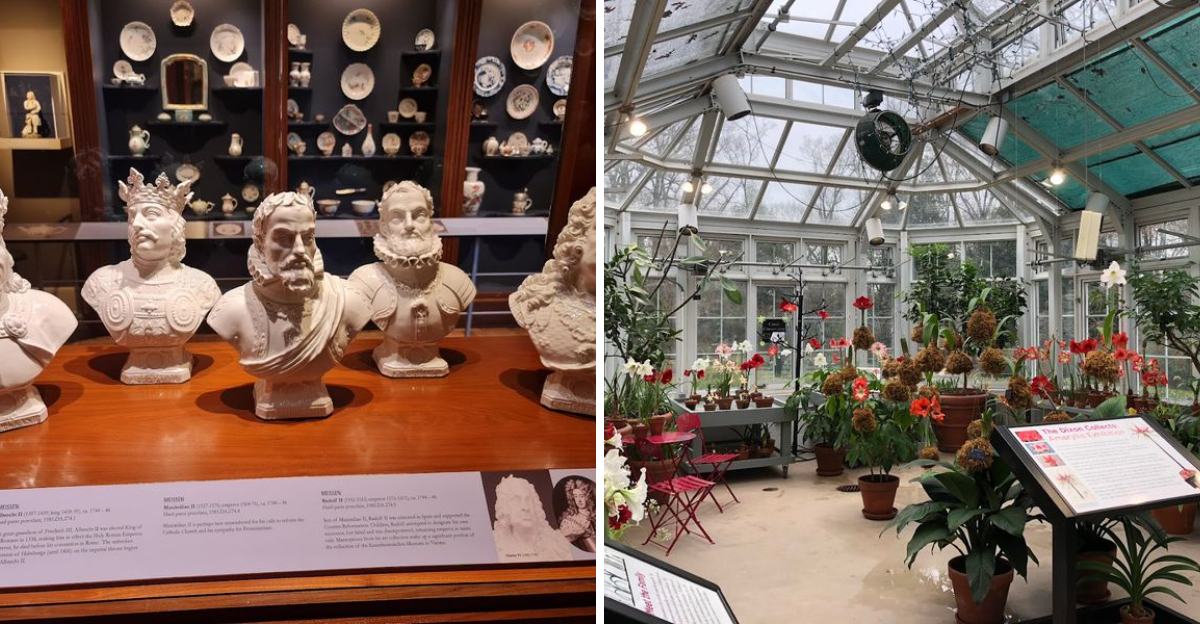
Most visitors walk into the Dixon expecting paintings. What they do not always anticipate is the porcelain collection, which has a way of stopping people mid-step with its sheer scale and quality.
The collection donated by Warda Stevens Stouts includes approximately 600 pieces of fine china, with Meissen pieces representing some of the most striking examples on display.
Children tend to respond to this collection with genuine curiosity, drawn in by the delicate forms and the variety of shapes and painted designs. Adults who consider themselves more interested in paintings often find themselves spending longer in this section than expected, pulled in by the craftsmanship and the stories behind individual pieces.
It is the kind of collection that rewards close looking.
The Dixon staff does a thoughtful job of providing context for the porcelain exhibits, helping visitors understand what they are seeing and why it matters historically. For anyone who has never paid much attention to decorative arts before, the porcelain collection at the Dixon has a way of opening a new area of interest entirely.
That capacity to introduce visitors to art forms they had not previously considered is one of the gallery’s most underappreciated qualities.
Free Admission That Makes Great Art Available To Everyone
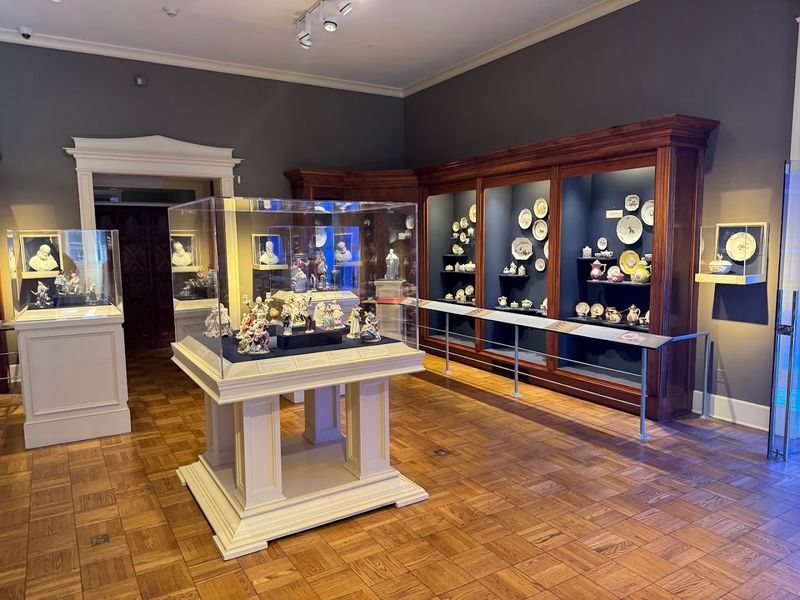
Admission to the Dixon Gallery and Gardens is free, and that fact alone changes the entire character of a visit. When there is no financial barrier at the door, people arrive differently.
They linger longer. They come back more often.
They bring friends who might not have agreed to pay a ticket price. The Dixon has made a deliberate commitment to keeping arts and culture accessible to all Memphis residents, and the community has responded with genuine affection.
Multiple reviewers express something close to disbelief when they first discover that the museum, the gardens, the cafe, the interactive studio, and the rotating exhibits all come without a cost attached. Donations are accepted and encouraged, but they are never required.
For families on a budget, for students, for retirees on fixed incomes, that openness makes the Dixon a place they can actually use regularly rather than saving for a special occasion.
The free admission policy also supports the Dixon’s educational programming, which includes an annual summer art camp for students in Memphis and Shelby County schools. That camp introduces young people to both art-making and horticulture, building a pipeline of future visitors who grow up understanding that art is for them too.
An Interactive Studio Where Kids Can Actually Make Art
One of the more practical things the Dixon offers families is a dedicated interactive studio space where younger visitors can engage with art-making rather than just art-viewing. The studio is stocked with materials and activity stations designed to encourage hands-on creativity, and children tend to gravitate toward it with the kind of focused energy that surprises parents who expected them to lose interest quickly.
The space has hosted events like Valentine’s Day card-making workshops, open to all ages and completely free. Those kinds of programs turn the Dixon into a community gathering point rather than just a museum, which explains why so many Memphis families list it as a regular destination rather than a once-a-year outing.
The interactive element gives every age group something to do rather than just something to observe.
Some reviewers have noted that the interactive stations are more meaningful when staff or volunteers are present to guide the experience, and that observation is fair. On quieter days, the stations operate more independently.
Still, the presence of the studio itself signals something important about the Dixon’s philosophy: that art should be participatory, not just passive, and that making something with your hands is as valuable as standing in front of something someone else made.
A Cafe And Gift Shop That Round Out The Full Experience
The Park and Cherry cafe inside the Dixon offers a comfortable place to pause between the galleries and the gardens. Visitors can pick up drip coffee, hot chocolate, tea, and light bites before continuing their exploration of the grounds.
The cafe has sofas and tables, and outdoor seating with umbrellas is available on either side of the entrance, making it a pleasant spot to sit and process everything you have just seen.
Reviewers generally enjoy the cafe experience, though a few have noted that the hours can feel a little unpredictable and that popular pastry items sometimes sell out by early afternoon. Those are small operational notes rather than serious complaints, and the staff receives consistent praise for being friendly and accommodating, including finding alternatives when specific menu items are unavailable.
The gift shop is also worth a browse before leaving. The selection leans toward art-adjacent items and locally relevant pieces, though some visitors have pointed out that price tags are not always visible on merchandise, which makes purchasing decisions more complicated than they need to be.
Both the cafe and the shop are located conveniently near the main entrance, so they fit naturally into the flow of a visit without requiring a special detour to find them.
Events, Weddings, And Community Gatherings That Fill The Calendar
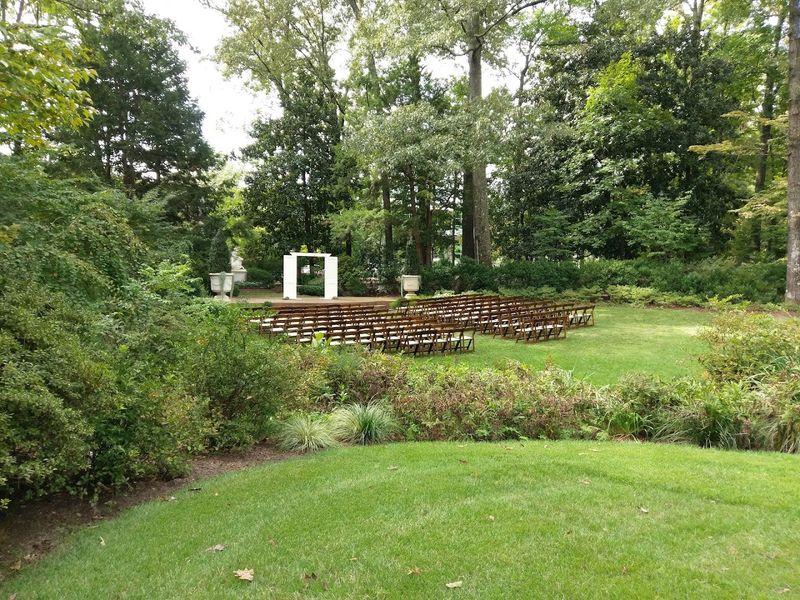
The Dixon is not just a place for quiet solo visits. Its calendar fills up throughout the year with events that draw the broader Memphis community into the space in celebratory and communal ways.
Symphony in the Garden, held on Mother’s Day weekend, has become a beloved annual tradition that brings live orchestral music into the outdoor grounds, combining two of life’s better pleasures in one afternoon.
The garden and the indoor spaces are also available for private events, and the Dixon has become a preferred venue for weddings among Memphis florists and event planners. The variety of outdoor settings, from the rose garden to the fountain area to the open lawn, gives couples and event organizers genuine flexibility in how they design their day.
The indoor reception area adds another layer of options for those who want a combination of interior elegance and outdoor beauty.
Community programming extends beyond large events too. Art classes, seasonal celebrations, and special themed exhibits keep the Dixon present in the lives of Memphians across different interests and age groups.
The result is an institution that feels alive and socially embedded rather than distant and institutional, which is perhaps the most important thing a free public art space can achieve in a city like Memphis.