
These 11 Connecticut Towns Empty Out On Weekdays And Locals Are Not Telling Everyone Why
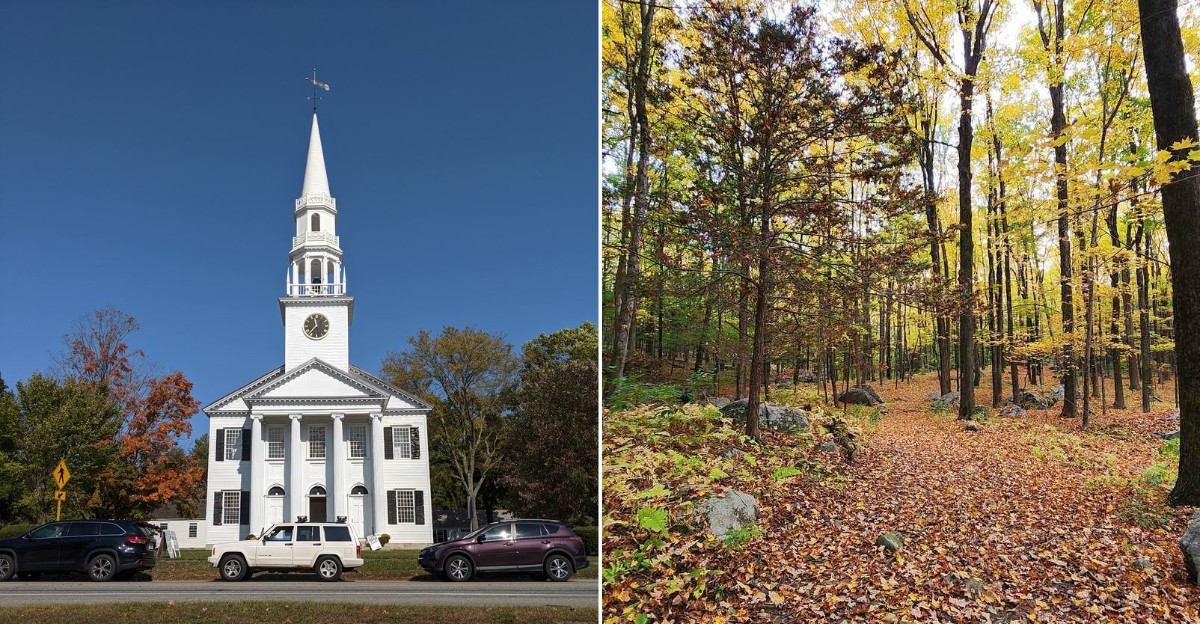
There are towns in Connecticut hiding a secret of their own, and locals seem determined to keep it that way. Streets stay eerily quiet during weekdays, a pattern most visitors wouldn’t notice unless they lived here.
Locals rarely explain the shift directly, treating it almost like an unspoken agreement among residents. Nothing about these towns feels different in setup, just quieter depending on which day you visit.
Weekends bring a noticeable change, filling streets with a mix of residents and visitors passing through. Regulars know exactly when to expect the quiet, planning errands and outings around it.
Visitors passing through midweek often comment on how empty everything feels compared to weekends. These towns proved that sometimes the best-kept secrets are the ones nobody has to hide.
1. Ridgefield
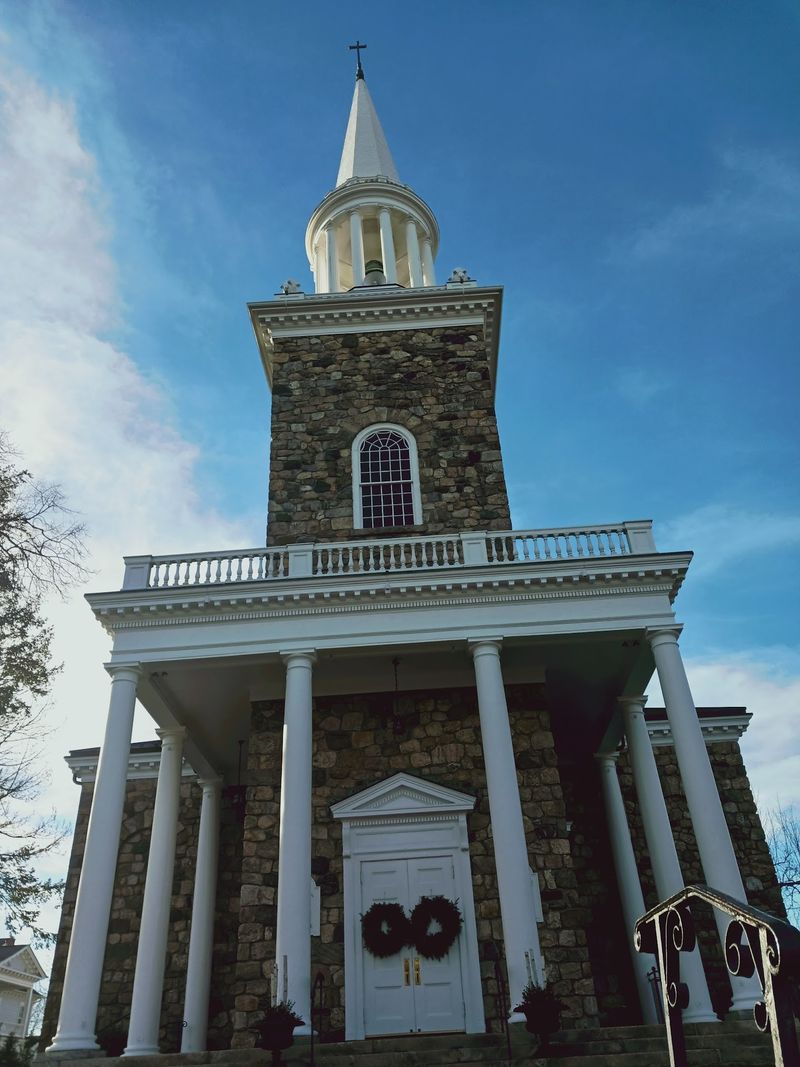
A cannonball is still stuck in the side of a building here. It hit Keeler Tavern during the Battle of Ridgefield in 1777, the only inland battle Connecticut saw during the Revolution, and nobody has ever pried it out.
Main Street runs more than a mile, lined with stately homes, small shops, and cafes. On a weekday, the sidewalks belong to strollers and retirees, because much of the town is on a train or a highway heading toward New York.
The town was founded in 1708, when families from Long Island Sound bought land from the Ramapoo Indians. The downtown became a state and local historic district in 1966 and a National Historic District in 1984, which is why it still looks the part.
Art shows up in surprising doses. Ridgefield holds Connecticut’s first Cultural District, so the Aldrich Contemporary Art Museum and the Ridgefield Playhouse sit within an easy walk of each other.
Then there is the green space, more than 5,650 acres of it. Bennett’s Pond State Park and Seth Low Pierrepont State Park give hikers quiet woods and water views without the weekend parking scramble.
Midweek is the smart play. Museums are calm, parking is easy, and the whole mile of Main Street feels like it was set up for about nine people.
2. Simsbury
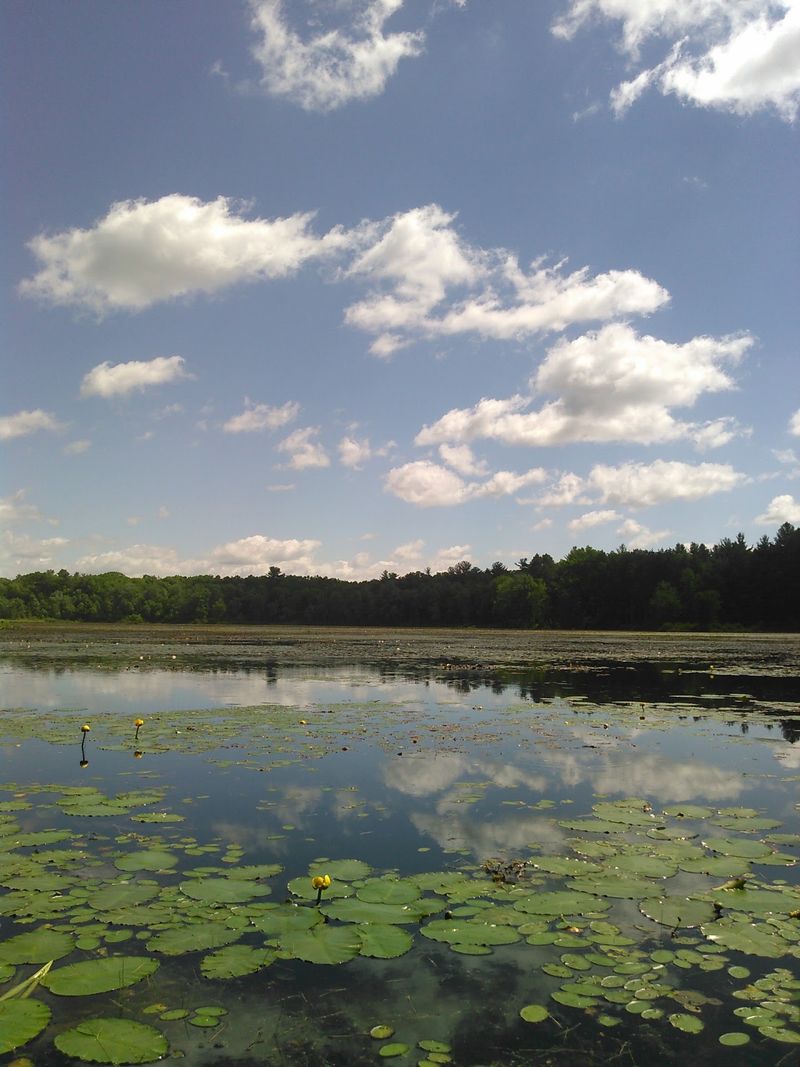
Back in 1737, a doctor named Samuel Higley minted the Colonies’ first copper coins in Simsbury. That same mine later became Connecticut’s first prison, which is quite the career change for a hole in the ground.
Settled in 1670, the town was once the western frontier for colonists who had crossed the mountain from the Connecticut River Valley. It also hosted the nation’s first steel-making venture in 1728 and the first carpet factory in 1825.
Weekdays hollow it out. Hartford is a short commute away, so the trails and the town center get remarkably peaceful between breakfast and dinner.
Talcott Mountain State Park is the headline. The trail climbs to Heublein Tower, where the view stretches across the Farmington River Valley and, on clear days, well beyond it.
Stratton Brook State Park keeps things gentler with a flat bike trail and a red covered bridge. It was Connecticut’s first fully wheelchair-accessible state park, which still matters to a lot of families.
The Old Drake Hill Flower Bridge gets photographed constantly, an old truss bridge turned into a hanging garden. Nearby, the McLean Game Refuge covers more than 4,400 acres of trails made for birdwatching and wandering slowly.
Bring layers for the tower. The wind up there does not care what the forecast promised.
3. Madison
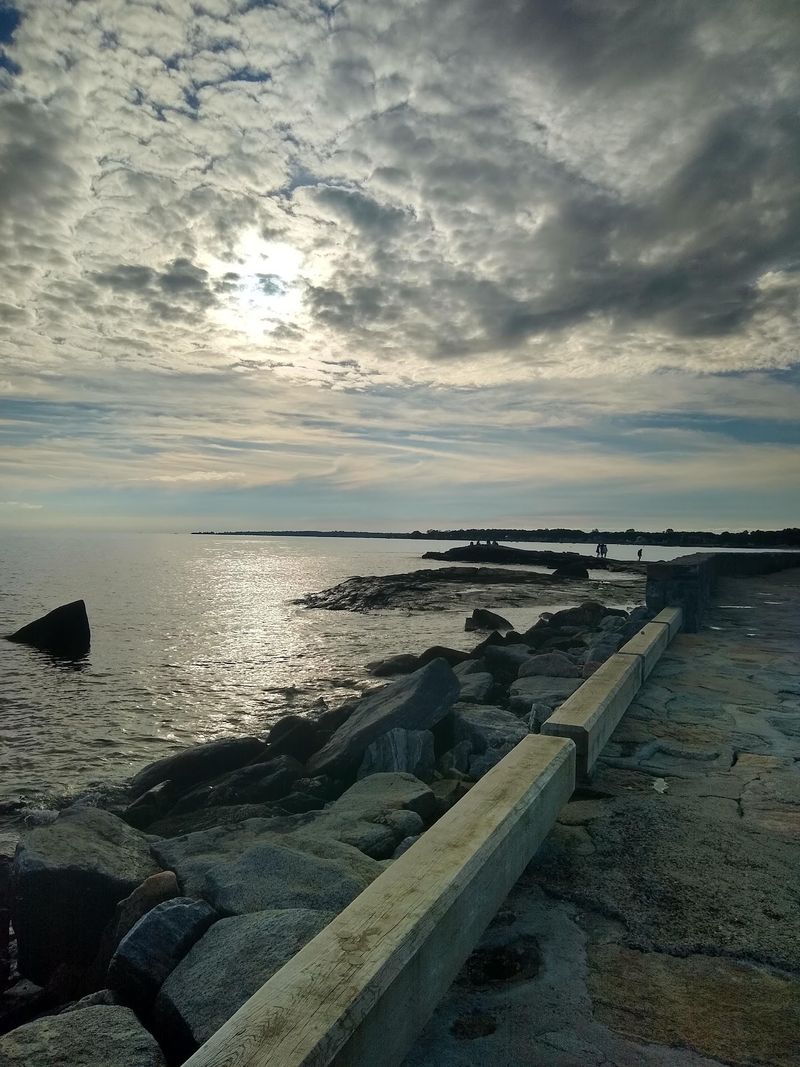
Two miles of sand, and on a Wednesday in June you might count a dozen people on it. Hammonasset Beach State Park is Connecticut’s largest shoreline state park, and it swings from mobbed to nearly empty depending on the day of the week.
Madison sits right on Long Island Sound. First settled in 1641, it went by East Guilford until 1826, when it incorporated and took the name of James Madison.
Downtown is compact and easy to walk. Shops, cafes, and restaurants line Boston Post Road, with the E.C. Scranton Memorial Library and a wide town green holding the whole thing together.
Smaller town beaches give the shoreline variety. East Wharf carries a working-coast feel left over from its shipbuilding days, while West Wharf and Surf Club Beach each have their own crowd and rhythm.
Art turns up between errands. The Sculpture Mile scatters works by American artists along the main stretch, so a walk to the library doubles as a gallery visit.
Midweek parking near the water is the real prize. Locals know that a Tuesday afternoon at Hammonasset feels like a beach club nobody bothered to charge admission for.
Pack a picnic and take the trails behind the dunes when the sand gets hot.
4. Guilford
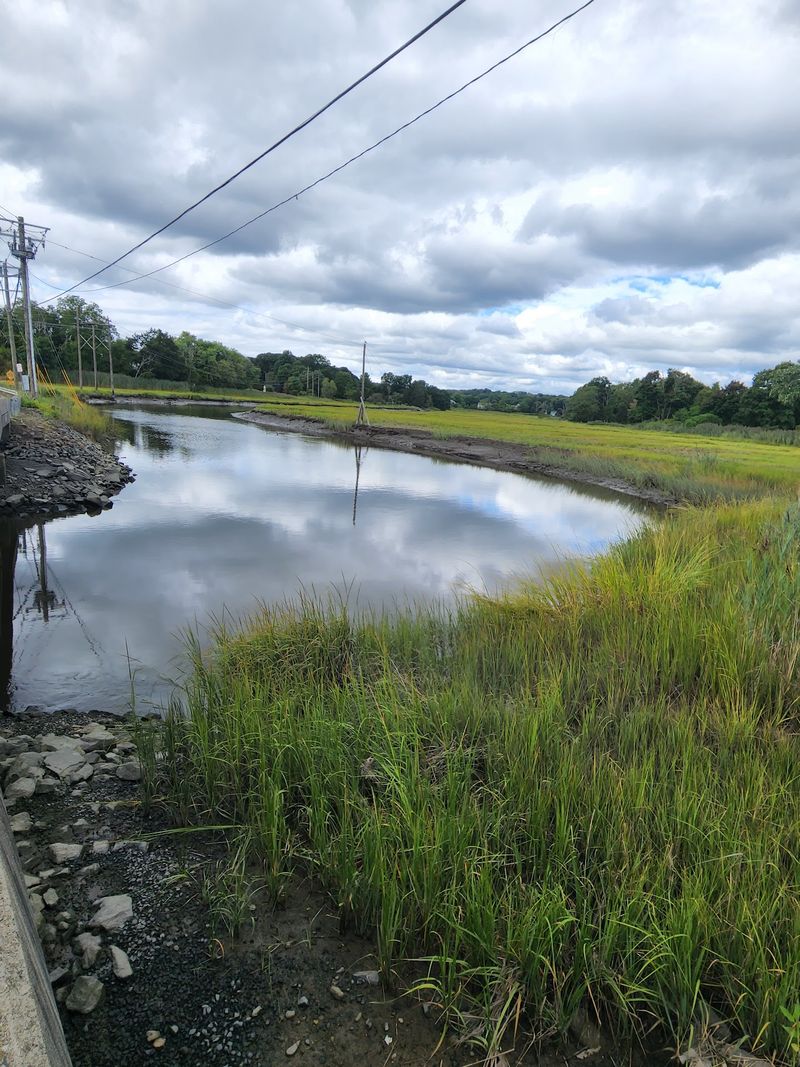
The oldest house in Connecticut is here, and it is made of stone. The Henry Whitfield House went up in 1639, making it the oldest stone house in New England and a National Historic Landmark.
It was one of four stone defensive buildings in the original settlement, built by people who clearly expected trouble. Now it sits calmly near a green that has barely changed shape since it was laid out the same year.
That green once served as military drilling ground and open pasture, with livestock roaming across it for nearly two centuries. These days it hosts frisbees, dog walkers, and the occasional nap under a tree.
The Historic Town Center District holds more than 250 commercial and residential buildings. Architectural styles run from the late 17th century all the way into the early 20th century, which makes a slow walk genuinely interesting.
Two saltbox houses round out the history tour. The Hyland House dates to around 1713 and the Thomas Griswold House to about 1774, both low-slung and beautifully stubborn.
Out toward the water, parts of Leetes Island Road are designated a State Scenic Road. Marsh grass, tidal creeks, and very little traffic on a weekday morning.
Go before noon, and the green is practically yours.
5. Litchfield
America’s first law school opened in a small house in Litchfield in 1784. The Tapping Reeve House and Law School turned out lawyers, judges, and two future U.S. vice presidents from a building that looks like somebody’s grandmother lives there.
The whole Litchfield Historic District carries National Historic Landmark status. It stands as one of the best surviving examples of a late 18th-century New England town, and it knows it.
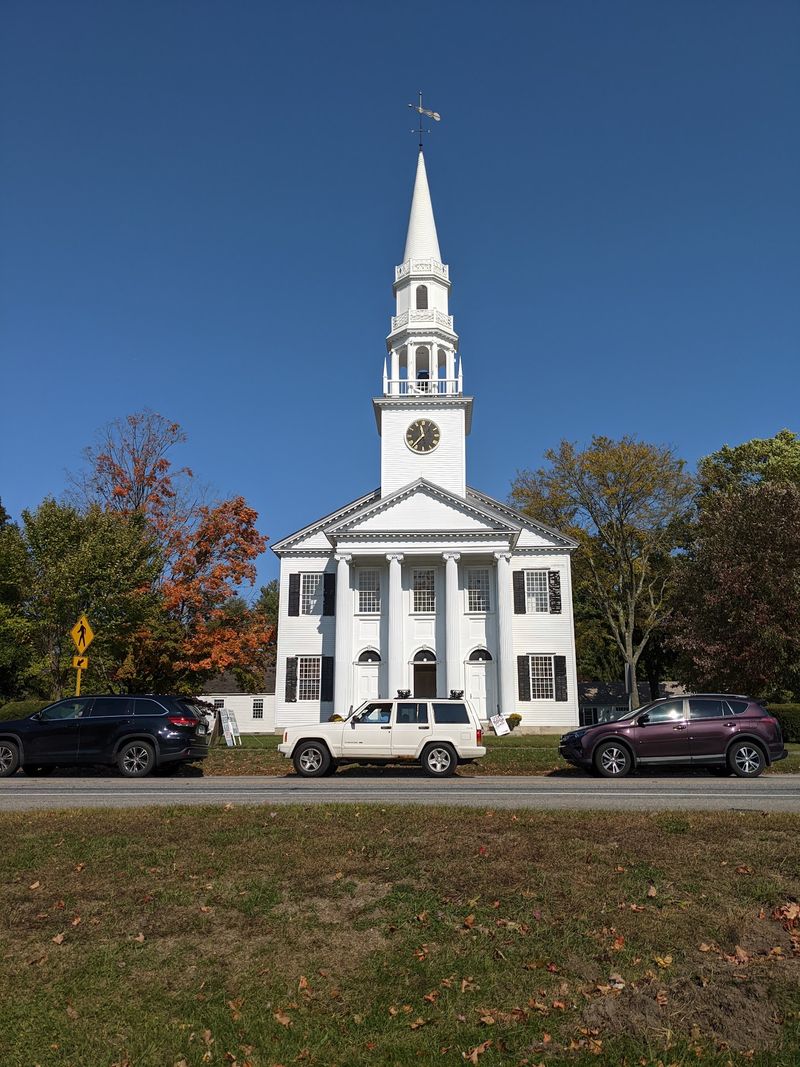
At the center is the green, ringed with white colonial homes and photographed roughly nine million times. The Congregational Church from 1829 anchors the northeast corner with a steeple that shows up in every calendar of New England.
Old Market Place Tavern, built in 1812, still holds original jail cells from when it housed British prisoners during the War of 1812. Not many buildings can claim a basement like that.
Beyond the architecture, the outdoor side is enormous. The White Memorial Conservation Center spreads across 4,000 acres with more than 40 miles of trails for hiking and biking.
Bantam Lake, the largest natural lake in the state, sits nearby for paddling and swimming. Weekdays there feel almost secretive, especially in early fall when the light gets golden, and the crowds vanish.
6. Woodbridge
Some towns get famous for a landmark. Woodbridge got quiet on purpose, and the residents seem fine leaving it that way.
The character here is firmly residential, spread out across wooded lots and winding roads. There is no bustling commercial strip pulling in traffic, which is exactly the point.
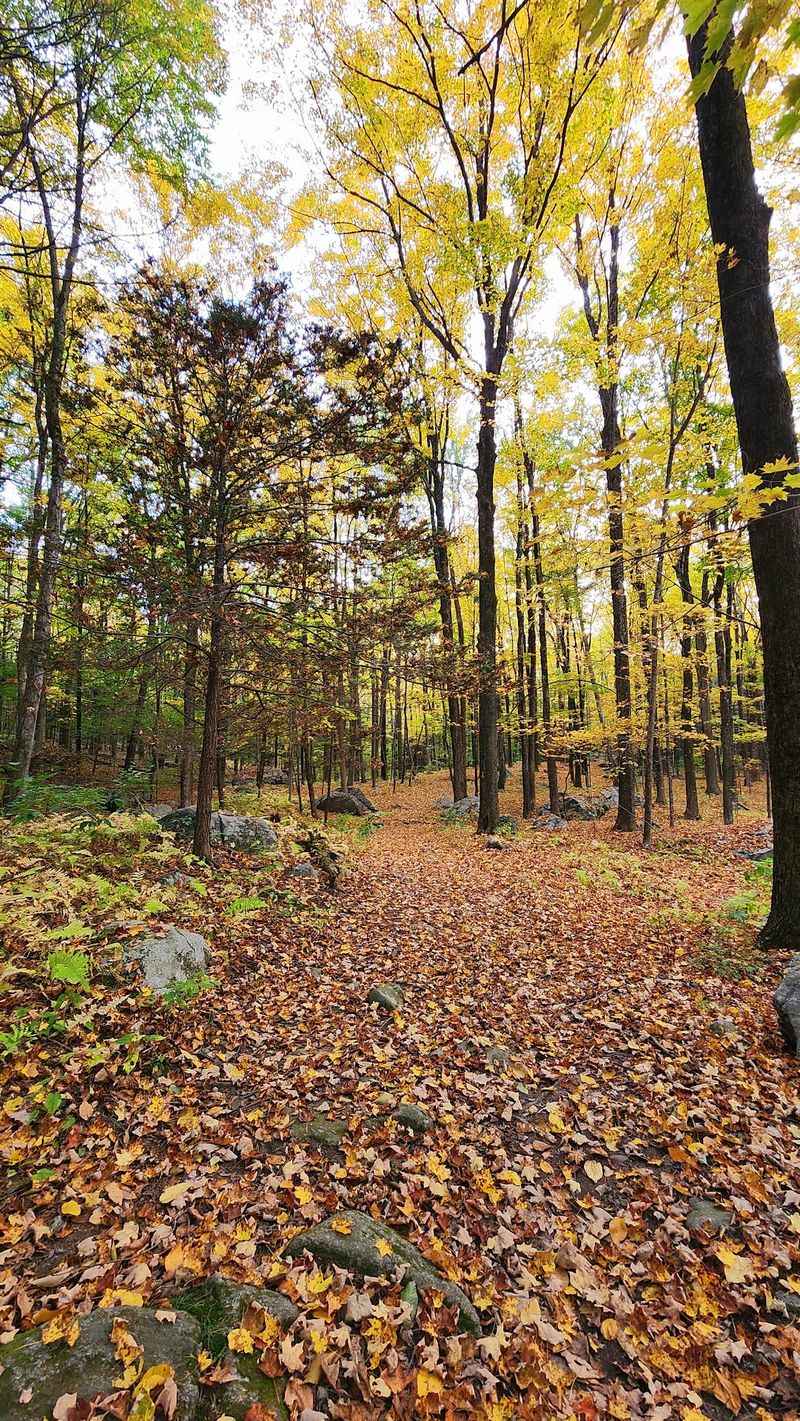
Open space does the heavy lifting. Parks and undeveloped tracts are managed for passive recreation, meaning trails, birds, and very little machinery.
Those green spaces give residents easy access to nature without driving an hour into the hills. A weekday walk here can go a long stretch without passing another person.
Community structure matters more than attractions. The town leans into public services and local programming, which shapes a steady, unhurried daily rhythm.
New Haven sits close enough that plenty of people commute in each morning. By nine o’clock, the roads thin out and the neighborhoods settle into something close to silence.
What draws people is the preserved landscape and the sense that neighbors actually know each other. Stone walls, old trees, and long stretches of green between houses.
For anyone who wants a low-key afternoon, this is the anti-tourist town. Bring good shoes, skip the itinerary, and let the trails decide where the day goes.
7. Old Lyme
American Impressionism started in a boardinghouse. Artists staying at Florence Griswold’s home in Old Lyme painted right onto the walls and doors, which was either wildly disrespectful or the best rent payment ever.
Childe Hassam and Willard Metcalf were among them. Their panels are still there, preserved inside what is now the Florence Griswold Museum.
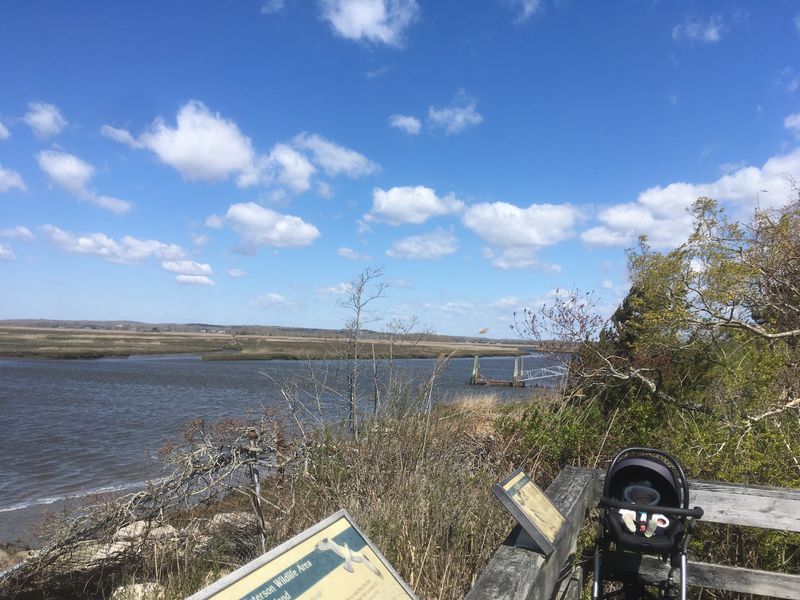
The museum grounds cover 12 acres with historic buildings, gardens, and walking paths along the Lieutenant River. It is the calmest kind of art visit, half indoors and half outside.
Landscape is the reason the Lyme Art Colony formed at all. Shorefront, wetlands, tidal marsh, and wooded hills gave painters endless material without ever leaving town.
Old Lyme sits where the Connecticut River meets Long Island Sound, which explains the light everybody kept trying to capture. The rural feel has held on remarkably well.
Beaches keep it grounded. Soundview Beach draws the social crowd, while Poverty Island Beach stays quieter with a more natural, undeveloped coastline.
The Old Lyme Historic District rounds things out with well-kept homes along Lyme Street. Weekdays here move slowly, and the gardens at the museum are best when nobody else is photographing them.
8. Cheshire
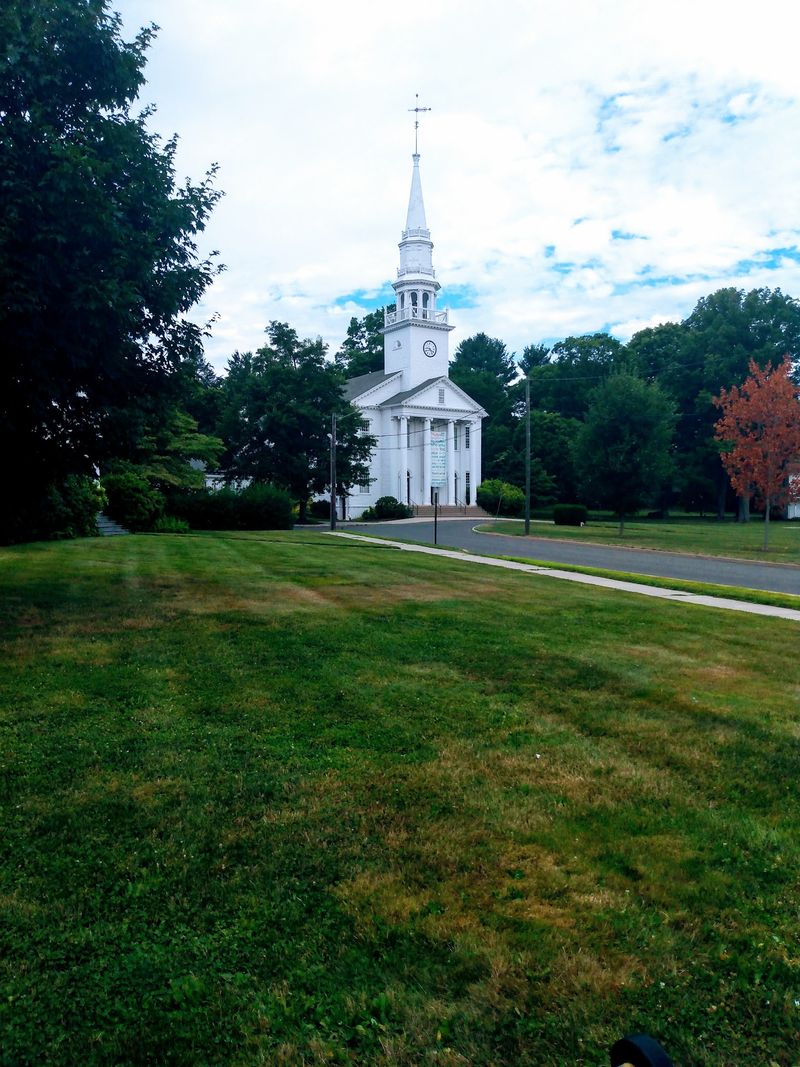
Officially, Cheshire is the Bedding Capital of Connecticut. That has nothing to do with mattresses and everything to do with plant beds, since the town’s farms and nurseries have been serious business for generations.
Once called North Farms, it split from Wallingford and incorporated in 1780. The agricultural streak never really faded, which is why a suburb still smells like soil in spring.
The town center leans on the First Congregational Church, built between 1826 and 1827. Around it, the Cornwall Avenue-Town Center Historic District mixes architectural styles into a tidy New England picture.
Cheshire Academy adds an older layer. Founded in 1794, its Bowden Hall from 1796 counts as the oldest schoolhouse in continuous use in the state.
Outdoors, more than 1,500 acres of open space keep things breathing. Lock 12 Historical Park preserves a piece of the old canal system, and Mixville Recreation Area gives families a swimming pond and trails.
The Farmington Canal Linear Trail is the local favorite. Flat, paved, and shaded, it fills with cyclists on weekends and empties out completely by Tuesday morning.
For a peek at 18th-century life, the Hitchcock-Phillips House from 1785 sits near the center. Small town, deep roots, and far fewer people than you would expect.
9. Kent
Cars still drive through a covered bridge in Kent. Bull’s Bridge, built in 1842, is one of the few working covered bridges left in Connecticut that carries actual vehicle traffic, one lane at a time and with a lot of polite waving.
The Housatonic River runs beneath it, cutting through rapids and a small gorge. Trails around the bridge link up with the Appalachian Trail, so hikers with enormous backpacks are a common sight.
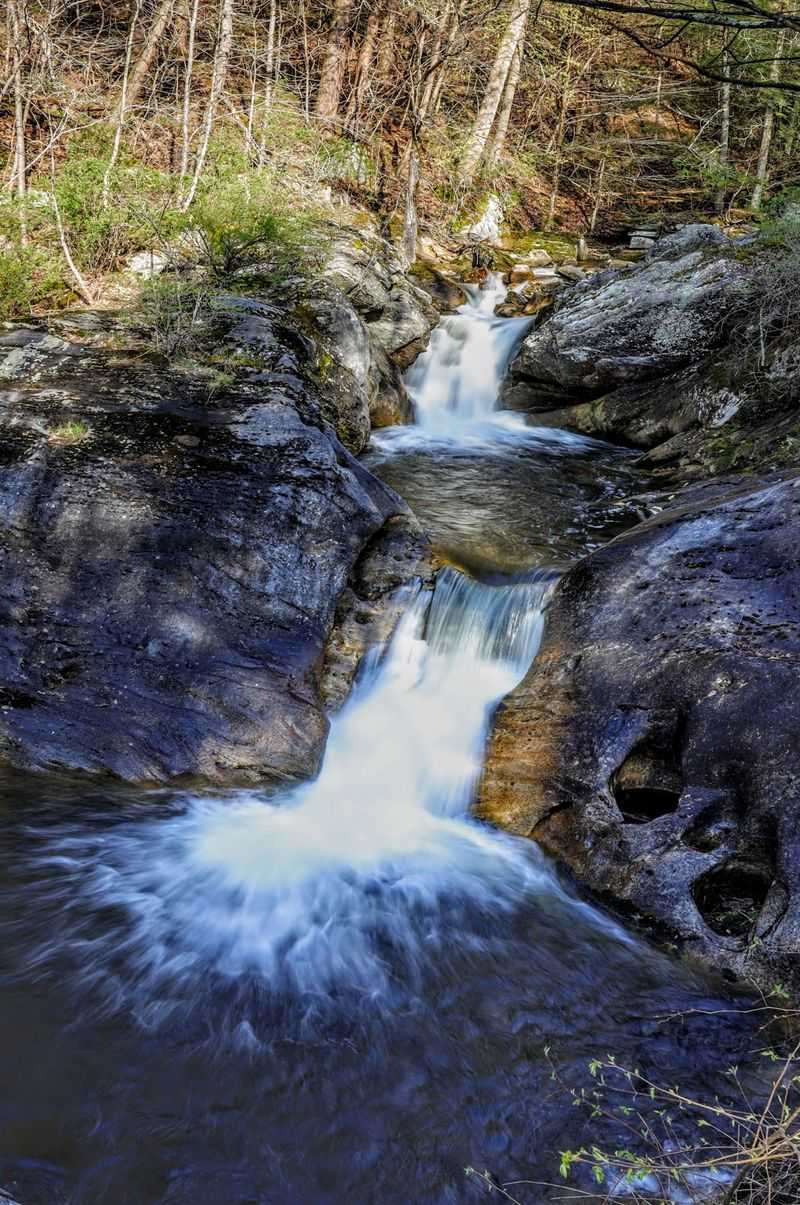
Kent Falls State Park is the other showstopper. Water tumbles down a long series of ledges, and a 37-foot covered pedestrian bridge from 1974 sits at the base for the obligatory photo.
A trail climbs alongside the cascade with viewing spots at different heights. Fall foliage season turns the whole thing into a postcard, and the parking lot fills fast on weekends.
The village itself leans artistic, with galleries lining a short main stretch. Rolling hills and old farmland surround it, which is why people keep calling it storybook material.
Half the fun is the drive in, along backcountry lanes past stone walls and barns. Come on a weekday and the falls are calm, the trail is open, and nobody is elbowing in for the same shot.
10. Essex
The world’s first submarine was a wooden barrel-shaped contraption called the Turtle, used during the American Revolution. A replica of it sits in Essex, inside a restored 1878 steamboat warehouse.
That warehouse is now the Connecticut River Museum, the only building of its kind still standing on the river. It is listed on the National Register of Historic Places and stands right at the water’s edge.
Exhibits cover the river’s role in trade, shipbuilding, and transportation. The stories go from colonial cargo runs to steamboat traffic, which is more dramatic than it sounds.
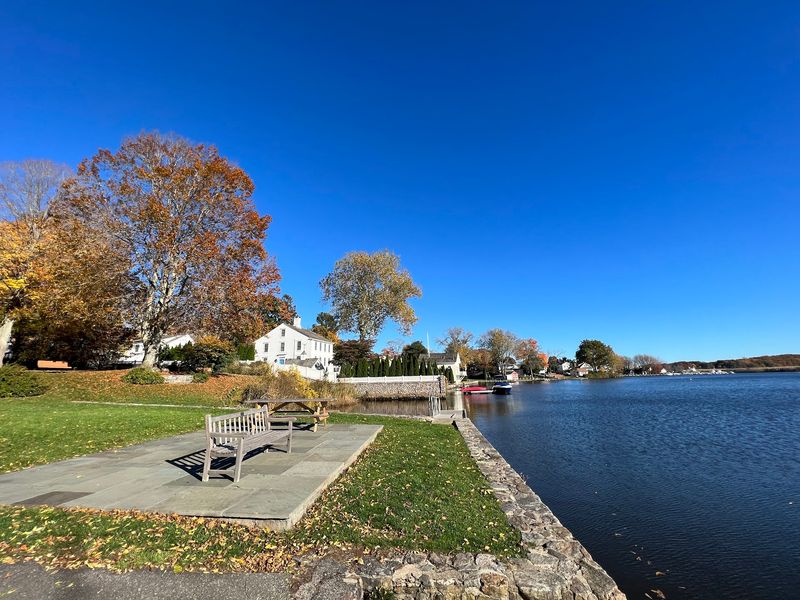
Outside, the village stretches along a compact downtown of local shops and preserved buildings. The waterfront view does most of the work, with masts and calm water in every direction.
Winter brings something unexpected. The museum runs boat cruises, including eagle-watching trips, because the tidal stretch of the river draws bald eagles when the weather turns cold.
Weekdays are the sweet spot here. Boat traffic drops, the docks quiet down, and the whole village feels like a maritime town that stopped checking the clock.
Walk the side streets after the museum. Old captains’ houses and narrow lanes make the history feel less like a display case and more like a neighborhood.
11. Washington
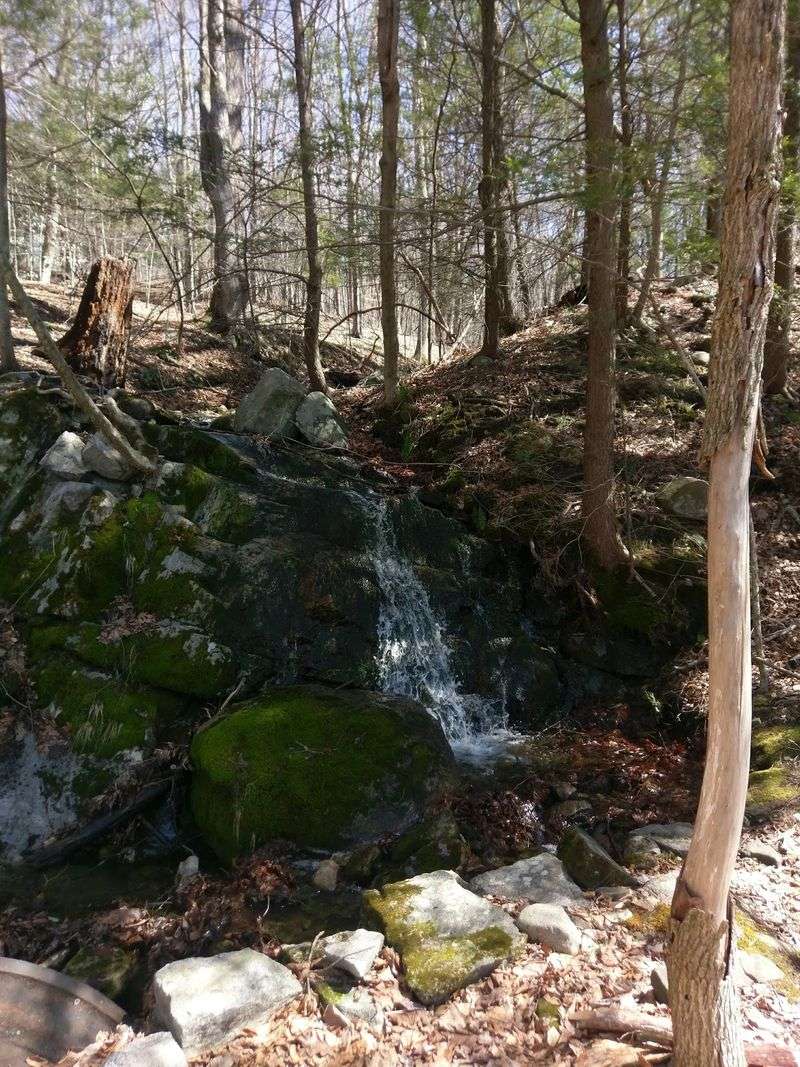
Winding roads, stone walls, and hills that roll instead of climb. Washington sits in the Litchfield Hills and looks like someone designed it for a movie about New England, then forgot to add the crowds.
The historic district holds well-preserved architecture with a clean colonial look. White clapboard, tall trees, and very little in the way of commercial clutter.
Steep Rock Preserve is the outdoor centerpiece. Trails wind along the Shepaug River through woods that feel much wilder than a two-hour drive from a city should allow.
The preserve exists because the town committed to protecting open land early and stuck with it. That decision shaped how the whole area looks today.
River bends, old railroad grades, and shaded footpaths make it a favorite for long walks. Trail runners and dog owners have the place to themselves most mornings.
Culture has a foothold too, with local events and gathering spots that keep the community connected. It balances the quiet without turning the town into a destination.
Washington Depot serves as the small commercial heart, with a few shops and the town offices. Weekday afternoons there move at the speed of a slow conversation.
For anyone chasing scenery without a parking battle, this corner of the Litchfield Hills delivers.