
These 9 Montana Towns Stand Out As Investors Continue Buying Up Local Properties
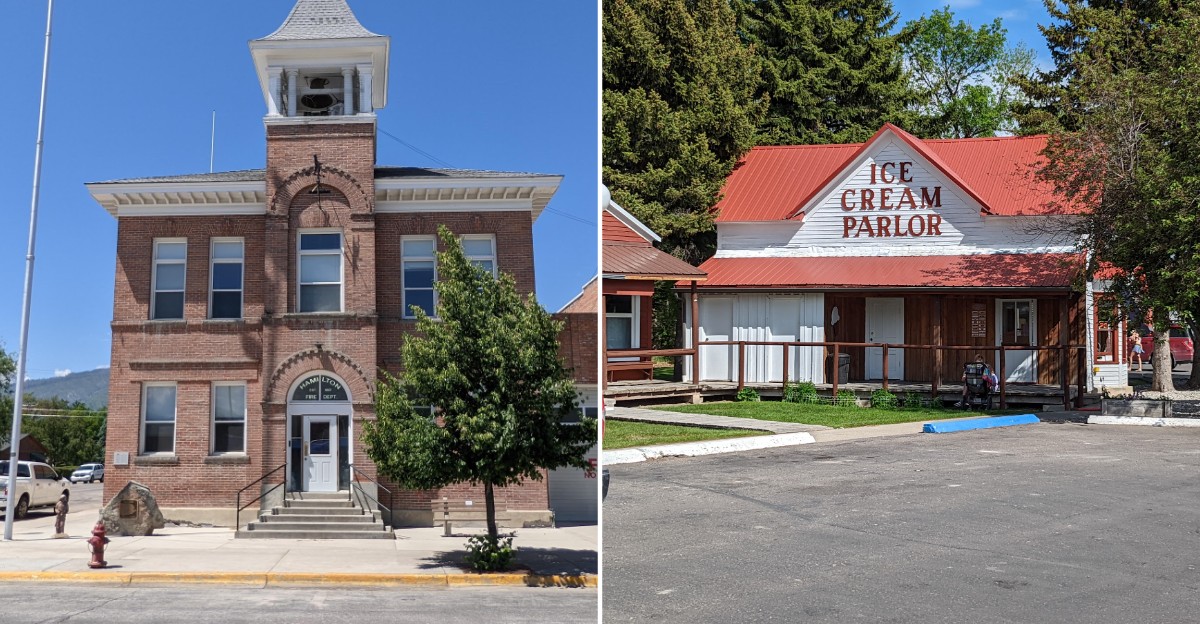
Montana recently saw its per capita personal income grow at the fastest pace in about 15 years. That surprised me, because I mostly picture this state as cattle, mountains, and long empty roads.
That money had to land somewhere. A lot of it seems to be heading toward small towns with old brick main streets and big mountain views.
Remote work changed the math for many buyers. Suddenly a laptop and a trout stream could share the same address.
I love that the list mixes famous ski spots with quiet ranch towns most people drive right past. Some are pricey already, and some still feel like a secret worth whispering about.
So which corners are catching the eye of buyers right now, and what makes each one tick?
1. Whitefish
Ski boots and lake towels can share a closet in Whitefish, and investors have noticed. The town sits in Flathead County with a ski mountain on one side and Whitefish Lake on the other.
That combo makes it a true four-season place. Winter brings skiing and snowboarding at Whitefish Mountain Resort, while summer swaps in hiking, mountain biking, and zip-lining.
Prices here are not shy. The median home price for closed sales hit about 975,000 dollars over the past year, and lakefront homes push higher.
So why do buyers keep showing up? Tourism stays strong, and the town has a big short-term rental market with more than 400 licensed units.
Glacier National Park sits roughly 30 to 45 minutes away. That short drive makes Whitefish a natural home base for park visitors who want comfy beds and good dinners.
Downtown centers on Central Avenue, a compact, walkable stretch with boutique shops, art galleries, and restaurants. You can wander it in an afternoon without moving your car once.
Love a good party in the cold? The Whitefish Winter Carnival brings fun to the snowy months, and a farmers market livens up summer.
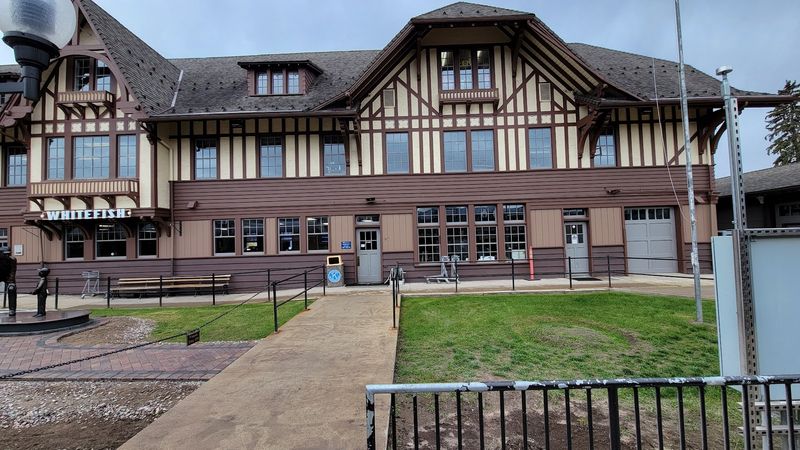
History fans should check out the Stumptown Historical Society Museum. It lives in the old Great Northern Railway depot and tells the story of local logging and railroad days.
The population is estimated near 9,358, up about 20 percent since 2020. That growth explains why open listings move fast here.
If you plan to buy, study local short-term rental rules first. A great view only pays off when the paperwork does too.
2. Bozeman
Five years straight, from 2018 to 2022, Bozeman earned the title of fastest-growing micropolitan area in the country. That is a lot of moving trucks for one mountain valley.
The city has been called a zoom town for good reason. Remote workers found it, liked it, and stayed.
Bozeman grew about 43 percent between 2010 and 2020. Its economy now leans on education, healthcare, technology, manufacturing, and tourism.
Montana State University is a major employer here. Students and staff keep rental demand steady, which explains why investors circle the area so often.
Fair warning about prices, though. Single-family homes recently had a median near 784,500 dollars, so bring a sturdy budget.
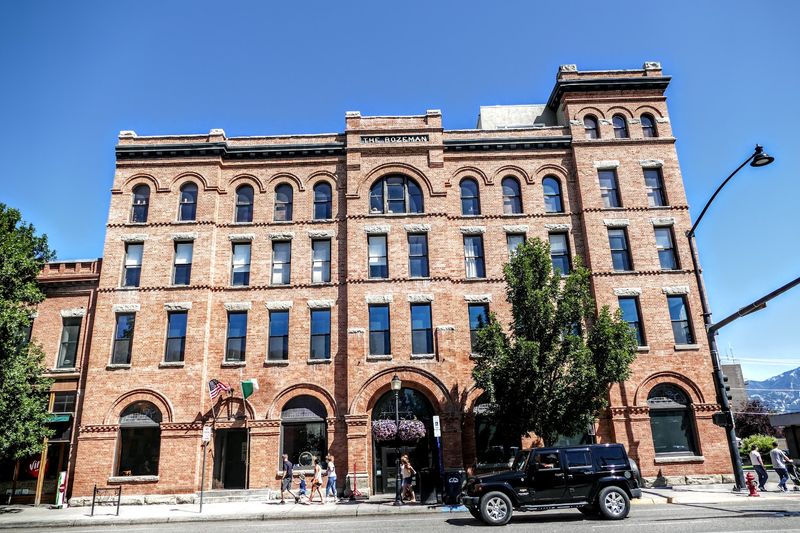
What makes people pay that much? Start with the historic brick Main Street, packed with shops, galleries, and restaurants.
Live music fans can catch shows at The Rialto and The ELM. Those venues give the downtown real evening energy.
Then there are the dinosaurs. The Museum of the Rockies, a Smithsonian Affiliate, shows off a fully mounted T. rex skeleton.
Outdoor fun sits close by too. Bridger Bowl and Big Sky Resort handle skiing, and the Gallatin, Madison, and Yellowstone Rivers draw fly anglers.
Yellowstone National Park is within easy reach as well. Few places in Montana pack this many draws into one zip code.
For investors, the big question is entry price. Many buyers here look at condos or smaller homes to get a foot in the door.
3. Livingston
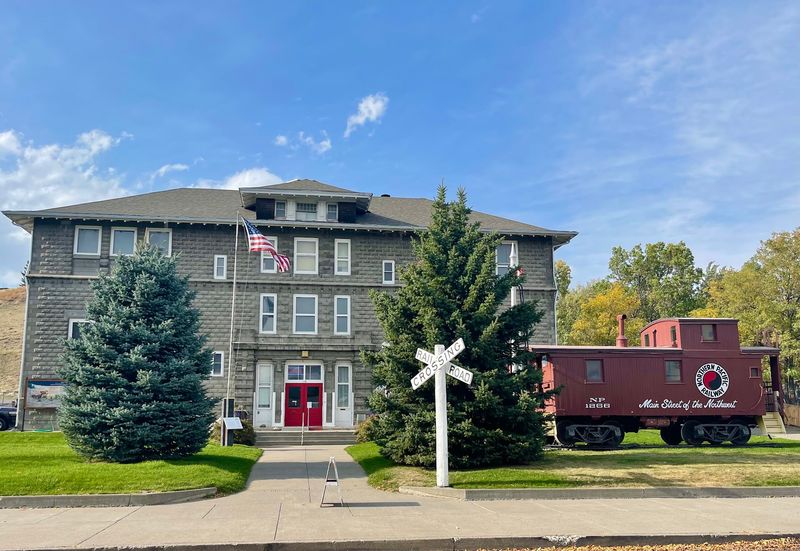
Long before road trips were cool, Livingston was the original railroad gateway to Yellowstone. Travelers stepped off trains here and headed south toward the park.
That history still shows. The Livingston Depot Center, a restored 1902 Northern Pacific Railway station, now works as a seasonal museum and event space.
Want more of the past? The Yellowstone Gateway Museum sits in a 1906 schoolhouse and digs into local stories.
Downtown keeps its late 1800s look, with classic brick buildings and the historic Murray Hotel. Independent restaurants and art galleries fill the storefronts.
The town grew up on ranching and the railroad. Today tourism leads the way, joined by healthcare and creative businesses.
Prices here feel gentler than in nearby Bozeman. Single-family homes in city limits recently had a median sale price around 515,000 dollars.
That gap is a big reason buyers are paying attention. You get mountain views and river access without the steepest price tags.
Speaking of rivers, the Yellowstone runs right through the area. Paradise Valley, just south of town, is famous for world-class fly fishing.
Hikers can head to Pine Creek Falls for a scenic trek. And Yellowstone’s North Entrance sits about 52 to 55 miles away.
The population counted 8,040 in 2020 and keeps creeping upward. Infrastructure work and plans for steady growth point to a hopeful future.
If you like towns with stories baked into the brick, this one deserves a long look. Just pack a jacket, because the wind here has opinions.
4. Red Lodge
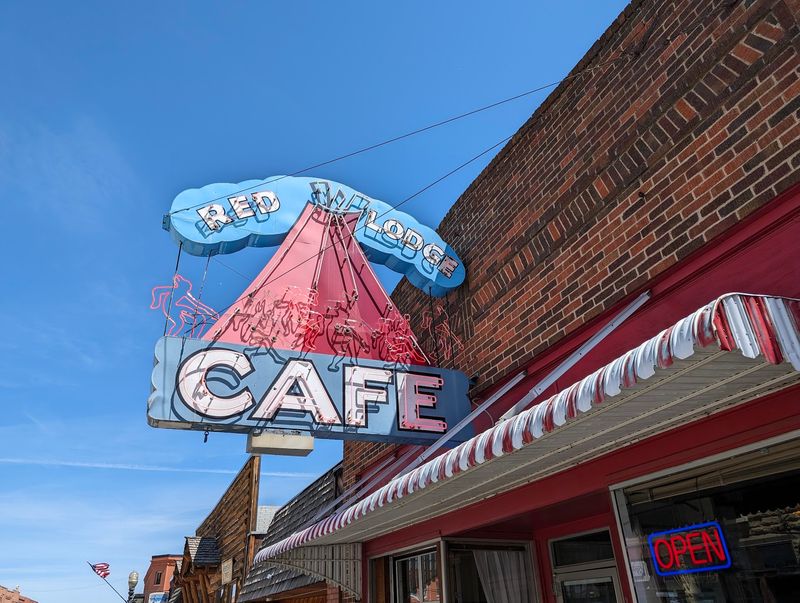
Fewer than 3,000 people call Red Lodge home, yet the town gets plenty of attention. It sits in Carbon County as a small mountain gateway with real character.
Broadway Avenue is the heart of town. Historic storefronts line the street and give it an old Western feel.
Why would investors care about a place this small? Gateway towns tend to draw visitors who need places to stay, eat, and shop.
Red Lodge also sits within driving distance of Billings, the largest city in Montana. That makes weekend escapes easy for folks living there.
Small towns can be tricky for buyers, though. Fewer homes come up for sale, so good ones can disappear quickly.
Here’s a smart move before you buy. Check the city’s rules on rentals and building, since the city keeps an official site with local info.
You also want to think about seasons. Mountain towns often swing between busy and quiet months, and your plans should handle both.
Still, the appeal is easy to understand. A walkable main street, mountain views, and a tight community make a strong pitch.
Many people dream of owning a spot in a place like this. Red Lodge offers that dream on a smaller, friendlier scale.
If you enjoy towns that feel like a postcard come to life, put this one on your map. It may be small, but it sure does not act shy.
Just remember to visit in different months before signing anything. A town can look very different in January than in July.
5. Ennis
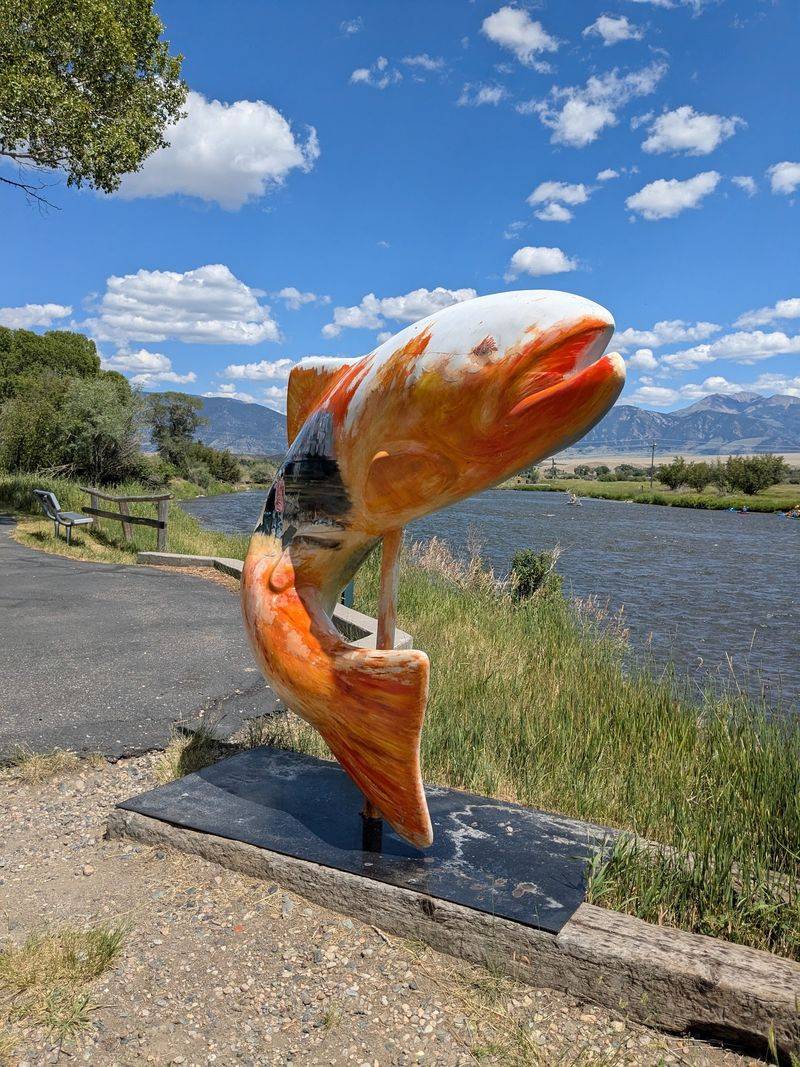
Trout probably outnumber people in Ennis, and nobody seems upset about it. This tiny town has fewer than 1,000 residents and a huge reputation with anglers.
Ennis sits in the Madison Valley. It’s known as a classic fly-fishing hub, which brings in visitors who care a lot about rivers.
The main street has an honest rural Western look. You won’t find big city towers, just a small downtown that fits the valley around it.
So what draws investors here? Towns tied to outdoor sports often see steady interest from visitors and second-home buyers.
Fishing season can mean busy months. That pattern can help anyone thinking about a vacation rental or a small business.
Small size cuts both ways, though. There are fewer homes for sale, and services may be more limited than in a bigger town.
You should also plan for distance. Ennis is rural, so trips to larger stores or hospitals take more time.
On the bright side, quiet is the main feature here. If you love wide skies and slow mornings, this place makes a lot of sense.
Think about who your buyer or renter might be. Anglers, retirees, and remote workers might all find something to like.
Before you jump in, spend some time talking with local real estate agents. They know which streets and lots hold value best.
Ennis proves a town doesn’t need a big crowd to catch attention. Sometimes a great river does all the talking.
6. Philipsburg
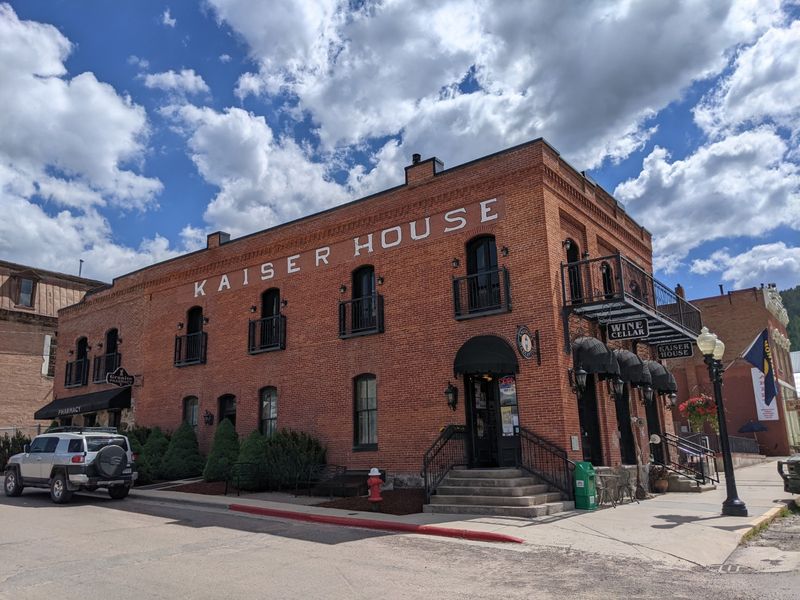
Silver built Philipsburg in the 1800s, and the town has kept its shine. Its restored Victorian Main Street ranks among the most colorful in the state.
Roughly 900 people live here in Granite County. That small number makes the town’s lively look even more surprising.
The historic district stays the main draw. Old mining-era buildings have been preserved, so a stroll feels like flipping through a history book.
Why would buyers care? Charming historic towns often pull in day-trippers and weekend visitors who love unique places.
That steady stream of guests can help small shops and short-term stays. It also keeps the downtown feeling busy for its size.
Before you buy, learn the rules for historic buildings. Repairs on older properties can come with special guidelines and higher costs.
Old homes also bring old plumbing and wiring. A careful inspection can save you from a very expensive surprise later.
The town’s rural setting is another thing to weigh. Bigger services sit a drive away, so plan for that in daily life.
Still, it’s hard not to smile at this place. Bright storefronts and mountain air make a pretty great pair.
Philipsburg shows how a former mining town can find new life. Preserving the past turned into one of its smartest moves.
If you’re the kind of person who reads every plaque on a building, you’ll feel right at home. Bring comfy shoes and plenty of curiosity.
7. Hamilton
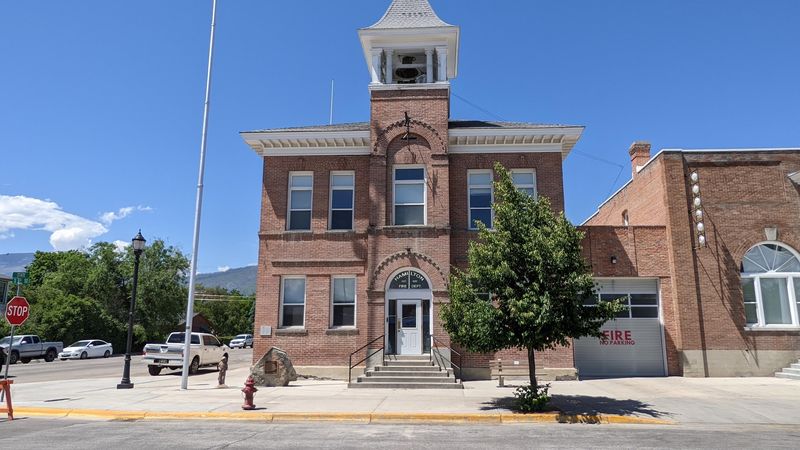
A Copper King once called this valley home, and his mansion still stands. The Daly Mansion, built for Marcus Daly, offers tours of its grand rooms and wide grounds.
Hamilton serves as the county seat of Ravalli County. It’s the central town of the Bitterroot Valley, with a tree-lined Main Street running through.
The job scene gets a boost from Rocky Mountain Laboratories, a federal research site. Steady jobs like those help keep housing demand strong.
Home values have climbed too. The median sat near 529,000 dollars recently, up a little over the past year.
Here’s a perk developers like. Hamilton sits inside a designated Opportunity Zone, which can offer tax breaks for qualifying projects.
Outdoor fans have plenty to love. The Bitterroot River holds cutthroat, rainbow, and brown trout for fly anglers.
Hikers can explore dramatic Blodgett Canyon and Bear Creek Falls. The Bitterroot and Sapphire Mountains frame the valley on both sides.
Bird lovers should visit the Teller Wildlife Refuge. It’s a great spot for wildlife watching and photos.
Curious about local history? The Ravalli County Museum sits in the original 1900 courthouse and shows Native American artifacts and pioneer stories.
Hamilton blends small-town calm with real growth. That mix is exactly what many Montana buyers say they’re hunting for.
If you visit, take your time on Main Street. You’ll get a better feel for the town than any listing photo can give.
8. Lewistown
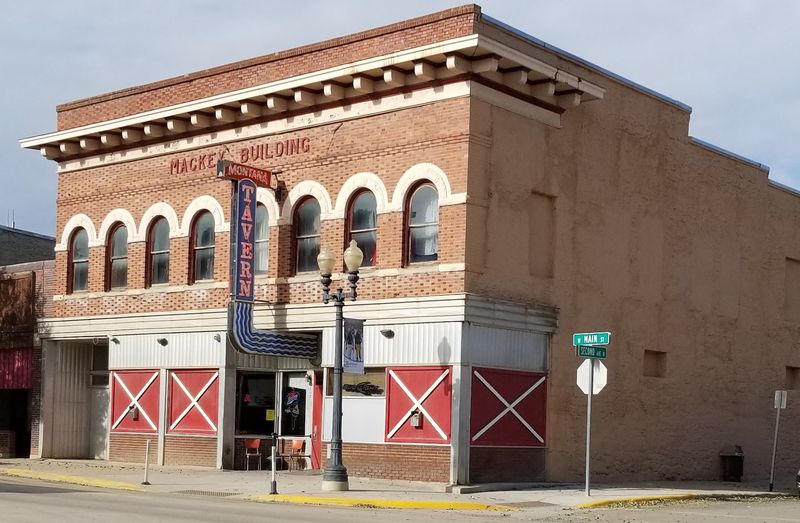
Right in the geographic center of Montana, Lewistown sits like a bullseye on the map. Five mountain ranges surround it, which is quite the frame for a farm town.
The downtown stands out for its stone architecture. Those sturdy old buildings give the historic district a solid, timeless look.
Fergus County, where Lewistown sits, has led the state in rising home prices. That’s a big headline for a quiet agricultural hub.
New businesses are part of the story. The German tech company VACOM set up here, and growth projections point upward.
Prices remain friendlier than in the western mountain towns. One recent estimate put the average home value 284,883 dollars.
Anglers, listen up. Big Spring Creek runs through town and offers excellent trout fishing with lots of public access.
The Charles M. Russell National Wildlife Refuge is headquartered here.
It covers about 1.1 million acres of wild land.
History buffs can stop by the Central Montana Museum. It holds artifacts from Fort Maginnis and a dinosaur skull replica.
Want a fun summer outing? The Charlie Russell Chew Choo Dinner Train rolls through the Judith Basin from June to September.
The town is working on a growth plan that protects its character. That’s a good sign for anyone buying in for the long haul.
Lewistown feels remote, so plan for longer drives. In exchange, you get space, scenery, and a town still writing its next chapter.
9. Choteau
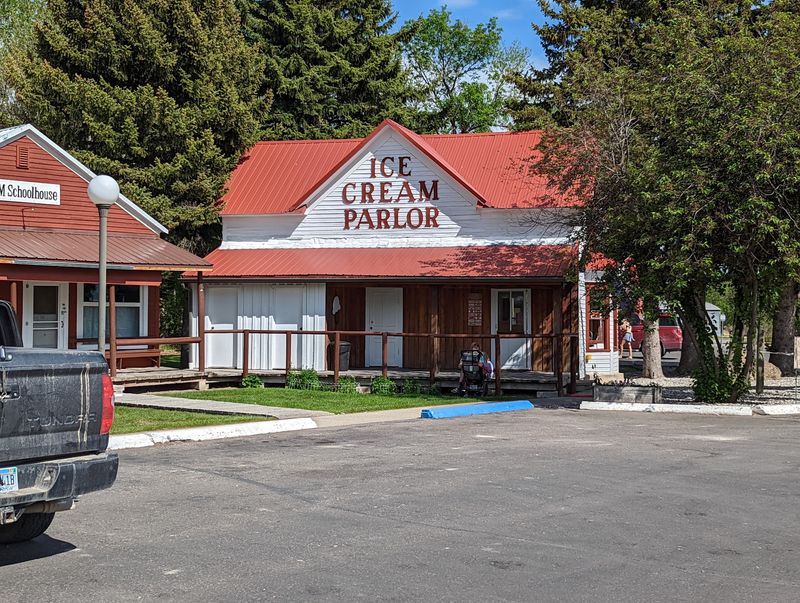
Flat prairie meets towering peaks near Choteau, and the town sits right on that dramatic line. It’s a gateway to the Rocky Mountain Front.
About 1,700 people live here. The streets are wide, and the main avenues give the town an open, roomy feel.
Why would investors look this way? Smaller towns with big scenery often offer lower entry prices than famous resort areas.
That can make Choteau appealing for buyers priced out of western valleys. You trade fancy shops for space and a quieter pace.
Traditional Montana character runs strong here. Think ranch country, open skies, and mountains that look painted on the horizon.
Before buying, consider your plan carefully. Will you live here, rent long-term, or hold land for the future?
Rural markets move slower than busy cities. That can mean fewer buyers when you’re ready to sell, so patience matters.
Local services are limited in small towns. Larger shopping and medical care may require a drive to a bigger city.
Still, the setting is hard to beat. Few places put prairie and peaks this close together.
If you’re scouting quieter options, add Choteau to your list. Visit in more than one season to see the full picture.
Talk with neighbors and local agents while you’re there. They’ll know which streets fit your goals best.
Sometimes the best finds sit where the road gets quiet. Choteau might be that spot, especially for folks who like their sunsets wide.