
These 10 Central Massachusetts Towns Are Growing Faster Than Anyone Expected
Something is changing across Central Massachusetts, and the numbers are starting to make it obvious. Towns that once felt quiet and overlooked are adding new homes, new residents, and busier streets faster than many people expected.
The growth is not limited to one corner of the region, either. Communities near Worcester, along major commuter routes, and farther into the countryside are all seeing more people decide to put down roots.
Better access, more space, and a slower pace than Greater Boston can make these towns especially appealing.
Still, some of the fastest growing places may surprise you. A few have gained hundreds of residents in only a few years, while others are expanding at rates well above the county average.
These Central Massachusetts towns are proving that major growth does not always happen where everyone is watching.
1. Rutland
Rutland is changing quickly, and the numbers make that hard to miss. The town had about 9,046 residents in 2020, but the latest Census estimate puts the population at 9,776 in 2025.
That works out to growth of roughly 8.1 percent in only five years, putting Rutland among the fastest growing communities in Central Massachusetts.
This is not a brand new trend, either. Rutland has grown by more than 60 percent since 2000, with much of that increase accompanied by new housing on land that was once agricultural or open space.
Town officials are now trying to manage that expansion without losing the rural character that has long defined the community.
Future development is being steered toward areas such as Town Center, Four Corners, and North Rutland, where homes and businesses already exist. The goal is to create more walkable village centers while easing pressure on farmland and natural areas.
That balance helps explain Rutland’s appeal. Families can find more space and a quieter setting while still staying within reach of Worcester.
Growth is clearly happening here, but the town is working hard to make sure progress does not erase what people came for.
2. Westminster
Westminster is seeing the kind of growth that can quietly reshape a small town. Its population stood at 8,219 in 2020, and the latest Census estimate puts it at 8,807 in 2025.
That is an increase of about 7.2 percent in only five years, making Westminster one of the faster growing communities across Central Massachusetts.
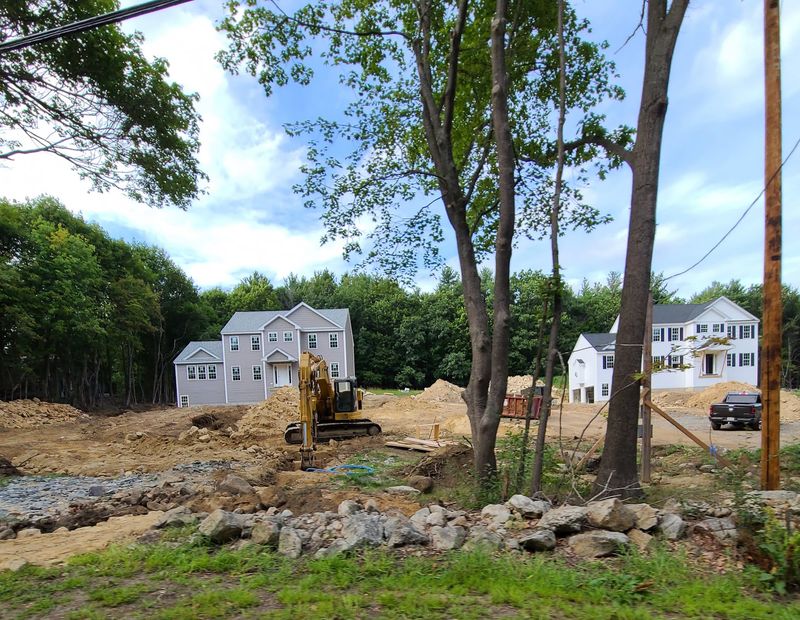
Housing growth has followed that population increase. Since 2010, more than 400 single family homes have been built, along with dozens of duplex units.
Town planning documents also point to the Route 2 corridor as a major force behind recent change, giving residents easier access to jobs and nearby cities while keeping Westminster more residential than urban.
Town leaders are now trying to guide that growth more carefully. Westminster’s 2025 housing plan favors new development near existing infrastructure, village centers, transit connections, and areas closer to Gardner and Fitchburg.
The goal is to add housing without letting development spread too far into open land.
That balancing act is becoming increasingly important. Westminster is growing fast enough to feel different, but local planning still centers on preserving the small town character that helped attract new residents in the first place.
3. Grafton
Grafton has been growing for decades, but the recent pace is especially noticeable. The town had 19,662 residents at the start of the decade, and the latest Census estimate puts the population at 21,043 in 2025.
That is a jump of about 7 percent in only five years, adding nearly 1,400 people to an already expanding community.
Housing has played a major role in that growth.
Grafton added thousands of residents during earlier decades, and town planning documents have long pointed to people moving west in search of more space and somewhat lower housing costs than communities closer to Boston.
New homes and larger residential developments have continued to change parts of town.
Location gives Grafton another advantage. Routes 122, 140, and 30 provide strong road connections, while the local MBTA commuter rail station gives residents a direct link toward Boston.
Town planners see the area near the station as an important place for future development and possible higher density housing.
That growth also creates a challenge. Grafton wants more housing and greater variety without sacrificing green space or the village centers that give the town its identity.
With the population still climbing, managing that balance is becoming a bigger part of Grafton’s future.
4. Westborough
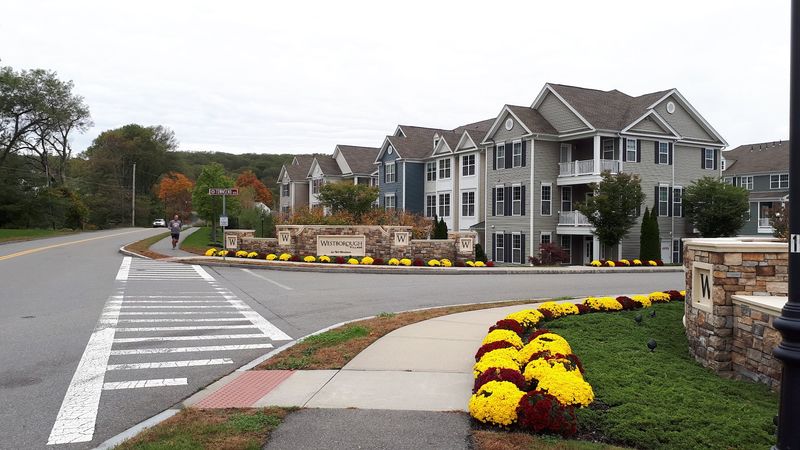
Westborough has been growing steadily for years, and the latest numbers show that the pace is still strong. The town had about 21,565 residents in 2020, while the 2025 estimate puts the population at 22,894.
That is an increase of roughly 6.2 percent in five years, adding more than 1,300 people to the community.
That recent jump follows an even bigger decade of change. Westborough grew by about 18 percent between 2010 and 2020, and regional projections suggest the population could continue climbing toward roughly 24,300 residents by 2050.
Location helps explain much of the appeal. Westborough sits near major routes, offers commuter access toward Greater Boston, and has a strong local employment base.
The town also draws families with its schools, established neighborhoods, and mix of shopping, offices, and everyday services.
Growth is bringing more pressure on housing and infrastructure, but it is also changing the town’s role in Central Massachusetts. Westborough is no longer simply a quiet suburb on the edge of the region.
It is becoming one of the area’s most established growth centers, with more residents choosing to call it home each year.
5. Uxbridge
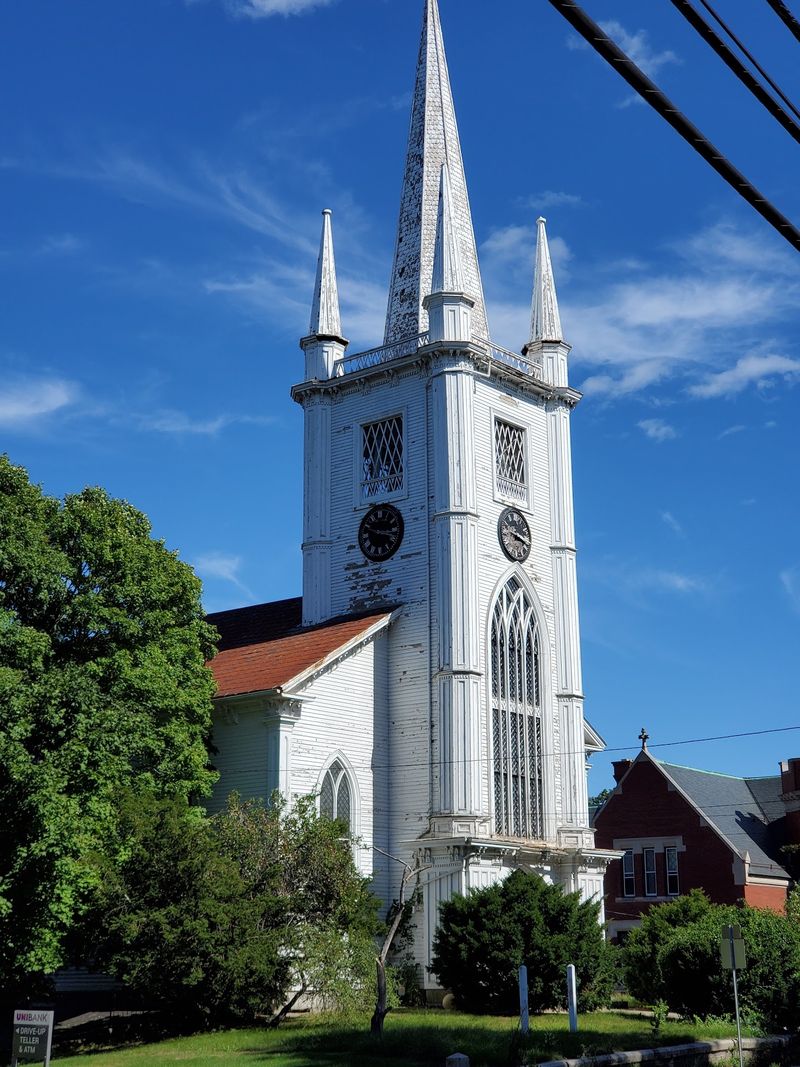
Uxbridge is growing at a pace that stands out even more when compared with Massachusetts as a whole. The town had an estimated 14,168 residents in 2020, and that figure reached 14,783 by 2025.
That is an increase of about 4.3 percent in five years, well above the statewide growth rate of roughly 1.7 percent during the same period.
Housing continues to play a major role in that change. Recent planning documents identify several residential projects, including new single family homes, duplexes, subdivisions, and an age restricted community.
Additional undeveloped parcels could also support more housing as demand continues.
Uxbridge also benefits from its position along Route 146, which gives residents convenient access toward Worcester, Providence, and other employment centers.
Town studies have identified the corridor as an important area for future commercial and residential development.
Local leaders are now updating the town’s master plan to address housing, transportation, economic development, natural resources, and future land use. That work reflects the reality facing Uxbridge today.
More people are choosing to live here, and the town is preparing for continued growth while trying to protect the open land and small town character residents value.
6. Auburn
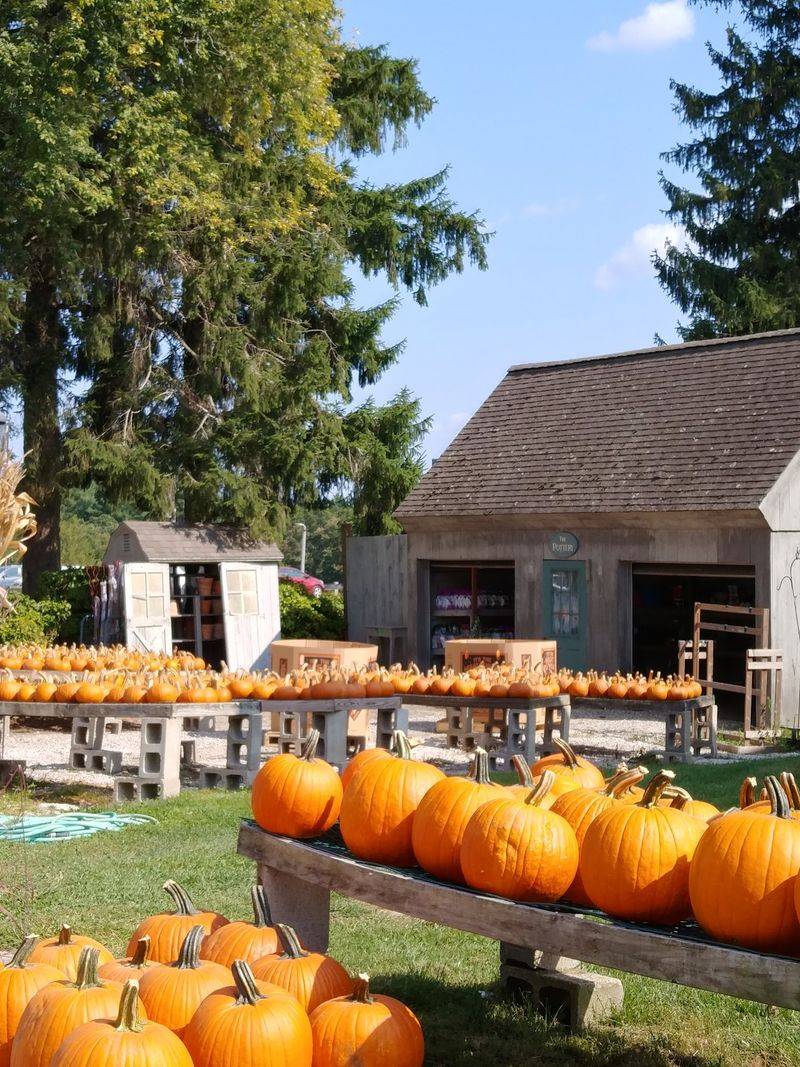
Auburn’s growth has picked up enough speed to stand out across Central Massachusetts. The town had a population base of 16,869 in 2020, and the latest Census estimate puts it at 17,566 in 2025.
That is an increase of about 4.1 percent in five years, which is faster than Worcester County overall during the same period.
Location is one of Auburn’s biggest advantages. The town sits at the junction of Interstate 90, Interstate 290, and Interstate 395, with Route 20 also running through the area.
Those connections make it easy to reach Worcester and other employment centers while still living outside the city.
Housing is also changing. Auburn has traditionally been dominated by single family homes, but recent planning efforts have focused on creating more variety.
The town has updated zoning to encourage multifamily and mixed use development, including new options around Drury Square.
That shift matters as more people choose Auburn. The town is trying to add housing while protecting natural resources and maintaining the residential character longtime residents value.
With population growth continuing and major transportation routes close by, Auburn is becoming an increasingly important part of Central Massachusetts.
7. Shrewsbury
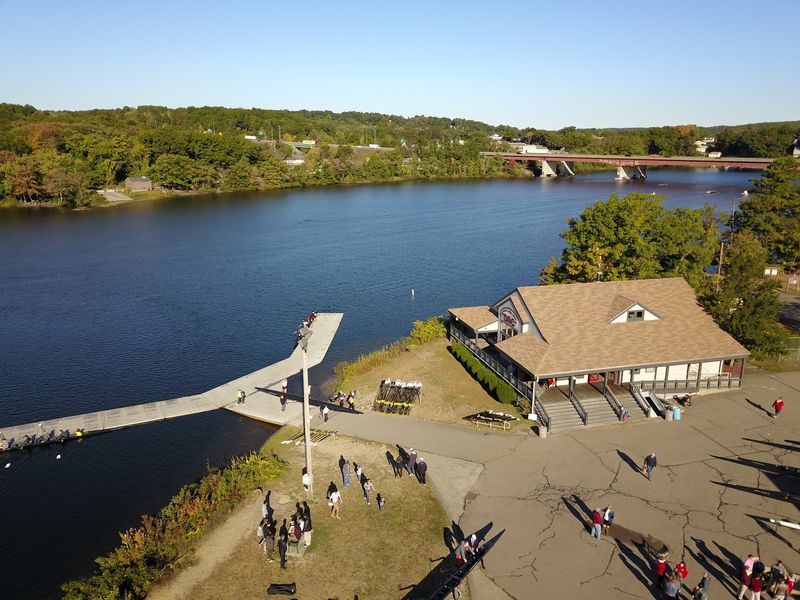
Shrewsbury already feels more substantial than many of the towns surrounding Worcester, and its growth is still continuing.
It is the most populous town in the Greater Worcester area, with easy access to jobs, hospitals, schools, and major employment centers nearby. Those advantages have helped keep demand for housing strong.
The population reached an estimated 39,627 in 2025, compared with a 2020 base of 38,321. That represents growth of about 3.4 percent and more than 1,300 additional residents in just five years.
Unlike many smaller communities, Shrewsbury already allows multifamily housing in several parts of town.
Local planning documents say that has contributed to a more varied housing supply, while new construction and redevelopment have continued alongside population growth.
Town officials are also looking for more opportunities to add mixed use and multifamily development, including possible projects on municipally owned land. Affordable housing and senior housing remain part of those discussions as demand continues.
Shrewsbury is not suddenly becoming a growth town. It has been one for years. What makes it notable now is that an already large community is still finding room to add residents and housing.
8. Millbury
Millbury’s growth makes more sense the moment you look at a map. Route 146 and the Massachusetts Turnpike meet right beside town, while Worcester sits just to the north.
That combination has made Millbury increasingly attractive to people who want more space without giving up quick access to jobs, shopping, and major highways.
The population has responded. Millbury had about 13,830 residents in 2020, and that figure climbed to roughly 14,276 by 2025.
That is growth of about 3.2 percent in only five years, adding more than 400 residents to the community.
Housing patterns have been shifting for much longer. Residential development now covers a much larger share of town than it did decades ago, and single family homes continue to shape many neighborhoods.
Millbury is also preparing for more housing variety.
New zoning along part of the Route 146 corridor allows additional multifamily development, while areas such as Bramanville and North Main Street could see denser housing and mixed use projects in the future.
9. Leicester
Leicester is showing that growth does not have to look dramatic to matter. The town had about 11,096 residents at the start of the decade, and the latest estimate puts the population at roughly 11,428.
That is an increase of about 3 percent, which is faster than Massachusetts overall during the same period.
What makes Leicester interesting is how carefully it is approaching the next stage. For years, the town favored slow, manageable development, but current planning recognizes that more housing will be needed as the population changes.
Several parts of town are already being considered for future growth.
The Route 9 corridor could support more mixed use and multifamily development, while areas near Route 56 may be suitable for moderate density housing alongside new businesses.
Existing villages such as Cherry Valley, Rochdale, and the Town Center are also being viewed as places where additional homes could fit without pushing development too far into open land.
That approach gives Leicester a different growth story than some nearby towns. The population is rising, but the goal is not simply to build everywhere.
Leicester is trying to add housing where roads, services, and established neighborhoods already exist while protecting the small town feel residents still value.
10. Holden
Holden has been adding residents steadily, but the latest increase shows that demand has not slowed much. The population climbed from about 19,944 in 2020 to an estimated 20,526 in 2025.
That is growth of roughly 2.9 percent, pushing the town past the 20,000 resident mark.
Part of Holden’s appeal comes from its position just north of Worcester. Residents can reach the city quickly while still living among quieter neighborhoods, wooded roads, and larger residential lots.
That combination has made the town especially attractive to households looking for more space without moving too far from major employers and services.
Holden is also preparing for continued housing demand. Zoning changes have opened the door to more multifamily and mixed use development, while cluster style projects can add homes without consuming every available acre.
The redevelopment of older properties is playing a role as well, including plans that have brought new residential units to existing sites.
Even with more development, preserving open space remains a major priority. Holden has deliberately paired growth policies with land conservation measures, giving developers incentives to leave portions of larger properties undeveloped.