
These Oregon High Desert Towns Remain A Well-Kept Secret
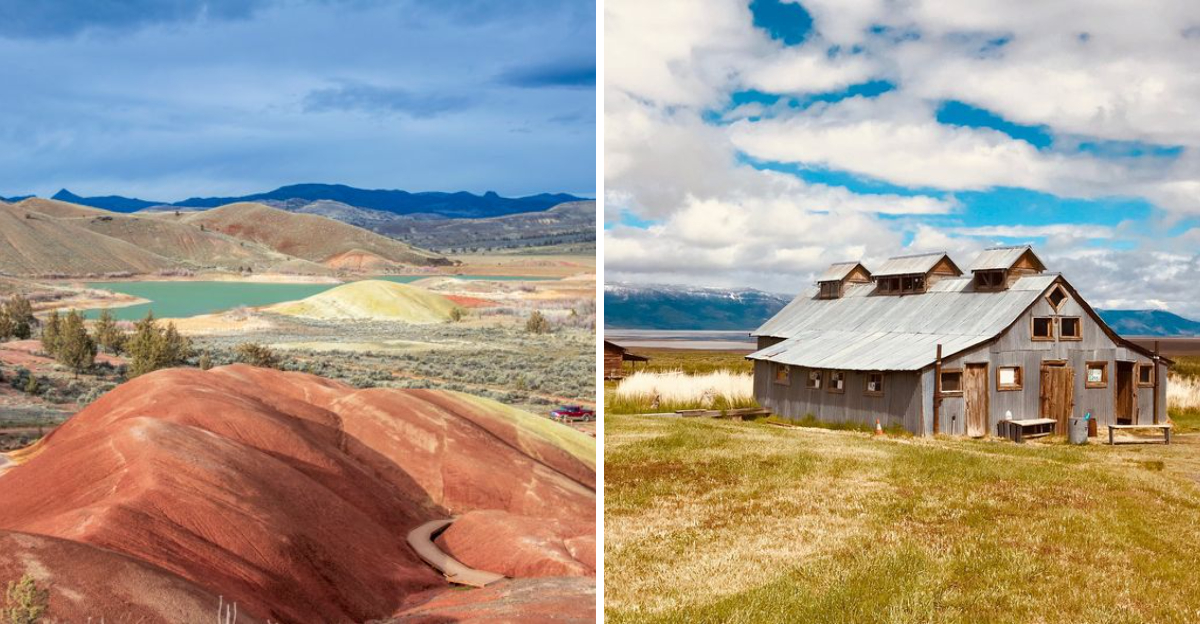
Silence hits differently in Oregon’s high desert, and that’s part of the magic. Beyond the well-worn routes to the coast and Portland, wide skies, sagebrush, and juniper-scented air define a quieter world.
Out here, nights feel endless, and small towns seem to move at their own pace. After years of wandering these overlooked corners, I’ve found places that feel untouched by time and ready to be noticed.
1. Redmond
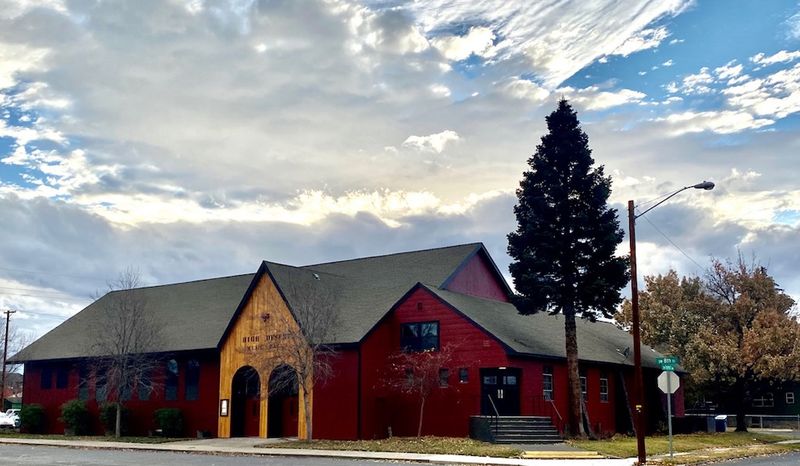
Right at the crossroads of adventure, Redmond surprises visitors who expect nothing more than a quick airport stop. This town has transformed itself into something special without losing its authentic high desert charm.
You’ll find rock climbing spots that locals guard like treasure maps and breweries serving craft beer that tastes better after a day exploring Smith Rock.
The downtown area has this refreshing lack of pretension that makes you want to stick around. Coffee shops serve actual strong coffee, not Instagram props.
Antique stores overflow with genuine finds instead of overpriced vintage.
What really sets Redmond apart is its position as a launching pad for outdoor adventures without the crowds crushing Bend. Mountain biking trails wind through juniper forests where you might ride for hours without seeing another soul.
The Deschutes River cuts through the landscape nearby, offering fishing spots that feel wonderfully remote.
Locals will tell you Redmond keeps things real while neighboring towns chase tourism dollars. That authenticity shows in family-owned restaurants serving massive portions and hardware stores where staff actually know what they’re talking about.
Summer brings rodeos that pack the fairgrounds with genuine cowboy culture, not some manufactured Western theme park experience.
2. Prineville
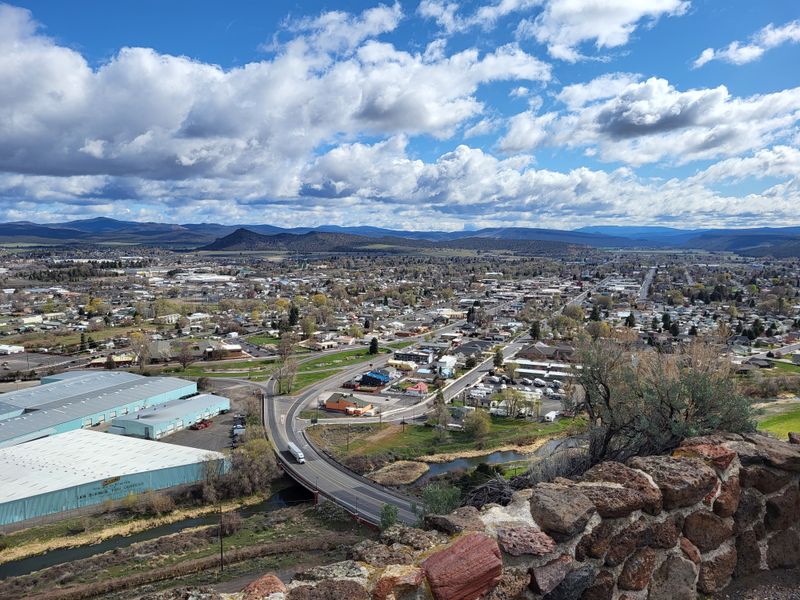
Cowboys still ride through Prineville, and I mean that literally. This town earned its reputation as Oregon’s original cowboy capital, and it wears that badge with authentic pride.
Main Street looks like it could host a Western film shoot without changing a single storefront, but people actually live and work here.
The Ochoco Mountains rise up behind town like protective guardians, hiding incredible rockhounding locations where you can pocket thundereggs and agates. Prineville Reservoir State Park spreads out to the south, offering water activities that feel miles away from civilization.
Camping there means waking up to complete silence except for birds and wind.
What strikes me most about Prineville is how it functions as a genuine working town rather than a tourist destination. Ranchers grab breakfast at diners before heading out to check cattle.
The local museum showcases actual history instead of sanitized stories, including some pretty wild tales from frontier days.
Summer temperatures soar here, but that just means locals know every swimming hole worth finding. The Les Schwab Tire Center started in this town, which tells you something about the entrepreneurial spirit baked into the community.
Drive twenty minutes in any direction and you’ll discover ghost towns, abandoned homesteads, and landscapes that haven’t changed in centuries.
3. Bend
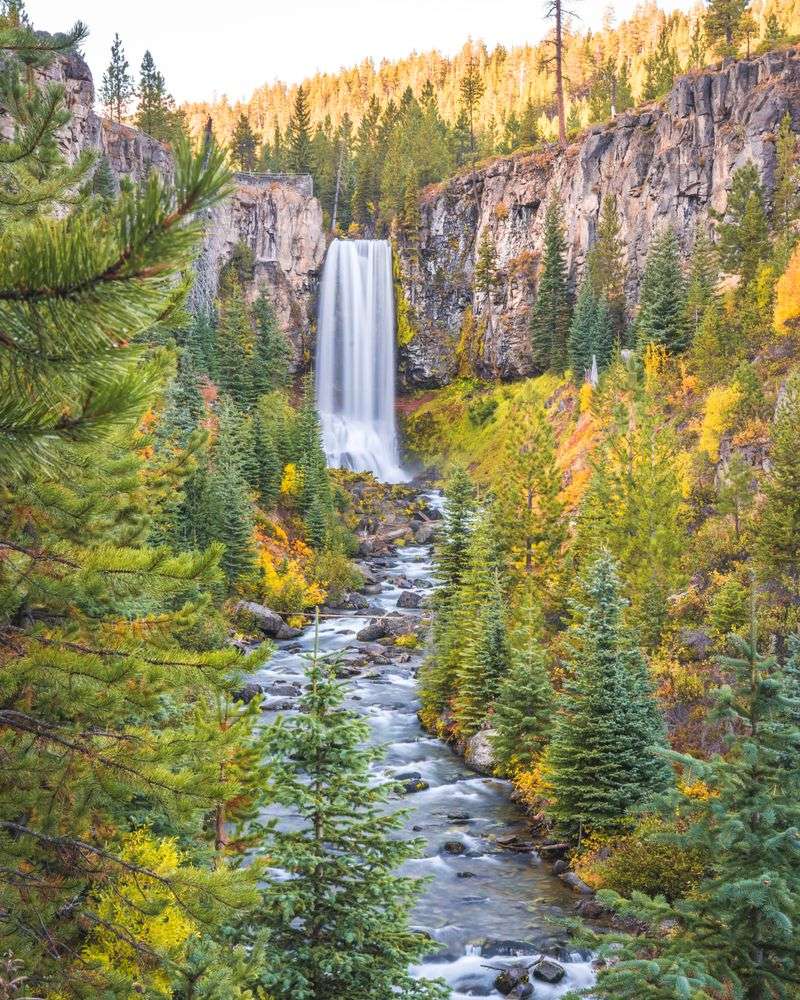
Okay, Bend isn’t exactly unknown anymore, but hear me out. Beyond the brewery tours and resort crowds, there’s still a secret Bend that longtime residents cherish.
You just need to know where to look and when to go.
Early mornings reveal the town before tourists wake up. The Deschutes River Trail becomes your private pathway through ponderosa pines.
Coffee tastes better when you’re the only customer watching the sunrise paint the Cascades pink and gold.
The real secret is exploring Bend’s edges rather than its center. Pilot Butte offers sunset views that make you understand why people move here and never leave.
The Old Mill District has history beyond shopping if you know the stories about lumber mills and economic transformation. Lava caves and tube systems riddle the landscape around town, offering underground adventures that stay cool even during scorching August days.
Winter transforms Bend into something entirely different. Mount Bachelor dumps snow while town stays relatively clear, creating this perfect base camp situation.
Locals hit the slopes midweek when lift lines disappear, then return to hot springs that remain wonderfully uncrowded.
Food trucks parked in unexpected locations serve incredible meals that rival fancy restaurants. The climbing gym culture runs deep here, creating a community that actually talks to strangers and shares beta freely.
4. Ontario
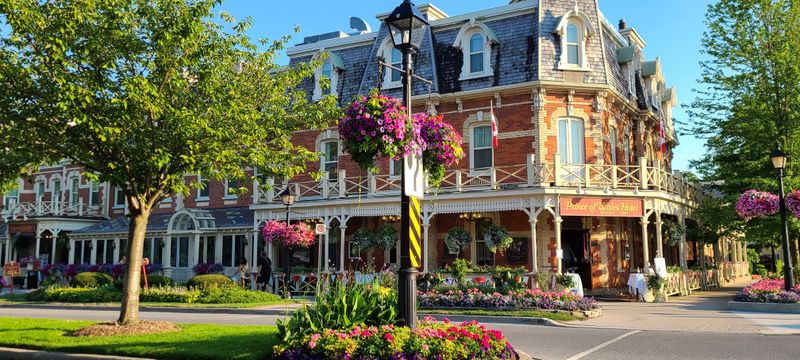
Sitting right on the Idaho border, Ontario gets overlooked by travelers rushing between Boise and points west. That oversight is their loss and your gain.
This agricultural hub pulses with genuine working-town energy that feels refreshing after visiting places that exist solely for tourism.
The Snake River carves through the landscape nearby, creating green corridors through otherwise arid terrain. Ontario’s Japanese heritage adds unexpected cultural depth, with gardens and community events celebrating the area’s history.
Four Rivers Cultural Center tells stories that most Oregon history books skip over completely.
What surprises people most is the food scene. Basque restaurants serve family-style meals that could feed small armies.
Mexican food here rivals anything you’ll find in larger cities, thanks to the agricultural community that keeps traditions alive. Local produce stands overflow during summer with onions, potatoes, and vegetables grown in rich volcanic soil.
Ontario sits in a unique time zone situation that confuses visitors but makes perfect sense to locals. The high desert climate means hot summers and cold winters with very little between.
That extreme weather creates hardy people who actually wave at strangers and stop to help with flat tires.
Fishing the Snake River or exploring nearby Leslie Gulch reveals landscapes that look more like Utah than Oregon. Red rock formations and sagebrush stretch forever under impossibly blue skies.
5. Diamond
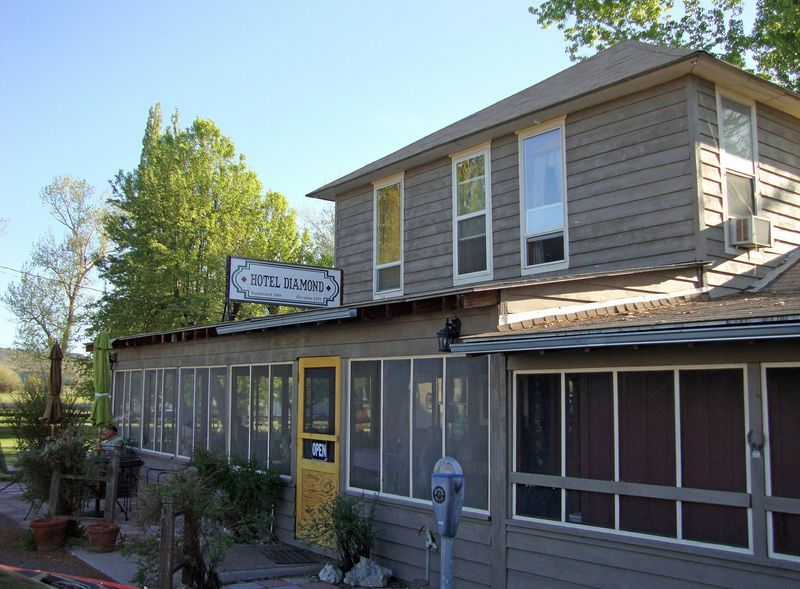
Population fluctuates between five and twelve depending on who’s counting and what season you visit. Diamond makes other small towns look like bustling metropolises.
This is Oregon’s high desert distilled to its absolute essence, a place where silence becomes something you can almost touch.
The Diamond Hotel serves as the community’s beating heart, offering meals and lodging in a building that’s witnessed over a century of high desert life. Sitting at the bar means hearing stories from ranchers who manage spreads larger than some East Coast cities.
The crackling fireplace and worn wooden floors tell their own tales.
Malheur National Wildlife Refuge spreads out nearby, attracting bird watchers from around the world during migration seasons. Thousands of birds descend on wetlands that seem impossibly out of place in this arid landscape.
Seeing snow geese fill the sky in waves creates memories that stick with you forever.
Diamond sits at the intersection of nowhere and everywhere, surrounded by mountains that change color throughout the day. Steens Mountain looms to the south, offering alpine environments just an hour’s drive from desert sagebrush.
Summer brings wildflowers that carpet meadows in unexpected riots of color.
Cell service doesn’t exist here, which locals consider a feature rather than a bug. Stars at night shine so bright you can read by their light.
The Milky Way stretches overhead like a cosmic river.
6. Paisley
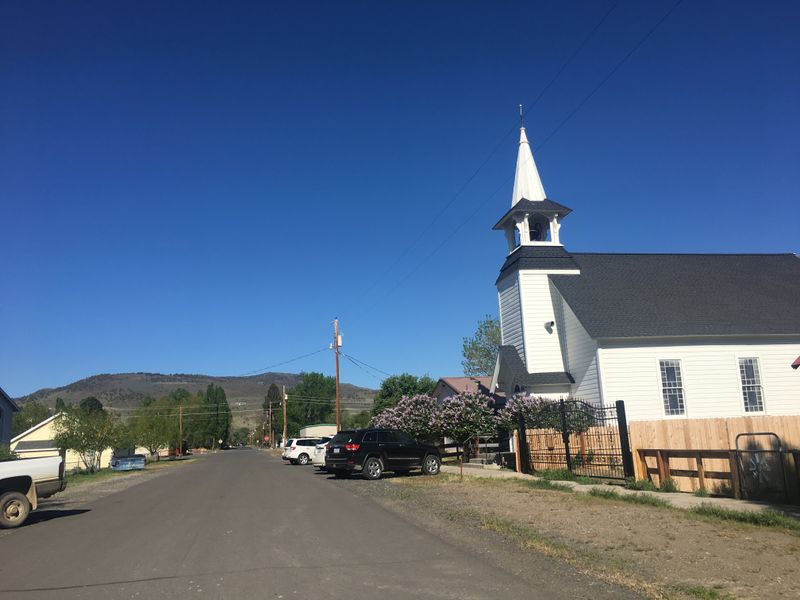
Blink and you’ll miss Paisley, which would be a shame because this tiny town holds genuine character. The Chewaucan River flows right through the middle, creating a green ribbon that supports cottonwoods and willows in stark contrast to surrounding sagebrush.
Locals pronounce it PAYZ-lee, and correcting that pronunciation marks you as an outsider immediately.
Summer Lake Hot Springs sits just north of town, offering soaking pools that have drawn visitors since pioneer days. The water bubbles up naturally at perfect temperatures, and the stargazing from those pools ranks among Oregon’s best.
Clothing-optional areas exist for those comfortable with that, while family-friendly pools accommodate everyone else.
Paisley’s main claim to fame involves ancient human history. Some of the oldest dated human remains in North America came from nearby caves, proving people lived here over 14,000 years ago.
That deep history makes you think differently about the landscape.
The Mosquito Festival happens each summer, which sounds terrible but actually celebrates the town’s ability to laugh at itself. Locals embrace the bugs that come with living near wetlands, turning annoyance into community celebration.
Parade floats feature giant mosquito sculptures and costumes that would confuse anyone stumbling upon the event.
Ranching dominates the economy here, with hay fields stretching toward distant mountains. The pace of life moves at cattle speed, which means you’ll actually have time to think and breathe.
7. Fort Rock
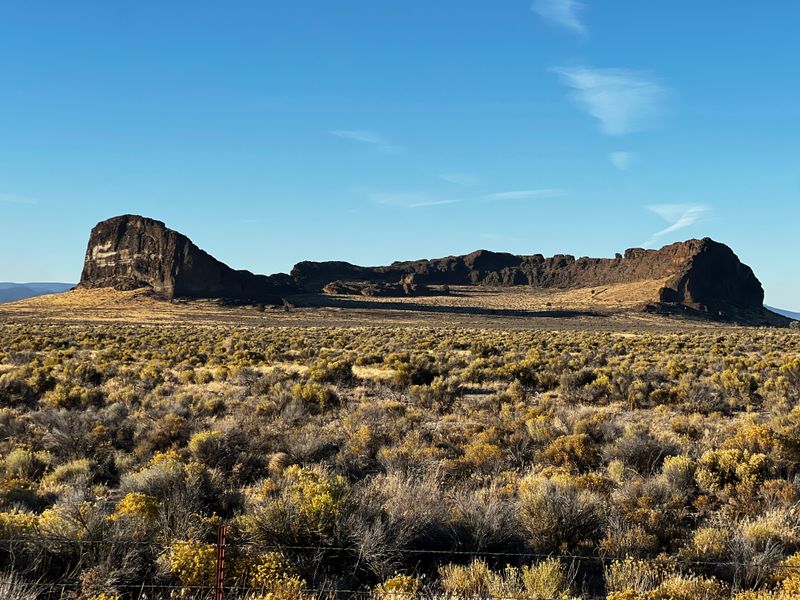
A massive volcanic ring rises from flat desert like something from another planet. Fort Rock the formation gives the tiny community its name and its reason for existing.
Early settlers saw this natural fortress and imagined safety in a harsh landscape. Today it’s a state park that draws geology enthusiasts and anyone who appreciates landscapes that look completely alien.
The town itself barely registers on most maps, with a population that hovers around sixty people. Homesteader cabins dot the area, slowly returning to dust and sagebrush.
Walking among these abandoned dreams creates a haunting connection to pioneers who tried farming this unforgiving land.
Fort Rock Cave provided shelter for ancient peoples thousands of years ago. Archaeologists discovered sandals woven from sagebrush bark that dated back over 9,000 years.
Holding that knowledge while standing in the same spot where those ancient people stood creates a powerful sense of continuity.
The Christmas Valley area spreads out nearby, featuring sand dunes that seem impossible this far from any ocean. Lost Forest grows in the middle of this desert, a stand of ponderosa pines that shouldn’t exist according to rainfall patterns.
Scientists still debate how these trees survive with so little water.
Visiting Fort Rock means embracing isolation and finding beauty in emptiness. The night sky here offers darkness so complete that satellites look like moving stars.
Coyotes sing at dusk while antelope watch from safe distances.
8. Summer Lake
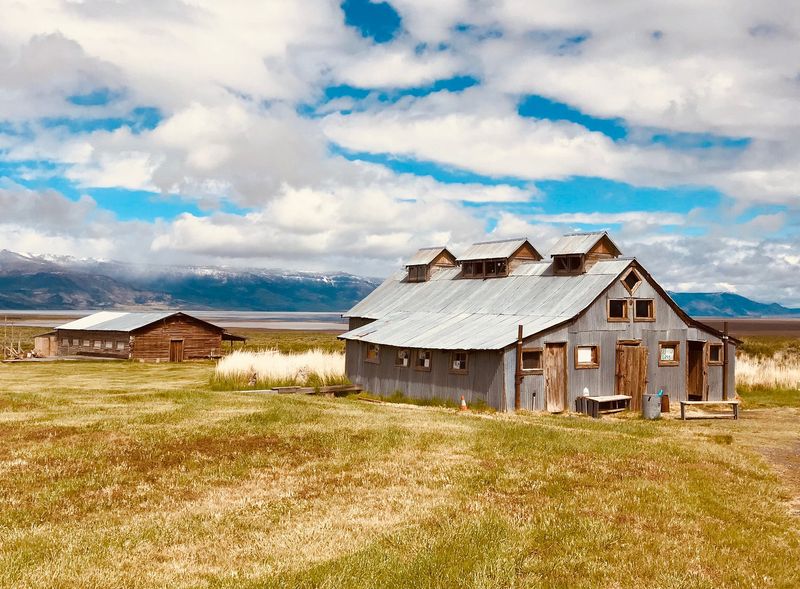
Summer Lake stretches across the valley floor like a mirage, its shallow waters reflecting mountains and sky in equal measure. The lake itself comes and goes depending on snowpack and rainfall, sometimes expanding to cover thousands of acres, other times shrinking to barely a puddle.
That variability creates habitat for millions of migratory birds that stop here during spring and fall journeys.
Summer Lake Hot Springs offers rustic soaking in a setting that feels wonderfully removed from modern life. Small cabins and a bathhouse provide basic amenities while focusing attention on the springs themselves.
The water emerges hot enough to require cooling pools, and the minerals leave your skin feeling soft for days.
Ana River springs forth fully formed from underground sources, creating a crystal-clear stream that flows year-round. Fly fishing here means sight-casting to trout visible in gin-clear water.
The river maintains constant temperature even during winter, creating ice-free fishing when other waters freeze solid.
The valley’s geology tells stories of ancient Lake Chewaucan, which once covered this entire basin to depths of 375 feet. Wave-cut terraces mark old shorelines on surrounding mountains, visible evidence of dramatically different climate conditions.
Rockhounds find obsidian and other volcanic glass scattered across the landscape.
Summer Lake Wildlife Area provides viewing platforms for watching birds without disturbing their feeding and resting. Sandhill cranes, pelicans, and dozens of duck species create a cacophony of calls during peak migration.
9. Paulina
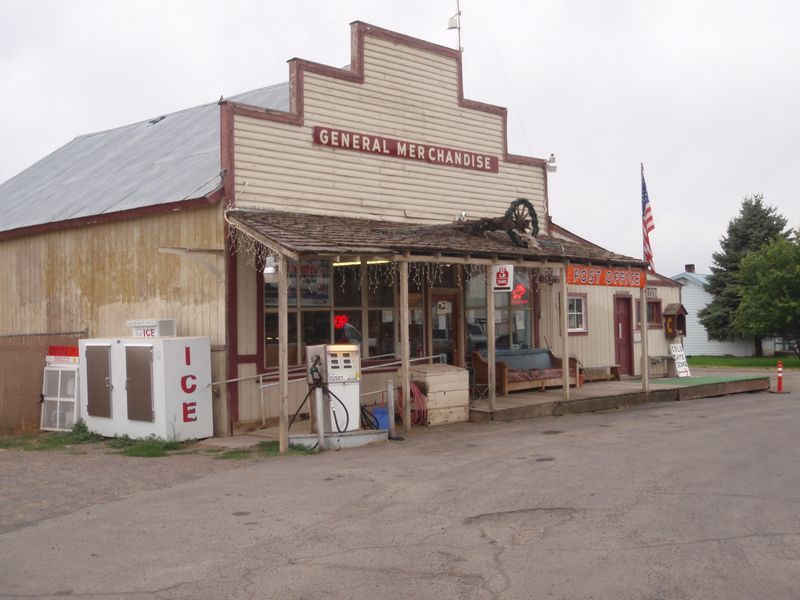
Ranching defines Paulina’s existence, with cattle outnumbering people by ratios that would shock city dwellers. This community knows itself completely, comfortable with isolation and proud of its working heritage.
The general store serves as social hub, post office, and news exchange all rolled into one weathered building.
Paulina sits in the shadow of its namesake mountains, which offer completely different ecosystems just a short drive from town. Pine forests and meadows replace sagebrush as elevation increases.
The town itself occupies that transitional zone where high desert meets mountain foothills.
What strikes visitors is how genuinely friendly people are here. Wave at passing trucks and they’ll wave back every single time.
Stop for directions and you’ll end up hearing life stories and getting invited to dinner. That hospitality comes from living in a place where neighbors matter because they might be your only help during emergencies.
The rodeo grounds see serious use during summer, hosting events that draw competitors from across the region. These aren’t tourist shows but genuine tests of ranching skills that locals take seriously.
Watching bronc riding or team roping here means seeing actual working cowboys demonstrate their craft.
Winter brings serious snow to Paulina, sometimes isolating the town for days at a time. Residents prepare for that reality with stocked pantries and reliable woodstoves.
That self-sufficiency creates a culture distinctly different from places dependent on constant connectivity and convenience.
10. Mitchell
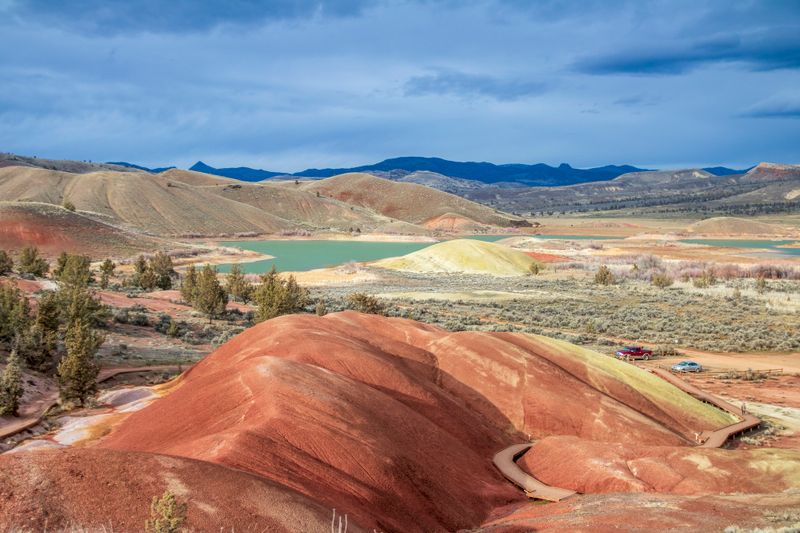
Wheeler County’s tiny seat sits along Bridge Creek surrounded by landscapes that photographs cannot adequately capture. Mitchell serves as gateway to the Painted Hills, those impossibly colorful formations that look Photoshopped even in person.
The town itself maintains an authentic Western character that bigger places lost decades ago.
The Oregon Hotel anchors downtown, serving meals that taste like someone’s grandmother cooked them with care and generous portions. Locals gather here for breakfast, discussing weather, cattle prices, and the occasional bit of gossip.
The dining room’s walls display historical photos showing how little the town has changed over a century.
Fossil hunting in surrounding hills yields specimens from when this area sat beneath tropical seas. Ancient plants, shells, and occasionally more dramatic finds emerge from claystone layers.
The John Day Fossil Beds National Monument spreads across the region, protecting some of the world’s most complete fossil records.
Mitchell’s population hovers around 130 people who all seem to know each other’s business. That tight-knit community creates both comfort and occasional claustrophobia, depending on your personality.
Summer brings motorcycle tourists riding scenic byways, briefly doubling the population before they move on.
The Painted Hills Unit sits just outside town, offering hiking trails through landscapes that shift color throughout the day. Late afternoon light turns the hills into glowing bands of red, gold, and black.
Wildflowers bloom in spring, adding unexpected greens and yellows to the palette.