
These Secret Arizona Desert Towns Are Still Flying Under The Radar
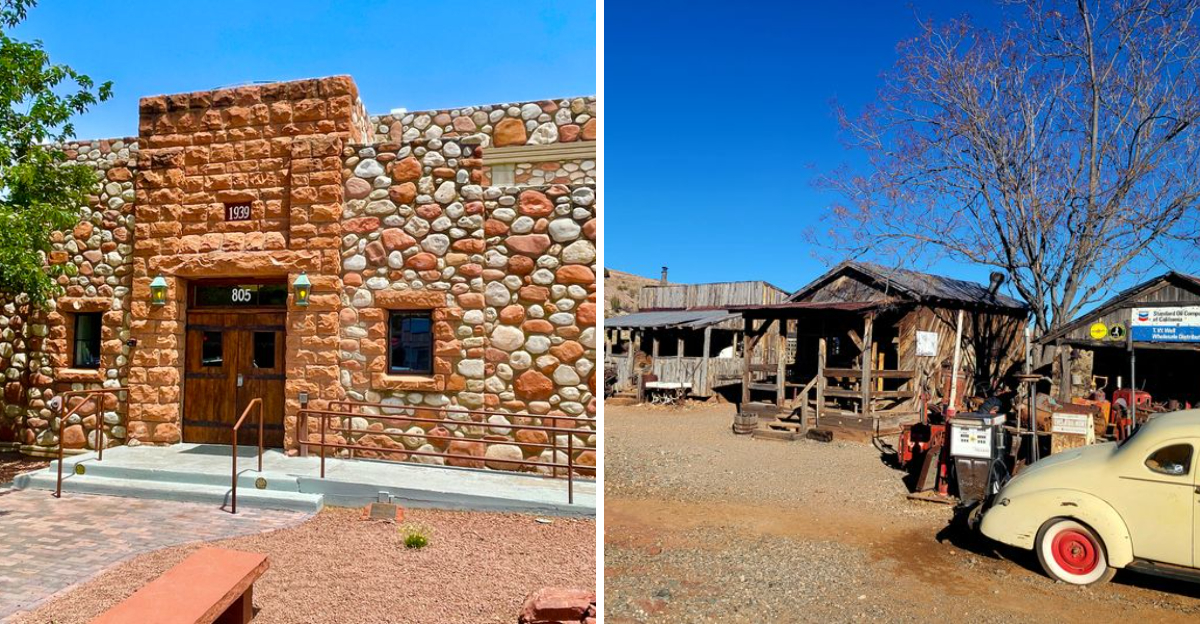
Arizona’s desert landscape hides more than just cacti and canyon views.
Scattered across the state, small towns offer authentic experiences far from the tourist crowds flooding Sedona and Scottsdale.
These hidden gems preserve old mining histories, artistic communities, and stunning natural beauty that most travelers never discover.
Ready to explore Arizona’s best-kept secrets?
1. Patagonia
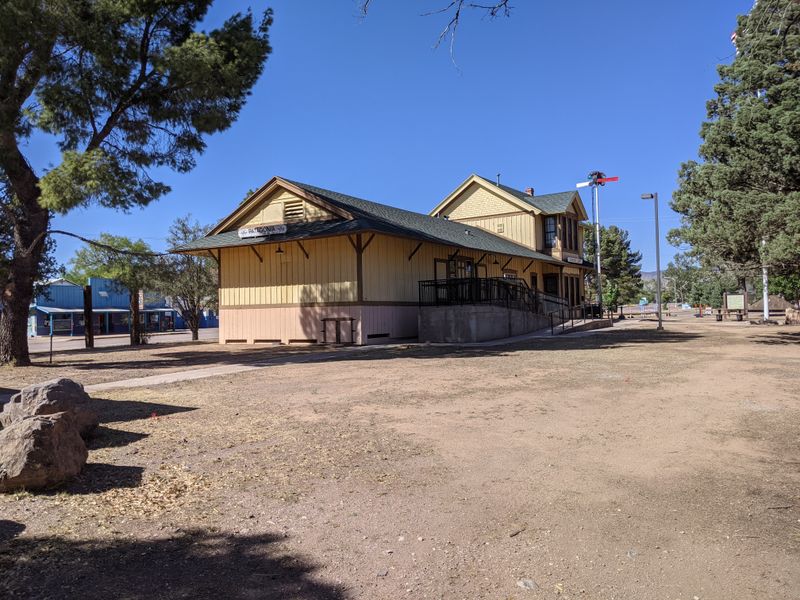
Birdwatchers from around the globe whisper about Patagonia like it’s their own private paradise.
Nestled in the Patagonia Mountains near the Mexican border, this tiny town of fewer than 900 residents offers some of the best birding in North America.
The nearby Patagonia-Sonoita Creek Preserve attracts over 300 species, including rare elegant trogons and thick-billed kingbirds.
Beyond birds, Patagonia’s rolling grasslands and oak-dotted hills create scenery that feels more like Tuscany than typical Arizona desert.
Main Street features quirky shops, cozy cafes, and the beloved Gathering Grounds coffee shop where locals swap stories.
Patagonia Lake State Park offers fishing, camping, and swimming just minutes away.
The town’s artistic community hosts gallery walks and live music events throughout the year.
Temperatures stay cooler here than in Phoenix, making it a refreshing escape from Arizona’s brutal summer heat.
2. Tubac
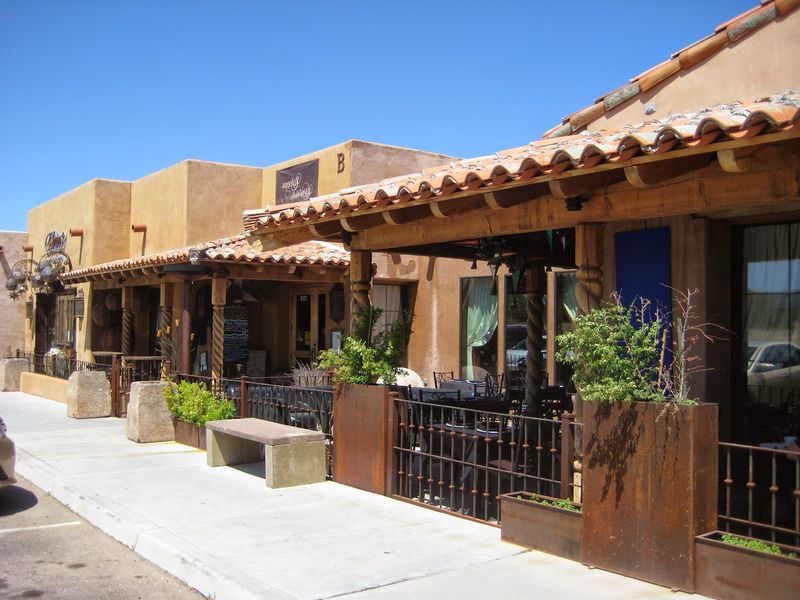
Walking through Tubac feels like stepping into an artist’s daydream come to life.
This charming village sits just 45 miles south of Tucson and buzzes with creative energy from over 100 galleries, studios, and shops.
Founded in 1752 as a Spanish presidio, it’s actually Arizona’s oldest European settlement.
Local artisans craft everything from handblown glass to intricate jewelry, and you can watch many of them work right in their studios.
The Tubac Presidio State Historic Park tells fascinating stories about the area’s Spanish colonial past.
October brings the famous Tubac Festival of the Arts, drawing artists from across the country.
But honestly, any time of year offers peaceful desert walks along the Santa Cruz River and incredible Mexican food at family-owned restaurants.
The town’s laid-back vibe makes you want to slow down and savor every moment.
3. Ajo
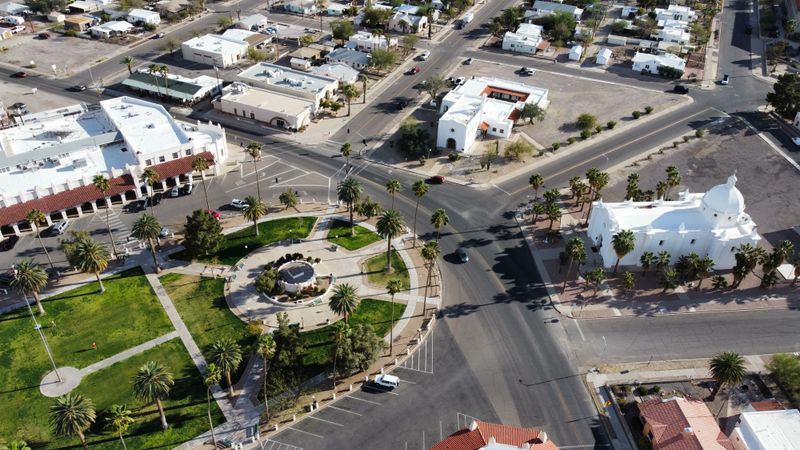
Ajo’s massive open-pit copper mine once powered this remote town’s economy, but today it pulses with artistic revival and quirky desert charm.
Located just 40 miles from the Mexican border and surrounded by the vast Sonoran Desert, Ajo feels wonderfully isolated from modern chaos.
The town plaza, designed in Spanish colonial style, centers around a gleaming white church and manicured gardens.
Artists and retirees have transformed abandoned buildings into galleries, studios, and the fascinating Ajo Historical Society Museum.
Organ Pipe Cactus National Monument sits right next door, offering spectacular hiking through forests of rare organ pipe cacti found nowhere else in the United States.
Winter months bring perfect weather for exploring, while summers get seriously hot.
The International Sonoran Desert Alliance runs fascinating tours about the area’s ecology and history.
Local restaurants serve authentic Sonoran cuisine that’ll make your taste buds dance.
4. Willcox
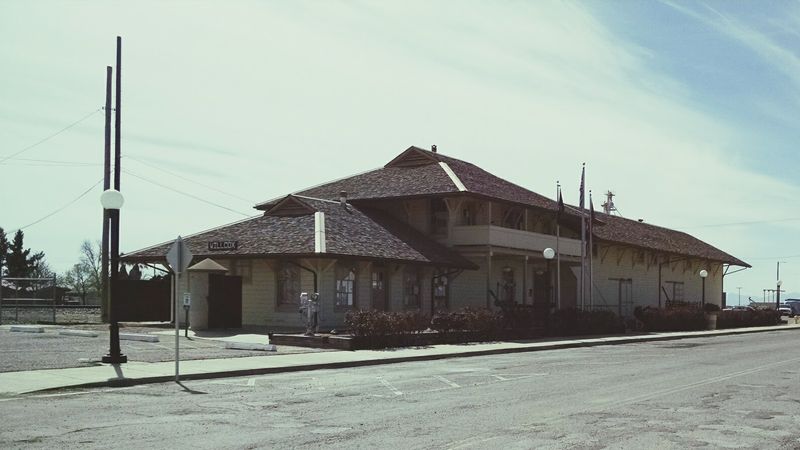
Cowboys still ride through Willcox, and that’s no exaggeration.
This southeastern Arizona town celebrates its ranching heritage proudly, hosting rodeos, cattle auctions, and the legendary Rex Allen Days festival each October.
Surrounded by working ranches and pecan orchards, Willcox sits in the Sulphur Springs Valley with stunning mountain views in every direction.
Wine enthusiasts discover award-winning vineyards throughout the region, with tasting rooms offering samples of surprisingly excellent Arizona wines.
The nearby Chiricahua National Monument features bizarre rock formations called hoodoos that look like a giant’s stone forest.
Willcox also serves as a gateway to incredible birdwatching sites, including Whitewater Draw, where thousands of sandhill cranes winter each year.
Downtown’s historic buildings house antique shops and local eateries serving massive portions.
The area’s dark skies make stargazing absolutely spectacular on clear desert nights.
5. Camp Verde
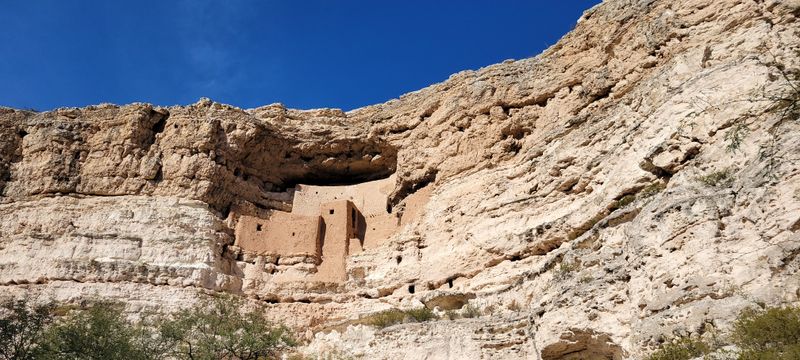
Ancient cliff dwellings hide in the limestone cliffs above Camp Verde, telling stories from 700 years ago.
Montezuma Castle National Monument preserves one of the best-preserved prehistoric structures in North America, a five-story dwelling built by the Sinagua people.
The Verde River flows through this valley, creating a green ribbon through otherwise arid landscape.
Fort Verde State Historic Park recreates frontier military life from the 1870s with original buildings and fascinating exhibits.
Out of Africa Wildlife Park lets you get surprisingly close to lions, tigers, and other exotic animals during feeding tours.
The town itself maintains a small-town feel with local shops and family restaurants lining the main street.
Nearby Montezuma Well, a limestone sinkhole filled with spring water, creates a unique desert oasis ecosystem.
Camp Verde’s central location makes it easy to explore Sedona, Prescott, and Flagstaff as day trips.
6. Cottonwood
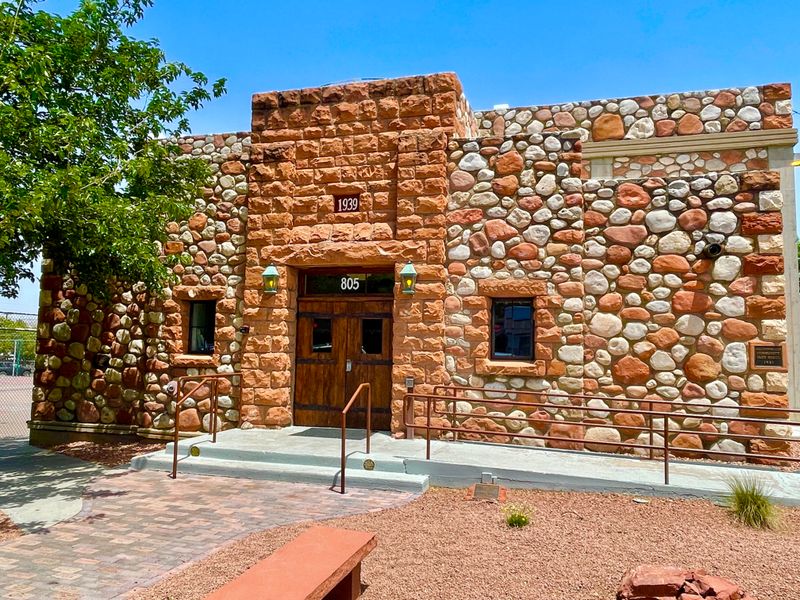
Cottonwood’s Old Town district oozes character with vintage storefronts, wine tasting rooms, and restaurants tucked into historic buildings.
Situated in the Verde Valley between Sedona and Jerome, this town offers a more authentic, affordable alternative to its famous neighbors.
The Verde River provides year-round flowing water, rare in Arizona, creating lush riparian habitat perfect for kayaking and tubing.
Over a dozen wineries and tasting rooms dot the area, making Cottonwood the heart of Arizona’s emerging wine country.
Dead Horse Ranch State Park offers camping, fishing, hiking, and some of the best birdwatching in central Arizona.
Monthly art walks showcase local artists and musicians, creating a vibrant community atmosphere.
The town’s elevation keeps temperatures more moderate than lower desert areas, making summers bearable.
Antique shops, boutiques, and the historic Clemenceau Heritage Museum provide plenty of afternoon exploration opportunities.
7. Sasabe
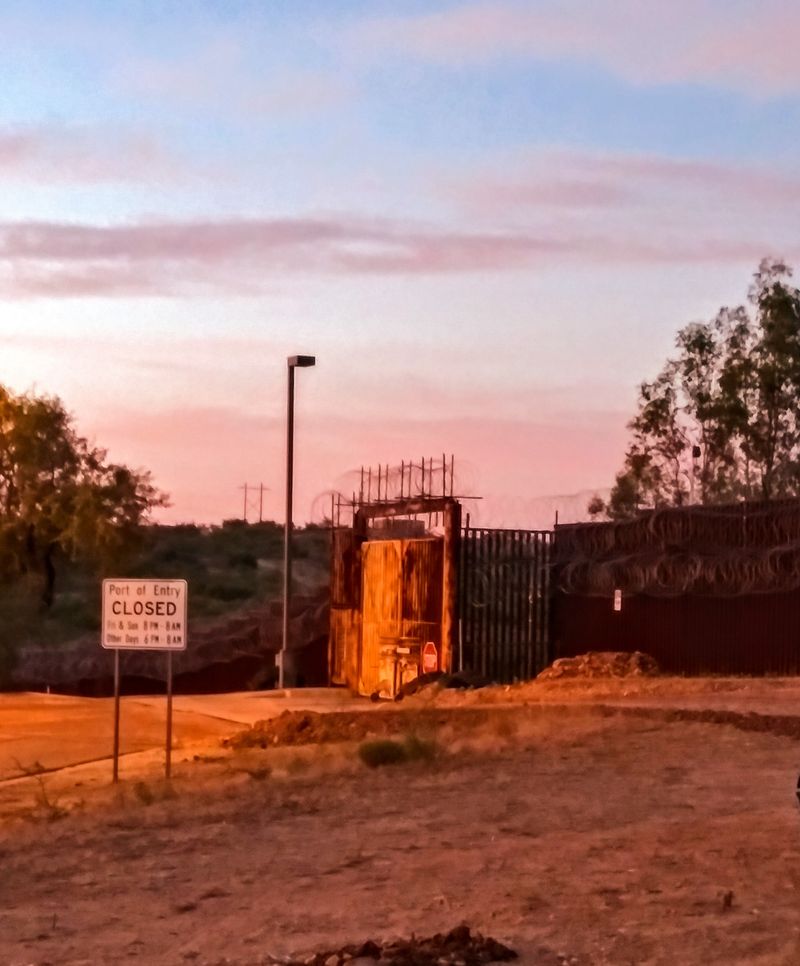
Sasabe might be Arizona’s most remote and mysterious town, sitting right on the Mexican border with barely 30 residents.
Getting here requires driving miles of dirt roads through the Buenos Aires National Wildlife Refuge, where pronghorn antelope outnumber people.
The landscape feels untouched and wild, with endless grasslands rolling toward distant mountain ranges.
This tiny border crossing sees little traffic compared to busier ports of entry, giving Sasabe an end-of-the-world atmosphere.
The Buenos Aires refuge protects over 118,000 acres of pristine Sonoran Desert grassland, offering exceptional wildlife viewing and photography opportunities.
Visitors come specifically for solitude, dark night skies, and the chance to experience Arizona’s frontier character.
There’s no gas station, no restaurants, and definitely no tourist infrastructure.
Bring everything you need, respect the isolation, and you’ll discover what Arizona looked like a century ago.
8. Bouse
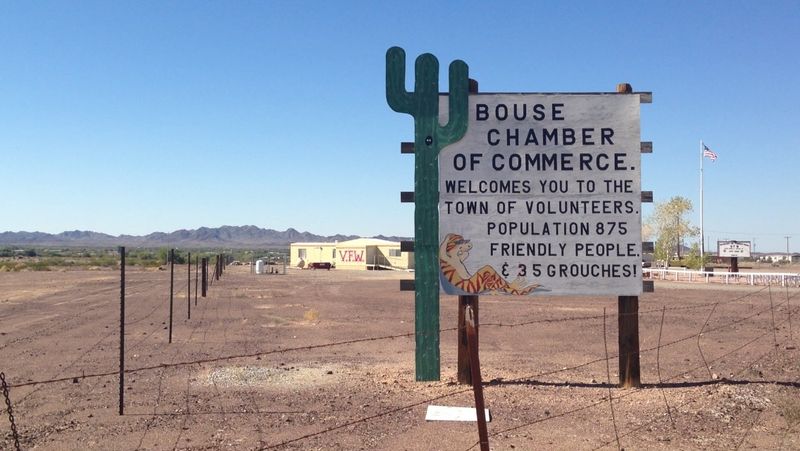
Bouse barely registers on most maps, but this tiny western Arizona community charms visitors with genuine desert hospitality.
Founded by miners in the late 1800s, Bouse now serves as a quiet retirement community and winter haven for snowbirds escaping northern cold.
The surrounding desert features classic Sonoran vegetation with towering saguaros, colorful wildflowers after winter rains, and rugged mountain backdrops.
Bouse Fisherman Access on the Colorado River provides excellent fishing, boating, and camping opportunities about 30 miles west.
The town’s annual Chili Cook-Off draws locals and visitors for friendly competition and community bonding.
Nearby ghost towns and abandoned mines offer fascinating exploration for history buffs and adventurers.
The area’s extreme remoteness means zero light pollution, creating spectacular stargazing conditions every clear night.
Summer temperatures regularly exceed 110 degrees, so plan visits between October and April for comfortable weather.
9. Bisbee
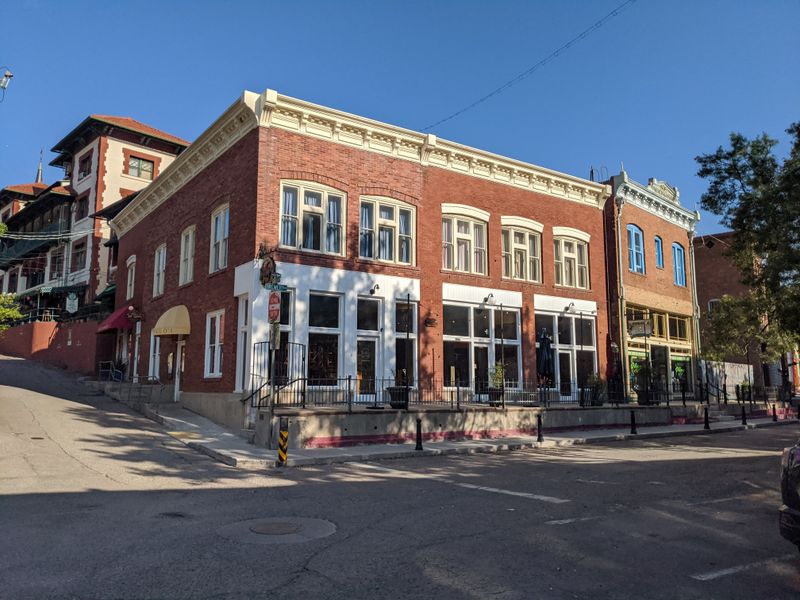
Bisbee clings to steep hillsides in the Mule Mountains, its colorful Victorian houses stacked like a Mediterranean village.
Once known as the “Queen of the Copper Camps,” this former mining town has transformed into an artistic haven filled with galleries, quirky shops, and independent coffee houses.
The main street winds through Brewery Gulch, where saloons once outnumbered churches twenty to one.
Underground mine tours take you 1,500 feet into the Copper Queen Mine, where guides share stories about the miners who worked in darkness.
Bisbee’s eccentric population embraces creativity, hosting art walks, poetry readings, and the wonderfully weird Bisbee 1000 stair climb race.
Victorian-era buildings house unique accommodations, from the historic Copper Queen Hotel to charming bed-and-breakfasts.
The town’s mile-high elevation keeps temperatures cooler than lower deserts.
Wandering Bisbee’s narrow streets feels like discovering a secret that Arizona locals have been keeping to themselves.
10. Jerome
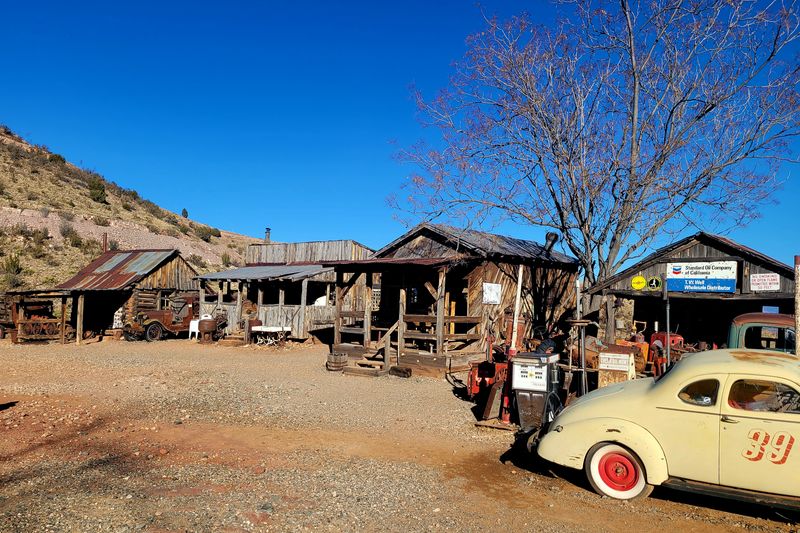
Perched impossibly on Cleopatra Hill at 5,000 feet elevation, Jerome defies gravity and expectations.
This former copper mining town earned the nickname “Wickedest Town in the West” during its wild boom years when miners, gamblers, and ladies of the night crowded its streets.
Today, Jerome thrives as a National Historic Landmark filled with artists, craftspeople, and free spirits who’ve breathed new life into old buildings.
Galleries showcase everything from contemporary paintings to handcrafted jewelry, while restaurants serve surprisingly sophisticated cuisine with panoramic Verde Valley views.
The Jerome State Historic Park, housed in a 1916 mansion, documents the town’s colorful mining history.
Ghost stories abound in this mountain community, with several buildings claiming resident spirits from mining days.
Steep streets and narrow switchbacks make driving an adventure, but the views stretch for miles across central Arizona.
Jerome’s artistic energy and dramatic setting make it unforgettable.