
These 10 Tennessee Towns Are Shrinking While Much Of The State Keeps Growing
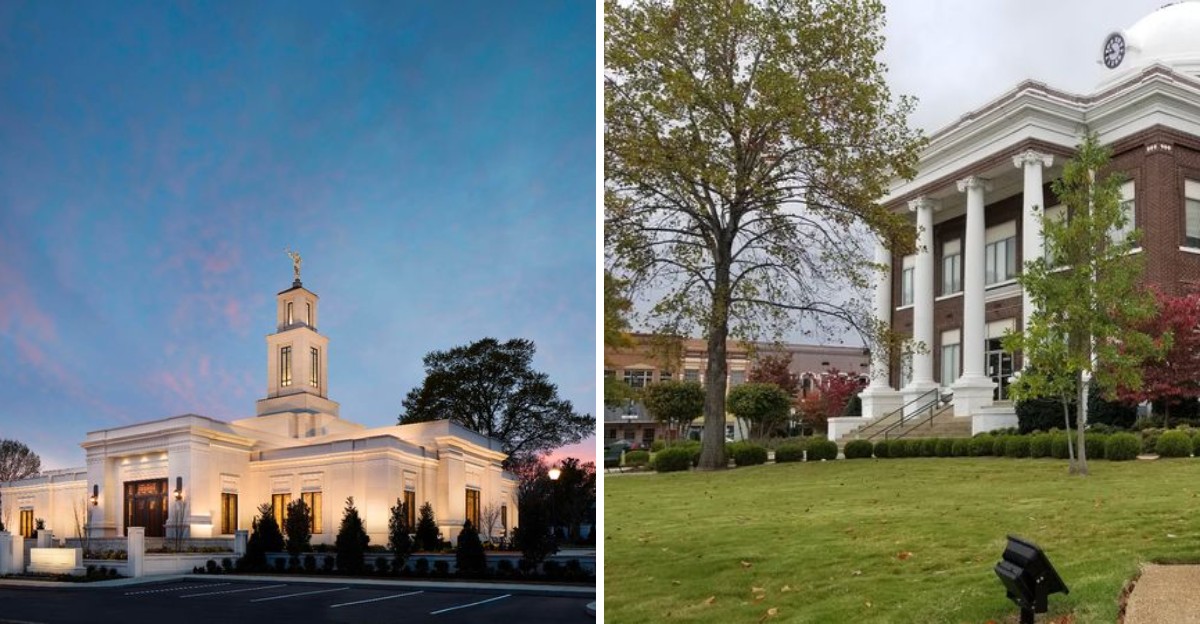
Tennessee keeps adding people, but not every town is sharing in that growth. In a few places, the population numbers are moving the opposite direction.
That makes these communities worth a closer look. Some have lost residents steadily since 2020, even as other parts of Tennessee have added new neighborhoods, businesses, and families.
The reasons can vary, but the contrast is hard to ignore.
What happens when a town starts shrinking while the rest of the state keeps expanding? You begin to see changes in schools, housing, local businesses, and the pace of everyday life.
The numbers do not tell the whole story, but they do reveal which places are heading in a different direction. These Tennessee towns stand out because their populations have slipped while much of the state continues to grow.
1. Brownsville
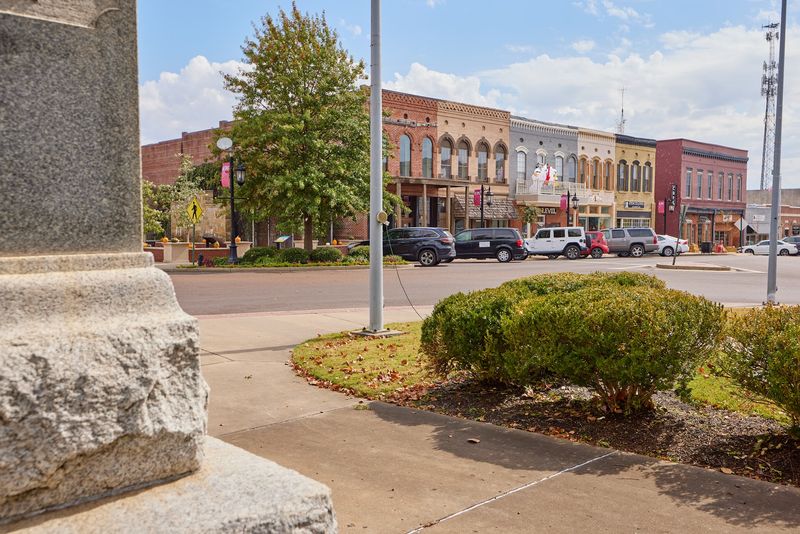
Brownsville has seen one of the sharpest population drops on this list. The town went from 9,914 residents in 2020 to an estimated 9,301 in 2025, a decline of about 6.2 percent.
That loss stands out even more because much of Tennessee has been growing during the same period. Brownsville still has a strong sense of identity, but the numbers show that fewer people are calling it home than just a few years ago.
The town remains closely tied to its musical past. Brownsville promotes itself as Soul Town Tennessee, and that history runs deep.
Tina Turner was born here, and the area has long connections to blues and soul music.
Downtown still gives visitors reasons to stop. Historic buildings line the square, and local restaurants and shops keep the center active.
The West Tennessee Delta Heritage Center adds another layer of local history, while the nearby Hatchie River and wildlife refuge offer a quieter side of the area.
Brownsville is far from empty, but its recent population decline is hard to ignore. In a state where many communities are gaining residents, this West Tennessee town is moving in the opposite direction.
2. Ripley
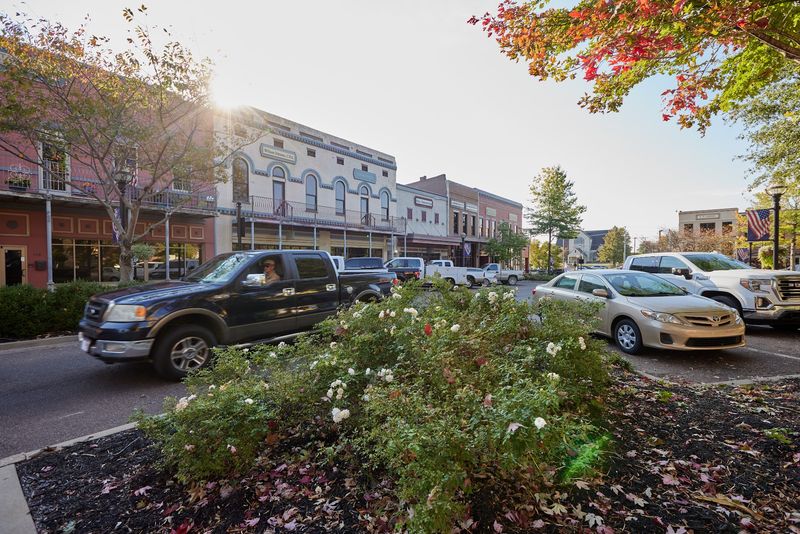
Ripley is another West Tennessee community where the population numbers have been sliding instead of climbing. The city had an estimated 7,804 residents at the 2020 estimates base, compared with about 7,499 in 2025.
That works out to a decline of roughly 3.9 percent during a period when Tennessee overall grew by 5.8 percent.
A few hundred residents may not sound dramatic, but the change carries more weight in a smaller city. Ripley remains an important center for Lauderdale County, with local businesses, schools, churches, and longtime families giving the community much of its identity.
Agriculture also remains closely tied to the surrounding area, reinforcing the rural character that defines this part of western Tennessee.
The city still has the familiar pieces of small-town life, including a traditional downtown and locally owned businesses where regular customers are known by name.
Yet the recent population trend shows that Ripley is having a harder time holding onto residents while many Tennessee communities are expanding.
That contrast earns Ripley a place on this list. Life here certainly has not stopped, but the latest numbers show a community gradually getting smaller as the state around it continues adding people.
3. La Follette
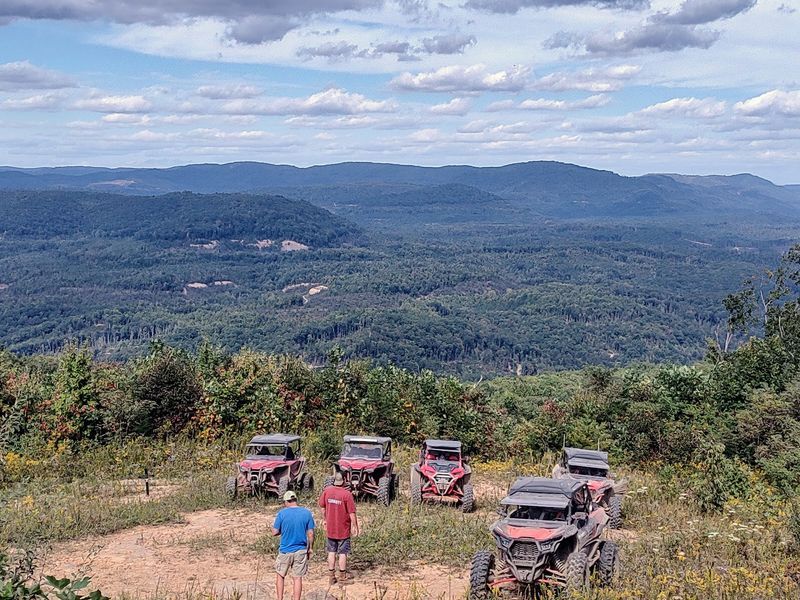
La Follette is losing residents at a noticeable pace even as much of Tennessee continues to grow. The city had about 7,436 residents at the 2020 estimates base, compared with an estimated 7,176 in 2025.
That works out to a decline of roughly 3.5 percent.
The drop is significant for a community of this size. La Follette still serves as an important hub for northern Campbell County, but the population trend shows that fewer people are calling the city home than just a few years ago.
Its setting remains one of its strongest assets. La Follette sits close to Norris Lake and the Cumberland Mountains, giving residents easy access to boating, fishing, hiking, and scenic drives.
Downtown still carries traces of the city’s coal mining and railroad history, while locally owned businesses continue to anchor everyday life.
Those qualities make the population decline more interesting, not less. La Follette has outdoor recreation, history, and a strong regional identity, yet its numbers are moving in the opposite direction of Tennessee’s broader growth.
For now, the city remains active and rooted in its surroundings, but the latest estimates show a community that is gradually becoming smaller.
4. Union City
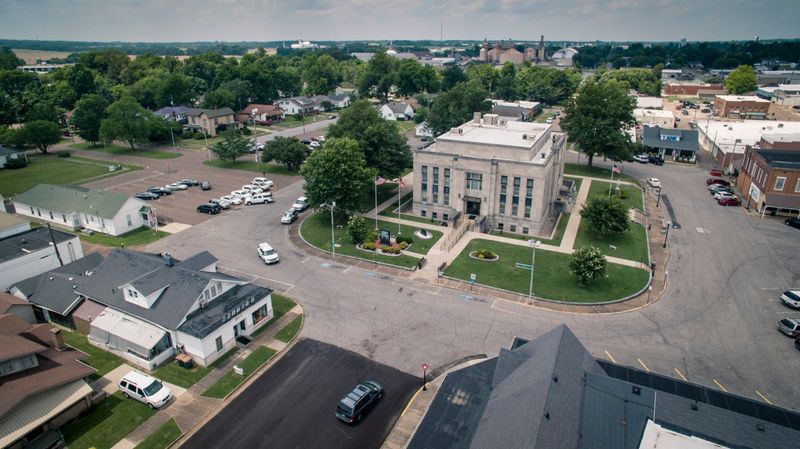
Union City is shrinking at a time when much of Tennessee is heading the other way. The city had about 11,181 residents at the 2020 estimates base, compared with an estimated 10,814 in 2025.
That is a decline of roughly 3.3 percent in just a few years.
For a regional hub in northwest Tennessee, that drop is notable. Union City still draws people for shopping, schools, health care, and jobs, but the latest population numbers show that fewer residents are choosing to stay or settle there long term.
The city still has a lot working in its favor. Discovery Park of America brings visitors to the area, while downtown businesses and community events help keep local life active.
Union City also remains closely tied to agriculture and manufacturing, two industries that have long shaped the economy of this part of Tennessee.
Even with those strengths, the population trend is clear. Union City is not disappearing, but it is getting smaller while many other Tennessee communities continue to add people.
5. Germantown
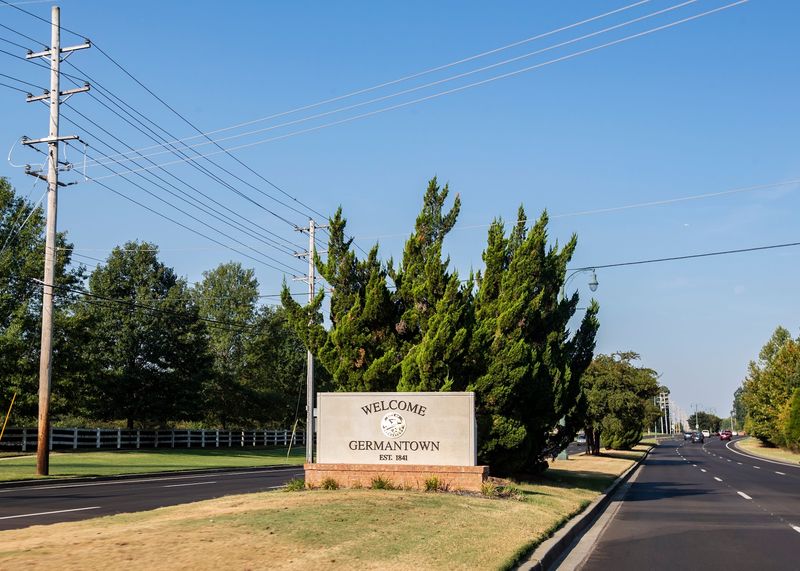
A shrinking population can look very different in an affluent suburb than it does in a rural town. Germantown proves that point.
The Memphis suburb had about 41,334 residents at the 2020 estimates base, compared with an estimated 40,001 in 2025. That is a drop of roughly 3.2 percent, making it one of the larger population declines on this list by raw numbers.
Germantown still feels polished and established. Tree lined neighborhoods, large homes, parks, schools, and shopping areas give the community the suburban character that has long attracted families to eastern Shelby County.
It also sits close enough to Memphis for commuters who want access to the city without living directly inside it.
Yet the population numbers show that growth is no longer guaranteed, even in one of the region’s better known suburbs. Higher housing costs, limited room for new development, and an aging housing stock can all shape how easily a mature community adds new residents.
That makes Germantown an interesting contrast to Tennessee’s faster growing suburbs.
It remains busy, desirable, and deeply established, but the latest estimates suggest the number of people calling it home has been moving downward instead of up.
6. Memphis
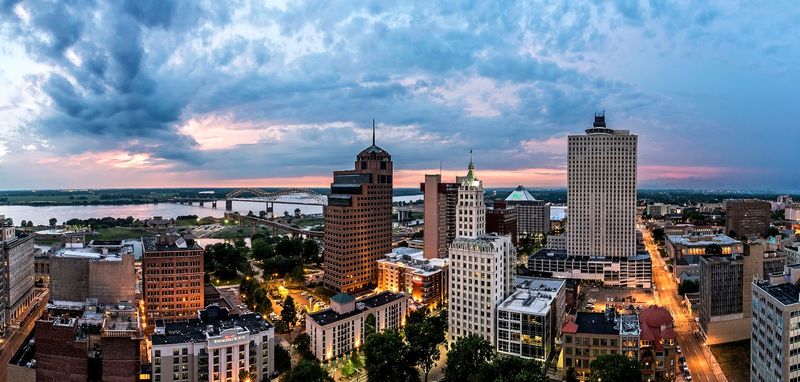
Big cities usually make headlines for growth, but Memphis has been dealing with the opposite trend. The city had about 628,510 residents at the 2020 estimates base, compared with an estimated 609,647 in 2025.
That is a decline of roughly 3 percent and a loss of nearly 19,000 people.
The numbers are especially striking because Memphis remains one of Tennessee’s largest and most recognizable cities. It is still a major center for music, shipping, health care, tourism, and food, with neighborhoods that each carry their own identity.
Beale Street, the National Civil Rights Museum, Graceland, and the Mississippi River continue to draw visitors, while longtime restaurants and local businesses remain woven into daily life.
Population loss in a city this large can come from several directions at once. Some residents move to nearby suburbs, others leave the region entirely, and certain neighborhoods gain people even while the citywide total slips.
That is what makes Memphis different from the smaller towns on this list. It is not losing its cultural weight or regional importance, but the latest estimates show that the number of people living within city limits continues to move downward.
7. Bartlett
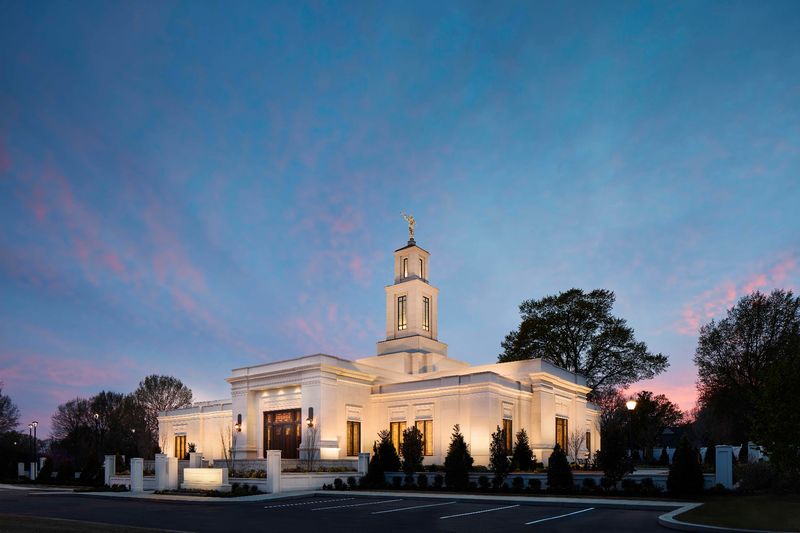
Suburban growth does not always move in a straight line, and Bartlett is a good example.
The city had about 57,792 residents at the 2020 estimates base, compared with an estimated 56,416 in 2025. That works out to a decline of roughly 2.4 percent.
The change stands out because Bartlett spent decades building a reputation as one of the Memphis area’s major suburban communities.
Residential neighborhoods spread across the city, schools draw families, and commercial corridors keep daily life busy.
It still feels firmly connected to the larger Memphis metro, yet the population trend has recently tilted downward.
Part of the story may be maturity. Bartlett is already heavily developed, which leaves less room for the kind of rapid subdivision growth seen in newer suburbs farther out.
Housing turnover, household size, and movement to other parts of Shelby County can also influence the numbers.
Even so, Bartlett remains a substantial community with parks, shopping, local events, and long-established neighborhoods. The latest estimates simply show that its era of steady population gains has cooled.
While Tennessee continues adding residents overall, this familiar Memphis suburb has been
8. Dyersburg
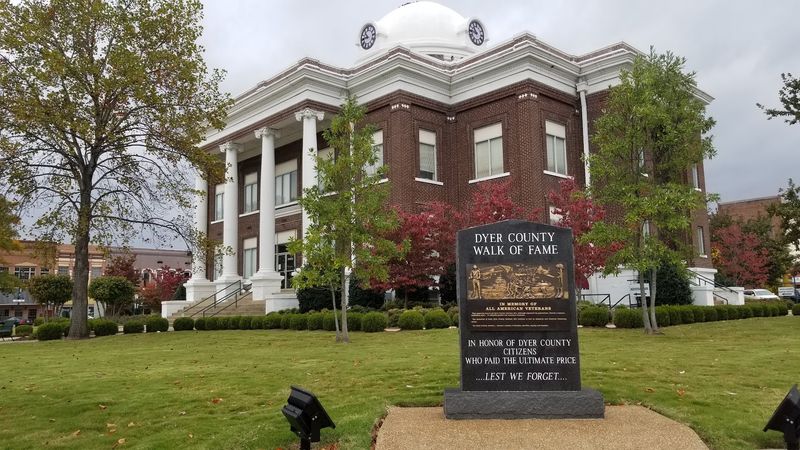
A population decline can feel more noticeable in a regional center, and Dyersburg has been heading that way in recent years.
The city had about 16,174 residents at the 2020 estimates base, compared with an estimated 15,906 in 2025.
That is a drop of roughly 1.7 percent.
The loss is smaller than in several other places on this list, but it still matters.
Dyersburg remains one of northwest Tennessee’s main commercial and employment hubs, drawing people from surrounding communities for shopping, health care, education, and everyday services.
Agriculture continues to shape the surrounding area, while manufacturing has long played a role in the local economy.
Downtown still carries the look of an established county seat, with historic buildings and businesses clustered around the center of town.
That makes the recent decline more interesting. Dyersburg is not an isolated community with little activity.
It still serves a large section of western Tennessee, yet the number of people living inside the city has edged downward.
For residents, the change may feel gradual rather than dramatic. Still, the latest estimates place Dyersburg among the Tennessee communities losing population while much of the state continues moving in the other direction.
9. Goodlettsville
Not every community near Nashville is riding the region’s population boom. Goodlettsville has moved the other way, slipping from about 17,775 residents at the 2020 estimates base to roughly 17,506 in 2025.
That is a decline of about 1.5 percent.
The drop is not dramatic, but it stands out because of where the city is. Goodlettsville sits just north of Nashville and has long benefited from easy access to the larger metro area.
Major roads, shopping centers, established neighborhoods, and nearby job opportunities all help keep it connected to one of Tennessee’s fastest changing regions.
Yet growth around Nashville does not automatically translate into growth everywhere nearby. Mature neighborhoods, limited space for major new subdivisions, and residents moving farther into surrounding counties can all affect local population totals over time.
Goodlettsville still feels active. Antique shops, restaurants, parks, and local businesses give people reasons to spend time there, while its location makes commuting into Nashville relatively easy.
Even with those advantages, the latest numbers point slightly downward. While many communities around Middle Tennessee continue adding rooftops and residents, Goodlettsville has quietly lost a small share of its population since 2020.
10. Elizabethton
Population loss can be easy to miss when a town still feels busy, and Elizabethton is a good example.
The city had about 14,531 residents at the 2020 estimates base, compared with an estimated 14,350 in 2025. That works out to a decline of roughly 1.2 percent.
The drop is modest, but it still puts Elizabethton on the shrinking side of Tennessee’s population map.
That is especially notable because the city remains an important hub for Carter County and sits close to Johnson City, giving residents access to a larger regional economy.
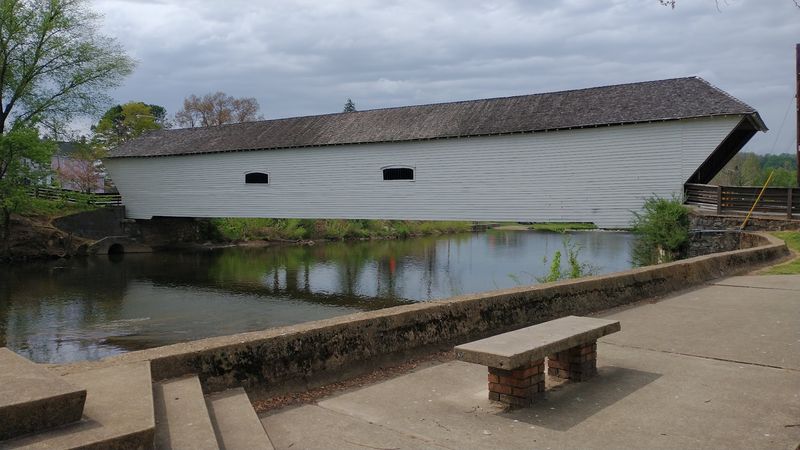
Elizabethton also has plenty of character of its own. The historic downtown, covered bridge, nearby Watauga River, and surrounding mountain scenery give the city a strong sense of place.
Outdoor recreation is a major draw, and local businesses continue to serve both residents and visitors.
Still, the latest estimates show that the population has edged downward since 2020.
The change is not dramatic enough to reshape the city overnight, but it does show that even attractive East Tennessee communities are not guaranteed steady growth while much of the state continues expanding.