
11 Things To Do In Tennessee That Even Many Locals Don’t Know About
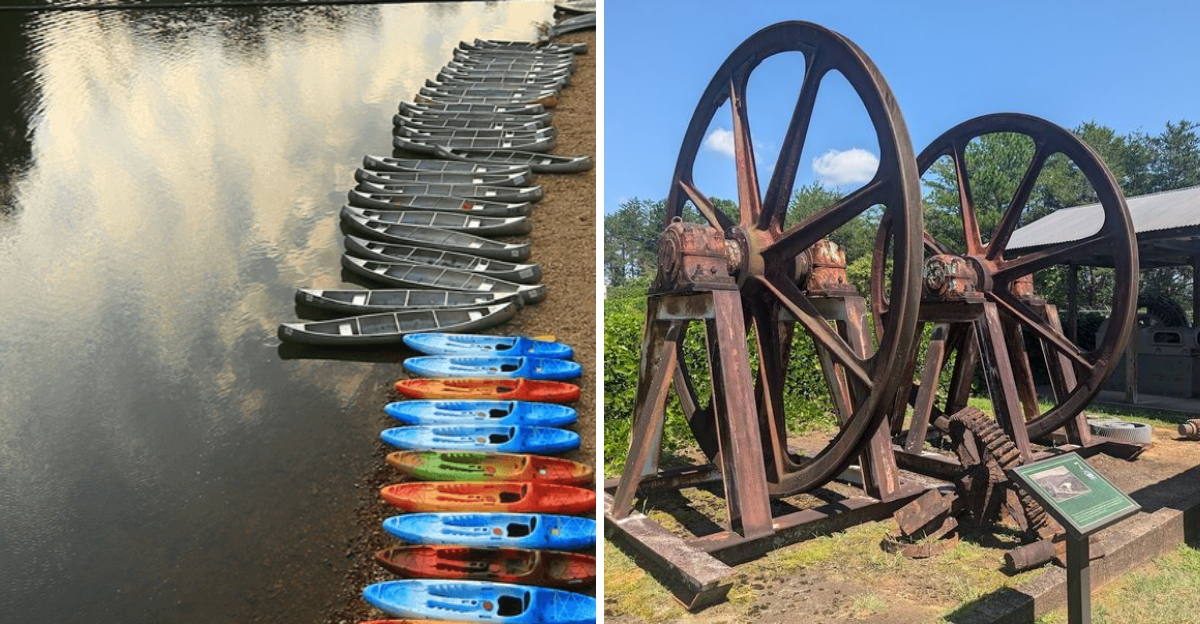
Tennessee locals think they know their state. Most of them do not.
And that is not a criticism – it is actually one of the most exciting things about living here. This state is so packed with extraordinary, unexpected, and genuinely surprising experiences that even lifelong residents are constantly discovering something new that stops them completely.
Underground lakes. Secret cities.
Ancient singing traditions. Gold in the mountains.
Tennessee has been quietly holding out on everyone and this list is proof. Eleven experiences that most locals have never had.
Consider this your official invitation to finally explore the state you thought you already knew.
1. Pan For Gold At Coker Creek, Coker Creek
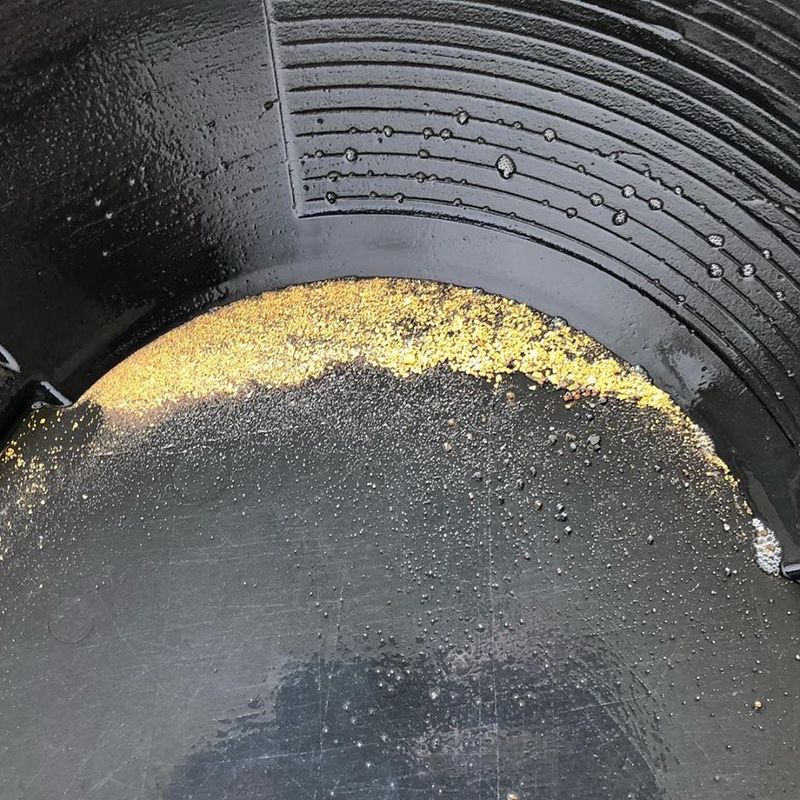
Not many people can say they found real gold in a Tennessee mountain stream, but at Coker Creek, that is not just a tall tale. Deep inside the Cherokee National Forest, this small community sits on one of the few legally accessible gold deposits in the entire eastern United States.
The gold here has been known since at least the early 1800s, when prospectors quietly worked these streams long before the California rush ever made headlines. Equipment rentals are available right on site, so you do not need to show up with any gear of your own.
First-timers consistently leave with something glittering in their pan, which makes it one of the most immediately rewarding outdoor activities in the state. The surrounding forest scenery is gorgeous on its own, with clear rushing water and tree canopy that feels completely removed from the modern world.
Whether you strike it rich or just walk away with a few tiny flakes and a great story, Coker Creek has a way of making you feel like a genuine adventurer.
2. Walk The Secret City, Oak Ridge
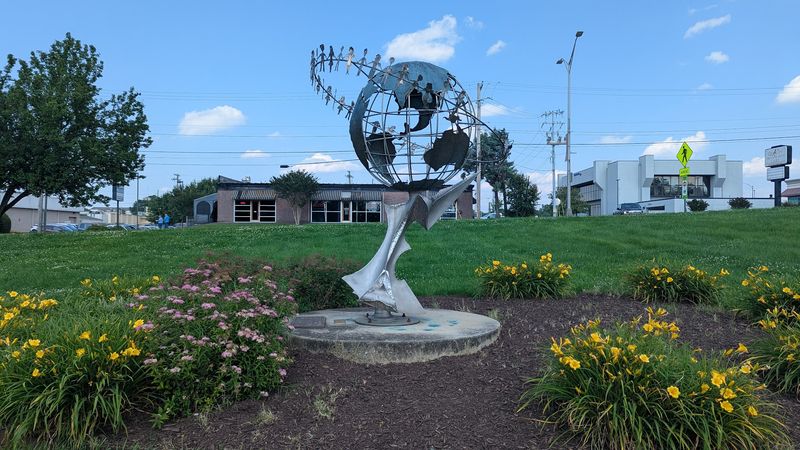
Oak Ridge has one of the most astonishing origin stories of any city in the United States. Built in total secrecy during World War II, this Tennessee city was home to the uranium enrichment facilities that helped produce the atomic bomb, and it was so classified that it did not even appear on official maps until 1949.
Today, self-guided walking tours through the historic district take you past original wartime structures, interpretive markers, and buildings that still carry the weight of that extraordinary chapter in history. The American Museum of Science and Energy is also located here and offers deeper context for visitors who want to understand the full picture.
Most Tennesseans have never actually walked these streets or heard the full story of what happened in their own state, which makes a visit feel genuinely revelatory. The city is located at 1403 Oak Ridge Turnpike, Oak Ridge and is easy to reach from Knoxville in under an hour.
Coming here feels less like a tourist outing and more like uncovering a chapter of American history that somehow stayed quiet for decades.
3. Explore The Savage Gulf Wilderness, Gruetli-Laager
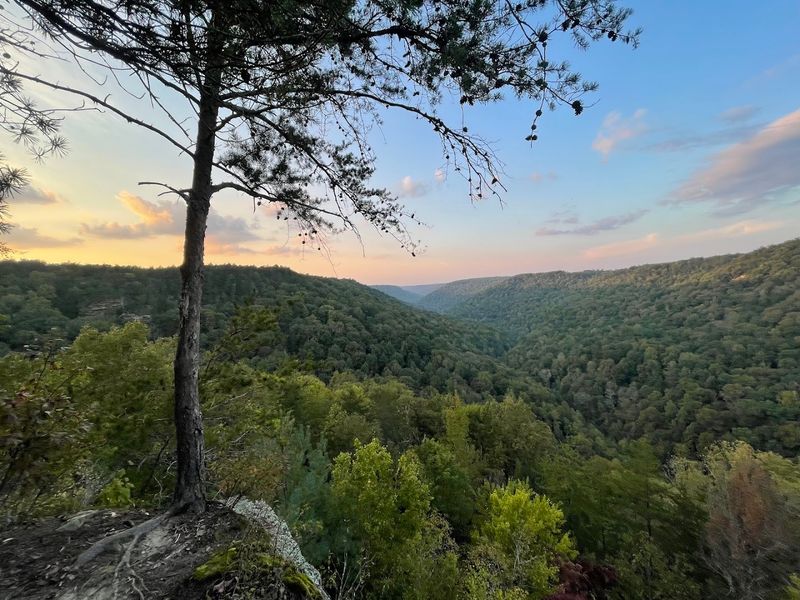
Three massive gorges cutting through the Cumberland Plateau, and most Tennessee residents have never set foot in any of them. Savage Gulf State Natural Area, located near Palmer, TN 37365, is one of the most spectacular wilderness landscapes in the entire eastern United States, yet it consistently flies under the radar even among serious hikers.
The trail system here is genuinely impressive, offering routes that wind along cliff edges, pass towering waterfalls, and descend into gorge floors that feel prehistoric in the best possible way. The Stone Door trail is particularly dramatic, featuring a natural passageway through the sandstone that has been used by humans for thousands of years.
Greeter Falls, a turquoise swimming hole at the base of a cascading waterfall, is one of the most photogenic spots in the state and yet the parking lot is rarely crowded.
If you have ever wanted a Tennessee wilderness experience that feels completely off the beaten path, Savage Gulf will absolutely deliver on that promise.
4. Swim In The Quarry At Fort Dickerson, Knoxville
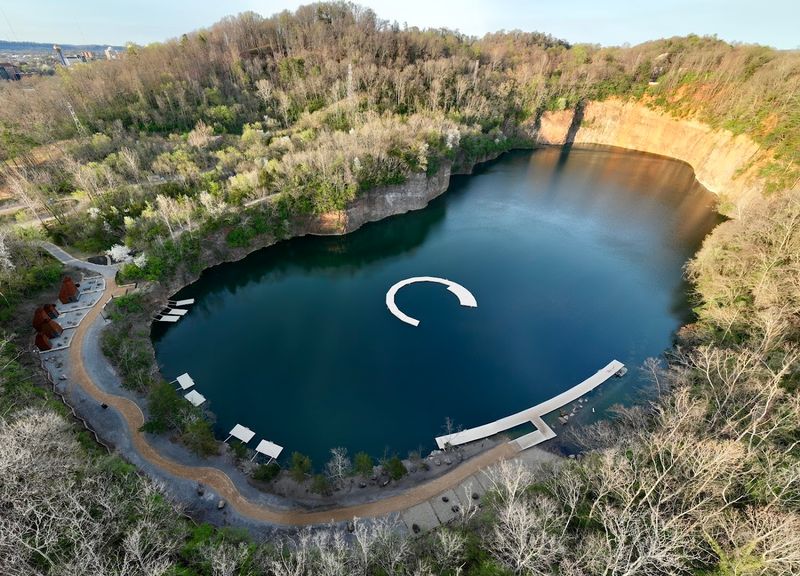
Right in the middle of Knoxville, there is a Civil War-era limestone quarry that has been transformed into one of the most beautiful and unusual swimming spots in the entire state. Fort Dickerson Quarry sits at 560 Augusta Ave, Knoxville, TN 37920, and the water is so clear and blue-green that it looks more like something you would find in the Caribbean than in a Tennessee city park.
Free life jackets are available on site, floating docks bob in the middle of the quarry, and the whole experience has a relaxed, community-feel that makes it perfect for a summer afternoon. The surrounding Fort Dickerson Park also has Civil War earthworks and walking trails that add a layer of history to the outing.
The wild part is that many Knoxville residents walk or jog right past this spot on their lunch break and have absolutely no idea it exists as a swimming destination. Admission is free, which makes it one of the best no-cost summer activities in East Tennessee.
Once you jump off those floating docks into that impossibly clear water, you will wonder how this place stayed off your radar for so long.
5. Visit The Sacred Harp Singing Convention, Rural Tennessee
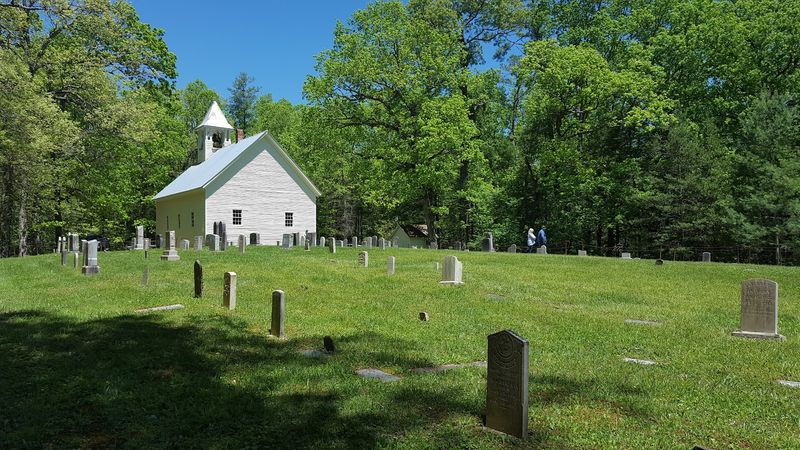
Long before recorded music existed, communities across rural Tennessee gathered to sing together using a centuries-old method called shape-note singing, and remarkably, they still do. The Sacred Harp singing tradition uses a unique system where each musical note is represented by a different shape on the page, making it accessible to singers who never learned to read standard musical notation.
Conventions and singings are held in churches and community halls across the state throughout the year, and every single one of them is completely free to attend. The experience is unlike any musical performance you have ever seen, partly because there is no audience and no stage.
Everyone sits in a square formation and sings together, and visitors are warmly welcomed to join in regardless of skill level.
The sound is powerful, ancient, and genuinely moving in a way that is very hard to describe until you have actually heard it fill a small country church. Most people outside of these tight-knit rural communities have never encountered this tradition at all, even lifelong Tennesseans.
Attending a Sacred Harp singing is one of those rare experiences that connects you to something much older and much more meaningful than a typical tourist activity ever could.
6. Laurel Snow Pocket Wilderness, Dayton
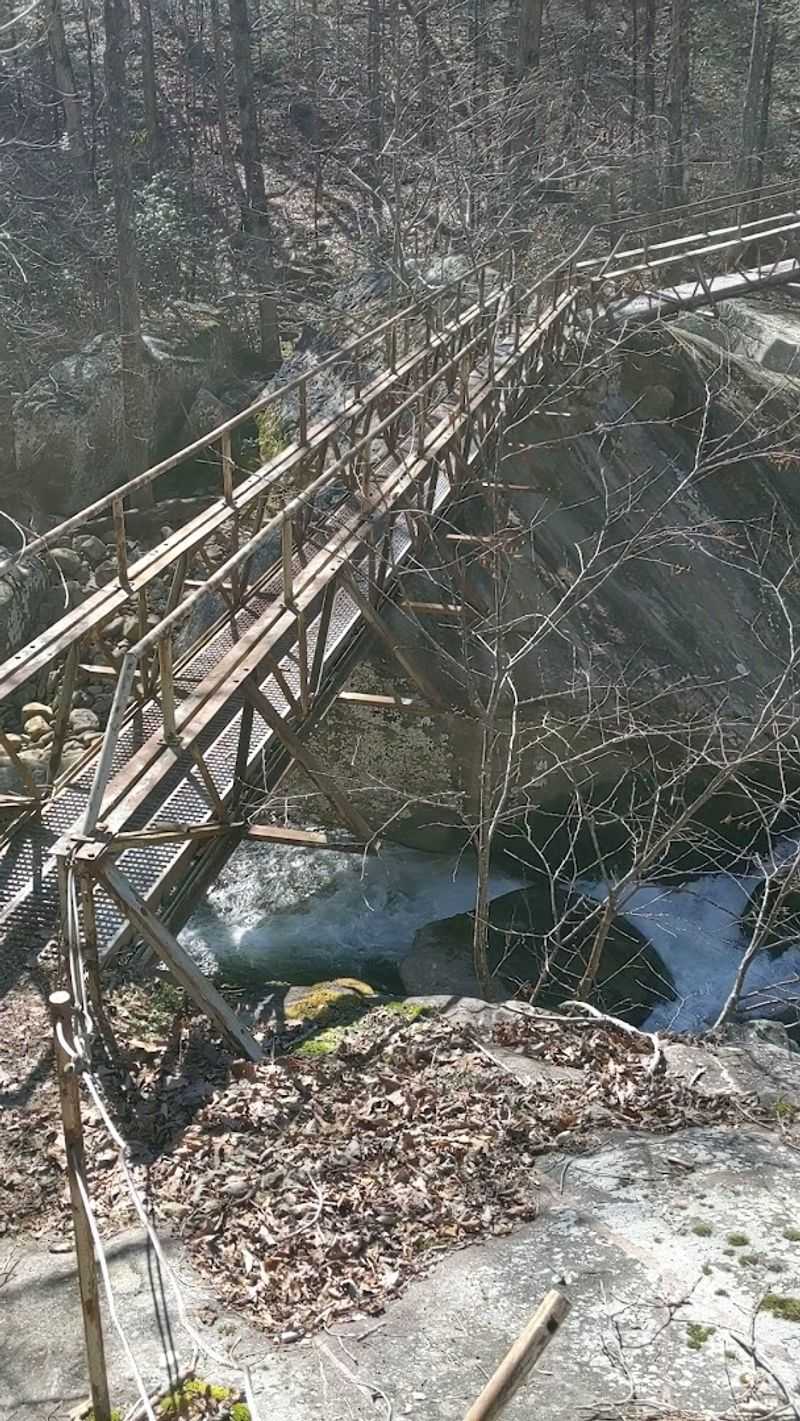
The Sequatchie Valley does not get nearly enough credit as one of Tennessee’s most scenic regions, and Laurel Snow Pocket Wilderness near Dayton is proof of exactly that. This trail system packs two spectacular waterfalls, a rugged rocky ridgeline, and sweeping panoramic views into a route that most Middle Tennessee hikers have somehow never discovered.
Laurel Falls drops dramatically into a rocky gorge, while Snow Falls is a wide, curtain-style waterfall that is especially impressive after a good rain. The ridgeline section of the trail opens up to views across the valley that feel genuinely grand, the kind of scenery that usually requires a much longer drive to reach.
One of the best things about this spot is how consistently uncrowded it stays. The trailhead parking lot is almost always nearly empty, even on busy holiday weekends when every other popular Tennessee trail is packed with cars.
The round trip is roughly nine miles, so it rewards hikers who come prepared with good shoes and enough water, but the payoff at both waterfalls and along the ridgeline makes every step completely worth the effort.
7. Tour The Ducktown Basin Museum, Ducktown
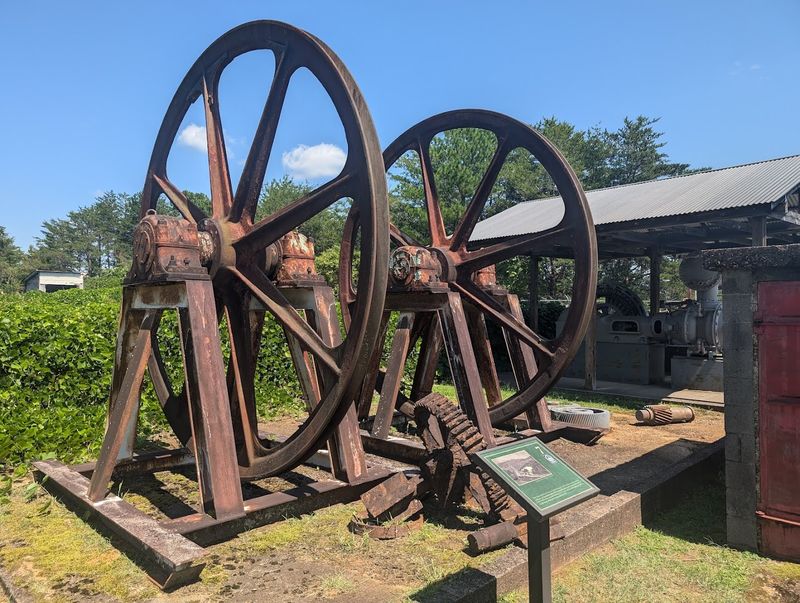
At first glance, the landscape around Ducktown, Tennessee looks like it belongs on another planet, and that is not an exaggeration. Nineteenth century copper smelting operations were so intensive here that the resulting sulfur dioxide fumes stripped the surrounding hills of all vegetation, leaving behind a red and orange terrain so alien-looking that NASA actually used aerial photographs of the area to simulate the surface of Mars.
The Ducktown Basin Museum at 212 Burra Burra St, Ducktown, TN 37326 tells the full story of this remarkable industrial landscape, from the Cherokee history of the region to the boom years of copper mining and the long, slow environmental recovery that followed. The exhibits are genuinely fascinating and surprisingly detailed for such a small institution.
Restoration efforts over the past few decades have brought back significant vegetation, but patches of the original barren landscape are still visible and preserved as a kind of outdoor monument to what industrial-scale mining once looked like. It is a place that makes you think deeply about the relationship between human industry and the natural world.
Few Tennessee museums offer this kind of layered, visually dramatic story in such a compact and accessible package. Note: The place is currently listed as closed for renovations, although the museum office remains available for contact.
Hours, reopening plans, and access to the grounds may change, so visitors should check directly with the museum before planning a trip.
8. Find The Natural Arch At Pickett State Park, Jamestown
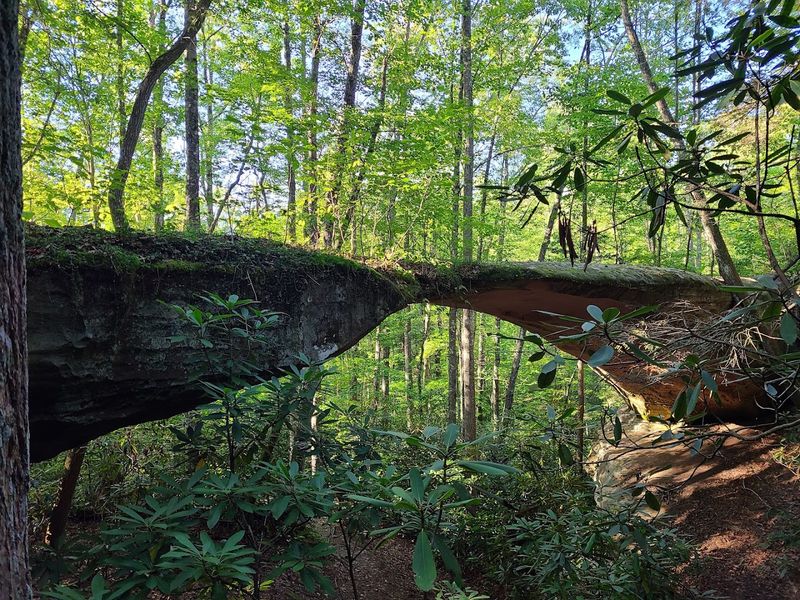
Tennessee’s most remote state park is hiding some of the most unusual geology in the entire eastern United States, and most people in the state have never even heard of it. Pickett State Park, located at 4605 Pickett Park Hwy, Jamestown, TN 38556, sits in a deeply forested corner of the Cumberland Plateau and contains natural sandstone arches and cave formations that look nothing like the rest of the state.
The arches here are the kind of geological features you might expect to find in Utah, not Tennessee, which is exactly what makes them so surprising and rewarding to discover. The park is also home to some of the oldest trees in the state, and the overall atmosphere is one of deep, quiet wilderness.
Because the park is genuinely remote and requires a real commitment to reach, the trails stay wonderfully uncrowded. You can spend an entire day exploring the arch formations, rock shelters, and creek crossings without encountering more than a handful of other visitors.
For anyone who loves geology, old-growth forest, and the feeling of genuine solitude in nature, Pickett State Park is one of Tennessee’s most quietly extraordinary places to spend a full day outdoors.
9. Ride The Hiwassee Loop Train, Delano
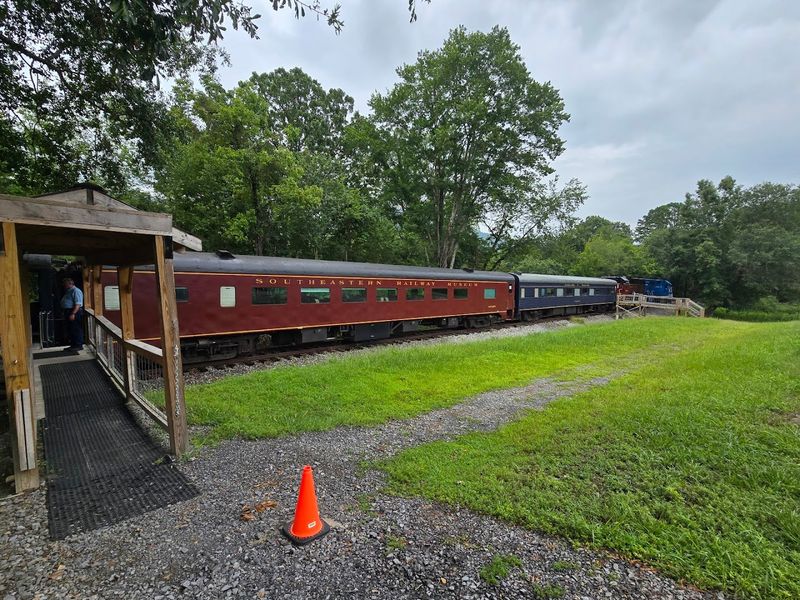
Somewhere between Delano and the depths of the Cherokee National Forest, a train crosses a trestle so dramatically beautiful that it has earned a reputation among rail enthusiasts across the entire country. The Hiwassee Loop is a historic section of railroad track that follows the curves of the Hiwassee River gorge, climbing through forest so dense and green that the whole ride feels like something out of a classic American storybook.
The famous trestle crossing is the centerpiece of the journey, offering views straight down into the river gorge that are genuinely breathtaking. The train departs from 9406 US-411, Delano, TN 37325, and excursion trips are run seasonally, so it is worth checking the schedule before you plan your visit.
What is most surprising is how few Tennessee residents have ever taken this ride, despite it being consistently ranked among the most scenic train excursions in the entire nation. The combination of river gorge scenery, dense forest, and that iconic trestle crossing creates an experience that is hard to match anywhere in the South.
Bring a camera, grab a window seat, and prepare to see a side of East Tennessee that most people completely miss.
10. Visit Reelfoot Lake At Sunrise, Tiptonville
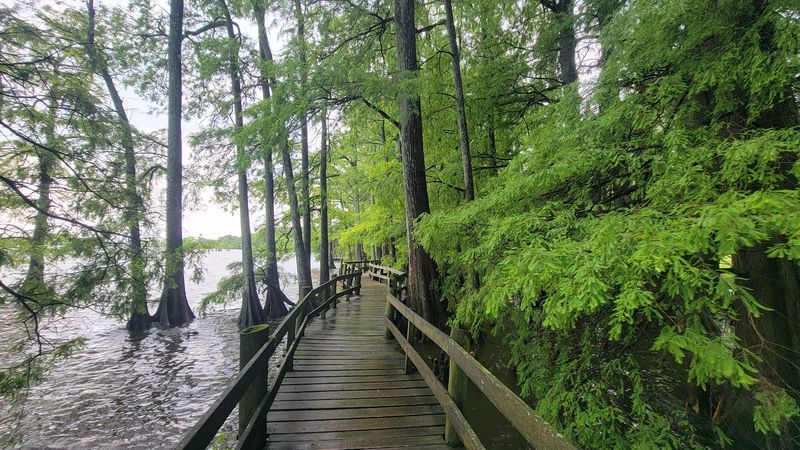
In the far northwest corner of Tennessee, there is a lake that was literally created by an earthquake. The 1811 New Madrid seismic event was so powerful that it caused the ground to sink and the Mississippi River to temporarily flow backward, flooding the lowlands that became Reelfoot Lake.
The result is one of the most hauntingly atmospheric natural landscapes in the entire country.
Ancient bald cypress trees rise straight out of the water in every direction, their gnarled roots and Spanish moss-draped branches creating a scene that feels primordial and otherworldly at the same time. Every winter, bald eagles gather here in significant numbers, making Reelfoot one of the premier eagle-watching destinations in the eastern United States.
Sunrise is the absolute best time to visit, when the mist rises off the water and the light filters through the cypress canopy in long golden shafts. The lake is located near 2595 State Rte 21 E, Tiptonville, TN 38079, and boat tours are available for those who want to get out on the water among the trees.
The drive from Nashville or Memphis takes a few hours, but Reelfoot Lake at dawn is the kind of landscape that stays with you for years afterward.
11. Explore The Buffalo River By Canoe, Waynesboro
The Buffalo River in Lawrence and Wayne County is one of the last completely undammed rivers in Tennessee with crystal clear water, towering limestone bluffs, ancient sycamore trees lining the banks, and a wilderness so pristine and undisturbed that paddlers consistently say it feels like traveling through a completely different century entirely. Herons wade in the shallows.
Turtles sun themselves on fallen logs. The silence is so complete it genuinely startles people used to urban noise.
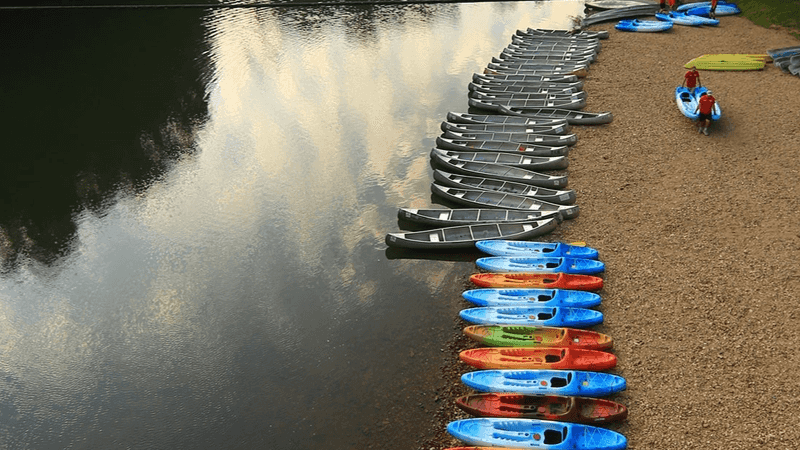
Canoe rentals are available locally and the river is calm enough for beginners yet breathtakingly beautiful enough to leave experienced paddlers completely speechless. Most Tennesseans have driven across it on a bridge a hundred times without ever once thinking to get in it.
This is the year you should finally do it!