
This 1-Mile Hike In New York Takes You Through The Ruins Of A Forgotten Hudson Valley Mansion

This is not your average walk in the woods. One minute you’re on a peaceful trail, birds chirping, trees everywhere, everything calm and quiet.
Then suddenly… stone walls appear. Old staircases.
Pieces of a once-grand mansion hiding right in the middle of the forest. It feels mysterious, a little eerie, and honestly very cool.
New York, explain why there’s a whole mansion ruin hiding in the woods like this.
The hike itself is only about a mile, so it’s quick and easy. But the moment those crumbling walls come into view, you’ll probably stop, stare, and grab your phone for photos.
And yes, everyone who walks here has the exact same reaction. Wait… how did I not know about this place?
A Mansion In The Woods That Nobody Told You About

Somewhere along Route 9D just north of Cold Spring, New York, the forest has been quietly holding onto the ruins of a mansion that most people drive right past without a second thought.
The Cornish Estate, also called the Northgate Estate, was built around 1910 for Edward J. Cornish, a New York City businessman with apparently excellent taste in real estate and river views.
The property once stretched across 650 acres of Hudson Highlands terrain, which is the kind of acreage that makes you realize some people were doing extremely well in the early twentieth century.
Today, those acres belong to Hudson Highlands State Park Preserve, and the ruins are open to anyone willing to walk a well-marked trail. The stone walls still stand with a quiet authority, draped in ivy and framed by mature trees that have grown up around them over decades.
Honestly, it feels like stumbling into a scene from a novel.
The History Behind The Crumbling Walls
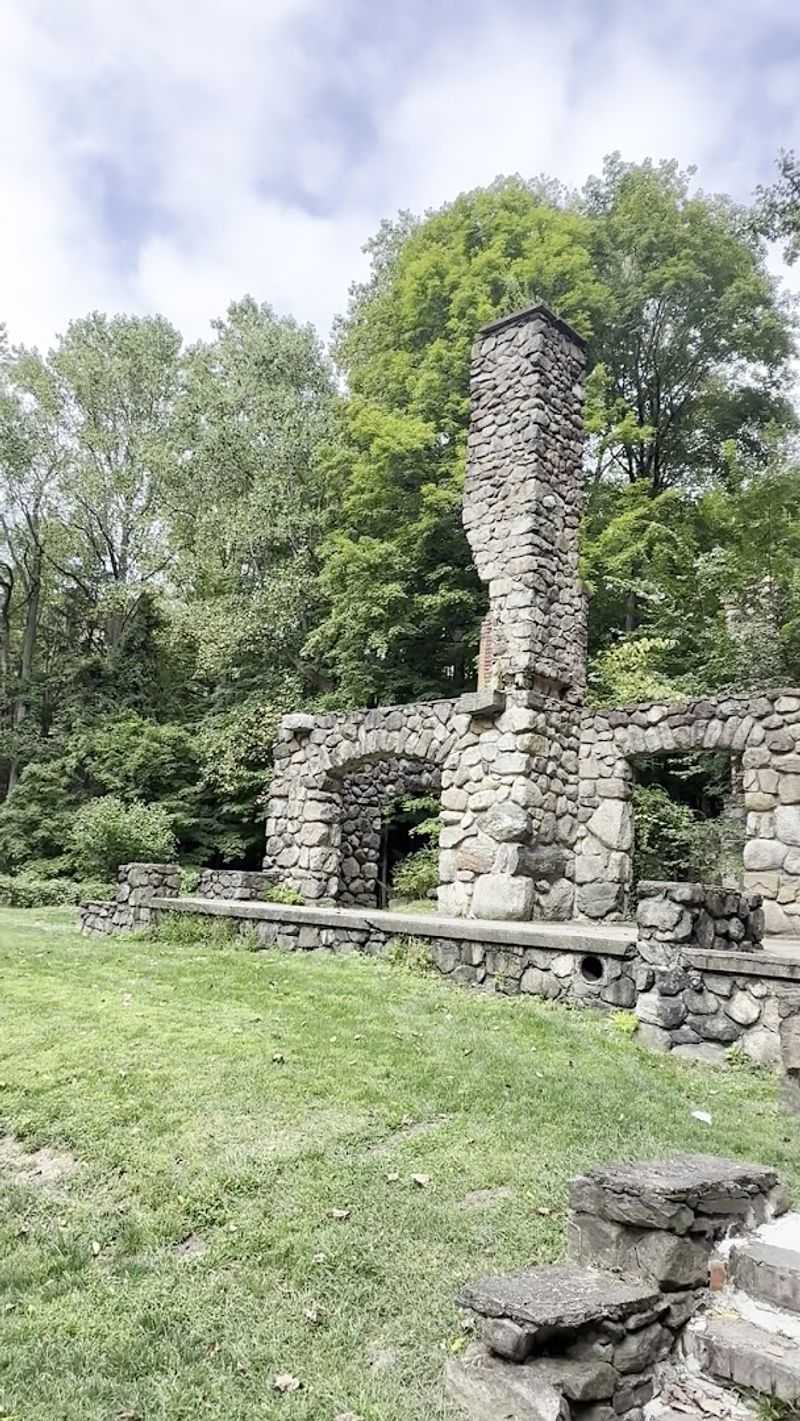
Edward J. Cornish was not a man who did things halfway.
When he commissioned his Hudson Highlands estate in 1910, he chose a site perched above the river with views that most people today would consider unreasonably good. The property was developed with the full trappings of a wealthy country retreat, including a main house, a barn, and a garage complex that together formed a self-contained world on the hillside.
The story takes an interesting turn in the 1930s, when Cornish attempted to donate the entire 650-acre property to New York State. The state declined, citing the mountainous terrain as unsuitable for a public park.
That decision, which must have felt like a strange rejection at the time, delayed the estate’s public life by several decades.
The property eventually became part of Hudson Highlands State Park Preserve in the late 1960s, and the ruins were left largely as nature found them. No reconstruction, no interpretive replica, no gift shop selling estate-branded candles.
Just the original stonework, slowly being reclaimed by the landscape that surrounds it. There is something deeply satisfying about a place that resists being polished into a tourist product and simply remains itself.
What The Trail Itself Actually Looks Like
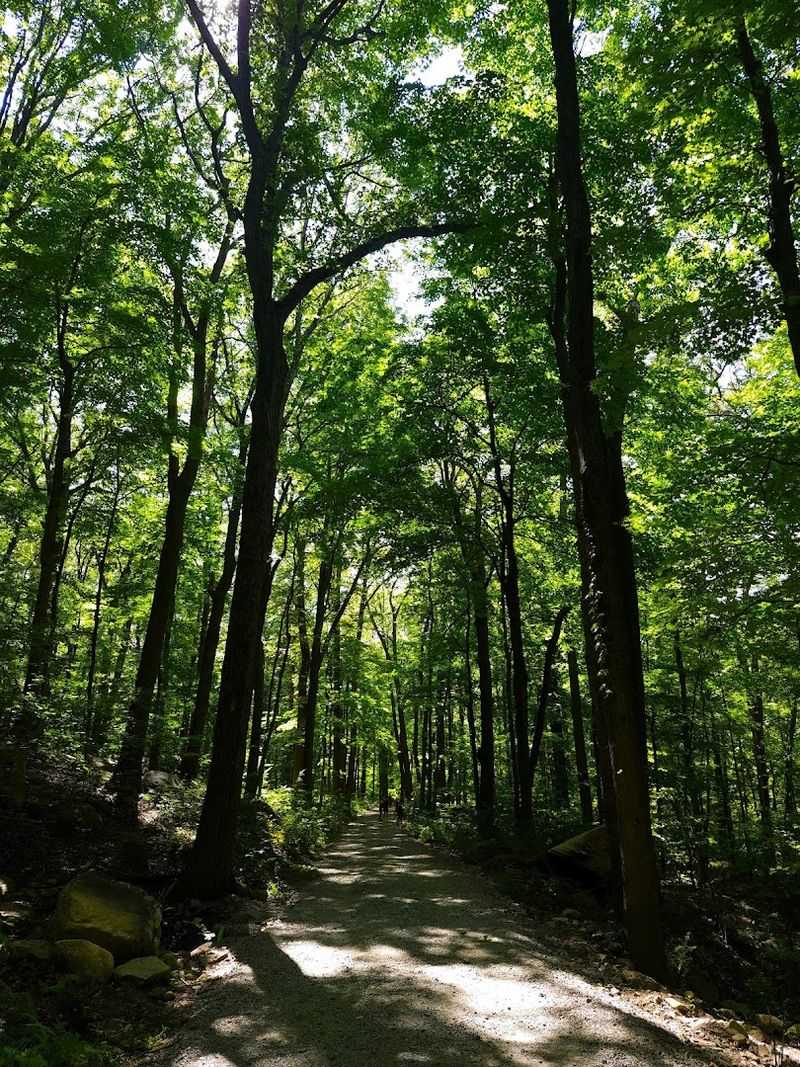
The Cornish Estate Trail follows the estate’s original driveway, which is one of those details that makes the walk feel less like a hike and more like a slow, deliberate return to something. The path is wide, relatively even, and marked throughout with blue blazes, so navigation requires very little mental effort.
That leaves plenty of attention available for everything happening around you.
The trail covers approximately 1.8 miles round-trip, which places it firmly in the category of achievable for nearly everyone. One visitor noted that they managed the trail while pulling their senior dog along in a wagon, which suggests the terrain is accommodating without being dull.
The trailhead sits along Route 9D just north of Cold Spring, with free parking available across from Little Stony Point.
Hikers who want more mileage after visiting the ruins have the option of extending the outing toward the summit of Mount Taurus, where views stretch all the way to the Manhattan skyline on a clear day. That combination transforms a pleasant short walk into a genuinely full day of outdoor exploration.
Sturdy footwear is recommended throughout, as the terrain becomes uneven closer to the ruins themselves.
Standing Inside The Ruins Themselves
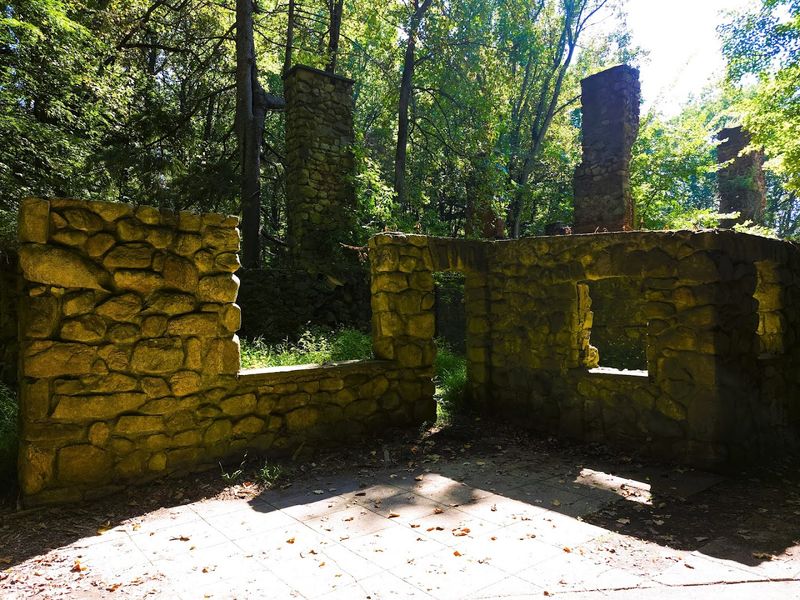
Reaching the ruins for the first time produces a particular kind of quiet that is hard to manufacture anywhere else. The main house no longer has a roof, but the stone and brick walls rise to impressive heights, framing open sky in the shapes of former windows and doorways.
Standing inside those walls, you are simultaneously indoors and outdoors, which is a genuinely unusual sensation.
The Hudson River is visible from several vantage points around the ruins, and the combination of crumbling architecture against moving water and forested hills is the sort of scene that makes people reach for their cameras without even thinking.
Reviewers have consistently described the ruins as beautiful, with one visitor specifically noting that the site is a unique spot that stands on its own without any artificial enhancement.
Beyond the main house, a barn and garage complex sits nearby, offering additional structures to explore and photograph. The entire ruined compound has a coherent character, as though it is still functioning as an estate in some parallel version of time.
Scenic Hudson maintains information about the site and provides trail maps for visitors planning their approach from Cold Spring, located at Cornish Trail, Cold Spring, NY 10516.
Getting There Without A Headache
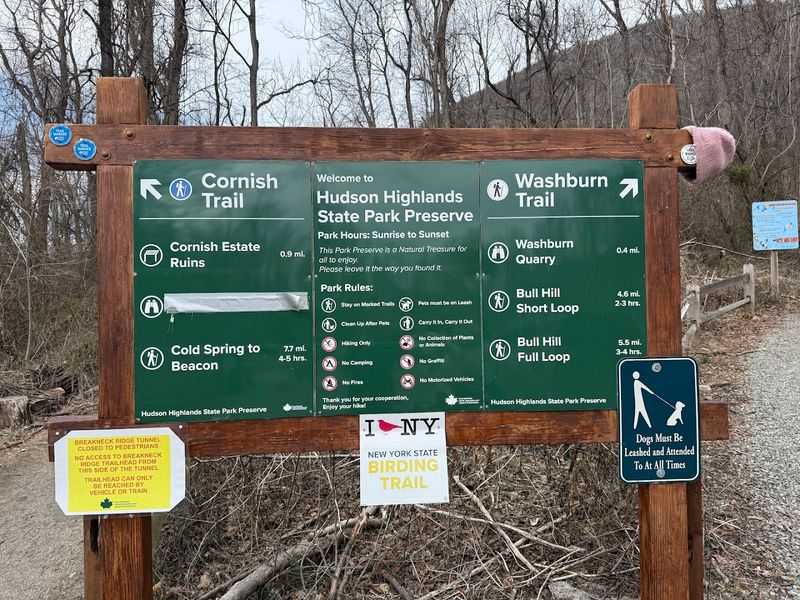
Logistics are the part of any outdoor adventure that people tend to underestimate until they are circling a parking lot for twenty minutes. Fortunately, the Cornish Estate Trail keeps things straightforward.
The trailhead sits along Route 9D just north of Cold Spring village, and a free parking area is available across from Little Stony Point. One visitor helpfully flagged in a recent review that parking at the train station is worth skipping since the dedicated lot is both free and considerably closer to the trail entrance.
For those arriving without a car, the Metro-North Hudson Line stops at Cold Spring Station, which is approximately a twenty-minute walk from the trailhead.
That combination of transit access and free parking makes this one of the more logistically friendly hiking destinations in the Hudson Valley, a region where parking situations can occasionally test a person’s patience.
The trail itself is rated easy to moderate, which means the approach to the site does not demand significant physical preparation beyond comfortable footwear. Visitors have completed the hike in overcast conditions and light rain without difficulty, suggesting the trail holds up reasonably well across different weather.
Arriving on a weekday morning tends to offer a quieter experience than peak weekend hours.
What Makes This Hike Worth Talking About
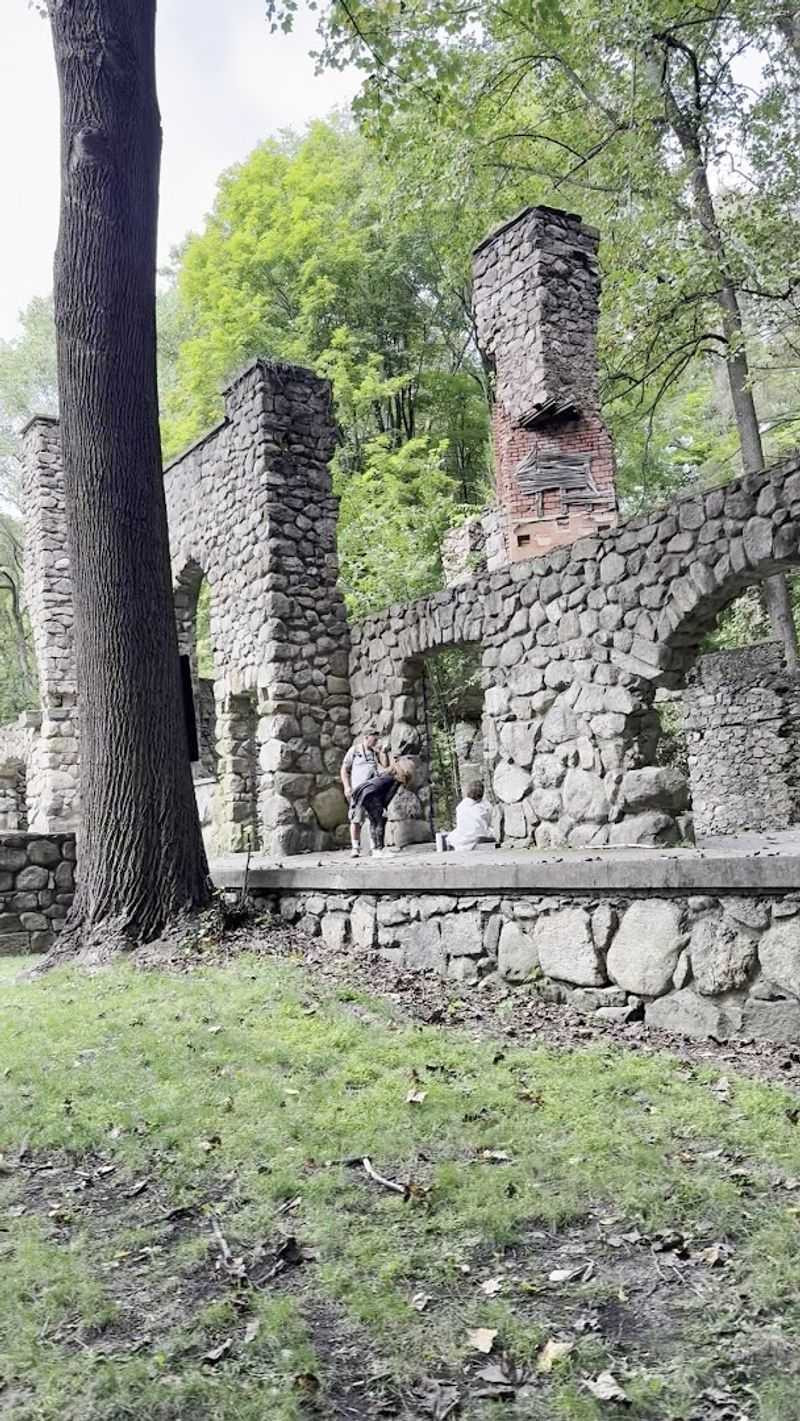
Short hikes earn their reputation through what they deliver per mile rather than through sheer distance, and the Cornish Estate Trail delivers at a rate that longer trails sometimes struggle to match.
Within less than a mile of walking, a visitor encounters a well-preserved ruined mansion, river views, mature woodland, and the quiet pleasure of walking a path that was once a private driveway for a wealthy New York businessman.
That is a fairly dense itinerary for under two miles.
The trail carries a 4.9-star rating based on visitor reviews, and the feedback consistently points to the same qualities: the ruins are genuinely striking, the trail is well-groomed, and the overall atmosphere rewards the modest effort required to get there.
A parks representative was noted by one visitor as particularly helpful during their visit, which adds a human layer to what is already an appealing experience.
For hikers willing to push further, the connection to Mount Taurus opens up views of the Manhattan skyline, turning a simple ruins walk into a multi-layered Hudson Valley adventure. The Cornish Estate Trail sits in a category of places that feel like genuine discoveries even after you have read everything about them in advance.
Some destinations earn their reputation quietly, and this is one of them.
Tips For Making The Most Of Your Visit
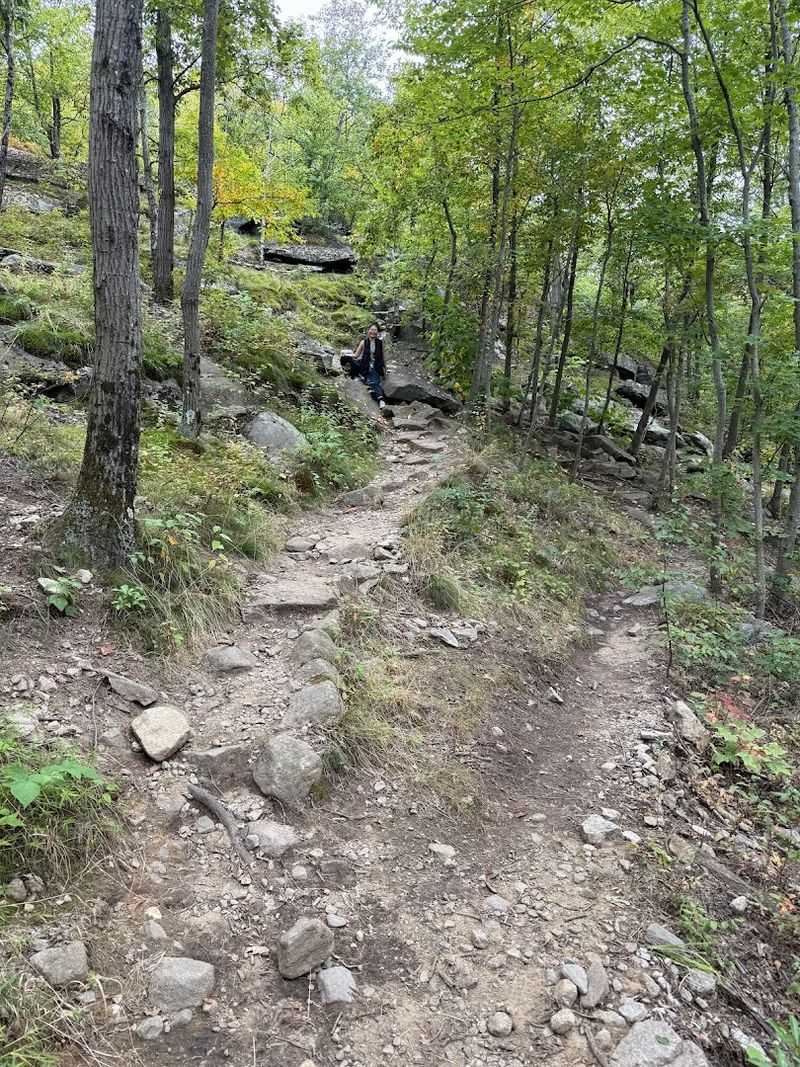
A few practical considerations can meaningfully improve a visit to the Cornish Estate Trail without requiring much advance planning. Wearing sturdy footwear is the most consistently repeated piece of advice from people who have already made the trip, and it is sound guidance given that the terrain near the ruins becomes noticeably uneven.
Trail runners or light hiking boots are both appropriate choices for the conditions.
Bringing water is sensible for any outdoor excursion, even one as brief as this. The trail does not pass any facilities or water sources, so self-sufficiency is the expectation rather than the exception.
A small pack with water, a snack, and a fully charged phone covers the essentials without adding unnecessary weight to a walk that is meant to feel easy and enjoyable.
Visiting during shoulder seasons, particularly mid-autumn when the Hudson Highlands foliage is at its most vivid, adds an entirely different visual dimension to the ruins. The contrast between warm-toned leaves and grey stone walls is the kind of thing that justifies a longer drive from the city.
Spring visits offer lush greenery and softer light, while winter strips the trees bare and reveals structural details of the ruins that summer growth tends to obscure. Every season offers a genuinely different experience along the same short path.