
This 130 Acre Missouri Spot Is One Of The Most Peaceful State Parks In The State
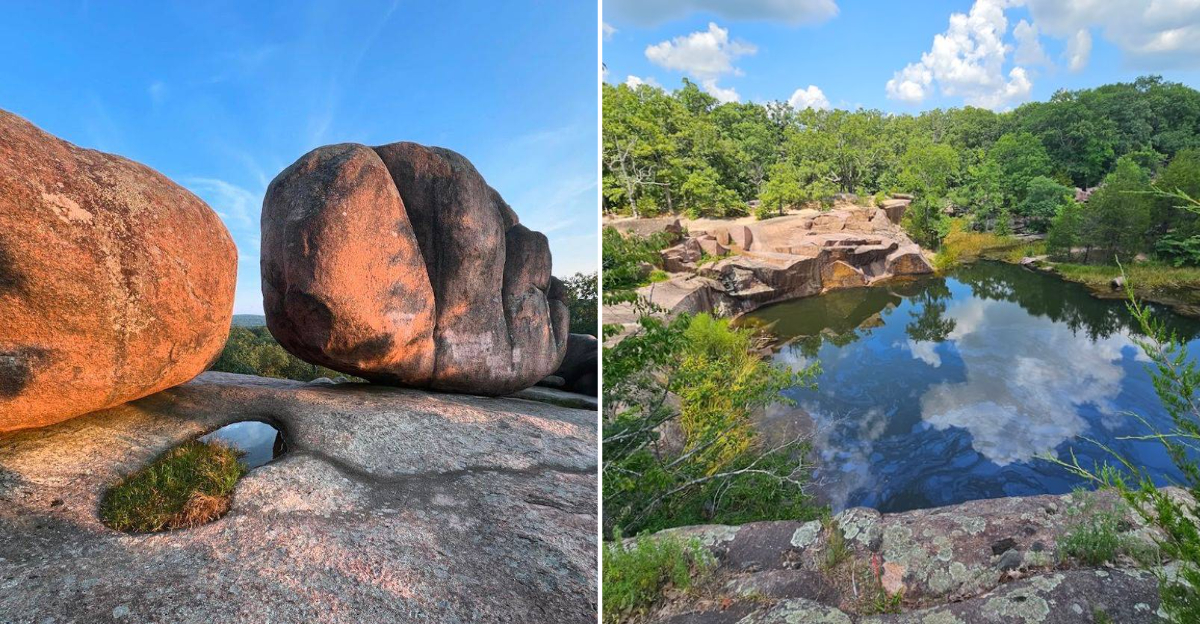
When life becomes overwhelming and stress starts pulling you under, there is one place that can bring you back. This state park in Missouri might be exactly what you need.
It carries enough magic to make you forget, at least for a moment, everything that weighs you down. The trees do not care about your deadlines.
The trails do not know your name. You arrive as one person and leave as another.
This park does not ask anything of you. It simply exists, quiet and steady, waiting for the moment you finally decide to show up.
Some places fix you without trying. This is one of them.
No phone signal is strong enough to pull you back. No noise loud enough to follow you in.
Just the sound of wind moving through the trees and the strange, unfamiliar feeling of actually being present. You did not know you needed this.
But your body did. And it has been waiting a long time for you to listen.
Wildlife Watching Opportunities In Natural Habitats
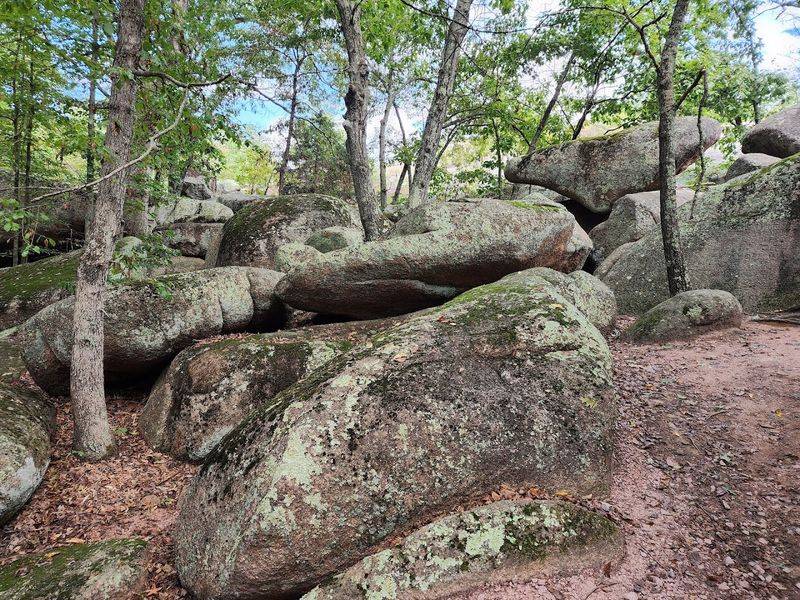
Animals do not make appointments, and that is exactly what makes wildlife watching at Elephant Rocks State Park so exciting. The park sits within Missouri’s Ozark Highland region.
Its mix of upland hardwood forest and granite outcrop ecosystems attracts a wide variety of creatures. White-tailed deer, wild turkey, and box turtles are common sightings along the trails.
The granite rock formations create natural microhabitats. Lizards sun themselves on warm boulders in the morning.
Chipmunks dart between crevices with impressive speed and zero sense of personal boundaries.
The wooded sections beyond the main rock formations are especially rich with wildlife. Squirrels, woodland frogs, and various insects thrive in the leaf litter and mossy patches.
Early morning visits give you the best chance of catching animals before crowds arrive.
Bring binoculars if you have them. A quiet walk pays off more than a rushed one here.
The park is located at 7406 MO-21, Belleview, MO 63623, and opens daily at 8 AM. Cell service is spotty, so download a trail map before you go.
That lack of signal is actually a bonus for wildlife watching since fewer distractions keep your eyes sharp and your footsteps quiet.
Best Hiking Trails For Experiencing Quiet Nature
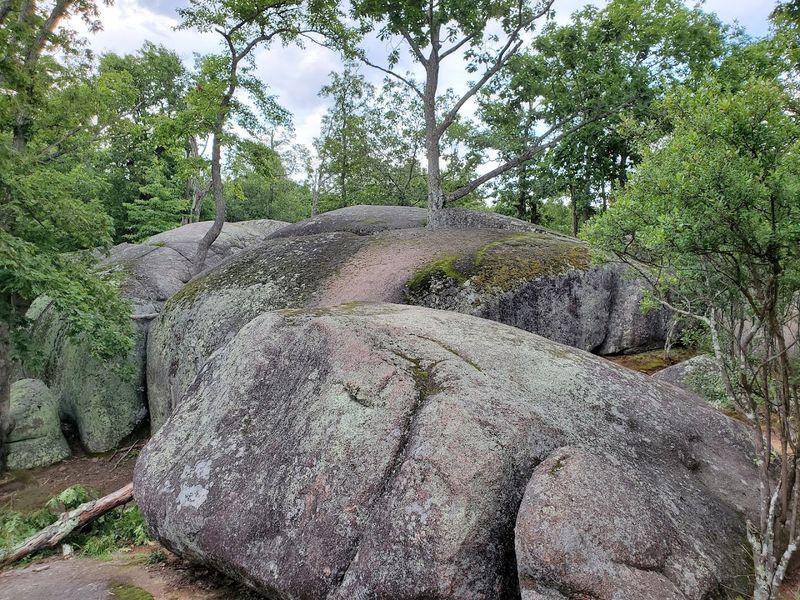
The trails at Elephant Rocks State Park are genuinely built for everyone. The main feature is the one-mile Braille Trail, a paved circular loop that winds right through the massive granite formations.
It was the first Braille Trail in Missouri state parks, designed to be wheelchair accessible and welcoming for visitors with visual or physical disabilities.
Beyond the main loop, spur trails branch off into more adventurous territory. Fat Man’s Squeeze is exactly what it sounds like.
It is a narrow passage between two massive boulders that requires some creative maneuvering and a willingness to laugh at yourself.
The Maze is another spur trail that lives up to its name. Paths twist between rock formations in ways that feel genuinely disorienting in the best possible way.
These trails add variety without demanding serious hiking experience.
One practical tip is to arrive before 11 AM on weekends. The parking lot fills up fast on nice days.
Wear shoes with a solid tread because some granite surfaces get slippery. The paved main trail takes roughly 90 minutes if you stop to explore the rocks, which you absolutely will.
Quiet mornings on these trails feel like having the whole park to yourself, even if just for a little while.
Picnic Areas Designed For Relaxing Family Outings
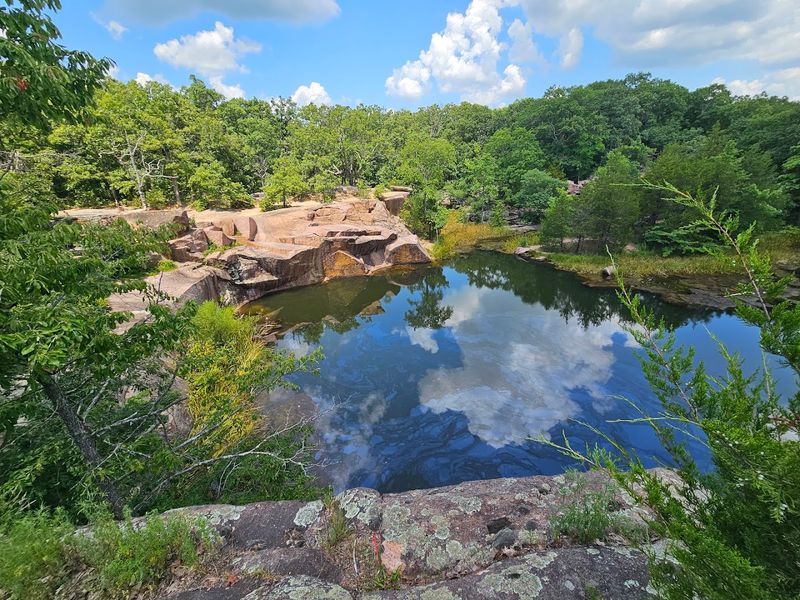
Picnicking at Elephant Rocks State Park is not an afterthought. The park has well-placed picnic tables near a pond where the scenery does most of the work for you.
Sitting there while watching nature slowly reclaim the old quarry landscape around the water is surprisingly meditative.
There are grills available, too, which means you can make a full afternoon out of your visit. Pack your own food because no food is allowed beyond the picnic table area.
That rule keeps the park clean, and honestly, it keeps the experience peaceful for everyone.
Families with young kids will appreciate the playground near the picnic area. It gives little ones a place to burn energy before or after the rock exploration.
Restrooms are wheelchair accessible and conveniently located near the parking area.
One heads-up: trash cans are only near the parking lot, not along the trails. Bring a small bag for any wrappers or snack packaging.
The water fountain has been reported as out of service recently, so pack enough water for your whole group. A food truck is sometimes parked on-site, which is a welcome bonus.
The whole setup makes it easy to spend four or five hours here without feeling rushed or underprepared.
Flora Unique To This Region And Its Conservation
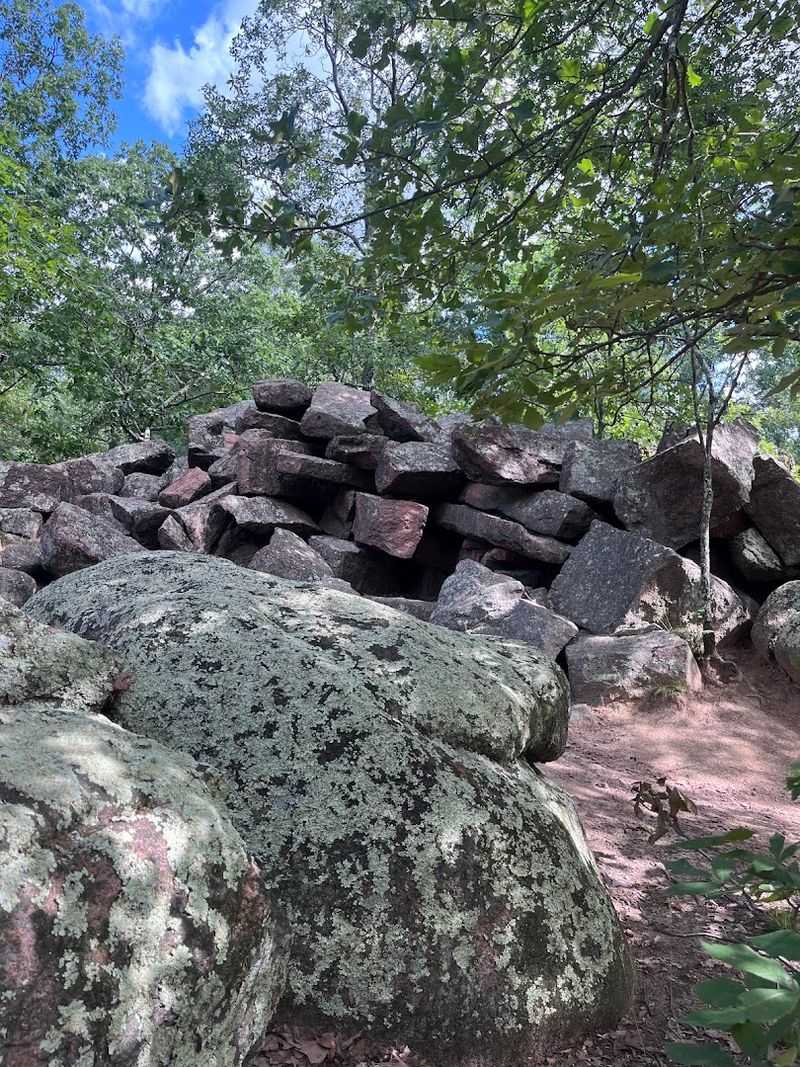
Granite outcrop ecosystems are rare, and Elephant Rocks State Park protects one of Missouri’s best examples.
The plants that grow on and around these ancient boulders are specially adapted to survive in thin soils, intense sun, and dramatic temperature swings. That kind of toughness deserves some respect.
Mosses and lichens cling to boulder surfaces, slowly breaking down rock into soil over centuries. Native grasses and wildflowers fill the cracks between formations.
The surrounding upland hardwood forest adds another layer of biodiversity with oaks, hickories, and understory shrubs.
Conservation here is an ongoing effort. Non-native plant seeds can hitch rides on visitors’ shoes and disrupt the native plant community.
A boot brushing station at the trailhead would help, and some visitors have requested one. Until then, cleaning your shoes before you arrive is a genuinely helpful habit.
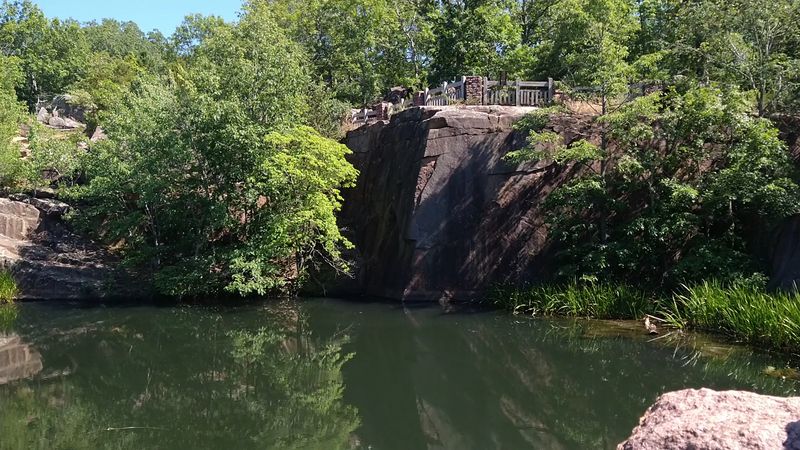
The old quarry areas visible from the trail show how dramatically land can recover when left alone. Vegetation is slowly reclaiming those scarred zones, and watching that process is its own kind of nature education.
The park’s natural area designation helps protect the most sensitive ecological zones. Visiting with awareness of what grows here makes the experience richer and helps keep the ecosystem intact for future visitors.
Bird Species That Can Be Spotted Year-Round
Birding at Elephant Rocks State Park rewards patience and early arrivals. The mix of granite outcrop habitat and hardwood forest creates ideal conditions for a surprisingly diverse bird population.
Year-round residents include red-tailed hawks, American crows, Carolina wrens, and downy woodpeckers.
The forest edges near the trail are productive spots for watching. Tufted titmice and black-capped chickadees move through the trees in small flocks during cooler months.
In warmer seasons, warblers and thrushes pass through during migration, adding even more variety to your list.
Open granite areas attract birds that prefer exposed perches. Eastern phoebes often hunt insects near rock faces.
Vultures are a common overhead sight, riding thermal currents above the boulders with impressive ease and zero effort.
A pair of binoculars and a free birding app on your phone make a big difference here. Apps like Merlin Bird ID can help you identify species by sound, which is especially useful when birds are hidden in the canopy.
Morning hours between 7 and 9 AM are peak activity times. The park is quiet enough in the early morning that bird calls carry clearly through the air.
You do not need to be a serious birder to enjoy this. Just slow down and listen.
How To Capture Beautiful Landscape Photographs
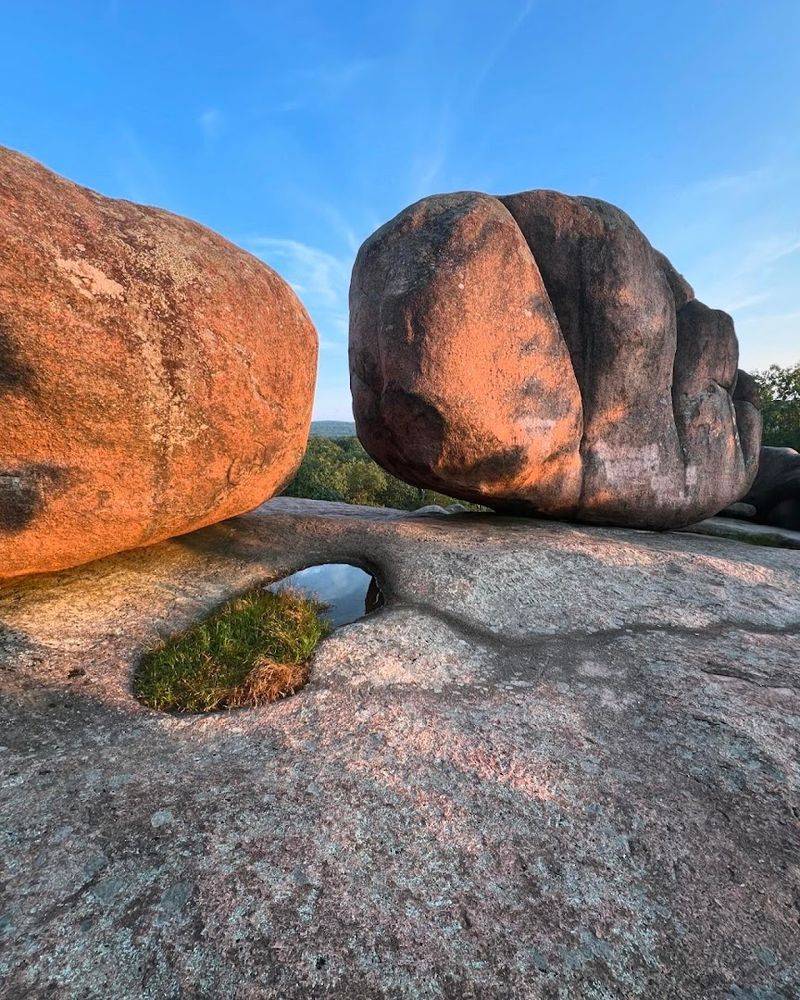
Photography at Elephant Rocks State Park is almost unfairly easy. The giant pink granite boulders create natural frames, interesting textures, and dramatic scale contrasts.
Golden hour light hitting those formations turns everything warm and cinematic without much effort on your part.
Morning light is especially good here. Arrive early, and the low-angle sun casts long shadows across the boulder surfaces, highlighting every crack and curve.
Midday light flattens everything out, so plan your best shots for the first two hours after sunrise.
Wide-angle lenses or your phone’s ultra-wide mode work great for capturing the full scale of the rock formations. Get low to the ground and shoot upward to make the boulders look even more imposing.
Shooting through gaps between rocks creates layered compositions that feel dynamic and interesting.
The pond near the picnic area is a great spot for reflection shots on calm mornings. Lichen and moss textures on the boulder surfaces make excellent macro subjects if you have a close-up lens.
Overcast days actually produce beautifully even light for detail shots without harsh shadows. Download your maps before arriving since cell service is unreliable.
That also means fewer interruptions while you shoot. Bring extra battery packs because you will take far more photos than you planned.
Tips For Camping Comfort And Safety In The Park
Camping near Elephant Rocks State Park means planning and knowing what the area offers. The park itself does not have on-site camping, but nearby options exist within the Missouri state park system.
Johnson’s Shut-Ins State Park is a short drive away and offers full camping facilities.
If you are planning a day trip with an early start, arriving before 9 AM on weekends is the smart move. The parking lot fills up fast on nice days, and a full lot means a frustrating wait or a missed experience entirely.
Weekday visits are noticeably quieter.
Safety on the rocks is real. Wear shoes with a solid grip because granite surfaces get slippery, especially after rain.
Bring knee pads if you plan to explore the narrow crevice trails like Fat Man’s Squeeze. A small first aid kit is a practical addition to any pack.
Water is essential. The on-site water fountain has been reported out of service, so bring more than you think you need.
Sunscreen matters too, especially on the open granite areas where shade is limited. Ticks are present in the forested sections, so check yourself thoroughly after your visit.
A hat, bug spray, and closed-toe shoes cover most of the basics. Preparation turns a good visit into a great one every single time.
Seasonal Changes And Their Impact On Scenery
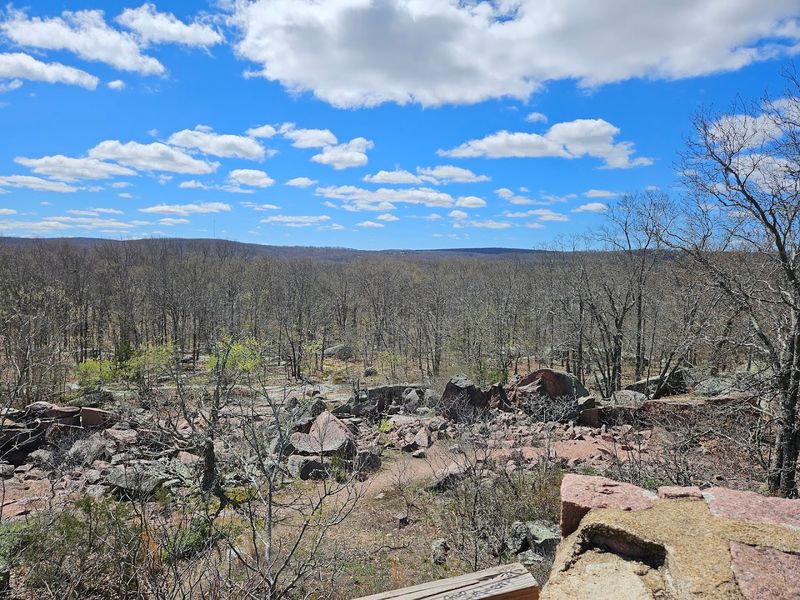
Every season at Elephant Rocks State Park offers a completely different visual experience. Spring brings fresh green growth around the boulders and wildflowers pushing through rocky soil.
The contrast of soft new leaves against ancient pink granite is genuinely striking and worth the visit on its own.
Summer is the busiest season. The hardwood canopy provides shade on the Braille Trail, which makes midday walks more comfortable than you might expect.
The rocks warm up significantly in summer heat, so early morning visits are cooler and more pleasant.
Fall is arguably the most dramatic season here. Orange, red, and gold foliage surrounds the boulders and reflects off the pond near the picnic area.
The colors frame the granite formations in a way that feels almost too photogenic to be real.
Winter visits are quieter and surprisingly beautiful. Snow and frost on the boulder surfaces create a stark, graphic landscape that photographs exceptionally well.
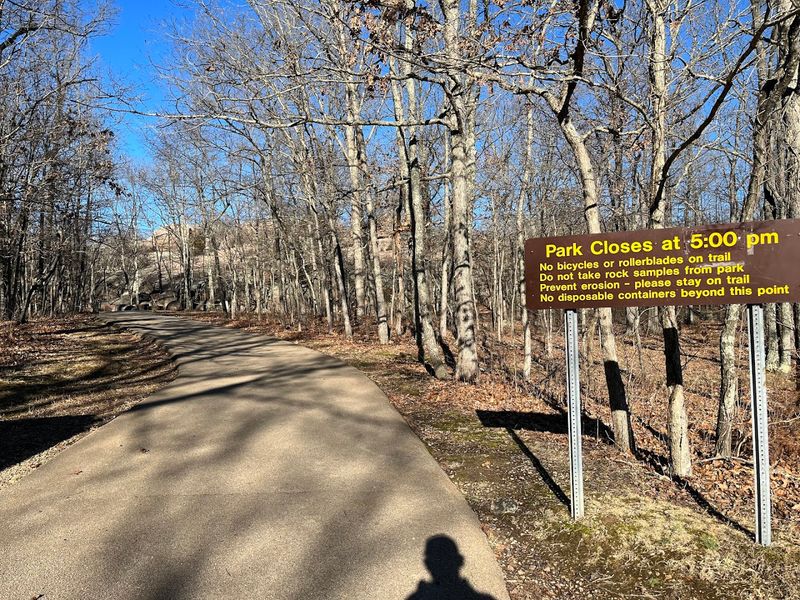
Crowds thin out dramatically in colder months, which means more solitude and easier parking. The park stays open year-round, closing at 8 PM daily.
Each season reveals a different personality in the same landscape. Visiting more than once across different months is genuinely worthwhile.
The rocks stay the same, but everything around them keeps changing in the best possible way.