
This 2,910 Acre Georgia State Park Is One Of The State’s Best-Kept-Secrets
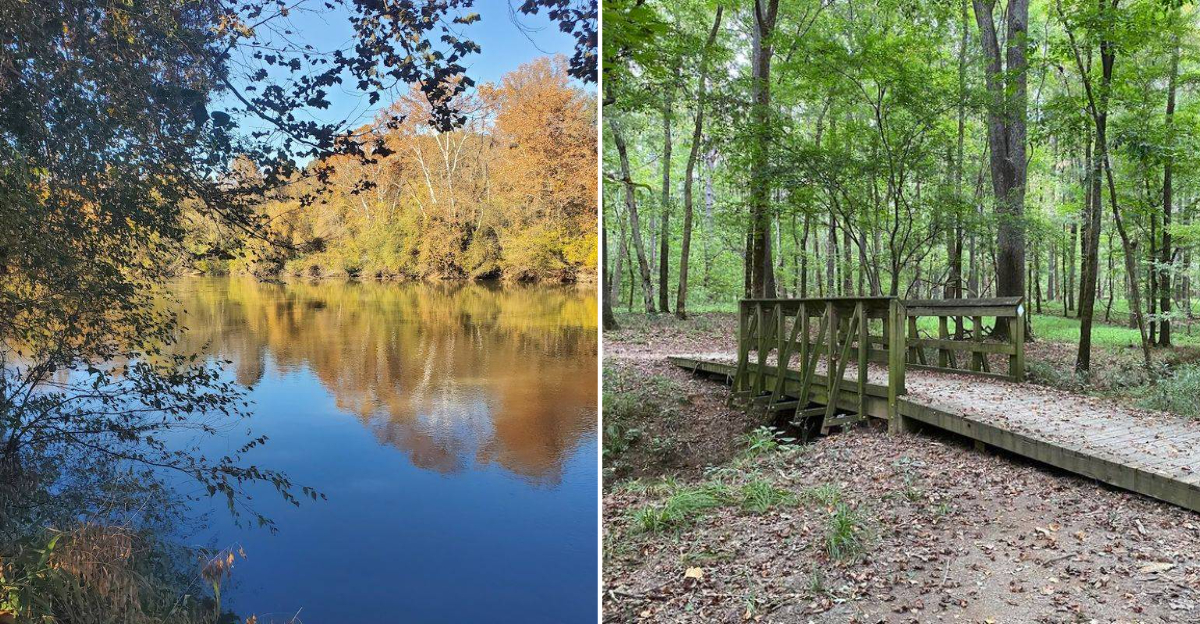
The best state parks are the ones where you show up and ask yourself why the parking lot is not full. This is one of those parks.
The answer is simple. Nobody talks about it.
Until now. Spread across 2,910 acres of Georgia, this park has the kind of quiet that is genuinely hard to find anymore.
No crowds pushing past you on the trail. No line for the kayak rental.
No stranger’s speaker ruining the sound of the water. Just trees, trails, and enough space to remember what it felt like before every good place got discovered and tagged and turned into a destination.
The people who know about this park tend to say very little about it. Not because there is nothing to say.
Because they would rather keep the parking lot exactly the way it is. Empty.
Peaceful. Theirs.
Flora Diversity In Georgia State Parks
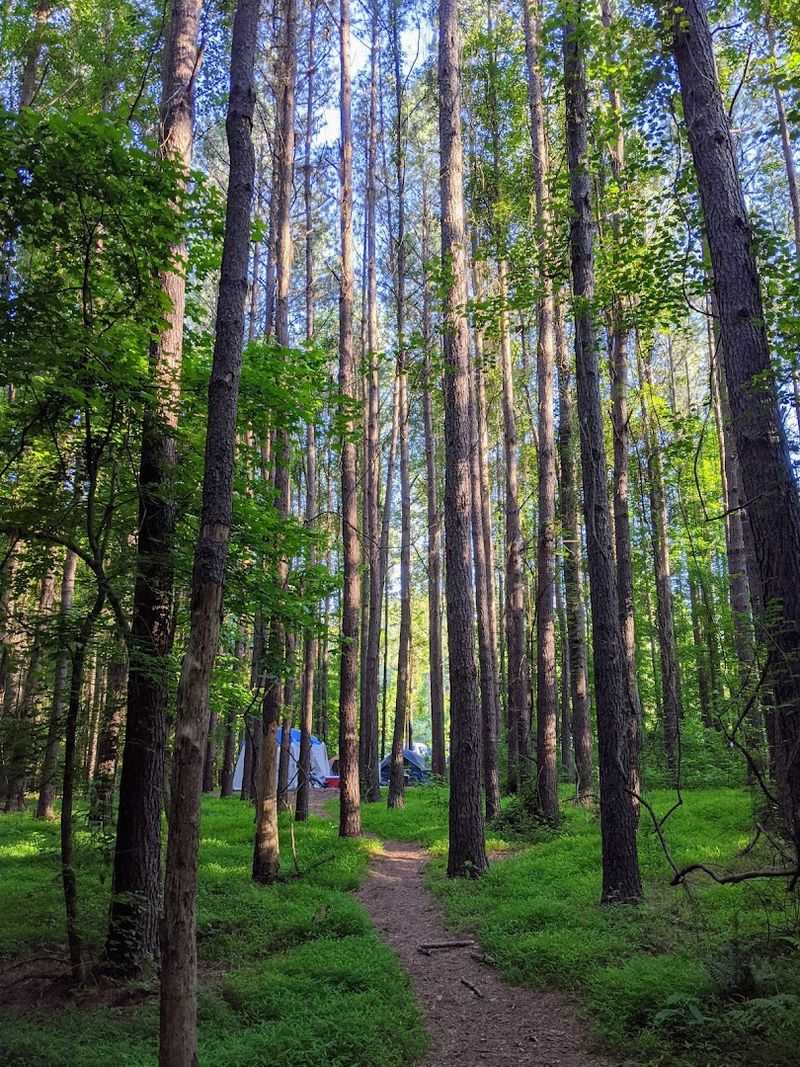
This park is basically a living science lesson, and the best kind. The park covers riverbanks, hardwood forests, open fields, and unique granite outcrops.
That variety creates a surprisingly rich mix of plant life.
Before the state acquired this land, much of it was clear-cut for timber. Young pine trees now dominate large sections, slowly reclaiming what was lost.
Watching that regrowth happen in real time is oddly satisfying.
The granite outcrops are where things get genuinely fascinating. Rare and endangered plant species grow on those rocky surfaces alongside mosses and lichens that look like something from another planet.
A butterfly garden near the Visitor Center adds even more color to the mix.
Hardwood trees line the riverbanks and create shaded canopies along the trails. Wildflowers pop up seasonally, and ferns fill in the forest understory.
The plant diversity here reflects how much the ecosystem has bounced back since the land was protected.
You can find the park at 425 Bobwhite Way, Newnan, GA 30263, United States. It is open daily from 7 AM to 10 PM, giving you plenty of daylight hours to explore every plant community across the property.
Wildlife Viewing Opportunities Available
Spotting a bald eagle in the wild never gets old. At Chattahoochee Bend State Park, that is not a rare event.
The park’s diverse habitat supports an impressive range of wildlife that keeps birders and nature lovers coming back.
Otters and beavers work the riverbanks like they own the place. Deer wander through open fields, especially in the early morning and late afternoon.
Wild turkeys strut along trails without much concern for human visitors.
Ospreys are a regular sight above the Chattahoochee River, diving for fish with remarkable precision. Various songbirds fill the forest with sound year-round.
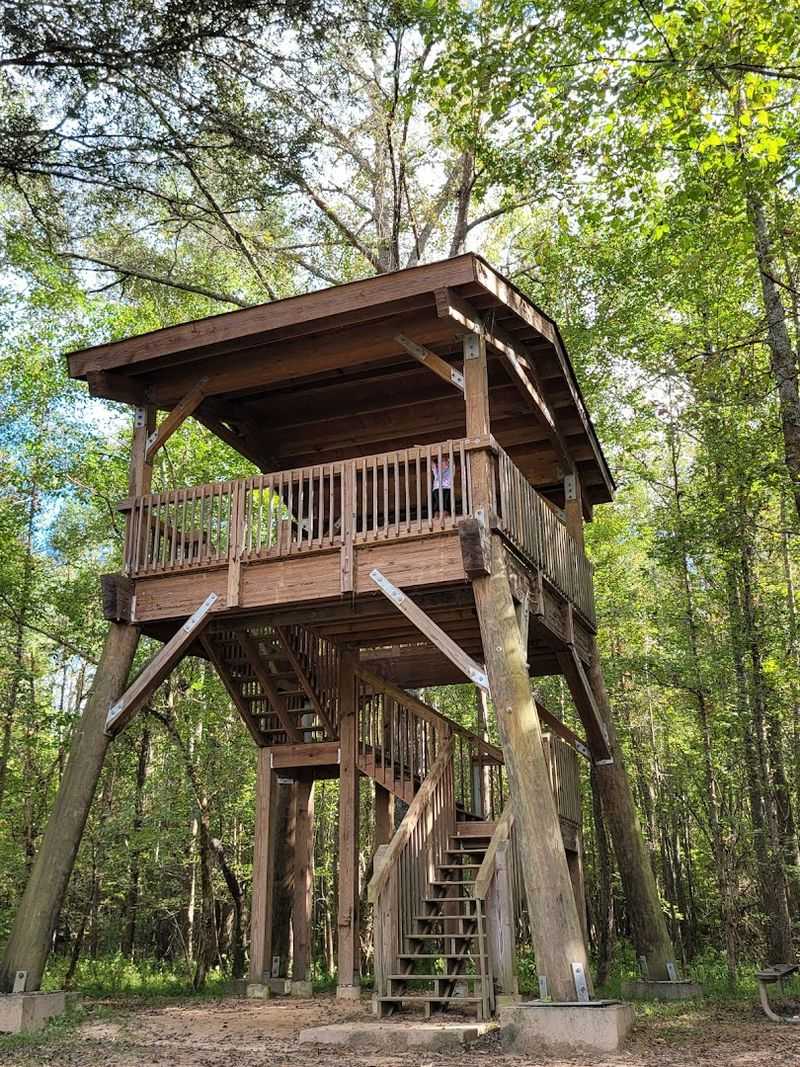
The observation tower along the river gives you an elevated vantage point for spotting both birds and river wildlife without disturbing them.
Snakes are also present, so staying on marked trails and watching where you step is genuinely good advice. The park’s mix of river, forest, and open field creates edge habitats where wildlife activity is highest.
That variety is what makes each visit feel different.
Turtles basking on branches in the river are easy to spot from the Riverside Trail. The butterfly garden near the Visitor Center attracts pollinators throughout warmer months, adding another layer of wildlife activity close to the park entrance.
Trails And Hiking Routes To Experience
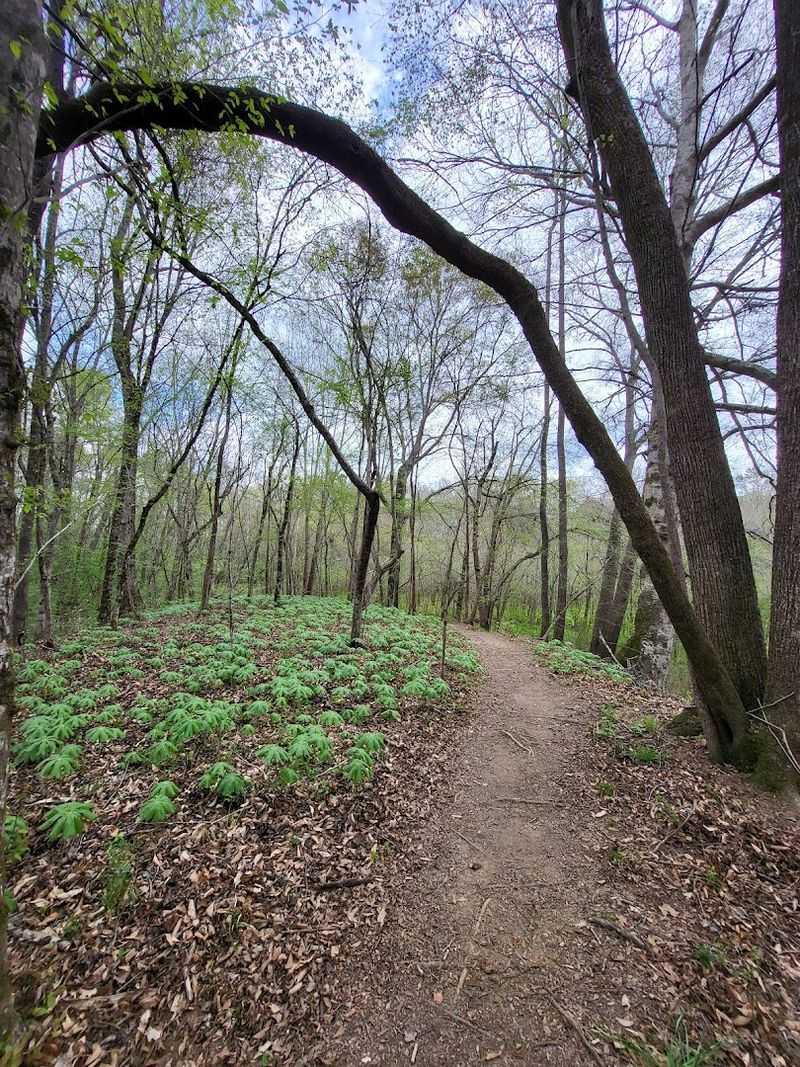
The trail system here covers over 12 miles of hiking routes, with some estimates pushing closer to 15 miles depending on the loop combinations you choose. That is a serious amount of ground to cover, and no two trails feel the same.
The Riverside Trail follows the Chattahoochee River and rewards hikers with open water views, turtle sightings, and access to the observation tower. It is one of the most popular routes for good reason.
The path is relatively level and manageable for most fitness levels.
The Wild Turkey Trail connects to the Flat Rock Trail, which takes you across exposed granite slabs marked with painted trail indicators. Walking across those flat granite surfaces feels genuinely different from any other trail experience in Georgia.
The Bobcat Trail loops back and completes a satisfying circuit.
Mountain bikers have 3 to 5.5 miles of dedicated trail options. An ADA-accessible paved trail ensures the park is welcoming to visitors of all mobility levels.
Small creek crossings add a bit of adventure, especially after rainfall.
Trail markings are color-coded and consistently reliable throughout the park. Starting from the Visitor Center gives you easy access to the blue Wild Turkey Trail, which connects to most other routes.
Wear long pants and solid shoes with good tread.
Camping Facilities And Amenities Offered
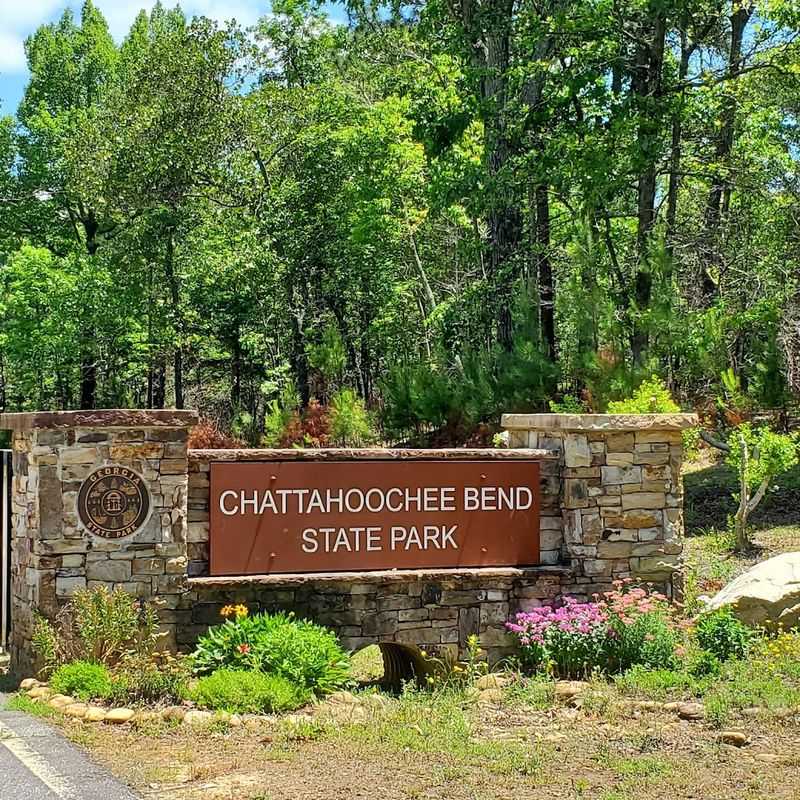
The camping options at Chattahoochee Bend State Park cover just about every style of outdoor sleeping arrangement imaginable. Traditional tent and RV sites, walk-in sites, riverside platform campsites, Adirondack-style screened shelters, camper cabins, and full cottages are all available.
There is genuinely something for everyone here.
RV sites come with water and power hookups. The campgrounds are well-maintained, with clean bathhouses that are regularly stocked.
Camp hosts are present and known for being friendly and helpful, which makes a real difference when you need assistance.
The riverside platform campsites are accessible by hike or paddle, which adds an adventurous element to the overnight experience. Waking up to the sound of the Chattahoochee River right outside your tent is hard to beat.
Those sites book up, so planning is a smart move.
Three newer cottages have recently opened, adding more comfortable accommodation options for visitors who prefer solid walls and a proper kitchen. The cabins are well-maintained, with working air conditioning, comfortable beds, and clean bathrooms.
Screened porches make outdoor dining a genuine pleasure.
Playgrounds are available for families with young kids. The park is dog-friendly, and you can set up dog fencing outside your RV.
The park is about 20 miles from the nearest town, so arriving with all your supplies already packed is the right call.
Water Activities Within The Park Boundaries
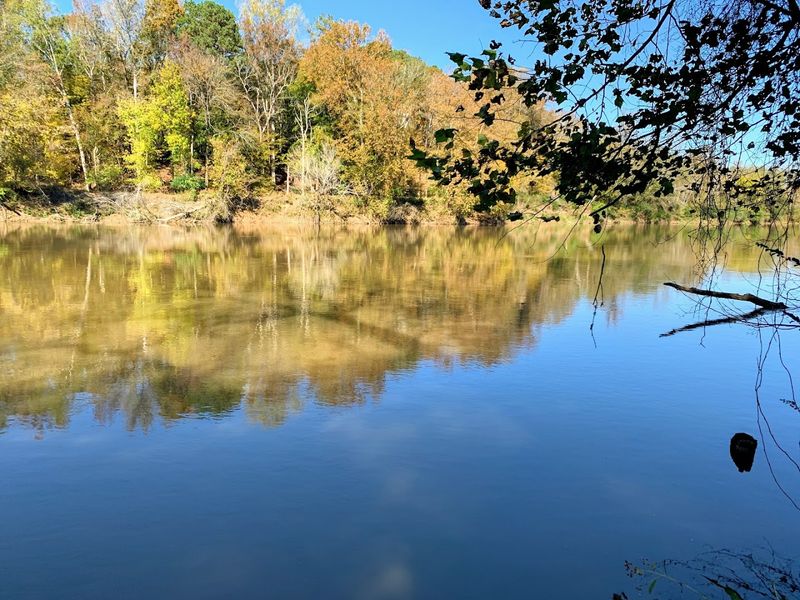
Five to seven miles of Chattahoochee River shoreline run through this park, and the water access options are genuinely impressive for a state park of any size. Canoeing, kayaking, boating, and fishing are all part of the experience here.
A boat ramp provides straightforward access to the river for motorized and non-motorized watercraft. The water is generally calm and well-suited for paddling.
Some sections include shoals and Class 1 and 2 rapids, which add a mild thrill without turning the trip into a survival situation.
Fishing along the Chattahoochee is popular, though the steep banks in certain sections make it a bit challenging. Anglers who know the river well tend to find productive spots.
Bringing the right gear and a little patience goes a long way.
Paddling to one of the riverside platform campsites is an experience worth planning an entire trip around. You load your gear into a kayak or canoe, paddle to your site, and set up camp right on the water.
That combination of effort and reward is hard to replicate anywhere else nearby.
The river also provides a scenic backdrop for hikers on the Riverside Trail, even for visitors who never get in the water. Watching otters, herons, and turtles from the bank is a free and endlessly entertaining activity at this park.
Picnic Spots And Family-Friendly Areas
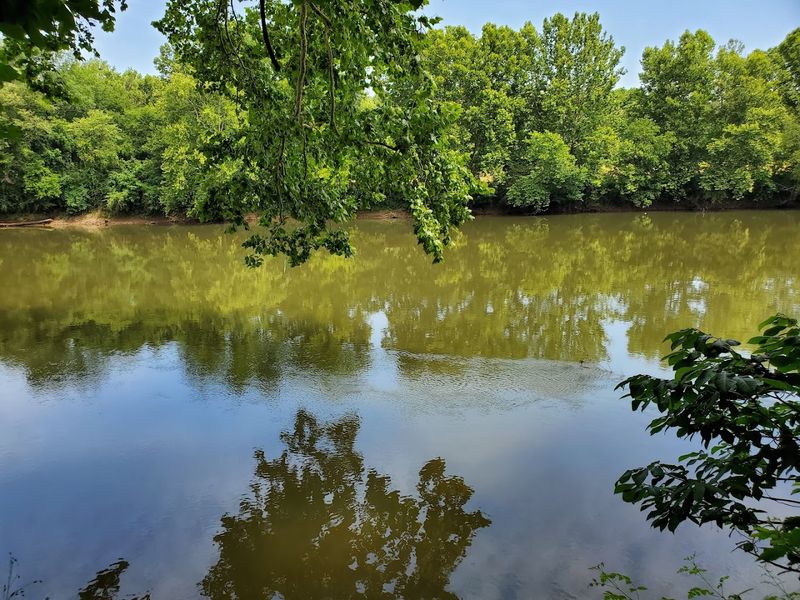
Picnicking at Chattahoochee Bend State Park is less of an afterthought and more of a full experience.
Picnic tables and grills are scattered throughout the park, including spots along the Riverside Trail where you can eat with a direct view of the Chattahoochee River. That is a hard setting to improve on.
Playgrounds are available for younger visitors, and the equipment is well-maintained. Families with kids can combine a short hike with playground time and a riverside lunch without anyone getting bored.
The ADA-accessible paved trail also makes the park genuinely usable for visitors with mobility considerations.
The Visitor Center functions as a gift shop with basic camping and hiking supplies, snacks, and water. Restrooms are available there as well.
Having a central spot to restock and regroup makes day trips with families a lot smoother.
The park grounds are clean and well-kept, which matters more than people admit when you are trying to enjoy a meal outside. Staff and volunteers actively maintain the facilities.
The butterfly garden near the Visitor Center is a low-key but genuinely charming spot that kids tend to love.
Entry is payable through a QR code app or in cash at the Visitor Center. The park is open daily from 7 AM to 10 PM.
That long operating window gives families plenty of flexibility for a full day out.
Seasonal Changes And Their Impact On Scenery
Chattahoochee Bend State Park does not look the same in January as it does in October, and that is a big part of its appeal.
Each season brings a noticeably different version of the landscape, making repeat visits genuinely worthwhile rather than redundant.
Spring kicks things off with wildflowers appearing along the trails and migratory birds returning to the river corridor. The forest fills in quickly, and the trails become shadier as leaf cover returns.
Wildlife activity picks up noticeably as temperatures warm.
Summer brings a dense green canopy that keeps the trails surprisingly cool. Paddling the river is at its most popular during these months.
The butterfly garden near the Visitor Center reaches peak activity, and the park stays busy with campers through the warm weekends.
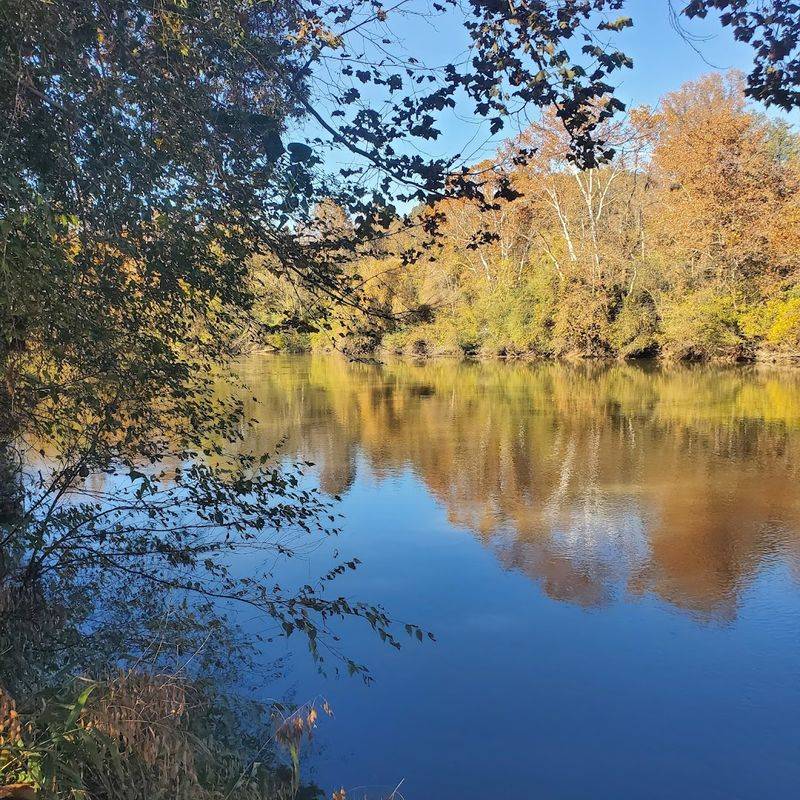
Fall is arguably the most visually rewarding season here. The hardwood trees along the riverbanks turn gold, orange, and red, and those colors reflect off the Chattahoochee in a way that feels almost too photogenic to be real.
Cooler temperatures make long hikes genuinely comfortable.
Winter strips the forest back to its bare structure, which actually reveals views of the river that summer foliage hides. Wildlife is easier to spot without leaf cover.
The park stays open year-round, and the quieter winter months offer a solitude that peak season simply cannot match.
Conservation Efforts And Sustainability Practices
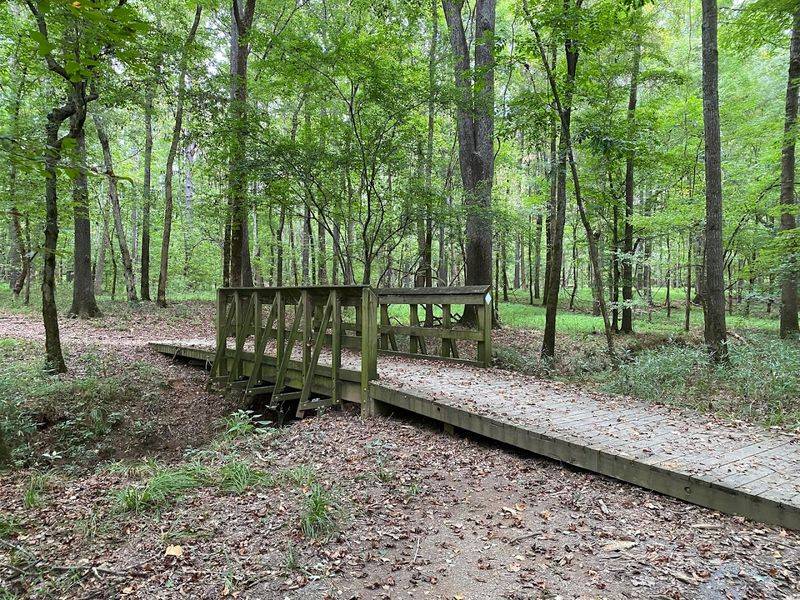
Chattahoochee Bend State Park officially opened on July 1, 2011, making it one of Georgia’s newest state parks. Before the state acquired the land, much of it had been heavily logged.
The park’s existence is itself a conservation story in progress.
The Friends of Chattahoochee Bend is an active volunteer group that contributes to trail maintenance, park development, and ongoing improvements.
Their work shows up in well-maintained benches, cleared trail debris, and community engagement events. Without that volunteer effort, the park would not be in the condition it is today.
Trail expansion is ongoing, with new routes and improvements being added as the park continues to develop. The recent addition of new cottages reflects investment in sustainable tourism infrastructure.
Balancing visitor access with habitat preservation is an active and deliberate process here.
The park’s ADA-accessible trail demonstrates a commitment to inclusive access, ensuring the natural environment is available to more people. Endangered plant species on the granite outcrops are protected within park boundaries.
Those outcrops serve as indicators of ecosystem health that rangers and conservationists monitor over time.
The young pine forest regenerating across the park represents one of the most visible conservation outcomes here.
Watching a clear-cut landscape slowly return to functioning forest over the years is a reminder of what land protection can actually accomplish. This park is a work in progress, and that makes it interesting.