
This 45,000-Square-Foot Italian Marketplace In Massachusetts Makes Fresh Pasta Daily
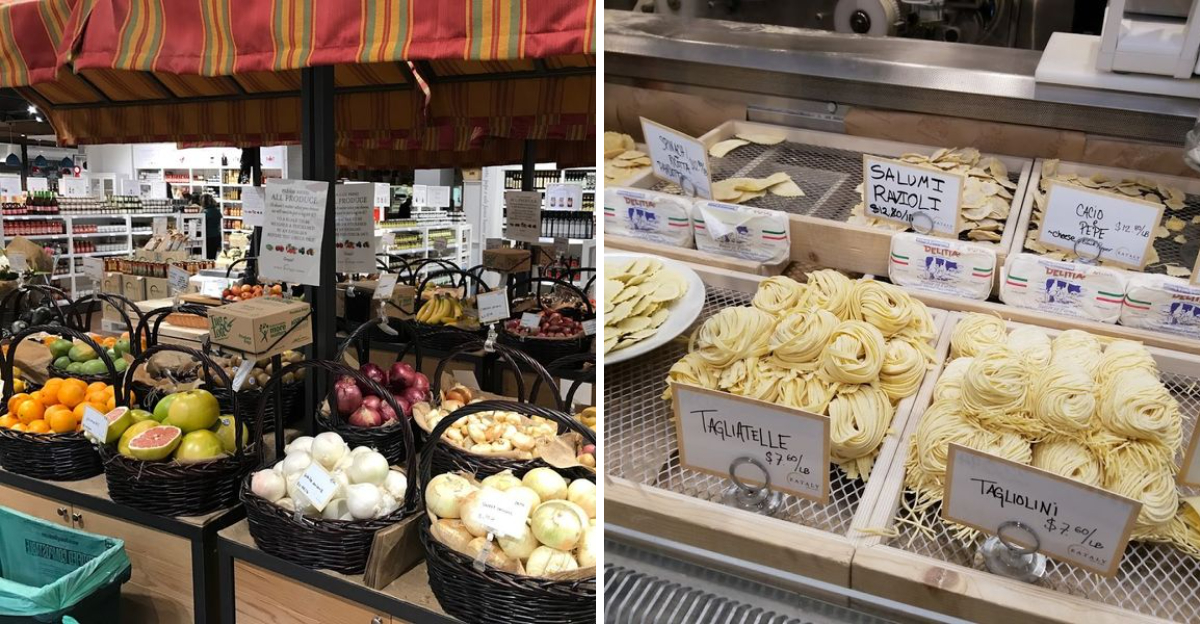
What if grocery shopping felt like a vacation? At one massive marketplace in Massachusetts, it actually does.
Everything here revolves around fresh, honest Italian food, made the way it is supposed to be made. Pasta rolls out daily, right where customers can watch every twist and cut happen.
Shelves are stacked with imported oils, sauces, and pantry staples you did not know you needed. Multiple restaurants operate inside, each one focused on doing a few dishes really well.
A wood fired oven turns out pizza all day long. Coffee bars keep the energy going for anyone who needs a break between aisles.
It is loud, busy, and full of energy, exactly how a good Italian kitchen should feel. This is not your average grocery run.
It is a full experience built for people who take food seriously, one fresh batch of pasta at a time.
A Daily Dance Of Flour And Water
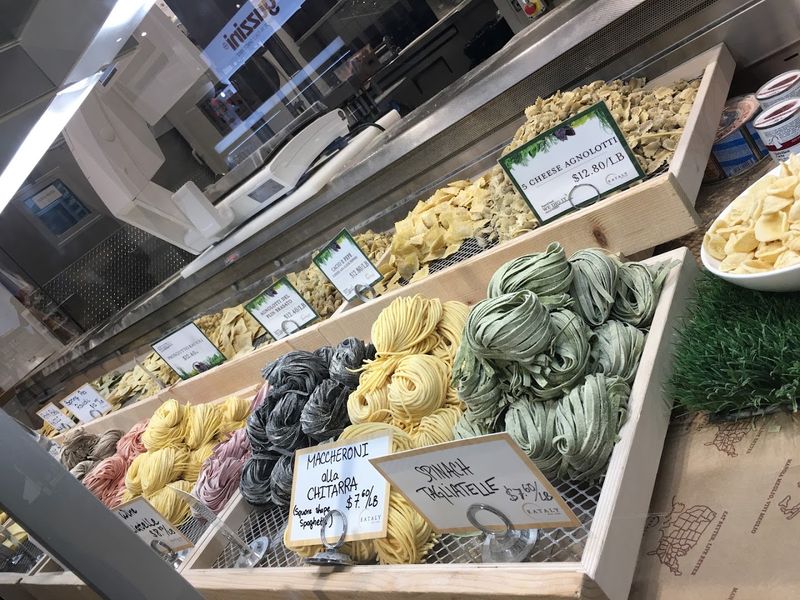
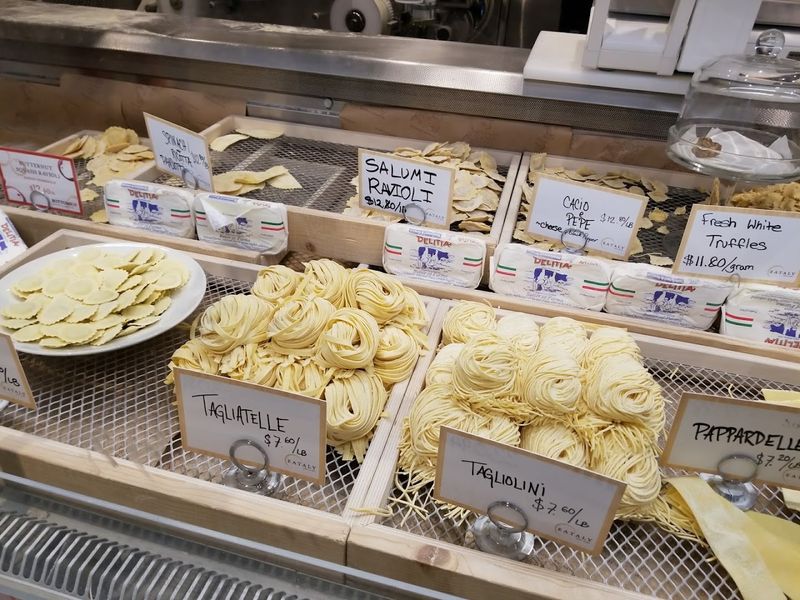
Every morning at Eataly Boston, the pasta counter wakes up before most of the city does. Sheets of fresh dough get rolled, folded, and cut into shapes that take years of practice to master.
The rhythm is almost meditative to watch.
This 45,000-square-foot marketplace has made fresh pasta production a daily ritual rather than a marketing gimmick. Tagliatelle, pappardelle, and stuffed shapes like tortelloni rotate through the display case with the seasons.
What sits behind the glass today might be entirely different next week.
The pasta is made using semolina and soft wheat flour, following regional Italian traditions that vary by shape and sauce pairing. Each form has a purpose.
Thick ribbons catch hearty ragus, while delicate sheets wrap around ricotta or squash fillings. The counter staff can explain the difference without missing a beat.
Buying fresh pasta here means cooking something genuinely perishable and alive at home. It cooks faster than dried pasta and carries a softer texture that holds sauce differently.
For anyone curious about Italian cooking, watching the process unfold in real time is a lesson worth more than any cookbook.
The Grand Canvas Of Italian Provisions
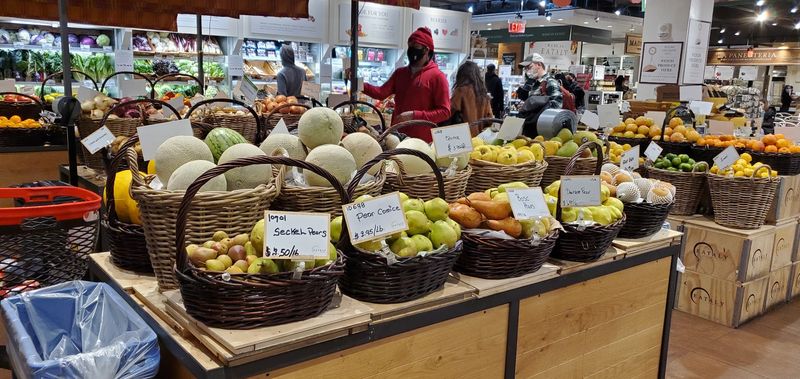
Forty-five thousand square feet sounds like a number until you are actually standing inside it. Rows of imported Italian pantry goods stretch in every direction, organized with the kind of logic that rewards slow, deliberate browsing.
The grocery section at Eataly Boston stocks products that rarely appear in standard supermarkets.
Aged balsamic from Modena, Calabrian chili paste, single-origin olive oils, and Sicilian sea salts occupy shelf space alongside more familiar Italian staples.
Each product comes with a regional identity.
Cheese and charcuterie counters anchor the market experience. Parmigiano-Reggiano aged 24 months sits beside younger wheels.
Mortadella, nduja, and finocchiona are sliced to order. The selection reflects the genuine geographic diversity of Italian food culture, not a simplified version of it.
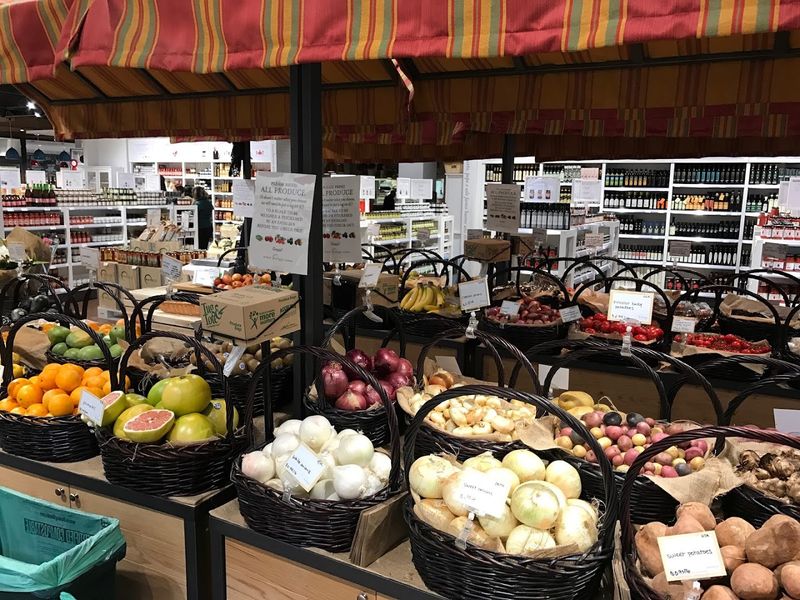
Fresh produce, seasonal mushrooms, and specialty ingredients round out the grocery floor. The layout encourages wandering, and most people do exactly that.
Kitchenware, cookbooks, and Bialetti moka pots fill the non-food sections. A replacement gasket for a stovetop espresso maker is apparently not difficult to find here, which says a lot about the depth of the inventory.
This Marketplace Teaches You More Than Just How To Eat
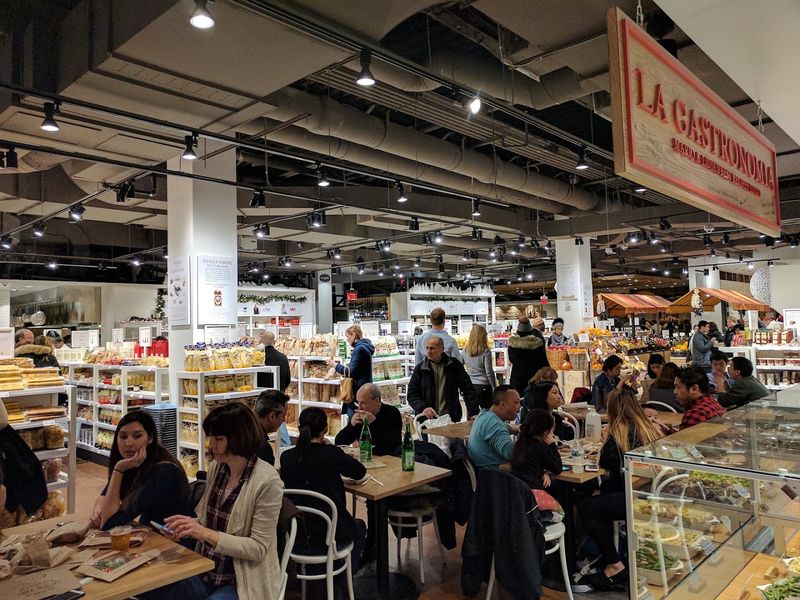
Eataly Boston runs cooking classes and special dining events that go far beyond a standard restaurant experience.
Pasta workshops, chef led dinners, and regional tasting menus turn a meal into a chance to learn more about Italian ingredients and traditions.
The focus is on understanding what you are eating, not simply finishing the plate.
Many events highlight the differences between Italy’s regions through carefully planned courses. Guests may learn how local ingredients, traditional techniques, and seasonal changes shape each dish.
These are not ordinary demonstrations. The menus are designed to explain why certain flavors work together and how familiar recipes developed over time.
Holiday gatherings add another layer to the calendar. Past events have included multiple food stations with oysters, seared steak, fresh pasta, and dessert displays featuring cannoli and pear cake.
Live music runs alongside the food without overwhelming conversation, creating a lively yet comfortable atmosphere.
The educational angle extends to the market floor as well. Staff at specialty counters explain aging processes, regional differences, and preparation methods with genuine enthusiasm.
Curiosity is encouraged rather than merely tolerated, making each trip feel like a small and satisfying lesson in Italian food culture.
Where The Adriatic Meets The Atlantic’s Bounty
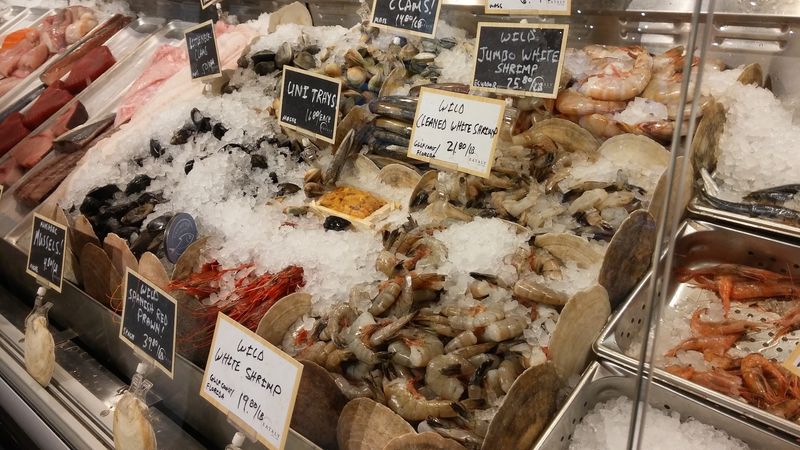
Boston sits on a coastline with serious seafood credentials, and Eataly Boston leans into that geography with intention. The seafood offerings reflect both Italian coastal traditions and the quality of what the North Atlantic delivers.
Fresh oysters served at the piazza counter arrive cold, briny, and dressed simply with lemon, which is the correct way to serve them.
The connection between Italian seafood cooking and New England’s marine bounty is more natural than it might initially seem.
Italian cuisine from the Adriatic coast and the Ligurian Sea has always centered on simplicity, letting the freshness of the catch carry the dish.
That philosophy translates well here.
Crudo preparations, whole fish, and shellfish appear across the dining counters depending on the season and availability. The kitchen does not overcomplicate things.
A well-sourced piece of fish needs very little interference, and the approach at Eataly Boston reflects that understanding.
Seafood also appears in the prepared foods section, where arancini and other ready-to-eat items sometimes feature fish or shellfish fillings.
For anyone building a meal at home, the market floor offers the raw ingredients alongside the context needed to use them properly.
The combination of location and sourcing makes the seafood program one of the more coherent parts of the entire marketplace operation.
An Olfactory Journey Through Italy’s Heart
There is a specific smell that hits you when you walk past the charcuterie counter at 800 Boylston St, Boston, Massachusetts.
Cured pork fat, aged cheese, and fresh bread overlap in a way that is immediately recognizable even if you have never been to Italy.
It is a smell that belongs to markets, not restaurants, and that distinction matters.
The bakery section produces focaccia, ciabatta, and other breads throughout the day. The smell of baking dough moves through the space at predictable intervals, pulling attention in its direction.
Pastries, including sfogliatelle and various cream-filled options, sit in glass cases near the coffee counter.
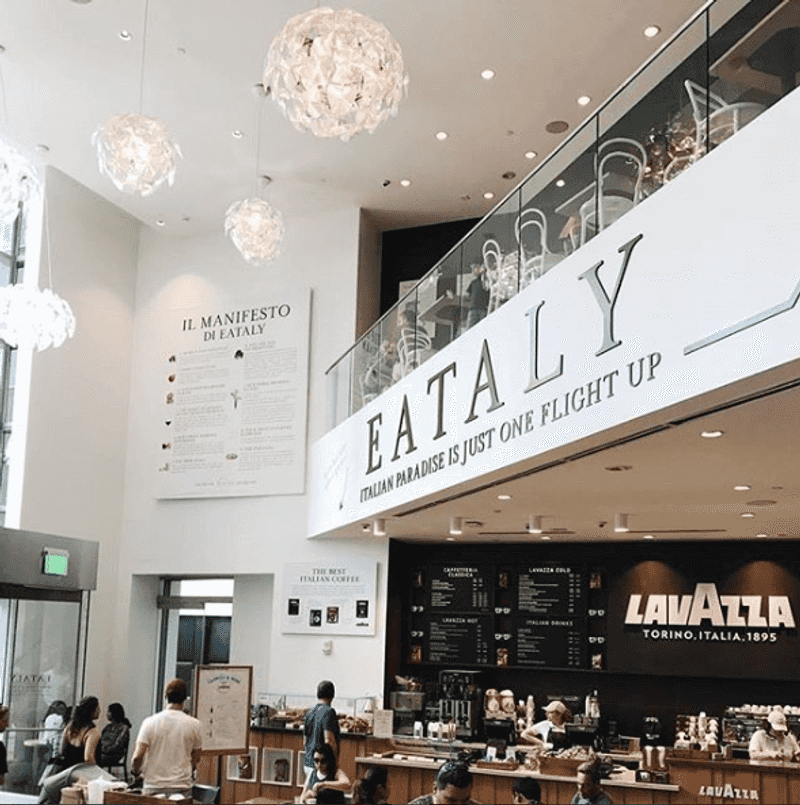
Espresso is taken seriously here. The coffee bar follows Italian service conventions, which means the coffee is short, strong, and consumed standing up if you are doing it correctly.
Pastries pair naturally with the ritual, and the morning hours carry a particular energy because of it.
The aromatic environment is not accidental. Italian food culture has always understood that smell is the first form of appetite, and the layout of this marketplace seems designed with that in mind.
Moving from the bakery to the cheese counter to the pasta station, the sensory transitions feel deliberate. Each section has its own aromatic signature, and together they build something that is difficult to replicate outside of Italy itself.
Artisanal Creations Beyond Just Pasta
Pistachio tiramisu is not something most dessert menus attempt, but Eataly Boston carries it as a regular offering. The preparation balances the bitterness of espresso-soaked ladyfingers with the slightly savory quality of good pistachio paste.
The result is less sweet than a traditional tiramisu and more interesting for it.
Gelato at the marketplace covers a serious range of flavors. Passion fruit delivers real fruit clarity.
Salted caramel carries depth without becoming cloying. Mixed berry sorbet has the kind of clean, tart brightness that makes it the correct choice on a warm afternoon.
The texture across all flavors stays consistent, which is a sign of proper production technique.
Arancini, cannoli, and various cream-filled pastries round out the savory-to-sweet journey available across the space. These are not afterthoughts.
The dessert and pastry program at Eataly Boston operates with the same seriousness applied to the pasta counter and the cheese selection.
Beyond food, artisan kitchenware and specialty cookware share floor space with the edible offerings. Bialetti products, ceramic serving pieces, and Italian-designed kitchen tools are available throughout the store.
The presence of these items reflects a philosophy that good cooking begins with the right equipment, and that the marketplace should support the entire process from shopping to plating.
A Spectrum Of Italian Dining Experiences
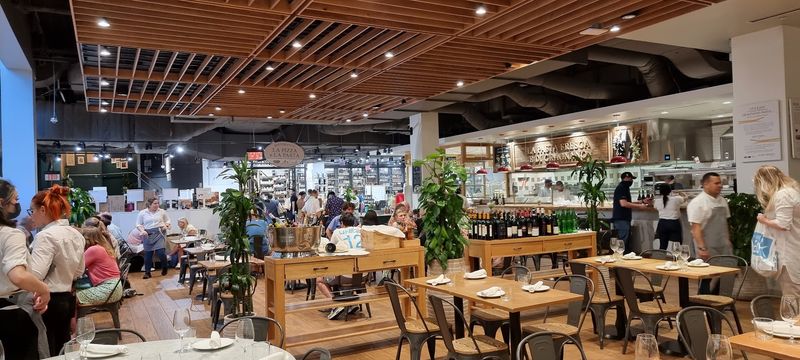
Eataly Boston does not operate as a single restaurant. It functions as a collection of distinct dining concepts sharing one very large roof.
Pizza, pasta, grilled proteins, charcuterie boards, and quick-service counters each occupy their own section of the floor. You can eat an entire meal by moving through different stations, or commit to one spot and work through a proper sit-down experience.
The fungi pizza has developed a reputation for a reason. The dough is made fresh, the mushrooms are layered generously, and the whole thing bakes at high heat in a way that produces a crust with real character.
It lands somewhere between Neapolitan and Roman in style, which is its own category worth respecting.
Panini, salads, and prepared foods offer faster options for anyone without the time or appetite for a full meal. The salad counter uses fresh produce from the market floor, which means the ingredients are the same quality available for purchase.
That consistency is not something every food hall manages to maintain.
The Soulful Embrace Of Old-World Traditions
There is a version of Italian food culture that exists in Roman neighborhood markets and Bolognese salumerias that most people outside of Italy never encounter.
Eataly Boston makes a genuine attempt to bring that sensibility to the Prudential Center at 800 Boylston St, and in many areas it succeeds with more conviction than expected.
The store is open daily from 9 AM to 11 PM, which means it accommodates morning coffee rituals, afternoon browsing, and evening meals without any awkward gaps.
That operating range reflects a genuine understanding of how Italians actually use their markets throughout the day.
The overall atmosphere carries a warmth that is harder to manufacture than square footage or product selection.
The combination of working kitchens, knowledgeable staff, and the particular energy of a place where food is taken seriously produces something that feels lived-in rather than staged.
That quality is what brings people back, and it is the hardest thing to replicate.