
This Abandoned North Carolina Park Is A Hidden Gem That’s Not On The Map
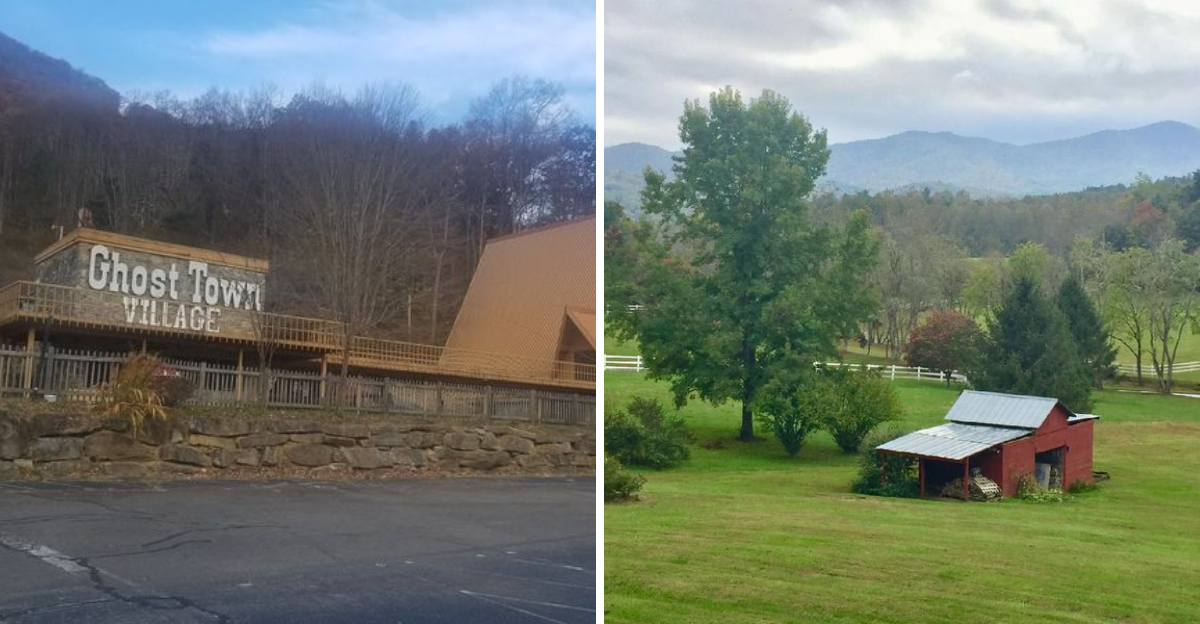
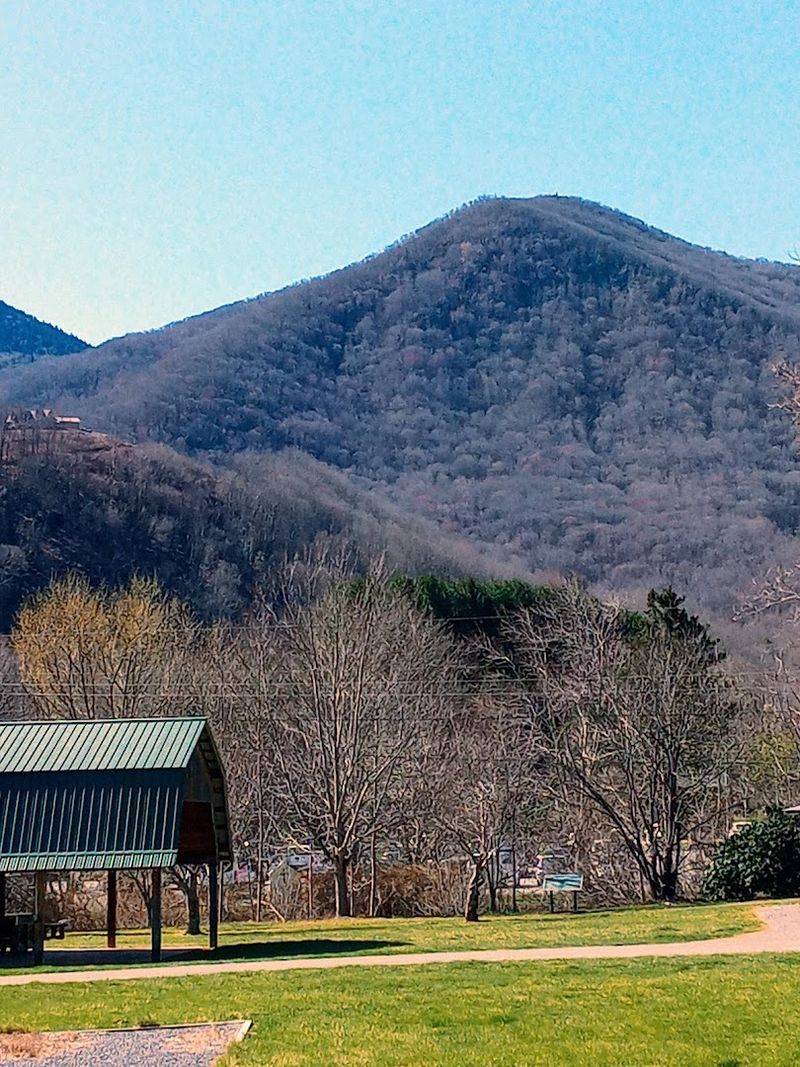
High in the Smoky Mountains, where fog drifts across quiet ridgelines and the sounds of crowds have long faded, an abandoned theme park still clings to the mountainside. Years ago, thousands of visitors arrived to experience a slice of the Wild West without leaving North Carolina.
Today, weathered storefronts stand silent, old rides sit rusting in the mountain air, and vines creep across what was once a lively attraction. The forgotten setting now feels almost frozen in time, offering a fascinating look at roadside Americana and the shifting tides of regional tourism.
The Wild West Theme Park That Once Drew Thousands
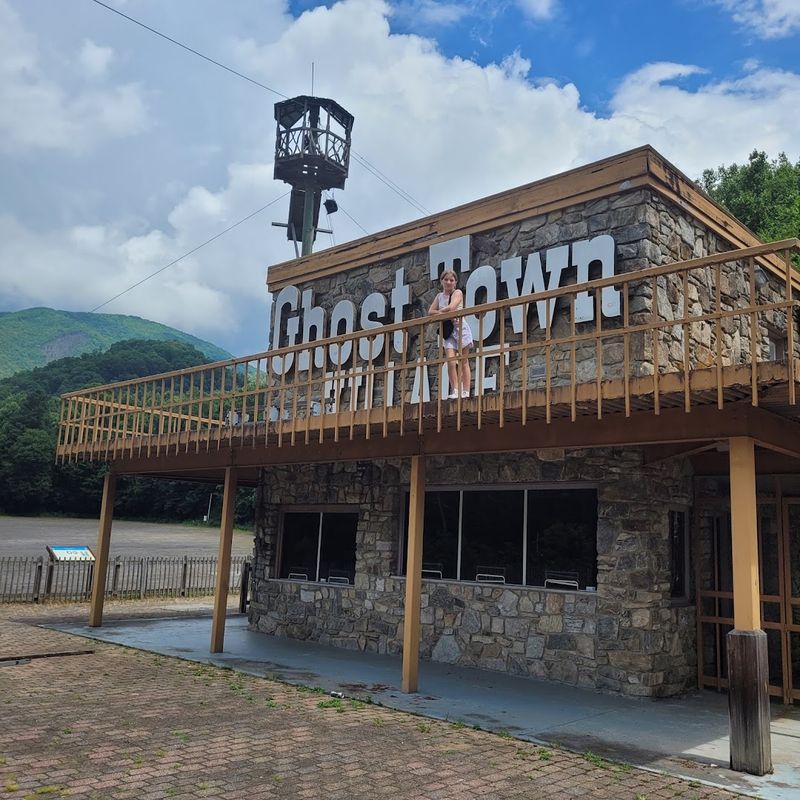
Ghost Town Village opened in 1961 as a family destination that promised adventure and entertainment wrapped in frontier nostalgia. Buck Sorrell, the original developer, built the park on Buck Mountain with careful attention to authenticity and atmosphere.
Wooden storefronts lined a dusty main street, and costumed gunslingers staged shootouts that drew applause from children and adults alike.
The park featured a chairlift that carried visitors up the mountain, offering sweeping views of Maggie Valley below. Shops sold candy, souvenirs, and handmade crafts while saloons served root beer floats.
Families returned year after year, making Ghost Town a staple of summer vacations throughout the 1970s and 1980s.
At its peak, the attraction welcomed more than 100,000 guests annually. The combination of mountain scenery, Western charm, and accessible entertainment made it a regional favorite long before modern theme parks dominated the market.
How Ghost Town Village Became A Regional Attraction
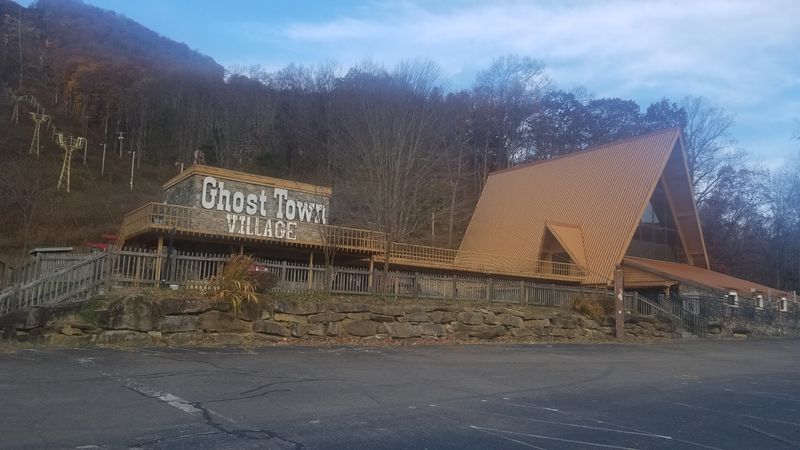
Location played a major role in the success of Ghost Town Village. Situated along US Route 19, the park sat directly on a heavily traveled tourist corridor connecting Tennessee and North Carolina.
Families driving through the Smokies often stopped for a few hours, drawn by roadside billboards and word-of-mouth recommendations.
The park also benefited from a lack of competition in the region. While Dollywood would not open until 1986, Ghost Town offered one of the few themed entertainment experiences in western North Carolina during the 1960s and 1970s.
Its Wild West concept appealed to a generation raised on television Westerns and cowboy movies.
Sorrell continuously updated the park with new rides and attractions. A Ferris wheel, bumper cars, and a log flume kept the experience fresh.
The address at 16 Fie Top Rd placed visitors at an elevation that provided cooler temperatures during hot summer months, adding to its appeal as a mountain escape.
Why Ghost Town Village Closed And Was Left Behind
Financial difficulties and changing tourism patterns led to the closure of Ghost Town Village in 2002. Competition from larger parks with bigger budgets made it difficult for smaller operations to survive.
Families began traveling farther for more elaborate experiences, and roadside attractions fell out of favor as interstate highways redirected traffic away from scenic routes.
After closing, the property changed hands multiple times. New owners announced plans to renovate and reopen the park, but these efforts stalled repeatedly due to funding issues and permitting challenges.
Each delay allowed more deterioration to set in, making restoration increasingly expensive and complicated.
By 2016, Ghost Town had been closed longer than it had been open. The most recent ownership group has made progress on renovations, but the park remains closed to the public as of this writing.
Legal disputes, infrastructure repairs, and safety concerns continue to delay any official reopening, leaving the site in a state of suspended animation between past glory and uncertain future.
The Overgrown Main Street And Deserted Buildings
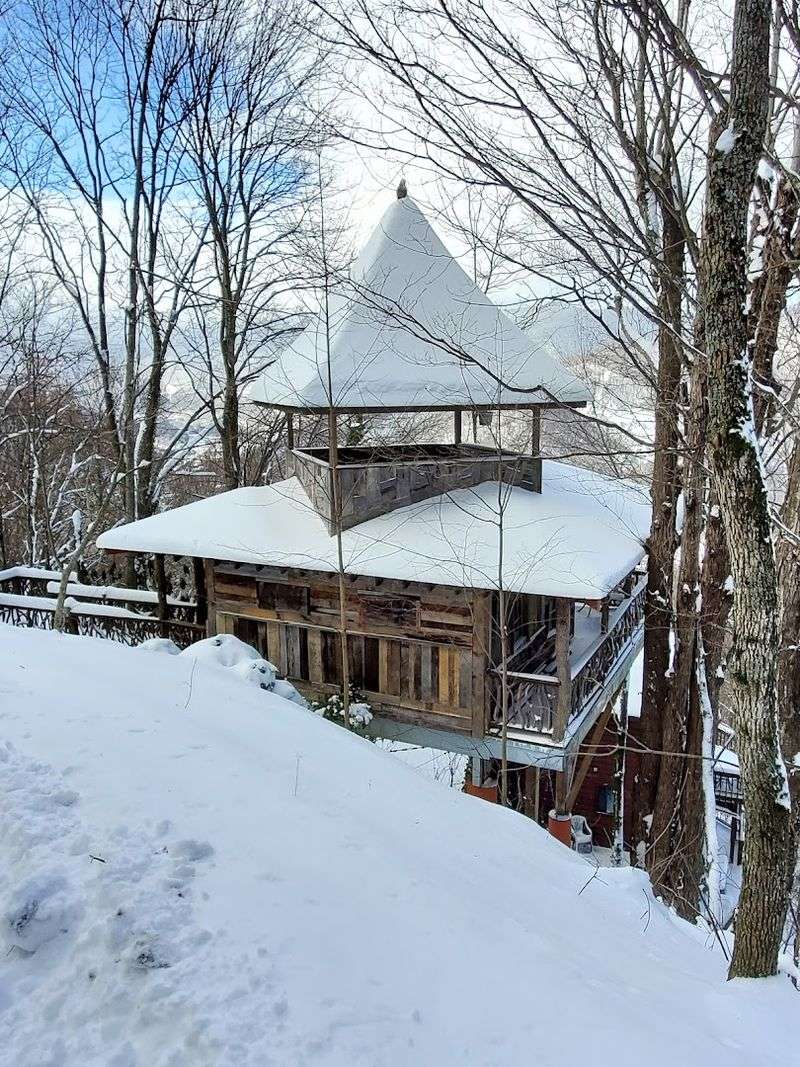
Walking through the deserted streets of Ghost Town Village feels like stepping onto a movie set after production has wrapped. Wooden facades that once housed a general store, a jail, and a blacksmith shop now stand with peeling paint and sagging porches.
Weeds push through cracks in the pavement, and vines climb walls that once echoed with the sounds of staged gunfights.
The buildings were constructed with surprising craftsmanship, using real wood and period-appropriate details. Many structures remain standing despite decades of exposure to mountain weather.
Windows are broken or missing entirely, allowing wind and rain to accelerate interior decay.
Signs advertising taffy, cold drinks, and photo opportunities hang askew or lie in the dirt. The main street, once packed with tourists during peak season, now hosts only the occasional hiker who finds a way onto the property.
The silence feels heavy, punctuated only by birdsong and the creak of loose boards swaying in the breeze.
Rusted Rides, Empty Saloon Doors, And Photo Ops
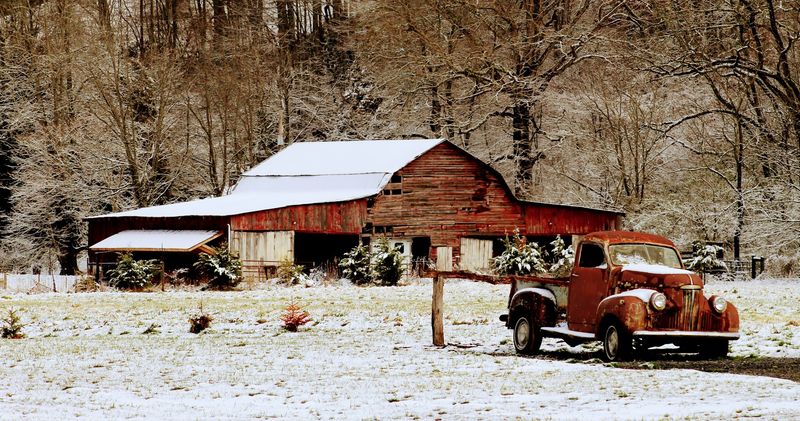
The rides at Ghost Town Village tell their own story of abandonment and decay. A Ferris wheel stands frozen, its gondolas tilted at odd angles and covered in rust.
The carousel, once brightly painted with galloping horses, has lost most of its color to sun and weather. Metal screams softly when the wind pushes against the structures, creating an unsettling soundtrack.
Saloon doors that once swung open dozens of times each day now hang motionless on rusted hinges. Some have fallen off completely, lying in piles of rotted wood near their original frames.
The interiors of these buildings are dark and uninviting, with collapsed ceilings and debris covering the floors.
Despite the decay, the park remains oddly photogenic. Photographers and urban explorers have captured haunting images of the site, though trespassing is illegal and dangerous.
Unstable structures, sharp metal edges, and the risk of collapse make unauthorized visits a serious safety concern, even as the visual appeal continues to draw curious visitors.
The Abandoned Chapel And Bell Tower At Ghost Town
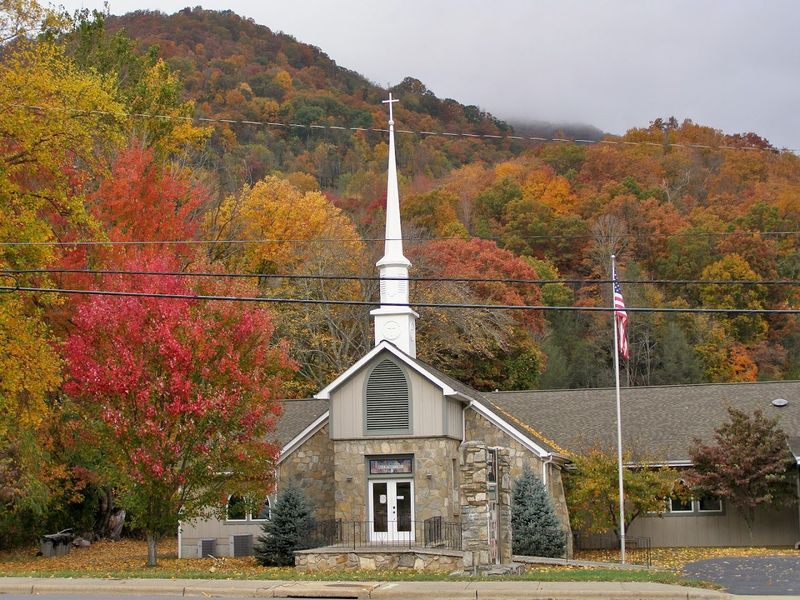
Among the most striking structures at Ghost Town Village is a small chapel that sits on a hillside overlooking the main street. Built with white-painted wood and featuring a modest bell tower, the building served as both a decorative element and a functional space for occasional weddings and services.
The bell no longer rings, and the interior has suffered significant water damage over the years.
Stained glass windows, some still intact, cast colored light across dusty pews when the sun hits at the right angle. Hymnals and other religious materials were removed long ago, but the space retains a solemn atmosphere that contrasts sharply with the carnival spirit of the surrounding park.
The chapel represents an unusual addition to a Wild West theme, reflecting the family values Sorrell wanted to emphasize.
The bell tower itself leans slightly, and structural engineers would likely condemn the building if inspected today. Still, it remains one of the most photographed locations within the abandoned park, offering a melancholy beauty that resonates with visitors familiar with its history.
Local Legends And Ghost Stories Of The Village
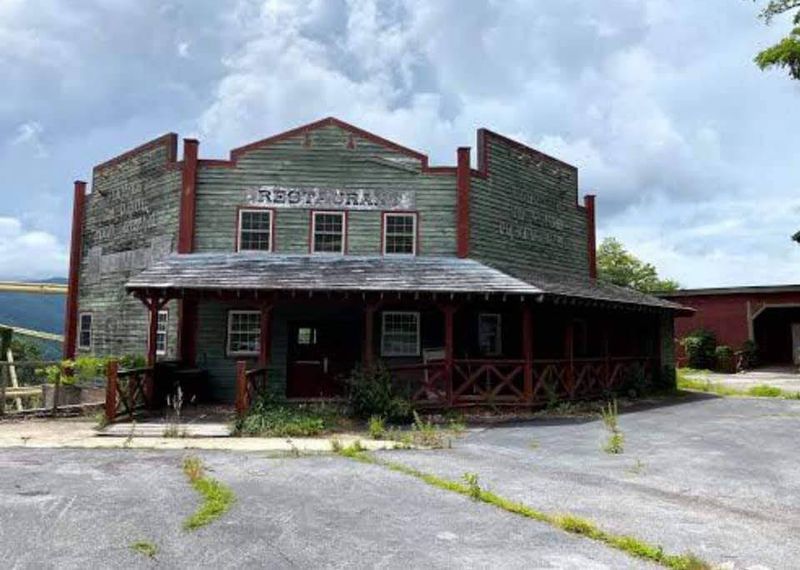
The name Ghost Town Village has taken on new meaning since the park closed, with locals sharing stories of unexplained phenomena and strange occurrences. Some claim to hear music and laughter echoing from the empty buildings on quiet nights, while others report seeing shadowy figures moving between structures.
These tales likely owe more to imagination than supernatural activity, but they add to the mystique.
One persistent story involves a former employee who supposedly died in an accident during the park’s operating years. No verified records support this claim, yet the legend persists in local conversation and online forums.
The combination of isolation, decay, and the park’s theatrical Western setting creates an atmosphere ripe for ghost stories.
Paranormal investigation groups have expressed interest in exploring the property, though legal access remains restricted. Whether or not actual spirits haunt Ghost Town Village, the location certainly evokes a sense of loss and nostalgia that can feel almost tangible when standing among the ruins of what was once a place of joy and excitement.
How Nature Has Taken Over The Park
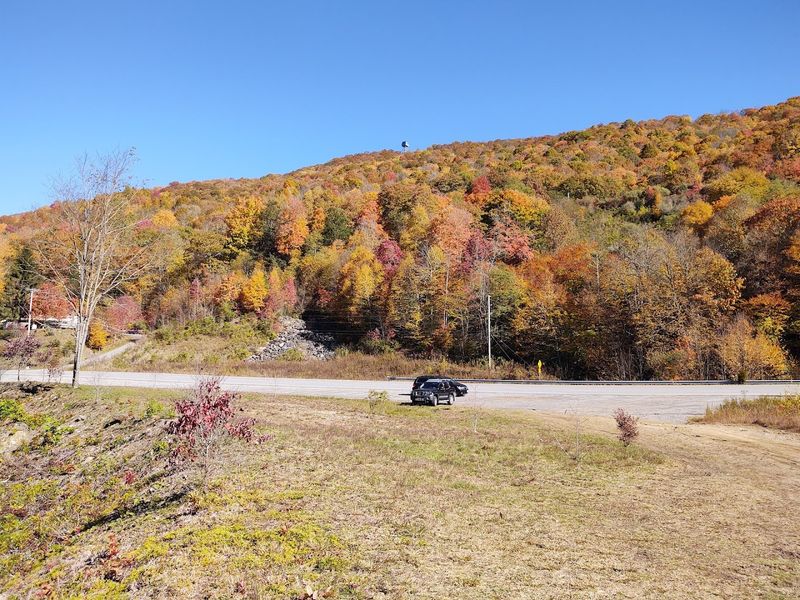
Nature wastes no time reclaiming abandoned spaces, and Ghost Town Village demonstrates this process dramatically. Trees have sprouted inside buildings, their roots breaking through floorboards and their branches reaching toward open roofs.
Thick vegetation covers walkways that were once swept clean daily, and moss grows on every surface that stays damp.
The mountain environment accelerates decay through freeze-thaw cycles, heavy rainfall, and high humidity. Wood rots quickly under these conditions, and metal oxidizes at an impressive rate.
Wildlife has moved into the buildings, with birds nesting in rafters and small mammals creating dens in dark corners. The park has essentially become an artificial ruin within a natural forest.
This process of reclamation fascinates ecologists and photographers alike. The site offers a visible timeline of how human construction returns to wilderness when maintenance ceases.
In another few decades, many structures may collapse entirely, leaving only foundations and scattered debris as evidence that an amusement park once stood on Buck Mountain.
Preservation Efforts And The Future Of Ghost Town
Recent years have brought renewed hope for Ghost Town Village as preservation-minded investors have purchased the property with serious intentions to restore it. Alaska Presley, a member of the ownership group, has shared updates on social media showing progress on infrastructure repairs and building stabilization.
The goal is not simply to reopen an old park but to create a destination that honors its history while meeting modern safety standards.
Restoration presents enormous challenges. Decades of neglect mean that electrical systems, plumbing, and structural elements all require complete replacement.
Permitting and zoning issues must be resolved, and financing such an ambitious project remains difficult. The owners have hosted limited special events to generate interest and revenue, but full public access awaits completion of extensive work.
Whether Ghost Town Village will truly reopen remains uncertain. The project requires substantial capital and sustained commitment over many years.
For now, the park exists in a liminal state between ruin and revival, its future dependent on economic factors, regulatory approval, and the determination of those who believe it deserves a second life.
What To Know Before Visiting This Hidden Gem
Ghost Town Village is not currently open to the public, and trespassing on the property is illegal. The site is privately owned, and unauthorized entry can result in criminal charges.
Beyond legal concerns, the park presents serious safety hazards including unstable structures, exposed nails, broken glass, and the risk of falls from elevated areas. Visitors should respect closure notices and wait for official reopening announcements.
Those interested in the park’s history can view it from public roads or follow updates from the ownership group through social media channels. Occasionally, the owners host ticketed events that allow limited access under controlled conditions.
These opportunities provide the safest way to experience the park while supporting restoration efforts.
The parking lot at 16 Fie Top Rd in Maggie Valley offers a legal place to stop and view the entrance area, though access beyond that point is restricted. Photography from public areas is acceptable, but entering the property without permission is not.
As preservation work continues, patience and respect for private property will ensure that this piece of North Carolina history might someday welcome visitors again.