
This Adirondack New York State Trail With Boardwalks And Occasional Black Bear Sightings Is An Adventure Worth Taking
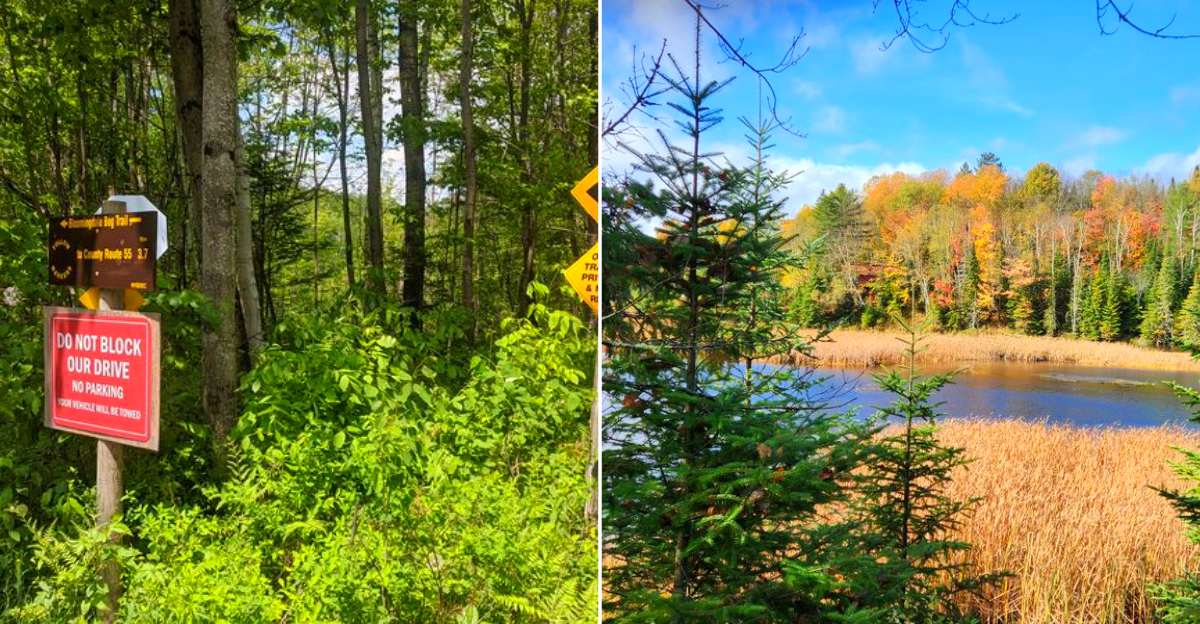
New York quiet arrives gently on the Bloomingdale Bog Trail, where the ground firms underfoot and the world narrows to sound and light. Following an old railbed north of Saranac Lake, the trail settles into a steady rhythm, with boardwalks skimming wetlands and beaver ponds opening into wide, patient sky. Tamaracks lean into the breeze, birdsong carries, and the pace adjusts without instruction.
It feels attentive rather than demanding, inviting walkers and cyclists to notice what is already there.
What lingers is the trail’s alert calm. Sand holds fresh impressions, water moves quietly, and the possibility of wildlife remains present without spectacle. Occasional black bear sightings are part of this New York landscape’s honesty, a reminder to stay aware and respectful.
Keep your senses open, and the route offers its rewards in small, convincing moments.
Finding Your Rhythm On The Old Railbed
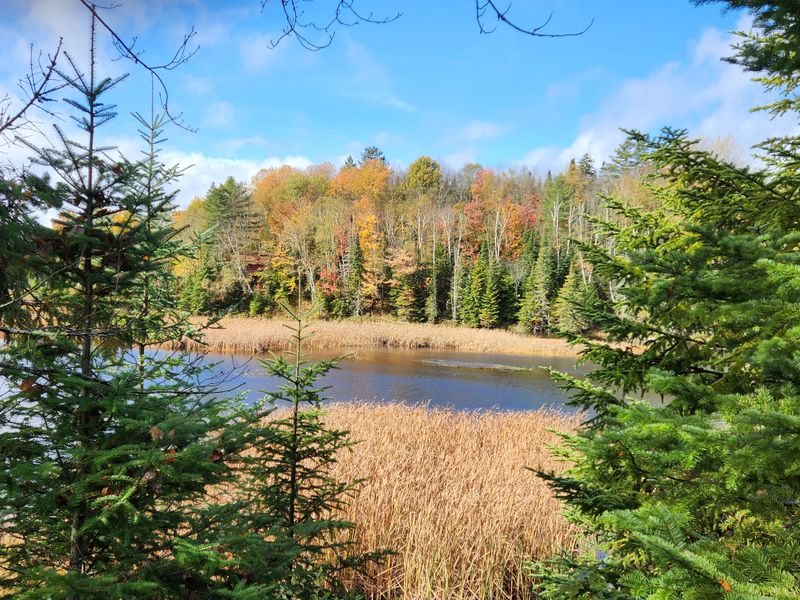
First steps on the Bloomingdale Bog Trail tend to feel unhurried, set by the measured straightness of the old railbed. Gravel and packed earth carry you past tamarack, spruce, and pockets of birch that catch light with a pale flicker. The surface starts broad and friendly, then narrows slightly as you drift deeper from the trailhead near 1949 NY-86, Saranac Lake.
Each minute brings a little more bog perfume and the rhythmic call of white-throated sparrows.
Early on, the walking is easy enough that conversation flows, yet the scenery encourages small pauses. Water collects in understated pools, and boardwalk planks appear where the ground turns spongey. The rail grade holds steady with almost no climbing, which suits long, thoughtful miles.
You notice the practical geometry of a corridor made for trains yet reclaimed by sedges and lowbush blueberries.
By the second mile, the trail’s personality settles into a pleasant balance of openness and enclosure. Views stretch across tea-colored wetlands while the sides remain edged by brush and young conifers. The occasional root tangle interrupts the glide, reminding you that bogs shift and breathe underfoot.
Footing stays manageable with patient steps and shoes you do not mind getting damp.
Farther north, the quiet broadens and the breeze travels clean across the flats. You find a sustainable pace, neither fast nor slow, just appropriate to the place. It feels good to match the line of the rails that once ran here.
Your stride finds the cadence the landscape suggests.
Boardwalks, Beavers, And The Art Of Staying Dry
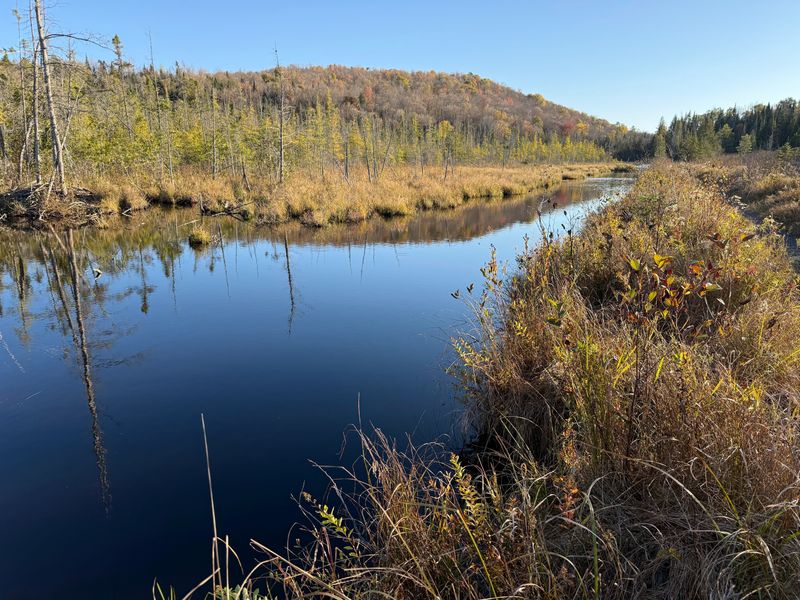
Some sections of the Bloomingdale Bog Trail ask for patience, and the boardwalks answer with calm practicality. Beavers engineer new puddles and occasional floodplains, reshaping the southern stretches after rains. Planks and raised sections appear just where you need them, though you still may step through ankle-deep water.
The best approach is to slow your pace and read the surface like a map.
Each flooded pocket tells a recent story of dam work and drainage. You will see stickwork along ditches, tannin-stained water with floating cones, and quick ripples as the builders disappear at your approach. Where boardwalks run narrow, yield to oncoming hikers with a small smile and firm footing.
A walking stick or trekking pole helps with balance during slick moments.
Footwear makes a real difference here, as waterproof shoes turn potential grumbling into a quiet shrug. Cyclists often dismount through wet stretches, not out of defeat but out of prudence. After all, trenches and hidden ruts lurk below the water surface.
Step carefully, and you will pass without drama, keeping socks reasonably dry.
Beyond the wet spots, the reward reappears almost immediately. Sun warms the boards, dragonflies patrol low like quick blue punctuation, and the bog resumes its easy conversation. You move on with a renewed respect for the animals that share the corridor.
The boardwalks do not conquer the place so much as negotiate a fair truce.
Birdlife In The Open Bog Sky
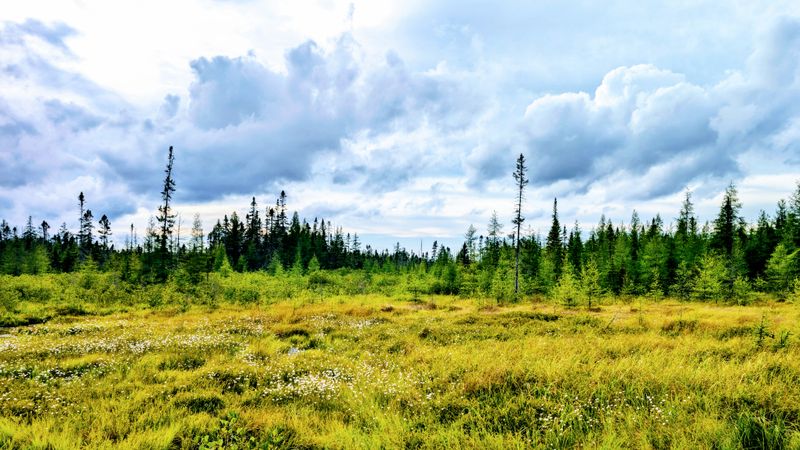
The Bloomingdale Bog Trail is known for birding that rewards quiet attention. Open views let you track swallows, sparrows, and the occasional northern harrier gliding low over sedges. Shrubs quiver with warblers in migration, and the tamaracks hold still long enough for a good look.
Bring binoculars, and you will find the minutes folding neatly into sightings.
Spring and early summer bring energetic dawn choruses that travel unimpeded. Even in midday, you will catch a flash of movement and find a finch or flycatcher keeping station on a branch. In late season, the soundtrack softens but never quite leaves.
The air remains alive with soft chips, trills, and the subtle rustle of feathers landing.
Patience changes everything on this route, since the landscape offers clean lines against the sky. Edges of water invite herons, while snags serve as convenient perches. If you move slowly, birds resume their routines around you.
Moments like that become the lasting souvenirs of a walk here.
Etiquette keeps the experience shared and pleasant. Stay on the trail, keep voices easy, and give space to photographers already set up. When you step aside on a boardwalk pullout, the bog seems to exhale and continue.
You leave with a small ledger of sightings and a steady calm that lingers.
Cycling The Straightaway With Sensible Caution
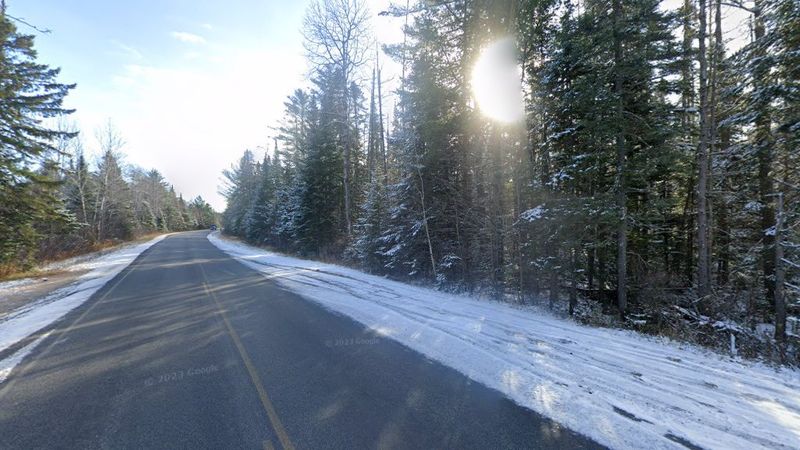
Bicycling the Bloomingdale Bog Trail can be surprisingly satisfying if you value steady cadence over speed. The grade is flat and the line is straight, a former logging railroad that still reads like a ruler across the wetlands. Roots interrupt the flow in places, and loose sand appears in short patches.
With wider tires and a relaxed outlook, the ride becomes quietly enjoyable.
Water from beaver dams sometimes floods the southern sections between Route 86 and beyond. You will meet riders who dismount through calf-deep stretches and remount without complaint. The trick is to accept walking as part of the route rather than a setback.
Carry a small towel and a sense of humor, and the day stays pleasant.
Etiquette matters on a narrow corridor shared by walkers, birders, and families. Call out before passing and slow well in advance of tight boardwalks. E-bikes appear now and then, so maintain awareness and keep your speed in check.
A polite bell can prevent the awkward shuffle at the last moment.
North toward Buck Pond, the miles add up smoothly and the scenery widens. On cooler days, the ride feels almost meditative, with sun patches swinging across the track. You finish with legs that feel used but not wrung out.
The memory is of momentum handled with care rather than bravado.
Black Bear Etiquette For Peaceful Encounters
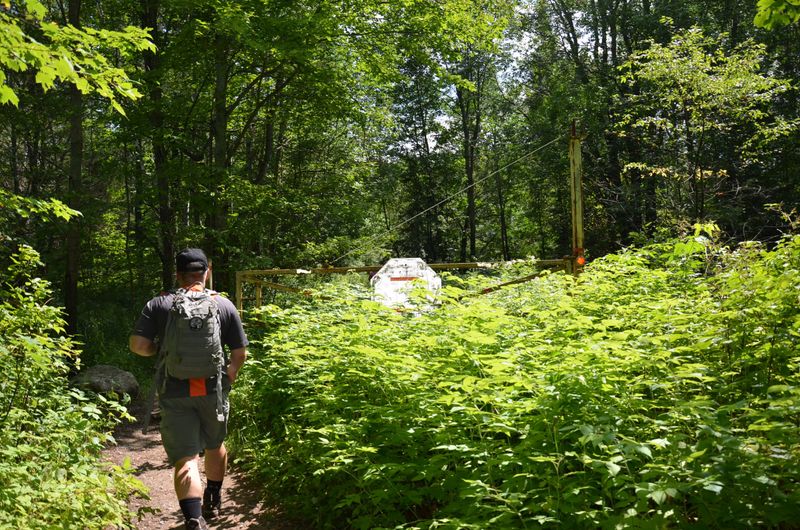
Black bears live across the Adirondacks, and the Bloomingdale Bog corridor is no exception. Sightings are occasional, usually at a distance, and most encounters end with a bear loping off into cover. You reduce surprises by talking with your group, clacking trekking poles, or humming.
The goal is to announce your presence in a way the animals understand.
Food storage matters even on day visits, since scented items can attract attention. Keep snacks sealed, avoid leaving wrappers, and never stash food off the trail. If you meet a bear, give it space, speak calmly, and back away without sudden moves.
Running invites chase, which you do not want.
Most hikers pass through with nothing more dramatic than a print in the mud. Tracks and scat tell a tidy story of recent travel without requiring a face-to-face lesson. Remember that bears prefer berries and insects to people.
Respect lets both parties continue their business undisturbed.
Carry knowledge the way you carry water: useful and never heavy. Review state guidelines before your trip, and consider a small whistle for quick alerts. Confidence grows from preparation, not bravado, and this trail rewards that mindset.
The walk remains peaceful when you move as a considerate guest.
Seasons, Surfaces, And The Right Gear
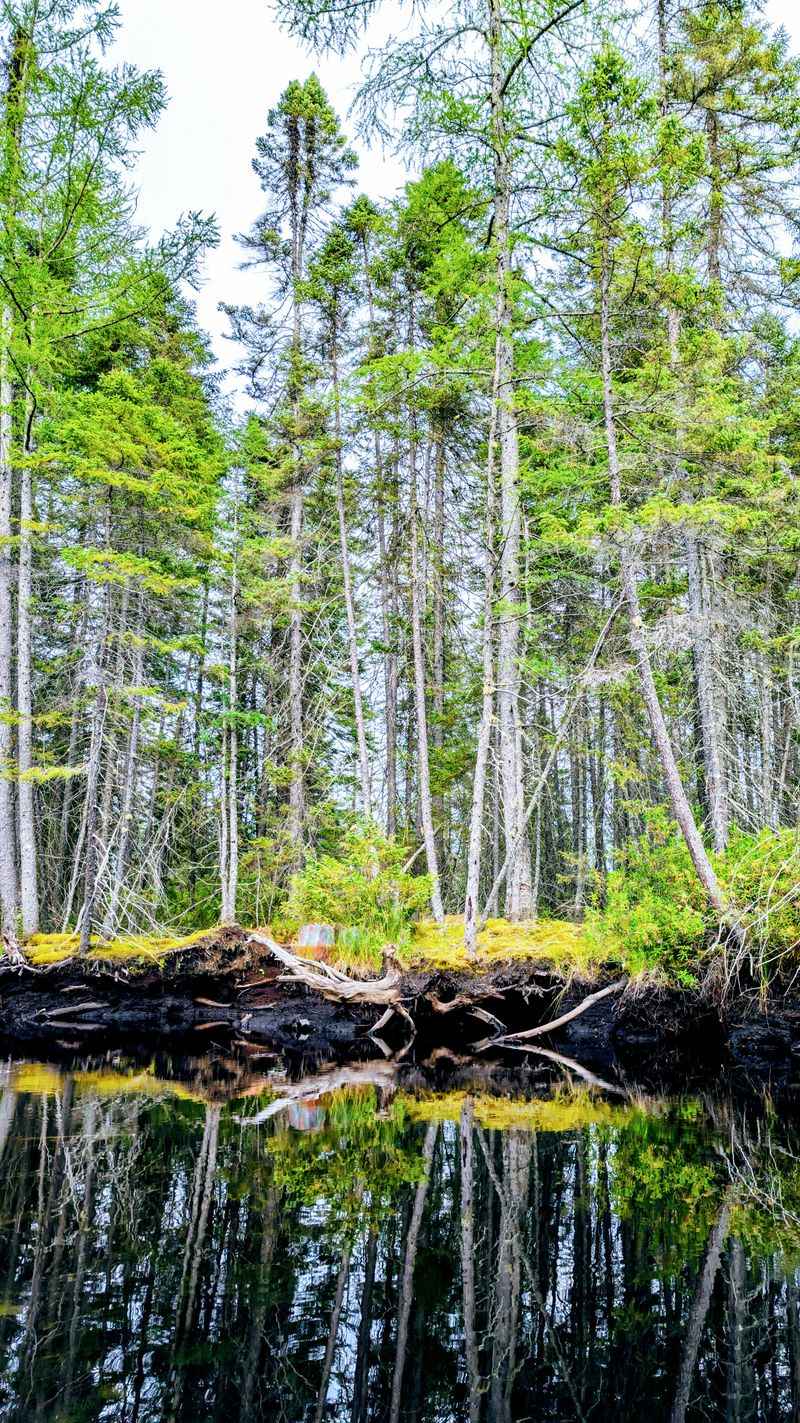
Conditions along the Bloomingdale Bog Trail turn with the seasons, and preparation keeps the day smooth. Spring brings thaw and deep puddles that test socks and patience. Summer offers lush greens and birdlife, with insects that suggest bringing repellent.
Autumn turns tamaracks gold and opens long views with cooler air.
Winter reshapes the corridor into a quiet route for skis and fat bikes where allowed. The flat grade favors steady motion, though wind can sting across the open bog. Traction varies with freeze and sun, so plan layers and a warm drink.
Even on mild days, carry a dry pair of socks and a small first aid kit.
Footwear deserves special attention because the surface shifts from packed dirt to root lattices and rock fill. Waterproof hikers or sturdy trail runners handle most conditions. Trekking poles help on slick boards and uneven segments.
A headlamp earns its place in the pack when late light fades unexpectedly.
Navigation is straightforward on the linear route, yet a small map or offline app never hurts. Service can wander, and distances feel longer in the open. With the right gear, you move confidently through whatever the bog presents.
Preparation turns uncertainty into comfortable curiosity.
Where The Trail Meets The Map: Access And Practicalities
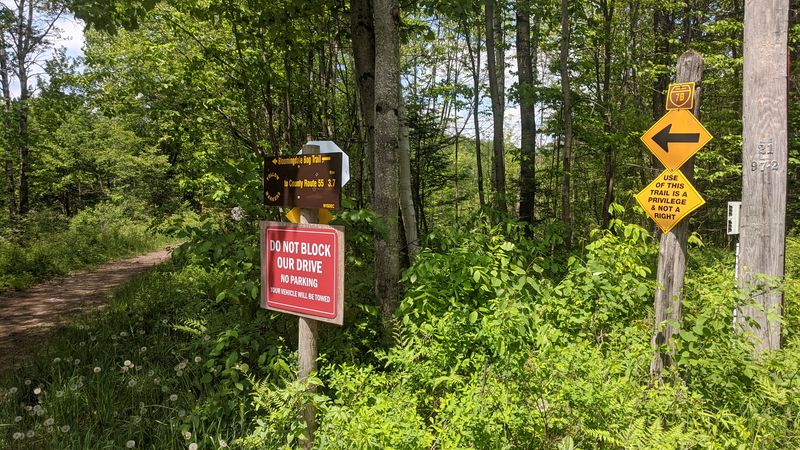
Practical details can make or break a visit, and the Bloomingdale Bog Trail rewards a little planning. The southern access sits near 1949 NY-86 outside Saranac Lake, with limited roadside parking that fills quickly on clear weekends. Arrive early or later in the afternoon to find a spot without jockeying.
A second car drop to the north expands options for an out-and-back into a one-way glide.
Facilities are scarce, so handle restrooms and water before you arrive. Pack out everything, including orange peels and tissue that do not belong on the bog. Leashed dogs keep the shared corridor pleasant for families and wildlife.
Bells or soft calls prevent startles on narrower stretches.
After heavy rain, expect flooding south of Route 86 and use discretion when the trail turns pond-like. Granite rock fill appears in spots and can be awkward for running or pushing strollers. If you are unsure, turn back without regret and try a drier day.
The landscape will still be here, patient as ever.
When the sky softens toward evening, the bog takes on an unhurried glow. A gentle breeze crosses the open flats, and the last birds settle into the shrubs. You head back to the car with clean lungs and easy shoulders.
The map now includes a corridor you understand by foot, not by legend.