
This Alabama Small Town Feels Like Stepping Back In Time
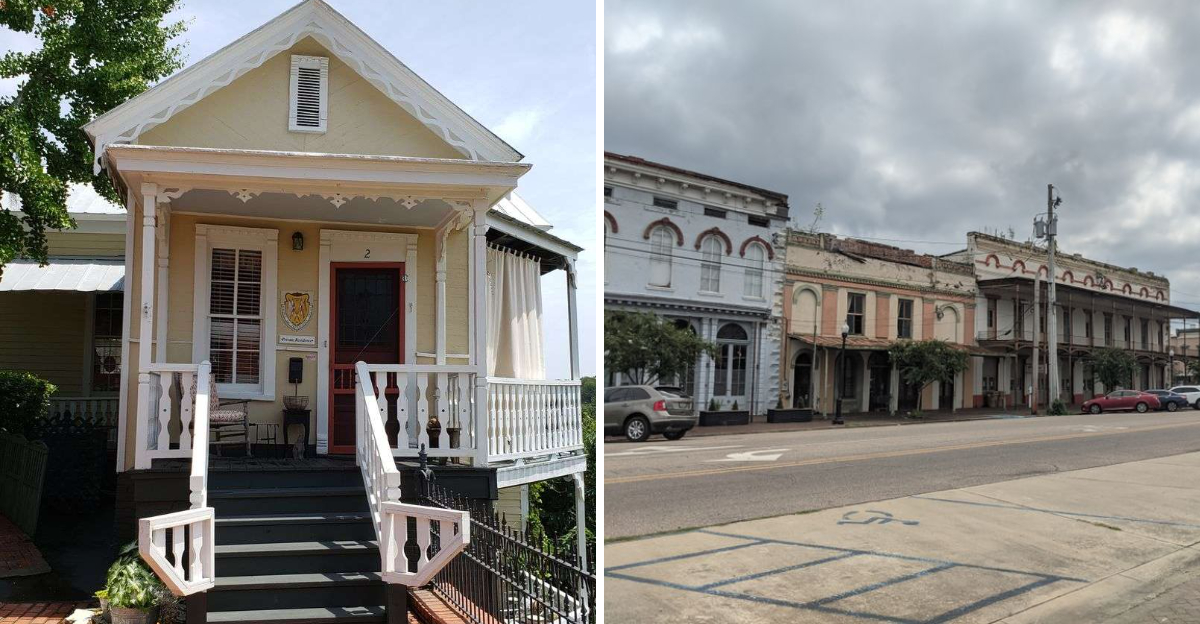
Selma sits along the Alabama River in the heart of Dallas County, a place where history remains visible in the bricks, the storefronts, and the quiet rhythm of daily life. Walking through its streets feels different from visiting most modern towns because so much of what made Selma significant during the nineteenth and twentieth centuries has been carefully preserved.
The architecture, landmarks, and even the rhythm of conversation echo earlier generations. Together, they offer a rare glimpse of a Southern town that has resisted becoming something unrecognisable.
A Historic Downtown That Still Reflects The Nineteenth Century
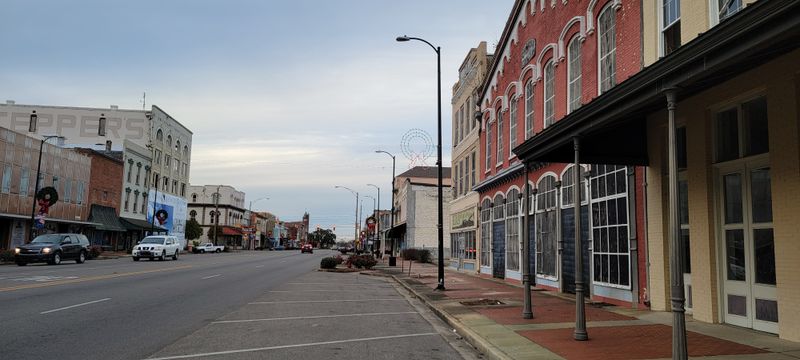
Walking along Broad Street in downtown Selma brings you face to face with buildings that have stood since before the Civil War. The facades remain largely intact, with their original brickwork, arched windows, and cast iron details still visible.
Many of the structures were built during the cotton boom, when Selma served as a major commercial center for the region.
The storefronts have changed hands over the decades, but the bones of the district remain faithful to their origins. You can still see the wide sidewalks designed for foot traffic and the recessed doorways that once sheltered shoppers from the summer heat.
The rhythm of commerce has slowed, but the physical layout of the downtown has not been modernized beyond recognition.
Several buildings now house local businesses, antique shops, and small museums, each occupying spaces that once held dry goods stores, banks, and trading offices. The preservation here is not theatrical.
It simply reflects a town that grew during one era and chose not to erase that foundation when tastes changed elsewhere.
Landmarks That Quietly Shaped American History
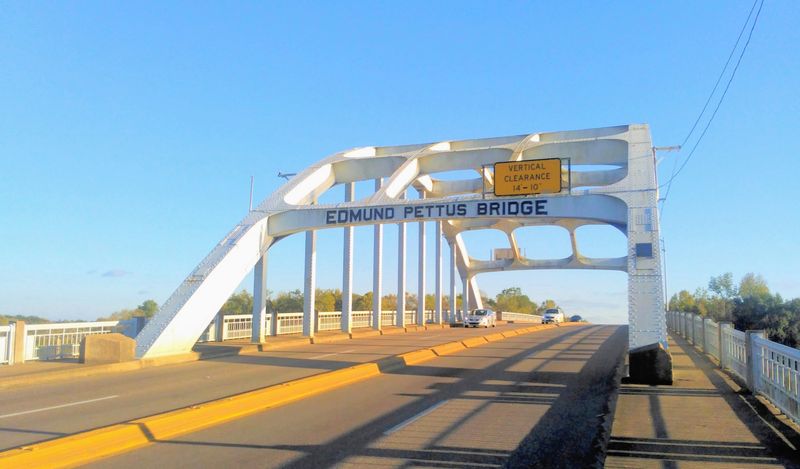
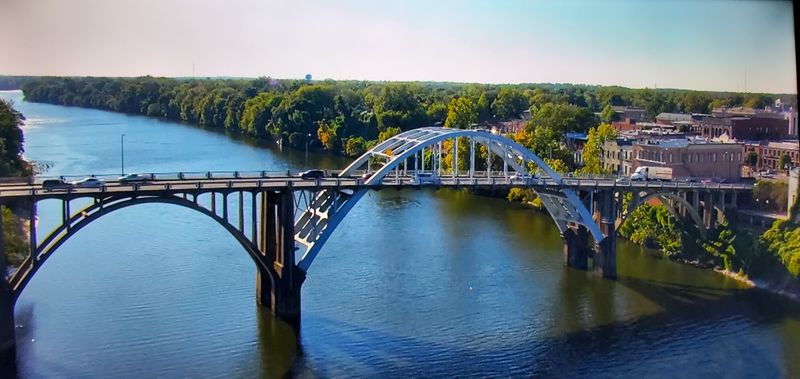
Selma holds a central place in the story of American civil rights, and the Edmund Pettus Bridge stands as the most recognized symbol of that struggle. The bridge, built in 1940, became the site of the 1965 march that led to national legislative change.
Crossing it today, you walk the same route taken by those who faced violence in pursuit of voting rights.
Beyond the bridge, other sites throughout Selma mark moments of resistance and transformation. The National Voting Rights Museum and Institute sits near the foot of the bridge, offering exhibits that document the events of Bloody Sunday and the broader movement.
Brown Chapel A.M.E. Church, a few blocks away, served as a gathering place for organizers and remains an active congregation.
These landmarks are not recreations or memorials built after the fact. They are the actual structures where history unfolded, still standing in their original locations.
Visiting them provides a sense of proximity to the past that few other American towns can offer with such directness and authenticity.
Architecture That Preserves Selma’s Original Character
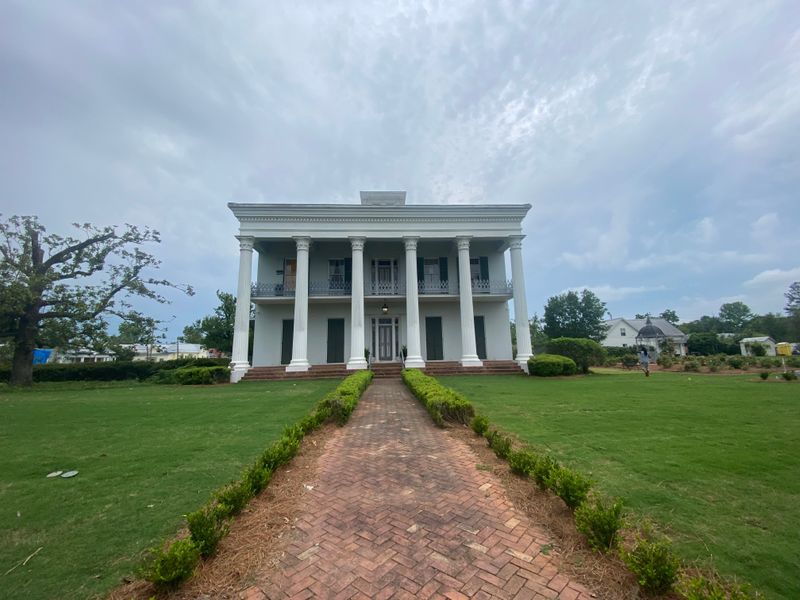
Selma’s residential neighborhoods contain dozens of homes built in the Greek Revival and Italianate styles popular during the mid-1800s. Many of these houses still feature their original columns, wide porches, and decorative ironwork.
The Old Town Historic District, one of the largest in Alabama, protects more than 1,200 structures from demolition or inappropriate alteration.
The architectural variety reflects the different phases of Selma’s growth. Antebellum mansions line Water Avenue, built by wealthy planters and merchants who profited from the cotton trade.
Post-war Victorian homes appear in other parts of town, showing the rebuilding efforts that followed Reconstruction. Each style tells a different chapter of the town’s economic and social history.
Preservation efforts here have been deliberate but not overly polished. Some homes have been restored to their original grandeur, while others show their age more openly.
The mix creates a streetscape that feels lived in rather than staged, a place where history exists as part of the present rather than something cordoned off for tourists.
Streets Where The Past Still Feels Present
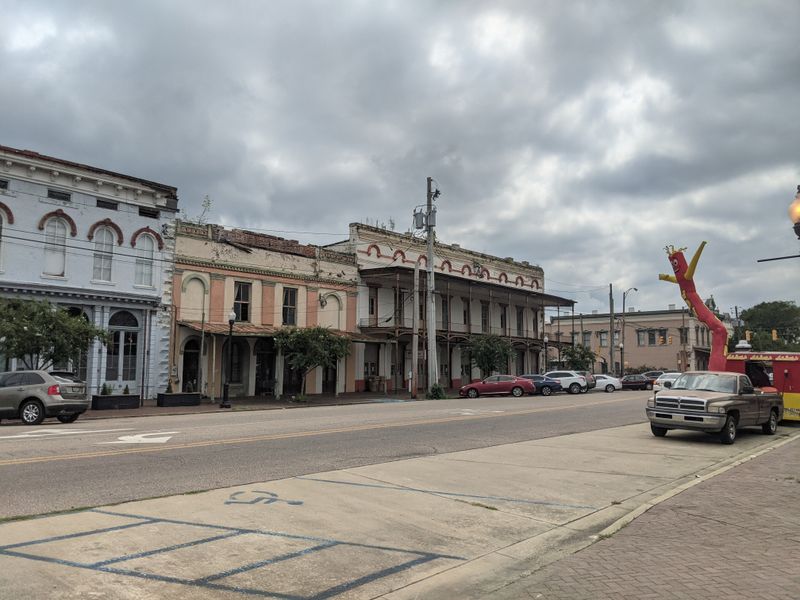
The layout of Selma has not changed dramatically since the town was platted in the early nineteenth century. The streets still follow the same grid, and many of the old oak trees that once shaded horse-drawn carriages continue to line the avenues.
Walking through residential areas, you notice the absence of modern commercial development and the persistence of older patterns of design.
Street names often reference figures from local history, and the width of the roads reflects an era when travel moved at a slower pace. Brick sidewalks remain in some sections, uneven and cracked but still functional.
The lack of sprawl means that most of the town remains walkable, with neighborhoods, churches, and shops clustered within a compact area.
There is a quietness to these streets that feels uncommon in contemporary America. Traffic is light, and the sounds of daily life carry further than they would in a busier place.
The experience of moving through Selma on foot allows you to notice details that might otherwise go unnoticed in a more hurried environment.
A Slower Pace That Matches The Town’s Deep Roots
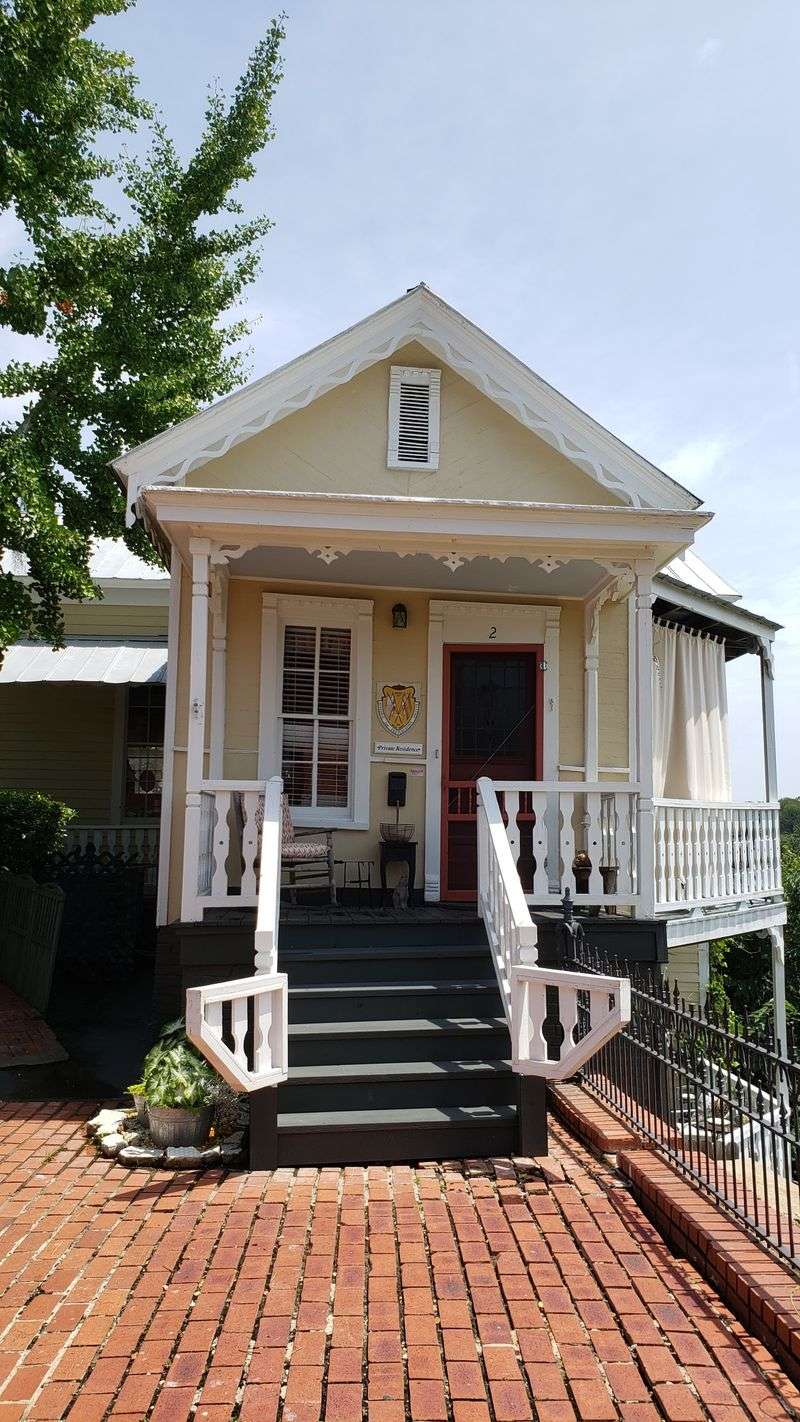
Selma operates on a schedule that feels removed from the urgency found in larger cities. Businesses open and close at predictable hours, and conversations tend to unfold without the pressure of constant interruption.
The rhythm of life here reflects the agricultural and commercial patterns that shaped the town for generations, even as those industries have declined.
Residents often greet strangers on the street, a practice that has faded in many American towns but persists in Selma. Meals are eaten without haste, and errands are conducted with a sense of patience that can feel foreign to visitors accustomed to efficiency above all else.
The slower pace is not a performance for tourists but a continuation of longstanding customs.
This unhurried quality extends to the way history is discussed and remembered. People in Selma speak about the past with a level of detail and personal connection that suggests it remains relevant to daily life.
The town’s deep roots are not just a marketing angle but a lived reality that shapes how people interact with their surroundings and each other.
Museums And Heritage Sites That Anchor Selma’s Identity
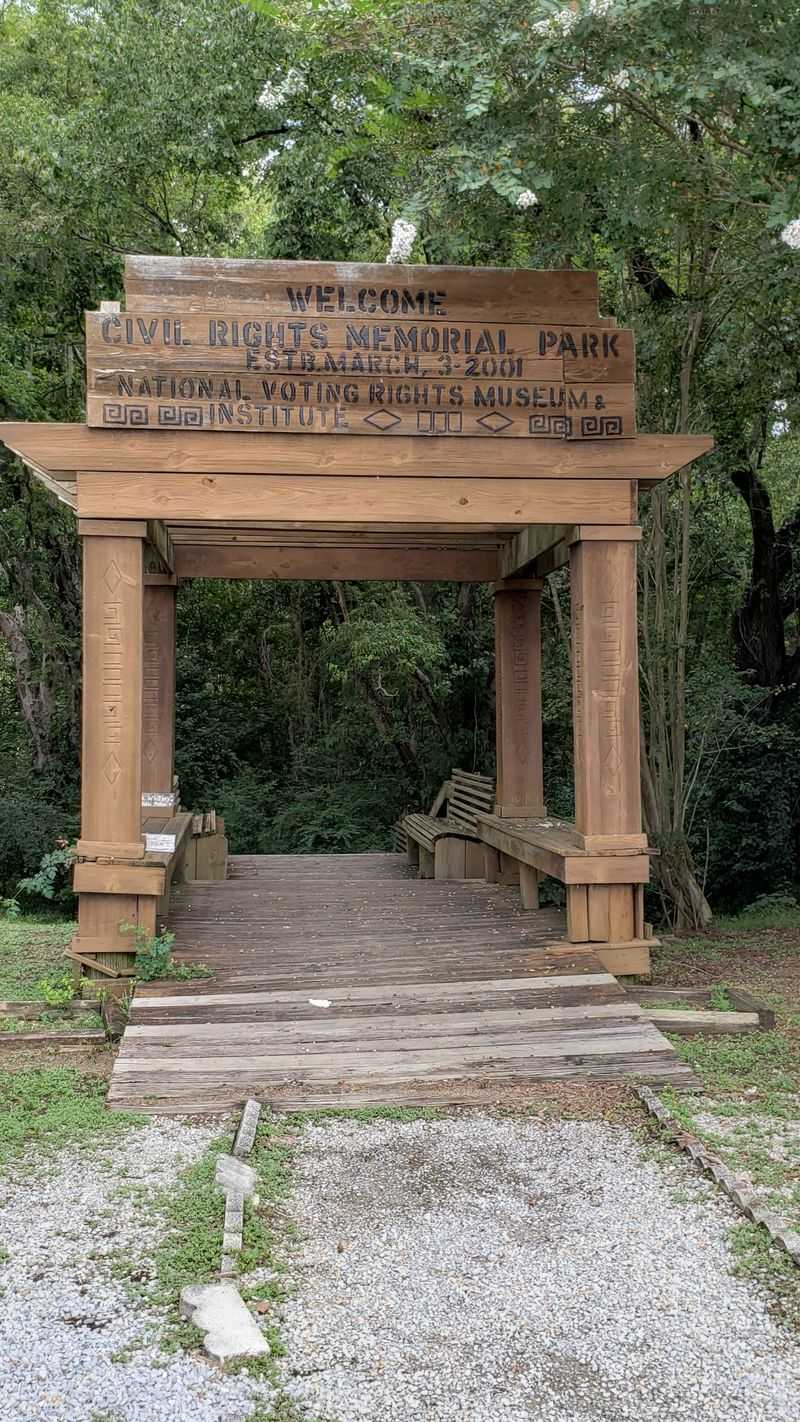
Selma’s museums do more than preserve artifacts. They serve as gathering points for ongoing conversations about the town’s role in American history.
The National Voting Rights Museum occupies a former office building near the Edmund Pettus Bridge and presents firsthand accounts from participants in the 1965 marches. The exhibits include photographs, documents, and personal belongings from those who were there.
The Old Depot Museum, housed in a restored railroad station, focuses on Selma’s broader history, including its industrial past and its role during the Civil War. The building itself is part of the story, having served as a transportation hub when the town was a center of commerce.
Displays cover everything from Native American settlement to the cotton trade to the manufacturing boom of the early twentieth century.
These institutions are run largely by local volunteers and historians who have deep ties to the community. Their presentations avoid the sanitized narratives often found in heritage tourism, instead offering complex and sometimes uncomfortable truths about the past.
The museums anchor Selma’s identity by keeping difficult histories accessible and open to examination.
Local Neighbourhoods That Haven’t Lost Their Sense Of Time
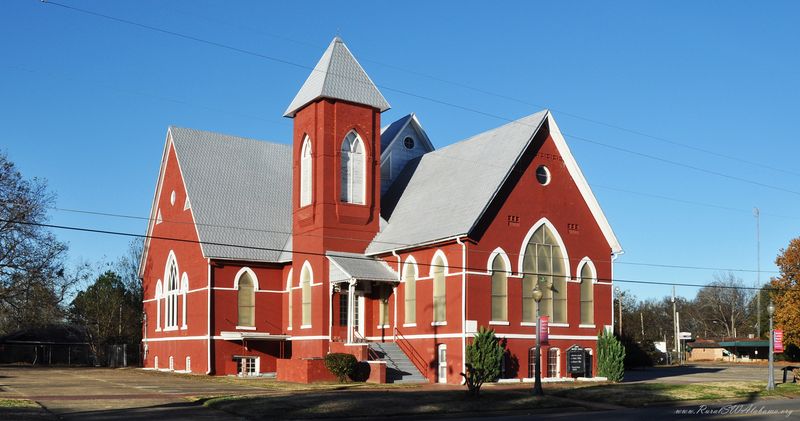
Beyond the grand homes of the historic district, Selma’s working-class neighborhoods retain their original character with little alteration. Houses built for laborers, clerks, and tradespeople still stand along streets where families have lived for multiple generations.
The architecture is simpler here, but the sense of continuity is just as strong.
Front porches remain active spaces where neighbors gather in the evenings, and yards are maintained with care but without the formality seen in more affluent areas. The neighborhoods feel cohesive, with a mix of ages and backgrounds that reflects the town’s demographic history.
Churches anchor many blocks, serving as social centers as well as places of worship.
Walking through these areas, you notice the absence of tear-downs and new construction. The built environment has remained stable, and the social fabric has not been disrupted by rapid turnover or gentrification.
The sense of time here is not frozen but layered, with each generation adding to what came before without erasing it. This continuity gives the neighborhoods a distinct identity that feels increasingly rare.
A Riverfront Setting That Has Changed Little Over Generations
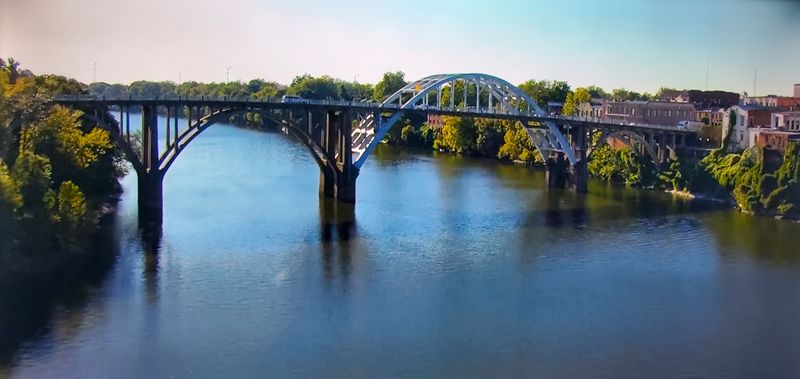
The Alabama River runs along the northern edge of Selma, and its presence has defined the town since its founding. Early settlers chose this location because the river provided transportation and access to markets downstream.
The riverfront remains largely undeveloped, with parks and green spaces occupying land that could have been sold off for commercial use.
The view from the riverbank has changed remarkably little over the decades. You can still see the same bend in the river, the same tree-lined banks, and the same wide expanse of water that steamboat captains navigated in the nineteenth century.
The Edmund Pettus Bridge crosses at the same spot where earlier bridges once stood, connecting Selma to communities on the opposite shore.
Fishing and boating remain popular activities, and the river continues to serve as a gathering place for residents. The lack of industrial development along the waterfront has preserved its natural character, making it easy to imagine what this landscape looked like before the town was built.
The river anchors Selma both geographically and historically.
Community Traditions That Continue Longstanding Customs
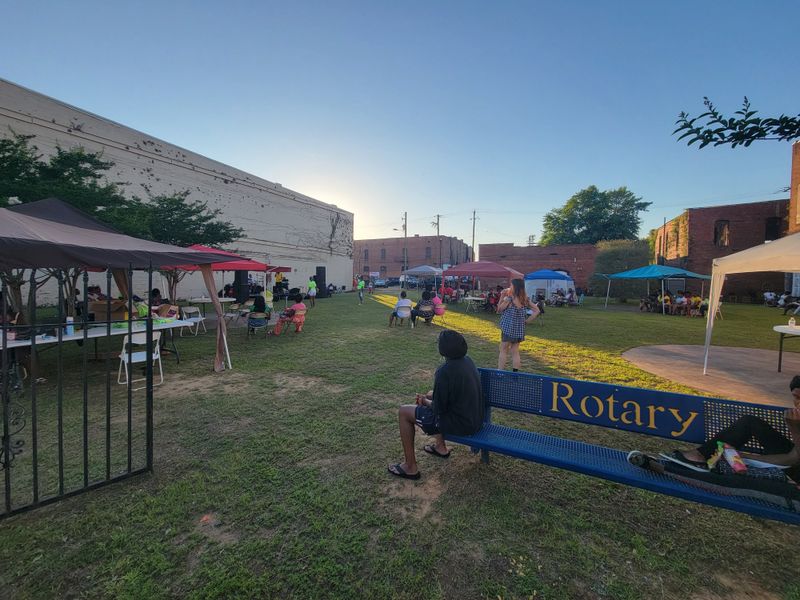
Selma’s calendar includes events that have been held annually for decades, reflecting traditions that predate modern tourism. The Historic Selma Pilgrimage, organized since the 1960s, opens private homes to visitors and celebrates the town’s architectural heritage.
The event is run by local volunteers and focuses on education rather than spectacle.
Church congregations continue to hold revivals, fish fries, and fundraisers that bring together longtime residents and newer arrivals. These gatherings are not staged for outsiders but are part of the social rhythm that sustains community life.
Food plays a central role, with recipes passed down through families and prepared for public consumption during special occasions.
Commemorations of the civil rights movement take place each year, drawing participants from across the country but remaining grounded in local memory. The Bridge Crossing Jubilee marks the anniversary of the 1965 march with speeches, performances, and a symbolic walk across the Edmund Pettus Bridge.
The event honors the past while addressing ongoing struggles for justice, keeping the town’s history relevant to contemporary concerns.
Why Selma Feels More Preserved Than Recreated
Selma has avoided the fate of many historic towns that have been turned into theme parks for tourists. The preservation here is not about recreating an idealized past but about maintaining structures and customs that never went away.
Economic decline, while difficult for residents, prevented the wholesale demolition and redevelopment that erased the character of other Southern towns during the late twentieth century.
The town’s significance in American history has brought attention and resources, but it has not led to the kind of commercialization that strips away authenticity. Visitors come to see real places where real events occurred, not reconstructions or sanitized versions designed for comfort.
The experience can be sobering, but it is also honest.
Selma’s identity is rooted in its actual history, both the parts that inspire pride and the parts that provoke discomfort. The town has chosen to preserve rather than remake, to remember rather than forget.
That choice has created a place where stepping back in time is not a metaphor but a tangible experience.