
This Arkansas Delta Town May Be Quiet, But Its Music And History Speak Loudly
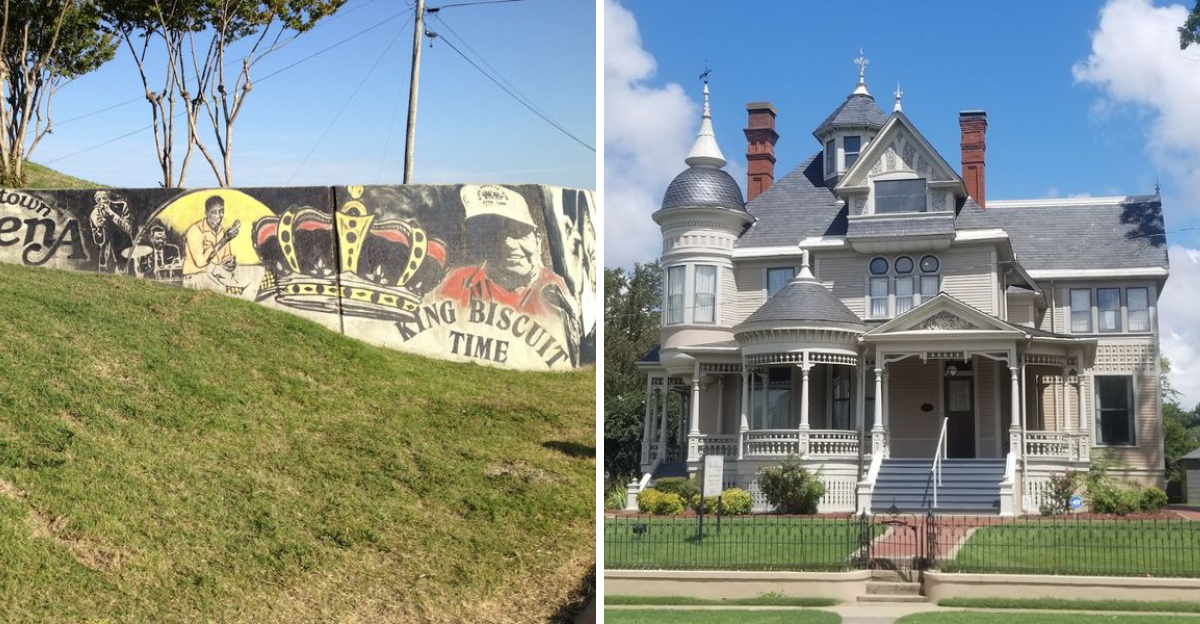
What if one quick stop added several new songs to your playlist and changed how you think about the Delta? That can happen in this corner of eastern Arkansas, where blues history still feels close enough to touch.
Follow the clues along an old downtown street and you will find stories tied to musicians, radio shows, river trade, and a sound that traveled far beyond the state. The Mississippi River helped shape daily life here, but music gave the community a voice the rest of the country could not ignore.
You do not need to know every blues legend before visiting. Curiosity is enough. Read a marker, listen to a local story, and see where it leads next. Arkansas has larger destinations, but few can match the influence packed into this small place.
Give it an afternoon, and you may leave wondering why you did not hear about it sooner.
This Quiet Delta Town Has Shaped More Music Than Most People Realize
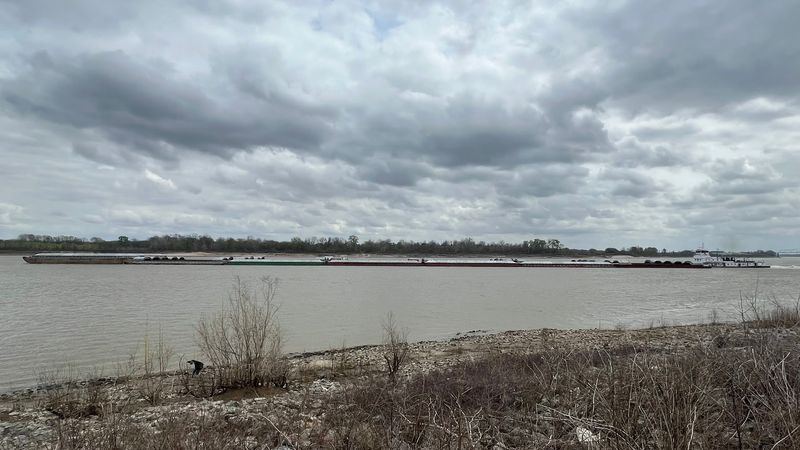
Music runs deep through Helena-West Helena, even if many travelers do not realize how much this quiet Delta town has shaped American music. The blues developed here through church songs, field hollers, juke joints, and the stories of people whose lives were tied to the Mississippi River and the surrounding farmland.
Musicians gathered in local clubs, played on street corners, and carried the sound far beyond Arkansas. The town also became home to influential radio programs that introduced Delta blues artists to listeners across the South.
Those broadcasts helped launch careers and gave the music a wider audience at a time when few stations were willing to do so.
The river, cotton fields, and difficult working conditions all became part of the songs created here. Those sounds later influenced rock, soul, and modern American music.
Today, Helena-West Helena may feel calm, but its musical legacy is anything but small. This town helped give the blues a voice, and that voice still echoes around the world.
The Country’s Longest-Running Daily Blues Radio Show Still Broadcasts Here
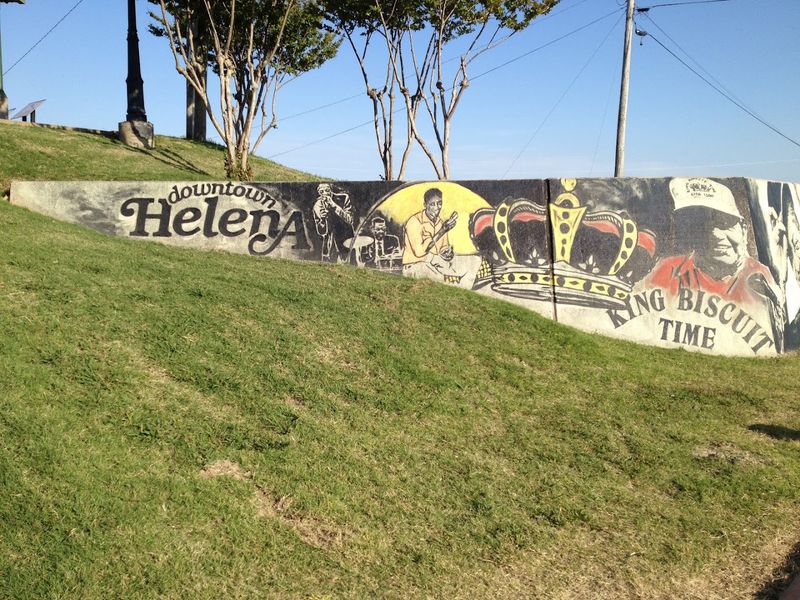
KFFA radio station launched King Biscuit Time back in 1941, and it’s still on the air every weekday at 12:15 pm. That makes it the longest-running daily blues radio program in America.
Sonny Payne hosted the show for decades, becoming a voice as familiar to Delta residents as their own family members.
The show originally promoted King Biscuit Flour while showcasing live blues performances by legends like Sonny Boy Williamson II and Robert Lockwood Jr. These musicians would play right there in the studio, their music reaching across Arkansas and into neighboring states. The broadcast helped spread Delta blues beyond juke joints and into living rooms everywhere.
You can still tune in during lunch hour to hear that classic format. The station keeps the tradition alive, playing blues that connects directly to Helena-West Helena’s musical heritage.
It’s proof that some things are worth keeping exactly as they were, especially when they helped define an entire genre.
Every October, Downtown Becomes One Giant Blues Stage
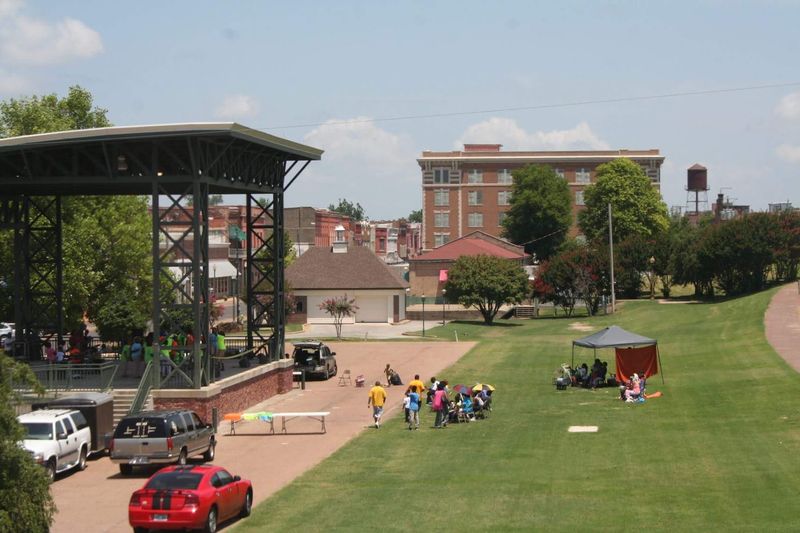
The King Biscuit Blues Festival transforms Helena-West Helena each October into what might be the state’s most authentic music celebration. This isn’t some corporate-sponsored event with pop acts thrown in.
It’s genuine Delta blues performed on stages set up along Cherry Street and the riverfront.
Thousands of blues fans travel to Arkansas specifically for this festival, which grew directly out of the King Biscuit legacy. You’ll hear Chicago blues, Memphis blues, and of course Delta blues in their purest forms.
Local vendors set up alongside the stages, selling Delta tamales, catfish, and other regional specialties that pair perfectly with the music.
The festival typically runs three days, with multiple stages operating simultaneously. You can wander from one performance to another, catching established acts and discovering new artists who are keeping the tradition alive.
Helena-West Helena proves it can still draw a crowd when the music matters, and October is when the whole town shows exactly why this place earned its spot in blues history.
The Delta Cultural Center Tells A Story Much Bigger Than Music
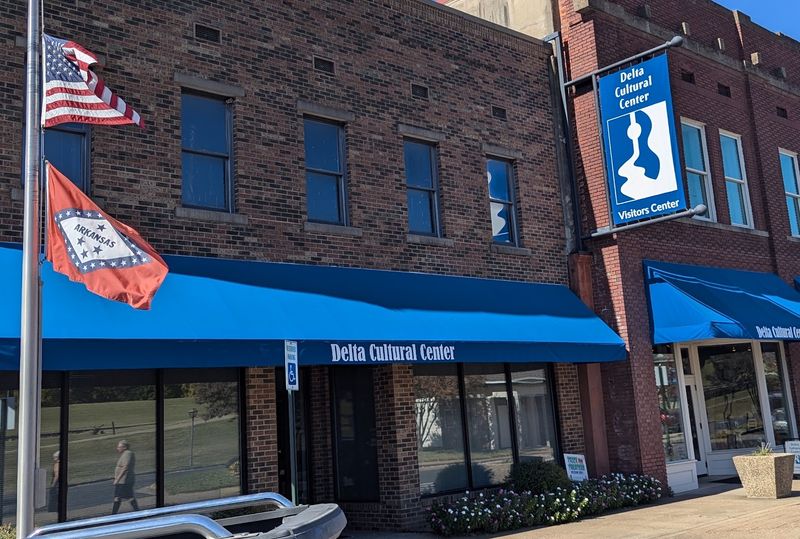
Music is just one chapter in the story that the Delta Cultural Center presents so well. Located in downtown Helena-West Helena, this Arkansas state-run museum explores the entire Delta experience, from Native American settlements through the plantation era and into the Great Migration.
The exhibits don’t sugarcoat the difficult parts or oversimplify the complex history.
You’ll see artifacts from everyday Delta life, including farming tools, household items, and photographs that show how people actually lived and worked. The blues exhibits connect the music directly to the social and economic conditions that produced it.
Cotton displays explain the crop that dominated the Arkansas Delta economy for generations.
The center also hosts the King Biscuit Time broadcast, so you might catch a live show if you time your visit right. Admission is free, which makes it accessible to everyone who wants to understand this region better.
Plan to spend at least an hour here because there’s more depth than you’d expect in a town this size.
The Helena Blues Trail Turns The Town Into An Open-Air Music Museum
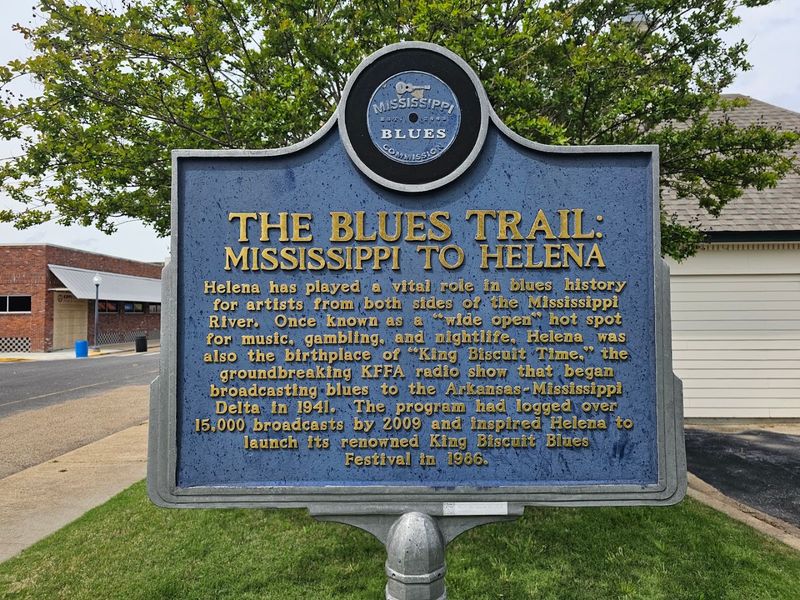
Walking the Helena Blues Trail means following markers that tell you exactly where blues history happened. These aren’t vague commemorations.
They mark specific buildings where musicians lived, worked, or performed, with detailed information about their contributions to the music.
The trail connects sites throughout Helena-West Helena, creating a self-guided tour you can do at your own pace. You’ll find markers for Sonny Boy Williamson II, Robert Nighthawk, and other artists who made this Arkansas town their home base.
Some markers stand in front of buildings that are still standing, while others mark locations where important venues once operated.
Grab a trail map from the Delta Cultural Center or the visitor center before you start. The walk isn’t strenuous, but you’ll cover several blocks of downtown.
Each marker adds another piece to the puzzle of how Helena-West Helena became such a crucial incubator for Delta blues, and why musicians from around the world still make pilgrimages here to see where it all happened.
Freedom Park Shares The Powerful Stories Of Freedom Seekers
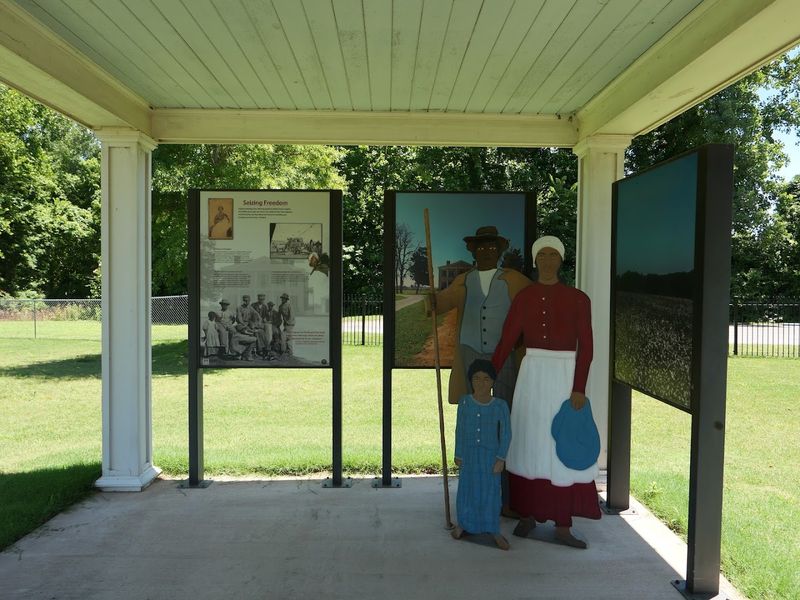
Freedom Park honors the people who risked everything to escape enslavement, many of whom passed through this part of Arkansas on their journey north. The park sits near the Mississippi River, which served as both barrier and pathway for freedom seekers.
Interpretive signs explain the routes, the dangers, and the courage required to attempt such journeys.
Helena-West Helena’s location made it a significant point along certain escape routes, though the history is complex and not always well documented. The park acknowledges this complexity while celebrating the human drive for liberty.
It’s a quieter attraction than the music sites, but equally important for understanding the full story of this region.
The park provides a contemplative space where you can reflect on this chapter of American history. Benches face toward the river, offering a place to sit and think about the lives changed by the decisions made along these banks.
Arkansas doesn’t always get credit for its role in freedom stories, but this park makes sure those narratives aren’t forgotten.
Fort Curtis Brings Helena’s Civil War Past Into Sharp Focus
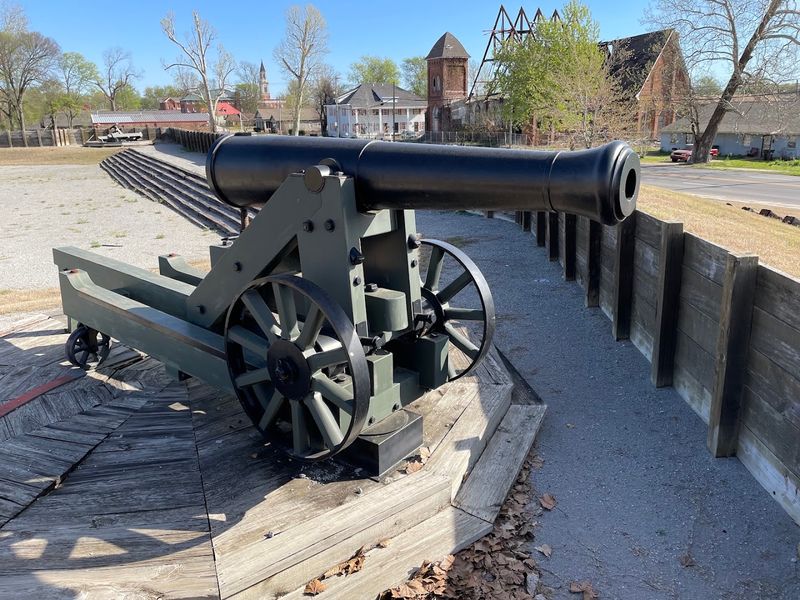
Fort Curtis was built by Union forces in 1862 after they occupied Helena, transforming the town into a strategic Mississippi River stronghold. The fort’s earthworks still exist in recognizable form, letting you walk the same defensive positions that soldiers manned during the Civil War.
Helena’s location made it valuable to whoever controlled it, and the Union held on tight.
The Battle of Helena happened in July 1863, with Confederate forces attempting to retake the town. Union defenders, protected by Fort Curtis and supporting batteries, repelled the attack in fighting that lasted several hours.
Walking the fort grounds today, you can see how the terrain influenced the battle’s outcome and why the defenders had such an advantage.
Interpretive markers explain troop movements, defensive strategies, and the battle’s significance within the larger Vicksburg campaign. This Arkansas site doesn’t get the attention that Gettysburg or Antietam receive, but it was crucial to controlling the Mississippi River.
The fort reminds visitors that Helena-West Helena’s history extends far beyond the blues.
The Pillow-Thompson House Shows Off Helena’s Victorian Grandeur
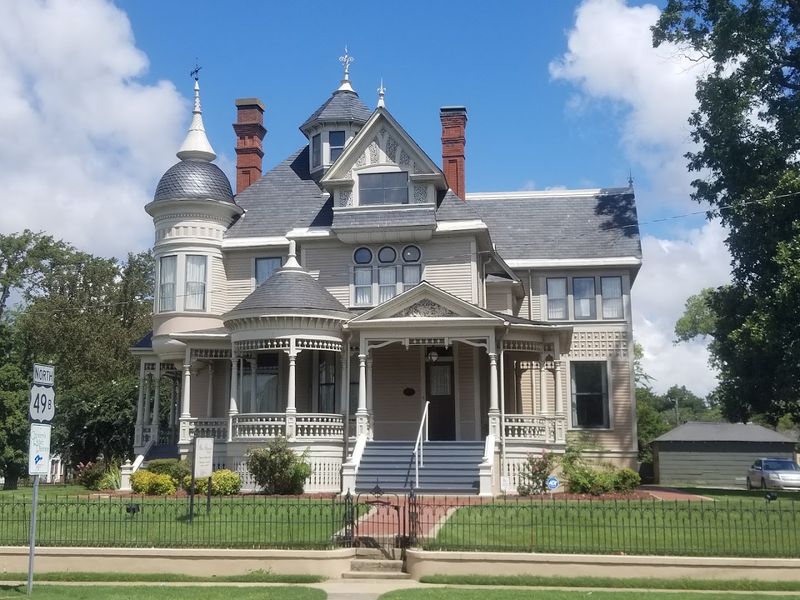
Built in 1896, the Pillow-Thompson House represents the wealth that cotton brought to Helena during its boom years. This Queen Anne Victorian mansion features all the elaborate details that defined high-style architecture of that era.
Turrets, wraparound porches, and intricate woodwork show what money could buy in late 19th-century Arkansas.
The house belonged to prominent Helena families and reflects the town’s status as a major Delta commerce center before the river shifted and economic patterns changed. Restoration efforts have preserved many original features, including hardwood floors, decorative mantels, and period light fixtures.
Walking through the rooms gives you a sense of how Helena’s elite lived during the town’s golden age.
The house operates as a museum and event space, though hours can be limited, so call ahead before planning a visit. It stands in contrast to the working-class history emphasized at other sites, reminding visitors that Helena-West Helena’s past includes multiple perspectives and experiences.
The architecture alone makes it worth seeking out for anyone interested in Victorian design or Arkansas history.