
This Beautiful 1.7-Mile Hike In Florida Leads You To 5 Breathtaking Natural Spring Pools
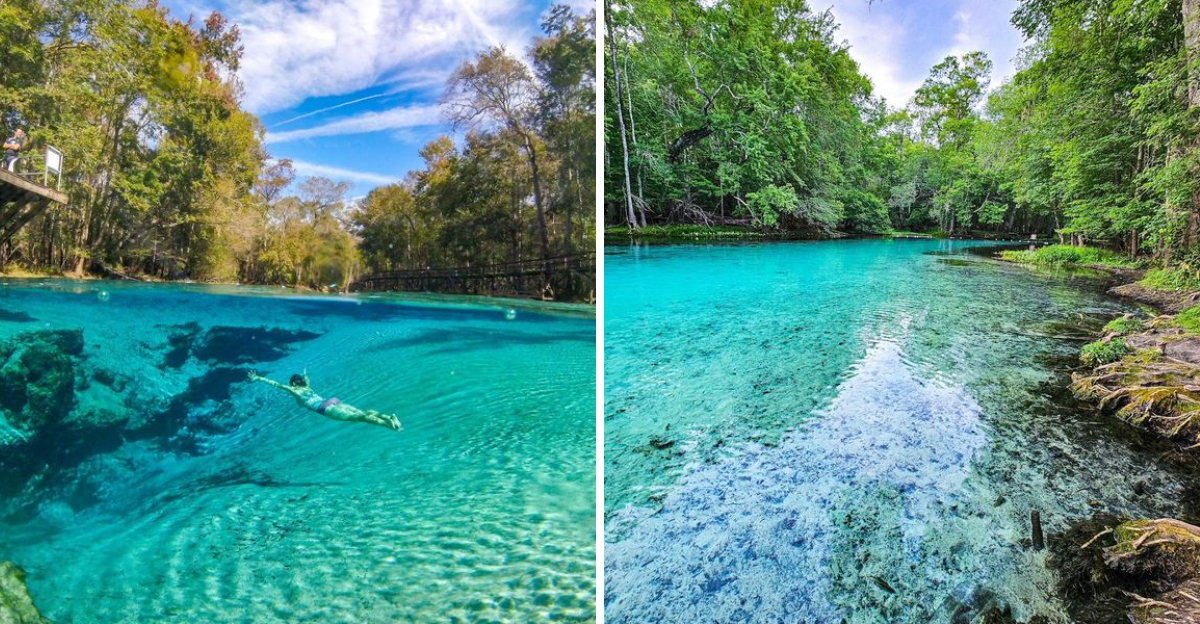
Florida is home to some of the most serene and stunning natural landscapes, and this 1.7-mile hike is no exception. As you walk through lush greenery, you’ll be led to five incredible spring pools, each more breathtaking than the last.
With crystal-clear waters and peaceful surroundings, this trail offers an escape into nature that will leave you feeling refreshed and connected to the beauty of the Sunshine State. Whether you’re a seasoned hiker or a nature lover, this hidden gem is an experience you won’t want to miss.
Crystal-Clear Waters Of Gilchrist Blue Springs Year-Round
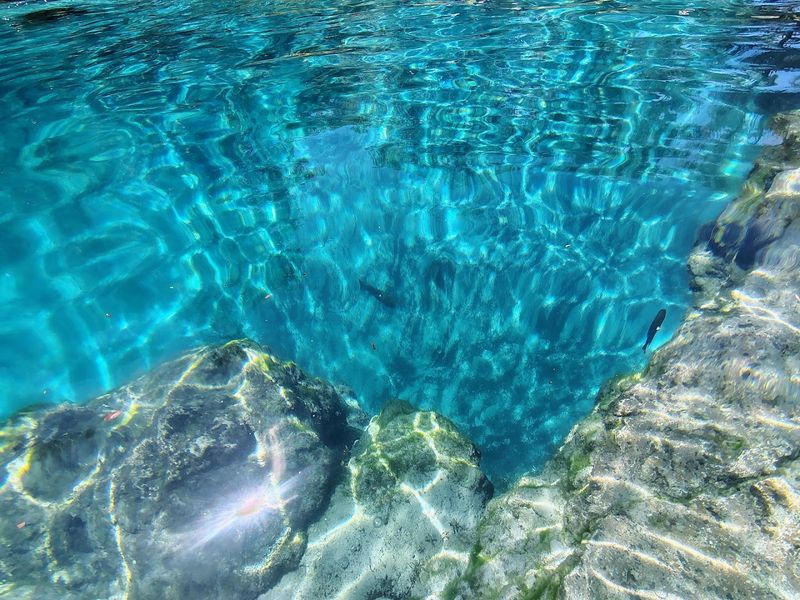
The head spring at Gilchrist Blue Springs produces water so transparent that visibility extends all the way to the sandy bottom, often more than twenty feet down. Sunlight penetrates the water column and creates an ethereal glow that shifts from pale turquoise to deep sapphire depending on depth and time of day.
The spring discharges millions of gallons daily at a steady 72 degrees, maintaining perfect clarity regardless of season or weather conditions upstream. Swimmers can observe every detail of the underwater landscape, from limestone formations to aquatic vegetation swaying in the gentle current.
This exceptional visibility results from the water’s journey through underground aquifers that naturally filter out sediment and impurities. Snorkelers find themselves suspended in what feels like liquid glass, watching fish glide past with startling definition.
The experience borders on surreal, particularly for first-time visitors accustomed to murky lakes or tannin-stained rivers common elsewhere in Florida.
7-Mile Blue Springs Loop Trail Leads To Five Stunning Pools
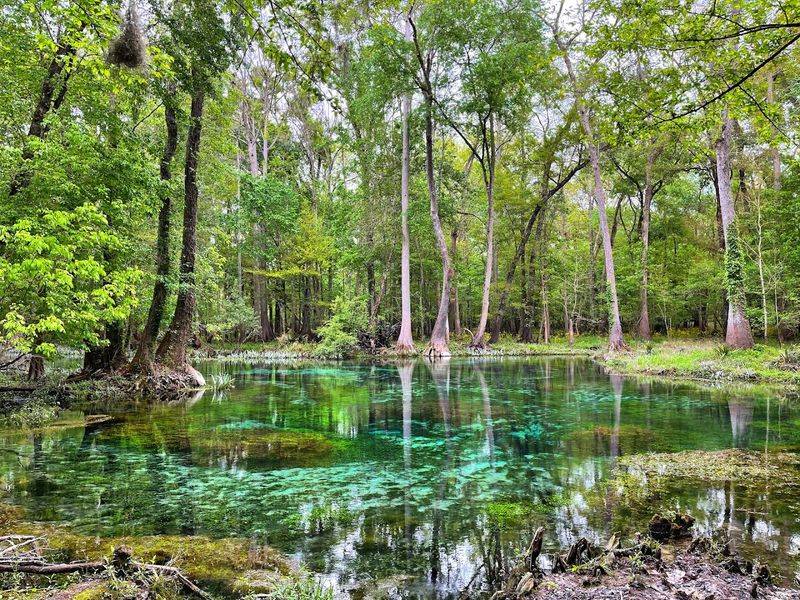
The Blue Springs Loop Trail begins near the main parking area at 7450 NE 60th St in High Springs and winds through typical North Florida terrain. Oak canopy provides welcome shade for most of the route, while palmettos and native shrubs line the well-maintained path that remains accessible for most fitness levels.
Hikers encounter five separate spring pools spaced along the circuit, each offering a different perspective on the park’s hydrology. Some springs bubble actively from limestone vents, while others pool quietly in forest clearings.
The trail includes interpretive markers explaining the geological processes that created these natural features over thousands of years.
Most visitors complete the loop in under an hour at a leisurely pace, though many extend their visit by stopping to observe wildlife or cool off in the various pools. The relatively flat terrain makes this hike suitable for families with children, and the short distance means you can explore thoroughly without exhausting yourself before enjoying the main swimming area.
Five Unique Spring Pools With Their Own Charm
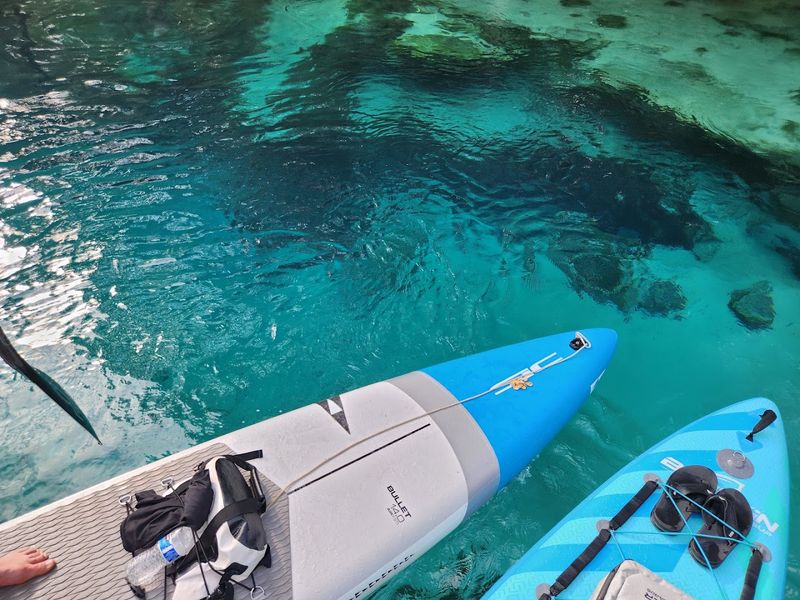
Beyond the main swimming area, the loop trail reveals four additional spring pools that many day visitors overlook entirely. Each possesses distinct characteristics shaped by flow rate, depth, and surrounding vegetation.
One pool known locally as Naked Spring remains roped off for ecological restoration, allowing native plants to reestablish without human disturbance.
The smaller springs range from shallow depressions barely three feet deep to more substantial pools suitable for wading and observation. Their isolation creates peaceful spots for contemplation, far removed from the busier main spring where most swimmers congregate.
Water temperature remains constant across all five pools, fed by the same underground aquifer system.
Park managers work continuously to protect these secondary springs from overuse and erosion. Visitors who take time to explore the full loop gain appreciation for the complex hydrology sustaining this landscape.
The variety among the five pools demonstrates how subtle differences in geology create distinct ecosystems within a compact area.
Why Gilchrist Blue Springs Has Unbelievable Water Clarity
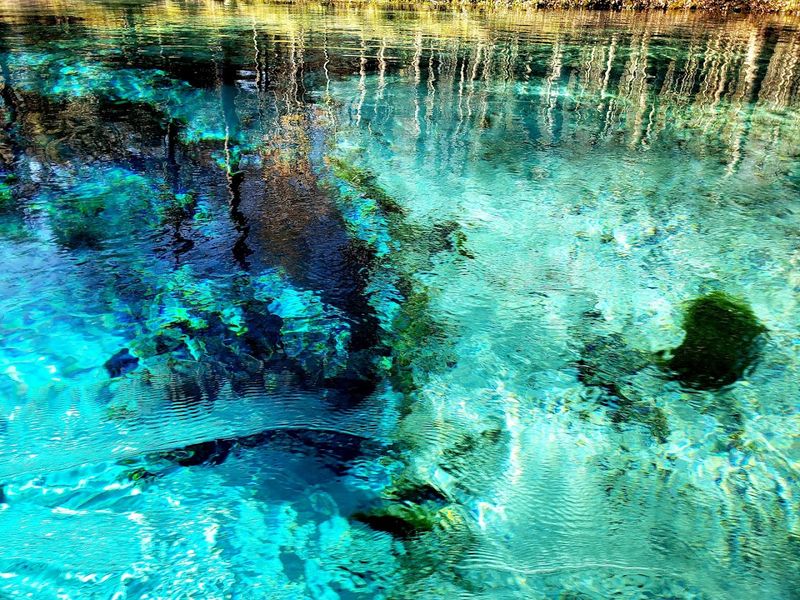
The remarkable transparency at Gilchrist Blue Springs results from water’s long journey through the Floridan Aquifer, one of the world’s most productive freshwater systems. Rainwater percolates down through layers of porous limestone, a process that naturally removes particles, sediment, and organic matter that would otherwise cloud the water.
This underground filtration can take decades or even centuries, depending on the water’s path through the aquifer. By the time it emerges at Gilchrist, the water has been stripped of virtually all suspended solids.
The constant 72-degree temperature prevents algae blooms that plague warmer surface waters during summer months.
Chemical composition also contributes to clarity, with minimal tannins or dissolved organics that tint many Florida rivers brown. The spring’s robust flow prevents stagnation and continuously refreshes the pool with pristine water.
Conservation efforts by park staff ensure that surface runoff and human activity don’t compromise this natural purity, maintaining the springs for future generations to experience.
Wildlife Encounters On The Blue Springs Loop Trail
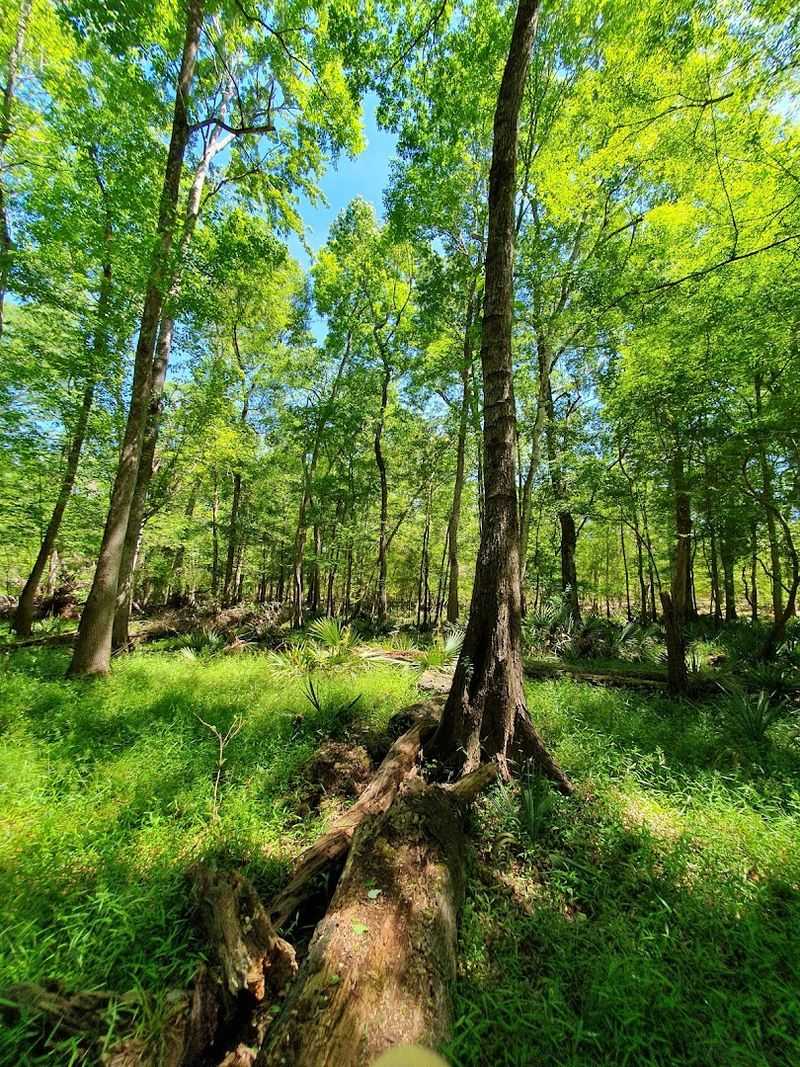
The loop trail passes through habitat supporting diverse wildlife adapted to spring-fed ecosystems. Turtles bask on fallen logs at pool edges, while wading birds stalk the shallows for small fish and invertebrates.
Patient observers might spot river otters, though these shy mammals typically avoid areas with heavy human traffic.
Fish populations thrive in the constant water temperature and abundant oxygen. Sunfish, bass, and various minnow species navigate the clear water with casual indifference to snorkelers.
The springs provide critical habitat during drought periods when surface waters elsewhere dry up or become too warm.
Bird activity peaks during early morning hours before the park fills with visitors. Woodpeckers work the oak trunks, while songbirds flit through the understory.
Deer tracks appear regularly on sandy sections of trail, evidence of nocturnal visits when the park closes to human activity. The combination of permanent water, mature forest, and protected status makes Gilchrist an ecological refuge worth preserving.
The History Of Gilchrist Blue Springs State Park
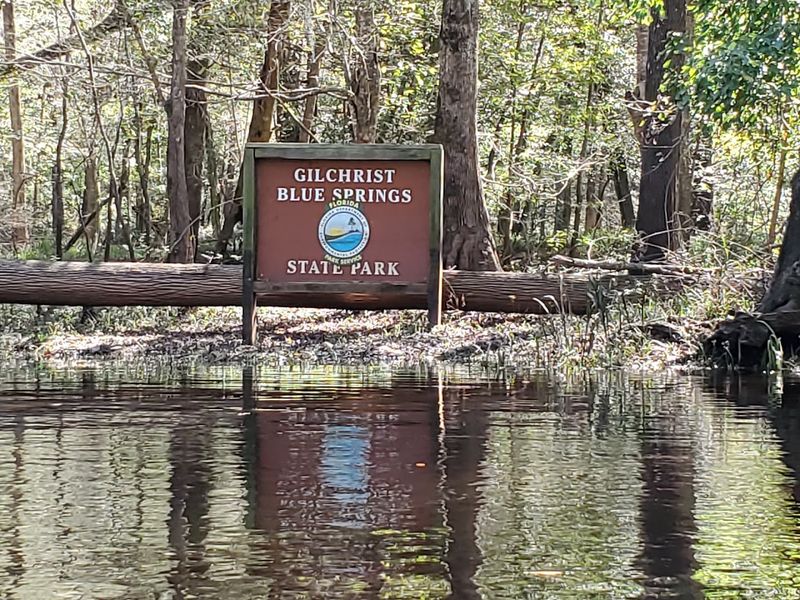
The springs have drawn humans for thousands of years, with archaeological evidence suggesting Native American settlements utilized this reliable water source. European settlers arrived later, recognizing the springs’ value for agriculture and recreation.
The property changed hands multiple times before the state acquired it for preservation.
Ruth B. Kirby played a crucial role in protecting these springs from development.
Her advocacy and support helped establish the park in its current form, ensuring public access while maintaining ecological integrity. The park’s full name honors her contributions to Florida conservation efforts.
Recent decades brought improvements to facilities and trail systems, though the park retains a relatively undeveloped character compared to more commercialized springs elsewhere in Florida. Volunteer groups now assist with maintenance and restoration projects, continuing the conservation legacy.
The bumpy unpaved entrance road reminds visitors that some places resist complete modernization, maintaining an authentic connection to Florida’s natural past rather than sanitized tourist experiences.
Family-Friendly Hiking And Swimming At Gilchrist Blue Springs
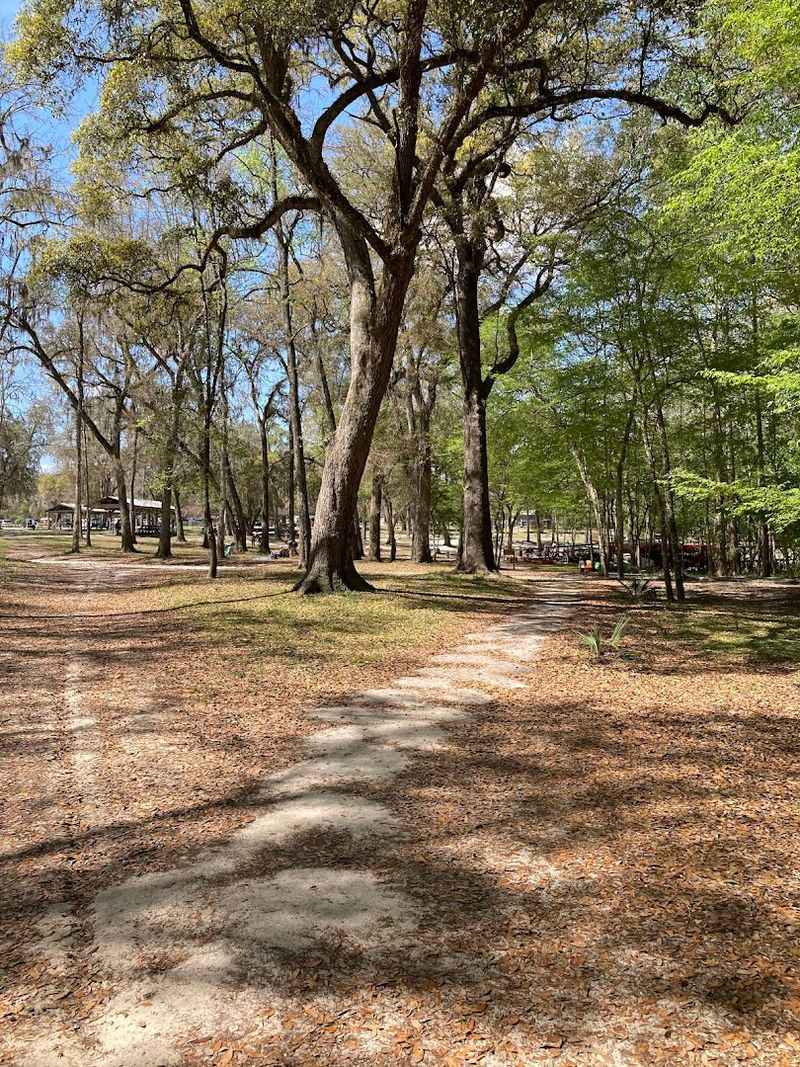
The combination of short hiking distance and comfortable swimming makes Gilchrist ideal for families with children of various ages. The main swimming area features gradual entry points and shallow sections where young swimmers can play safely under supervision.
Water temperature stays consistent, eliminating the shock of cold plunges that can discourage reluctant swimmers.
Multiple covered pavilions provide shaded gathering spots for families to establish base camp with coolers and towels. Restroom facilities include changing areas and outdoor showers for rinsing off after swimming.
The park’s compact layout means parents can keep track of children who want to explore without worrying about them wandering too far.
Weekday visits tend to be less crowded than weekends, when parking can fill by mid-morning during peak season. Families who arrive when gates open at 8 AM enjoy the springs in relative solitude before day-trippers arrive.
The $6 entrance fee represents exceptional value for a full day of outdoor recreation in a protected natural setting.
Tips For A Perfect Day Trip To Gilchrist Blue Springs
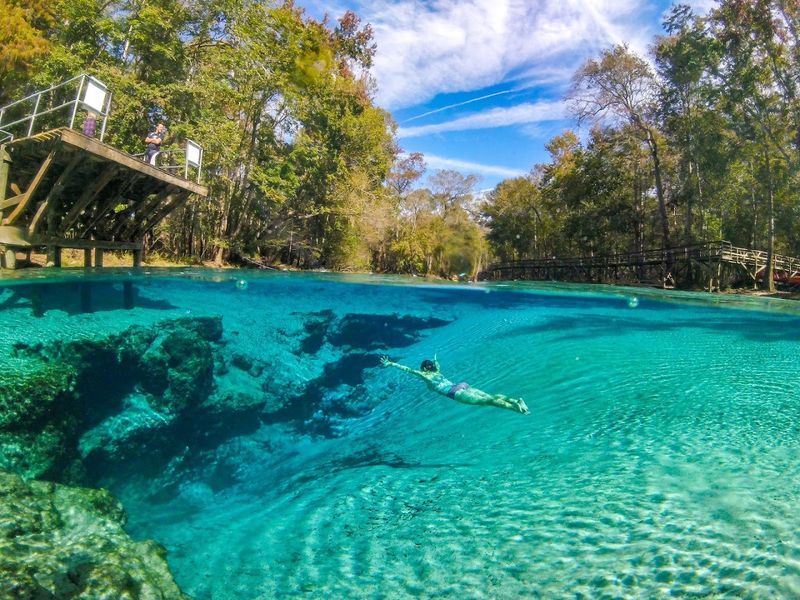
Arriving before 8 AM positions you at the front of the entrance line, crucial during weekends when the parking lot reaches capacity quickly. Once full, the park closes to new arrivals until others depart, typically not until afternoon.
Water shoes protect feet on the sandy bottom and along trails, though the main swimming area stays relatively smooth.
Bring snorkeling gear to fully appreciate underwater visibility and observe fish behavior up close. The park rents kayaks and paddleboards for exploring the spring run toward the Santa Fe River, a journey that reveals lush aquatic vegetation and additional wildlife.
Cash or phone payment covers the modest entrance fee, processed through an honor system at the booth.
Pack a cooler with lunch and plenty of drinking water, as the park lacks food vendors or restaurants nearby. Sunscreen and shade-seeking behavior become important despite tree cover, particularly around the open swimming areas.
The unpaved entrance road kicks up dust and dirt, so expect your vehicle to need washing afterward. Signal reception drops along the access road, so download maps before arrival.
How Gilchrist Blue Springs Protects Its Pristine Waters
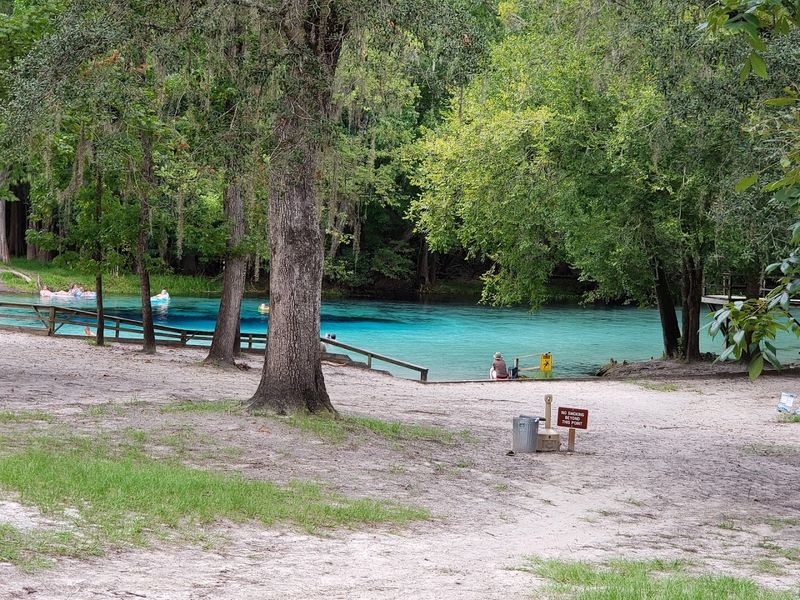
Park management implements several strategies to maintain water quality and protect sensitive spring ecosystems from degradation. Roped-off areas like Naked Spring allow vegetation to recover from previous overuse, preventing erosion that would cloud the water with sediment.
Designated kayak lanes keep paddlers separated from swimmers, reducing disturbance to aquatic plants and bottom sediments.
Visitor education programs explain how individual actions affect spring health. Sunscreen chemicals, litter, and excessive foot traffic all threaten the delicate balance sustaining these ecosystems.
The park encourages reef-safe sunscreen and provides trash receptacles throughout the grounds. Camping facilities use septic systems designed to prevent contamination of the aquifer.
Volunteer involvement extends the park’s limited staff capacity for monitoring and maintenance. Regular water quality testing tracks any changes in chemistry or clarity that might signal problems developing in the watershed.
The relatively primitive facilities help limit visitor numbers naturally, avoiding the overcrowding that plagues more developed springs. This management philosophy prioritizes ecological protection over maximum revenue, a refreshing approach in Florida’s competitive tourism landscape.
Best Views And Photo Spots On The Blue Springs Trail
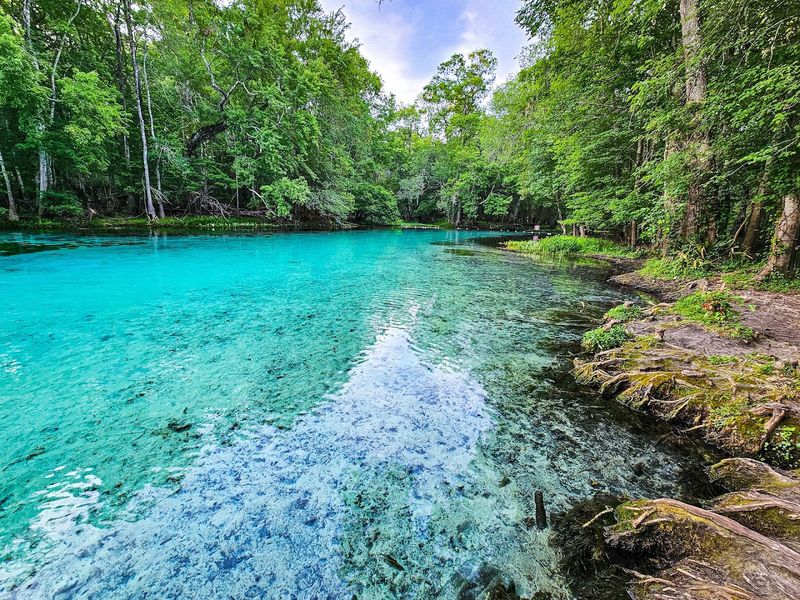
Photographers find compelling subjects throughout the loop trail, from intimate details of spring vents to sweeping views across the main pool. Early morning light produces the most dramatic effects, with low-angle sun penetrating the water and illuminating the sandy bottom in shades of turquoise and gold.
The clarity allows underwater photography without specialized housing, though waterproof cameras or phones in protective cases work best.
The spring run connecting to the Santa Fe River offers particularly photogenic scenes where aquatic vegetation creates colorful underwater gardens. Overhanging oak branches frame many compositions naturally, adding depth and context to spring portraits.
Wildlife photography requires patience and quiet observation, as sudden movements scatter birds and turtles.
Avoid midday harsh light that washes out the water’s subtle color gradations. Late afternoon brings another golden hour opportunity before the park closes at 8:30 PM during summer months.
Respect roped-off areas and sensitive habitats when seeking vantage points, keeping ecological protection paramount over getting the perfect shot.