
This Beautiful Historic Mansion In New York Is A Time Capsule Of Elegance And Grandeur
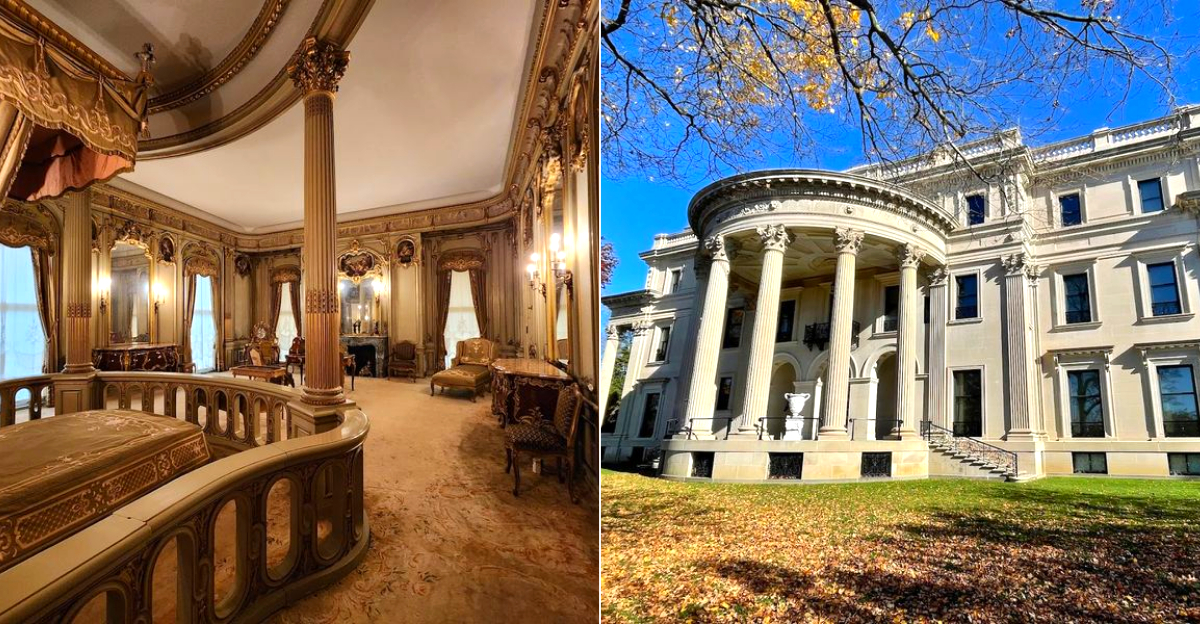
Stepping into this place feels like accidentally interrupting another century. Everything is polished, detailed, and just a little dramatic in that elegant way New York somehow does so well.
High ceilings, sweeping staircases, rooms that look like they’ve been waiting for you to notice them. You move through slowly without even meaning to. Every corner has something worth pausing for.
Intricate woodwork. Grand windows. Furniture that clearly has stories attached. It’s not just pretty, it feels preserved, like time decided to take a break right here.
In New York, where everything moves forward so quickly, that contrast hits differently.
Somewhere between the details and the atmosphere, it stops feeling like a visit and starts feeling like you’ve stepped into something much bigger than a typical day out.
A Palace That Makes Your Jaw Drop And Your Wallet Weep
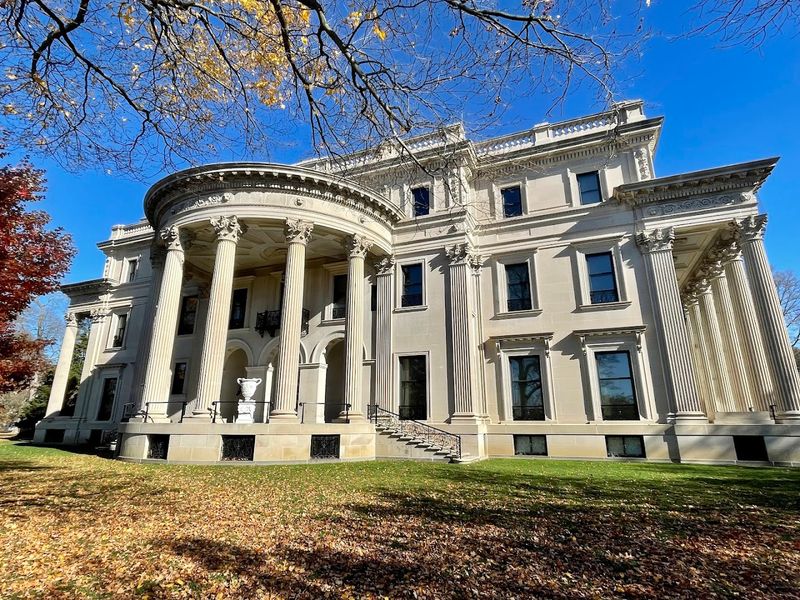
Okay, so imagine calling a 54-room house your “country cottage” and saying it with a straight face. That’s exactly what Frederick Vanderbilt did with this absolute behemoth of a mansion.
When you first catch sight of this place rising up like some Renaissance fantasy, you might actually laugh out loud at the sheer audacity of it all.
Built between 1896 and 1899, this beaux arts masterpiece cost about two and a half million dollars back then. Adjusting for inflation, we’re talking roughly 80 million in today’s money for what the people here considered their casual weekend getaway.
The exterior alone features Indiana limestone that practically glows in the sunlight, with architectural details so intricate you could spend an hour just staring at the facade.
What makes this place genuinely special isn’t just the size or the price tag. It’s the fact that Frederick Vanderbilt, grandson of railroad tycoon Cornelius Vanderbilt, designed this estate to showcase both his family’s astronomical wealth and their supposedly refined taste.
Every column, every window, every carefully planned sightline screams “we have arrived” in the most elegant whisper possible.
The mansion sits on 211 acres of rolling Hudson Valley landscape, positioned deliberately to capture spectacular river views. Walking up to the entrance, you can practically feel the ghosts of footmen and society guests who once treated this opulent pile as just another stop on the social circuit.
The building itself represents everything wild and wonderful about America’s Gilded Age, when new money built monuments to prove they belonged among the old guard.
The Not-So-Secret Separate Bedrooms
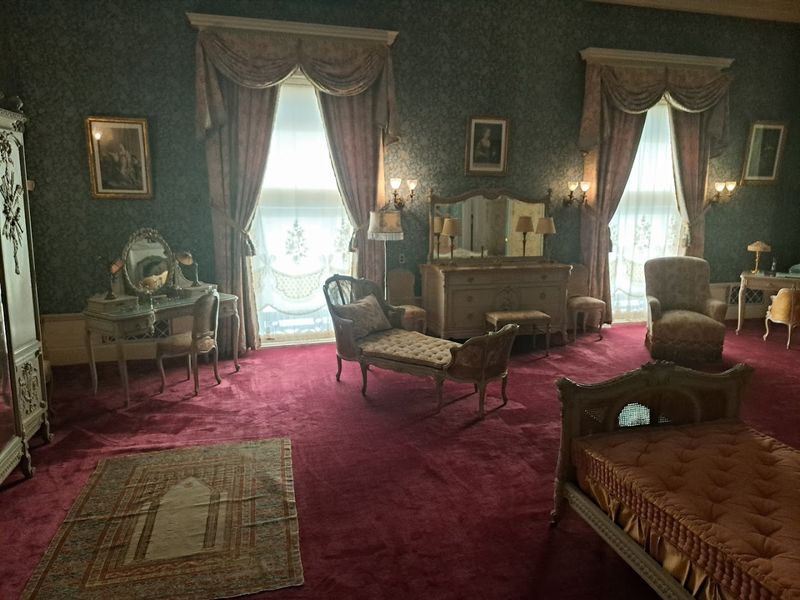
Here’s where things get deliciously gossipy. The second floor of the Vanderbilt Mansion reveals one of the most telling details about Gilded Age marriages among the wealthy.
Frederick and Louise Vanderbilt maintained completely separate bedroom suites, connected by a door equipped with locks. Not just one lock, mind you, but Louise’s side reportedly featured three locks while Frederick’s had only one.
Tour guides love sharing this detail because it perfectly captures the formal nature of upper-class marriages during this era. These weren’t cozy couples sharing a bedroom.
These were strategic partnerships where personal space and privacy mattered enormously, especially for the lady of the house who controlled her own domain.
Louise’s bedroom resembles something from a French palace, dripping with silk damask wall coverings, gilded furniture, and enough decorative flourishes to make Marie Antoinette jealous. Her private bathroom features marble imported from Italy and fixtures that were cutting-edge luxury for 1899.
Frederick’s quarters, while equally lavish, lean more toward dark woods and masculine restraint, reflecting the gendered design expectations of the period.
The arrangement wasn’t unusual for wealthy families of this time. Privacy equaled status, and having your own wing of the house demonstrated both wealth and sophistication.
Still, modern visitors can’t help but giggle a little at those multiple locks, imagining the unspoken conversations they represent. The separate bedrooms tell a story about marriage, class, and personal boundaries that no amount of gold leaf can disguise.
This National Historic Site Welcomes Everyone
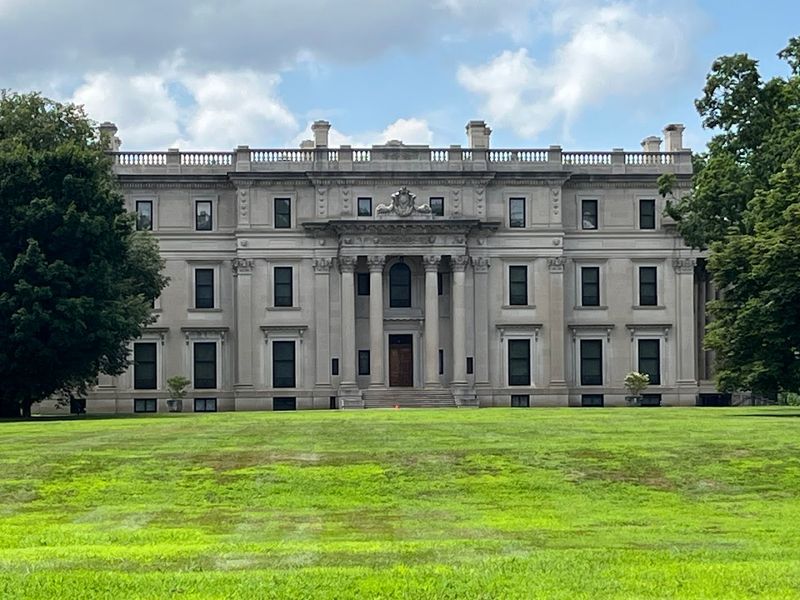
Located at 119 Vanderbilt Park Road in Hyde Park, the Vanderbilt Mansion National Historic Site operates as a beautifully democratic experience. What once existed exclusively for the wealthy elite now welcomes anyone curious about American history, charging just fifteen dollars for adults while kids fifteen and under get in free.
Better yet, a National Parks Pass covers admission for up to four people, making this architectural wonder accessible to families who appreciate both history and a good deal.
The National Park Service manages the property with obvious care and enthusiasm. Rangers lead guided tours that typically run about an hour, taking visitors through three floors including the opulent main level, the private second floor with those famous separate bedrooms, and the basement where servants lived and worked.
These aren’t dry recitations of facts but engaging storytelling sessions where rangers bring the Vanderbilt family and Gilded Age society to vivid life.
Visitors consistently praise the rangers’ knowledge and passion in reviews. One tour guide gets mentioned repeatedly for his infectious enthusiasm and ability to answer even the most obscure questions about the family, the architecture, or the period.
Another guide named Ashley earned special recognition for making a post-Thanksgiving visit memorable with her warmth and expertise.
The mansion itself operates Wednesday through Monday from ten in the morning until four in the afternoon. Tours can only be booked in person at the visitor center, which adds a slight element of adventure to the experience.
You might arrive and find the next available tour is in an hour or two, giving you perfect time to explore the magnificent grounds, wander through the Italian gardens, or grab lunch in nearby Hyde Park before returning for your scheduled time.
Gardens That Prove Money Really Can Buy Happiness
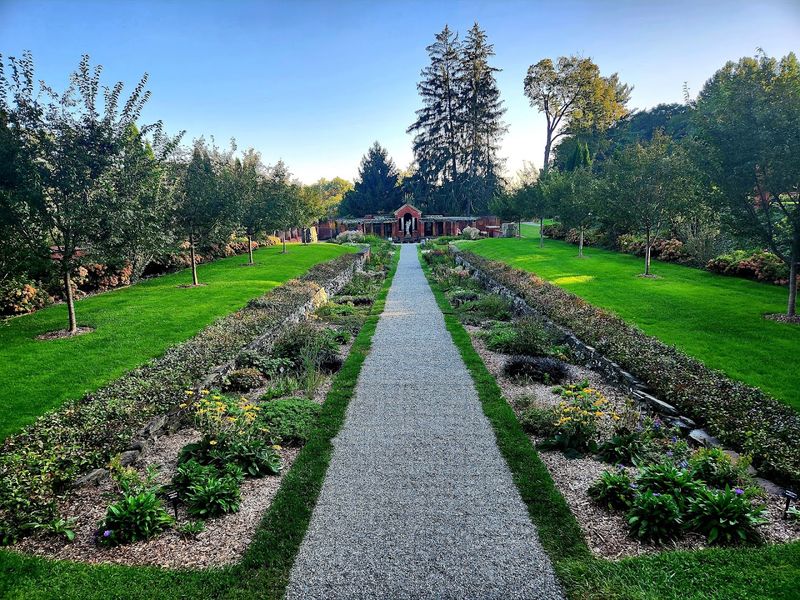
Beyond the mansion’s front doors lies another world entirely. The formal Italian garden represents landscape design at its most ambitious, featuring geometric flower beds, classical statuary, and carefully trimmed hedges that would make a topiary artist weep with envy.
This garden wasn’t just decorative but served as an outdoor room where the Vanderbilts could entertain guests in a setting that rivaled anything found in European estates.
What makes these gardens particularly special today is that local volunteers maintain them. Federal funding doesn’t stretch far enough to cover everything, so community members donate time and effort to preserve this horticultural masterpiece.
Their dedication shows in every bloom and perfectly edged pathway, proving that even without Vanderbilt money, people can create and maintain beauty through collective effort.
The gardens sit near the gardener’s cottage and shed, structures that remain remarkably intact and offer their own glimpse into estate life. Visitors describe this area as perfect for photography, and it’s easy to understand why.
The combination of formal plantings, historic architecture, and Hudson Valley backdrop creates compositions that look professionally staged even when captured on a smartphone.
Walking these grounds during different seasons offers completely different experiences. Spring brings explosions of tulips and flowering trees.
Summer means roses and perennials at peak performance. Fall transforms the landscape with foliage that competes with the mansion itself for visual drama.
Even winter has its stark beauty, when the garden’s bones become visible and the mansion stands out against bare trees and grey skies like something from a romantic painting.
Downstairs Drama Where The Real Work Happened
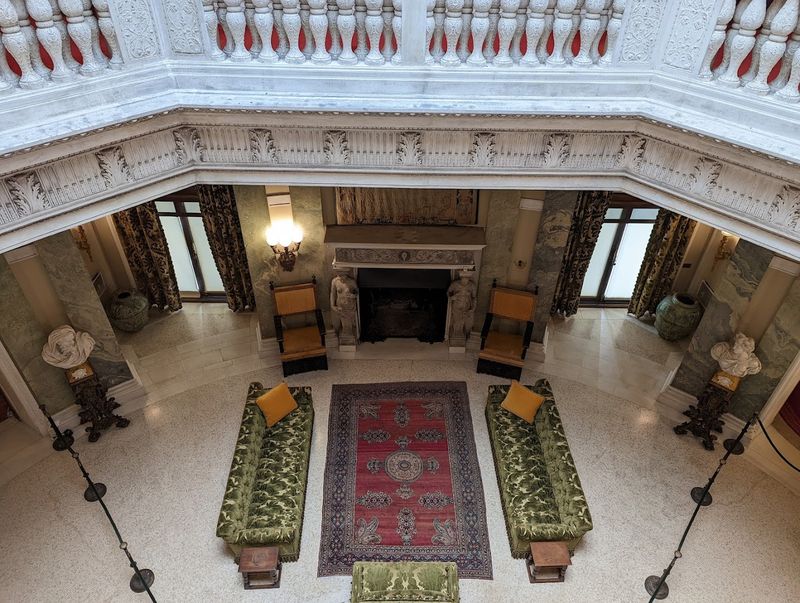
The mansion tour concludes in the basement, and this section might actually be the most fascinating part of the entire experience. While the upper floors showcase how the Vanderbilts lived, the basement reveals how they managed to live that way.
This labyrinth of rooms housed the army of servants required to maintain a household of this scale, from cooks and laundresses to footmen and housekeepers.
The contrast between upstairs and downstairs couldn’t be starker. Where the main floors feature silk wall coverings and imported marble, the basement offers plain painted walls and practical tile floors.
The servants’ quarters were functional rather than decorative, designed for efficiency rather than impression. Yet even here, the construction quality exceeds what most people enjoy in their primary residences today, with solid walls, good ventilation, and thoughtful layout.
Tour guides explain the rigid hierarchy that existed among household staff. The butler and housekeeper occupied positions of genuine authority, managing other servants and sometimes earning salaries that exceeded those of skilled tradesmen in town.
Lower-ranking servants worked grueling hours for modest pay but received room, board, and the prestige of working for one of America’s most prominent families.
This part of the tour helps visitors understand that Gilded Age luxury required invisible labor. Every perfectly pressed napkin, every gleaming floor, every elaborate meal represented hours of human effort happening out of sight.
The basement tells a more complete and honest story than the gilded rooms above, showing both the splendor and the cost of maintaining such extravagant lifestyles during America’s age of excess.
Views That Inspired A Nation’s Landscape Movement
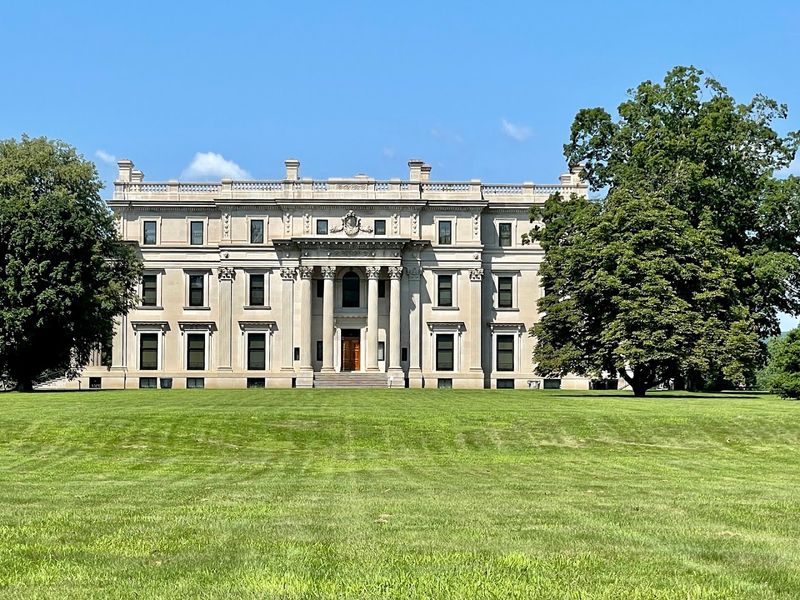
Stand anywhere on the Vanderbilt estate grounds and you’ll understand why Frederick chose this particular spot for his country retreat. The Hudson River unfolds below like a silvery ribbon, bordered by hills that change color with the seasons and the light.
These vistas helped inspire America’s landscape preservation movement, demonstrating that natural beauty had value worth protecting from industrial development.
The estate encompasses 211 acres of varied terrain, from manicured lawns near the mansion to wooded trails that wind through mature forests. Visitors can walk these grounds for free even without taking the mansion tour, making this National Historic Site a genuine public resource.
Dog owners particularly appreciate the pet-friendly trails where leashed companions can enjoy the same scenery that once entertained American aristocracy.
Several viewpoints offer particularly stunning perspectives. The area behind the mansion provides direct river views framed by the building’s classical architecture.
Trails leading to Bard Rock reward hikers with elevated vantage points, though visitors should note that the road to the rock periodically closes and the walk back uphill challenges anyone not prepared for moderate exercise in summer heat.
Photography enthusiasts find endless inspiration here. Morning light creates long shadows across the lawns.
Afternoon sun illuminates the mansion’s limestone facade. Evening brings dramatic skies reflected in the river below.
Seasonal changes transform the entire landscape, from spring’s fresh green to autumn’s riot of color. One visitor mentioned creating a four-season photo series from a single bench, capturing how the same view evolves throughout the year and displaying all four images above their bed as permanent inspiration.
A Living Museum That Transports You Through Time
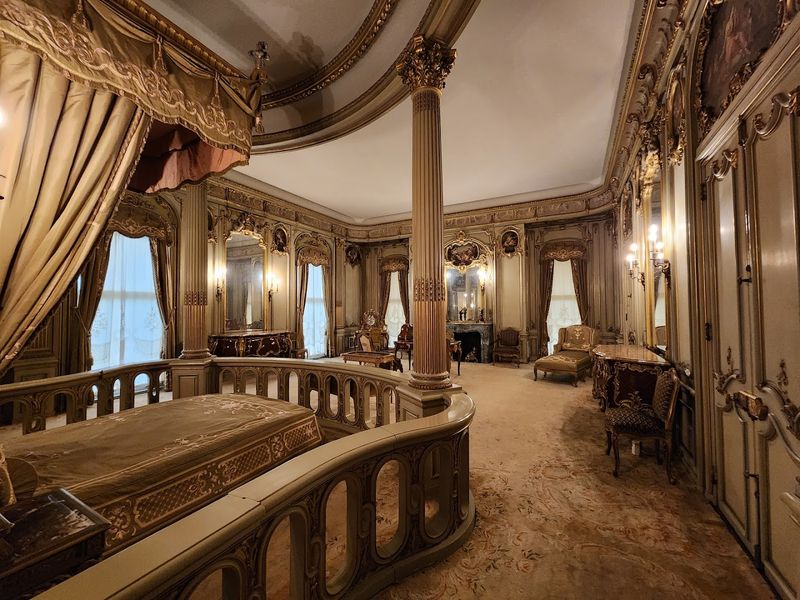
What separates the Vanderbilt Mansion from many historic sites is its remarkable state of preservation. When the National Park Service acquired the property in 1940, most of the original furnishings remained intact.
Today’s visitors see authentic pieces that the Vanderbilts actually used, from massive carved furniture to delicate porcelain collections, creating an immersive experience that feels less like a museum and more like the family just stepped out for the afternoon.
Every room tells specific stories through its objects and decoration. The dining room features a table that could seat dozens, surrounded by chairs upholstered in silk that somehow survived decades.
The library contains books the Vanderbilts actually read, their leather bindings aged but intact. Even smaller details like original pocket doors with cut glass panels remain functional, demonstrating the quality of craftsmanship that unlimited budgets could commission.
The mansion lacks air conditioning, which actually enhances its authenticity even if it makes summer visits warm. Rangers position floor fans strategically, and visitors quickly learn that early morning tours offer the most comfortable temperatures.
This minor inconvenience seems insignificant compared to the privilege of experiencing these rooms much as the Vanderbilts knew them, without modern climate control systems that would alter the historic atmosphere.
Multiple visitors compare this mansion favorably to European castles, noting that American preservation sometimes exceeds what older countries achieve with their historic properties. The combination of National Park Service stewardship, volunteer support, and genuine public interest keeps this time capsule functioning as both educational resource and inspirational destination, proving that past grandeur can inform and enrich present understanding.