
This Beautiful Mansion In New York Is Home To The World’s Oldest Photography Museum
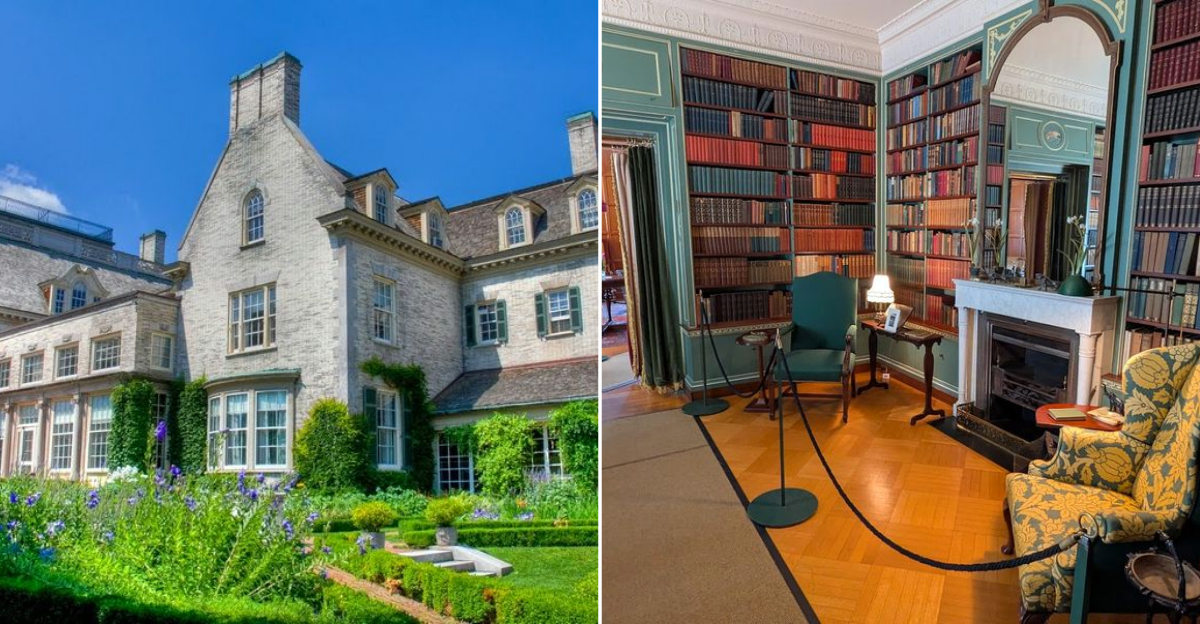
There are places that places feel like stepping into a different era the moment you arrive. In New York, one remarkable mansion does exactly that, welcoming visitors through grand doors into a space where history and creativity come together.
Elegant rooms, ornate architectural details, and carefully preserved interiors set the stage for something truly unique inside.
Beyond its beautiful exterior, this mansion holds a fascinating distinction. It is home to the world’s oldest photography museum, a place where the story of photography unfolds through historic cameras, rare images, and exhibitions that trace the art form from its earliest days to the present.
For the photography enthusiasts out there, this unexpectedly beautiful New York landmark offers a glimpse into a remarkable visual history.
A Mansion That Moonlights As A Museum (And Does Both Brilliantly)
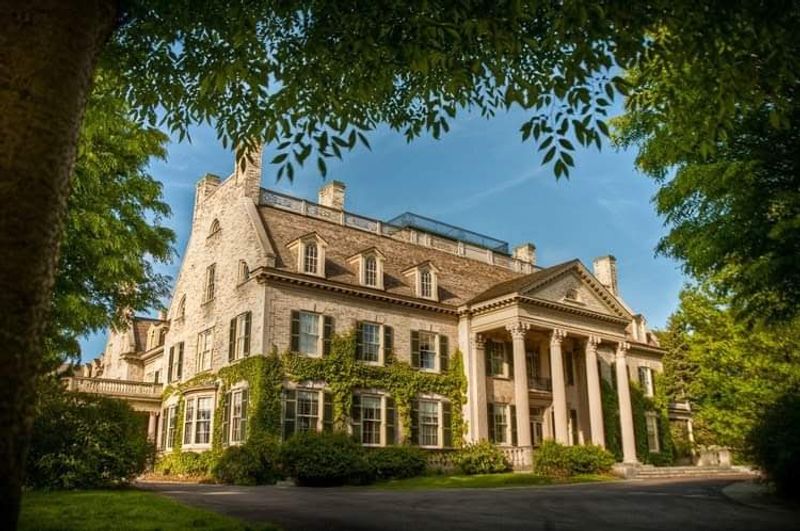
A 35-room mansion that also happens to be the world’s oldest photography museum sounds almost too unusual to be real, yet that is exactly what you will find at the George Eastman Museum at 900 East Ave in Rochester, New York.
The building itself was constructed between 1902 and 1905 for George Eastman, the man who essentially handed the world a camera and said, “Go have fun.”
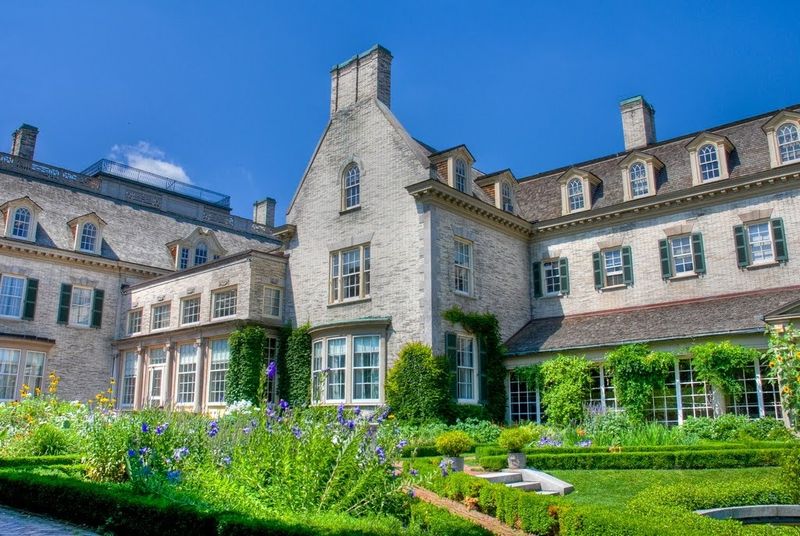
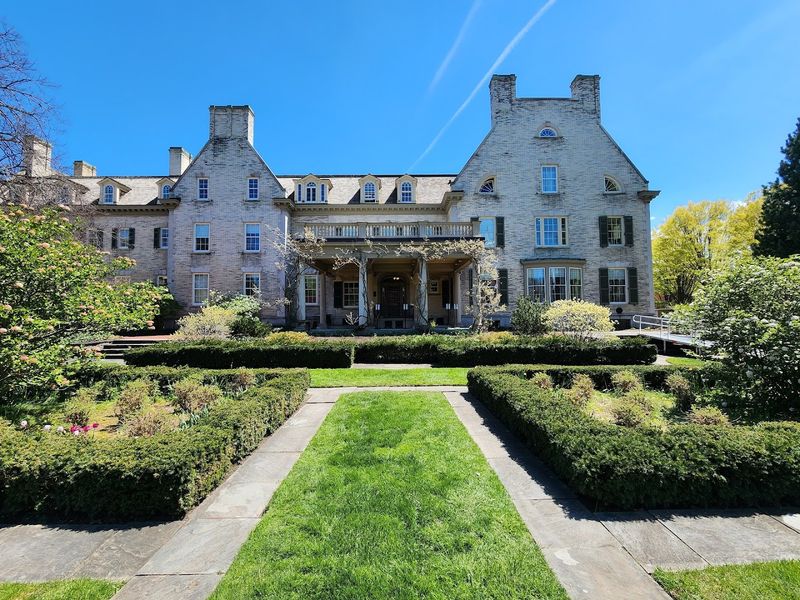
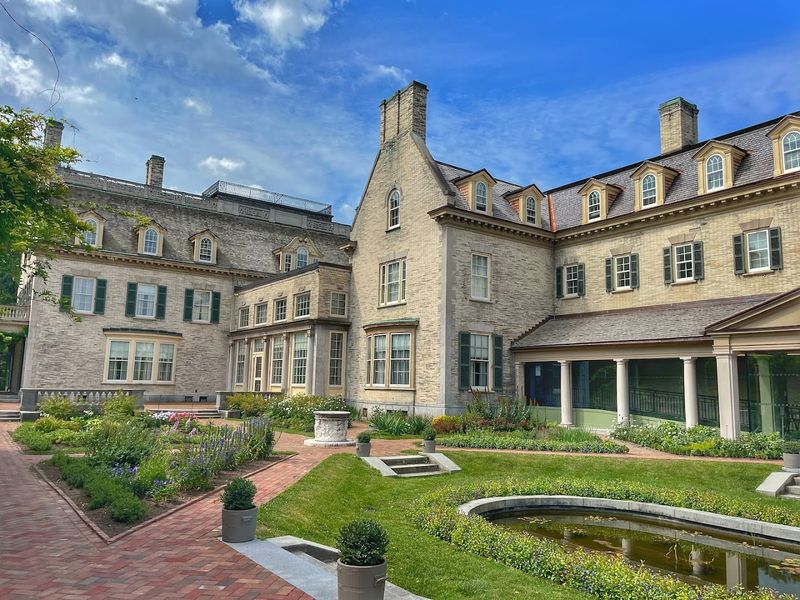
The Georgian Revival architecture is commanding without being cold, presenting wide symmetrical facades, tall windows, and a front lawn that looks perpetually ready for a garden party.
Designated a National Historic Landmark in 1966, the mansion carries its history with quiet confidence. Visitors often remark that the exterior alone sets a tone of substance and refinement before a single exhibit is seen.
The building has been meticulously maintained, so every detail from the brickwork to the roofline feels intentional and alive. Arriving here feels less like pulling into a parking lot and more like stepping onto a film set where the history is entirely real.
The Man Who Gave Cameras To The World
Before smartphones made everyone a photographer, one man had the audacious idea that ordinary people deserved to capture their own memories.
George Eastman founded the Eastman Kodak Company and introduced the Brownie camera in 1900, a device so affordable and simple that photography stopped being a professional luxury and became a household habit.
Born in 1854 in Waterville, New York, Eastman was largely self-taught and driven by a restless curiosity that extended well beyond business. His personal story is one of remarkable invention paired with genuine generosity.
He donated millions to educational institutions, including the University of Rochester and MIT, long before philanthropy became fashionable among industrialists.
Walking through his home, you begin to understand the man through his choices. The rooms reflect someone who valued beauty, precision, and comfort in equal measure.
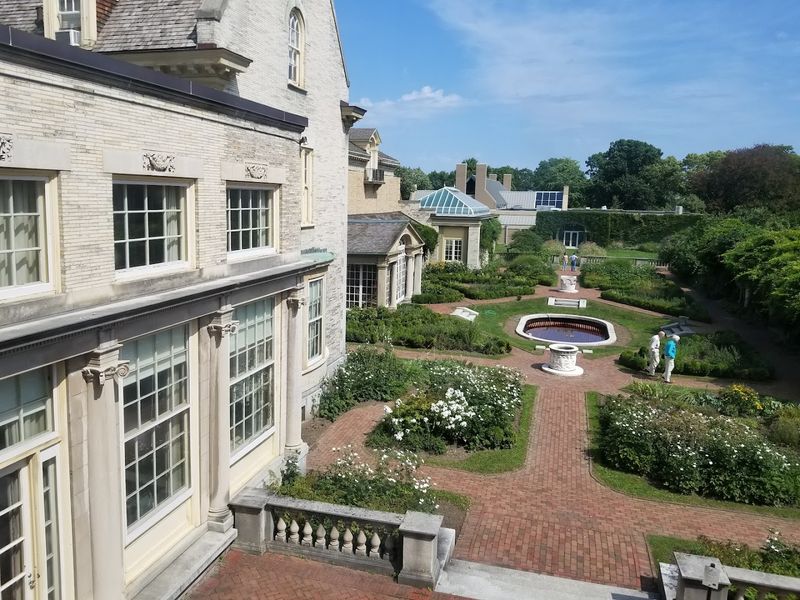
His passion for gardening is evident in the grounds he designed himself, and the pipe organ installed in his living room reveals a man who took his leisure as seriously as his work. Eastman was not simply a businessman.
He was a builder of culture, and this museum is the most personal evidence of that legacy.
Photography Collections That Span Centuries And Continents
With more than 400,000 photographs and negatives in its permanent collection, the George Eastman Museum holds one of the most significant photographic archives anywhere on the planet.
The range is staggering, covering daguerreotypes from the 1840s all the way through contemporary digital works that push the boundaries of the medium.
The collection includes works by some of photography’s most influential figures, offering visitors a chance to trace how the art form evolved from a scientific novelty into a powerful mode of expression.
Prints, glass plates, film negatives, and digital files coexist here in a way that tells a continuous story rather than isolated moments.
Temporary exhibitions rotate throughout the year, ensuring that even frequent visitors encounter something new on each trip. The curatorial approach tends to balance accessibility with intellectual depth, so you do not need a background in art history to find meaning in what you see.
Each photograph is presented with enough context to invite genuine engagement. Standing in front of an image taken over a century ago and understanding exactly why it matters is a quietly powerful experience that the museum facilitates with consistent skill.
Historic Cameras That Tell The Story Of Technological Ambition
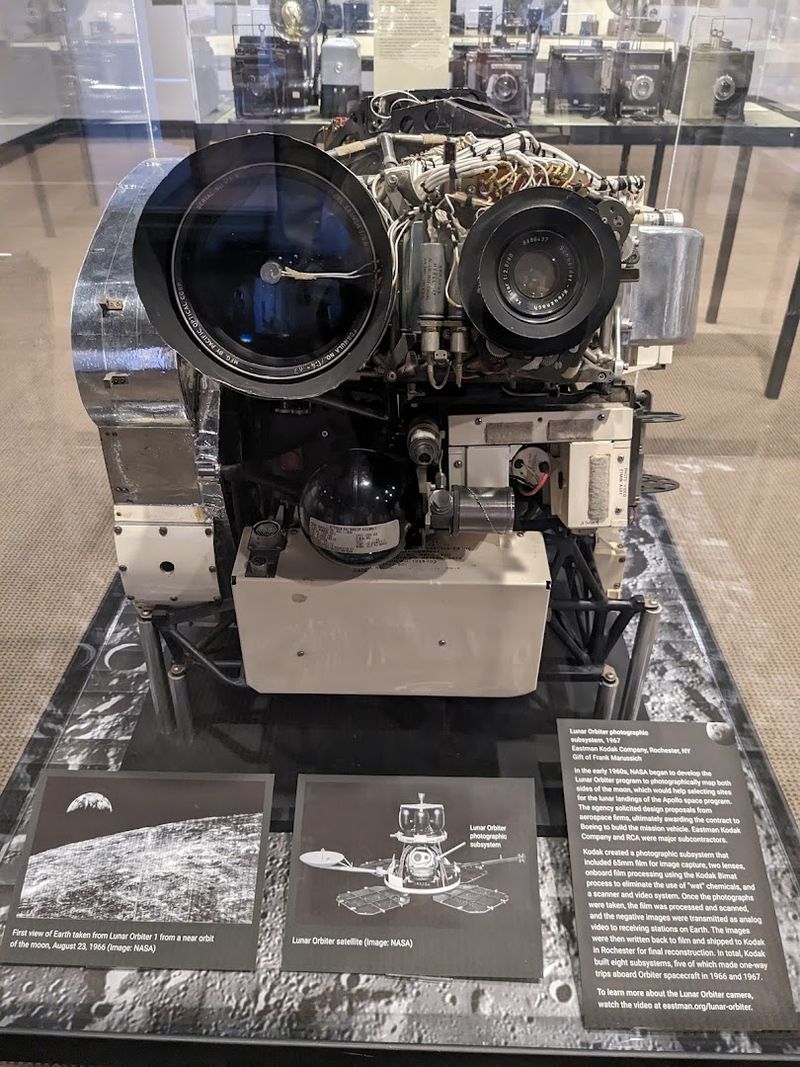
Few things make the history of photography feel as tangible as standing in front of the actual cameras that made it.
The George Eastman Museum houses more than 16,000 objects related to photographic and cinematographic technology, and the camera gallery is among the most engaging spaces in the entire institution.
Among the highlights is Ansel Adams’s personal Brownie camera, a humble little box that feels almost comically modest given the monumental landscapes it helped produce.
Also on display is one of the earliest digital cameras ever built, created by a young Kodak engineer whose innovation would eventually reshape an entire industry, though perhaps not in the direction Kodak had hoped.
There is also a camera originally designed to survey the lunar surface in preparation for the Apollo missions, a detail that stops most visitors mid-step. The progression from wooden box cameras to lunar survey equipment illustrates just how far human ingenuity traveled in under a century.
Each object is labeled thoughtfully, giving enough technical and historical context to satisfy the curious without overwhelming those who simply want to appreciate the craftsmanship. The gallery rewards slow, attentive browsing rather than a quick walk-through.
Where Film History Comes Alive
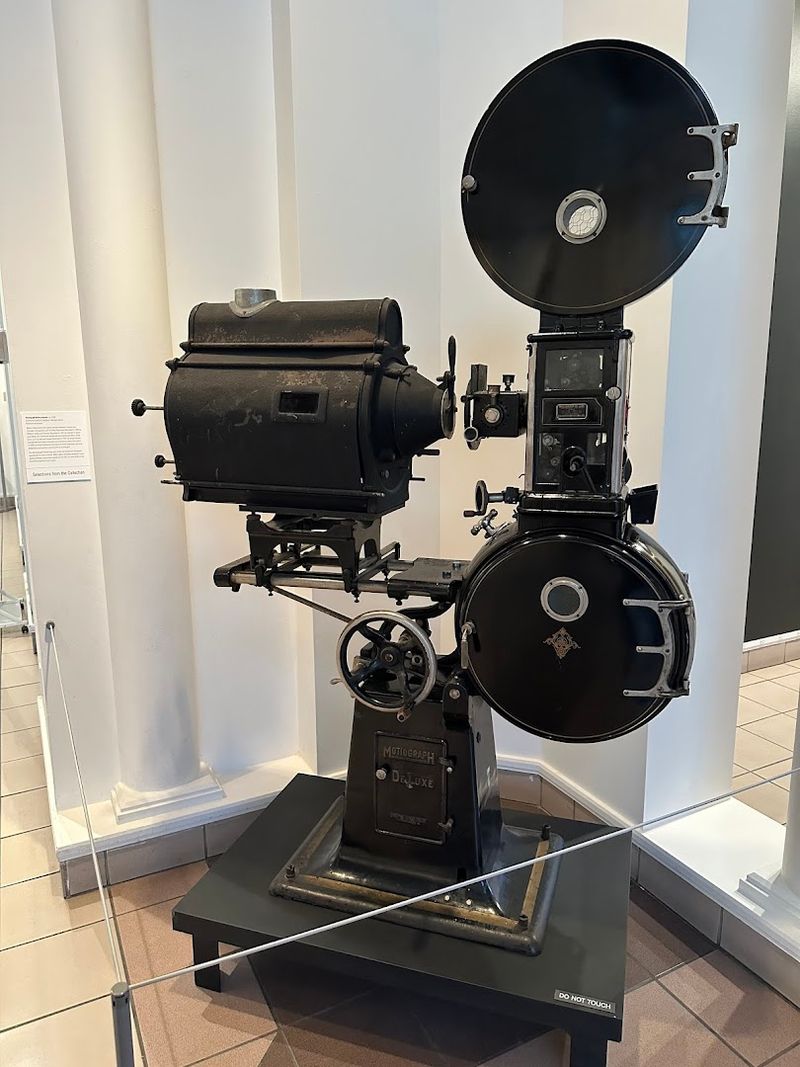
Tucked within the museum grounds is the Dryden Theatre, a 500-seat cinema that screens more than 300 films annually and operates as one of the most respected repertory cinemas in the northeastern United States.
The programming here is genuinely adventurous, ranging from silent films with live accompaniment to international art cinema and rare archival prints that most audiences will never see anywhere else.
One of the theatre’s most distinctive annual events is a festival dedicated to films shot on nitrate stock, the highly flammable film material that was discontinued in 1951. Watching a nitrate print is considered by cinephiles to be a singular visual experience, offering a luminosity and depth that modern film stocks struggle to replicate.
The George Eastman Museum is one of very few institutions in the world equipped to screen these materials safely.
Even outside of special events, an evening at the Dryden feels like a meaningful cultural occasion rather than a casual outing. The theatre’s programming team clearly approaches each season with curatorial intention, and the audience that gathers here tends to share a genuine enthusiasm for cinema as an art form.
For film lovers visiting Rochester, skipping the Dryden would be a real missed opportunity.
Film Preservation Work That The World Depends On
Most visitors come to the George Eastman Museum to see beautiful photographs and an impressive mansion, but the institution’s work in film preservation is arguably its most globally significant contribution.
The museum holds approximately 28,000 motion picture films and operates as a leader in the conservation and restoration of cinematic heritage.
Film is a fragile medium. Nitrate prints degrade, color films fade, and magnetic tape deteriorates with alarming speed.
The museum’s conservation team works to slow or reverse these processes, ensuring that films made a century ago remain viewable for generations to come.
The institution also trains archivists and conservators from around the world, spreading expertise that benefits film collections far beyond its own walls.
This behind-the-scenes work rarely gets the attention it deserves, but its impact is enormous. Countless films that might otherwise have been lost permanently now exist in stable, accessible form because of the careful work done in Rochester.
The museum makes portions of this conservation practice visible to visitors through exhibits and educational programming, offering a window into a profession that most people never think about but everyone quietly benefits from. It is painstaking, important work done with genuine dedication.
The Mansion Interiors
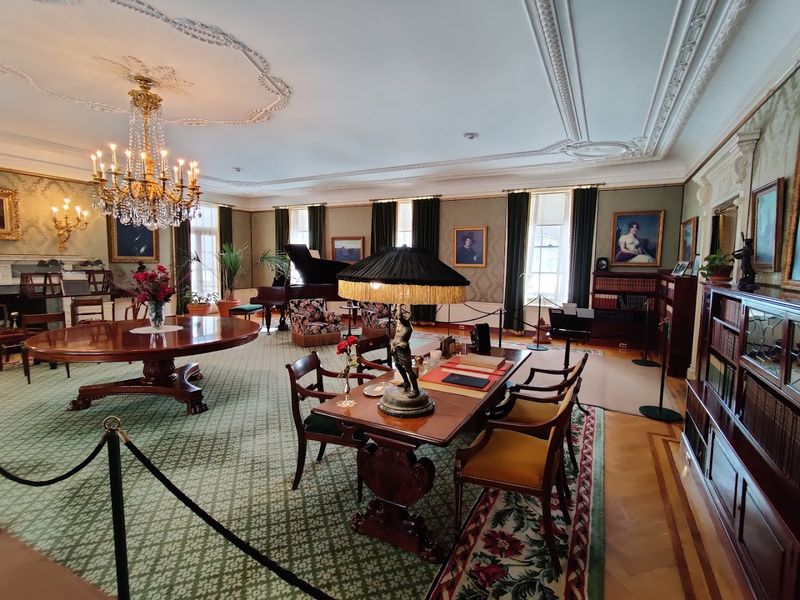
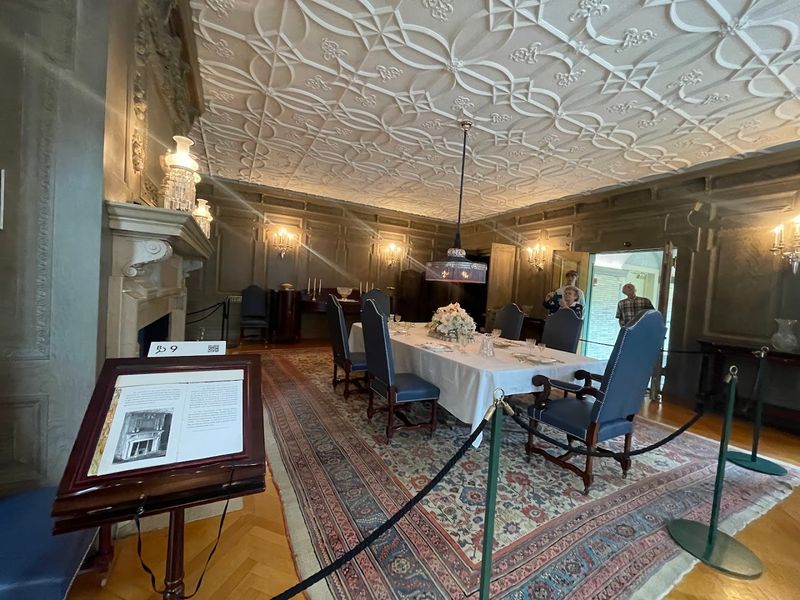
Stepping inside the Eastman mansion feels like entering a world where every surface was chosen with deliberate care. The interiors reflect a man of refined taste who was equally comfortable with grandeur and intimacy, a combination that many wealthy homes of the era failed to achieve.
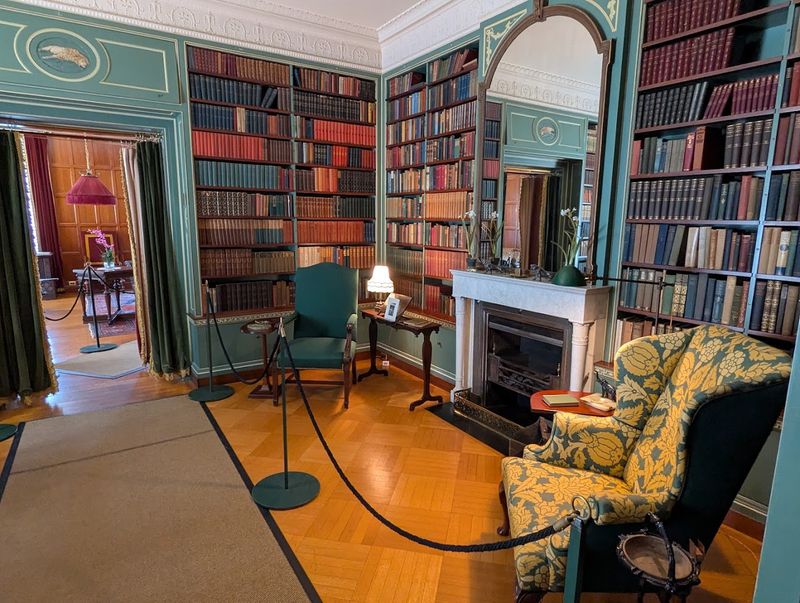
Plaster ceilings with detailed moldings, hand-cut and placed tiles, and rich wood paneling create an atmosphere that is warm rather than intimidating.
The conservatory is a particular standout, a glass-enclosed space filled with natural light that served as Eastman’s personal retreat and still carries an atmosphere of quiet contemplation.
Each room has been preserved with enough authenticity to give visitors a genuine sense of how the space was used, rather than simply how it looked.
Guided tours run at 10:30 AM and 2:00 PM and are consistently praised for the depth of knowledge the docents bring to the experience.
The guides weave personal anecdotes about Eastman alongside architectural observations, turning a house tour into something closer to a conversation with history.
For visitors who prefer to explore independently, each room contains a detailed reference book explaining the objects and design choices present. Either approach yields a satisfying and genuinely educational visit.
Educational Programs And Workshops For All Skill Levels
The George Eastman Museum takes its educational mission seriously, offering a range of workshops, lectures, and programs designed to engage visitors at every level of familiarity with photography and cinema.
Whether you have never picked up a camera or have been shooting professionally for years, there is programming here that can expand your understanding and sharpen your eye.
Workshops cover topics ranging from darkroom printing and film photography to the history of photographic processes and contemporary digital practices.
The instructors bring both academic knowledge and practical experience to each session, creating an environment where learning feels active rather than passive.
Many participants describe the workshops as among the most engaging educational experiences they have had outside of a formal degree program.
The museum also offers tailored programs for school groups, making it a valuable resource for educators looking to bring art and history into the same lesson.
Family-friendly activities are available on weekends, ensuring that younger visitors have structured ways to engage with the collections rather than simply walking past them.
The breadth of the educational offering reflects an institution that sees itself not just as a place to store important objects but as an active participant in how future generations understand visual culture and its history.
Practical Visitor Information Worth Knowing Before You Go
Planning a visit to the George Eastman Museum is straightforward, and the logistics are genuinely visitor-friendly. The museum is open Tuesday through Saturday from 10 AM to 5 PM and on Sundays from 11 AM to 5 PM, with Monday being the one day set aside for rest.
The address is 900 East Ave, Rochester, NY 14607, situated in a pleasant residential neighborhood that makes the approach feel unhurried.
Parking is free and plentiful, which in a city museum context is a detail worth appreciating. The building is fully wheelchair accessible, and the staff are consistently described as welcoming and attentive.
A cafe on the premises means you can take a comfortable break mid-visit without needing to leave the property, which is a practical touch that longer visits benefit from considerably.
Admission pricing is reasonable for the volume and quality of what the museum offers, and guided mansion tours at 10:30 AM and 2:00 PM are included with general admission. Calling ahead at 585-327-4800 or checking the official site at eastman.org is recommended for current exhibition schedules and any special event programming.
The museum rewards visitors who give it adequate time, so plan for at least two to three hours if you want to do it justice.
Why Rochester Residents And Travelers Both Keep Coming Back
A museum that earns repeat visits from the same community over many years is doing something genuinely right.
The George Eastman Museum has built exactly that kind of loyalty among Rochester residents, many of whom return for seasonal garden events, new exhibitions, film screenings at the Dryden, or simply because the atmosphere of the place is consistently pleasant and rewarding.
For travelers coming from outside Rochester, the museum consistently ranks as the city’s most memorable cultural attraction. Visitors from photography backgrounds find the collections professionally significant.
Those without any particular interest in cameras tend to leave surprised by how much they enjoyed themselves, which is perhaps the strongest endorsement any museum can receive.
The institution manages to be simultaneously scholarly and accessible, a balance that many cultural organizations attempt but relatively few achieve with this much consistency.
The quality of maintenance, the depth of the collections, the beauty of the grounds, and the warmth of the staff all contribute to an experience that feels cohesive rather than assembled.
George Eastman built his home to reflect his values, and the museum that grew around it has honored that intention with obvious care. Visiting once tends to make people want to come back, and that is a reputation built entirely on merit.