
This Beautiful Tennessee Waterfall Is The Kind Of Place You’ll Never Forget
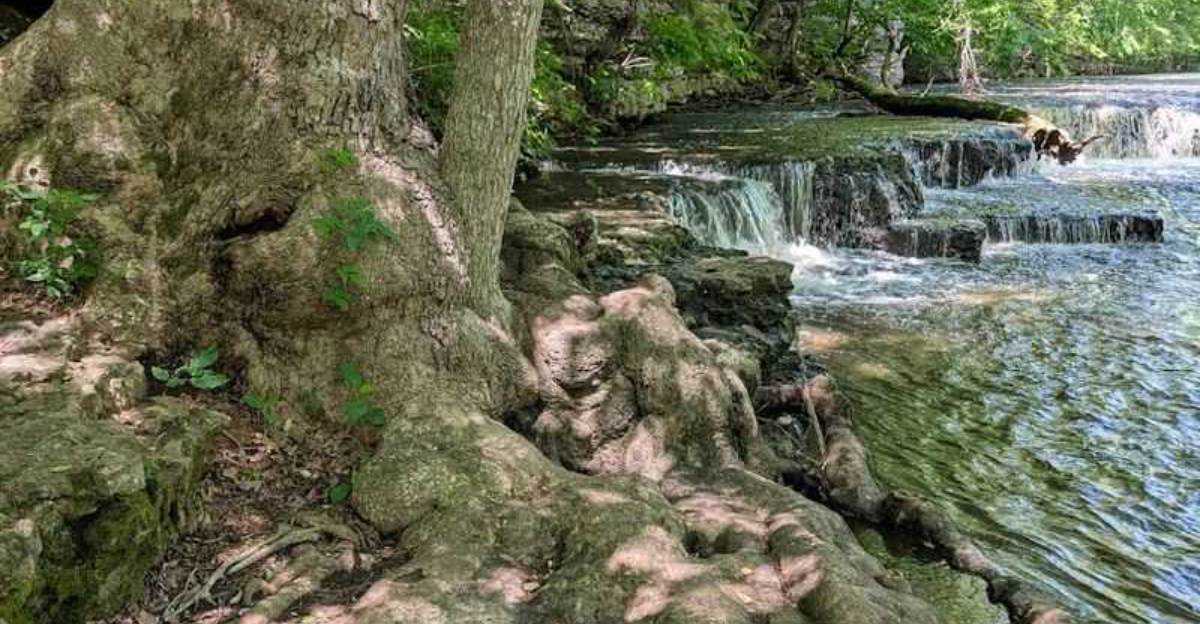
Some places make you stop talking for a second, and this Tennessee waterfall has that effect fast. One minute, you are following the sound of rushing water.
Next, you are staring at a cascade that feels peaceful, dramatic, and completely worth the trip.
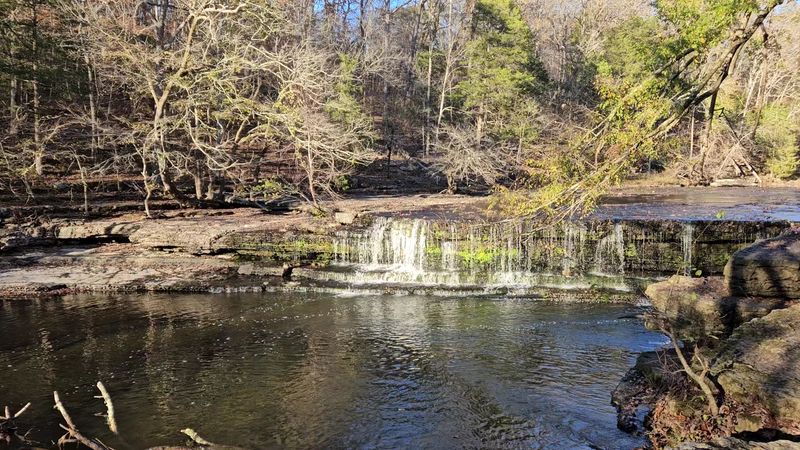
The setting adds to the magic. Cool shade, rocky edges, and clear water create the kind of scene that makes people reach for their camera before they even realise it.
It is not just about the view, either. The journey there feels like part of the reward, especially for anyone who loves fresh air and a little adventure.
For a Tennessee outing that feels calm, scenic, and memorable without trying too hard, this waterfall belongs high on your list.
The Blue Hole Swimming Pool That Gives The Falls Its Name
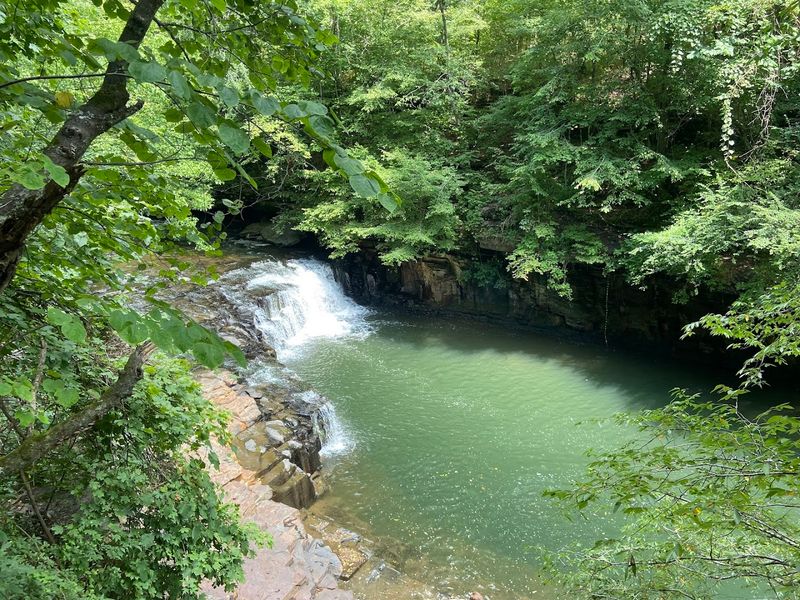
At the heart of Bluehole Falls is a pool so striking in color that it practically names itself.
The Blue Hole sits at the base of the third waterfall in the series, and its water carries a rich blue-green tint that seems almost painted rather than natural.
It measures roughly 40 feet across and can reach depths of up to 15 feet, making it one of the more serious swimming spots in this part of Tennessee.
Visitors who arrive expecting a shallow splash zone are always pleasantly surprised.
The pool has enough depth to jump into from certain angles, and the surrounding rock formations give it a naturally enclosed feeling that keeps the atmosphere calm and inviting.
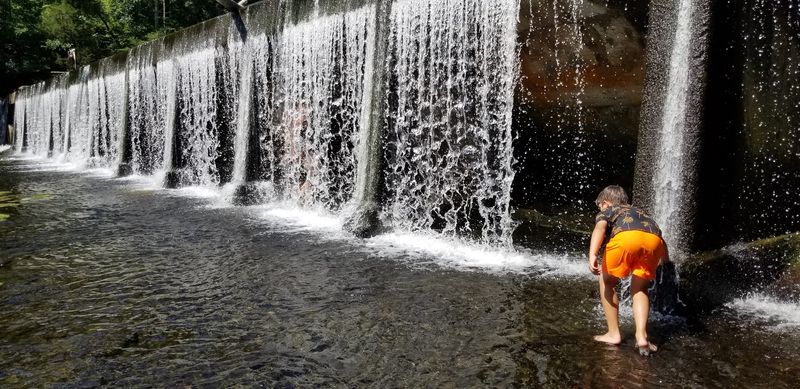
Families tend to gravitate here immediately, and on warmer days, the area fills with children wading near the edges while adults float in the deeper center. Getting there requires a short walk along the trail, but the payoff is immediate once the pool comes into view.
Arriving early in the morning rewards visitors with quieter conditions and better light for photographs. The water temperature stays refreshingly cool even in summer, which makes the swim feel like a genuine reward after the hike.
A Series Of Waterfalls That Keep Surprising You Around Every Bend
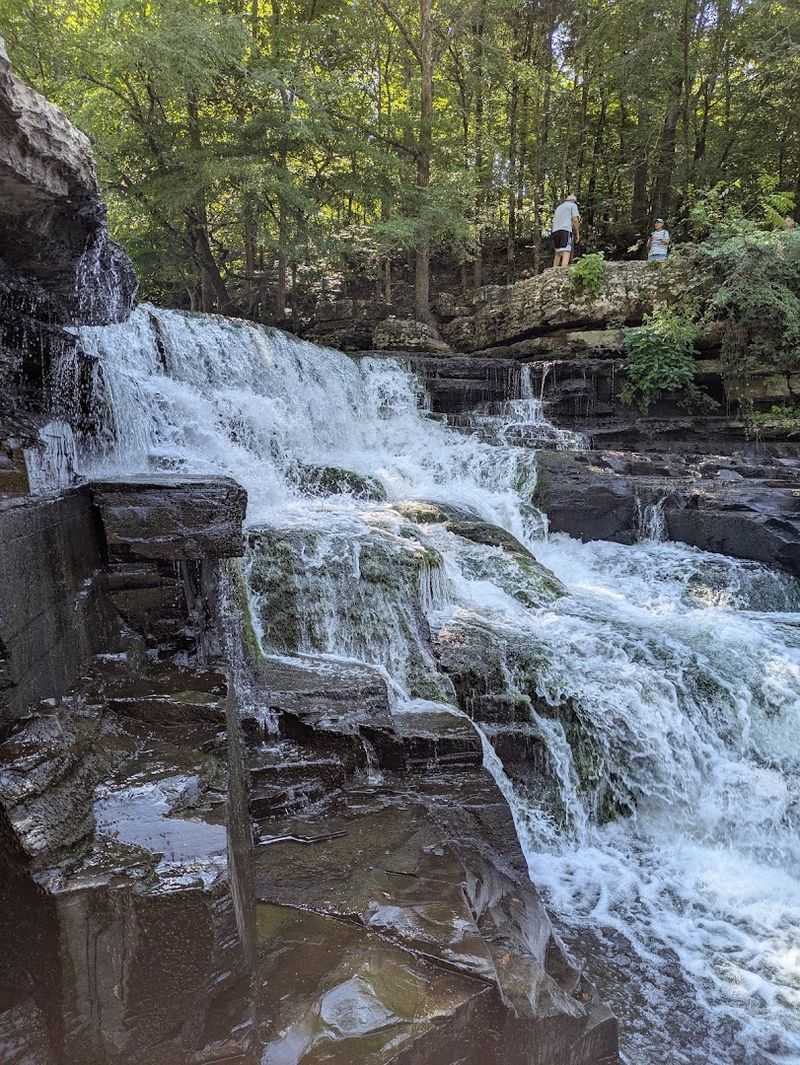
Most waterfall destinations offer one main attraction and a few lesser views on the walk back. Bluehole Falls operates differently.
The site features a series of three to four distinct waterfalls spread along the trail, each with its own character, sound, and surrounding landscape.
The first waterfall greets visitors early in the hike and sets the tone beautifully.
It is accessible enough that people who prefer not to continue further can enjoy it and feel satisfied with their visit.
Those who press on discover progressively more dramatic cascades as the trail deepens into the forest.
Each waterfall along the sequence seems to outpace the previous one in some small but noticeable way. The rock formations shift, the water volume changes with the season, and the tree canopy overhead alternates between open sky and dense shade.
Visiting after a period of rain is particularly rewarding, as the falls carry more water and the sound becomes a full, rolling roar rather than a gentle trickle.
The sequence of falls makes Bluehole a destination that rewards slow exploration rather than a quick glance, and that pacing is a big part of its lasting appeal.
The Hiking Trail That Feels Just Right For Almost Any Visitor
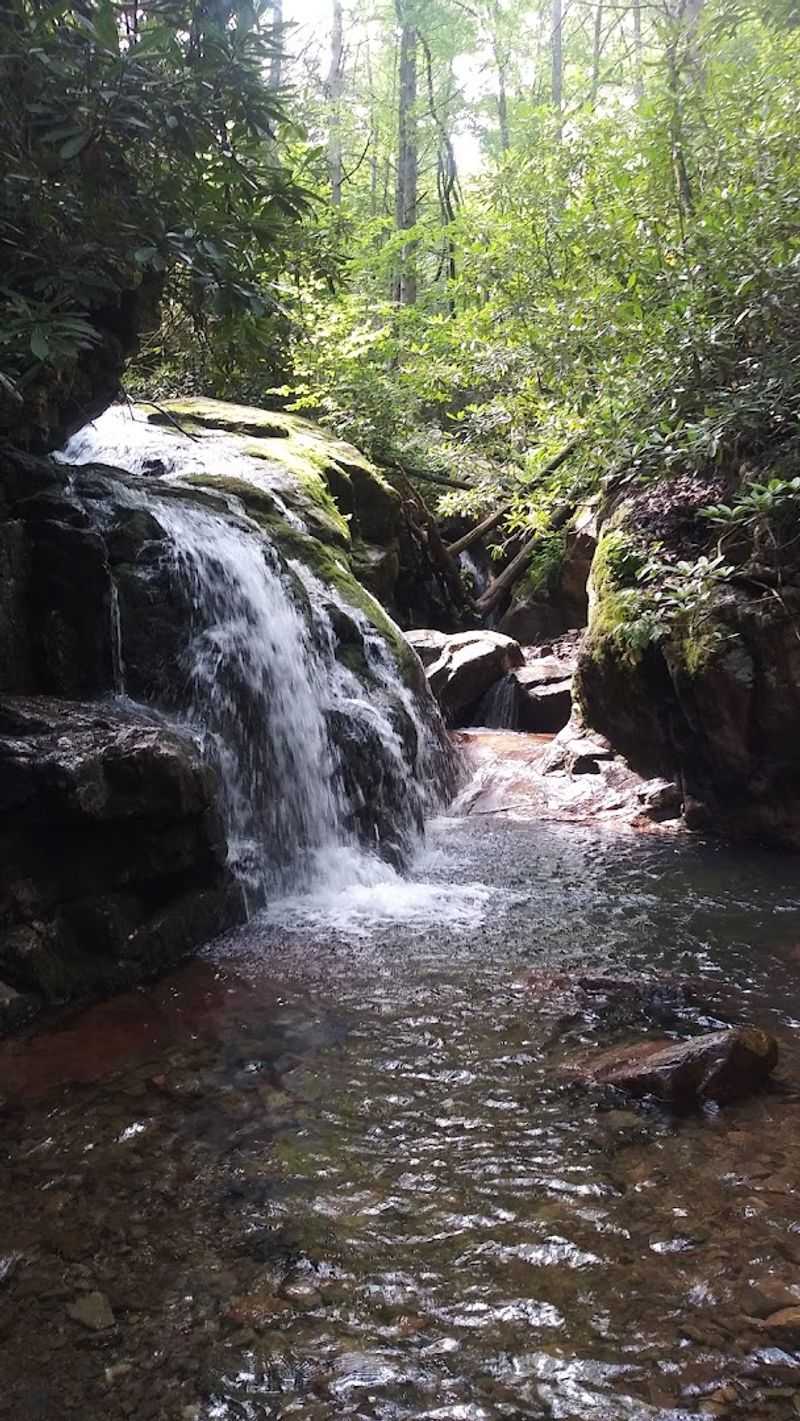
Trail difficulty is one of the first things people research before a hike, and Bluehole Falls manages to occupy a satisfying middle ground.
The main loop runs approximately half a mile and is described as easy to moderate, which means most visitors with a reasonable level of fitness can complete it without much difficulty.
That said, the trail does include some steep steps carved into the hillside, and certain sections feature exposed tree roots that require a bit of attention underfoot.
Bringing a hiking stick is genuinely useful here, not as a precaution but as a practical tool that makes the steeper descents more comfortable and confident.
The trail is not handicap accessible, so visitors with mobility considerations should plan accordingly. Children handle the route well, and the path is dog-friendly, which makes it a popular choice for families bringing their pets along for the outing.
The surroundings along the trail are worth slowing down for. Ancient hemlock trees rise overhead, ferns line the path edges, and the sound of water follows you almost from the first step.
Reviews consistently describe the walk as one of the more enjoyable short hikes in the region, and that consensus is well-earned.
How To Get There And What To Know Before You Go
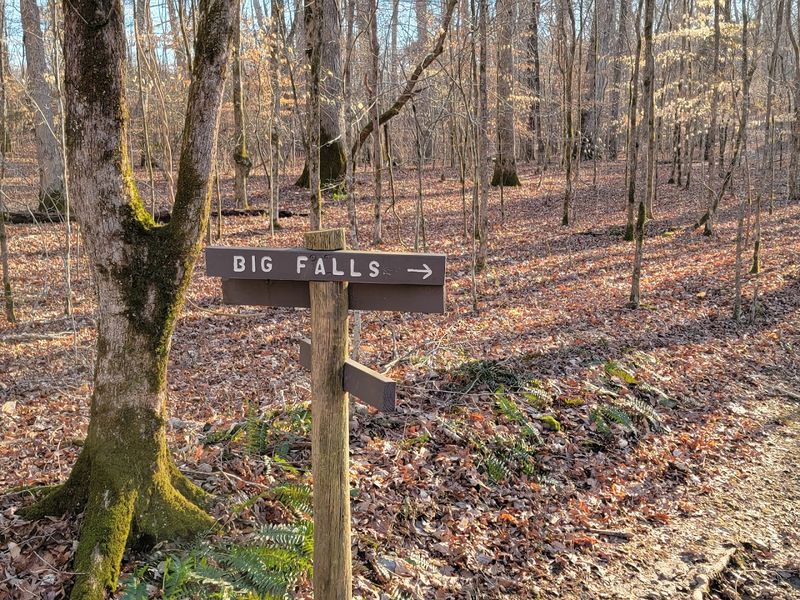
Getting to Bluehole Falls requires a bit of navigation, but the drive itself is a pleasant part of the experience. From Elizabethton, Tennessee, follow TN-91 Northeast for approximately 10 miles before turning onto Panhandle Road.
The falls are located on Holston Mountain within the Cherokee National Forest in Carter County, and the surrounding scenery along the approach road is already worth the trip.
Parking is available at the trailhead, though it is not always clearly marked, so arriving with a general sense of the area helps. Reviewing satellite maps or trail apps before departure is a practical step that saves confusion on arrival.
The site does not have formal entrance gates or a ticketing system, which keeps the experience refreshingly straightforward.
Cell service in the area can be inconsistent, so downloading offline maps beforehand is a smart habit.
The address associated with the falls places it near Tennessee 37355.
Searching for Bluehole Falls along with Holston Mountain or Carter County in a mapping app tends to produce accurate results.
Visiting on weekday mornings reduces the chance of competing with larger crowds, particularly during summer months when the swimming hole draws the most visitors.
Ancient Hemlock Trees And Rock Formations That Frame The Landscape
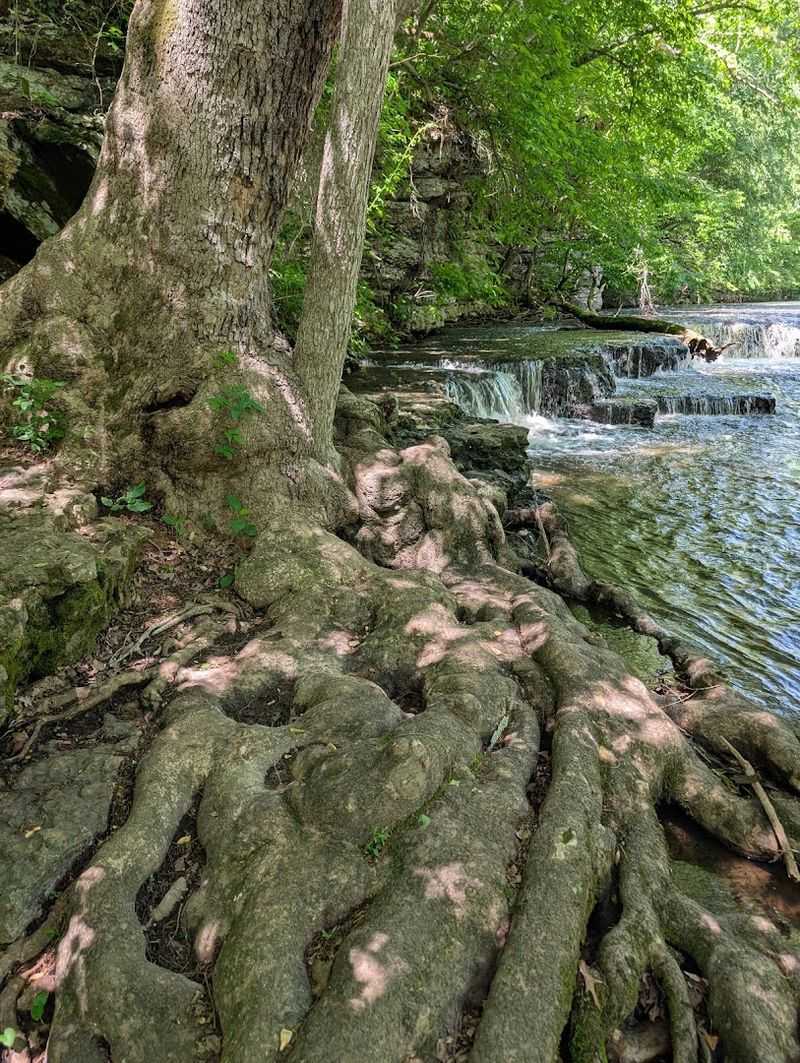
The waterfalls themselves draw the most attention, but the surrounding landscape deserves equal appreciation.
Ancient hemlock trees line much of the trail, their thick trunks and layered canopies creating a cathedral-like atmosphere that changes the quality of light reaching the forest floor below.
Hemlocks are among the oldest and most ecologically significant trees in the Southern Appalachian Highlands. Their presence at Bluehole Falls adds a sense of deep time to the experience. Walking among them feels different from walking through younger woodland.
There is a stillness and weight to the air that younger forests simply do not produce.
The rock formations scattered throughout the area add another layer of visual interest.
Large boulders sit alongside the trail in configurations that look almost deliberate, and the creek cuts through stone channels that have been shaped over centuries of water movement.
Moss covers much of the rock surface, softening edges and adding vivid green color to the scene. Photographers find these formations endlessly useful as foreground elements when shooting the falls.
The combination of ancient trees, shaped stone, and moving water creates a visual environment that rewards careful observation rather than a hurried walk-through.
Conservation Efforts That Keep This Place Worth Visiting
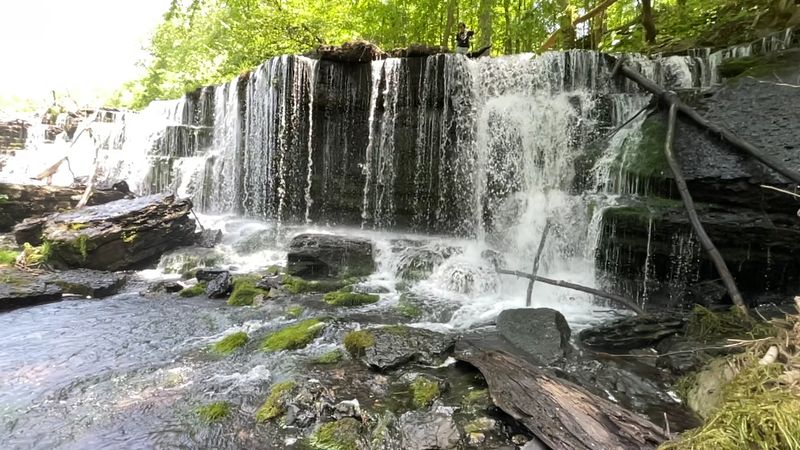
Places this beautiful do not stay beautiful without deliberate effort.
The Southern Appalachian Highlands Conservancy has played a meaningful role in protecting the land surrounding Bluehole Falls, purchasing 29 acres near the site specifically to safeguard water quality in Mill Creek, the waterway that feeds the falls.
That kind of targeted conservation work matters more than most visitors realize at first glance. Mill Creek’s water quality directly affects the clarity, color, and ecological health of the Blue Hole pool and every cascade above it.
Without protected buffer land around the watershed, development or agricultural runoff could degrade the very qualities that make the falls so striking.
The conservancy’s involvement reflects a broader pattern of land stewardship in the Southern Appalachian region, where private organizations often fill gaps that public funding cannot cover.
Visitors who appreciate the pristine condition of the falls are, in a real sense, benefiting from that organizational commitment.
Supporting conservancy groups through membership or donation is one practical way to contribute to the long-term health of places like Bluehole Falls.
The falls exist in their current state partly because people chose to act, and that makes the experience feel even more intentional and worth protecting.
Why Visiting In The Off-Season Offers A Completely Different Reward
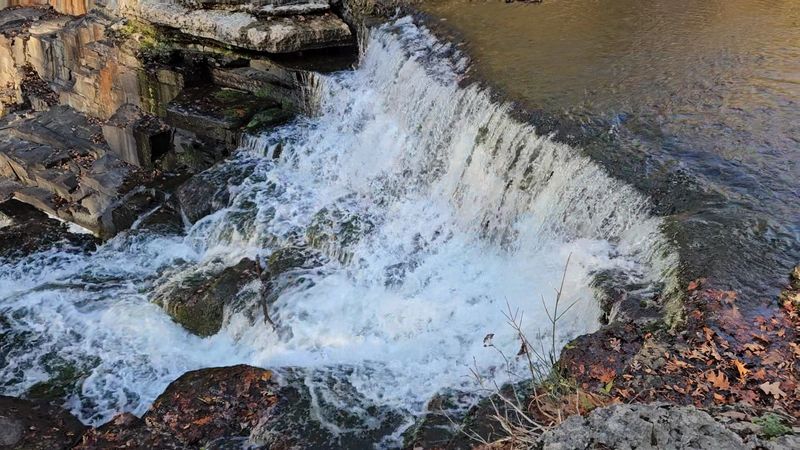
Summer draws the largest crowds to Bluehole Falls, and for obvious reasons.
Warm weather, school breaks, and the appeal of the swimming hole combine to make July and August the busiest months by a significant margin.
Arriving during those peak weeks means sharing the trail with families, groups, and the occasional line near the Blue Hole pool.
Visiting in cooler months tells an entirely different story.
The falls carry the same energy, the water still rushes and pools, and the hemlock canopy still filters light in ways that make the forest feel layered and alive.
What changes is the atmosphere. The crowd thins dramatically, and the trail returns to something closer to its natural state of quiet.
Winter visits in particular offer a kind of solitude that transforms the experience from a popular outing into something more personal. The cold keeps casual visitors away, and those who do make the trip tend to move more slowly and pay closer attention to their surroundings.
Mist rises from the pool in cold air, the sound of the falls carries further without competing noise, and the whole scene takes on a stillness that summer simply cannot provide. Off-season hiking here is genuinely underrated.
Wildlife Encounters That Add Unexpected Delight To The Walk
A hike to Bluehole Falls is not just a visual experience.
The surrounding ecosystem is active and varied, and observant visitors are often rewarded with wildlife sightings that turn an already good outing into a memorable one.
Past visitors have reported spotting southern water snakes moving along the creek edge, which are non-venomous and common in this type of riparian habitat.
Perhaps the most charming reported sighting is the bright orange millipede, a creature that sounds almost fictional until you see one moving slowly across a mossy rock. Children tend to react with a mixture of alarm and delight, which is a perfectly reasonable response.
Crawfish are also present in the shallower sections of the creek, and younger visitors have been known to spend considerable time gently catching and releasing them back into the water.
Dragonflies appear in warmer months, hovering near the pool surface and along the creek margins. Birds move through the hemlock canopy overhead, and the forest floor produces its own steady soundtrack of insect activity.
None of these encounters are guaranteed, but the habitat conditions at Bluehole Falls are ideal for supporting a wide range of species. Paying attention pays off consistently here.
The Moss-Covered Creek Walk That Makes The Journey Half The Fun
One of the more unexpected pleasures at Bluehole Falls is the creek walk itself.
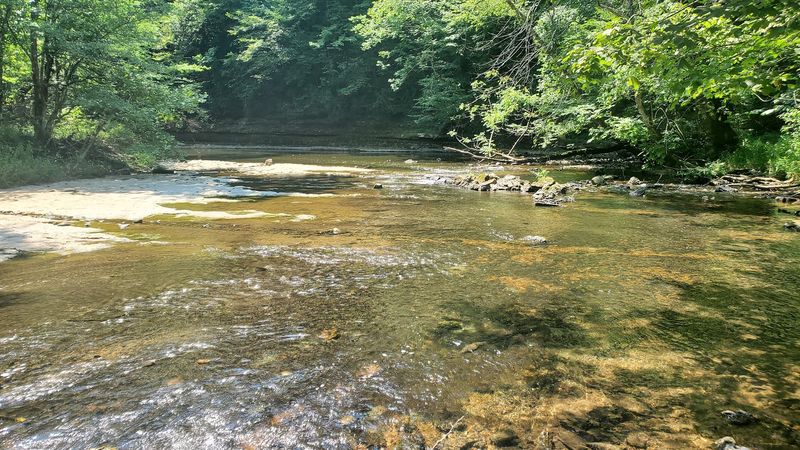
The shallow sections of Mill Creek are navigable on foot, and the bed is covered with a soft, moss-like plant growth that cushions each step and eliminates the slipping concern.
Multiple visitors have noted this in their accounts of the experience, and it genuinely changes the character of the walk.
Wading through ankle-deep water with a solid, moss-cushioned footing underfoot feels more like walking on a wet lawn than scrambling over slick stone. The sensation surprises most first-time visitors who approach it cautiously and then relax into a comfortable stride.
Children adapt to it almost immediately and tend to charge ahead without hesitation.
The creek walk provides an alternative route to certain sections of the falls that the main trail does not offer. Moving through the water rather than above it changes the perspective entirely.
The sound is different, the scale feels different, and the surrounding rock walls take on a new dimension when viewed from the creek bed.
Wearing water shoes or old sneakers rather than hiking boots makes this portion of the visit far more enjoyable and keeps the experience comfortable throughout.
What Makes Bluehole Falls The Kind Of Place People Return To
A 4.9-star rating drawn from nearly 100 reviews is a number that deserves attention.
Very few natural destinations maintain that level of consistent satisfaction across different seasons, visitor types, and weather conditions.
Bluehole Falls manages it because it delivers on multiple levels simultaneously rather than excelling at just one thing.
Families return because the trail is manageable and the swimming hole is genuinely fun. Solo hikers return for the quiet and the scenery.
Couples return because the atmosphere is calm and the walk is short enough to feel like a spontaneous decision rather than a committed expedition. The falls reward repeat visits because each season changes the experience in meaningful ways.
The location also benefits from being accessible without feeling commercialized.
There is no entrance fee structure that discourages casual visits, and the drive through Carter County on the way to Holston Mountain is scenic enough to feel like part of the outing.
People who visit once tend to describe it as a place they plan to bring others. That word-of-mouth quality is not manufactured.
It grows from a straightforward truth: Bluehole Falls is the kind of place that earns its reputation every single time a visitor walks down to the water and looks up at the falls.