
This Beloved Alabama Fish Shack Has Been A Friday Tradition For Almost Nine Decades
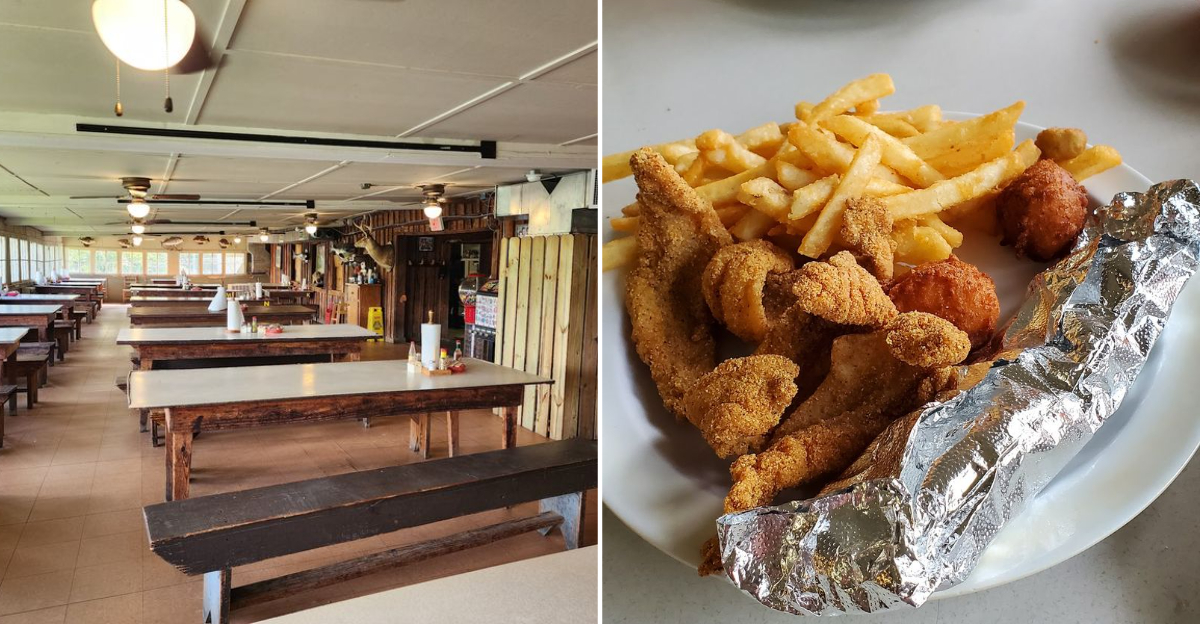
Imagine sitting in the same restaurant where your father once sat, and where his father sat before him. This Alabama fish shack has kept that kind of tradition alive for almost nine decades now.
Fish here gets fried fresh throughout the evening, never sitting under heat lamps waiting for orders. Regulars plan their entire week around this one meal, treating it as a genuine tradition rather than routine dinner.
Nothing about the recipe has changed since the place first started serving it decades ago. Portions stay generous, matching the comfort food reputation this spot built through actual conversation rather than advertising.
Lines form early some weeks, especially once word spreads about a particularly good batch. This fish shack proved that sometimes the best traditions are the ones that never actually change.
Fresh Varieties Offered Throughout The Seasons
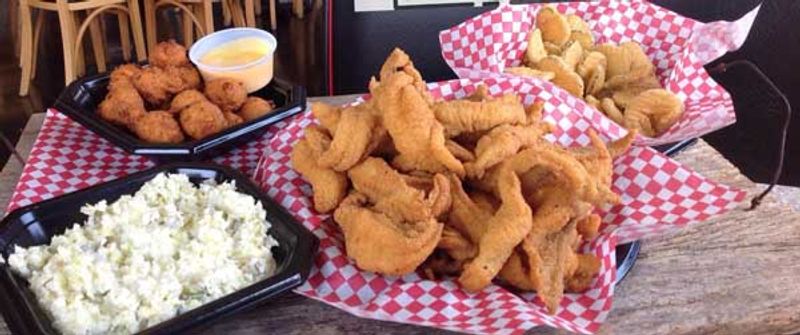
Catfish is the headliner here, and everybody knows it. Ezell’s Fish Camp serves U.S. farm-raised catfish, fried golden with a cornmeal coating that stays crisp all the way to the last bite.
But the menu stretches further than one fish. Fried shrimp shows up in butterfly and popcorn form, and crawfish makes appearances when the season cooperates.
Oysters bring a little Gulf flavor inland, which feels like a small miracle this far from the coast. Shrimp and grits also hold a spot for anyone who wants something a bit softer than fried.
Years ago, the camp raised and processed its own catfish right on the property. Now the catfish comes from U.S. farms, while shrimp and oysters arrive weekly from Bayou La Batre down on the coast.
Weekly deliveries matter more than they sound. Seafood that travels once a week instead of sitting around tastes noticeably better, and the plump shrimp prove it.
Seasonality means the menu shifts a little. Calling ahead is smart if crawfish tails are the whole reason for the drive, since they aren’t always available.
The kitchen stays focused. Fish and seafood dominate, with a handful of appetizers like fried mushrooms and blooming onion rounding things out.
Find it all at 776 Ezell Rd, Butler, AL 36904.
Signature Southern Cooking Techniques Used In Preparation
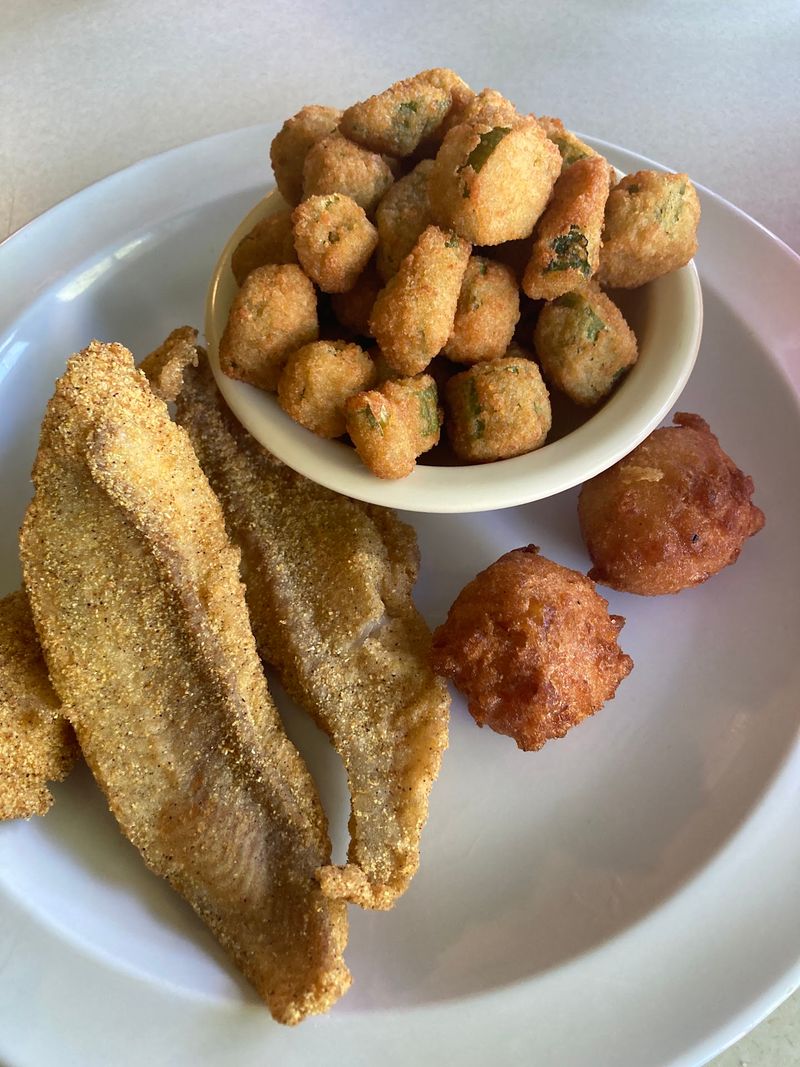
Honest frying is a skill, and it’s the whole engine of this kitchen. Catfish gets hand-breaded in cornmeal, then dropped in hot oil until the crust turns crackly and light rather than heavy.
The batter stays thin on purpose. Thick coatings hide the fish, and that’s not the goal at a place built on catfish.
Hushpuppies follow the same logic. Crisp shell, fluffy middle, served hot enough that patience becomes a real challenge.
Recipes have been handed down inside the Ezell family for generations, which explains the consistency. When the same methods run for decades, the cooks stop guessing and start knowing.
Oil temperature is the quiet hero of Southern frying. Too cool and food turns greasy; too hot and the outside burns before the inside cooks through.
That balance shows up in the shrimp too. Butterfly shrimp come out juicy inside with a crust that snaps instead of sagging.
Appetizers get the same treatment. Fried mushrooms, fried dill pickles, and cheese curds all rely on that quick, hot dunk.
Anyone hoping for grilled or blackened options should adjust expectations. Fried is the language spoken here, and the kitchen speaks it fluently.
A dash of hot sauce on the hushpuppies is a move worth trying. It cuts through the richness and wakes up the cornmeal flavor beautifully.
Unique Side Dishes Complementing Classic Seafood Meals
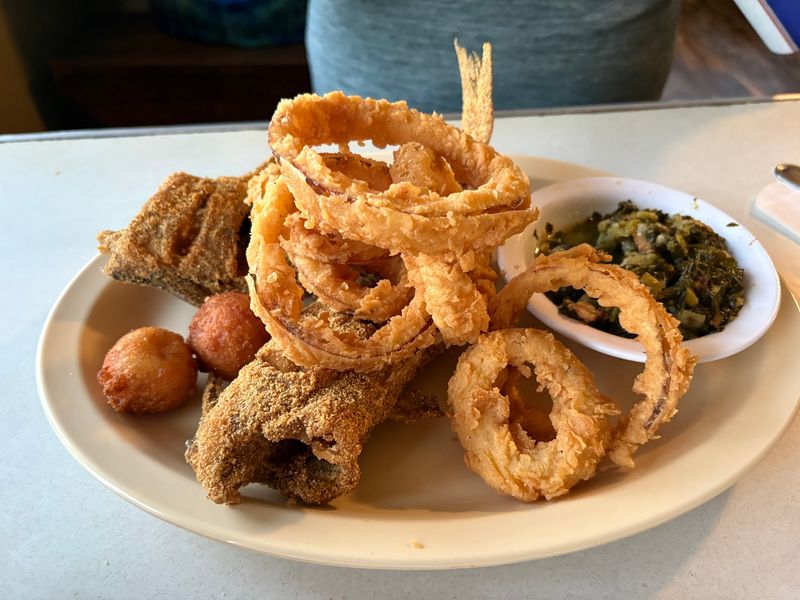
Here’s a fun twist: plenty of people show up for the sides and treat the fish as a bonus. The coleslaw arrives in a big bowl, cool and creamy, sweet with plenty of onion mixed through.
That slaw does real work against fried food. Cold and crunchy beside hot and crisp is a pairing that never gets old.
Hushpuppies land golden and steaming, and they disappear fast. French fries, home fries, sweet potato fries, and baked potatoes fill out the starch lineup.
Fried dill pickles have built their own following. Tangy, salty, and crunchy, they hit differently than anything else on the table.
Fried okra keeps the Southern side of the menu honest. The blooming onion, meanwhile, arrives large enough to feed a whole table.
Desserts stick to the old-fashioned playbook. Lemon icebox pie, chess pie, pecan pie, and banana pudding all come made the traditional way.
Lemon icebox pie is a smart choice after a fried meal. The tartness clears the palate better than anything chocolate could manage.
Ordering strategy helps. Splitting an appetizer across the table leaves room for pie, and skipping pie at a place like this feels like a genuine mistake.
Family-Friendly Atmosphere That Welcomes Regulars
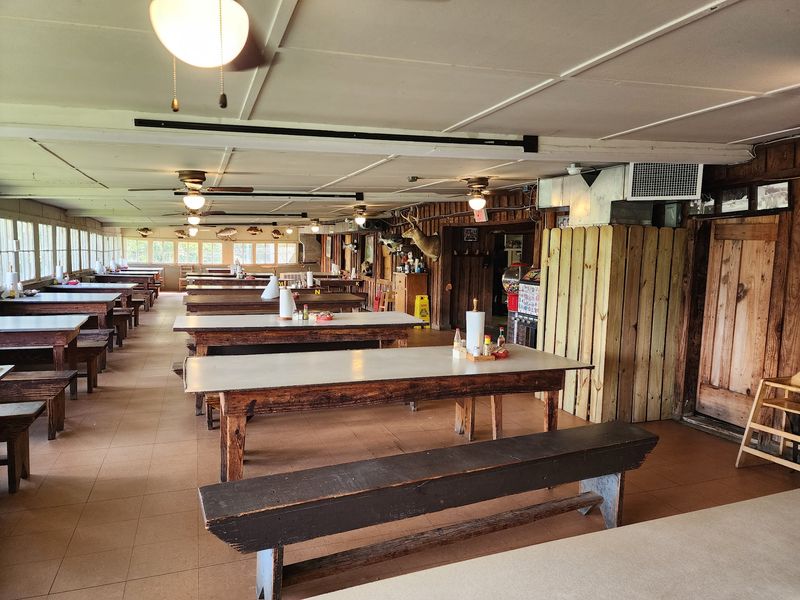
Deer heads, mounted fish, wild hogs, and fowl cover the walls, and the effect lands somewhere between a hunting lodge and a riverside museum. Old photographs fill in the gaps.
Seating runs to long picnic tables with wooden benches, plus a few booths for anyone who prefers a back to lean on. Gas heaters take the chill off in winter.
The dining rooms hold up to 300 people, which explains all the family reunions. Class gatherings, birthday parties, and political dinners have all filled the space.
Windows look out on the Tombigbee River, and barges drift past during dinner. Watching one pass while eating catfish is a small, oddly satisfying experience.
Boaters pull up from the water and climb the bank, which counts as an unusual entrance for any restaurant. Jet skiers do the same on Tombigbee runs.
Kids do well here. The picnic table setup means big groups fit easily, and nobody worries about noise.
Hours are worth checking before the drive. The doors open Thursday through Sunday, closed Monday through Wednesday, with later closing on Friday and Saturday nights.
Arriving early on a Friday is the smart play. The rooms fill up, and the wait grows as evening settles over the river.
Sustainability Practices In Sourcing Local Seafood
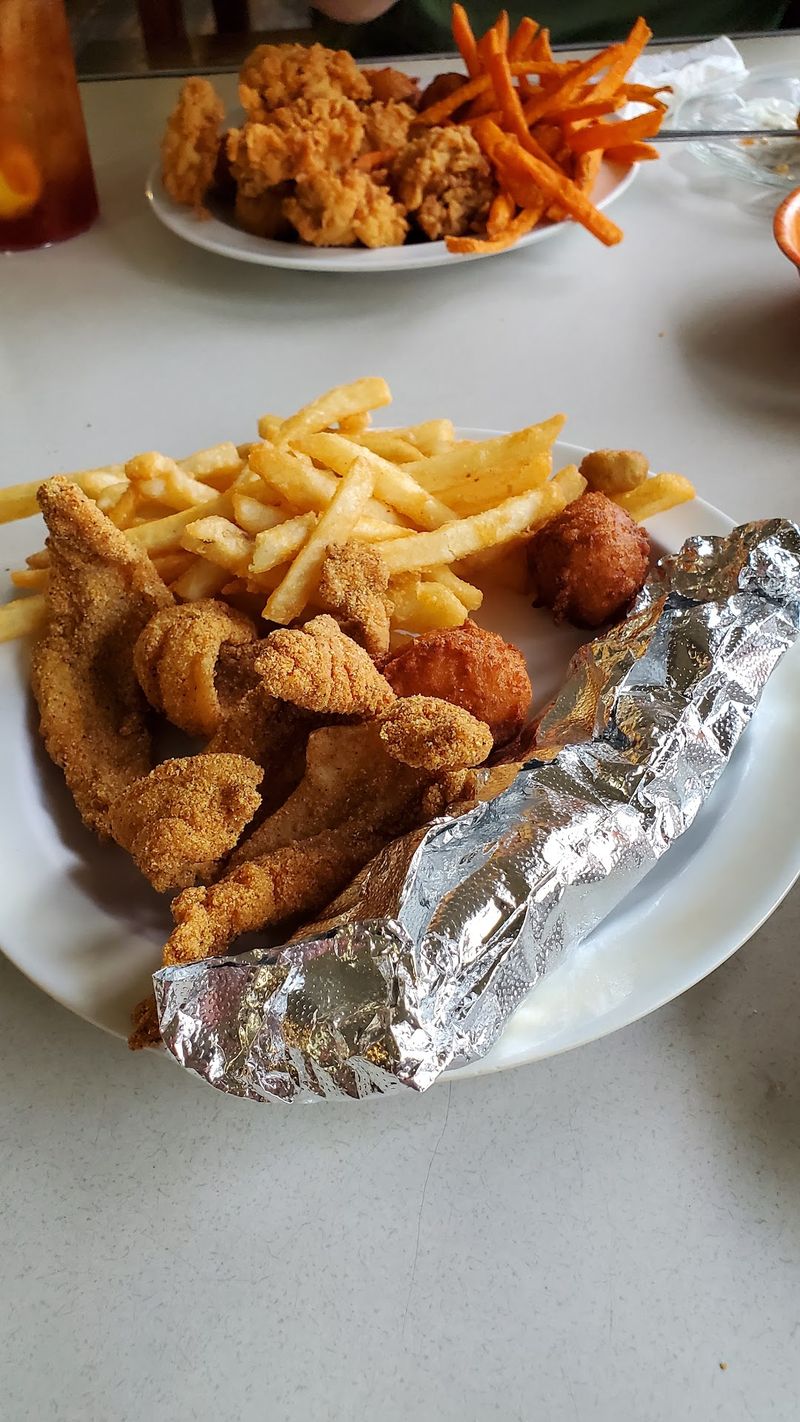
Sourcing decisions at a fish camp aren’t glamorous, but they shape every plate. The catfish served here is U.S. farm-raised and meets strict standards for purity and health.
American catfish also passes rigorous U.S. safety inspections. That oversight is stricter than what a lot of imported fish goes through.
Long ago, the camp raised and processed catfish on site, which was as local as food gets. Today the fish comes from U.S. farms instead, keeping the supply steady year-round.
Shrimp and oysters travel up from Bayou La Batre once a week. That Gulf town has been a working seafood community for generations.
Weekly delivery keeps freshness high and waste low. Ordering what will actually be used beats stockpiling seafood that turns before anyone eats it.
U.S. seafood rules lean on science-based management for both wild-caught and farmed products. Those systems often meet or beat international eco-labeling standards.
For diners, the practical benefit is simple. Fish that hasn’t crossed an ocean generally tastes cleaner and firmer on the plate.
Asking what came in that week is never a bad idea. Seasonal items rotate, and the freshest option usually makes the best meal.
Community Events Centered Around Weekly Shack Gatherings
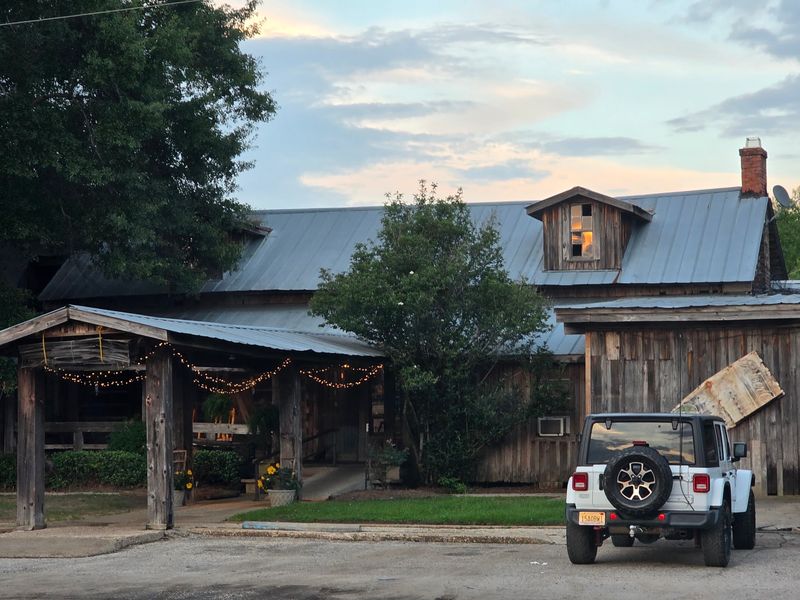
Some restaurants feed people. This one hosts entire chapters of local life.
Family reunions book the dining rooms regularly, and so do class gatherings and church revivals. Three hundred seats make that possible.
The historic boat landing beside the river once served as a baptism spot for the surrounding community. That tradition still resurfaces from time to time.
Hunting season changes the whole look of the place. Camouflage and muddy boots take over the dining room as hunters roll in after a day in the woods.
New Year’s Day has drawn hundreds of motorcycles at once. Bikers converge, park up, and pack the tables for catfish.
High school events land here too, from banquets to end-of-season dinners. Political dinners have used the space as well, which makes for interesting overlap.
Fridays carry their own rhythm. Families driving in from an hour or two away is standard, and the parking lot tells the story.
Coordinating fifteen people at picnic tables goes smoother with a heads-up.
The mix of crowds is part of the charm. Hunters, boaters, reunion families, and road-trippers end up sharing the same room without anyone blinking.
Tips For Pairing Non-alcoholic Beverages With Seafood
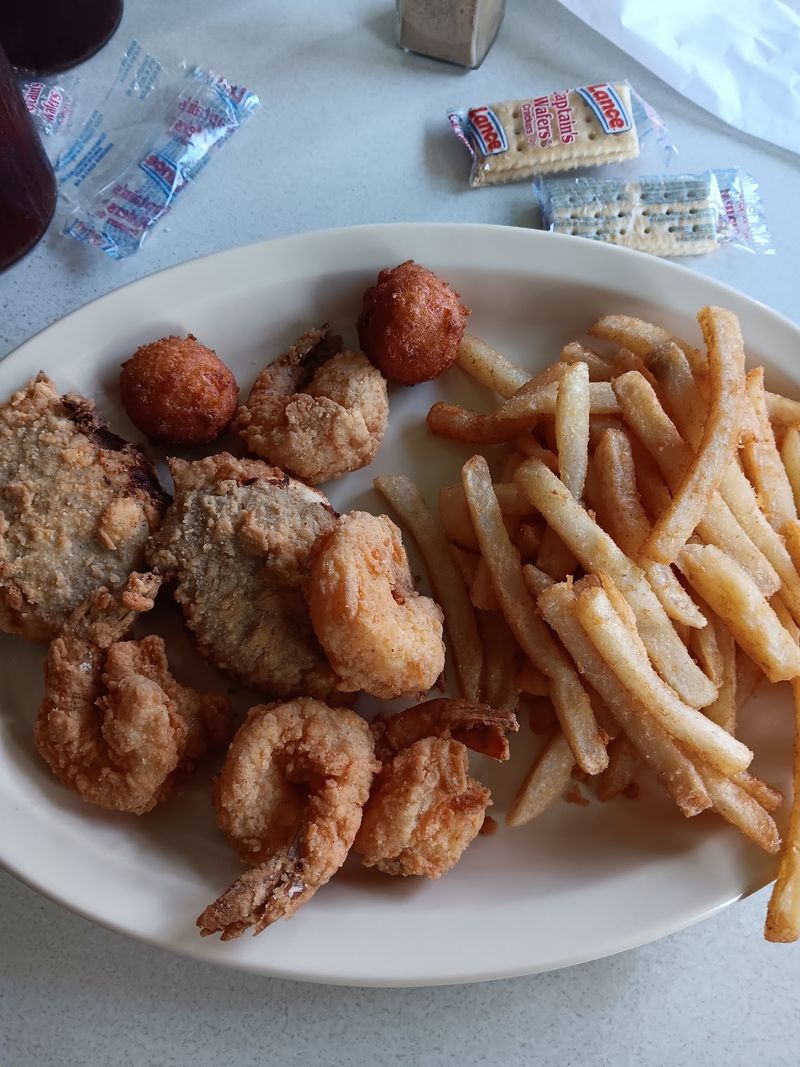
Sweet tea is practically part of the place setting in this corner of Alabama. Huge glasses of it come out cold, and it stands up to fried catfish without much effort.
Sugar and salt play well together. A sweet sip after a salty bite resets the whole mouth.
Sparkling water with lemon or lime works for anyone skipping sugar. The bubbles scrub away richness between bites of fried shrimp.
Citrus-based mocktails brighten lighter seafood dishes. Tropical fruit mixes do something similar, adding a fresh note beside all that cornmeal crust.
Classic sodas hold their ground too. Dr Pepper and Coca-Cola products bring fizz and familiarity, which suits a picnic table just fine.
Ginger ale and ginger deserve more attention than they get. That gentle heat from ginger cuts grease better than almost anything else.
Unsweetened tea is the underrated pick for a heavy plate. It keeps the palate clean when the meal includes fried mushrooms, fish, and pie.
Ordering water alongside whatever else arrives is smart. Fried food and salt build thirst quickly, and servers here keep glasses filled.
Match strength to strength. Bold dishes handle bold drinks, while delicate oysters shine next to something light and citrusy.
History Behind The Popular Friday Night Shack Tradition
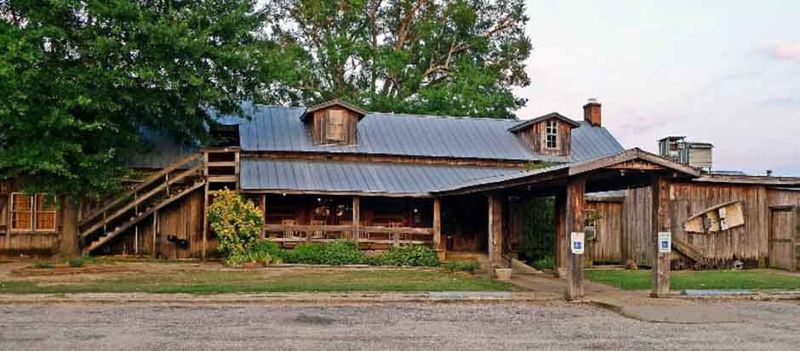
The story starts with a dog-trot cabin on the Tombigbee River, believed to date back to the early 1800s. During the Civil War it worked as a trading post, swapping goods with packet boats moving along the water.
Charles Agnew Ezell later bought the property and ran a ferry from the spot. River crossings were serious business before bridges.
His son, C. A. Ezell, made a living as a commercial fisherman. In the late 1920s and 1930s, he turned the old cabin into a hunting club.
Big fish fries became the main event. Pauline, the original cook, fried catfish and hushpuppies in a large pot out in the yard.
Word spread the way good food always does. Crowds grew until the Ezell family finally moved out of the cabin entirely.
By the 1950s, the cabin had officially become a full-time public restaurant. The back porch was eventually enclosed, and the building expanded over the years.
Mary Ann Ezell Hall ran the operation for 45 years. Her son, Walter, took over from there, keeping the business in family hands.
Generations of the same recipes, the same river, and the same walls make Friday nights here feel like a continuing story rather than a meal.