
This Beloved New York Italian Spot Stays Packed Without Spending A Dime On Big Advertising
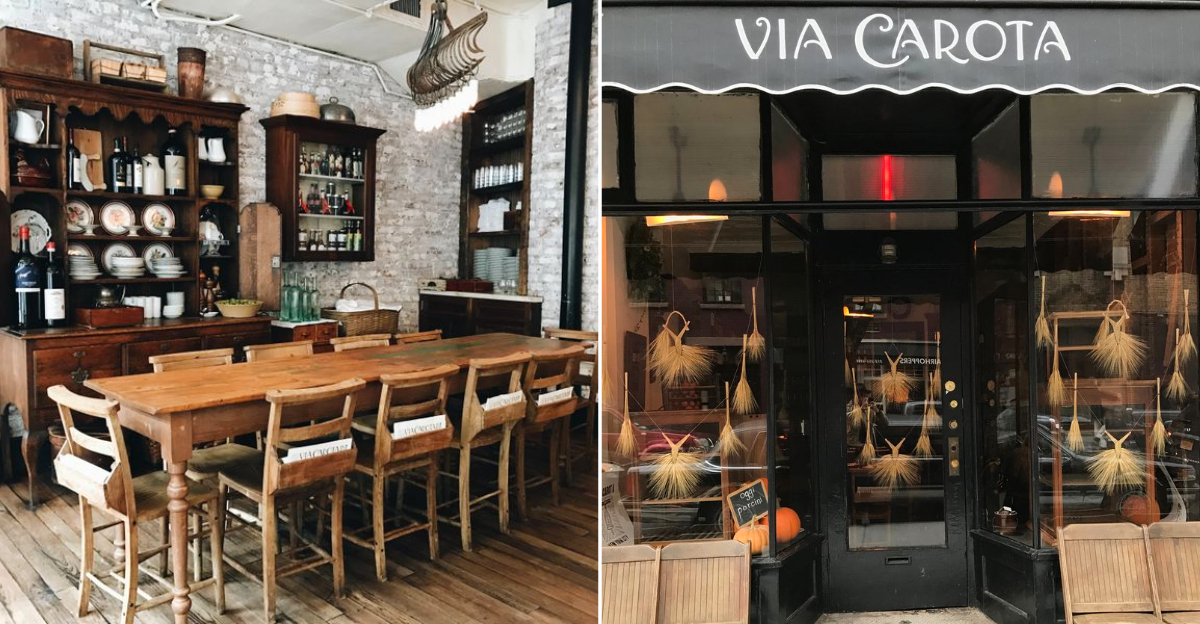
New York has no shortage of restaurants competing for your attention, yet one of its most magnetic dining rooms barely raises its voice. Via Carota glows from a West Village corner like a well-kept secret, drawing a steady stream of believers who heard about it from someone they trust, a friend who leaned in and said you have to go.
There is usually a small knot of hopeful diners outside, pretending they are just casually waiting while secretly doing mental maths on how long the line might move. Inside, the room hums with easy conversation, clinking glasses, and the kind of relaxed confidence that comes from knowing the food will speak for itself.
The cooking is quiet in the best way. Seasonal vegetables shine without fuss, pastas land perfectly balanced, and flavours linger in a way that makes you keep thinking about the meal long after you have walked back onto Grove Street.
Keep reading and you will start to understand why one of the toughest seats in town belongs to a restaurant that seems perfectly content letting word of mouth do all the heavy lifting.
The Corner That Whispers And Wins
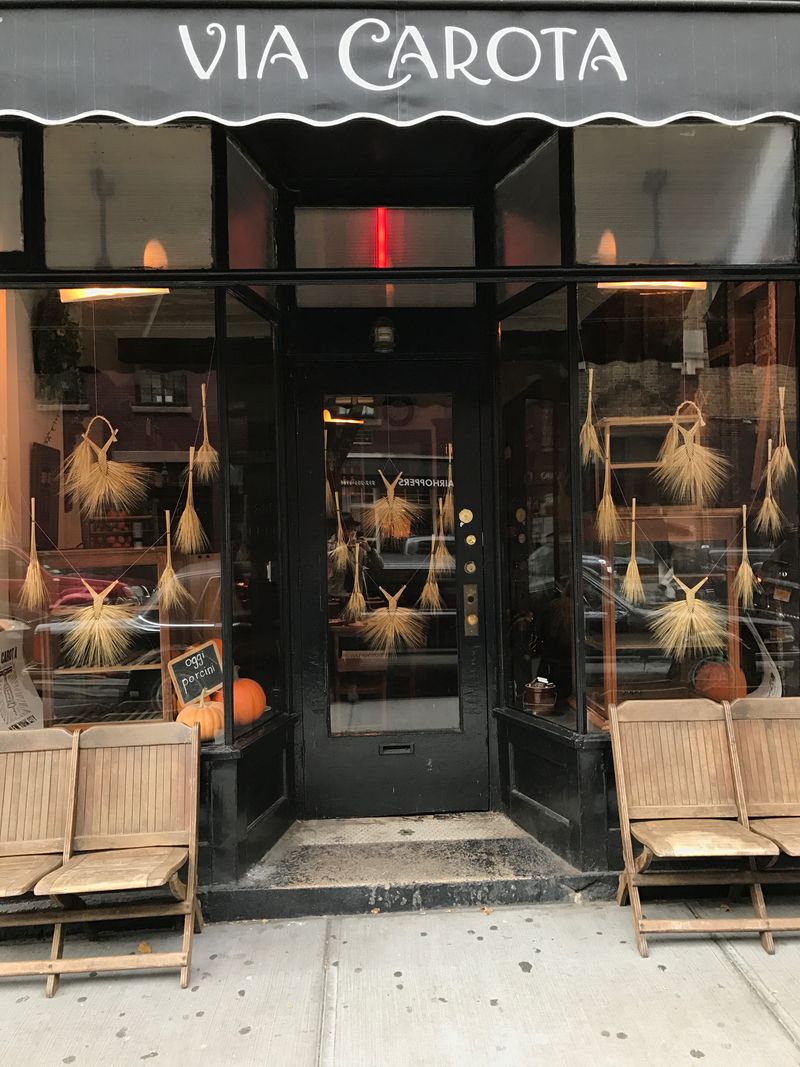
Some corners look staged for a postcard, and this one plays the part without trying. The room glows through mullioned windows, the kind of amber light that makes you slow down and notice the bustle.
You catch snatches of laughter and the soft shuffle of plates, and the whole thing feels charmingly inevitable rather than orchestrated.
The address settles the mystery quietly: Via Carota sits at 51 Grove Street, tucked into the West Village with the self-possession of a classic. A steady stream of regulars and first-timers stack along the sidewalk, comparing notes and timing their chances.
Servers move with efficient calm while the kitchen hums like a well-tuned engine, no chaos, only momentum.
What carries the room is a sense of earned ease. Nothing begs, and nothing grandstands.
You arrive because someone you trust told you to, and you stay because the first bite validates the errand. When the check lands, you are already editing your calendar to return.
How Word Of Mouth Does The Heavy Lifting
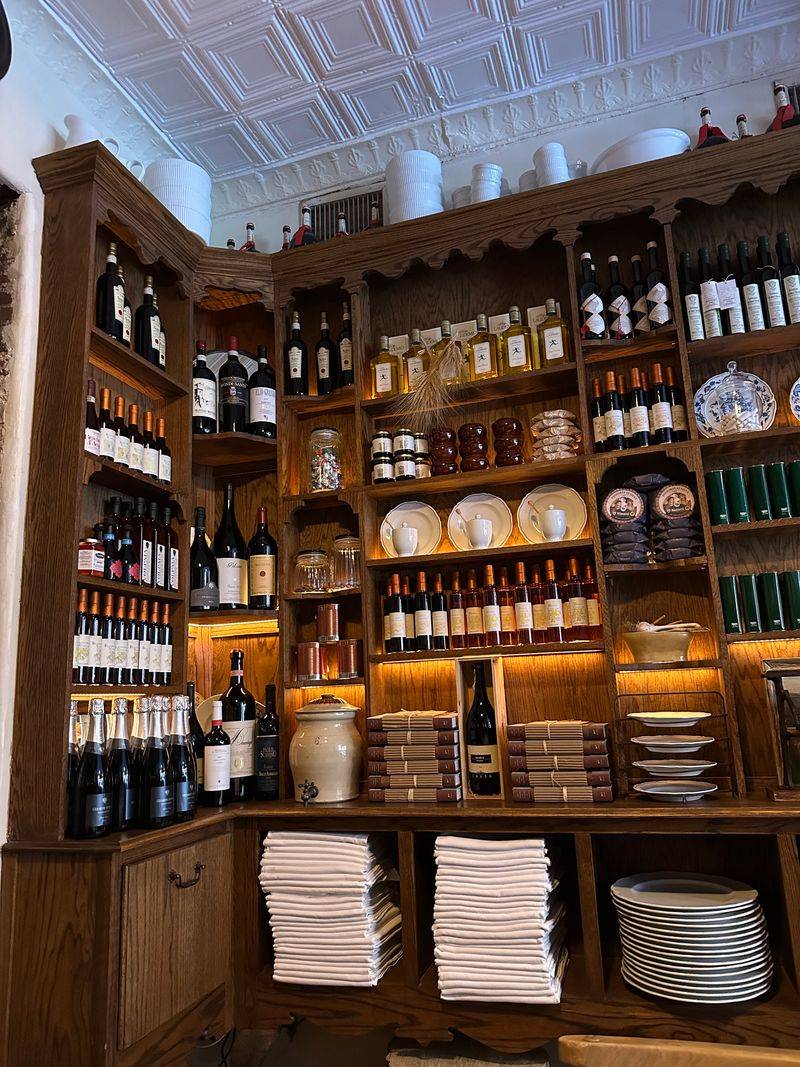
News travels differently when a restaurant earns it plate by plate. Friends text each other in truncated poetry, promising salads that crunch and pastas that linger.
No slogans intrude, only a chain of reliable opinions moving across the city with commuter precision.
The owners, Rita Sodi and Jody Williams, benefit from reputations that were established long before the selfie era, and it shows in the patient confidence of the service. Walk-ins are part of the ritual, reservations a bonus rather than a requirement.
The line becomes conversation, a measured prelude that sets a pleasantly anticipatory tone.
What advertising could not purchase is the credibility that collects when dishes arrive consistently right. Portions feel generous without bravado, seasoning reads clear and articulate, and pacing respects your night.
You leave thinking of who to tell next, careful not to tell everyone.
A Dining Room Built For Staying
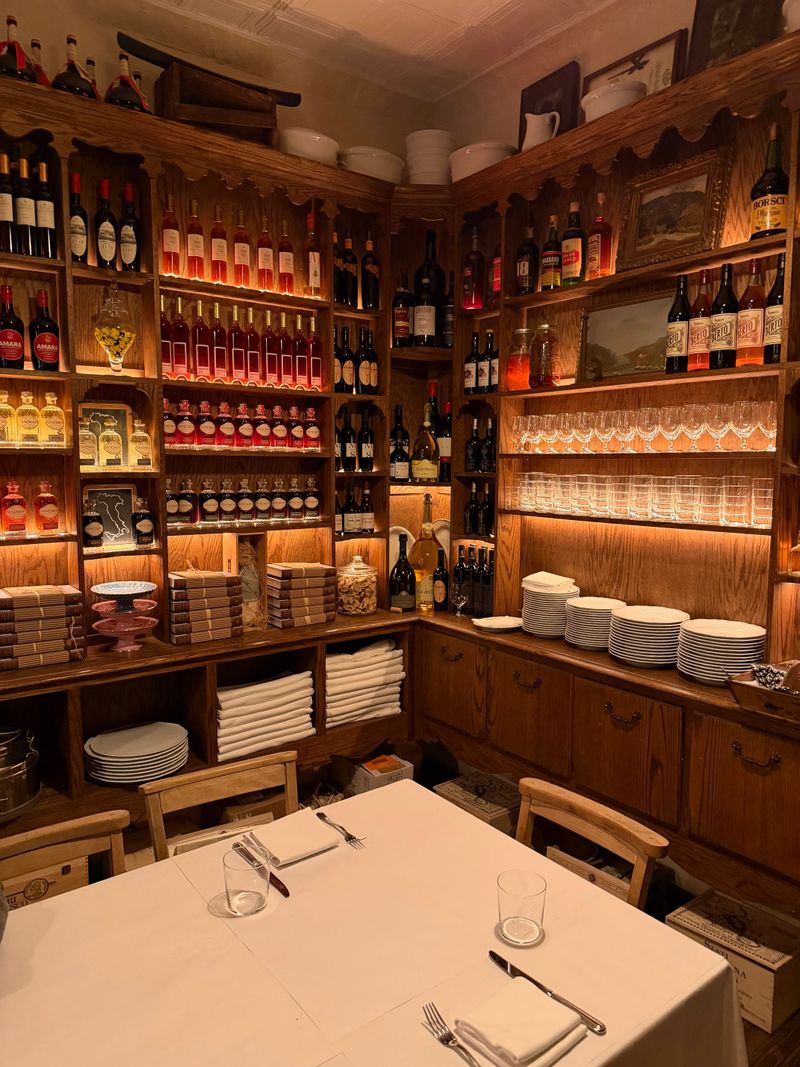
Rooms can either rush you along or coax you to linger, and this one clearly prefers the latter. Wood tables show a graceful patina, the kind that declares loyal use.
Shelves hold bottles and glassware like well-read books, and the clink of cutlery supplies a gentle metronome.
The layout supports a subtle choreography where servers glide rather than interrupt, and the dining pace finds a friendly middle. A bar seat can feel like an invitation to stay for another course, and a corner two-top seems designed for conspiratorial catch-ups.
Everything breathes, and nothing stalls.
Energy runs high without tipping into theatrics. Busy hours fold into a vibration that flatters conversation, and quieter periods give the room a thoughtful hush.
You sit up a bit straighter because the place feels worthy of a better version of your evening.
The Walk-In Ritual New Yorkers Secretly Enjoy
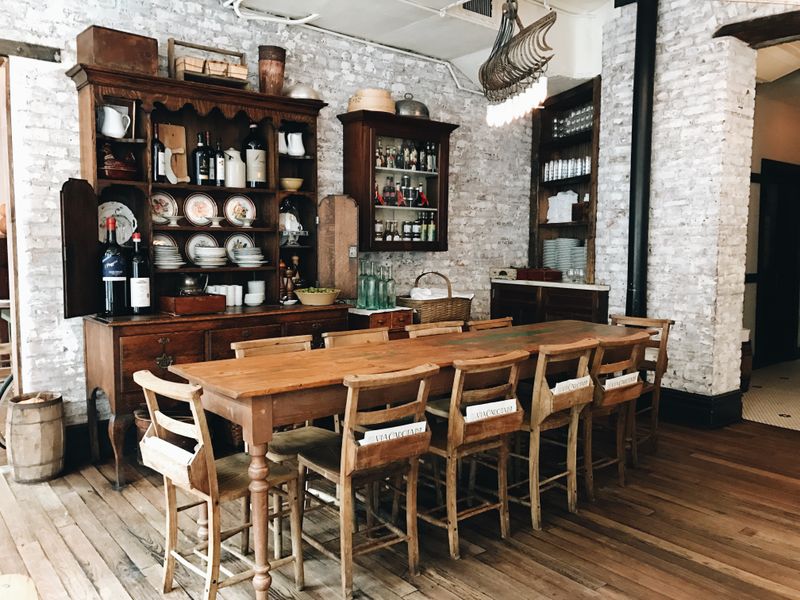
Queues in this town usually grate, yet this one manages to feel like prelude rather than penalty. People trade advice about timing, about midafternoon lulls, about how quickly a two-top might turn.
The list moves, the staff reassures, and the wait becomes a low-stakes social experiment.
Resy exists, of course, but the house keeps space for spontaneity, which suits the neighborhood’s rhythm. Limited reservations open on a schedule, and early birds bank the advantage.
Walk-ins claim the rest with a certain sportiness, accepting the suspense as part of the meal.
When your name is called, relief lands with a comical thrill. The room seems warmer, the first sip brighter, the first plate more persuasive.
Earning the seat sharpens your appetite, an old-fashioned trick that modern systems rarely achieve.
The Menu’s Quiet Logic
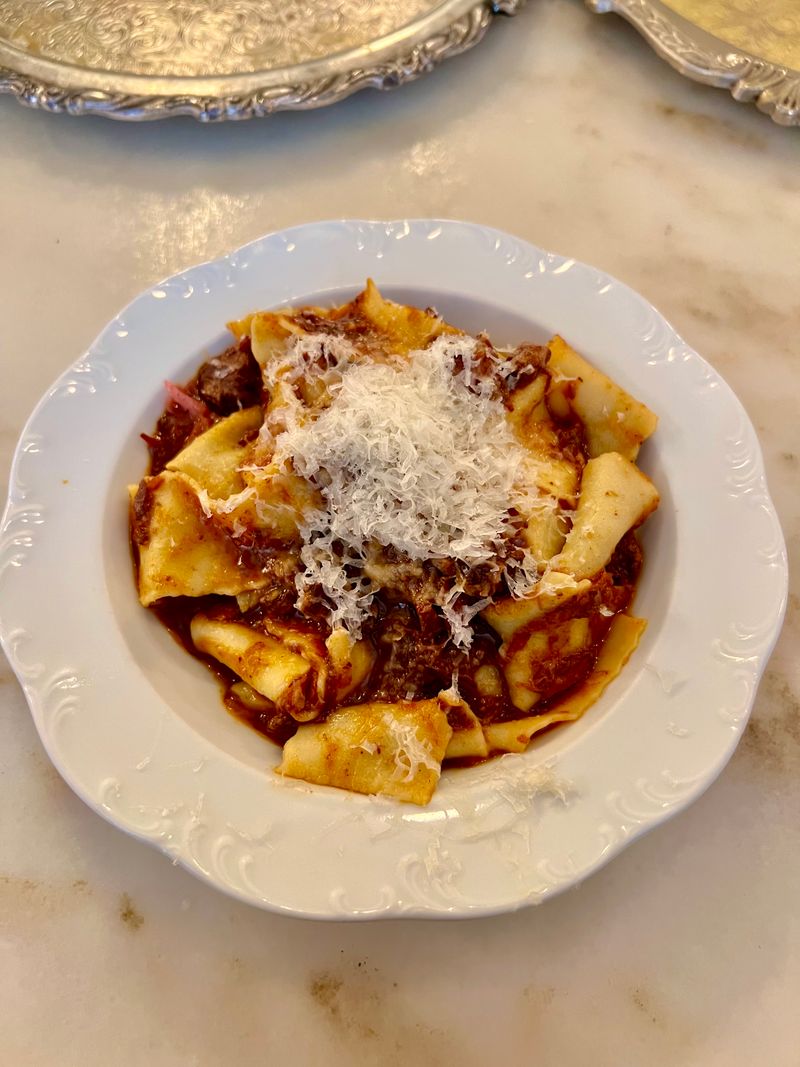
Some menus read like auditions; this one reads like a promise. Dishes arrive with names that do not overexplain, inviting trust in technique.
Seasonality guides the choices, and the results feel considered rather than clever.
Vegetables take center stage with genuine affection, not as a token. Pastas sit in that perfect zone between comfort and clarity, sauces lucid and well-salted, textures precise.
Portions land as if a friend plated them, generous enough to share, restrained enough to finish.
The overall effect is steadiness. You sense a kitchen uninterested in tricks, focused instead on temperature, balance, and timing.
Each course hands you gently to the next, and the final bite closes the loop with tidy satisfaction.
Insalata Verde And The Art Of Restraint
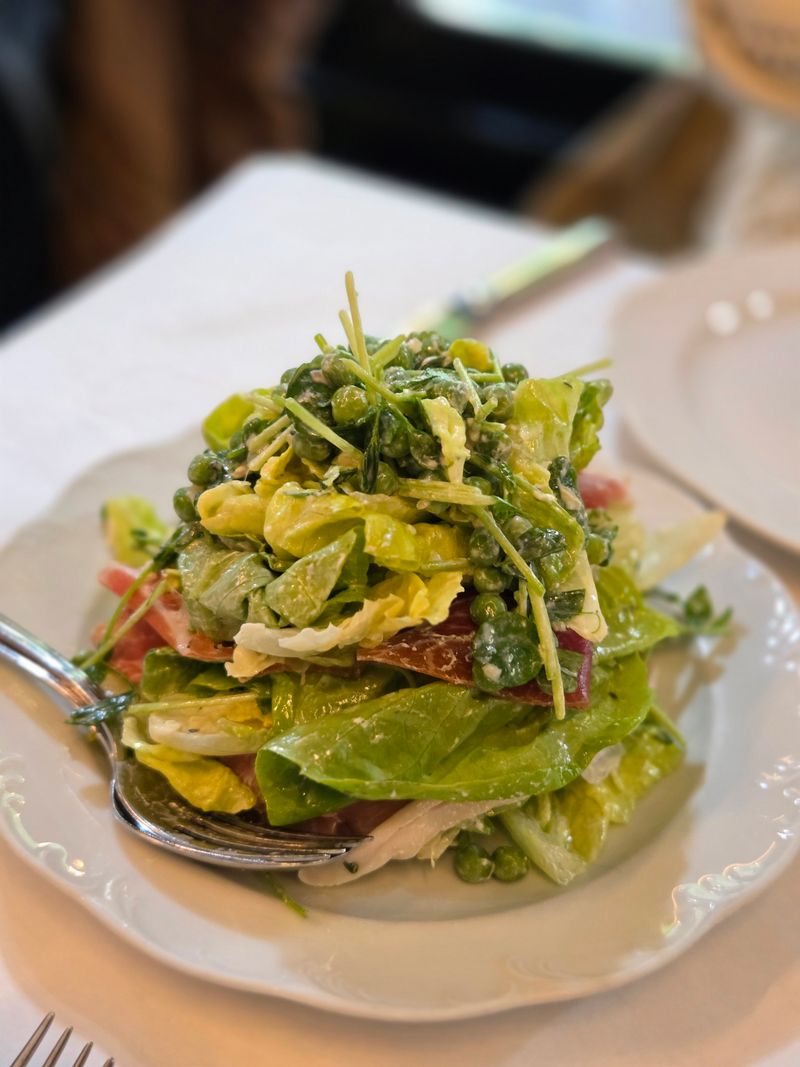
Leafy salads rarely command the spotlight, yet this one takes a bow without flinching. A tangle of lettuces arrives crisp and cold, glossed with a sherry vinaigrette that whispers rather than shouts.
Salt lands exactly where needed, and the bite finishes clean.
What impresses most is how restraint creates presence. No garnish feels performative, and every leaf tastes purposeful.
Texture varies just enough to keep the fork moving, while acidity steadies the palate for the courses ahead.
It becomes a signature not through novelty but through execution. You remember the crunch, the temperature, the way it resets your appetite.
By the last forkful, you realize simplicity earned the applause with discipline.
Pasta That Understands The Assignment
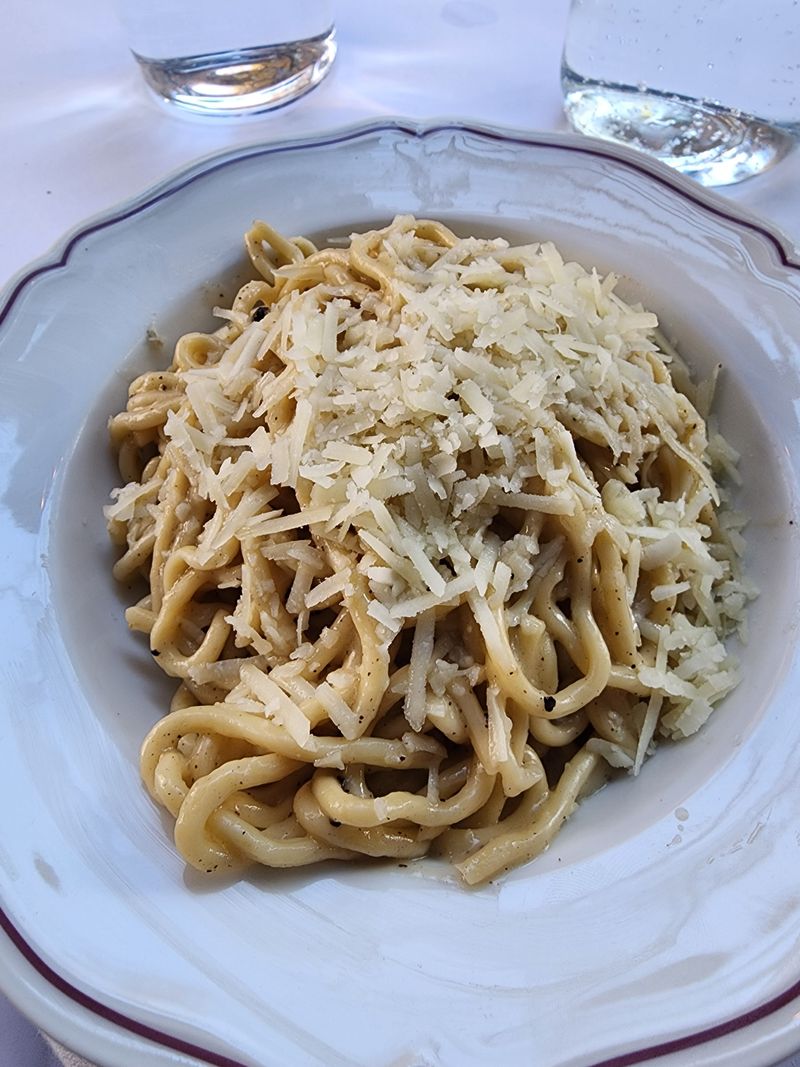
Plenty of kitchens chase perfect pasta, and very few catch it. Here, noodles carry their sauce with poise, never drowning, never parched.
Pepper blooms in the cacio e pepe, cheese emulsifies to a silk that clings, and the bite snaps with satisfying resolve.
Elsewhere on the list, ribbons of pappardelle cradle a rich ragù that feels both rustic and composed. Specials lean seasonal without posturing, letting mushrooms or tomatoes speak in their own dialect.
Timing does the heavy lifting, and the plates show up hot.
The pleasure is cumulative. Each mouthful layers warmth and brightness until you relax into that particular Italian contentment.
You stop analyzing, you keep twirling, and the table falls agreeably quiet.
Vegetables Treated Like Main Characters
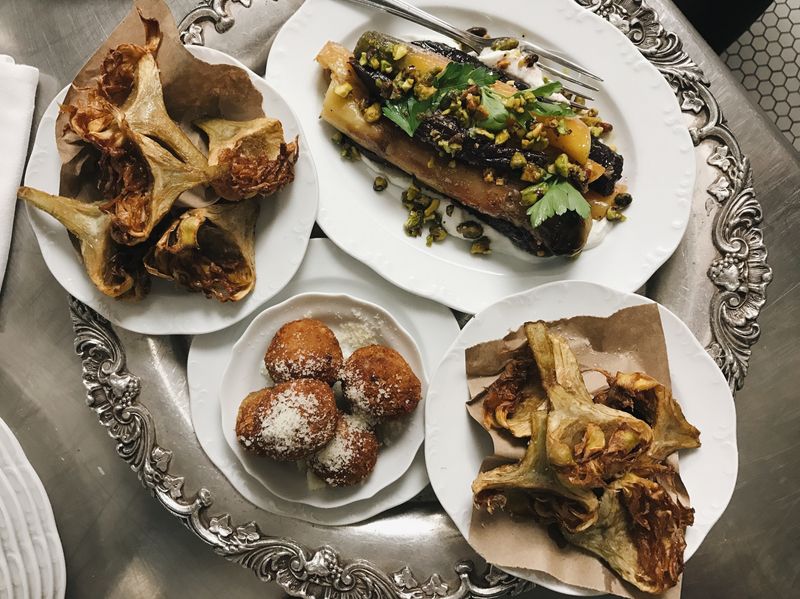
Vegetable cookery can feel obligatory; here it reads like affection. Artichokes arrive char-marked and tender, their edges catching olive oil and lemon with precise generosity.
Leeks surrender to gentle heat, perfumed and sweet, finished with attention that suggests serious rehearsal.
Salads keep the tempo brisk while warm plates lend depth, inviting a table to mix tones and temperatures. Seasonality is not a slogan but a reliable rhythm, guiding which greens sing loudest and which accompaniments step forward.
You sense a cook’s curiosity rather than a checkbox.
These plates stand comfortably beside pastas and proteins, fully realized rather than supportive. They are the reason a light lunch becomes a satisfying one, and the explanation for why regulars stack their orders with greens.
Balance carries the day, with pleasure doing the convincing.
Service With Quiet Confidence
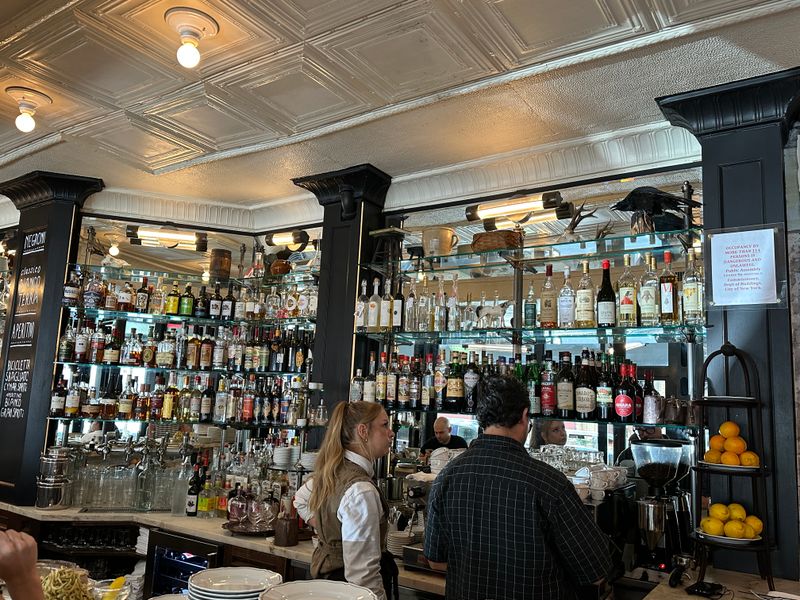
Hospitality here feels practiced in the best sense, a choreography you barely notice. Servers land at the right moments with information you actually need, then recede before conversation stumbles.
Specials are explained cleanly, and pacing arrives steadier than the dining room’s buzz would suggest.
The staff manages lists, bar seats, and table turns with soft-spoken competence. Questions about ingredients meet precise answers, and wine suggestions aim for clarity rather than performance.
You feel looked after without being narrated to, which keeps the mood relaxed.
That confidence supports the no-advertising mystique. When a restaurant runs this smoothly, news spreads on its own.
Guests leave content, not dazzled, and that contentment keeps paying returns.
Why The Room Stays Full Without Shouting
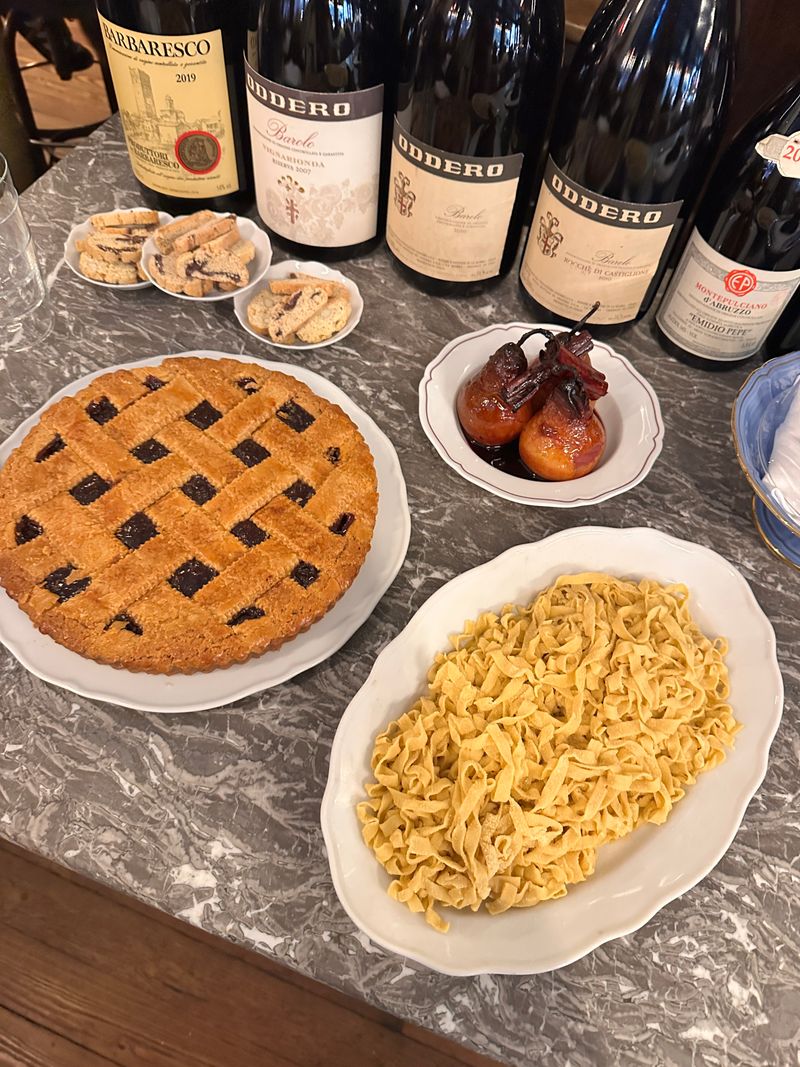
Consistency is the least glamorous virtue and the most persuasive. Night after night, the kitchen delivers flavors that land squarely, and the room holds a temperature that flatters appetite.
Nothing feels improvised, yet nothing feels rote.
Chefs Rita Sodi and Jody Williams built a foundation on craft rather than commotion, and the restaurant benefits from that steady hand. Accolades decorate their résumés, but the dining room wears its reputation lightly.
Guests sense the difference, which is why they return with more guests.
Advertising cannot buy this kind of loyalty. It grows from competence, patience, and a willingness to let word of mouth do the distribution.
The line outside becomes both proof and invitation, renewed daily without fanfare.