
This Blue Ridge Mountain Town In Georgia Has Gotten Too Popular, Locals Say
Something strange happens when a quiet mountain town gets too good at keeping a secret. Word spreads anyway, and weekends start feeling like a festival nobody planned.
That is exactly what locals in this Georgia mountain escape are dealing with now.
Porches that once sat empty on a Tuesday now watch a steady stream of out-of-state plates roll through.
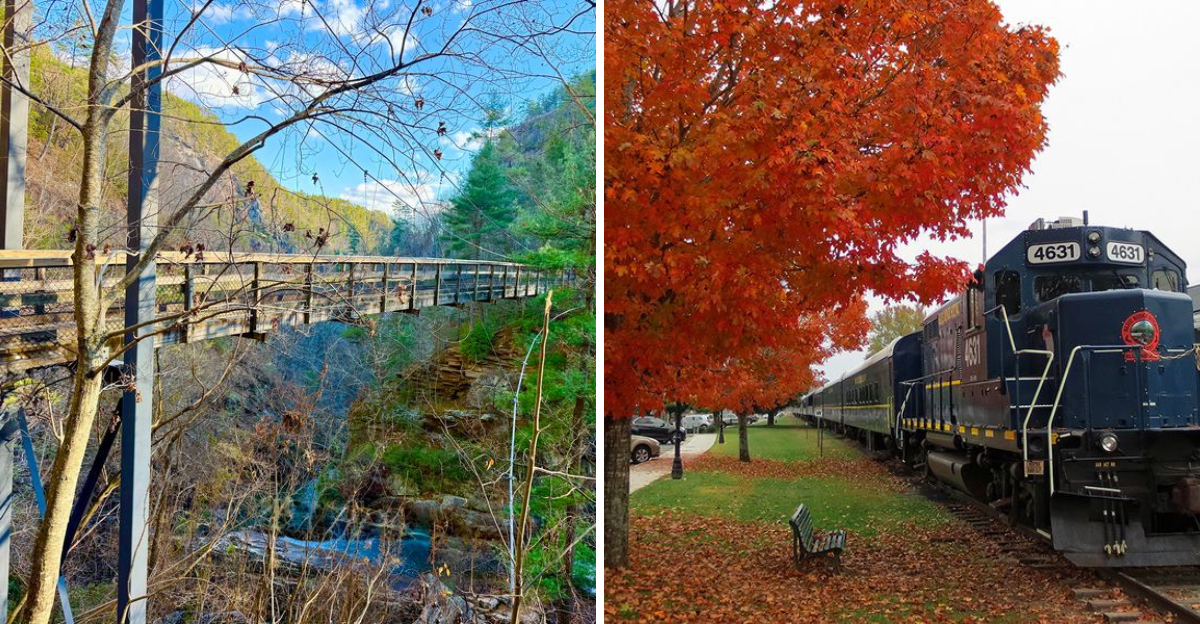
A scenic train still rumbles along the river. Shopfronts still smell like coffee and woodsmoke.
What has changed is the crowd, and long-time residents are speaking up about it. Georgia has plenty of charming corners, but few have felt a shift quite like this.
So what pulled everyone here, and should you still go? The full picture is worth a look before you plan your visit.
A Mountain Town That Earned Its Reputation The Hard Way
Back in 1886, a railroad changed everything. The Marietta and North Georgia Railroad put Blue Ridge, GA on the map, connecting Fannin County to larger markets and sparking rapid growth almost overnight.
Early promoters boldly called it the “Switzerland of the South.” That nickname stuck around for good reason. The mountain air, dramatic ridgelines, and cool temperatures made it an obvious retreat for those seeking relief from Georgia’s lowland heat.
By 1895, Blue Ridge had become the official county seat of Fannin County. The town grew steadily from there, building an identity rooted in Appalachian tradition, community pride, and a deep connection to the surrounding landscape.
That foundation matters. The history is not just a backdrop for tourism.
It is the reason the town has a distinct personality that visitors can actually feel when they walk downtown. Knowing where Blue Ridge came from helps explain why locals feel so protective of where it is headed today.
Fishing, Floating, and the Famous Toccoa River
Blue Ridge, GA carries an impressive title: Georgia’s Trout Capital. That reputation rests almost entirely on the Toccoa River, one of the most sought-after trout fishing rivers in the entire Southeast region.
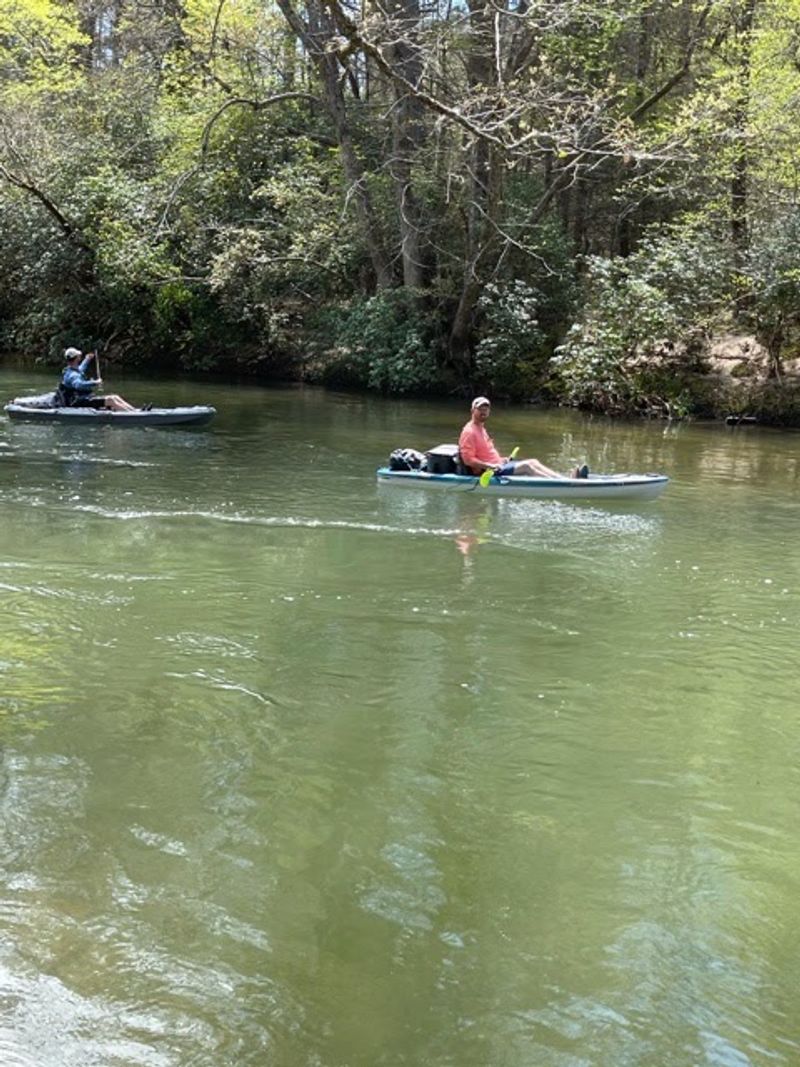
The river runs cold, clear, and consistently productive. Fly fishing enthusiasts travel from across the country to work its currents, while casual anglers find plenty of accessible spots along its banks for a more relaxed afternoon.
Beyond fishing, the Toccoa invites tubing, kayaking, and gentle rafting. Families with young children find the calmer stretches perfect for a lazy float on a warm afternoon.
More adventurous visitors can seek out faster water for a bigger thrill.
Lake Blue Ridge adds another dimension to the water-based experience. Boating, swimming, and lakeside picnicking are all popular activities there, especially during summer months when the surrounding forest turns a deep, saturated green.
The combination of river and lake access gives Blue Ridge a water recreation profile that few mountain towns can match, and locals know it well.
What the Chattahoochee National Forest Offers Beyond the Trailhead
Over 106,000 acres of Chattahoochee National Forest surround Blue Ridge, GA, and that number alone should tell visitors something about the scale of outdoor opportunity available here.
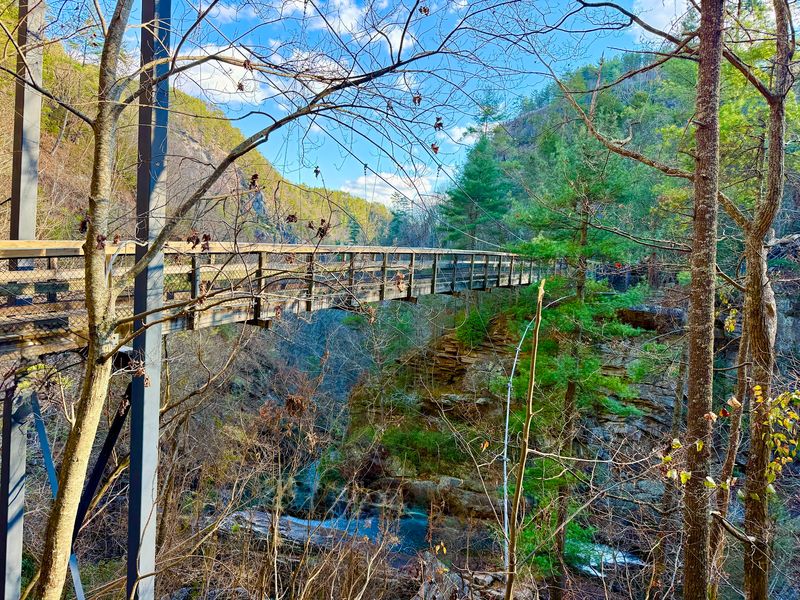
Hiking trails fan out in every direction. Long Creek Falls and Fall Branch Falls are among the most popular destinations, rewarding hikers with views that feel almost too good to be real.
The trails range from easy riverside walks to more demanding ridge climbs that test even experienced hikers.
The forest also supports wildlife viewing, birdwatching, and photography. White-tailed deer, wild turkey, and black bears are part of the local ecosystem, so trail awareness is always encouraged.
Beyond hiking, the forest provides access to camping spots, picnic areas, and scenic overlooks that offer panoramic mountain views. Many visitors underestimate how much of the Blue Ridge experience actually happens outside the downtown area.
The forest is free, expansive, and genuinely rewarding. It remains one of the strongest arguments for why this corner of Georgia keeps pulling people back season after season.
The Blue Ridge Scenic Railway Ride Everyone Talks About
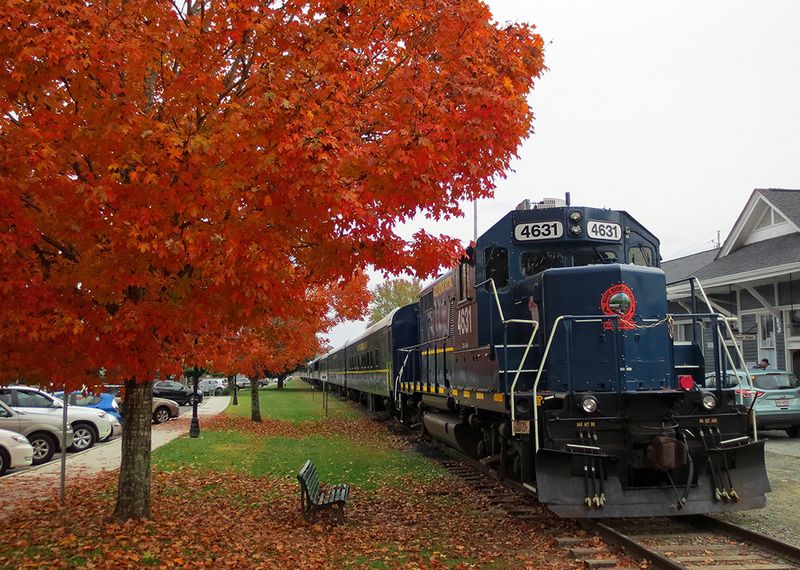
Few things in Blue Ridge, GA generate as much excitement as a ride on the Blue Ridge Scenic Railway. The historic early 1900s Blue Ridge Depot serves as the starting point for excursions that roll through some of the most beautiful mountain terrain in the Southeast.
Passengers board old-fashioned rail cars and travel along the Toccoa River, watching the landscape shift through tunnels of trees and across scenic bridges. The round trip ends in McCaysville, Georgia, a riverside town that sits right on the Tennessee state line.
This is not just transportation. It is a genuine experience, one that slows everything down and forces passengers to appreciate the scenery at a pace that modern travel rarely allows.
Families, couples, and solo travelers all find something to love about it.
The railway’s popularity has surged alongside the town’s growing reputation. Booking ahead is strongly recommended, especially during fall foliage season when demand reaches its peak and seats disappear fast.
Downtown Blue Ridge and the Shops That Keep People Wandering
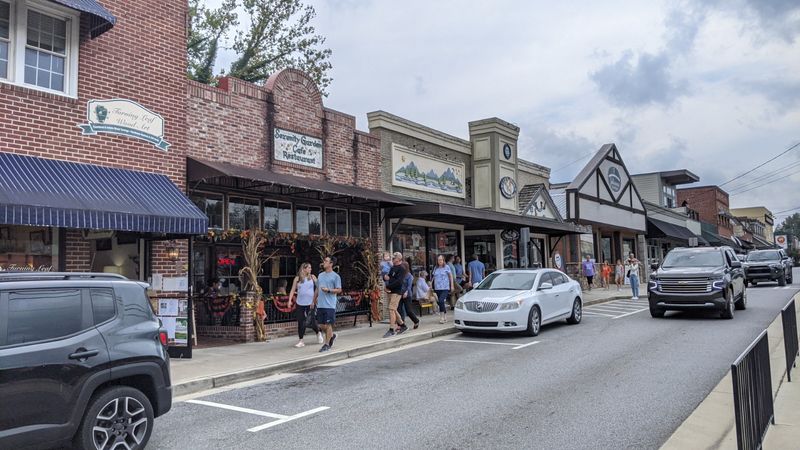
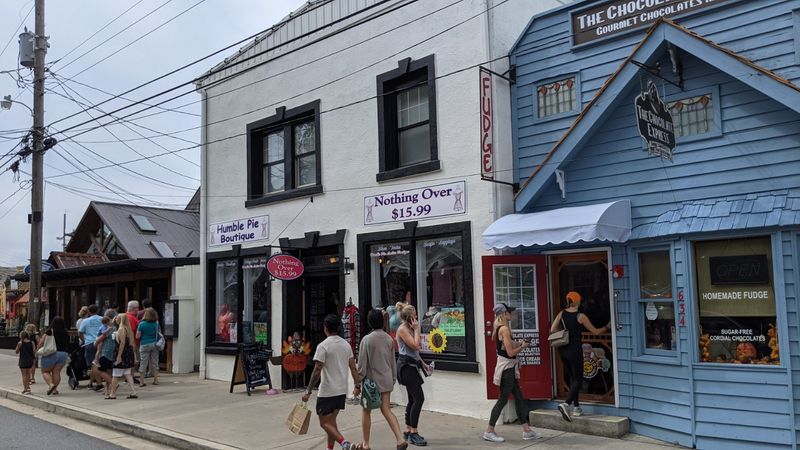
Main Street in Blue Ridge, GA moves at its own pace. Restored historic buildings line the sidewalks, each one housing something worth stepping inside, whether it is an art gallery, an antique shop, or a locally owned boutique with items you will not find anywhere else.
Over one hundred locally owned businesses operate in the downtown area. That concentration of independent shops gives the commercial district a character that chain-heavy retail strips simply cannot replicate.
Every store reflects a choice someone made to build something here.
The Blue Ridge Mountains Arts Association calls the historic Fannin County Courthouse home. It showcases work from member artists and hosts exhibitions that rotate regularly, giving repeat visitors fresh reasons to return.
Public art installations appear along Main Street, celebrating Appalachian craft traditions through pottery, woodworking, and textile work. The Blue Ridge Community Theater adds a performing arts dimension that rounds out the cultural offerings.
Weekend foot traffic has grown noticeably in recent years. Locals and visitors now share sidewalks in a way that feels both lively and, at times, genuinely crowded.
The Food Scene That Surprised Everyone
Nobody expected a small mountain town to become a serious culinary destination. Yet Blue Ridge, GA has done exactly that, quietly building a dining landscape that blends Southern comfort food with farm-to-table philosophy and genuine creativity.
Restaurants throughout downtown source ingredients from nearby farms and producers. That commitment to local supply shows up clearly on menus that change with the seasons, reflecting what the surrounding region actually grows and raises.
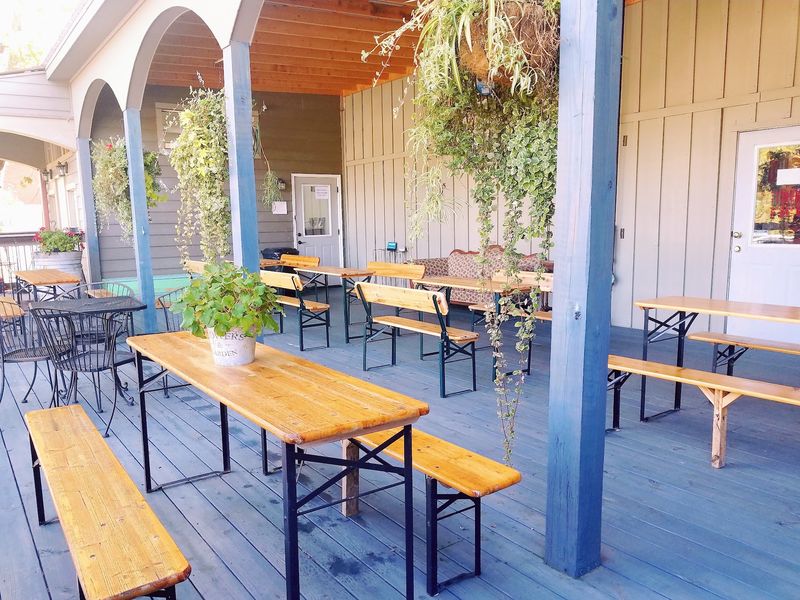
Outdoor dining options are particularly strong here. Patios, decks, and balconies overlook mountain ridgelines and tree-covered hills, turning an ordinary meal into something far more atmospheric.
Some spots even offer rooftop seating with views that extend for miles.
The variety of cuisine available surprises first-time visitors. Traditional Southern dishes share menu space with diverse international flavors, giving the local dining scene a range that feels unexpected for a town of its size.
Food spending contributes significantly to Fannin County’s tourism economy. The culinary offerings have become a primary draw in their own right, not just a secondary benefit of visiting the mountains.
How Popular Has Blue Ridge Actually Become
The numbers tell a clear story. Visitor spending in Fannin County reached approximately $254 million in 2024, up significantly from $231 million just two years earlier.
For one of Georgia’s less populated counties, that figure is striking.
Fannin County consistently ranks among the top fifteen counties in Georgia for visitor spending per capita. That ranking reflects a level of tourism intensity that goes well beyond what the local population size would typically suggest.
Short-term rental listings have grown sharply. Around 3,100 active listings were recorded in early 2026, representing roughly 17 percent growth since 2022.
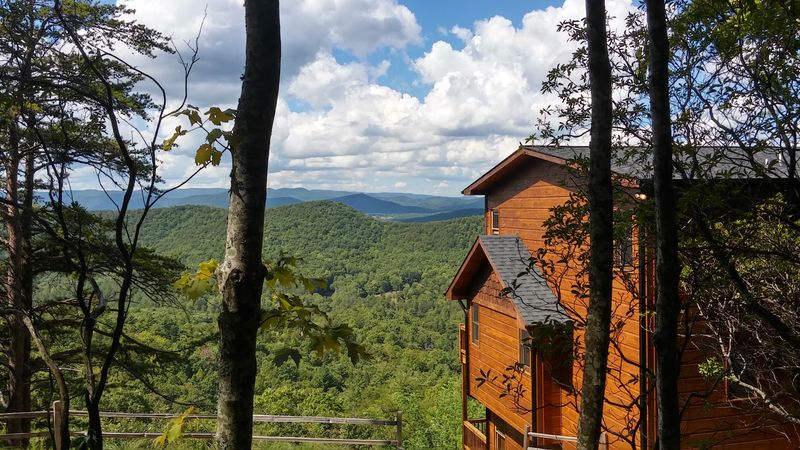
Cabins and vacation homes now dot the surrounding hillsides in numbers that would have seemed unimaginable a decade ago.
Visitor centers report welcoming guests from all fifty states and numerous international countries. That geographic reach speaks to how far the reputation of Blue Ridge, GA has traveled through travel media and word of mouth.
Locals have noticed the change. Parking, trail congestion, and weekend crowds have all become topics of regular conversation among long-time residents who remember quieter times.
Appalachian Culture and the Arts That Define This Community
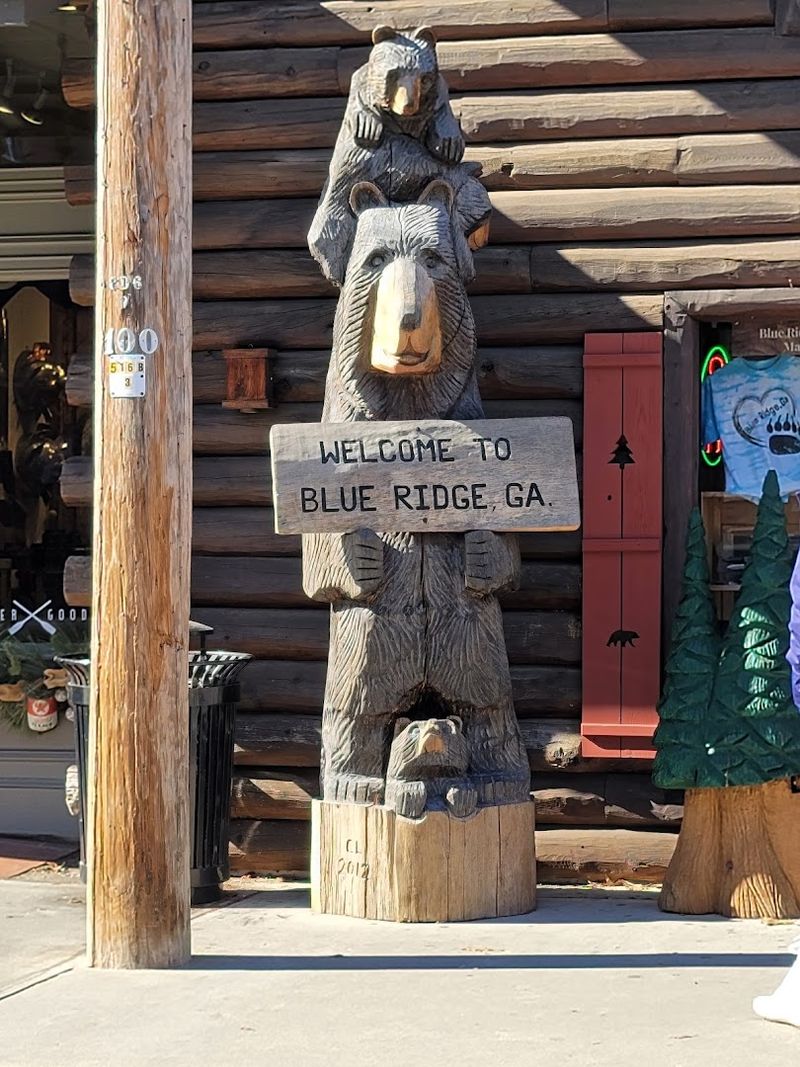
Long before the tourists arrived, Appalachian culture was already shaping every corner of Blue Ridge, GA. The Cherokee Nation originally called this region home.
European pioneers followed, bringing musical traditions, craft practices, and a way of life that the community has worked hard to preserve.
Festivals like “Arts in the Park” celebrate that heritage openly and enthusiastically. Traditional music, storytelling, and handmade crafts take center stage at events that draw both locals and visitors into shared cultural experiences.
Blue Ridge holds recognition as a premier arts town within Georgia. It has also earned national attention as one of the top craft towns in the country.
That reputation was not manufactured for tourism purposes. It grew organically from a community that genuinely values creative expression.
The Blue Ridge Mountains Arts Association supports local artists through workshops, exhibitions, and community programs. Member artists work in pottery, woodworking, textiles, and other traditional Appalachian mediums.
Cultural identity here runs deep. The arts are not decoration.
They are the living expression of a mountain community that knows exactly who it is and where it comes from.
Four Seasons of Scenery That Never Get Old
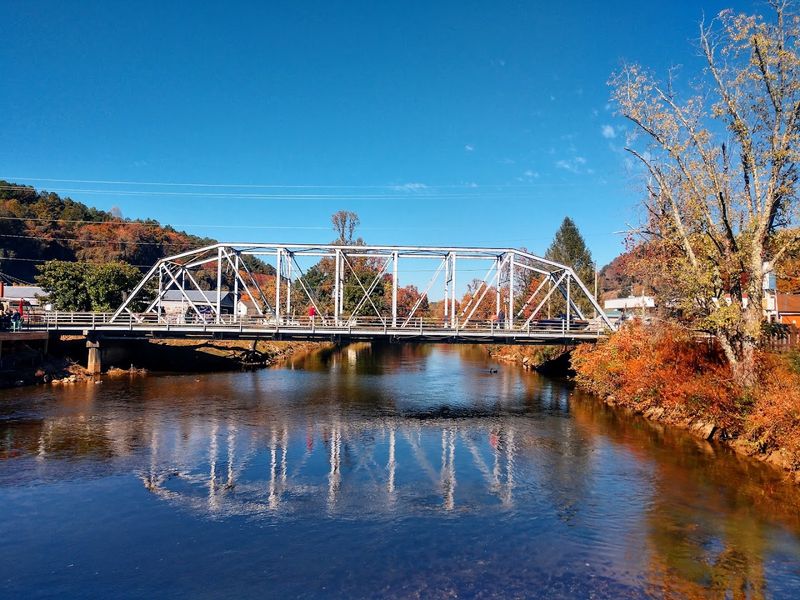
Spring in Blue Ridge, GA arrives with a burst of color. Dogwood, redbud, and azalea blossoms spread across the hillsides, turning the landscape into something that almost looks painted rather than grown.
Summer deepens the green. The forests fill in completely, creating a canopy so thick that hiking trails feel sheltered and cool even on warm days.
Lake Blue Ridge becomes a hub of activity as water recreation peaks.
Autumn is the undisputed star of the seasonal calendar. The hills transform into a patchwork of gold, red, and purple that draws visitors from across the region.
Fall foliage season is also the busiest and most congested time of year, something worth planning around carefully.
Winter brings a softer energy. Snow occasionally dusts the mountain ridges, creating a quiet, almost meditative atmosphere that feels completely different from the summer rush.
Cabin rentals stay busy even in the colder months.
The year-round visual appeal of the surrounding landscape is one of the most honest arguments for why Blue Ridge keeps growing in popularity with every passing season.
What Locals Want Visitors To Actually Understand
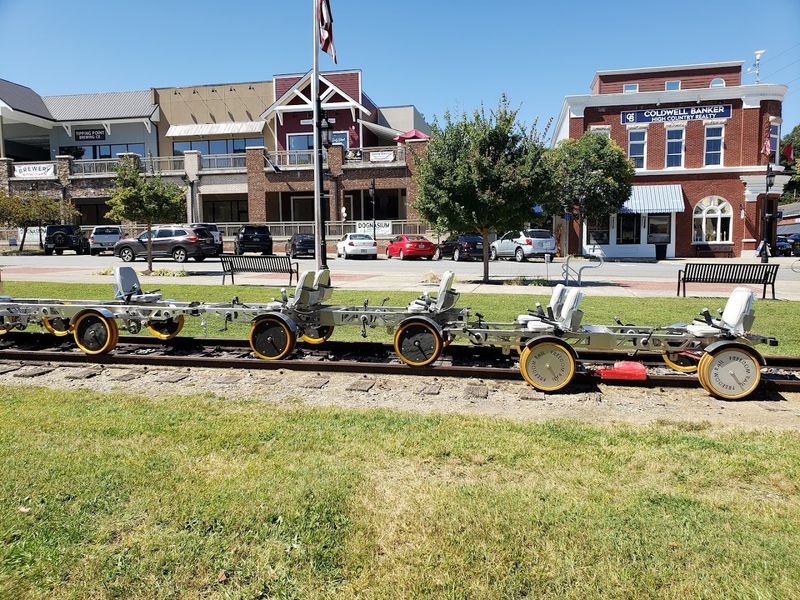
Residents of Blue Ridge, GA are not opposed to visitors. That point deserves emphasis.
The community has a long history of welcoming outsiders warmly, and that spirit remains intact despite the pressures that growing tourism brings.
What locals do ask for is mindfulness. The “Commitment to Conservation” program reflects that request directly.
It encourages visitors to pack out what they pack in, stay on designated trails, and treat natural spaces with the same respect they would want for their own neighborhoods.
Community events like “Light Up Blue Ridge” and the seasonal “Pickin’ in the Park” acoustic jams are open to everyone. Attending these events is one of the best ways to engage with local culture authentically rather than just passing through as a consumer.
Responsible tourism is not just a slogan here. It is a practical necessity for a town whose natural and cultural assets are finite.
The trails, rivers, and community character that make Blue Ridge worth visiting are also the things most vulnerable to overuse.
Visiting thoughtfully is the simplest way to ensure this mountain corner of Georgia stays worth returning to.