
This Breathtaking Montana Lake Is One Of The State’s Best Kept Secrets
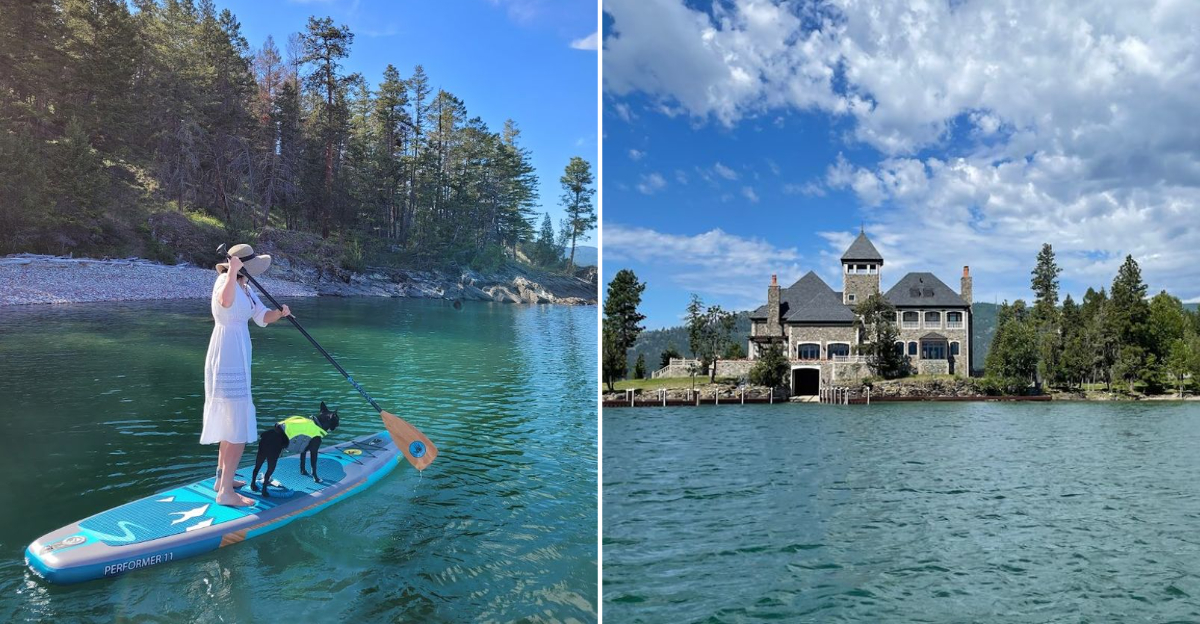
There are lakes you visit and lakes you remember for the rest of your life. Montana drew a very unfair line between the two.
Most lakes earn their beauty gradually. You arrive, you look around, you appreciate what you see.
This one hits differently. The color of the water stops you before you even reach the shore.
It is the kind of blue that makes you question whether what you are looking at is natural or something your eyes are inventing on the spot. Montana has a reputation for dramatic landscapes.
The state wears it well. But even against that backdrop, this lake manages to feel like something separate.
Something that operates by its own rules. The people who know about it tend to keep a certain quiet about the details.
Not out of selfishness, exactly. More out of an instinct to protect something that feels too good to survive too much attention.
This is that lake. And once you see it, that instinct will make complete sense.
Crystal Clear Waters And Wildlife Habitat
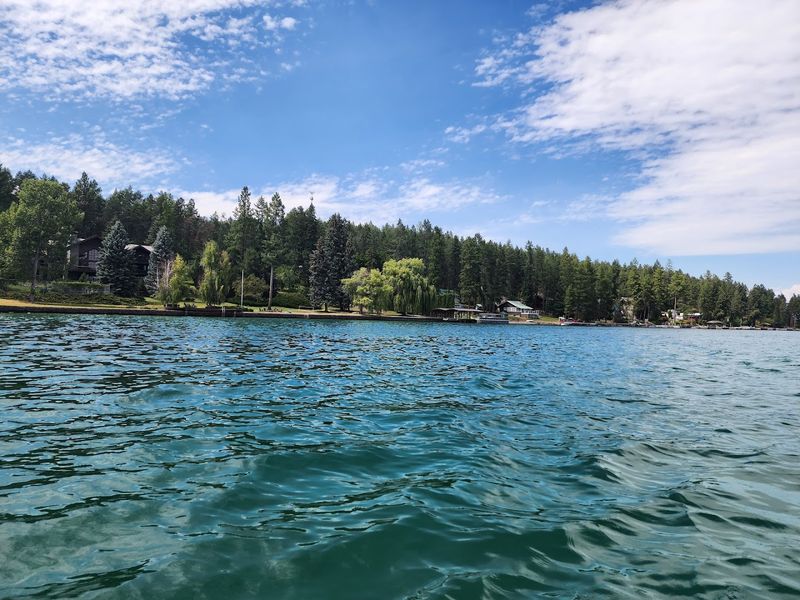
This lake holds a title most lakes can only dream about. It ranks among the top ten cleanest lakes in the entire United States.
The water replaces itself completely every 2.5 years, fed by snowmelt and glacial runoff from the Flathead and Swan Rivers.
You can see straight down to the rocky bottom from your boat. No murky guessing games here.
The clarity is almost unreal, like looking through a pane of glass at the lakebed below.
Wild Horse Island sits right in the middle of this stunning scene. It is the largest island on the lake and home to actual wild horses and bighorn sheep.
You can only reach it by boat or kayak, which makes the whole adventure feel earned.
Bull trout and cutthroat trout swim in these clean, cold waters alongside non-native lake trout. Bald eagles patrol the shoreline.
Ospreys dive for fish near the shallows. The entire ecosystem around Flathead Lake feels alive and well-balanced.
The lake itself stretches nearly 200 square miles and reaches depths of 370 feet. It sits at the base of the Swan and Mission mountain ranges.
Snowcapped peaks reflect off the surface on calm mornings. You can find Flathead Lake in Montana.
Seasonal Activities For Every Outdoor Enthusiast
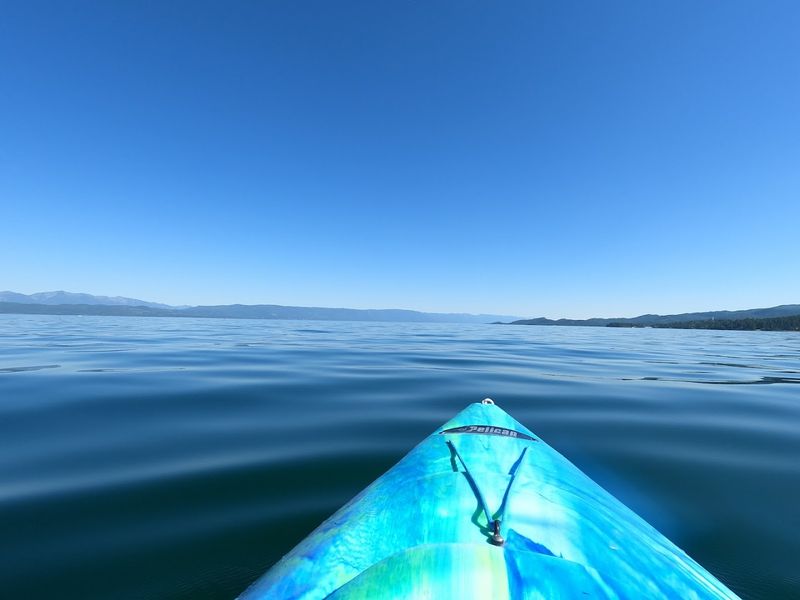
Flathead Lake never really takes a day off, and neither will you once you arrive. Summer brings sailing, waterskiing, wakesurfing, swimming, and paddleboarding all at once.
The lake is big enough that everyone can find their own corner to play in.
Kayaking around Wild Horse Island is a summer highlight worth planning your whole trip around. The island rewards patient paddlers with bighorn sheep sightings and untouched shoreline.
Boat tours operate throughout the warmer months for those who prefer a guided experience.
Fall transforms the surrounding landscape into something out of a painting. The orchards along Highway 35 go quiet after cherry season, but the colors that replace them are worth the visit.
Hiking trails around the lake take on a whole new mood in October.
Winter surprises most first-time visitors. Ice fishing becomes possible in the frozen bays when temperatures drop enough.
Nearby Blacktail Mountain Ski Area offers downhill skiing for those who want more action.
SCUBA diving is also an option here, which sounds wild but makes total sense given the clarity. Underwater rock formations, sunken logs, and deliberately placed sunken boats create a surreal underwater world.
Every season delivers something genuinely different at Flathead Lake.
Local Flora And Scenic Shoreline Walks
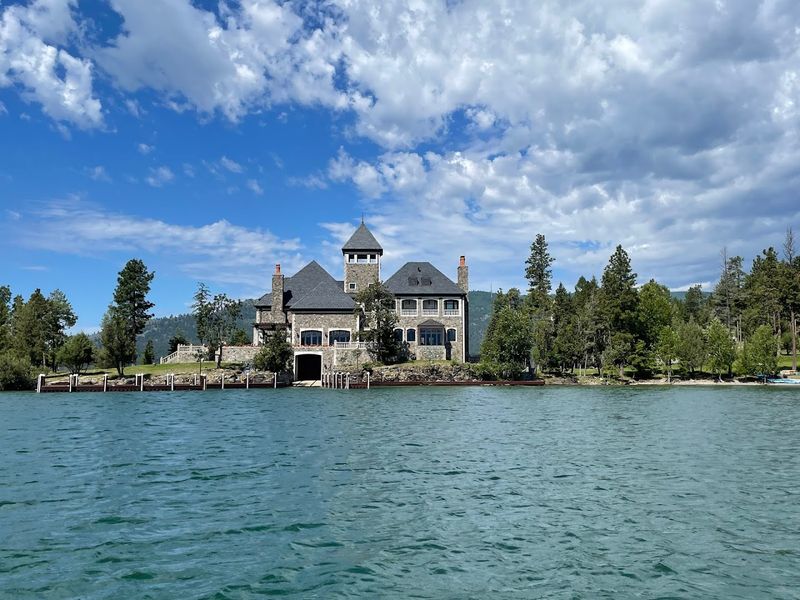
Entering the shoreline of Flathead Lake feels like the landscape is putting on a show just for you. Ponderosa pines and cottonwoods frame the water at every turn.
Native wildflowers pop up between rocky outcroppings in spring and early summer.
The southern shoreline runs through the Flathead Indian Reservation, home to the Confederated Salish and Kootenai Tribes. This land carries deep cultural significance, and the natural environment here reflects generations of thoughtful stewardship.
Bilingual signs in both English and the tribal language appear throughout the area.
Highway 35 along the eastern shore is one of the most scenic drives in all of Montana. Cherry orchards line this route, and in July and August, roadside stands sell fresh Flathead cherries that locals absolutely swear by.
The milder microclimate created by the lake makes fruit growing possible this far north.
Shoreline walks near Bigfork reward visitors with quiet coves and sandy stretches that feel far removed from any crowd. The vegetation shifts noticeably as you move from the rocky northern shores to the flatter southern sections.
Each stretch of shoreline has its own personality.
Watch for wild rose bushes and bitterroot blooms along the gentler paths. Both are native to Montana and add bursts of color against the grey-blue water backdrop.
Tips For Sustainable And Responsible Tourism
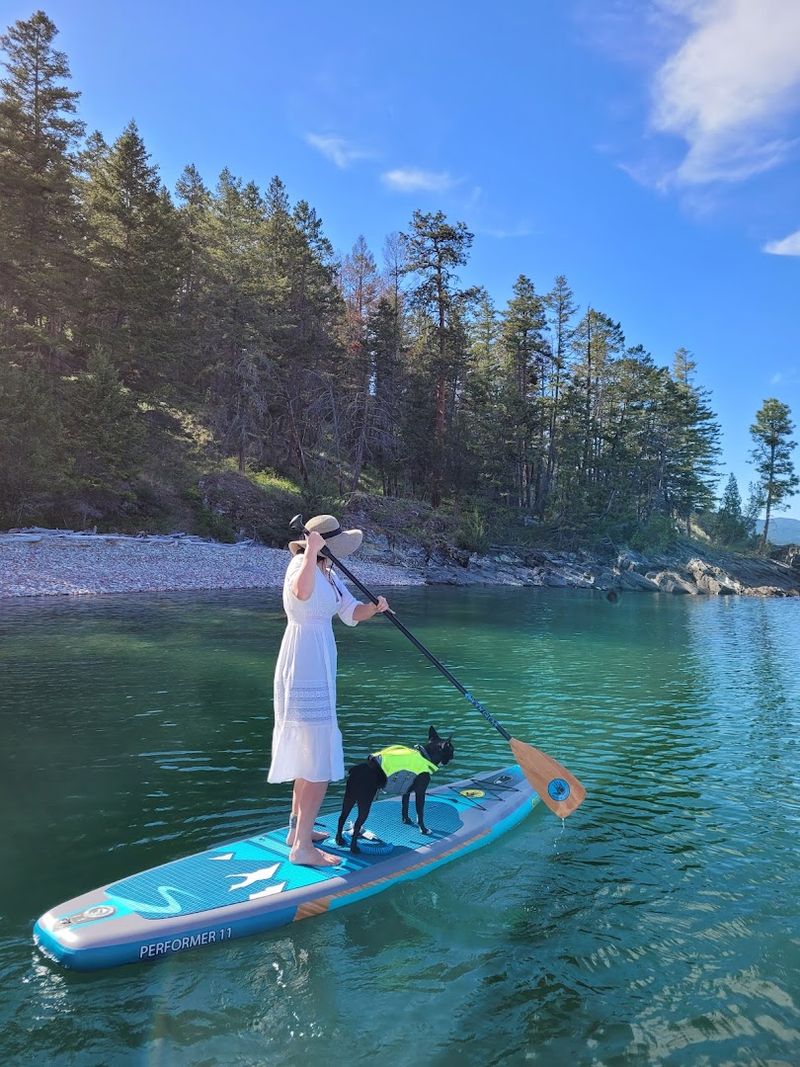
Flathead Lake earned its reputation for cleanliness over a very long time. Keeping it that way takes real effort from every single visitor.
The good news is that responsible tourism here is pretty straightforward once you know the basics.
The southern half of the lake falls within the Flathead Indian Reservation. Any recreational activity in that area requires a tribal recreation permit.
Picking one up before you head out shows respect for the land and keeps you on the right side of the rules.
Pack out everything you pack in. The lake has public access sites with trash facilities, but they fill up fast during peak season.
Carrying a small bag for your own waste costs nothing and makes a real difference.
Motorized boats should stay at a safe distance from the shoreline to protect nesting birds and shallow-water habitats. Wake damage to the banks is a real concern on a lake this large.
Slowing down near sensitive areas is a small ask for a big payoff.
Swim shoes are genuinely useful here since the bottom is rocky in many areas. Staying on marked trails near steep access points prevents erosion and keeps you safe.
One trail near Bigfork has wooden steps that can get slippery, so watch your footing carefully.
Fishing Regulations And Popular Species Found
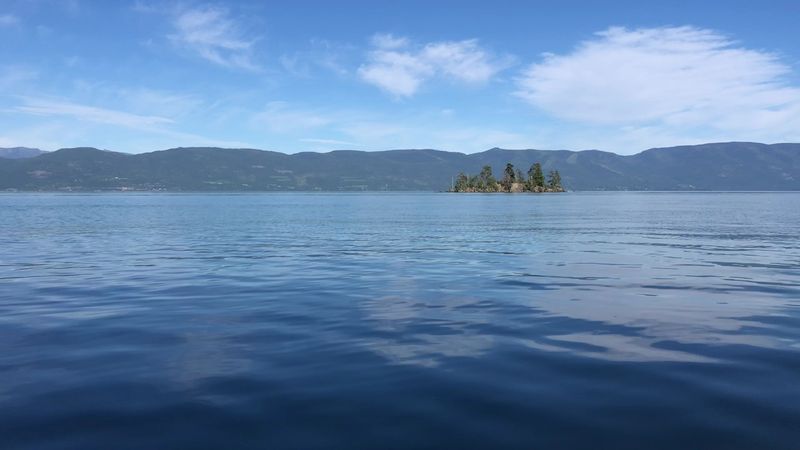
Fishing at Flathead Lake is genuinely exciting, but the rules here matter more than at most lakes. The lake straddles two different regulatory zones.
The northern half falls under Montana Fish, Wildlife, and Parks jurisdiction, while the southern half requires a tribal fishing permit from the Confederated Salish and Kootenai Tribes.
Bull trout are a native species and are protected under the Endangered Species Act. Catching one accidentally does happen, so knowing the identification differences between bull trout and lake trout before you cast is important.
Release bull trout immediately and carefully if you hook one.
Lake trout, also called mackinaw, are the most commonly targeted species by sport anglers. They run deep, so trolling with downriggers is the standard approach.
Cutthroat trout are also present and tend to hang closer to the surface near stream inlets.
Whitefish provide fast-paced action during the winter months and are popular with ice anglers in the frozen bays. Yellow perch can also be found in shallower areas near the southern shoreline.
Each species has its own seasonal patterns worth researching before your trip.
Boat tours specifically focused on fishing are available from several outfitters around the lake. Hiring a local guide is a smart move for first-time visitors.
They know exactly where the fish are holding at any given time of year.
Nearby Hiking Trails And Picnic Spots
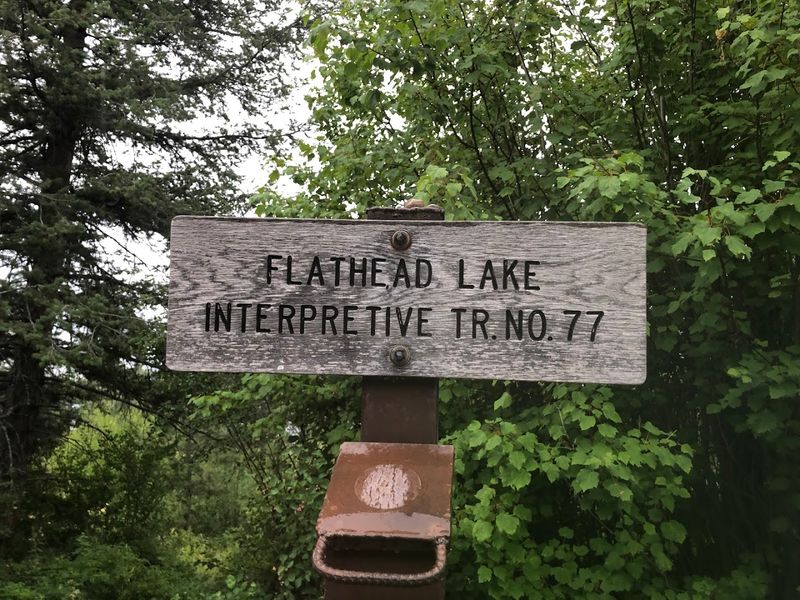
The trails around Flathead Lake range from easy waterfront strolls to full-on mountain workouts. Several state parks and public access sites ring the lake, each with its own character and terrain.
You genuinely do not need to be a hardcore hiker to enjoy what is on offer here.
Wayfarers State Park near Bigfork is one of the most accessible spots on the lake. It has picnic facilities, a boat launch, and short walking paths through the trees right down to the water.
Families with kids tend to love it for the mix of shade and shoreline access.
Yellow Bay State Park on the eastern shore offers a quieter atmosphere. Cherry orchards frame the park during summer, and the swimming area is calmer than spots on the windier northern end.
Picnic tables here fill up on warm weekends, so arriving early is a smart call.
Big Arm State Park on the western shore gives hikers access to trails with wide open views across the lake toward the Mission Mountains. The sunsets from this side of the lake are consistently stunning.
Bring a blanket and plan to stay until the light fades completely.
Finley Point State Park is worth the short detour for its peaceful peninsula setting. Tall pines provide natural shade over the picnic areas.
The boat launch here also provides easy access to Wild Horse Island.
Boating Safety And Rental Options
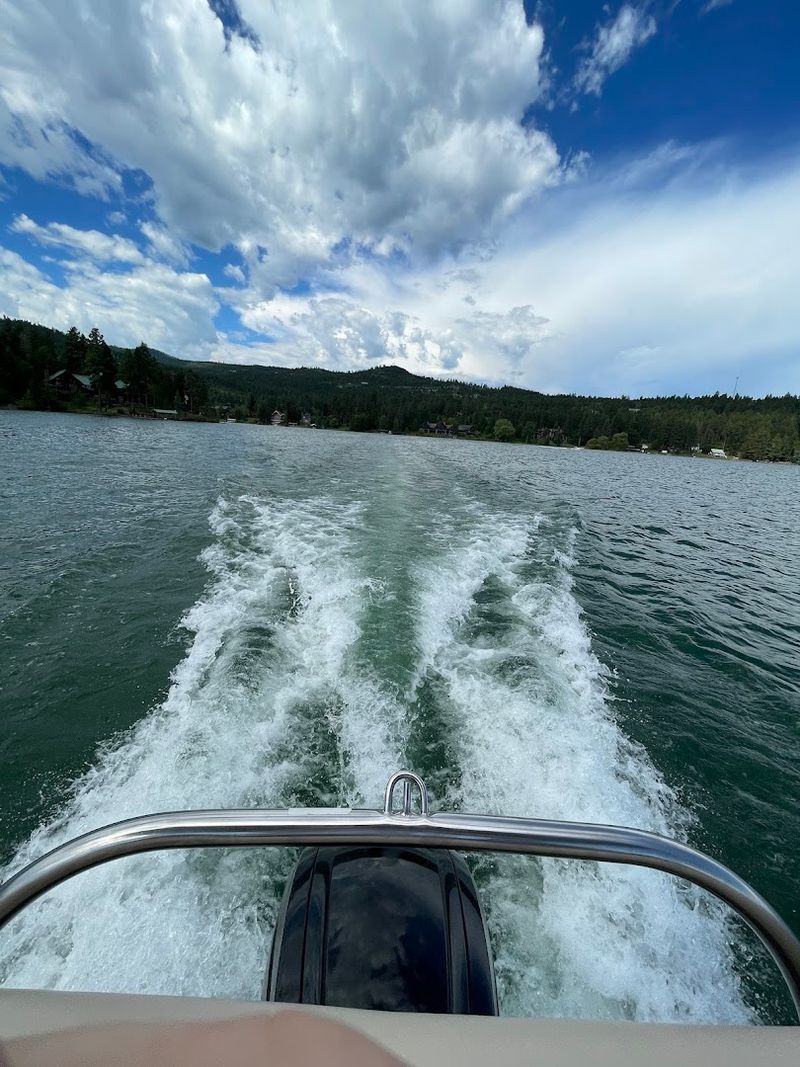
Flathead Lake is massive enough to generate its own weather patterns. Calm morning water can turn into serious chops by early afternoon when wind picks up.
Experienced boaters on the lake recommend heading out early and planning to be back at the dock before midday if possible.
Boat rentals are available from several marinas around the lake, including options in Bigfork, Lakeside, and Polson. You can rent everything from kayaks and paddleboards to pontoon boats and motorized fishing vessels.
Jet ski rentals are also available for those who want to cover more water faster.
Life jackets are required by law for all passengers on the water in Montana. Children under 12 must wear theirs at all times while the boat is moving.
Having properly fitted jackets for every person on board before leaving the dock is non-negotiable.
The lake is deep enough that cold water shock is a real risk even on warm summer days. Water temperatures stay quite cold even in August, especially away from the shallow southern bays.
Anyone planning to swim from a boat should be a confident swimmer and never go alone.
Guided boat tours operate from Polson and offer narrated trips around the southern half of the lake including Wild Horse Island. An afternoon tour tends to offer calmer water conditions.
Booking ahead during July and August is strongly recommended.
Photography Opportunities At Different Times
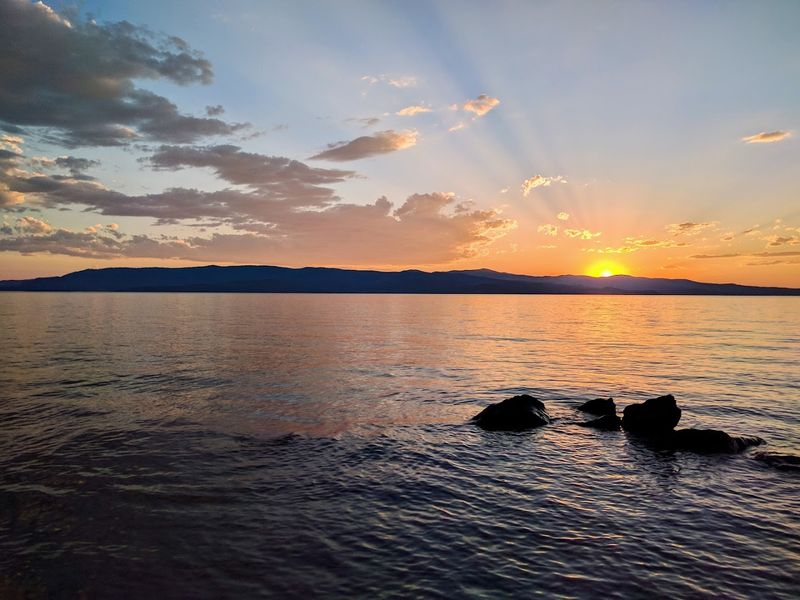
Flathead Lake is basically a photographer’s dream that nobody warned you about. The light here does something special at different times of day, and every season completely changes the mood of the shot.
You will run out of storage before you run out of subjects.
Early mornings deliver the calmest water and the best reflections. The Mission Mountains mirror perfectly off the surface when the wind is still.
Getting to the eastern shore before sunrise puts you in prime position for that shot.
Golden hour on the western shore near Big Arm is a different kind of magic. The sky turns deep orange and pink behind the mountains as the sun drops.
Even a phone camera can capture something genuinely stunning from that vantage point.
Wild Horse Island makes for compelling photography any time of day. Bighorn sheep on rocky outcroppings with the blue lake below is a composition that practically frames itself.
Bringing a telephoto lens is worth it if wildlife photography is your goal.
Storm photography is an underrated opportunity at Flathead Lake. The lake is large enough that you can watch a weather system rolling across the far shore while standing in full sunshine.
That visible line between storm and clear sky on the water surface is unlike anything else in Montana.