
This Breathtaking Montana River Is So Clear You Can See Straight To The Bottom
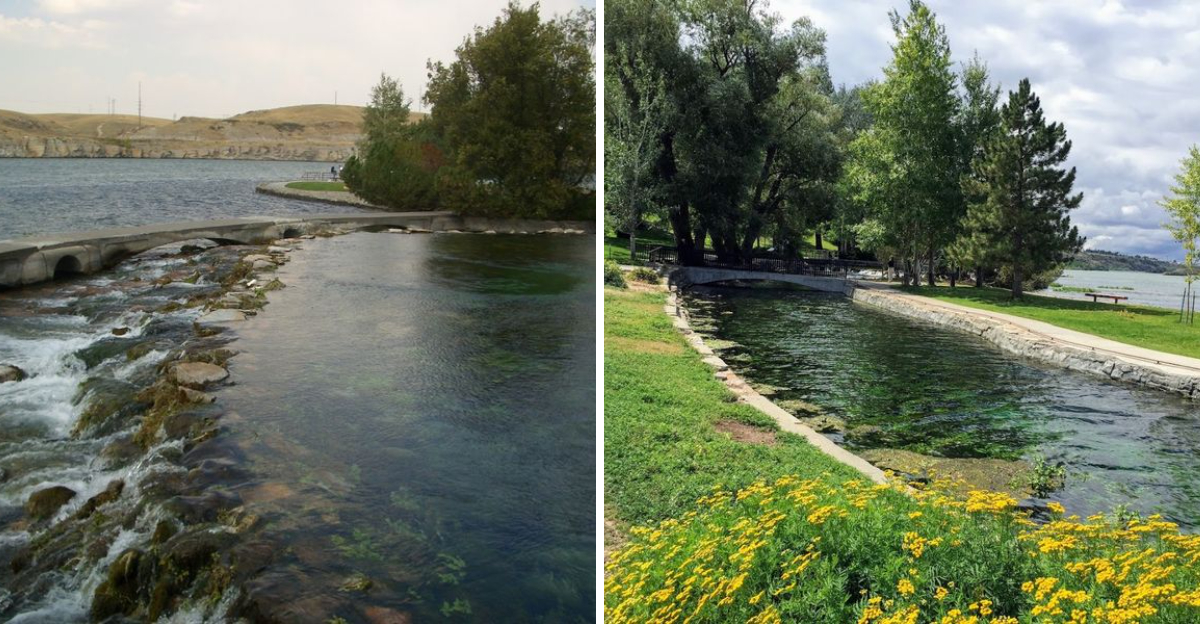
I never expected a 201-foot river to become one of my favorite Montana stops. It sounded more like a quick curiosity than a place worth lingering.
Then I saw the water. It was so clear that pebbles, plants, and fish appeared beneath the surface without effort. I planned to stay for ten minutes. Instead, I wandered through the riverside park and watched the tiny current join the Missouri River.
Its status as one of the shortest rivers in the world adds a playful bit of history. Still, the setting mattered more to me than the record.
This small waterway felt calm, unusual, and memorable. Sometimes the shortest detours create the longest-lasting travel stories, and this one certainly did for me.
A Record-Breaking Wonder In Miniature Form
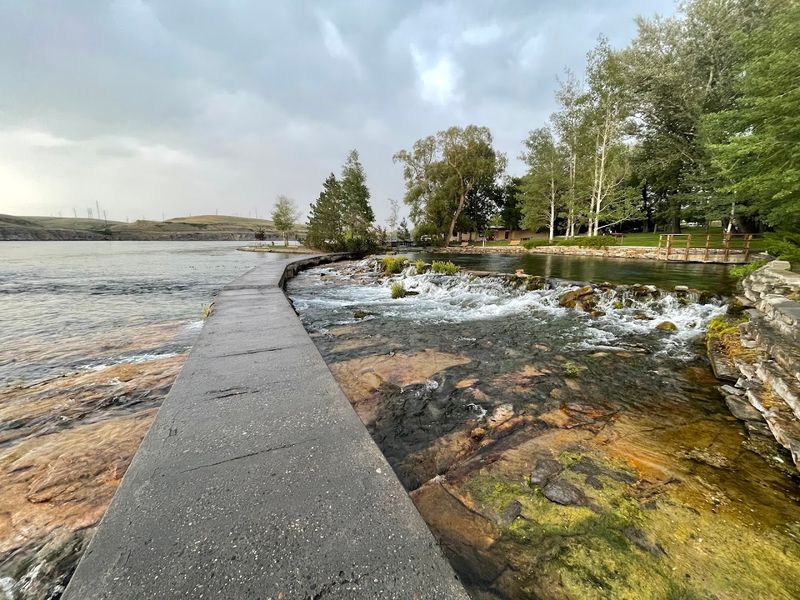
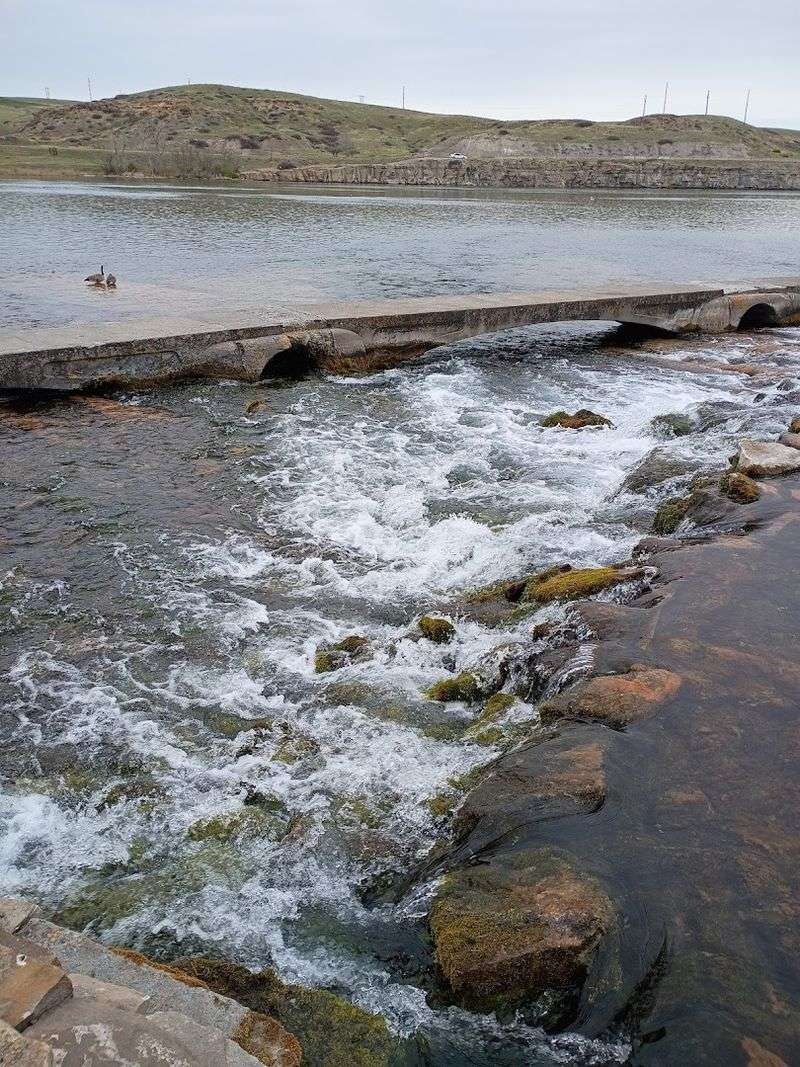
Standing at the edge of Giant Springs State Park, I watched the Roe River begin its brief but spectacular journey. This remarkable waterway flows for exactly 201 feet before emptying into the Missouri River, making it one of the tiniest rivers ever recorded.
The Guinness Book of World Records once recognized it as the world’s shortest river, though that title has been debated over the years. What nobody can argue about is the sheer clarity of its water, which comes directly from one of the largest freshwater springs in America.
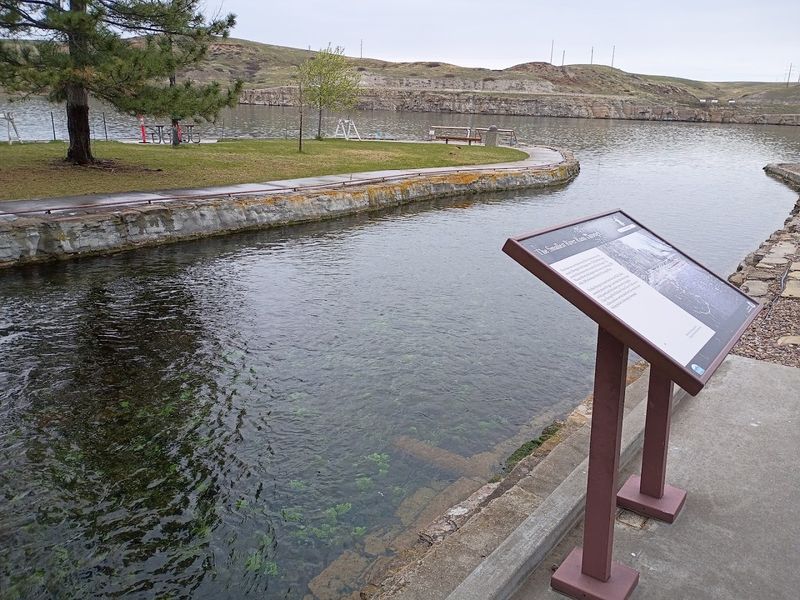
I could see straight through to the riverbed without any effort, watching small fish dart between smooth stones. The spring feeds approximately 156 million gallons of water daily into this little river, maintaining a constant temperature of around 54 degrees year-round.
Local residents from Great Falls often bring visitors here just to see their reactions. The contrast between this petite waterway and the massive Missouri River it feeds into creates a striking visual that photographers absolutely adore.
Crystal Waters That Reveal Every Secret
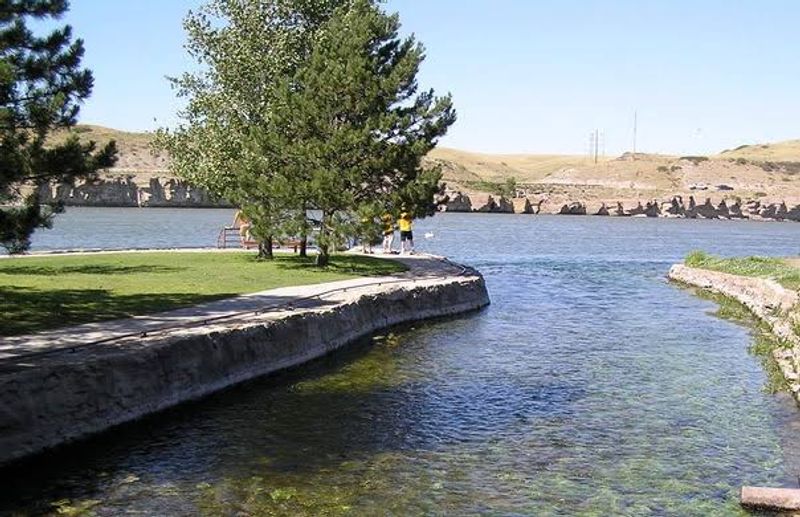
Nothing prepared me for just how transparent the Roe River would be. I’ve visited streams and rivers across Ohio and throughout the United States, but this Montana gem takes water clarity to another level entirely.
The water originates from Giant Springs, which filters through underground limestone for thousands of years before emerging. This natural filtration system removes impurities and creates water so pure that you can count individual grains of sand on the bottom.
I spent nearly twenty minutes just staring into the current, mesmerized by the way sunlight played through the water. Aquatic plants swayed gently in the flow, their every leaf and stem perfectly visible.
The riverbed consists of smooth, multicolored pebbles that look like nature’s own mosaic. Small trout occasionally swim through, appearing almost suspended in mid-air because the water is practically invisible.
This clarity remains consistent throughout all seasons, never clouding with sediment or algae blooms that plague many other waterways across the country.
Giant Springs State Park Surroundings
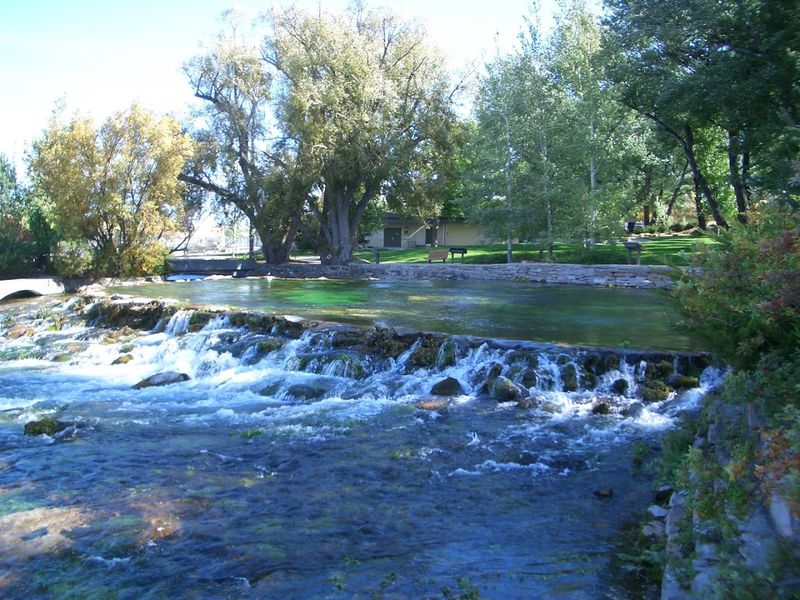
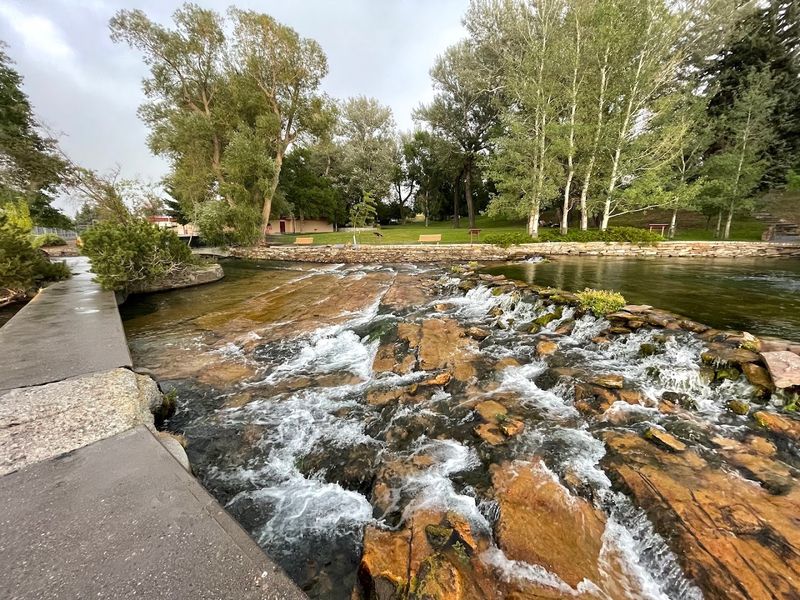
The park surrounding the Roe River transformed my quick stop into an afternoon adventure. Giant Springs State Park offers beautifully maintained grounds with walking trails, picnic areas, and interpretive signs that explain the area’s geological and historical significance.
I followed a paved pathway that winds along both the spring and the river, perfect for families with strollers or visitors with mobility concerns. The trail provides multiple viewing points where you can observe the water from different angles.
Massive cottonwood trees provide shade during summer months, and the grass stays green thanks to the constant moisture from the spring. Several families were having picnics when I visited, while kids ran around exploring every corner of the park.
The park also features a fish hatchery nearby where Montana raises trout for stocking rivers across the state. Visitors can watch thousands of fish in various growth stages, adding another dimension to your visit.
Benches positioned along the river allow for peaceful contemplation, and I noticed several people simply sitting and enjoying the sound of flowing water.
The Connection To Mighty Missouri
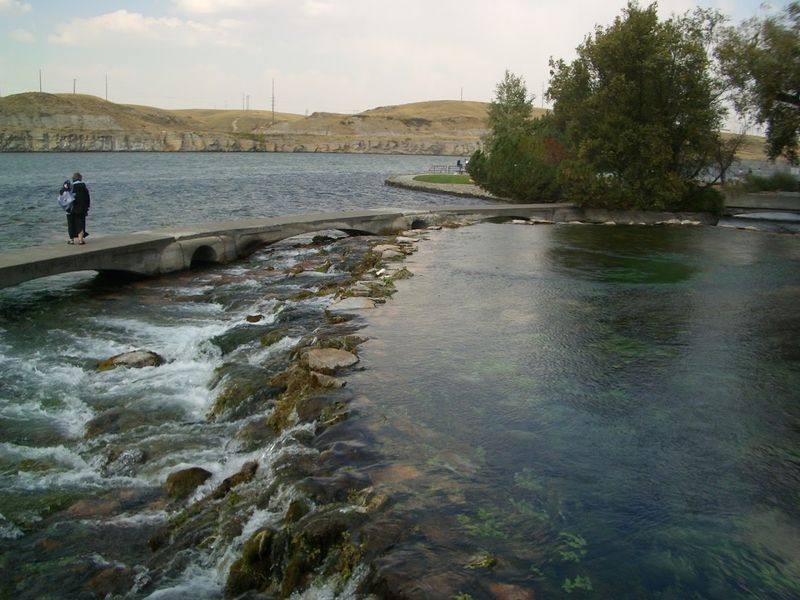
Watching the Roe River empty into the Missouri River feels like witnessing a David and Goliath meeting. The Missouri River, one of the longest rivers in North America, dwarfs its tiny tributary in every possible way.
I walked to the confluence point where these two waterways merge, and the size difference is almost comical. The Roe contributes its crystal-clear spring water to the much larger, sediment-laden Missouri, creating a brief visible mixing zone.
The Missouri River stretches 2,341 miles from Montana to Missouri where it joins the Mississippi River. Meanwhile, the Roe covers just 201 feet, yet both are officially classified as rivers by geographical standards.
This meeting point offers excellent photo opportunities, especially during golden hour when the sun illuminates both waterways. I met a couple from Ohio who had driven specifically to see this unique geographical feature.
The contrast reminds visitors that rivers come in all sizes, and each one plays an important role in the larger watershed ecosystem regardless of length.
Wildlife Watching Along The Banks
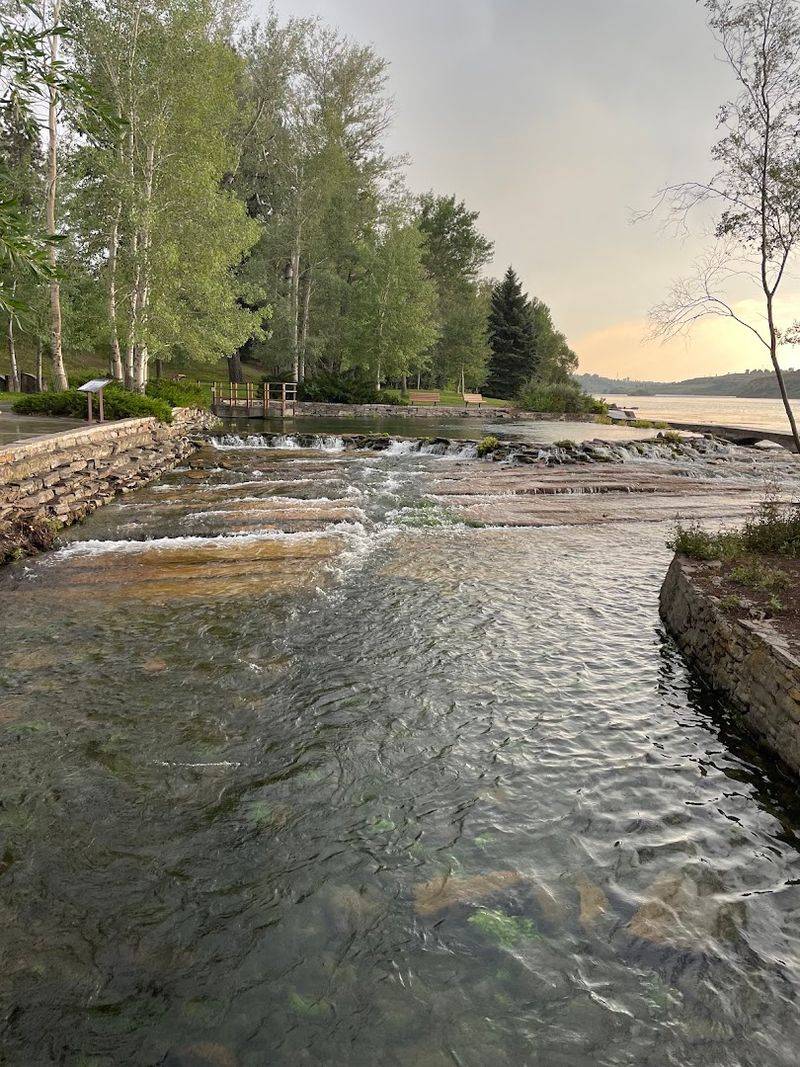
The clear water of the Roe River creates an exceptional wildlife viewing opportunity. I spotted several species of birds during my visit, including great blue herons that waded in the shallows hunting for small fish.
Trout swim through the river regularly, and because the water is so transparent, you can observe their behavior without disturbing them. I watched one rainbow trout hold steady in the current, occasionally darting forward to snatch invisible insects.
The surrounding vegetation attracts songbirds, waterfowl, and occasionally larger mammals like white-tailed deer that come to drink. Early morning and evening hours provide the best opportunities for animal sightings.
Photographers bring telephoto lenses to capture birds fishing in the crystal waters. The clarity allows for unique shots of fish underwater that would be impossible in murkier rivers.
I noticed several interpretive signs identifying common species found in the area. The park maintains the natural habitat carefully, ensuring that wildlife continues to thrive around this special ecosystem.
The Seasonal Beauty Throughout The Year
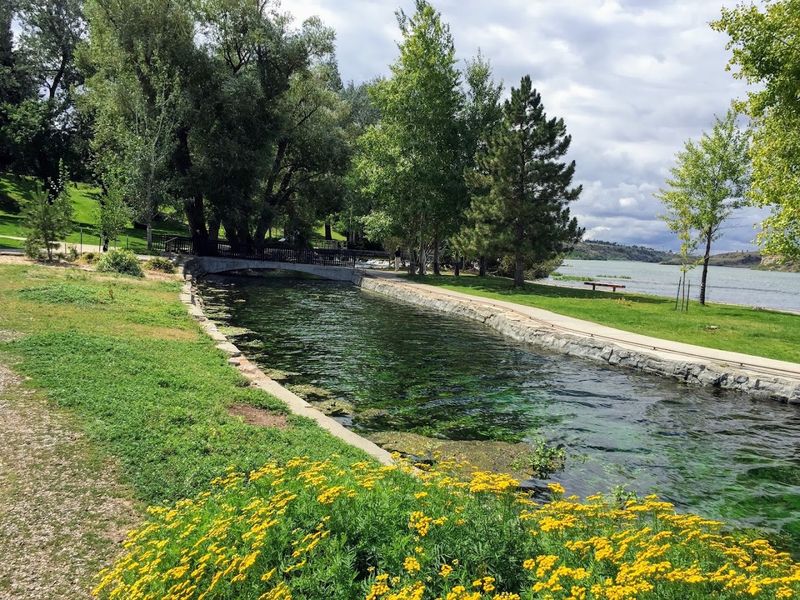
Each season brings different charm to the Roe River, though its clarity remains constant throughout the year. I visited during late spring when wildflowers bloomed along the banks and the grass glowed bright green from recent rains.
Summer draws the biggest crowds as families from Great Falls and tourists from places like Ohio make day trips to enjoy the park. The constant 54-degree water temperature means the river never gets warm enough for swimming, but it provides refreshing coolness on hot days.
Autumn transforms the cottonwood trees into golden canopies, and fallen leaves drift along the river’s surface like tiny boats. The contrast between yellow leaves and crystal water creates stunning photography opportunities.
Winter brings snow that outlines every branch and rock, turning the area into a quiet wonderland. The river keeps flowing because the spring water emerges at a consistent temperature that prevents freezing.
Local photographers have told me that each season offers unique lighting conditions, making return visits worthwhile for anyone who appreciates natural beauty.
The Debate Over Shortest River Status
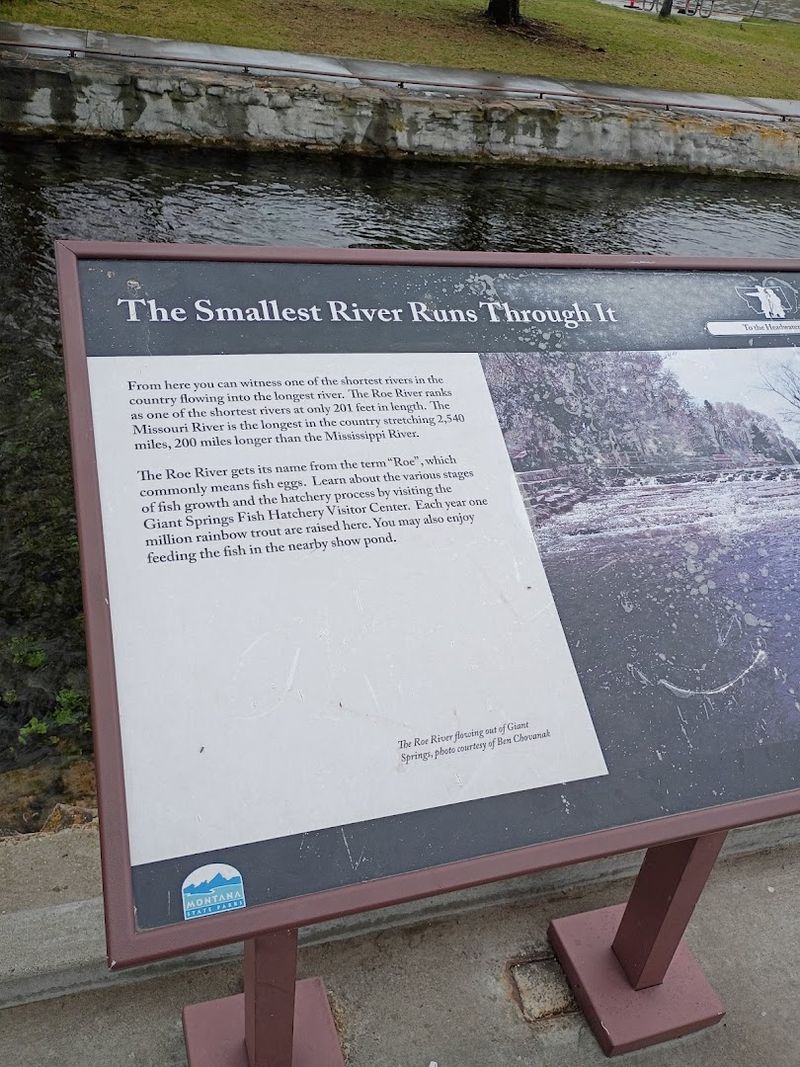
The Roe River’s claim to fame has sparked friendly geographical debates for decades. When I read the interpretive signs at the park, I learned about the ongoing discussion regarding which river truly deserves the title of world’s shortest.
The Guinness Book of World Records recognized the Roe River as the shortest in the 1980s after local schoolchildren campaigned for the designation. However, other contenders exist, including the D River in Oregon and the Ombla River in Croatia.
The debate centers on how we define a river versus a stream or channel. Some argue that the Roe River is merely a channel connecting the spring to the Missouri rather than a true river.
Regardless of official status, the Roe River maintains its charm and continues attracting curious visitors. I met people from Ohio, California, and even international tourists who wanted to see this geographical curiosity.
The controversy actually adds to the appeal, giving visitors something interesting to discuss and research. Park rangers seem to enjoy explaining the various perspectives on river classification.
Visiting Tips And Practical Information
Planning your visit to the Roe River requires minimal preparation, but a few tips will enhance your experience. The park is located at Montana 59405, just a few miles from downtown Great Falls, making it easily accessible for travelers.
Admission to Giant Springs State Park costs just a few dollars per vehicle, and the facilities are well-maintained with clean restrooms and ample parking. I recommend arriving early morning or late afternoon to avoid crowds and enjoy the best lighting for photography.
Wear comfortable walking shoes since the paved trails cover about a mile if you explore the entire area. The paths are flat and easy, suitable for all fitness levels and ages.
Bring a camera or smartphone because you’ll definitely want photos of the incredibly clear water. The Lewis and Clark Interpretive Center sits nearby, making it easy to combine both attractions in one visit.
Pack a picnic to enjoy at one of the many tables scattered throughout the park. Just remember that Ohio might have great parks too, but Montana’s natural wonders offer something truly unique.
The Science Behind The Clarity
Understanding why the Roe River maintains such remarkable clarity involves fascinating geology. The water originates from snowmelt and rain that fell on the Little Belt Mountains decades ago, slowly filtering through porous limestone rock.
This underground journey takes approximately 26 years according to scientific studies using isotope dating. During this time, the limestone acts as a natural filter, removing impurities and minerals that typically cloud water.
The spring emerges at a consistent temperature and flow rate, pumping out about 156 million gallons daily. This constant flow prevents stagnation and keeps the river perpetually fresh and clear.
I spoke with a park ranger who explained that the spring water contains very low levels of suspended sediment. Unlike rivers that pick up soil and debris as they flow across land, the Roe River travels such a short distance that it stays pristine.
The limestone filtration also gives the water a slight mineral taste that’s perfectly safe to drink, though park regulations prohibit it for conservation purposes.
Memories Worth The Journey
Reflecting on my visit to the Roe River, I understand why this tiny waterway captures hearts despite its modest size. Sometimes the most memorable destinations aren’t the biggest or most famous, but rather the ones that surprise us with unexpected beauty.
The river reminds me that nature creates wonders at every scale. Whether you’re standing beside the Grand Canyon or a 201-foot river in Montana, the experience of connecting with natural beauty remains powerful and meaningful.
I’ve recommended the Roe River to friends back in Ohio who are planning Montana trips. Every single person who has visited afterward has thanked me, often saying they initially questioned whether such a short river was worth the stop.
The combination of crystal-clear water, beautiful park setting, and quirky geographical significance creates an experience greater than the sum of its parts. It’s become one of those places I mention whenever someone asks about my favorite unexpected discoveries.
If your travels ever take you near Great Falls, Montana, don’t skip this little river. Some of the best memories come from the places we almost overlooked.