
This Cambridge, Massachusetts Studio Offers Hands-On Quilting Classes For Beginners
Learning to quilt can feel intimidating until someone shows you where to place the first stitch.
In Cambridge, one Massachusetts studio makes the process feel far more approachable with hands on classes designed for beginners who want to learn by actually making something.
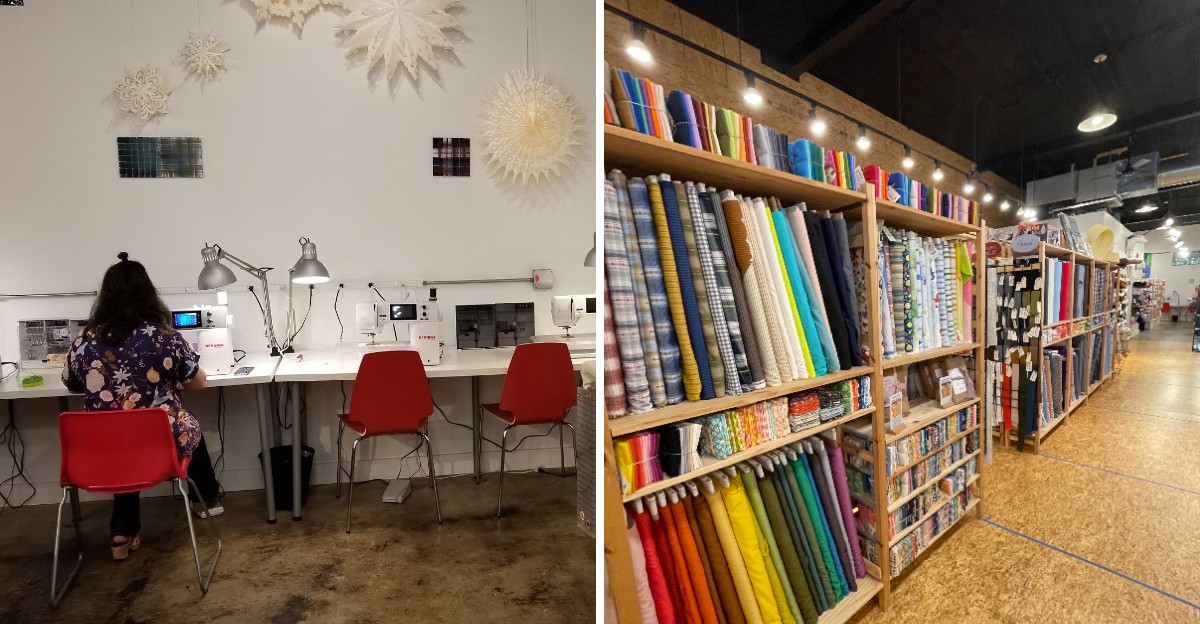
Instead of simply watching a demonstration, students get to work with fabric, tools, and sewing machines while an instructor guides them through the basics.
The focus is practical, which makes it easier to understand how cutting, piecing, pressing, and stitching all come together.
Massachusetts has a long tradition of textile arts, but this studio gives that craft a modern, welcoming setting. You do not need years of sewing experience or a cabinet full of supplies to get started.
A class here can turn a passing curiosity into a new hobby, and by the end, those first uneven stitches may already feel like the beginning of something worth continuing.
A Stitch Lounge With A Big Heart
Picture a craft shop that feels more like a living room than a store. That is the spirit behind gather here, a sewing studio and fiber shop that calls itself a stitch lounge.
It is a place built for making things and making friends.
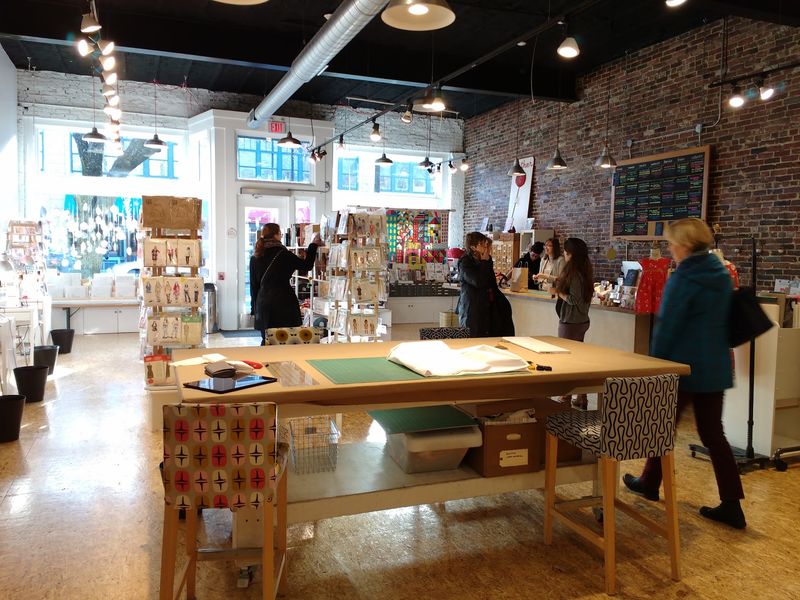
You will find it at 1343 Cambridge St in Cambridge, Massachusetts, right in the heart of Inman Square. The neighborhood is lively and easy to reach. Once inside, you will notice high ceilings and a colorful mix of yarn, fabric, and art.
The idea of a stitch lounge is simple but powerful. It is a spot where people can shop, learn, and sew side by side. Nobody has to craft alone at a kitchen table anymore.
The space covers about 4,000 square feet. More than a third of it is set aside for workshops and classes. That is a lot of room for learning, and it shows how much the studio values teaching.
Quilters, knitters, and embroidery fans all find a home here. The shop also joins local events like Cambridge Open Studios.
During the pandemic, it even supported the Boston Area Mask Initiative.
So before you sign up for a class, know this. You are joining more than a lesson. You are joining a creative community that loves to welcome new faces.
A Founder Inspired By Grandma And Travel
Some of the best ideas are sewn together from old memories. Owner and founder Virginia B.
Johnson learned to sew from her grandmother in Iowa. Those early lessons planted a seed that would grow for years.
Later, her travels led her to stitch lounges in other places. She loved how these spaces mixed shopping with hands-on making. They felt social, warm, and full of energy.
She decided Cambridge needed one too. On February 19, 2011, she opened gather here. The shop has been helping people stitch, knit, and create ever since.
That personal history shapes the whole experience. The studio is not just about selling fabric. It is about passing down skills, the same way a grandmother might at a kitchen table.
Think about what that means for a beginner. You are learning in a place designed by someone who remembers being new. Patience and encouragement are part of the plan.
Here is a fun thought to carry with you. Quilting has long been a craft shared across generations. Families swapped fabric scraps and stories while they worked.
When you take a class here, you become part of that long chain. Your first mini-quilt might not be perfect.
Still, it connects you to a tradition that stretches back through countless kitchens, including one in Iowa.
Quilting Basics Starts Small On Purpose
Nobody runs a marathon on their first day of jogging. The same smart thinking guides the Quilting Basics class at gather here.
Instead of a giant bed quilt, you make a mini-quilt, often a mug rug.
What is a mug rug, you ask? It is a small quilted mat that sits under your cup of cocoa or tea. Think of it as a coaster that went to art school.
The small size is the secret. You still learn every essential step of quilt-making. You just do it on a scale that fits into one class without stress.
You will practice patchwork, which means sewing fabric pieces together into a pattern. Then you layer your top with batting and a background fabric. Finally, you quilt the layers and finish the edges with binding.
Each step builds on the last. By the end, you understand how a real quilt comes together. That knowledge carries over to bigger projects later.
There is another perk to starting small. You get to finish something fast and feel proud of it. That quick win keeps beginners excited to come back for more.
Plus, a mug rug makes a charming gift. Friends and family will be impressed, and you will have proof that you can really quilt.
What You Should Know Before Signing Up
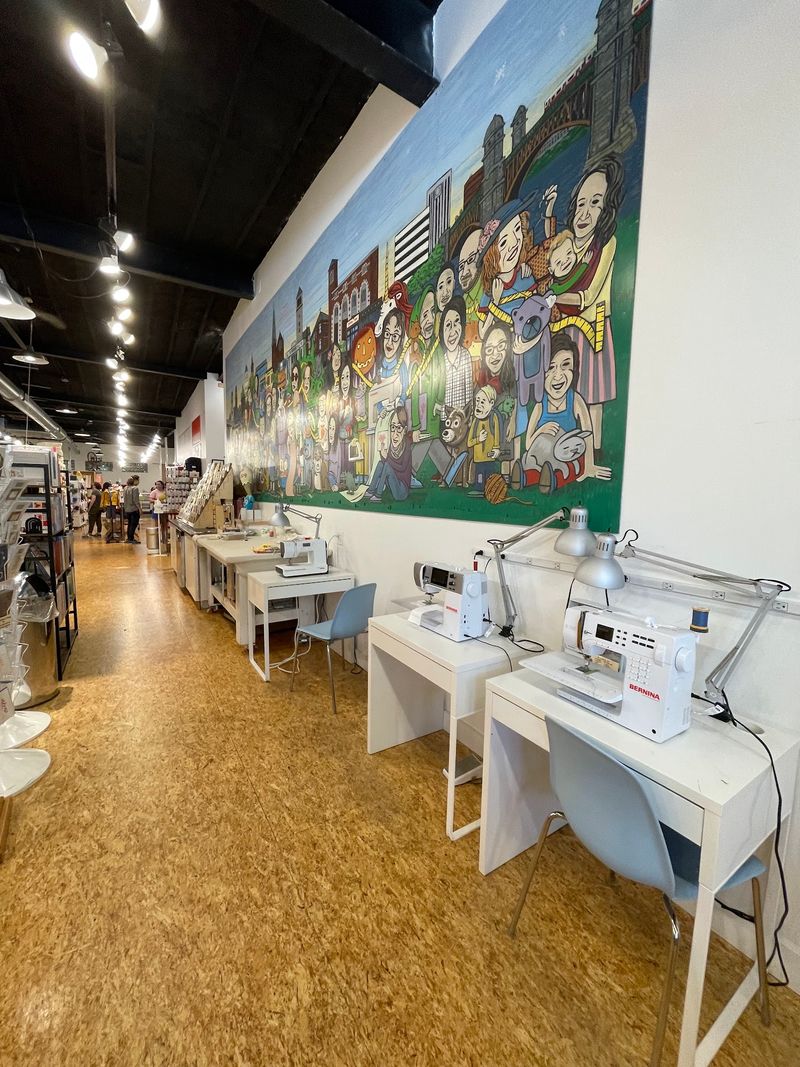
Quick question: can you thread a sewing machine? If the answer is yes, you are probably ready for Quilting Basics.
The class asks for a little sewing experience before you start.
You do not need to be an expert. The studio simply wants you to feel comfortable threading a machine.
You should also be able to stitch lines that are fairly straight. Why does this matter? Quilting involves lots of careful seams.
If you already know the machine basics, you can focus on learning quilting skills instead of fighting with thread.
If you are brand new to sewing, do not worry. The studio offers a range of other classes. Building a little machine confidence first will make your quilting class even more fun.
Here are a few easy ways to prepare at home: Practice sewing straight lines on scrap fabric. Try following the edge of your presser foot as a guide. Get used to starting and stopping without rushing.
Also, check the class schedule online and sign up early. Spots can fill up quickly. If a class is full, the shop has a waitlist, and openings do pop up sometimes.
A little prep goes a long way. Show up ready, and you will spend your time creating instead of catching up.
Every Supply Is Waiting For You
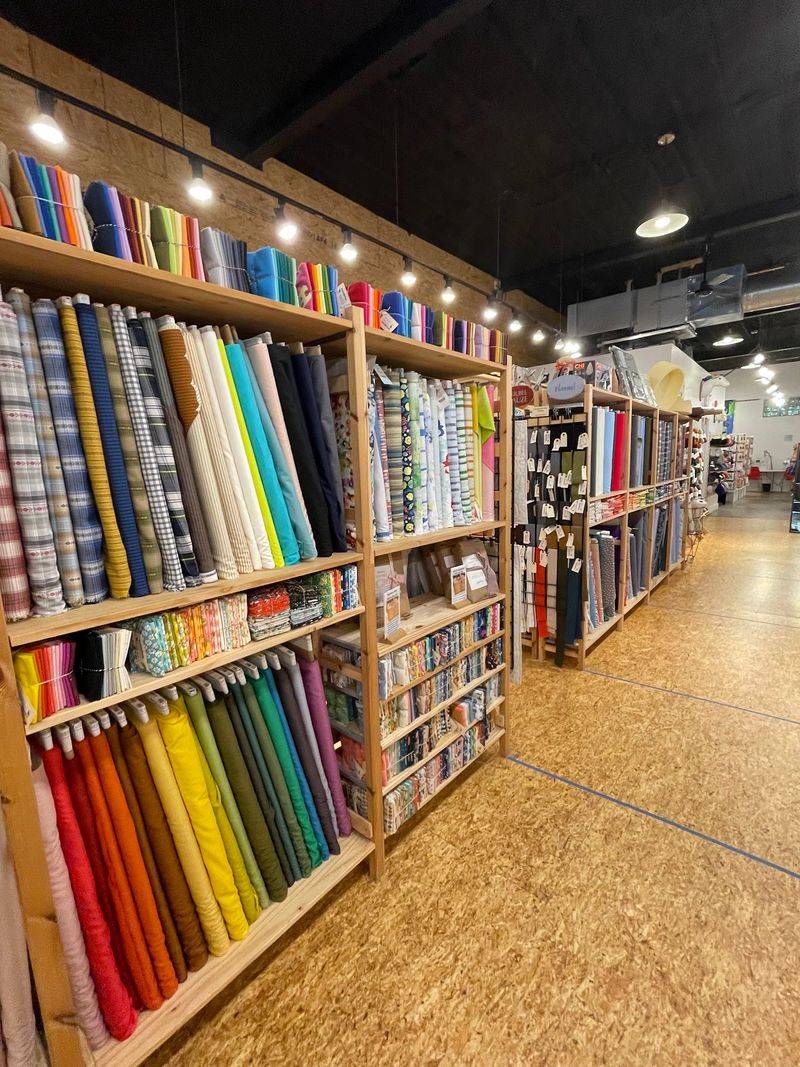
Forget hauling a heavy bag of fabric across town. For Quilting Basics, gather here provides all the materials you need.
You can arrive with empty hands and a curious mind.
The studio offers a wide array of cotton fabrics to choose from. Picking colors is often the most exciting part. You also get batting, background fabric, and binding for your mini-quilt.
Sewing machines are part of the deal too. That is great news if you do not own one yet. It is also handy if your own machine is too bulky to carry.
Having supplies ready saves time and money. Beginners often buy the wrong items when shopping alone. Here, everything is chosen to match the project.
Of course, you may fall in love with the shop itself. The fabric selection includes cotton, canvas, denim, flannel, and linen.
There are also sustainable options made from organic and recycled fibers.
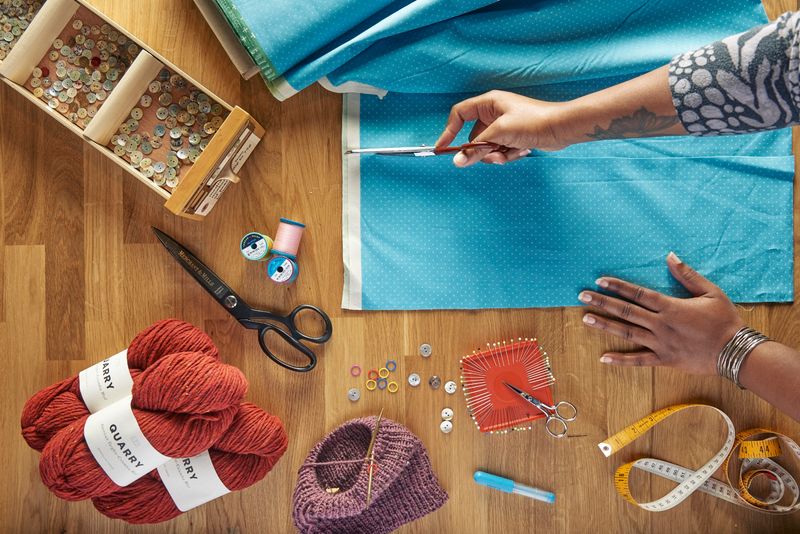
Beyond fabric, the shelves hold yarn, notions, patterns, kits, and books. Browsing after class can spark ideas for your next quilt.
Just be warned that the rainbow wall of fabric is very tempting.
Tip: snap a photo of fabrics you like during class. It makes shopping for future projects much easier. Your future self will thank you.
Tiny Classes Mean Big Attention
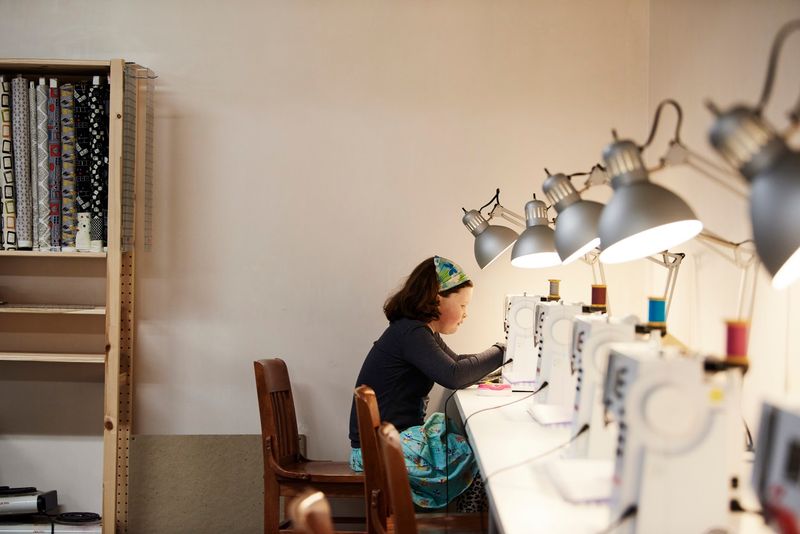
Big lecture halls are great for some things, but not for quilting. At gather here, beginner quilting classes have a maximum of five students.
That keeps the room calm and personal.
A small group means the teacher can actually see your work. If your seam wanders off course, help is right there. You will not have to wave your hand for ten minutes.
Classes need at least two students to run. So bringing a friend is a clever move. You both get to learn, and you help make sure the session happens.
There is something special about crafting in a tiny group. People chat, trade tips, and cheer each other on. Mistakes feel less scary when everyone is learning together.
Asking questions also feels easier. In a class of five, shy students often find their voice. No question is too small when the room is this friendly.
The staff is known for being kind and knowledgeable. They are happy to explain a step twice or show a new trick. That patient style fits beginners perfectly.
Think of it like a cooking lesson in a home kitchen. Everyone gets hands-on time, and nobody gets lost in the crowd.
You leave with a finished project and maybe a new crafty buddy.
Room To Grow With Bernina Machines And A Longarm
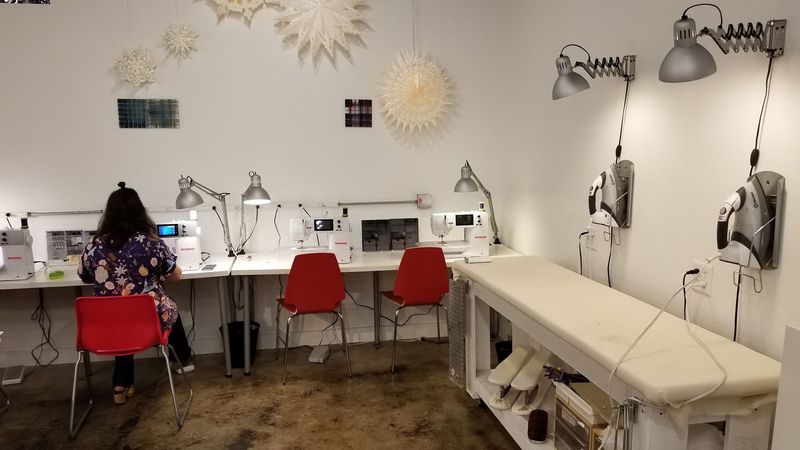
Your first mug rug is only the beginning. Once the quilting bug bites, gather here has plenty of next steps. Classes range from advanced beginner to intermediate levels.
The studio is stocked with Bernina sewing machines for students. Sergers are available too, which help finish edges neatly. Learning on quality tools makes each project smoother.
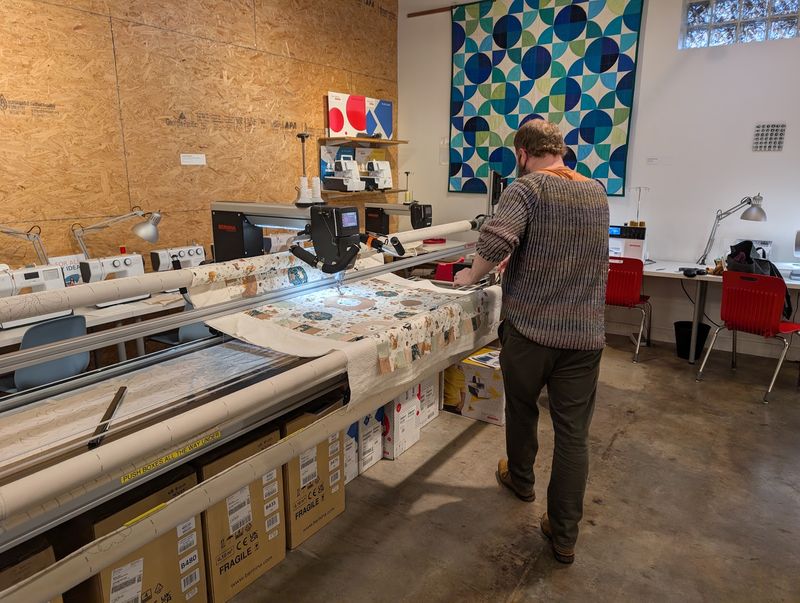
Then there is the star of the workshop area. The shop boasts a Bernina Q 24 longarm machine. It is a large machine that quilts big projects much faster than a regular one.
Longarm quilting might sound fancy, but you can learn it here. The studio offers instruction on how to use the machine. That opens the door to finishing full-size quilts with ease.
Fun fact: longarm machines move over the fabric while the quilt stays stretched on a frame. It feels a little like drawing with thread. Many quilters find it wonderfully relaxing.
Need help with your own machine? The shop also offers in-house sewing machine service and repair.
That is handy when your trusty machine starts acting grumpy.
Having these tools in one place is a gift for growing quilters. You can move from small squares to big dreams without switching studios. It is a clear path from beginner to confident maker.
Easy Access And Handy Hours For Busy Makers
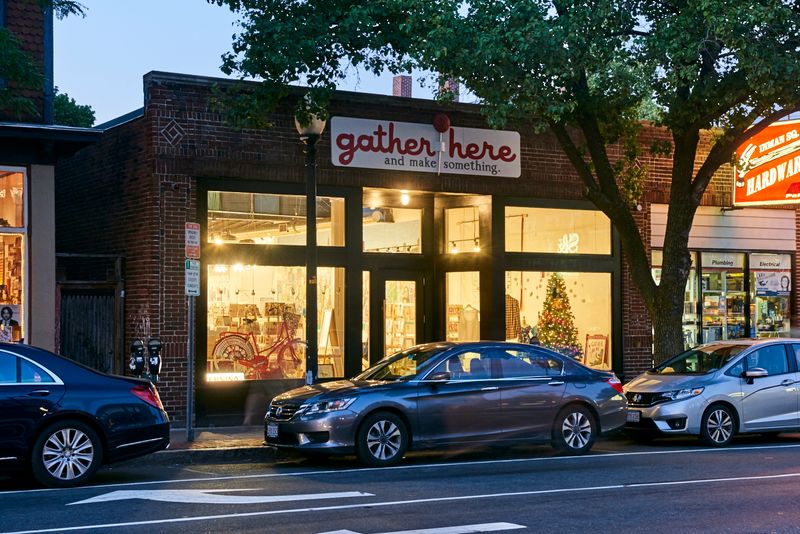
Good news for night owls and weekend crafters alike. The shop keeps friendly hours that fit many schedules.
Monday through Thursday, it is open from 12 PM to 8:30 PM. Friday through Sunday, the doors open at 11 AM and close at 6 PM. Evening hours on weekdays are great if you work or go to school.
Weekends offer relaxed daytime options.
Accessibility is a real priority here. There is an automatic door opener at the entrance. The restrooms are ADA-compliant as well.
Here is a thoughtful touch many people never expect. All the sewing machines can run without a foot pedal. That helps more people join in the fun of quilting.
The studio has also worked on new ways to support communication in classes. It shared plans to use the translation platform Wordly. It also has an instructor certified in ASL interpretation.
Planning ahead is smart. Check the website for class dates. Some sessions fill fast, so early sign-ups help.
Once you are set, head to Inman Square and enjoy the neighborhood energy. Cambridge, Massachusetts has plenty of charm, and this studio adds a colorful thread to it. Your first quilt is closer than you think.