
This Charming Fairy Forest In Tennessee Is Straight Out Of A Storybook
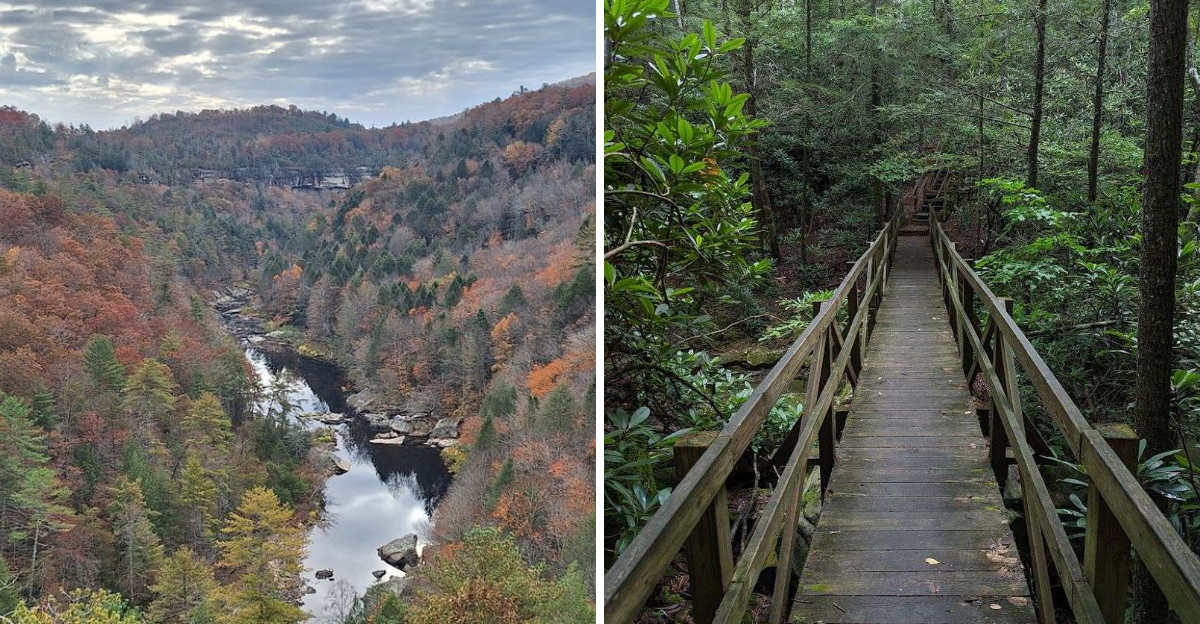
Moss-covered rocks, winding trails, and towering trees create a setting that feels lifted straight out of a fairy tale. In Tennessee, one remarkable forest offers that kind of magic the moment you step onto the path.
Sunlight filters softly through the canopy while quiet streams weave through the landscape, giving the entire area a calm, almost storybook atmosphere. Hikers move slowly here, pausing to admire the cliffs, listen to the water, and take in scenery that feels wonderfully untouched.
Every turn reveals something new, making this Tennessee woodland adventure feel less like an ordinary hike and more like stepping into a world of imagination.
The Wild And Scenic Designation
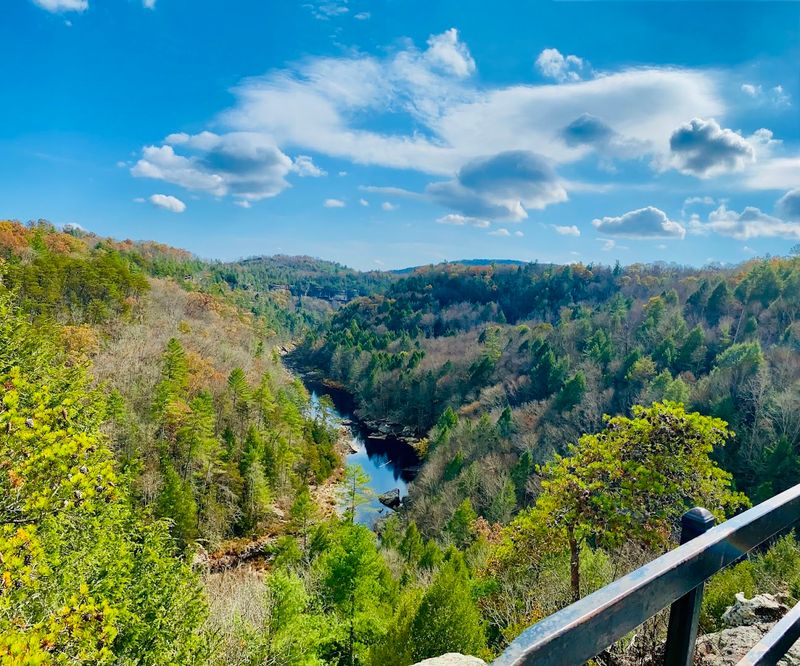
Not every river earns a federal designation, and the Obed did not get its Wild and Scenic status by accident. Congress granted this protection in 1976, recognizing that the Obed River and its tributaries, including Clear Creek and Daddys Creek, represented something rare and worth preserving for future generations.
The Wild and Scenic Rivers Act of 1968 was designed to protect rivers with outstanding natural, cultural, or recreational value. The Obed qualified on nearly every count.
Its gorges cut nearly 500 feet into the Cumberland Plateau, creating dramatic landscapes that feel ancient and undisturbed.
Managed by the National Park Service, the Obed Wild and Scenic River is headquartered in Wartburg, Tennessee, just a short drive from Lancing. Visiting here means stepping into a landscape that has been deliberately shielded from commercial development, which makes the experience feel remarkably raw.
The forests are dense, the cliffs are bold, and the river moves with a quiet authority that reminds you exactly why this place was worth protecting in the first place.
Sandstone Cliffs That Look Painted By Hand
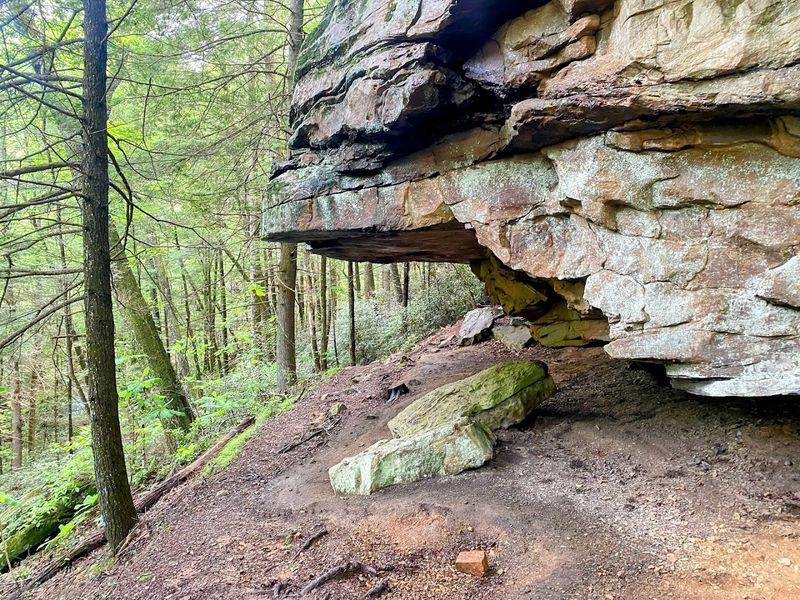
Stand at the edge of any overlook along the Obed and the first thing that stops you is the color of the stone. The sandstone cliffs glow in shades of amber, rust, and cream depending on the time of day, and their surfaces are streaked with mineral patterns that look almost deliberate, like the work of a careful artist rather than millions of years of erosion.
These cliffs rise dramatically above the river corridor, in some places reaching heights that make the water below look like a thin ribbon of glass. Moss and ferns anchor themselves into every available crack, adding deep green contrast against the warm rock tones.
The overall effect is one of layered, textured beauty that photographs cannot fully capture.
For rock climbers, these cliffs are the main attraction. The Obed has earned a strong reputation in the climbing community for its challenging routes and relatively uncrowded conditions.
Routes range from beginner-friendly to seriously technical, spread across multiple crags along the river. Even for those with no interest in climbing, simply watching someone scale those ancient walls against a backdrop of forest and sky is a memorable experience.
Hiking Trails That Reward Every Step
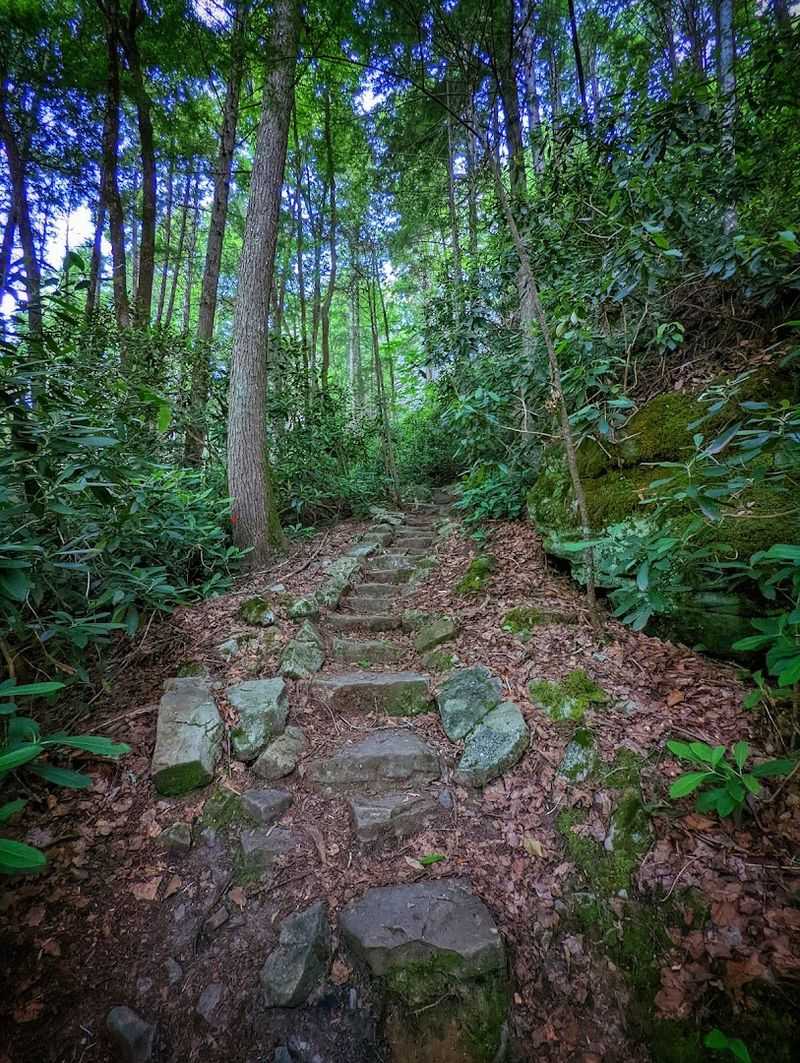
Hiking at the Obed is less about conquering distance and more about absorbing detail. The trails here move through a variety of terrain, from exposed ridgelines with sweeping views to narrow paths that hug the edge of the gorge, where the sound of the river rises up from far below and the air smells of damp earth and cedar.
One of the most accessible routes leads to an overlook in just 0.3 miles, making it a realistic option even for families with younger children. The payoff at the end is a broad view of the river corridor that earns its reputation without demanding much in return.
Longer routes extend deeper into the backcountry for those who want more solitude and challenge.
The trail system connects to several key points along the river, including Lily Bridge near Lancing, TN 37770, which serves as a popular gathering point for outdoor enthusiasts. Seasonal changes transform the experience considerably.
Spring brings wildflowers and rushing water, summer offers deep green shade, autumn fills the gorge with color, and winter strips the trees back to reveal the full architectural drama of the cliffs and canyon walls.
Rock Climbing Culture Along The River Corridor
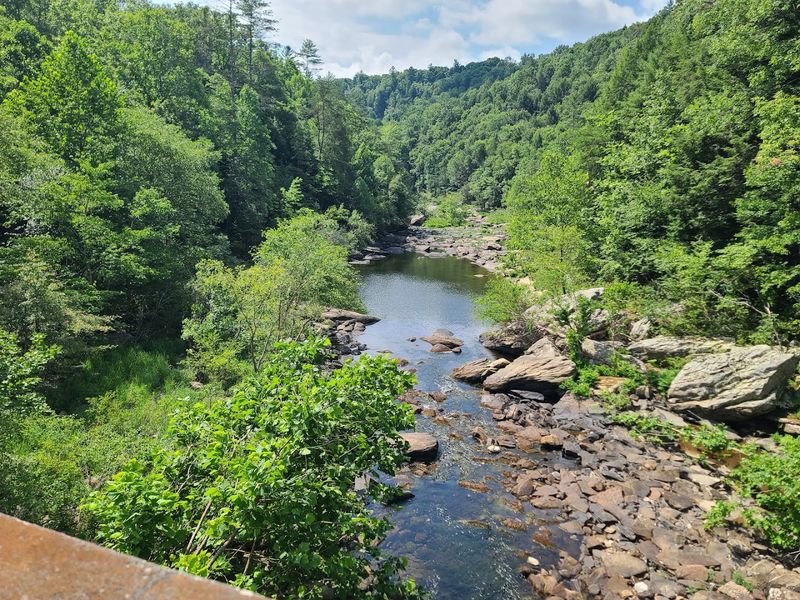
The climbing community discovered the Obed decades ago, and the relationship between the two has only grown stronger over time. The river corridor offers dozens of established routes across multiple crags, drawing climbers from across the Southeast and beyond who come specifically for the quality of the stone and the atmosphere of the place.
What makes climbing at the Obed different from more commercial destinations is the sense of space. You are unlikely to wait long for a route, and the surrounding forest creates a backdrop that feels genuinely removed from everyday life.
The sandstone here is grippy and textured, with features that reward both power climbers and those who prefer more technical, precise movement.
Local climbers have invested significant effort in maintaining the crags and building a culture of stewardship around the resource. Organizations like the Tennessee Bouldering Authority have contributed to trail maintenance and access preservation.
For first-time visitors, arriving with a guidebook or connecting with local climbers through online forums is the best way to orient yourself. The Obed rewards those who take time to understand its layout, and the climbing community around Lancing is generally welcoming to respectful newcomers.
Canoeing And Kayaking Through The Gorge
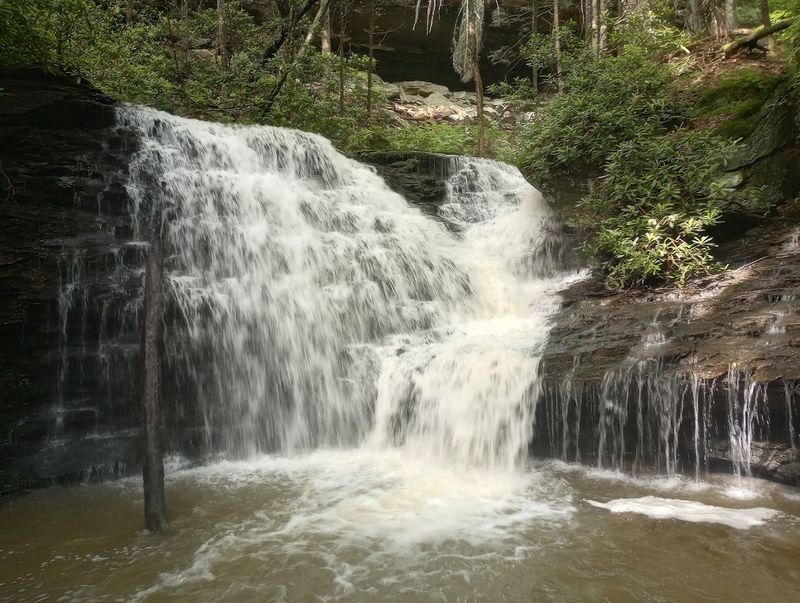
Paddling the Obed is an experience that belongs in a different category from most river trips. The gorge walls rise on either side as you move downstream, and the feeling of being enclosed by ancient stone while floating through clear water is something that stays with you long after the trip ends.
The river offers a range of conditions depending on the season and recent rainfall. Higher water levels in late winter and spring create faster, more technical runs that attract experienced whitewater paddlers.
Summer levels drop considerably, making some sections more suitable for casual floating and swimming. Checking current water levels before any paddle trip is strongly recommended, as conditions can shift quickly.
Put-in and take-out points are scattered along the river corridor, and planning a route in advance makes the logistics much smoother. The stretch near Lancing is among the more accessible entry points, particularly for those visiting for the first time.
Canoes and kayaks can be rented from local outfitters in the area. Paddling through the gorge at a slow pace, watching the cliff walls scroll by overhead, is one of the most peaceful ways to spend a day in this part of Tennessee.
Swimming Holes And River Relaxation
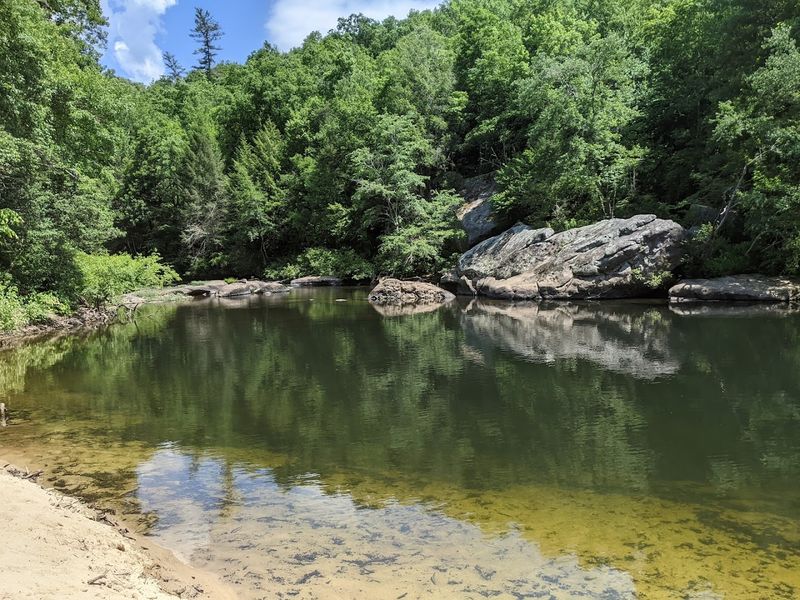
On a warm summer afternoon, the Obed River becomes a gathering place for locals and visitors alike who come simply to cool off and enjoy the water. The river forms natural swimming holes at various points along its course, where the water slows and deepens, creating calm pools ideal for a relaxed afternoon.
The water clarity here is genuinely impressive for a river of this size. On calm days you can see the rocky bottom clearly, and the temperature stays refreshing even in midsummer.
Families spread out on flat rocks along the banks, children wade in the shallows, and the general atmosphere is one of unhurried contentment that feels increasingly rare in modern life.
A practical note for swimmers: leeches have been reported in some sections of the river, so checking yourself after a swim is a sensible precaution rather than a reason to avoid the water entirely. Wearing water shoes also helps when navigating the rocky riverbed.
The swimming near Lily Bridge and other access points close to Lancing remains popular through the summer months, and the surrounding scenery turns an ordinary swim into something that feels decidedly more memorable than the average afternoon at a public pool.
Stargazing In One Of Tennessee’s Quieter Corners
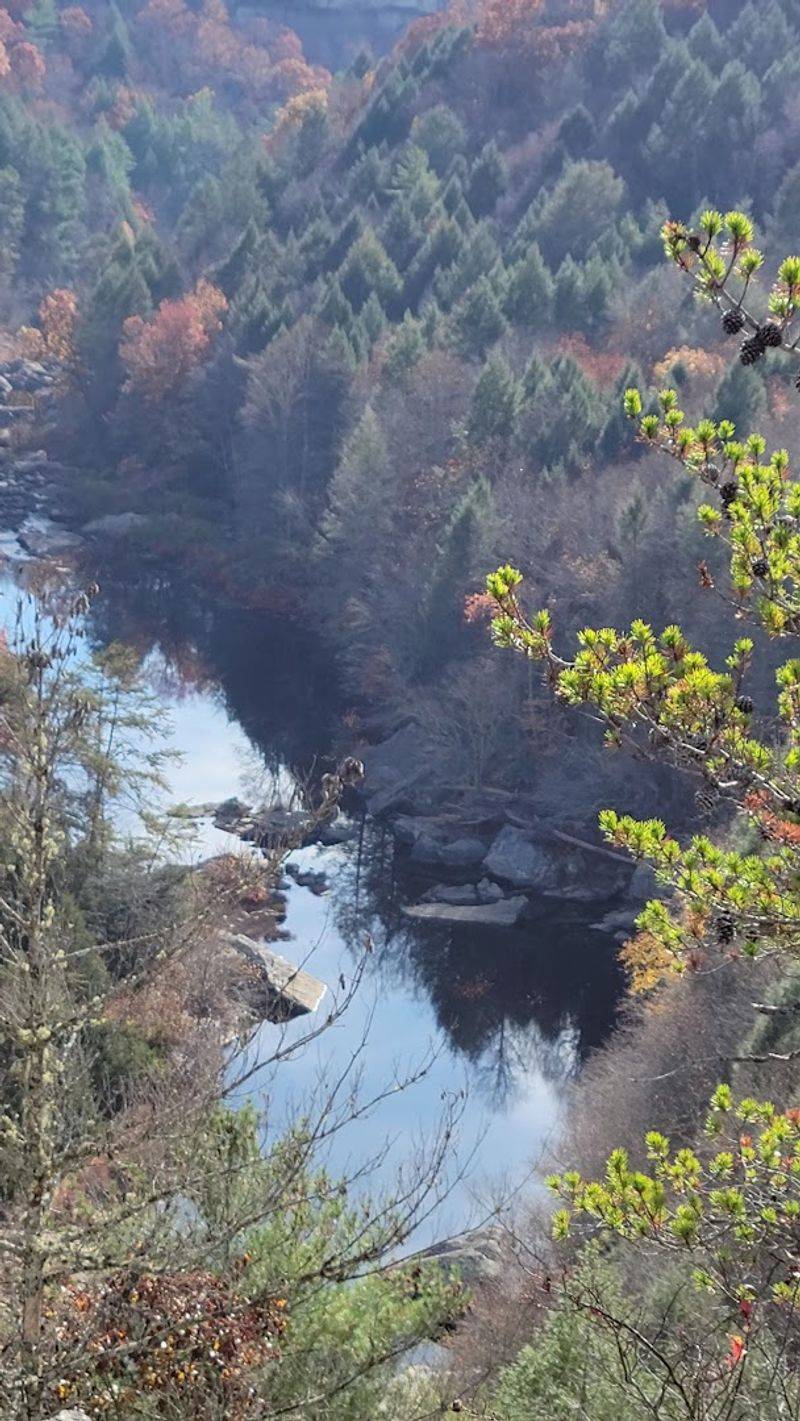
Light pollution is one of those things you do not fully appreciate until you find yourself somewhere genuinely dark. The area around the Obed Wild and Scenic River near Lancing qualifies as one of those places, far enough from major population centers that the night sky reveals itself in full on clear evenings.
Campers who stay overnight along the river corridor frequently mention the stargazing as one of the unexpected highlights of their visit. The Milky Way becomes visible on moonless nights, and the silence of the gorge amplifies the experience in a way that is difficult to describe but easy to feel.
There is something grounding about standing in a dark forest, listening to the river, and watching the stars overhead.
The best stargazing spots tend to be the open overlooks and flat rock outcroppings above the river, where the tree canopy does not obstruct the view. Bringing a red-light headlamp rather than a standard white flashlight helps preserve your night vision and makes the experience considerably better.
A basic star chart or a free astronomy app on your phone can add context to what you are seeing, turning a beautiful view into an actual learning experience for visitors of all ages.
Camping Beneath The Forest Canopy
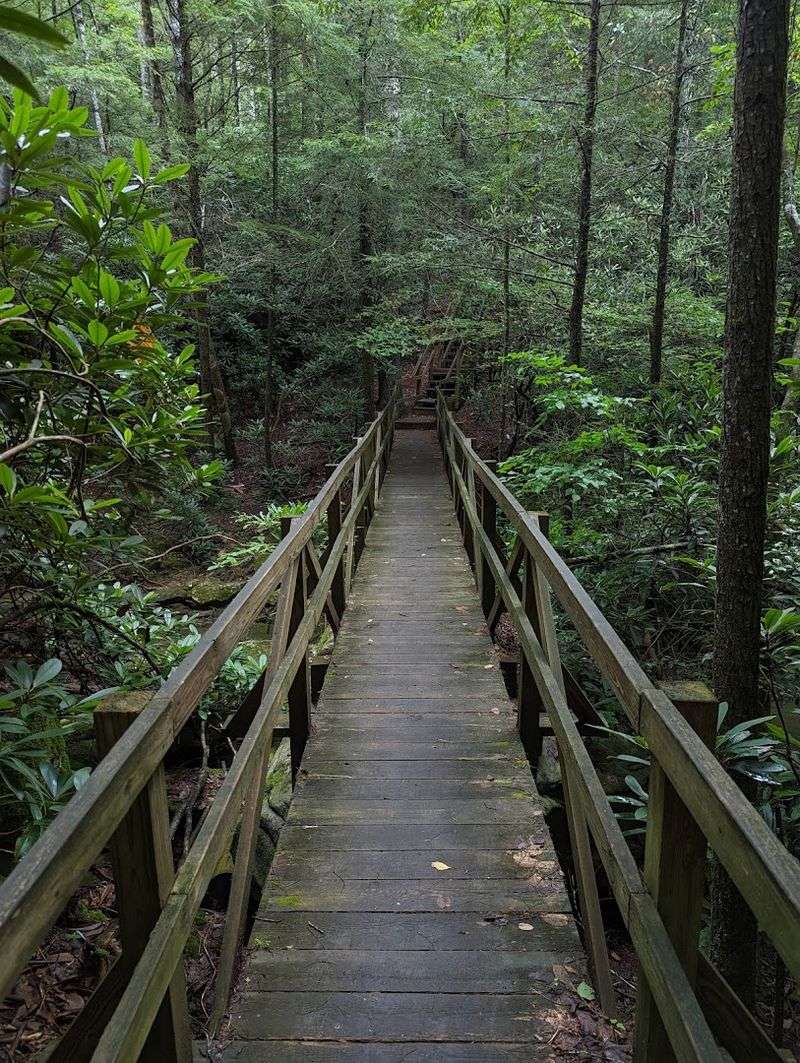
Spending the night at the Obed changes your relationship with the place considerably. What reads as a beautiful day trip by daylight becomes something altogether different after the sun drops behind the ridge and the forest settles into its evening sounds.
Owls, frogs, and the constant murmur of the river create an ambient soundtrack that most people rarely hear anymore.
Camping options in the Obed area range from primitive backcountry sites along the river to more developed campgrounds nearby. The National Park Service manages access to the river corridor, and checking their official website at nps.gov/obed is the most reliable way to get current information on camping permits and site availability.
Conditions and regulations do change seasonally.
Packing thoughtfully makes a significant difference here. The terrain is uneven, the weather can shift unexpectedly, and the remoteness of some sites means that self-sufficiency matters more than it would at a managed campground with amenities.
That said, the reward for a well-prepared overnight stay is substantial. Waking up to mist rising off the river, with the cliffs turning gold in the early light, is the kind of morning that resets your sense of what matters and what does not.
Wildlife And The Forest Ecosystem
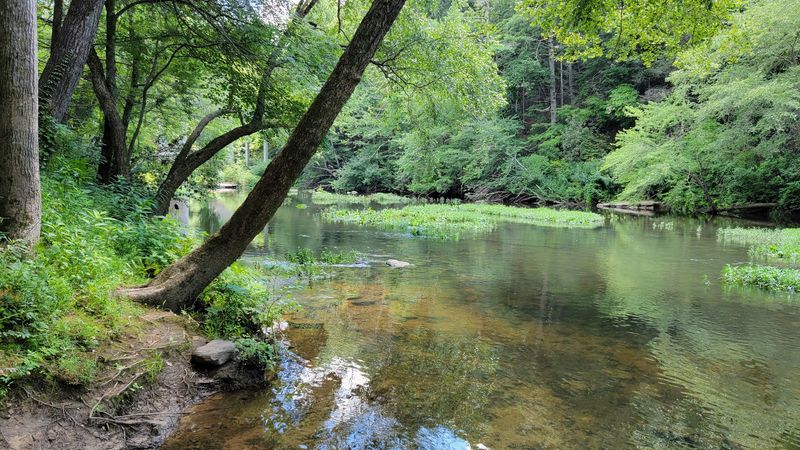
The gorge environment created by the Obed River supports a surprisingly diverse range of wildlife. White-tailed deer are common sights along the forest edges, particularly in the early morning and late afternoon hours when they move toward the water.
Wild turkey, red-tailed hawks, and great blue herons are regular inhabitants of the corridor as well.
The river itself supports a healthy population of native fish species, including smallmouth bass and various sunfish, making it a quiet destination for anglers who prefer solitude over crowded fishing access. The forest canopy above is dominated by oak, hickory, and Virginia pine, creating a layered habitat that supports songbirds throughout the spring migration season.
Reptiles are also present, including several snake species, so watching where you step on rocky terrain is reasonable advice rather than excessive caution. The ecological health of the Obed corridor is directly tied to its protected status.
Because commercial development has been kept out of the immediate river area, the wildlife populations here reflect what much of the Cumberland Plateau once looked like across a much wider range. Visiting with that context in mind adds a layer of appreciation to every animal sighting and every quiet moment along the trail.
Planning Your Visit To Obed Wild And Scenic River
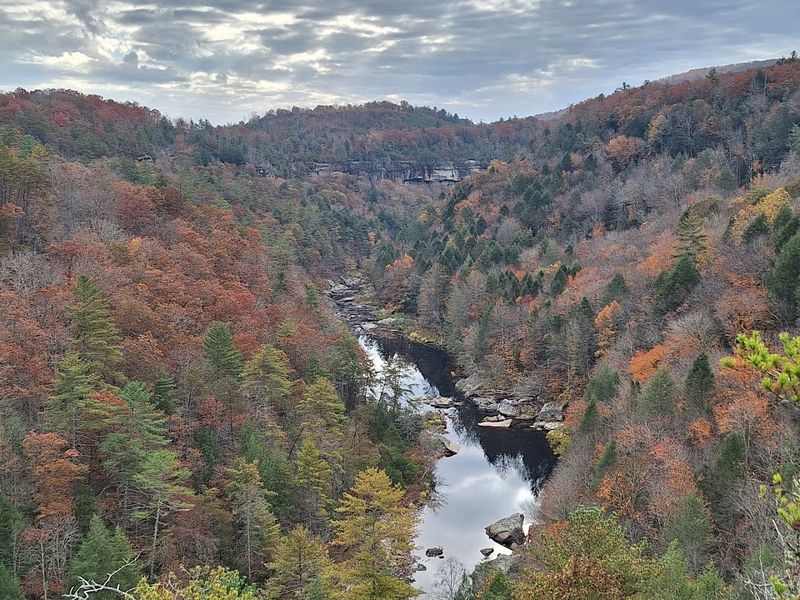
Getting the most out of a visit to the Obed starts with a bit of preparation. The visitor center is located in Wartburg, Tennessee, roughly 10 miles from Lancing, TN 37770, and serves as the primary information hub for the river corridor.
Hours can vary by season, and as at least one visitor has noted, arriving to find it closed is a real possibility, so calling ahead or checking the National Park Service website before your trip is genuinely worthwhile.
Spring and fall are widely considered the best seasons to visit. Spring brings higher water levels for paddling and a burst of wildflowers along the trails.
Fall transforms the forest into a slow-burning display of color that peaks in mid to late October. Summer is popular for swimming and camping but can be hot and humid.
Winter visits are quieter and offer the clearest views of the gorge structure through the bare trees.
Cell service in parts of the Obed corridor is limited, so downloading offline maps before you arrive is a practical step. Wearing sturdy footwear, carrying sufficient water, and packing out all trash are the basic courtesies that keep this remarkable place intact for the next visitor.
The Obed rewards preparation with an experience that feels genuinely wild, which is increasingly rare and worth seeking out.