
This Charming Maryland Harbor Town Might Just Be The Most Beautiful Spot On The East Coast
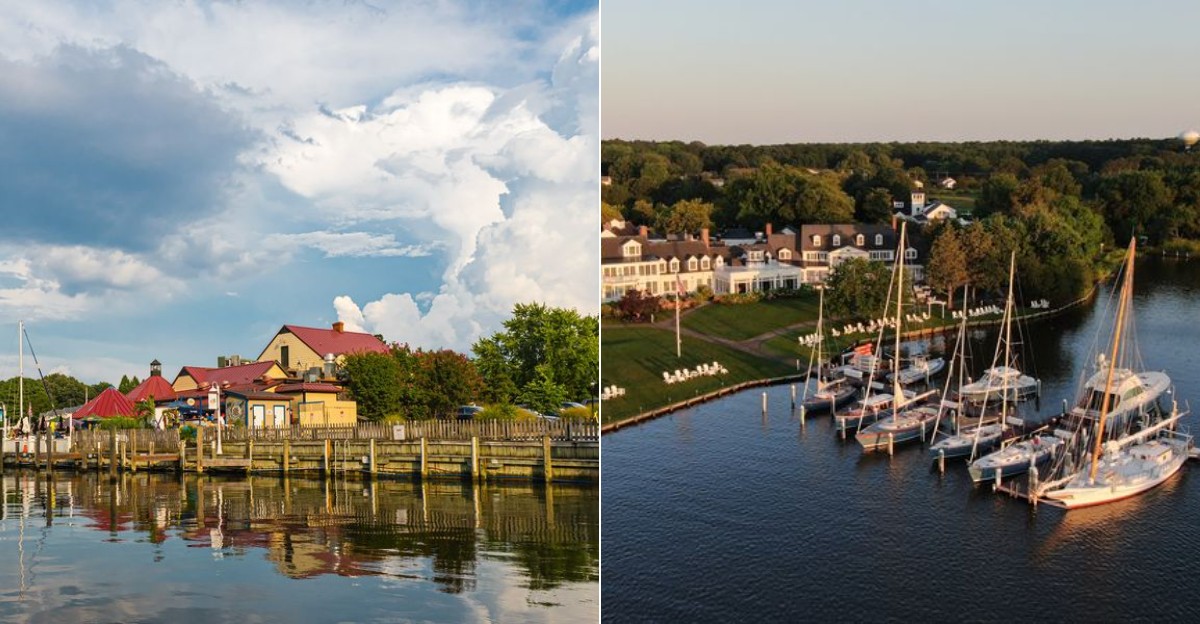
Some East Coast escapes shout for attention with neon signs and boardwalk rides. Maryland offers something softer.
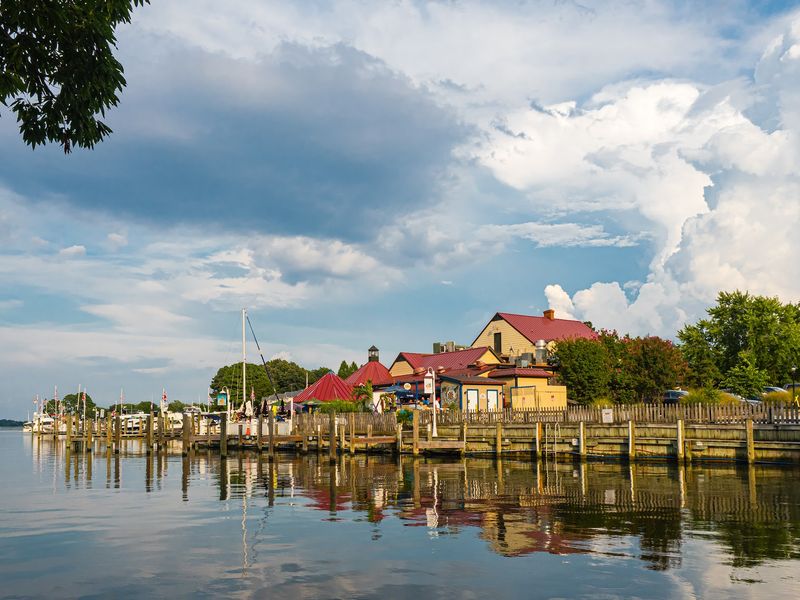
Out on the Eastern Shore, past fields of corn and long bridges over shining water, sits a harbor town that looks like a painting somebody left out in the sun. Sailboats nod in the marina.
Red brick sidewalks pass white picket fences and Victorian porches wrapped in flowers. Crab shacks perfume the air, and the sound of a boat horn counts as rush hour traffic.
Best of all, everything sits within an easy walk, so the car stays parked while you wander. Families love it.
Couples love it more. Photographers barely put their cameras down.
Add in friendly locals, gardens that seem to compete for attention, and sunsets that turn the masts gold, and it is easy to see why people call this the prettiest stop on the coast.
Harbor Views Worth The Drive
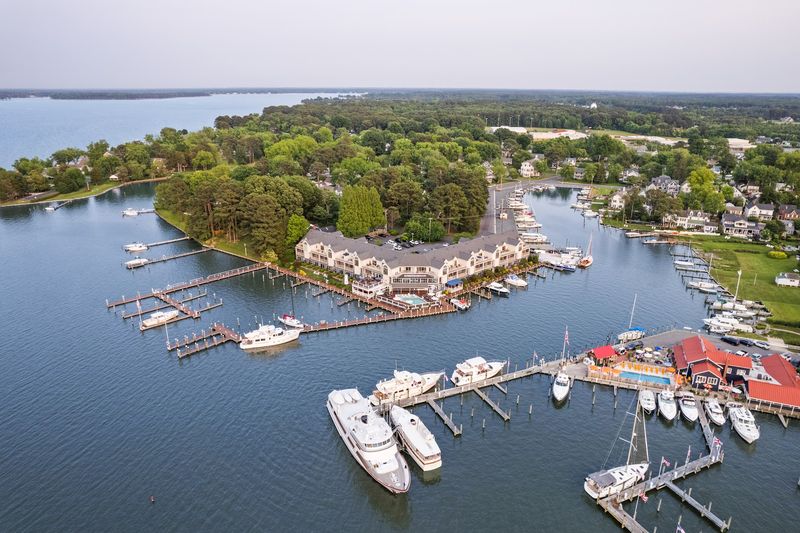
Red brick sidewalks curve past Victorian porches, and sailboats drift by like they have nowhere to be. Welcome to St. Michaels, a harbor town on Maryland’s Eastern Shore that many visitors call the prettiest stop on the whole coast.
Founded in 1672, the town grew up around a church parish and a busy trading post. Tobacco farmers and trappers once bargained here.
Today the deals happen in bakeries and boutiques instead.
The setting does most of the work. The Miles River wraps around the edges of town before spilling into the Chesapeake Bay.
Water shows up at the end of nearly every street.
Walking is the easiest way to see it all. Distances are short, the streets are flat, and flower boxes spill over railings thanks to local gardening volunteers.
Have you ever visited a town where you could park once and forget your car for two days?
Mornings feel quiet, with joggers and coffee cups on the waterfront. Afternoons pick up as boats return to the harbor.
Evenings glow gold over the masts.
Come in spring for blooms, summer for boat races, or autumn for crisp air and smaller crowds. Any season works, but plan ahead since small-town Maryland fills up fast on weekends.
Bring comfortable shoes, a camera, and a slow attitude. Nothing here rewards rushing.
Locals are quick to point you toward their favorite bench.
Climb A Lighthouse, Watch Boatbuilders
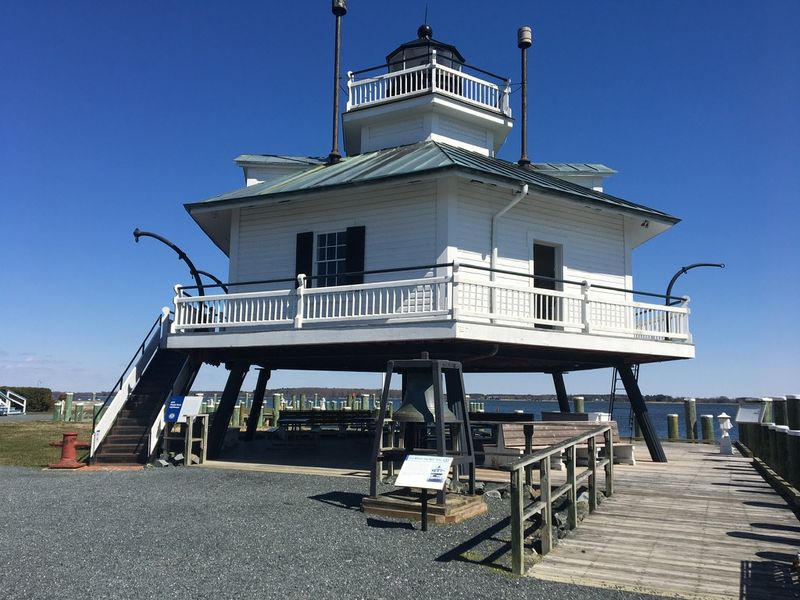
Eighteen acres of waterfront history sit right on the harbor, and the star of the show has a spiral staircase. The 1879 Hooper Strait Lighthouse once guided boats through tricky channels.
Now visitors climb it for a wide view over the water.
Inside the campus, exhibitions tell the story of the Chesapeake Bay through artifacts, paintings, and dozens of historic boats. Some vessels float.
Others rest in cradles while shipwrights repair them.
The working boatyard might be the best part. Real craftspeople shape planks, bend wood, and hammer fastenings using methods passed down for generations.
Would you rather watch a boat being built or ride in one?
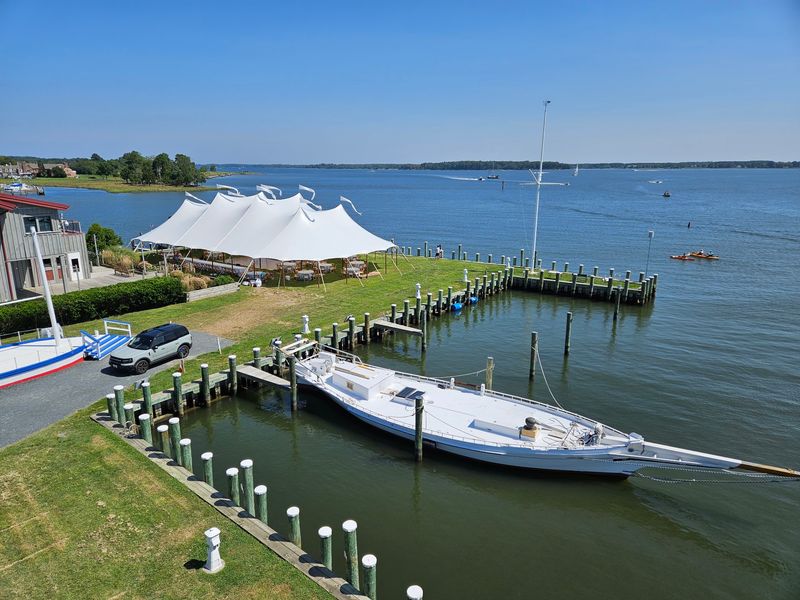
You can do both. The 1920 buyboat Winnie Estelle offers scenic cruises along the Miles River during the warmer months.
Sitting on deck as the town shrinks behind you is a memory that sticks.
Kids get plenty of hands-on space, including boat-building activities and crab-themed exhibits. Adults tend to linger over the decoy collection and old photographs.
Plan two or three hours minimum. Tickets are often good for two days, which helps if the weather turns.
Check current hours and cruise schedules before your trip, since seasons change the lineup.
Few places in Maryland connect a town to its water so clearly. Here, history is not behind glass.
It smells like sawdust and salt. Bring sunscreen, because shade near the docks is limited.
The Trick That Fooled Cannons
Here is a trick worth remembering. In 1813, with British ships aiming cannons toward the harbor, residents hung lanterns high in the trees and darkened their homes.
The gunners aimed at the lights and shot straight over the rooftops.
The nickname stuck: the town that fooled the British. Some details may have been polished by two centuries of storytelling, but the pride is completely real.
One house did take a hit. Cannonball House earned its name after a shot reportedly crashed through the roof and rolled down the stairs.
It still stands on a quiet street, a private home you can admire from the sidewalk.
Shipbuilding made the town a target in the first place. Local yards turned out fast schooners, including Baltimore Clippers that could outrun almost anything afloat.
When that trade faded, oysters became the new engine.
Want to walk through the story yourself? St. Mary’s Square sits at the historic center, ringed by old homes and a small museum that digs into local life.
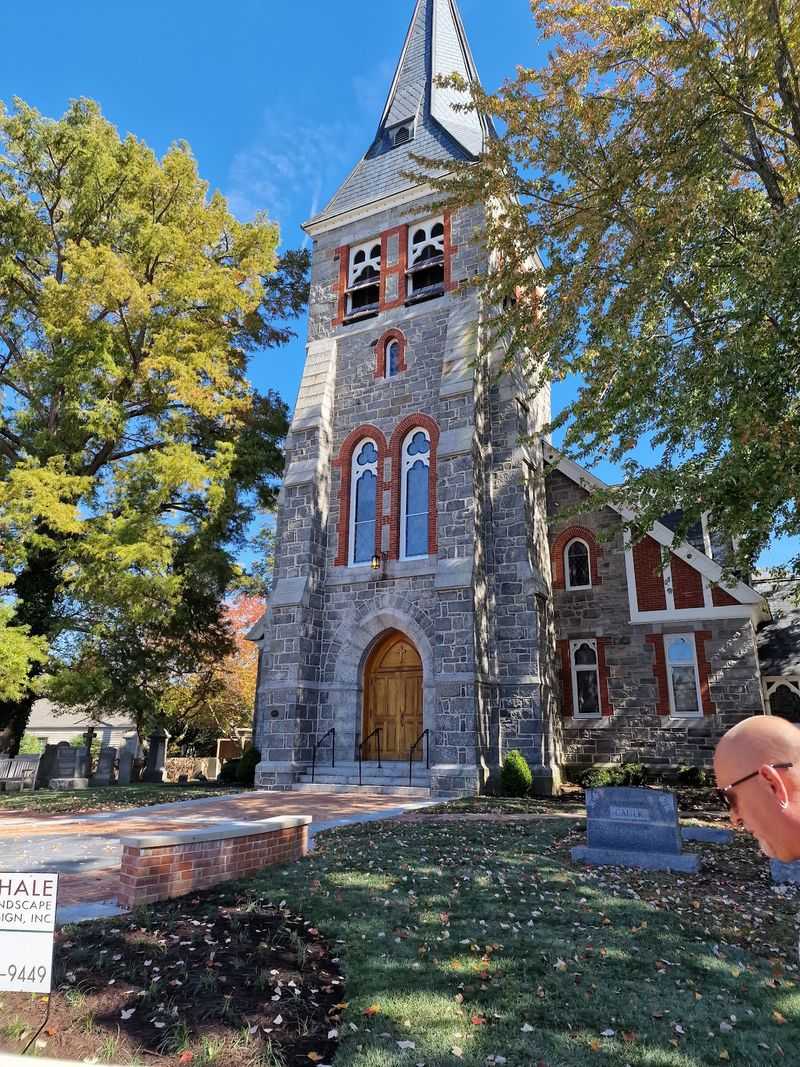
Nearby, Christ Episcopal Church traces its parish back to 1672 and welcomes visitors for tours. Old cannons still point over the harbor at Muskrat Park.
History in this corner of Maryland is not dusty. It is short walks, marked plaques, and stories told by families who never left.
Give yourself an hour and let the town explain itself.
Main Street Full Of Surprises
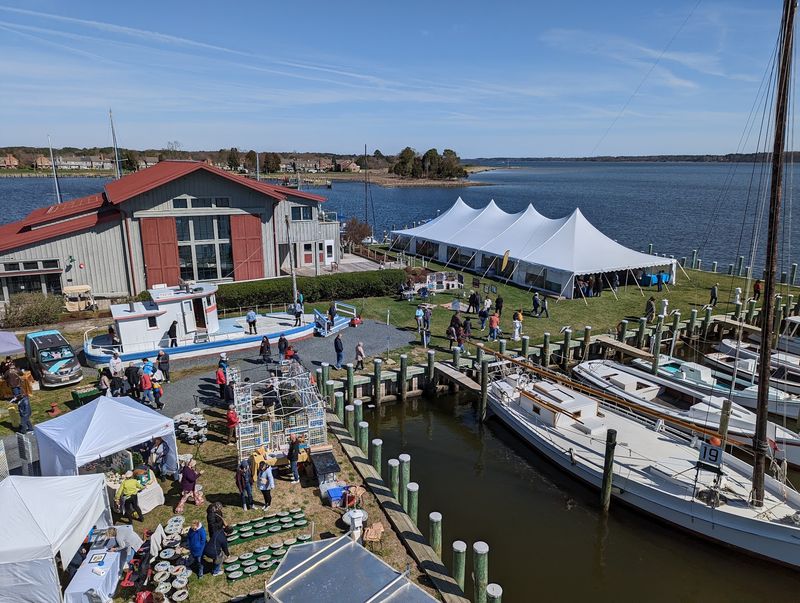
Shopping here feels less like errands and more like treasure hunting. Talbot Street runs through the middle of town, lined with boutiques, antique shops, and galleries hung with local paintings.
Storefronts are small, bright, and independent. One door leads to handmade jewelry, the next to nautical prints, the next to fudge and salt water taffy.
Art lovers should slow down. The local art league runs workshops and shows, so paintings of marshes, workboats, and herons turn up everywhere.
What would you hang on your wall to remember a Maryland harbor?
Home goods, candles, pet treats, kitchen gadgets, and toy shops fill the gaps. There are bookstores for rainy afternoons and ice cream for hot ones.
Sidewalk benches make good rest stops between purchases. Dogs are common companions on these blocks, and many shops keep water bowls by the door.
Saturday mornings from April through November bring a farmers market downtown. Expect produce, baked goods, cut flowers, and honey from nearby farms.
Parking sits along side streets and in small lots, and it fills up by late morning on pretty weekends. Arriving early solves nearly every problem.
Shop hours shift with the seasons, especially in winter, so a quick check before you drive over saves disappointment. Many owners live in town and love to chat.
Ask for a lunch recommendation and you will get three.
Crabs, Mallets, And Messy Fingers
Steamed blue crabs, brown paper, a wooden mallet, and messy hands. That is a proper Maryland afternoon, and this harbor town serves it beautifully.
Waterfront restaurants line the docks, several with tables close enough to the water that boats tie up beside your meal. Crab cakes arrive broiled with barely any filler.
Oysters come raw, fried, or baked with butter.
Rockfish, clam chowder, and creamy crab soup show up on almost every menu. Not a seafood fan?
Burgers, wood-fired pizza, and generous salads fill the gap without complaint.
Breakfast deserves attention too. Bakeries open early with sticky buns, scones, and strong coffee, perfect fuel before a boat trip.
Ice cream shops handle the sweet ending, and lines stretch out the door on warm nights. Nobody minds waiting when the harbor is glowing.
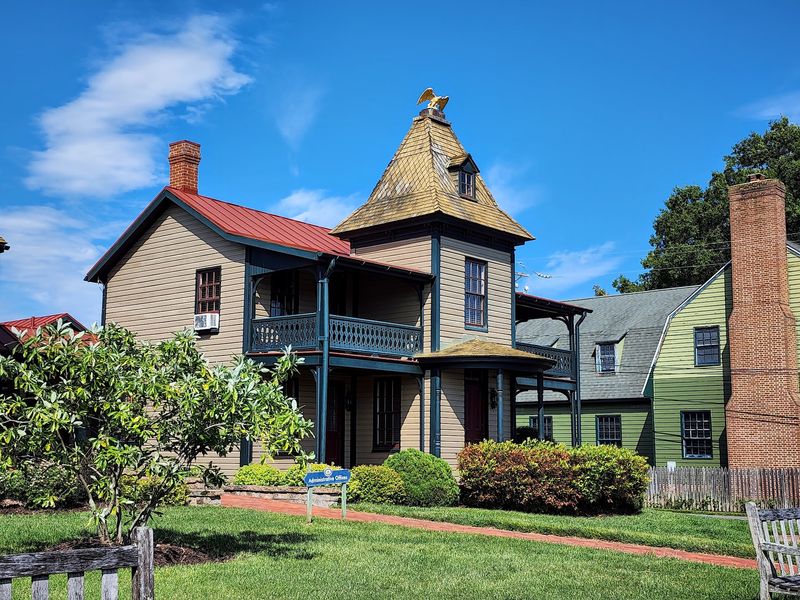
One historic inn dating to the early 1800s still serves meals in a dining room that feels like stepping into a very old book.
Reservations help in summer, especially near sunset. Kitchens can close earlier than expected in the off-season, so call ahead and confirm times.
Crab picking takes practice, and that is half the fun. Watch a neighboring table, copy their technique, and laugh at the mess.
Extra napkins are never a mistake.
Sails, Paddles, And Skipjack Races
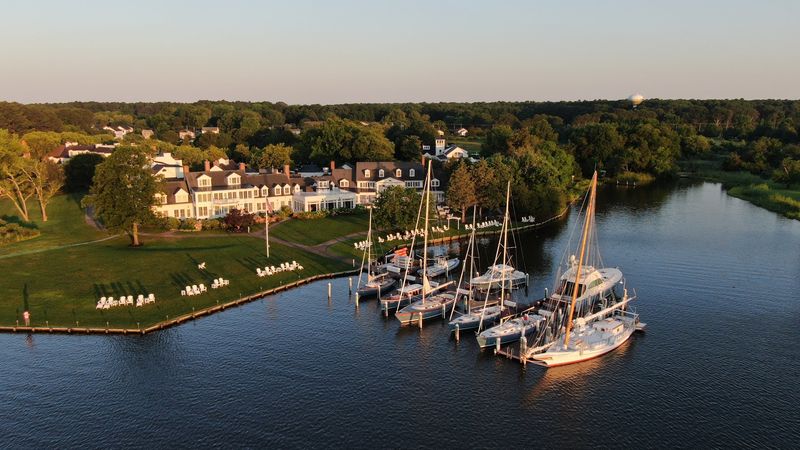
The best view of this town comes from a deck chair on the water. Charter boats, sailing trips, and narrated cruises leave the harbor all season long.
One standout is a skipjack, the H.M. Krentz, among the last working oyster boats on the Chesapeake Bay.
A sail on it usually includes a demonstration of how dredging actually works.
Kayaks and paddleboards suit quieter plans. Back Creek Park has a launch, and the sheltered coves stay calm enough for beginners.
Fishing charters chase rockfish and perch, and eco-tours point out ospreys, herons, and bald eagles along the shoreline. Have you ever watched an osprey drop from the sky and come up with dinner?
From June through August, log canoe races take over the Miles River. These narrow wooden boats carry enormous sails, with crews hanging off planks to keep them upright.
Watching from shore costs nothing and thrills everyone.
Sunset cruises book out quickly, so reserve a day or two ahead in peak months. Weather cancels trips sometimes, and operators are honest about it.
Pack a hat, sunglasses, and a light layer, since breezes off the bay run cooler than expected. Water shoes help at kayak launches.
Nothing explains Maryland’s bond with the Chesapeake faster than an hour afloat. Shorelines turn green and gold, workboats putter past, and town noise disappears completely.
Paved Paths And Pocket Parks
A 1.3-mile paved path might be the sneaky highlight of the whole trip. The nature trail winds through neighborhoods and along the waterfront, smooth enough for strollers and bikes.
A covered pedestrian bridge crosses San Domingo Tidal Creek, and it is a favorite photo stop. Turtles, egrets, and red-winged blackbirds hang around the marsh grass.
Muskrat Park sits on the town harbor with benches, picnic tables, and historic cannons aimed toward the water. Summer evenings often bring live music under the trees.
Hollis Park and Back Creek Park add more public shoreline. Both are small, shady, and ideal for a quiet sandwich.
Bike rentals in town open up longer rides, including scenic stretches along Route 33 toward the bay. Flat land makes pedaling gentle even for rusty riders.
Would you rather bike the country roads or stroll the harbor loop?
Birdwatchers do well in spring and fall, when migration brings extra visitors to the marshes. Binoculars earn their space in the bag.
Benches appear often enough that slower walkers can pace themselves. Water fountains are scarce, so carry a bottle in summer heat.
Bug spray helps near the creek at dusk. Mornings are cooler, quieter, and better for photos.
This slice of Maryland shows off without trying. Gardens spill over fences, wooden docks reach into the water, and river light softens everything.
Chrome, Quirks, And Trip Planning
Save room for the unexpected. A classic motor museum in town displays rotating collections of antique cars, muscle machines, vintage trucks, and motorcycles.
Chrome bumpers and old dashboards give the maritime theme a fun break. Morning gatherings in the barn draw car fans and coffee lovers alike.
Another quirky stop is the small museum at St. Mary’s Square, filled with local objects and stories. Sardis Chapel reflects the town’s early Methodist roots.
Film fans might recognize a waterfront inn used for a wedding scene in Wedding Crashers. The surrounding area also helped inspire James Michener’s novel about the Chesapeake.
Ready to plan the trip? St. Michaels sits in Talbot County at Maryland 21663, with Talbot Street running as the main road through downtown, roughly a 90-minute drive from Baltimore or Washington.
Weekends bring festivals, holiday parades, and seasonal markets, so check the town calendar first. Hours for museums and shops change through the year, and winter schedules get shorter.
Book lodging early for summer and fall. Inns, historic bed and breakfasts, and waterfront hotels fill fast.
Two days is a comfortable minimum. Three lets you slow down and act like a local.
Maryland has plenty of pretty places, but few mix history, water, food, and small-town warmth quite like this one. Come once and you will start planning the next visit before crossing the bridge home.