
This Charming Massachusetts Town Stays Mostly Unnoticed, Even By Frequent Travelers
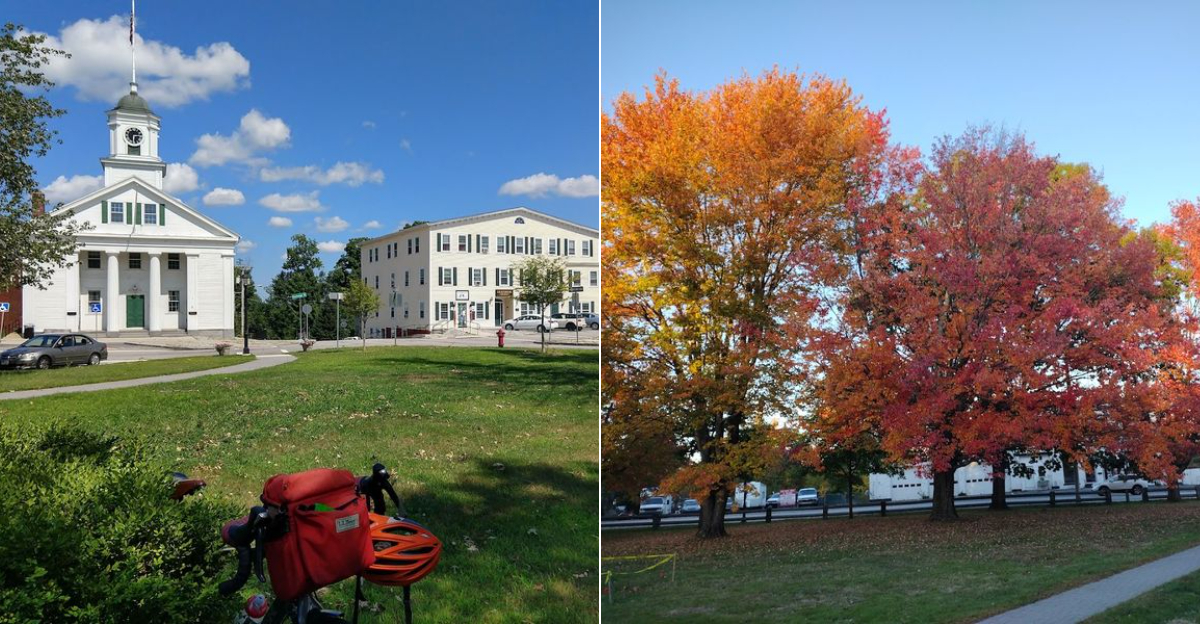
Not every small-town trip stays small once you start looking closer. A giant reservoir, quiet watershed land, a historic common, farm stops, theater roots, and old industry stories can turn one easy outing into a much bigger day.
Massachusetts gives this town the kind of range that sneaks up on visitors. Would you stretch a day trip into a weekend if the water views, backroads, and local history kept giving you one more reason to stay?
The reservoir is the heavyweight here. Its shorelines, overlooks, and flooded-valley story make it more than a pretty place to pause.
But the town has more than water. There are farm treats, community landmarks, preserved history, and a main-common feel that makes the whole visit easy to slow down and enjoy.
Give it more time than the map suggests. This is the kind of stop that keeps adding chapters.
Barre Falls Dam And Trails
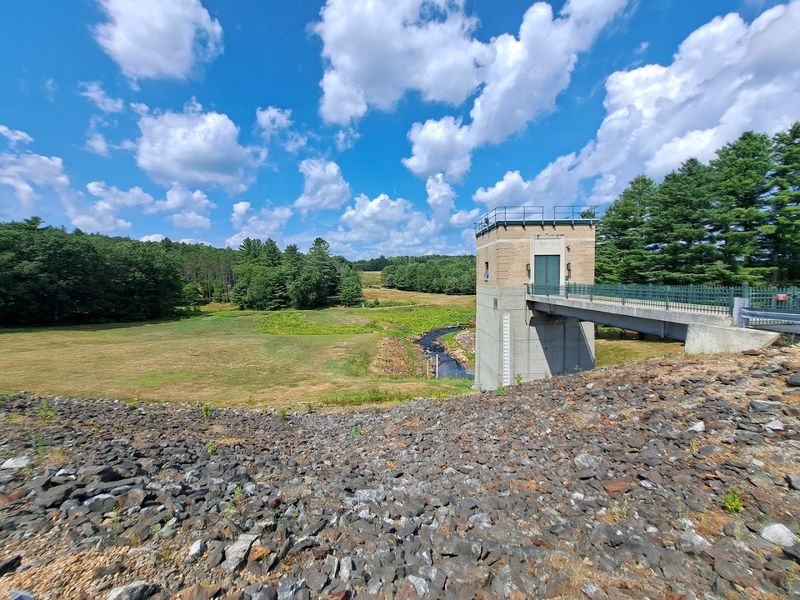
Not every great outdoor adventure needs a mountain or an ocean. The Barre Falls Dam area, managed by the U.S.
Army Corps of Engineers, packs a surprising amount of fun into one compact natural space.
An 18-hole disc golf course winds through the area with fun elevation changes that keep things interesting. Whether you are a seasoned player or throwing a disc for the first time, this course will make you smile.
Hikers and bikers have their own trails to explore, and the scenery shifts beautifully with every season. Bring a picnic and make a full day of it.
Horseback riders are welcome here too, which is not something you can say about most outdoor recreation areas. Cross-country skiing takes over the trails in winter, turning the whole landscape into a quiet, snowy playground.
Look closely near the water and you might spot stone foundations from an old grist mill. Those remnants are a quiet reminder that this land has a long story to tell.
The park is open from sunrise to sunset, so plan your visit accordingly. Can you think of a better way to spend a free afternoon than wandering trails with history literally built into the ground beneath your feet?
Ware River Watershed Wonders
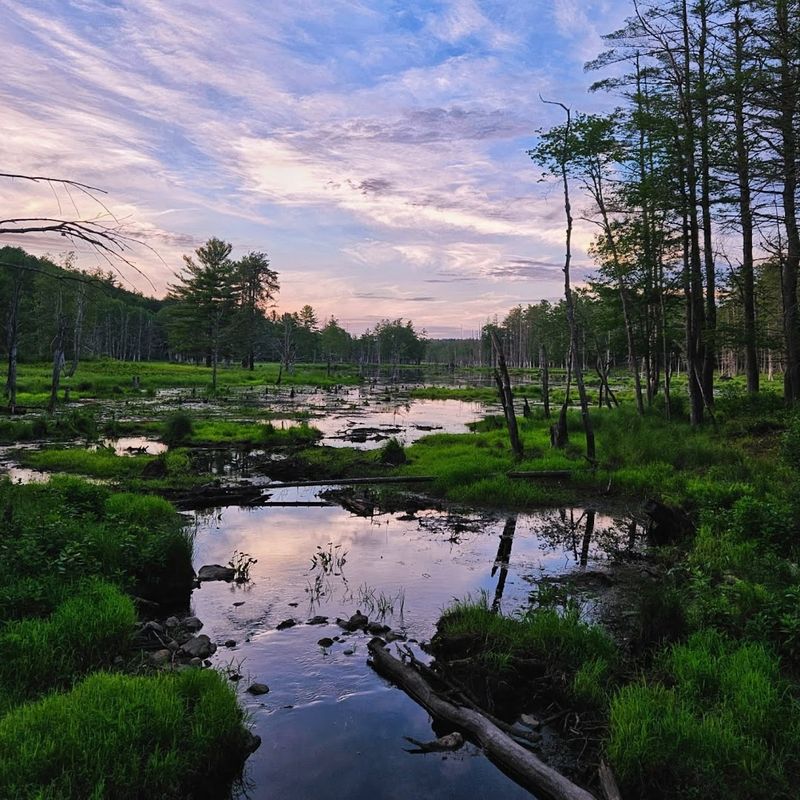
Some places feel like they were designed specifically for people who need to breathe again. The Ware River Watershed, spanning roughly 23,000 acres, is one of those places.
Managed by the Department of Conservation and Recreation, this vast stretch of land sits between the Quabbin and Wachusett Reservoirs. That alone tells you how important and well-preserved this area is.
Walking, biking, and horseback riding trails crisscross the watershed, giving visitors plenty of options for exploration. Bird watchers in particular love this spot, and it is easy to understand why once you hear the variety of calls echoing through the trees.
Shoreline fishing is popular here, and non-motorized boating is generally permitted on the river. Gliding quietly through the water with nothing but birdsong around you is the kind of experience that resets your whole mood.
Here is a fun fact worth knowing: this watershed plays a critical role in supplying drinking water to metropolitan Boston. That means the land is carefully protected, which is exactly why it feels so untouched and pristine.
Have you ever stood somewhere so quiet that you could actually hear yourself think? The Ware River Watershed offers exactly that kind of rare, restorative stillness that most people forget even exists.
Quabbin Reservoir Views
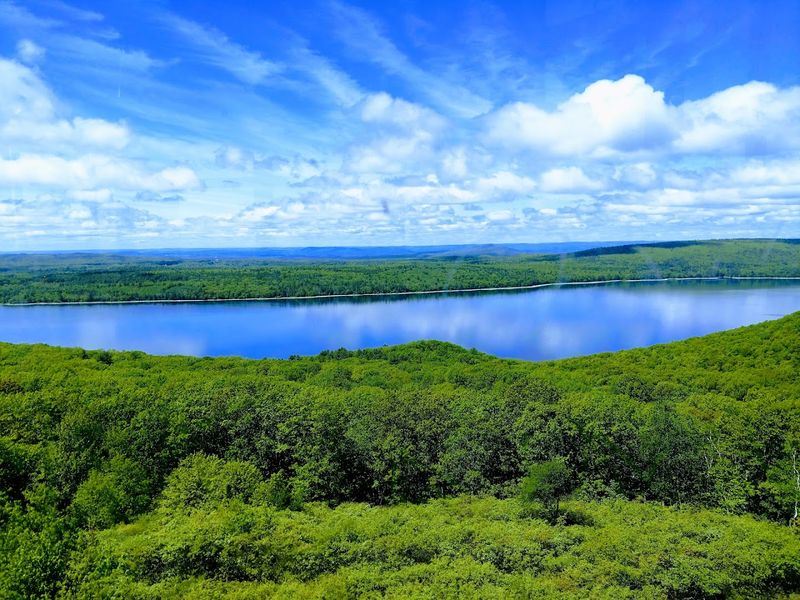
Few places in Massachusetts carry the kind of quiet drama that the Quabbin Reservoir delivers. Covering 39 square miles with 181 miles of shoreline, this is one of the largest unfiltered water supplies in the entire United States.
The reservoir was created in the 1930s by flooding the Swift River Valley, which meant four towns were permanently submerged. It sounds like something from a novel, and walking the trails today, you can actually spot cellar holes from those lost communities.
Wildlife here is genuinely impressive. Bald eagles, moose, deer, black bears, loons, coyotes, and bobcats all call this habitat home.
Have you ever looked up and spotted a bald eagle soaring overhead? At the Quabbin, that is a real possibility.
Fishing is allowed in designated areas, and boat rentals are available for those who want to get out on the water. Because the reservoir serves as a drinking water source, swimming and dogs are not permitted, keeping the environment clean and protected.
A visitor center offers educational programs that explain the fascinating history and ecology of the area. It is the kind of place that teaches you something new every single time you visit.
Plan to spend a few hours here at minimum. The Quabbin rewards slow, curious exploration far more than a quick drive-through visit ever could.
Barre Common Historic District
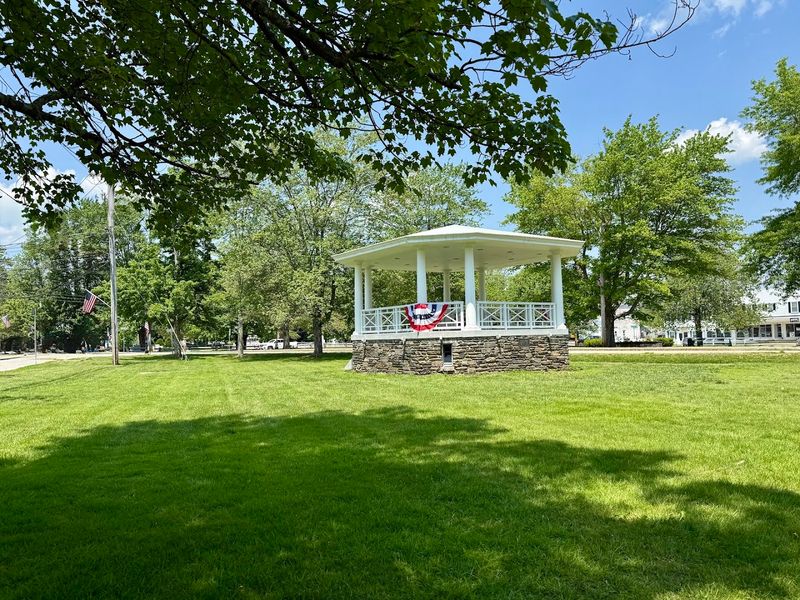
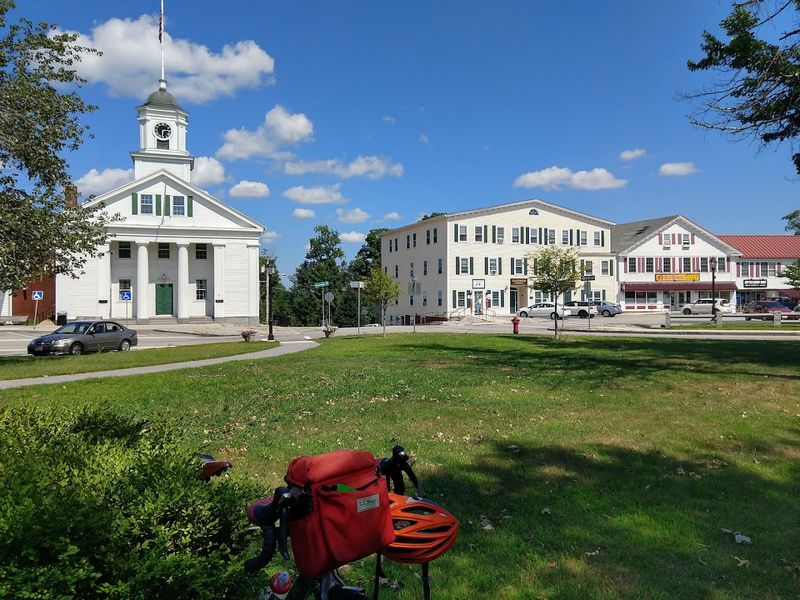
Right at the heart of town sits one of the most charming historic commons in all of Massachusetts. The Barre Common District is centered around a 15-acre greensward that was originally laid out in 1792, and it still serves as the social heartbeat of the community today.
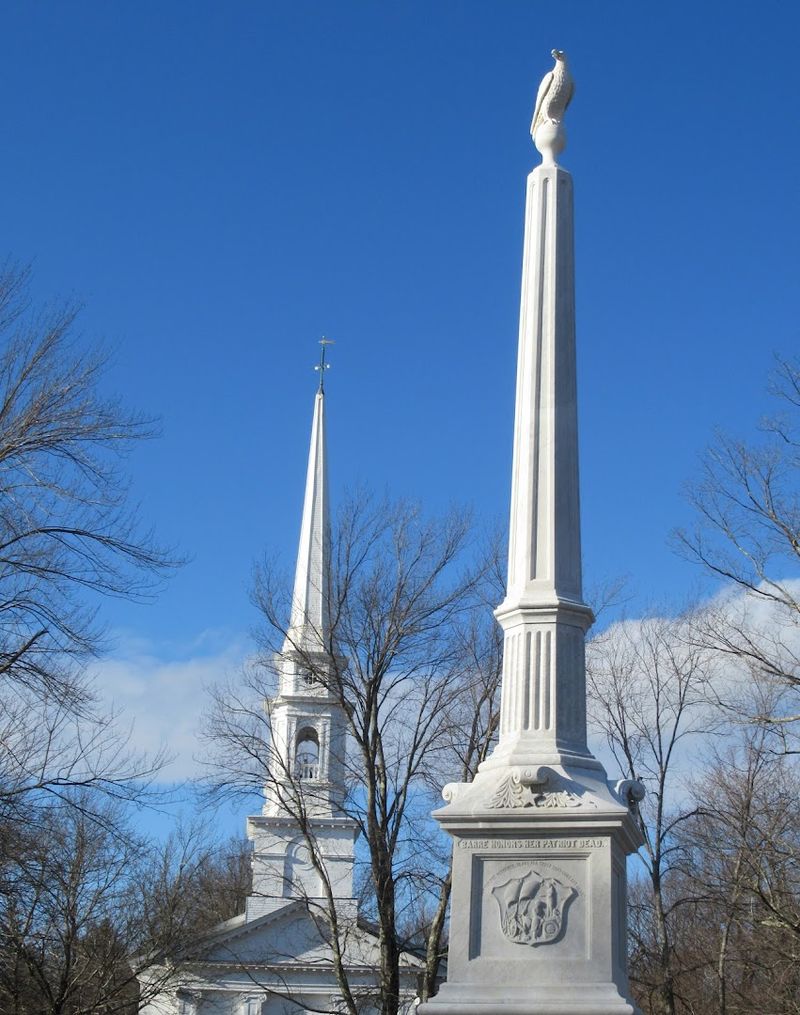
Greek Revival buildings frame the edges of the common with quiet elegance. Military memorials stand proudly among the greenery, honoring the town’s long history of service and sacrifice.
During summer, the common comes alive with band concerts that draw locals and visitors together for an evening of good music under open skies. When did you last enjoy live music outdoors in a setting this genuinely beautiful?
The Jenkins Inn, a Gothic Revival landmark listed on the National Register of Historic Homes, stands prominently on the common. Dating back to 1834, this striking building offers accommodation and an on-site restaurant for guests who want to stay a little longer.
The Barre Historical Society and Museum is also nearby, preserving the town’s rich past through engaging walking tours, speakers, and annual events. Inside, you will find books, photographs, cemetery records, and family histories that paint a vivid picture of life here through the centuries.
Walking around the Barre Common feels like flipping through a very well-preserved history book, except the pages are made of stone, timber, and open sky.
Carter And Stevens Farm
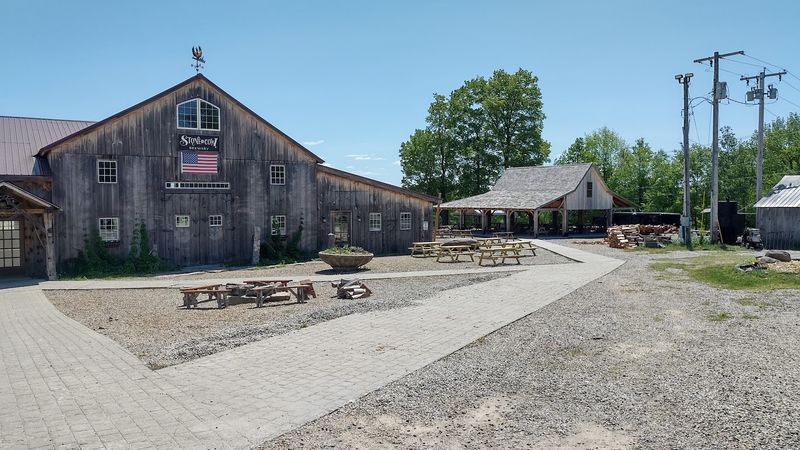
A fifth-generation dairy farm covering 1,000 acres is not something you come across every day. Carter and Stevens Farm has been part of the Barre landscape since 1938, and one of the largest working dairy farms in Massachusetts.
The farm runs on solar panels and a wind turbine, making it as forward-thinking as it is deeply rooted in tradition. That combination of old and new is pretty hard not to admire.
The farm store is housed inside a rescued 1700s post-and-beam structure that is worth visiting for the architecture alone. Open seasonally from mid-April through October, it offers grass-fed beef, fresh raw milk, local produce, and ice cream with flavors that rotate regularly.
What flavor will you find on your visit? That is part of the fun.
Each trip to the farm store can bring a completely different sweet surprise.
During summer, a Bar-B-Que Grill serves up meals made with ingredients grown right on the farm. It does not get much fresher than that, and the setting makes every bite taste even better.
Bring the family, bring your appetite, and bring your camera. A working farm this beautiful and this committed to sustainability deserves to be seen, tasted, and remembered long after you head back home.
Nornay Park And Barre Players Theater
Community spirit is something you feel the moment you arrive in Barre, and Nornay Park is one of the best places to experience it firsthand. The South Barre Common Gazebo at the center of the park was built entirely by volunteers as a tribute to the area’s immigrant heritage.
Local bands perform in the gazebo during warmer months, filling the park with music that drifts across the common on warm evenings. Family Fun Days bring food, games, and activities for every age group, making the park a genuinely welcoming space for everyone.
Free movie nights with popcorn and games have also been held here. When was the last time you watched a film outdoors with a community that actually knows its neighbors?
Just as lively is the Barre Players Theater, a group with a history stretching back to their first production in 1921. More than a century of local storytelling is no small achievement, and the enthusiasm behind every production shows.
Supported by the Barre Cultural Council, the theater presents productions throughout the year that are often suitable for all ages. It is the kind of place where local talent gets a real spotlight and audiences leave genuinely moved.
Between the park and the theater, Barre offers more cultural richness than most people expect from a town of its size. Plan to linger here longer than you originally intended.
Palm Hats, Wool Mills, And Stagecoaches
Barre has a past that is genuinely surprising, and the more you learn about it, the more fascinating this small town becomes. At one point, Barre was a national leader in the palm leaf hat industry, with hats crafted from leaves imported all the way from Cuba.
Girls as young as four years old made these hats at home as part of everyday life. One local schoolteacher reportedly earned more from hat weaving than from teaching.
That detail says a lot about how central this industry was to the community.
The town was also a major center for the wool industry, washing and cleaning wool sourced even from Australia. The Barre Wool Combing Co.
Ltd. operated for 71 years before closing in 1974, and during that time it brought jobs, housing, and rich cultural influences from its immigrant workforce.
In the mid-to-late 1800s, Barre served as a hub for stagecoach lines, with coaches carrying up to 12 passengers at a time. The Barre Historical Society proudly preserves a restored 1859 Concord Stagecoach that measures 9 feet tall and 15 feet long.
Six horses were needed to pull it when fully loaded. Standing next to that stagecoach, you can almost hear the rumble of wheels on an unpaved road.
How many small towns can claim this much industrial and cultural variety packed into one remarkable history?
Woods Memorial Library Local Archives
For curious travelers who love peeling back the layers of a place, the Woods Memorial Library in Barre is an unexpected treasure. The Local History Room inside holds a thoughtfully curated collection of books, documents, and photographs that bring the town’s past to life.
Cemetery records, family histories, and old town reports fill the shelves. Genealogy researchers find this room particularly valuable, and it is easy to lose track of time once you start flipping through the materials available.
The Barre Gazette Room is another highlight, housing bound editions of the local newspaper dating back to the late 1800s. Reading headlines from over a century ago offers a surprisingly personal window into what daily life in Barre once looked like.
High school yearbooks and other historic documents are available through a digital archive for those who want to explore from home first. But visiting in person has a charm that no screen can fully replicate.
The Barre Historical Society and Museum also maintains its own online digital archive, with yearbooks, town maps, and local history books accessible for research. Their collections can be explored by appointment for deeper study.
The library also hosts children’s events and rotating art exhibits, making it a living, breathing community space rather than just a storage room for old things. Is there a better way to truly understand a place than to sit quietly with its stories?