
This Charming Outer Banks Destination Is One Of The Most Affordable Beach Towns In North Carolina
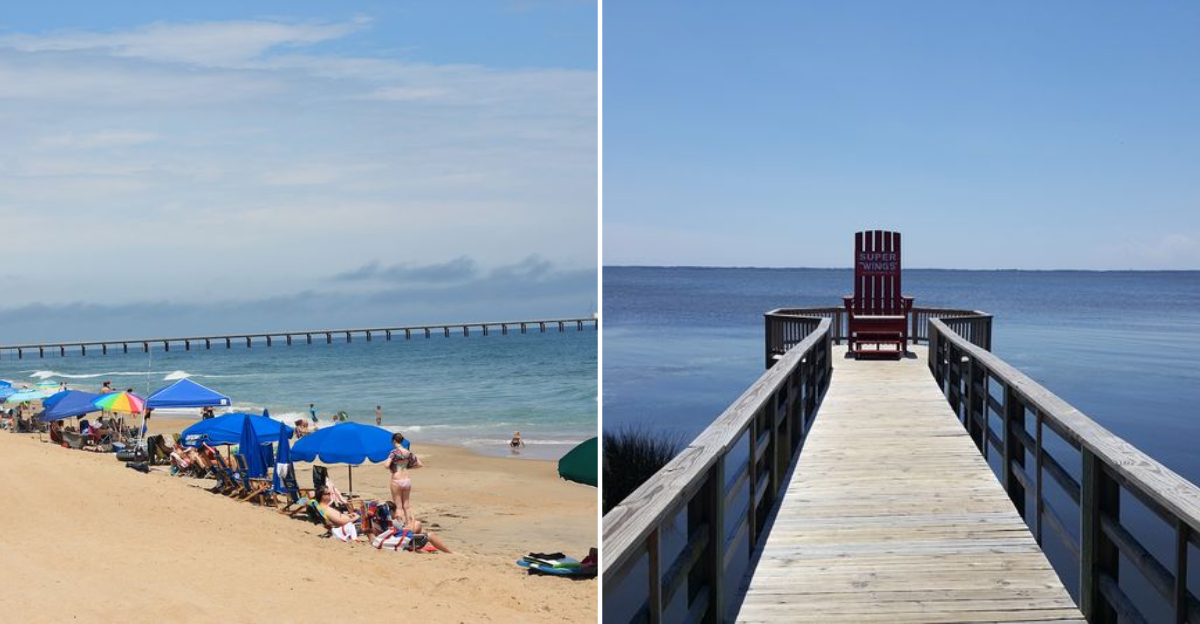
Beach towns have a life cycle. They get discovered, they get popular, they get expensive, they get unbearable.
This corner of the North Carolina coast got stuck somewhere in the middle and never moved. And the people who keep coming back every summer are grateful for that.
This is still a place where a family can rent a cottage, a short walk from the water, without the kind of budget that requires months of planning. The seafood shacks still outnumber the upscale restaurants.
The beach in the morning is quiet in a way that the more famous parts of the Outer Banks have stopped being years ago. North Carolina has no shortage of coastline worth visiting.
But most of it now comes with a price that turns a vacation into a financial decision. Here, the math still works out.
The salt air smells the same as it does everywhere else on the coast. It just costs considerably less to breathe it.
Unique Coastal Wildlife Encounters
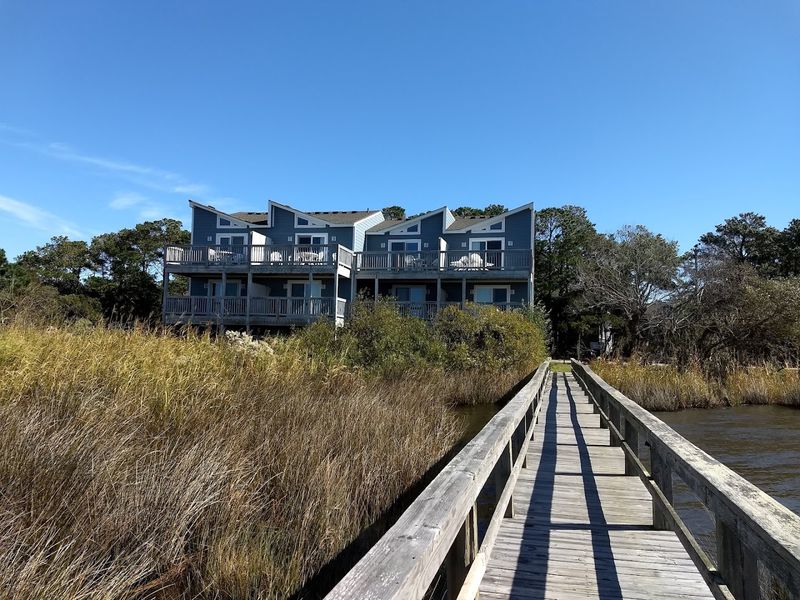
This town is basically a wildlife documentary happening right outside your window. Brown pelicans glide low over the Atlantic in formation, looking almost prehistoric.
Watching them dive-bomb for fish is genuinely one of the coolest free shows around.
The Currituck Sound side of town is where things get really interesting. Great blue herons stand perfectly still in the shallows, waiting for their next meal.
River otters have been spotted near the marshes, which honestly feels like a bonus nobody warned you about.
Loggerhead sea turtles nest along the beach during the summer months. Local volunteers patrol the shoreline to protect those nests.
You can sometimes join a guided turtle walk organized by the town.
Bottlenose dolphins are regular visitors just offshore. Kayakers and paddleboarders often find themselves paddling alongside small pods.
That experience alone is worth the trip.
The variety of species here is not random. Duck sits along the Atlantic Flyway, a major migration route for birds.
That means seasonal visitors like the American oystercatcher show up reliably each year.
No expensive safari required. Just bring binoculars and some patience.
Nature in Duck does the rest completely on its own terms. You can find all of this in Duck, North Carolina, USA.
Popular Water Sports Activities
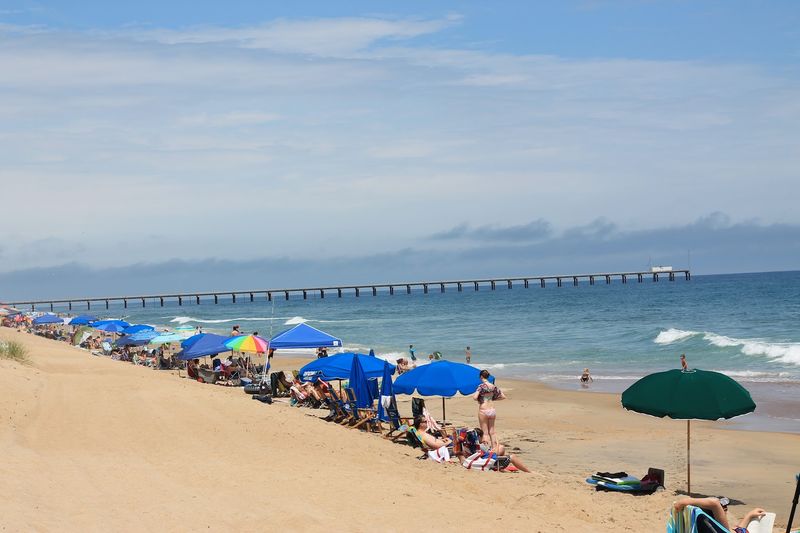
The water around Duck is practically begging you to get in. The Atlantic side gives you waves perfect for surfing and bodyboarding.
The Currituck Sound side is calm and flat, which is ideal for beginners.
Paddleboarding on the sound is one of the most popular activities in town. Rentals are available from local outfitters, and prices are reasonable.
You do not need prior experience to enjoy a peaceful morning out on the water.
Kayaking is another favorite, especially for families. The sound offers protected, shallow water that feels manageable for kids and adults alike.
Guided kayak tours are available and often include wildlife spotting along the way.
Windsurfing and kiteboarding have a dedicated following here. The steady Outer Banks winds make Duck a legitimate destination for those sports.
Lessons are offered for beginners who want to learn from scratch.
Fishing is deeply woven into the local culture. Surf fishing from the beach requires no boat and minimal gear.
Pier fishing and charter trips are also popular for those wanting a bigger catch.
The variety of water activities means there is genuinely something for every skill level. Whether you are a first-timer or a seasoned water sports enthusiast, Duck keeps you busy and stoked all week long.
Historic Landmarks And Local Heritage
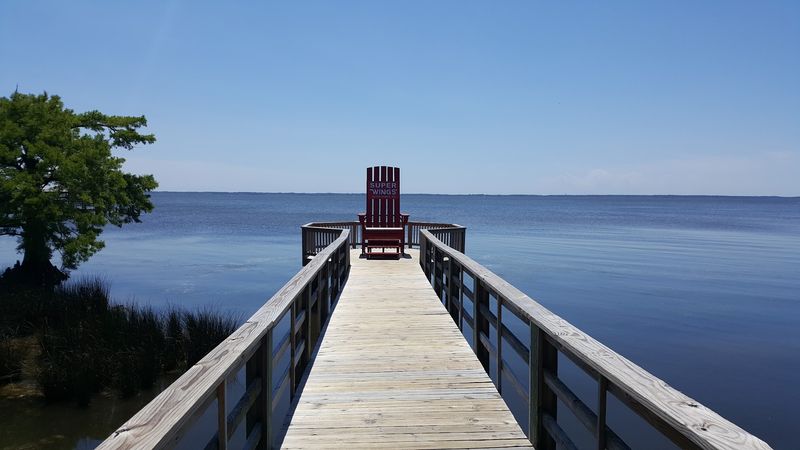
Duck may be a young town officially, incorporated only in 2002, but the land around it carries serious history. The Outer Banks has been a crossroads of American stories for centuries.
Shipwrecks, lighthouses, and old fishing communities all left their marks here.
The nearby Currituck Beach Lighthouse is worth the short drive north. Built in 1875, it still stands as a working lighthouse today.
Climbing it gives you a panoramic view of the barrier island that is hard to forget.
The Whalehead Club in Corolla, just a few miles up the road, is a fascinating piece of regional heritage. Built in the 1920s as a private hunting lodge, it is now a museum open to the public.
The architecture alone makes it worth visiting.
Duck itself was historically a small fishing community before tourism transformed it. Old-timers remember when the main road was unpaved, and the population was tiny.
That quiet fishing culture still subtly influences the town’s identity today.
The Wright Brothers National Memorial in nearby Kitty Hawk marks where powered flight began in 1903. That is not ancient history.
That is world-changing stuff happening right in this region.
Heritage here is layered and genuinely interesting. You do not need a history degree to appreciate it.
Every landmark tells a story worth knowing.
Local Seafood Cuisine Specialties
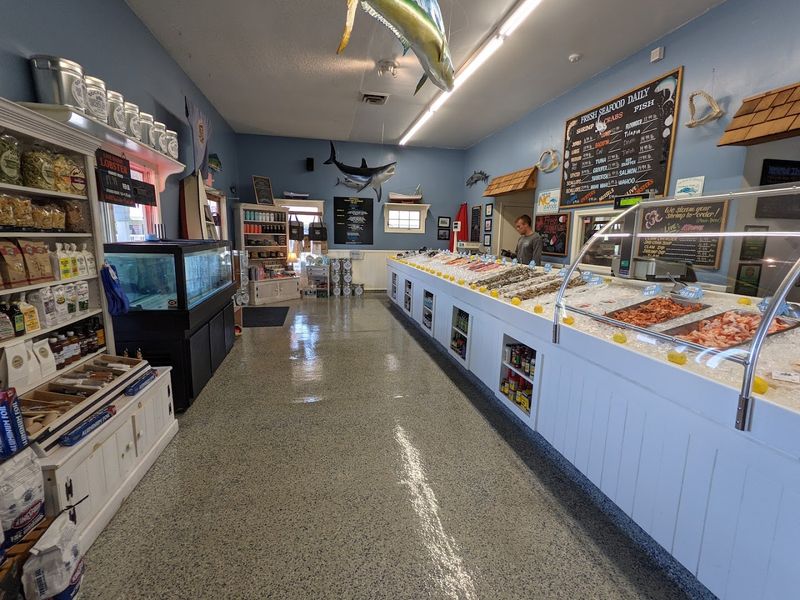
Fresh seafood in Duck is not a gimmick. It is a way of life that locals take seriously.
Blue crabs pulled from local waters show up on menus in ways that feel genuinely authentic.
Outer Banks-style clam chowder is a regional specialty you need to try. It is different from New England chowder, lighter in texture but deeply flavored.
Local restaurants make it from scratch using clams sourced close to home.
Shrimp is another staple that appears everywhere. Local shrimp boats operate out of nearby ports, keeping the supply fresh.
Simple preparations like shrimp and grits or steamed shrimp with Old Bay seasoning highlight the quality of the catch.
Fish tacos made with fresh mahi-mahi or flounder are popular lunch options along the boardwalk area. The fish is often caught that same morning.
That kind of freshness is hard to replicate anywhere inland.
Soft-shell crab season in late spring is a local highlight. Restaurants prepare them fried, grilled, or sandwiched between bread.
Regulars plan their visits around that window every year.
Duck has a solid mix of casual spots and slightly more upscale dining options. You can find a great meal without spending a fortune if you know where to look.
Eating well here is genuinely one of the best parts of the whole trip.
Nature Trails And Bird Watching Spots
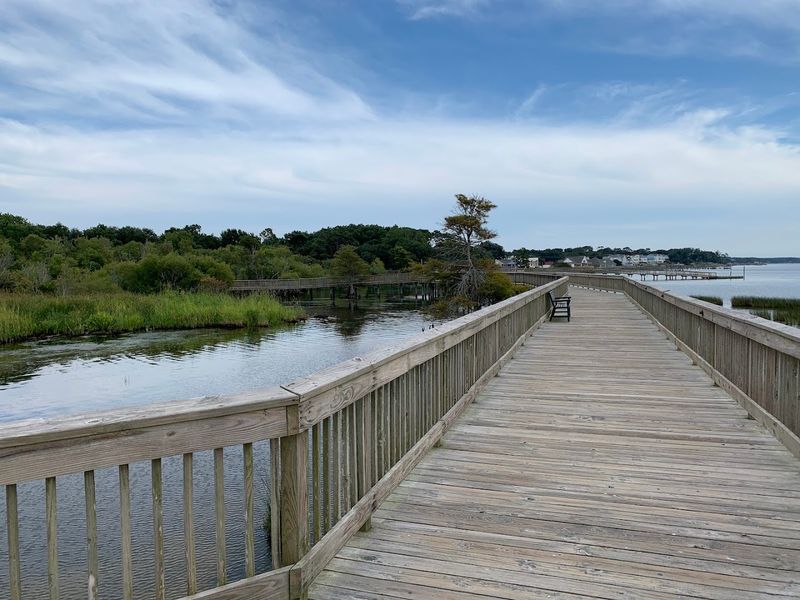
Duck Town Park is the green heart of the community and a fantastic starting point for nature lovers. The park sits along the Currituck Sound and features a paved multi-use path.
Walking or biking it gives you constant views of the water and surrounding marsh.
Bird watching in Duck is legitimately impressive year-round. The town sits right on the Atlantic Flyway, so migratory species pass through regularly.
Fall and spring bring waves of warblers, shorebirds, and waterfowl that birders travel far to see.
The soundside boardwalk near the town center is a great spot for casual observation. Great egrets, tricolored herons, and black-crowned night herons are commonly spotted there.
You do not need fancy gear to enjoy the show.
Pine Island Audubon Sanctuary, located just south of Duck, offers more dedicated wildlife habitat. This protected area covers thousands of acres of maritime forest and wetlands.
Trails here feel removed from the tourist bustle entirely.
Osprey nests are visible on platform poles throughout the area. Watching an osprey dive and surface with a fish is one of those moments that stops you cold.
It happens more often than you might expect.
Nature trails in Duck are free to use and well-maintained. They are accessible for most fitness levels.
Bringing a bird identification app makes the experience even more rewarding for curious first-timers.
Art Galleries And Craft Shops

The art scene in Duck punches above its weight for a town with fewer than 800 residents. Local galleries showcase paintings, photography, and sculptures inspired by the coastal landscape.
The light here genuinely does something special to the color that artists chase on purpose.
Scarborough Lane Shoppes is a charming cluster of small businesses in the center of Duck. Several artisan and craft shops operate there alongside boutique clothing stores.
Browsing through them on a lazy afternoon feels relaxed and unhurried.
Local artists often work with themes pulled directly from the Outer Banks environment. Seascape paintings, marsh photography, and hand-thrown pottery featuring coastal motifs are common.
Many pieces are created by artists who actually live in the area year-round.
Handmade jewelry using sea glass and local shells is a popular craft category here. Several shops carry pieces made by regional artisans rather than mass-produced imports.
That distinction matters if you want something genuinely unique to bring home.
Duck Village is walkable and compact, which makes gallery hopping easy. You can cover several shops in a single afternoon without needing a car.
The scale of the town works in your favor for this kind of leisurely exploration.
Art and craft shopping in Duck supports local makers directly. Prices range from very affordable prints to investment-level originals.
There is something for every budget if you look around carefully.
Family Friendly Beach Events
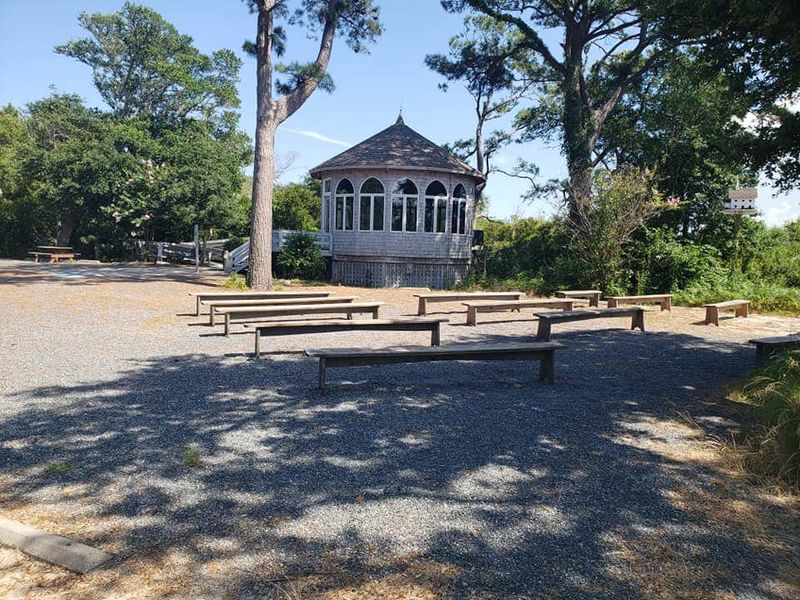
Duck goes out of its way to create events that actually work for families. The town hosts a regular summer concert series at Duck Town Park that draws locals and visitors together.
Admission is free, which makes it an easy yes for anyone traveling with kids.
The Duck Jazz Festival happens each October and is one of the most anticipated events on the Outer Banks calendar. It brings live performances to the park amphitheater right on the sound.
The setting makes even non-jazz fans enjoy the whole experience.
Kite flying is practically a community sport here, given the reliable Outer Banks winds. Organized kite festivals pop up periodically on the beach throughout the season.
Kids absolutely love it, and the aerial displays can get surprisingly elaborate.
Fourth of July in Duck is a big community celebration. Fireworks over the sound create a reflection effect that looks genuinely stunning.
Families stake out spots early because the views from the boardwalk are hard to beat.
The town also hosts sandcastle building competitions during the summer. These are not casual affairs.
Participants take the craft seriously, and the results are worth walking the beach to see.
Family events in Duck feel community-driven rather than commercially produced. That difference shows in the atmosphere.
Everything runs at a pace that lets you actually enjoy being there with your people.
Tips For Sustainable Tourism
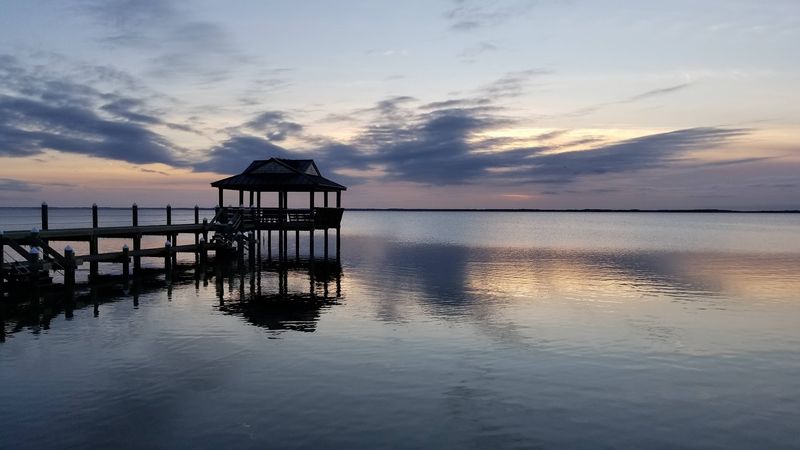
Duck takes its environment seriously, and visitors are expected to follow suit. The town has strict rules about beach access, sea turtle nest protection, and leaving no trace.
These are not suggestions. They are enforced with real intention.
Traveling during the shoulder season, meaning April through May or September through October, reduces your environmental impact. Fewer crowds mean less pressure on local ecosystems.
You also get better rates on rentals and a quieter experience overall.
Biking and walking are genuinely practical in Duck because the town is compact. Leaving the car parked for most of your stay cuts down on traffic and emissions.
The multi-use path makes getting around on two wheels easy and enjoyable.
Supporting local businesses over chain operations keeps money circulating in the community. Duck has an impressive number of independently owned shops and restaurants.
Choosing them over franchises makes a measurable difference for the people who live there year-round.
Sea turtle nesting season runs from May through August. During that period, keeping beaches dark at night is critical.
Artificial light confuses hatchlings, so turning off outdoor lights and using red-filtered flashlights near the beach actually matters.
Picking up litter even when it is not yours is a small act with a big impact. Duck’s beaches stay clean partly because visitors participate in keeping them that way.
That collective effort is what makes the place worth returning to season after season.