
This Clearest River In Missouri Is A Local Secret That Deserves More Attention
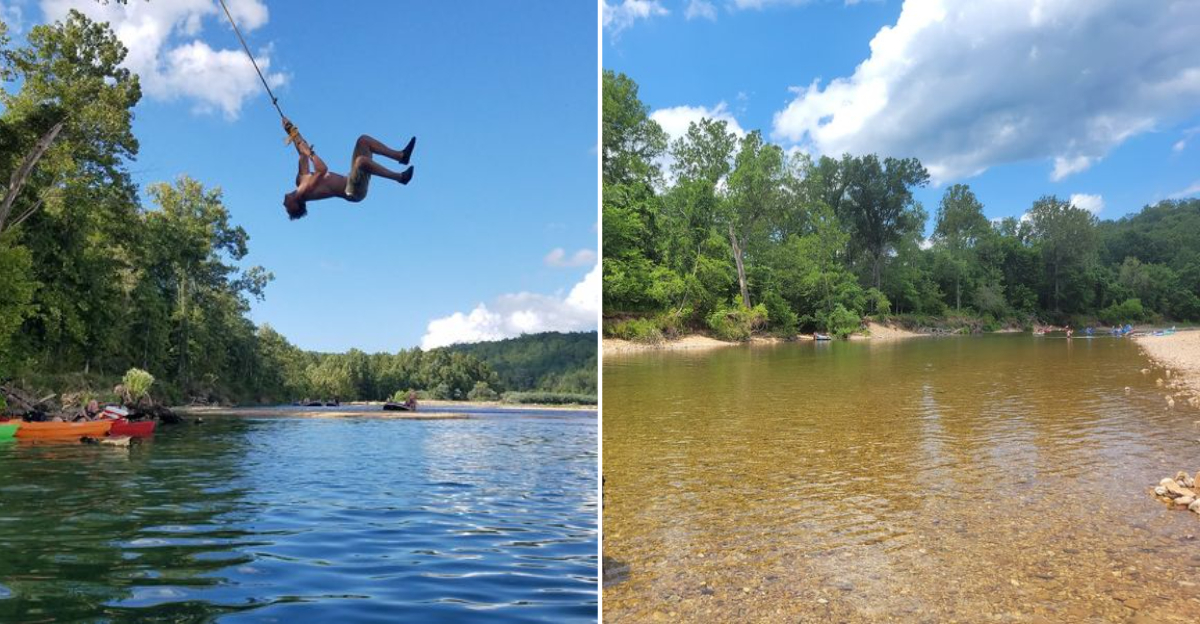
Have you ever entered a river and been surprised that you could see your toes through the water? That is exactly what you can experience in this river in the state of Missouri.
It has been flowing through the canyons of Missouri for centuries, shaping the landscape and creating a place that feels untouched and pure.
The water is so clear that every step reveals something new beneath the surface, from smooth stones to shifting light patterns that move with the current. As I follow its path, everything around it feels quieter and more grounded.
It is the place where time slows down, and nature takes the lead. Each moment in the water feels simple but unforgettable, like discovering a hidden side of the world that has always been there but rarely noticed.
Water Clarity And Ecosystem Balance
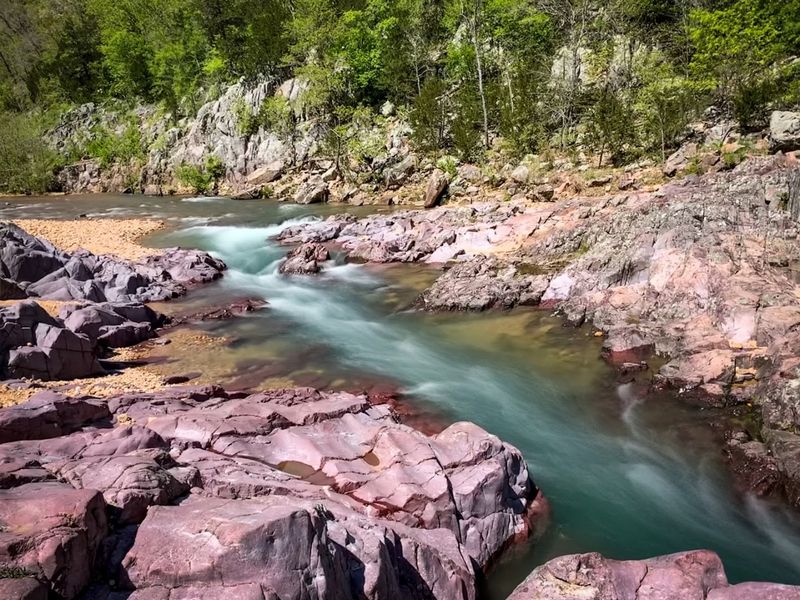
This river earns its reputation with water so clear it almost looks fake. You can stand on a rock ledge and watch fish dart around ten feet below, like you are looking through glass.
That clarity does not happen by accident.
The river flows primarily over a base of granite and volcanic rock, which naturally filters sediment before it ever reaches the main channel. This geology is rare in Missouri and plays a huge role in keeping the water pure.
The Ozark Highlands surrounding the river act as a natural buffer, limiting runoff from developed land.
The ecosystem here is in strong balance. Aquatic plants grow thick along the shallow edges, helping stabilize the banks and absorb excess nutrients.
Macroinvertebrates like stoneflies and caddisflies thrive in well-oxygenated water, and their presence signals a healthy river system. Scientists actually use these tiny creatures as biological indicators of water quality.
When they are present in large numbers, the river is doing well. The Black River consistently scores high on those measures, making it one of the most ecologically intact waterways in the entire state.
Unique Wildlife Along The Riverbanks
Move quietly along the Black River, and it feels like you are inside a nature documentary. The riverbanks are absolutely alive with wildlife that most people never get to see this close.
Great blue herons stand frozen at the water’s edge like they are posing for a painting.
River otters are one of the most exciting sightings here. They were once nearly gone from Missouri, but conservation programs helped bring them back, and the Black River corridor is one of their strongholds.
Watching an otter slide off a mossy rock into the current is one of the best moments nature can offer.
Bald eagles patrol the river during the winter months, scanning the shallows for fish. White-tailed deer come down to drink at dusk, and wild turkeys rustle through the understory on both banks.
Timber rattlesnakes live here, too, so watch where you step on warm rocks. Painted turtles stack themselves on logs in sunny spots, and kingfishers zip back and forth, making their rattling call.
The biodiversity along this river corridor is serious. Wildlife photographers drive hours just to spend a morning here.
Best Activities For Outdoor Enthusiasts
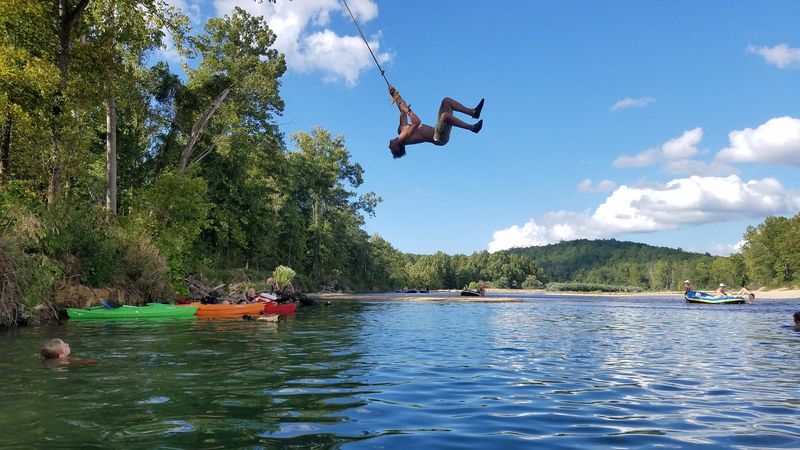
Float trips on the Black River are the main event, and they deliver every single time. The upper forks offer faster, rockier runs that paddlers with some experience absolutely love.
Calmer stretches downstream give beginners and families a relaxing float with jaw-dropping scenery the whole way.
Kayaking and canoeing are the most popular ways to experience the river. Several outfitters operate in the area and offer rentals and shuttle services, so you do not need to own your own gear.
Many visitors combine a full-day float with a riverside campsite overnight. Waking up next to water that clear is something you will not stop talking about.
Hiking trails run along sections of the river, offering views from elevated bluffs that look straight down into the green current. Swimming holes appear naturally in the wider, deeper bends where the water slows.
Rock climbing opportunities exist near some of the exposed granite formations. Mountain biking trails are accessible within a short drive from the river corridor.
Whether you want a lazy afternoon on the water or a full weekend of activity, the Black River has the range to keep everyone busy and happy.
Seasonal Changes Affecting Flow
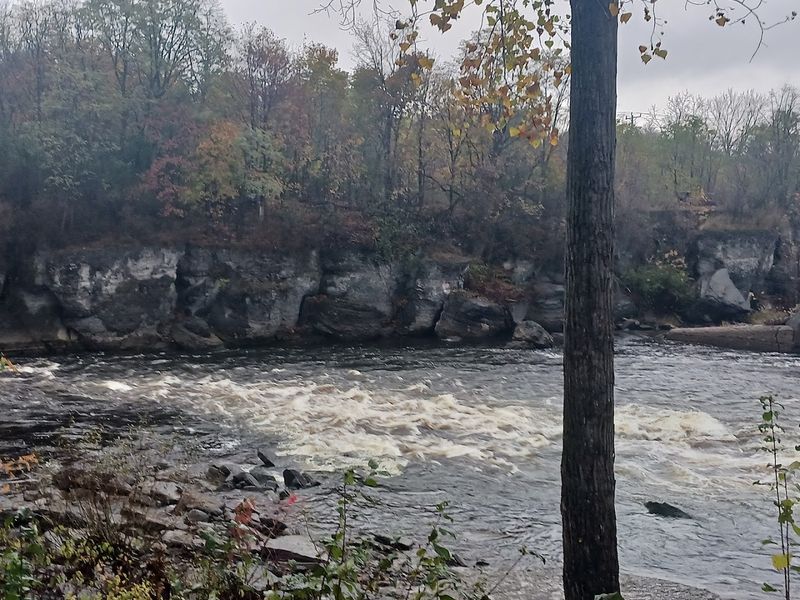
The Black River does not look the same twice, and that is part of its charm. Each season brings a completely different personality to the water, the banks, and the surrounding forest.
Spring is dramatic. Snowmelt and rain push the river high and fast, turning calm stretches into churning white water.
Summer is peak season for most visitors. Water levels drop and slow, creating wide, shallow flats perfect for wading and swimming.
The clarity reaches its best during dry summer stretches when sediment input is at its lowest. Temperatures in the water stay surprisingly cool even in August, thanks to cold spring inputs feeding the river from below the ground.
Fall brings a visual spectacle that rivals anything in New England. Hardwood forests along the banks turn orange, red, and gold, and the reflections in the clear water are stunning.
Paddlers in October have the river mostly to themselves. Winter sees the lowest visitor numbers but rewards the brave with ice formations along the banks and the best wildlife viewing of the year.
Understanding these seasonal patterns helps you plan the trip that matches what you are actually looking for.
Conservation Efforts Protecting Freshwater Quality
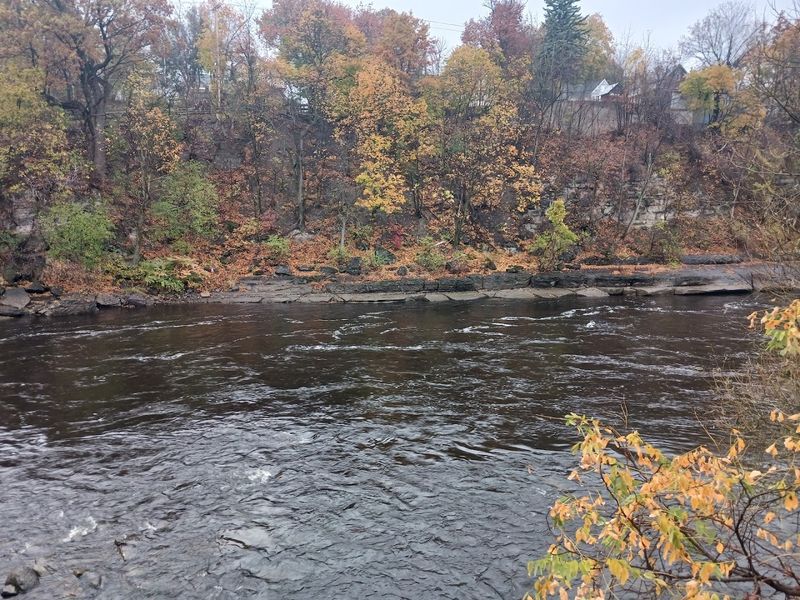
Keeping the Black River this clean takes real, consistent work. Several organizations have dedicated serious resources to protecting this watershed, and their efforts are genuinely paying off.
The river’s quality today is not an accident. It is the result of intentional, sustained conservation action.
The Missouri Department of Conservation monitors water quality throughout the Black River basin on a regular schedule. They track nutrient levels, turbidity, and biological health indicators to catch problems early.
Landowners along the river have partnered with conservation groups to implement buffer strips. Bands of native vegetation planted along the banks filter runoff before it enters the water.
Stream bank stabilization projects have reduced erosion in areas where cattle previously had direct access to the water. Fencing programs keep livestock out of the channel, which dramatically improves water clarity and reduces bacterial contamination.
Local paddling clubs organize annual cleanup floats, pulling trash and debris from the river each spring. Education programs in nearby schools teach kids about watershed health from a young age.
All of these efforts stack up. The Black River is proof that focused conservation work actually moves the needle when communities commit to protecting what they have.
Historical Significance And Local Legends
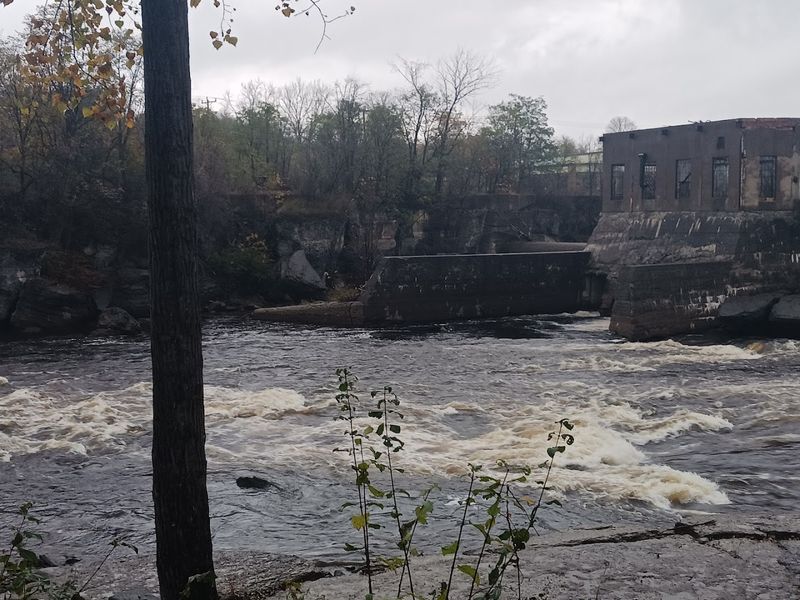
The Black River has been important to people in this region for a very long time. Native American communities, including the Osage Nation, used this river corridor for hunting, fishing, and travel for centuries before European settlers arrived.
The river was a lifeline, not just a scenic backdrop.
Early settlers built grist mills along the Black River in the 1800s, taking advantage of the consistent flow and water power. Ruins of some of those mills still exist along certain stretches, half-swallowed by moss and time.
Standing next to those old stone walls while the river rushes past is genuinely eerie in the best possible way.
Local legends include stories of lost Civil War gold buried somewhere along the upper fork, a tale that has sent more than a few hopeful treasure hunters into the woods over the years. Nobody has found anything yet, which keeps the story alive.
Logging was a major industry along the river in the late 1800s, and old splash dams were used to float timber downstream. Some of the oldest families in Reynolds and Wayne counties have roots tied directly to this river.
Their stories are woven into every bend and riffle.
Ideal Fishing Spots And Native Species
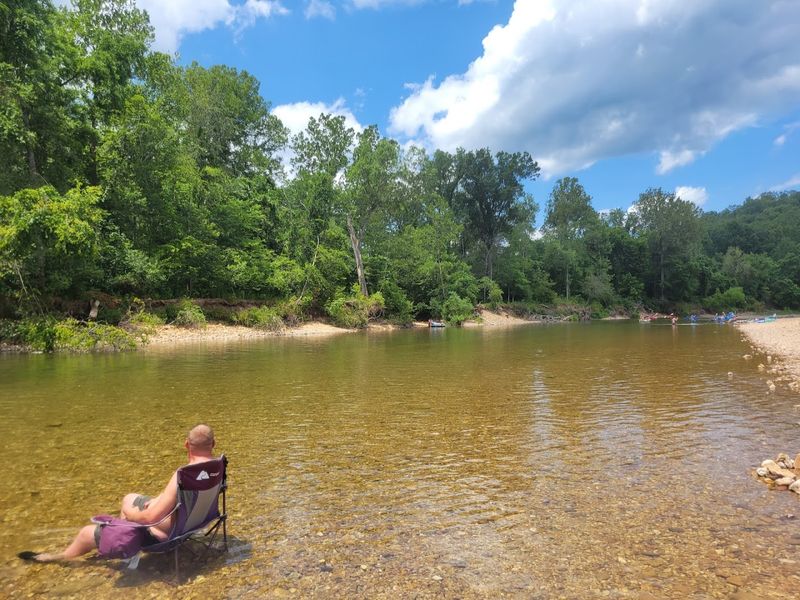
Fishermen who know the Black River guard their favorite spots like state secrets. The water clarity actually makes fishing more challenging here, because the fish can see you just as well as you can see them.
That challenge is exactly what draws serious anglers back year after year.
Smallmouth bass are the star of the show. The rocky substrate and cold, clear water create ideal habitat, and the fish here grow fat and strong.
Landing a two-pound smallmouth on a light rod in this current is a serious thrill. Goggle-eye, also called rock bass, are abundant throughout the river and are a favorite target for kids learning to fish.
Longear sunfish flash brilliant orange and blue colors in the shallows, and they hit small lures with surprising aggression for their size. Spotted bass, largemouth bass, and channel catfish round out the common catches.
The deeper pools below rock ledges hold fish year-round, even when summer heat pushes water temperatures up. Early morning and late evening produce the best action.
Fly fishing works exceptionally well in the riffles, where insects hatch in numbers that keep fish actively feeding all day long.
Impact Of Surrounding Landscape On Water Purity
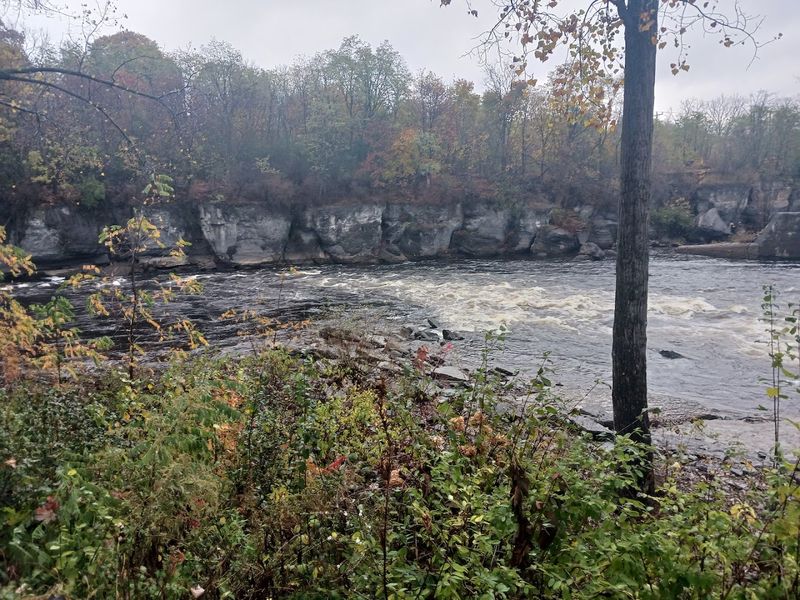
The reason the Black River stays so clear comes down largely to what surrounds it. Large stretches of the watershed remain forested, undeveloped, and ecologically intact.
That forest cover is doing a massive amount of work that most people never think about.
Trees intercept rainfall before it hits the ground, slowing runoff and allowing water to soak into the soil slowly. That soil acts as a giant filter, removing sediment and nutrients before water reaches the river through springs and seeps.
The granite bedrock underlying much of the upper watershed does not dissolve easily, so the water picks up very few dissolved minerals on its journey to the channel.
Agricultural land use in the broader region does pose some risk to water quality, particularly where row crops or cattle operations sit close to tributaries.
Conservation easements purchased over the past two decades have protected key parcels from development, locking in the forest cover that makes the river so special.
The Ozark National Scenic Riverways designation of nearby waterways has created a cultural attitude in the region that values river protection.
That attitude spills over into how local communities treat the Black River, even though it sits outside the formal federal boundary.