
This Delaware Restaurant Serves Old-School Comfort Food With Recipes That Have Stood The Test Of Time
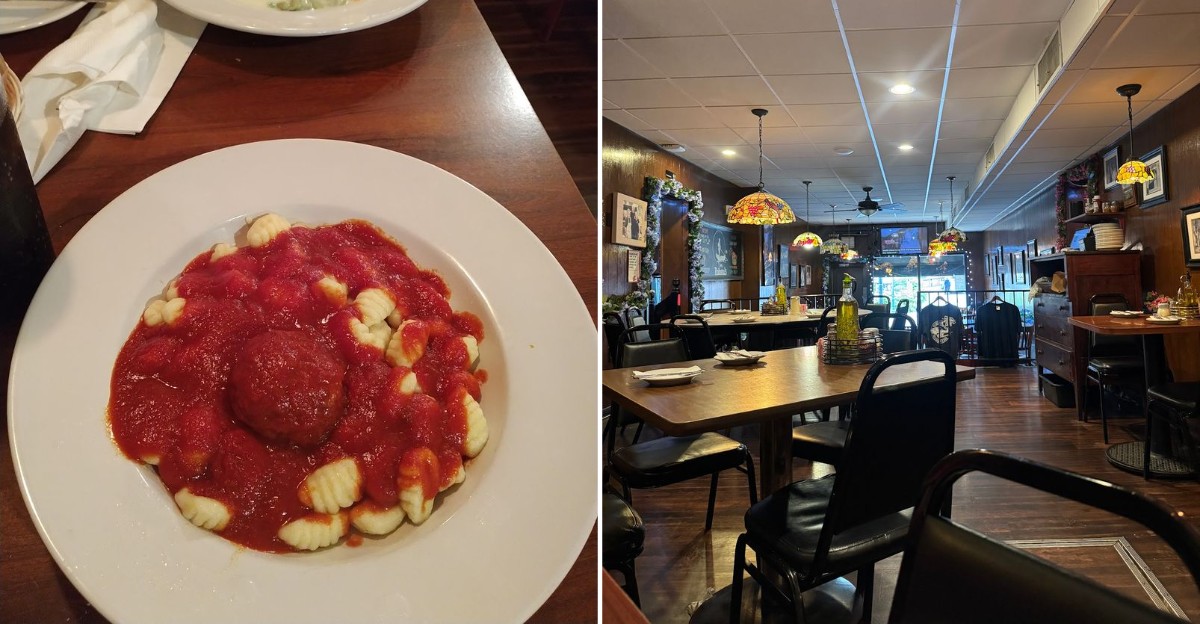
Old-school comfort food probably reminds us of childhood, bringing back memories from when we were young and happy. That might be exactly why it tastes even better.
This Delaware restaurant keeps that tradition alive with recipes that have stood the test of time. Regulars order without needing a menu, already knowing exactly what they want before walking through the door.
Portions stay generous, matching the comfort food reputation this restaurant built over years of consistency. Nothing about the experience feels polished or staged for outside attention.
Word about this restaurant spread slowly, through actual conversation rather than any advertising campaign. Every dish gets prepared with the same care regardless of how busy the dinner rush gets.
This restaurant proved that comfort food doesn’t need anything fancy to make a lasting impression.
A Grandmother’s Kitchen Table Started The Whole Thing
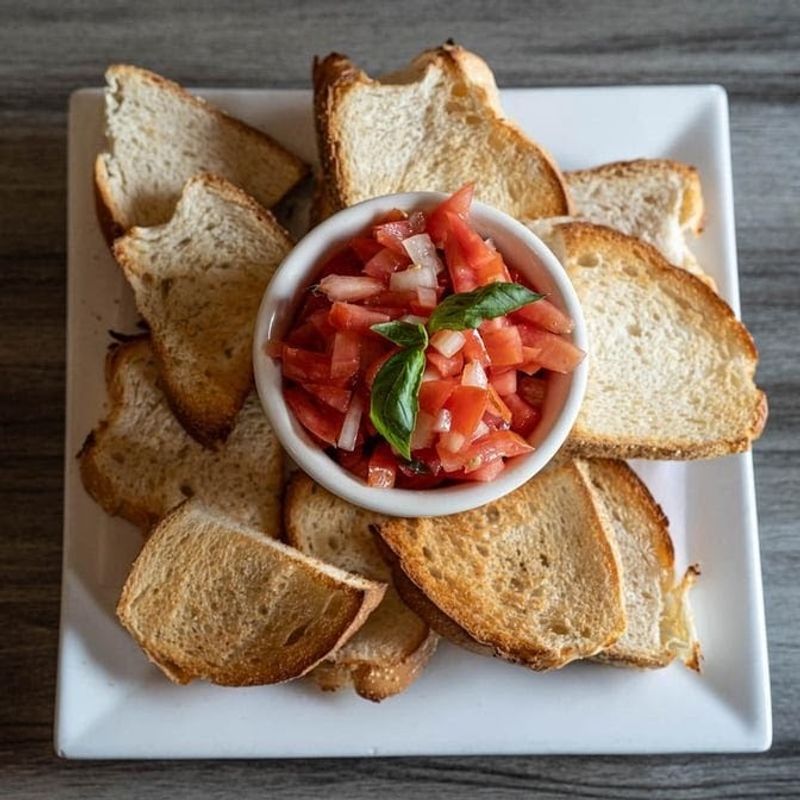
Back in 1939, a woman named Tersilla Robino set out food for Italian immigrants at three tables inside her own home on Howland Street. Word traveled fast.
Her fresh pasta and slow-simmered sauces built such a following that people lined up outside her front door, sometimes before she had even finished cooking. That is not marketing.
That is just really good food doing the talking.
By 1940, the crowds outgrew the house entirely. Tersilla bought a building on North Union Street, moved the family upstairs, and turned the ground floor into a proper restaurant.
The family has never moved since. Same building, same corner of Wilmington’s Little Italy, more than eight decades later.
What makes the story stick is how little has changed in the parts that matter. The recipes Tersilla carried over from Italy are still used without edits, treated more like heirlooms than instructions.
Original details from 1940 remain visible in the entrance, the dining room, and the kitchen. Walking through feels closer to visiting a preserved piece of Wilmington history than eating at a standard Italian spot.
Plenty of restaurants claim heritage. Very few can point to the exact building where the founder raised her children directly above the stove.
You will find it at 520 N Union St, Wilmington, DE 19805.
Pasta Rolled By Hand Every Single Morning
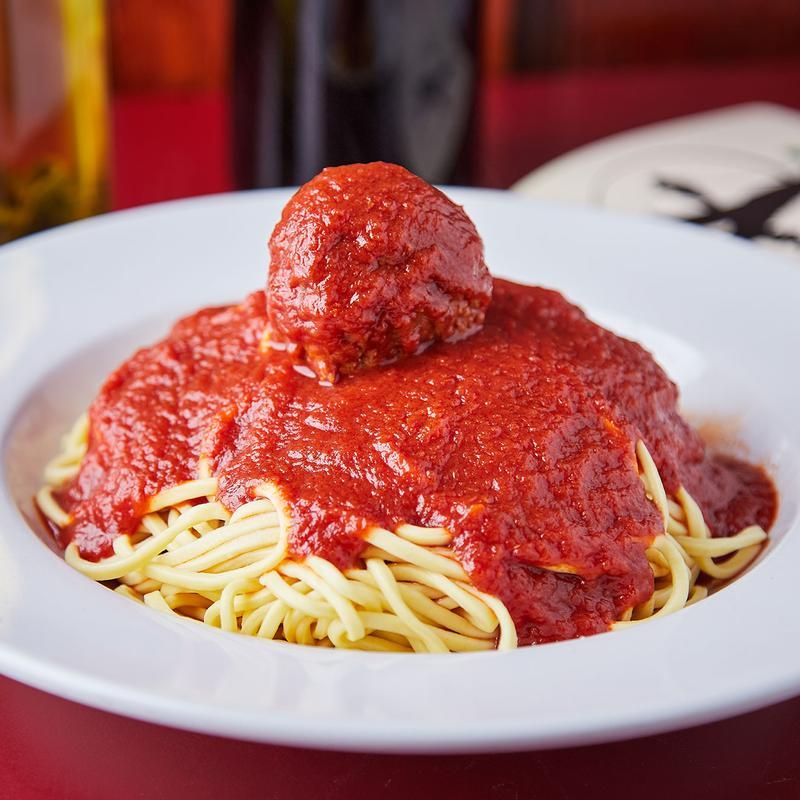
Homemade pasta is the single most talked-about thing on the menu, and for good reason. It gets made in-house by hand, daily, not pulled from a box.
The texture is noticeably different from what most people expect. These noodles are thicker and heartier, built to hold up against a sauce that clings instead of slides off.
Spaghetti and meatballs is the classic order. Cheese ravioli runs a close second, with baked ziti right behind it.
There is a reason this style of cooking is called red-sauce Italian-American. The sauce carries everything, and here it simmers from the original recipes Tersilla brought from Italy generations ago.
Some folks call it sauce. Some call it gravy. The deep, thick, slow-cooked version served here leans firmly toward gravy territory.
Portion sizes deserve a warning label. Dishes arrive large enough that splitting an entree between two people is a perfectly reasonable strategy, and takeout containers get handed out constantly.
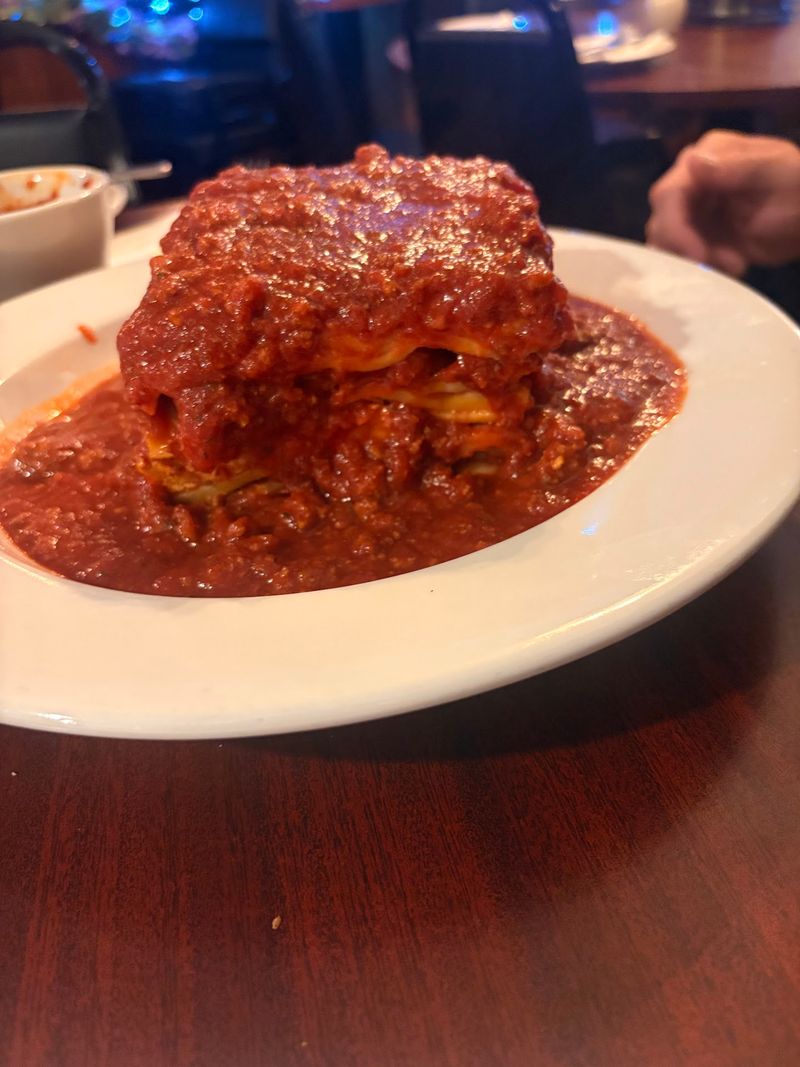
Beyond the headliners, the kitchen turns out lasagna, wedding soup, linguine with red clam sauce, Italian sausage, and braciole. The braciole in particular rewards anyone willing to order something less familiar.
Nothing on the plate is trying to be clever. Fresh ingredients, old techniques, and a whole lot of patience do the work.
Four Generations Behind The Same Stove
Family restaurants come and go. Making it through four generations without losing the plot is genuinely rare.
When Tersilla passed away in 1967, her daughter Pina, known formally as Josephine Robino Minuti, took the reins alongside grandson Joseph F. Minuti.
Pina kept her mother’s traditions running until she passed away in 2004 at ninety years old.
Pina had a signature habit. She stationed herself by the kitchen door, watching the flow of the dining room and making sure every plate went out right.
Today the operation belongs to Tersilla’s great-granddaughters, Andrea Minuti Wakefield and Robin Robino Mabrey, working with Joseph A. Minuti.
The names on the family tree changed. The recipe cards did not.
That continuity explains a lot about why the food tastes consistent across decades. Nobody swooped in to modernize the menu or swap the sauce for something lighter and trendier.
There is real pressure that comes with cooking your great-grandmother’s food in your great-grandmother’s building. Every batch of sauce gets compared to memory.
Ownership stays visible too, often handling the front of the house rather than hiding in an office somewhere. That hands-on approach is how small family places survive.
Eighty-plus years of one bloodline stirring the same pot is a Delaware achievement worth respecting.
Walls Covered In Faces And Framed Memories
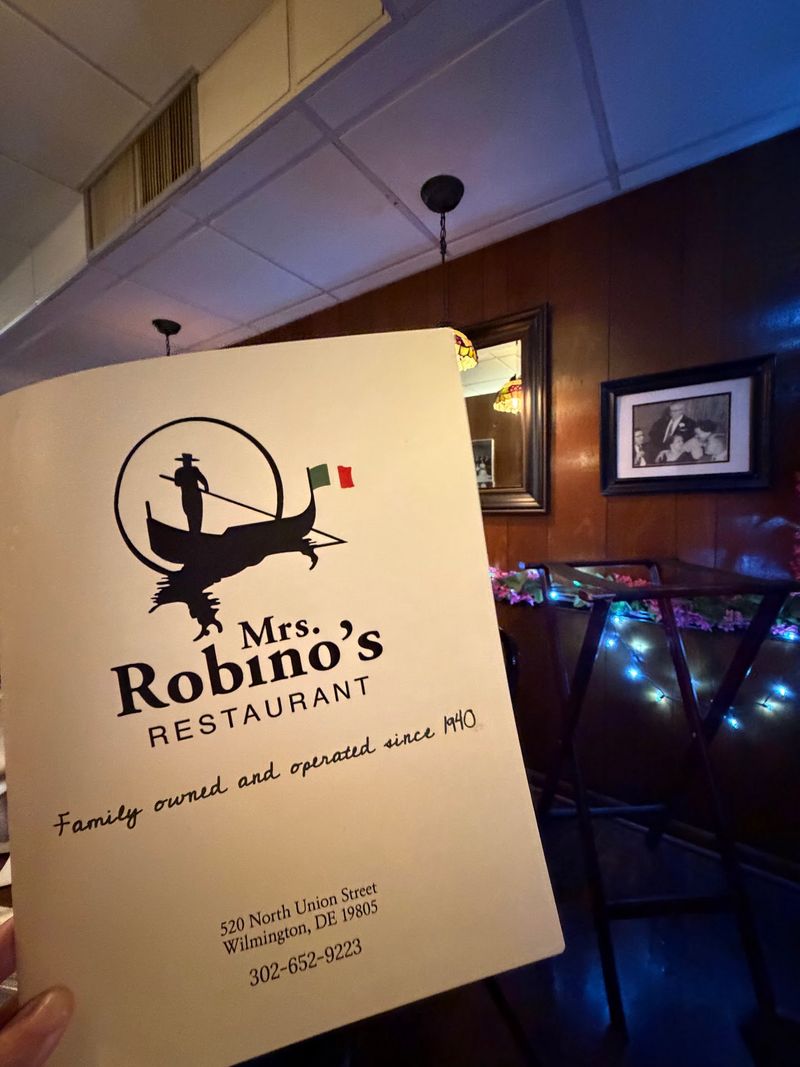
Most restaurants decorate. This one documents.
The entryway and dining room walls carry stacks of photographs, family members, old friends, famous entertainers who dropped by, and longtime customers whose faces became part of the furniture. It reads like a scrapbook that grew until it needed a building.
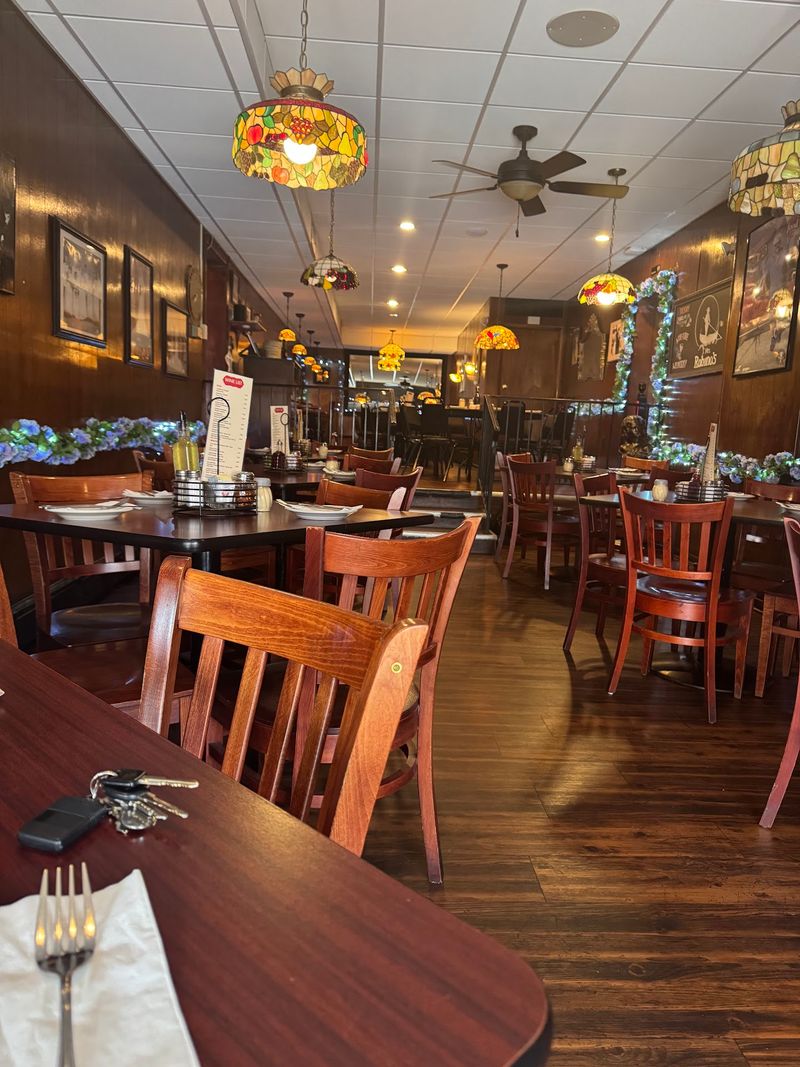
Red-checked tablecloths cover the tables. Lighting stays warm and low, the sort that makes a plate of pasta look better than any ring light ever could.
Design trends have come and gone outside those walls. Inside, comfort and function won the argument a long time ago and never gave the trophy back.
The layout keeps its diner-style bones, relaxed and unpretentious, with a row-house footprint that makes the rooms feel close and conversational. Tables sit near enough that the whole place hums.
Nostalgia here is not manufactured. Those photos were hung one at a time over eight decades, not bought in bulk to create a vibe.
People often describe the feeling as eating dinner at somebody’s grandmother’s house, which is fitting given that a grandmother literally lived upstairs.
Scanning the photo wall before being seated has become its own small ritual. Give yourself an extra minute for it, because the stories in those frames are half the fun.
Thursday Night Belongs To Crab
Delaware sits close enough to the water that crab shows up on menus all over the state. Here it gets its own weeknight.
Thursday Night Crab is a standing tradition, and it pulls a different crowd than the usual pasta regulars. Crab cakes are the headline attraction.
The crab cake leans heavily toward actual crab meat rather than filler, arriving large and served with a side of spaghetti in that signature red sauce. Italian kitchen meets Mid-Atlantic seafood, which is very Wilmington.
Seafood shows up elsewhere on the menu too. Linguine with red clam sauce is a longtime fixture, and dishes loaded with shrimp, scallops, and crab meat rotate through as well.
One house creation carries the name Lottie’s Special, named after a staff member who spent more than twenty years working there. Naming a dish after an employee says something about how the place operates.
Crab night tends to bring a busier room, so timing matters. Arriving earlier in the evening usually means a shorter wait.
Kitchen hours run until 8:30 on weeknights and 9:30 on Friday and Saturday, with Sunday service starting at noon.
For anyone who thinks an Italian restaurant should stick strictly to pasta, Thursday makes a pretty convincing counterargument.
The Little Italy Neighborhood That Raised It
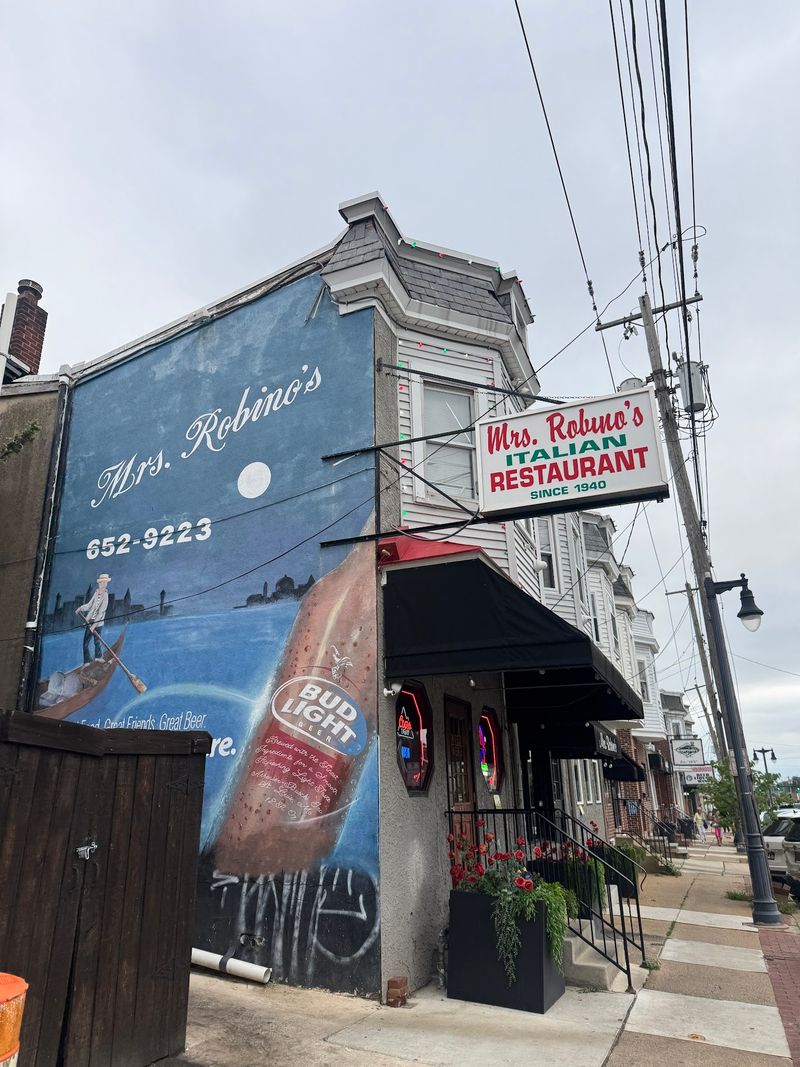
Context matters with a place like this. The restaurant sits in the heart of Wilmington’s Little Italy, one of the most historically distinct Italian-American neighborhoods on the East Coast.
Rows of brick homes, narrow streets, and generations of families who never left. The restaurant did not create that character, it grew directly out of it.
Tersilla’s first customers were Italian immigrants who had just arrived and wanted food that tasted like home. That original mission is baked into everything the kitchen still does.
From the outside, the building keeps a humble profile. No flashy facade, no oversized signage screaming for attention from the street.
Yet it functions as a genuine Wilmington landmark, the kind locals use for directions. Visitors passing through Delaware on the way to the beaches often make the detour on purpose.
Parking works the way it does in any older city neighborhood, so a little patience on the surrounding streets helps.
Exploring the blocks nearby is worth the time too, since Little Italy holds bakeries, shops, and church spires that fill out the picture.
National television attention came calling as well, with Guy Fieri featuring the restaurant and inspiring a sampler dinner named in his honor. That spotlight brought new fans without changing the neighborhood feel one bit.
Desserts Worth Saving Room For
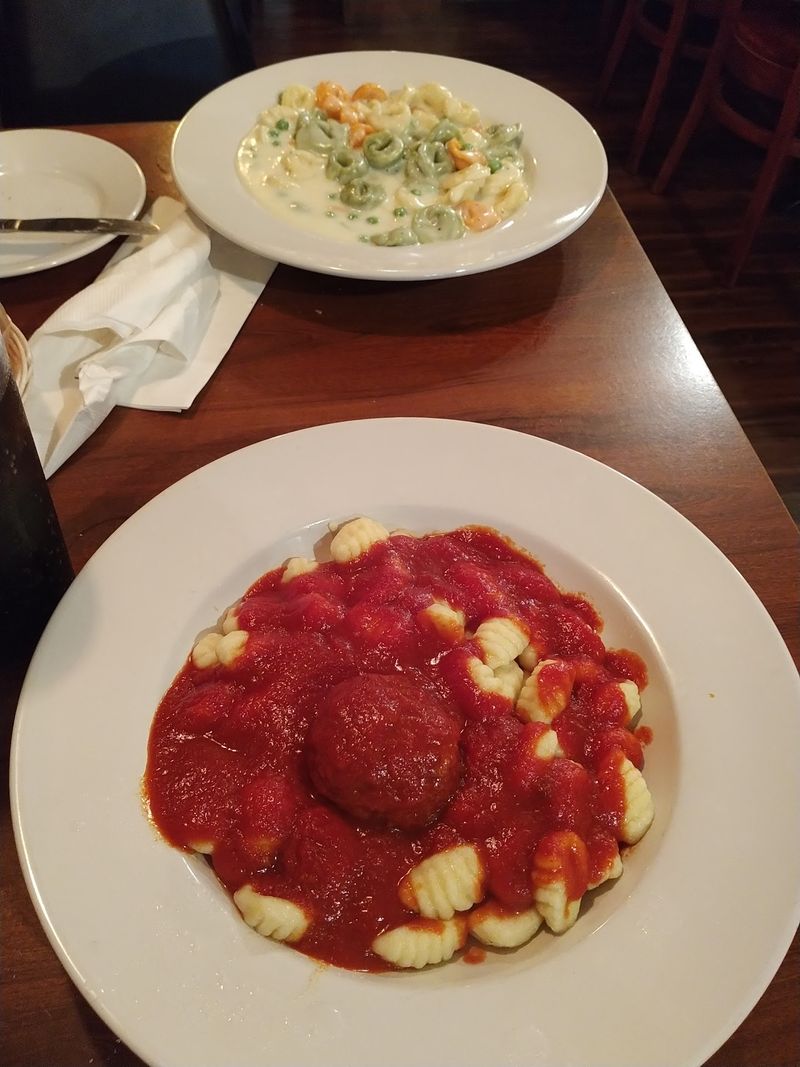
Here is the trap. Portions arrive so large that dessert seems mathematically impossible by the end of the meal.
Plan anyway. The homemade ricotta cheesecake is the one longtime fans build their whole strategy around.
Ricotta cheesecake is denser and less sugary than the New York style most people know, with a slightly grainy texture that comes from the cheese itself. It is an old Italian recipe that never needed updating.
Tiramisu holds down the classic corner of the dessert menu. Cannoli round things out for anyone who wants something crisp after all that pasta.
A smart move is boxing up part of the entree the moment it arrives. That leaves actual room for the sweet finish instead of a sad, defeated bite or two.
The kitchen also keeps a solid range of vegan options, including plant-based meatballs and cheeses. That is an unexpected touch from a place this traditional.
Adding vegan dishes without touching the original recipes shows a family that knows the difference between adapting and compromising. The old plates stay exactly as they were.
Whether the meal ends with cheesecake or a takeout container the size of a small suitcase, nobody leaves hungry. That has been the rule since 1940 and it holds up just fine.
Treated Like A Regular From Your First Visit
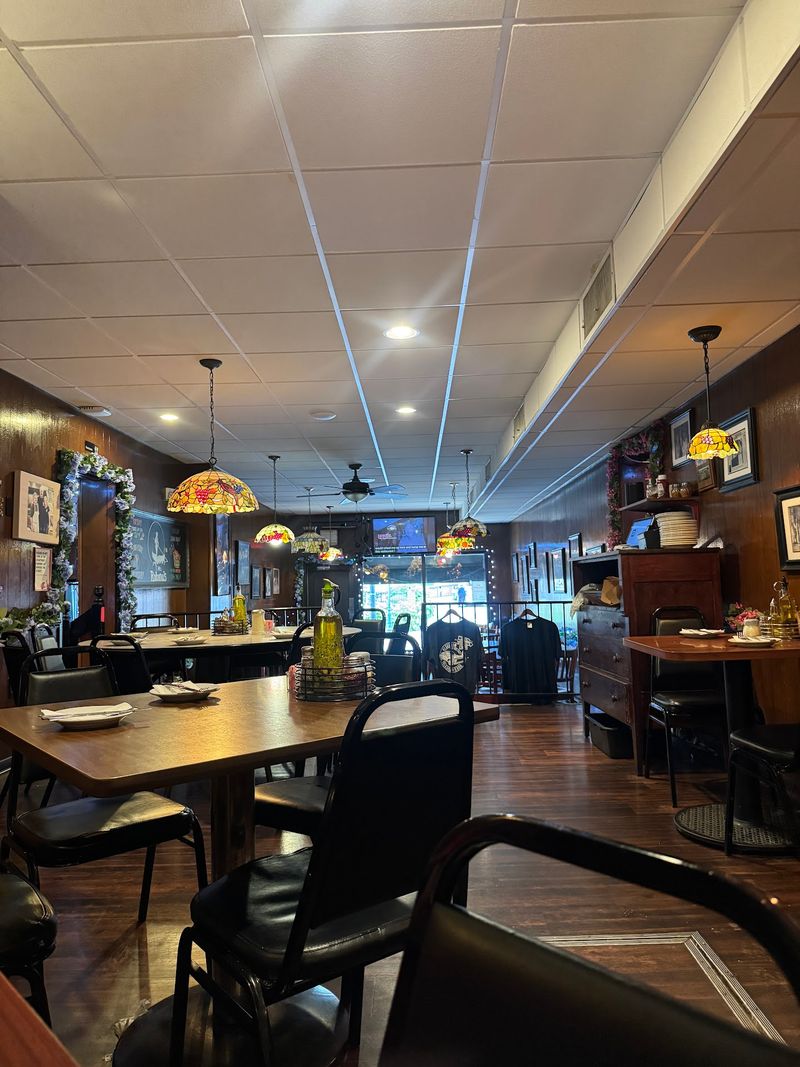
Something about this dining room short-circuits the usual restaurant formality. First-timers and fiftieth-timers get handled the same way.
Staff tend to know the menu inside out and will happily explain the history behind a dish or steer someone toward the right order. That knowledge comes from working in a place where the story actually matters.
Families book birthdays here. Wedding luncheons and gatherings fill the back room on weekends.
Multiple generations of Wilmington families have grown up eating at these tables, which means the dining room often holds grandparents, parents, and kids all at once. That mix keeps the energy lively rather than hushed.
Hospitality was the original business model long before it was a buzzword. Tersilla started by feeding neighbors in her own home, and the instinct never faded.
Eighty-five-plus years in, the appeal comes down to something simple. A family kept cooking the food their great-grandmother made in the building she bought, for a neighborhood that never stopped showing up.