
This Dreamlike Tennessee Hiking Trail Feels Like A Fairytale In Springtime
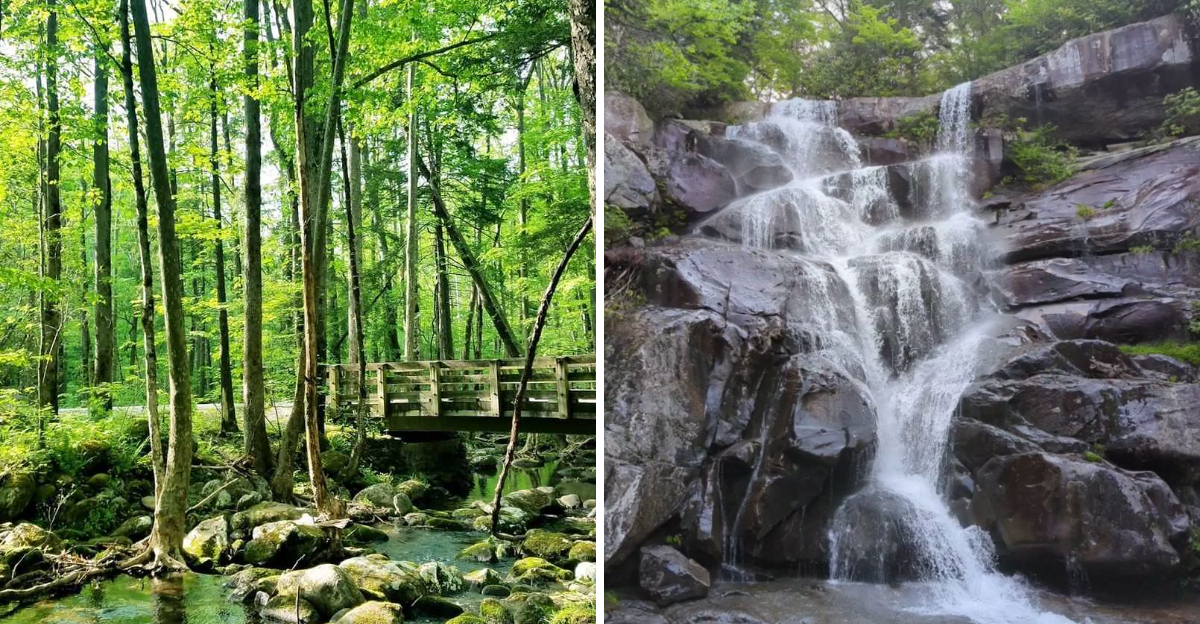
Spring transforms the forest in the most magical way. Fresh green leaves shimmer in the sunlight, wildflowers brighten the path, and cool mountain air carries the sound of rushing water long before you see it.
In Tennessee, one hiking trail offers a journey that feels almost storybook-like this time of year. The route winds through towering trees, crosses lively streams, and gradually leads deeper into peaceful wilderness.
Each step reveals something new – moss-covered rocks, blooming plants, and the quiet beauty of a forest waking up after winter. By the time the trail reaches its grand finale, the entire walk feels unforgettable.
The Trail That Earns Every Step
Right from the trailhead, this place makes its intentions clear. This 8-mile round-trip route does not pretend to be an easy stroll.
The first 1.5 miles follow a wide, relatively level path that eases you into the experience with calm confidence.
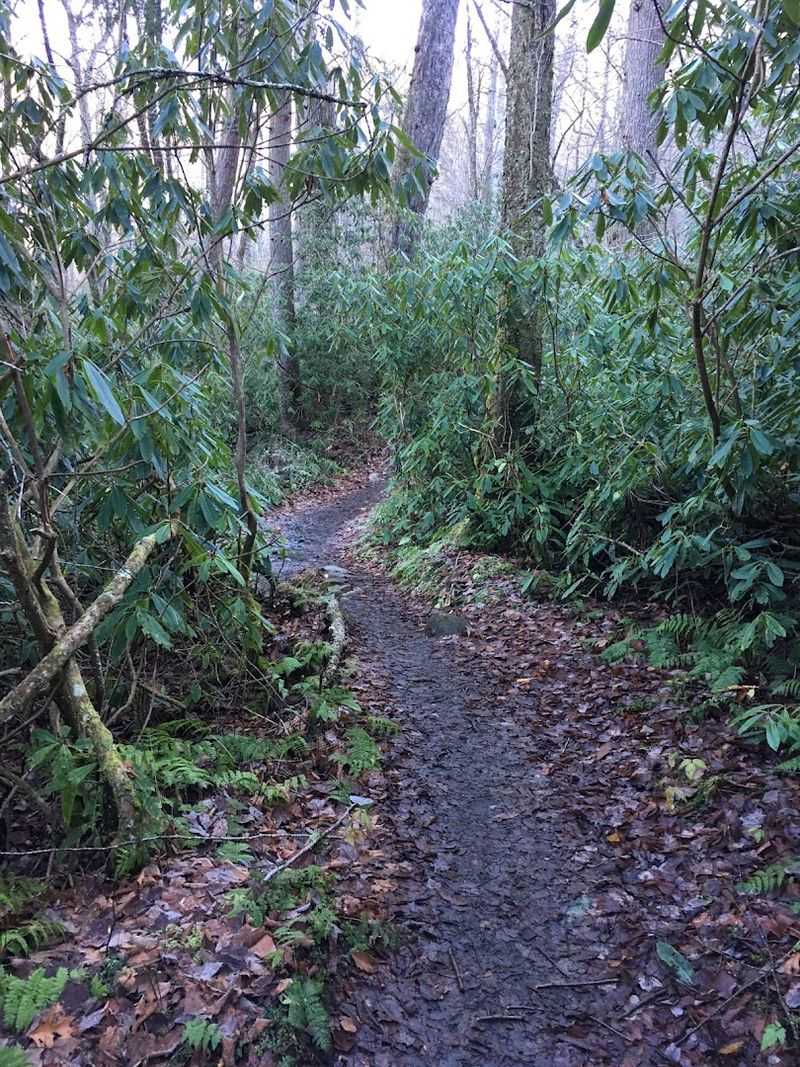
After that gentle opening, the trail shifts its personality entirely. The incline grows steadily steeper, the rocks multiply underfoot, and the forest canopy thickens into something ancient and atmospheric.
You gain over 2,000 feet in elevation across the full route, which is no small commitment for any hiker.
Most visitors rate the difficulty as strenuous, and that assessment is accurate. Solid footwear, trekking poles, and plenty of water are not optional extras here, they are essential gear.
The trail rewards preparation generously. Those who arrive ready for a real physical challenge find the experience deeply satisfying, not just for the destination but for the journey itself.
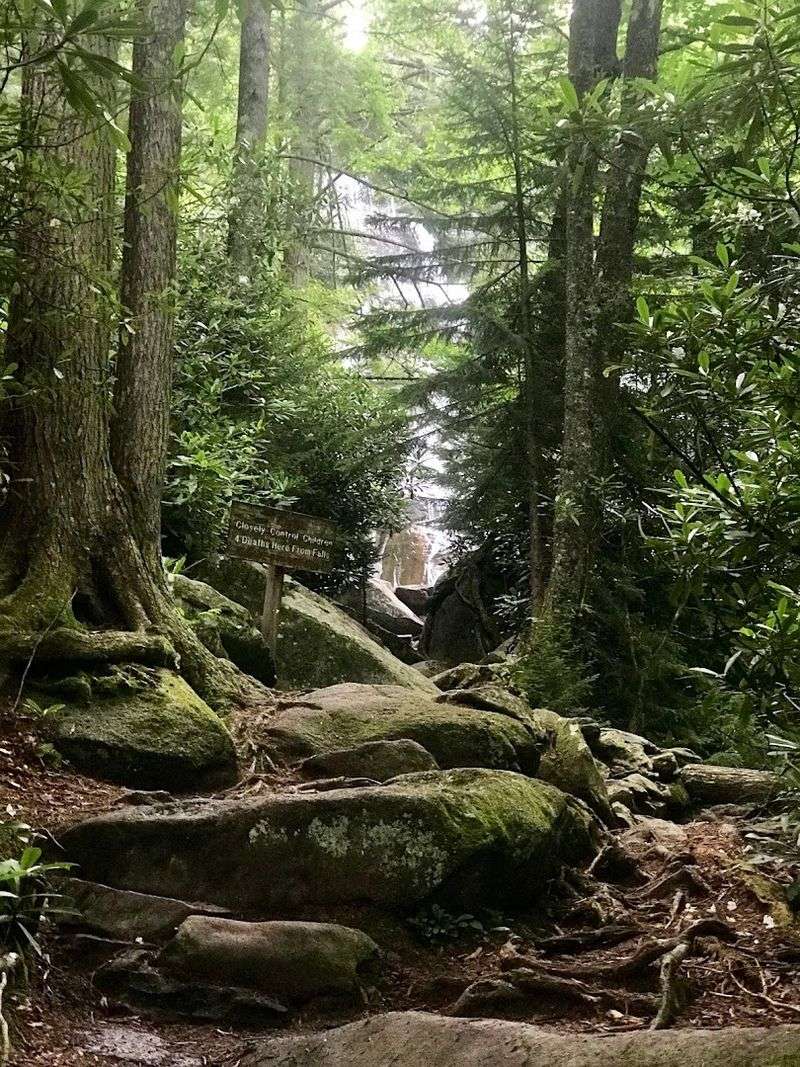
Every difficult step adds meaning to the moment you finally hear the waterfall roaring ahead.
Old-Growth Forest Unlike Anything You Have Seen Before
Few forests in the eastern United States can match what you find along the upper section of Ramsey Cascades Trail. This area contains one of the largest remaining old-growth forests in the entire Smoky Mountains, and walking through it feels genuinely humbling.
Trees here have been growing for centuries, and their scale is almost hard to process at first glance.
Tulip poplars dominate the canopy, some reaching diameters wide enough to make a grown adult look small standing beside them. The bark is deeply furrowed and draped in moss, and the roots sprawl across the trail like the fingers of something ancient and deliberate.
Sunlight filters down in long, shifting columns that change character throughout the day.
In spring, the understory fills with wildflowers that bloom in short, brilliant windows before the full canopy closes off the light. Trilliums, violets, and jack-in-the-pulpit appear along the trail margins in soft clusters.
The combination of enormous trees above and delicate blooms below creates a visual contrast that photographers and casual walkers alike find genuinely moving. This forest section alone justifies the drive out to the trailhead.
Water Crossings That Add Adventure To Every Visit
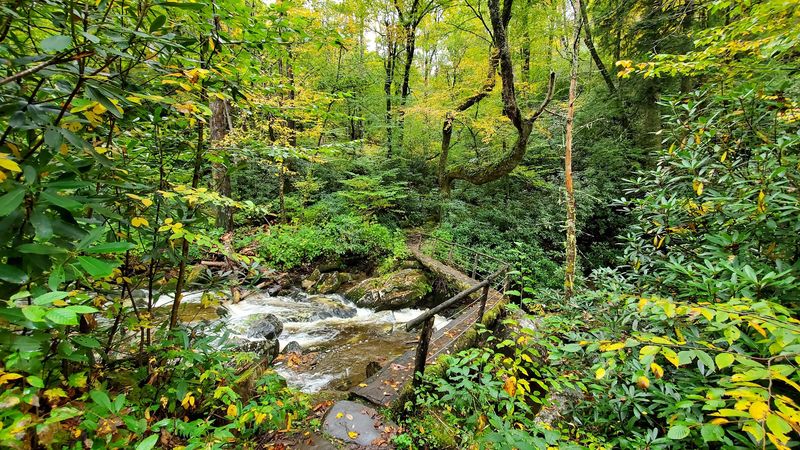
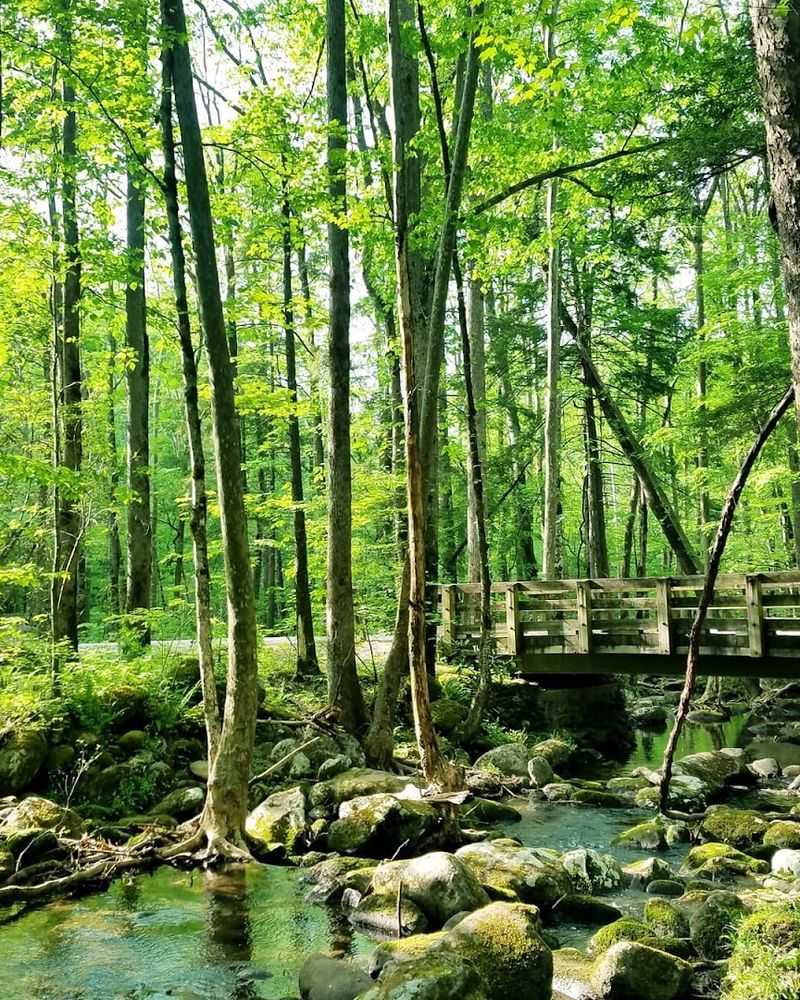
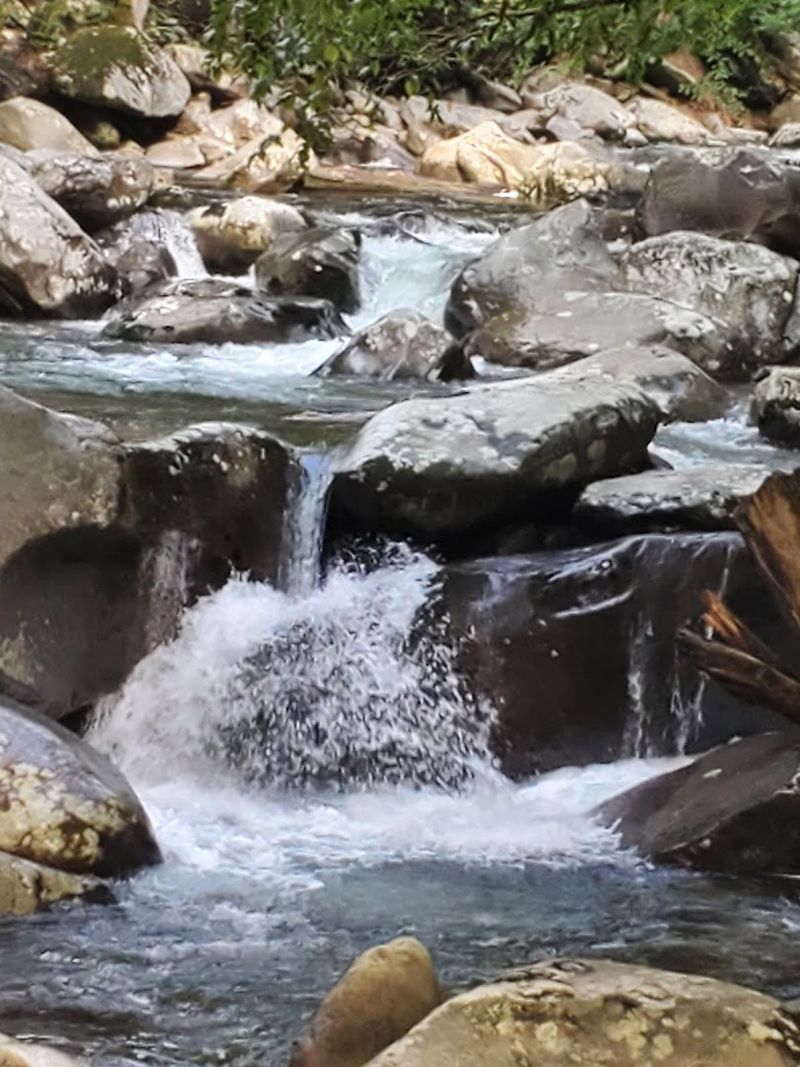
One of the most memorable features of this hike is the series of stream crossings you encounter along the way. The trail follows the Middle Prong of the Little Pigeon River for much of its lower section, and the sound of moving water becomes a constant companion almost immediately after you set off from the parking area.
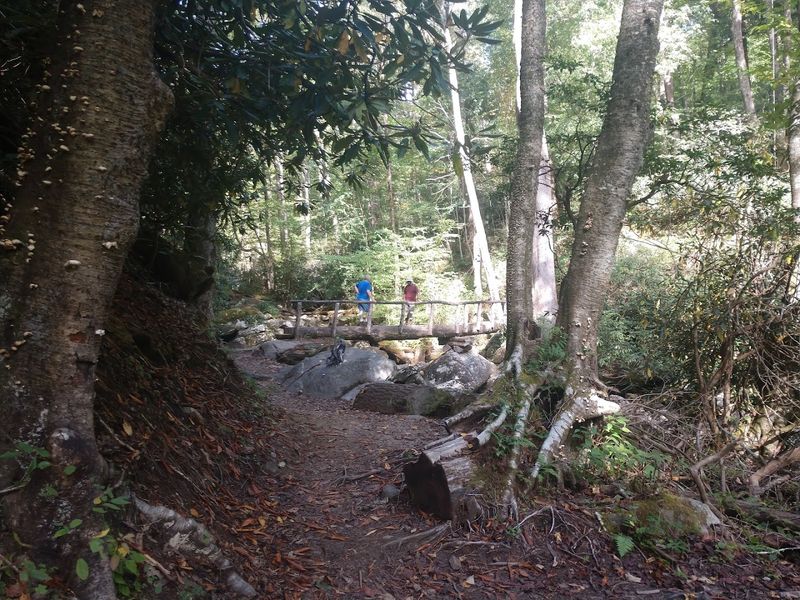
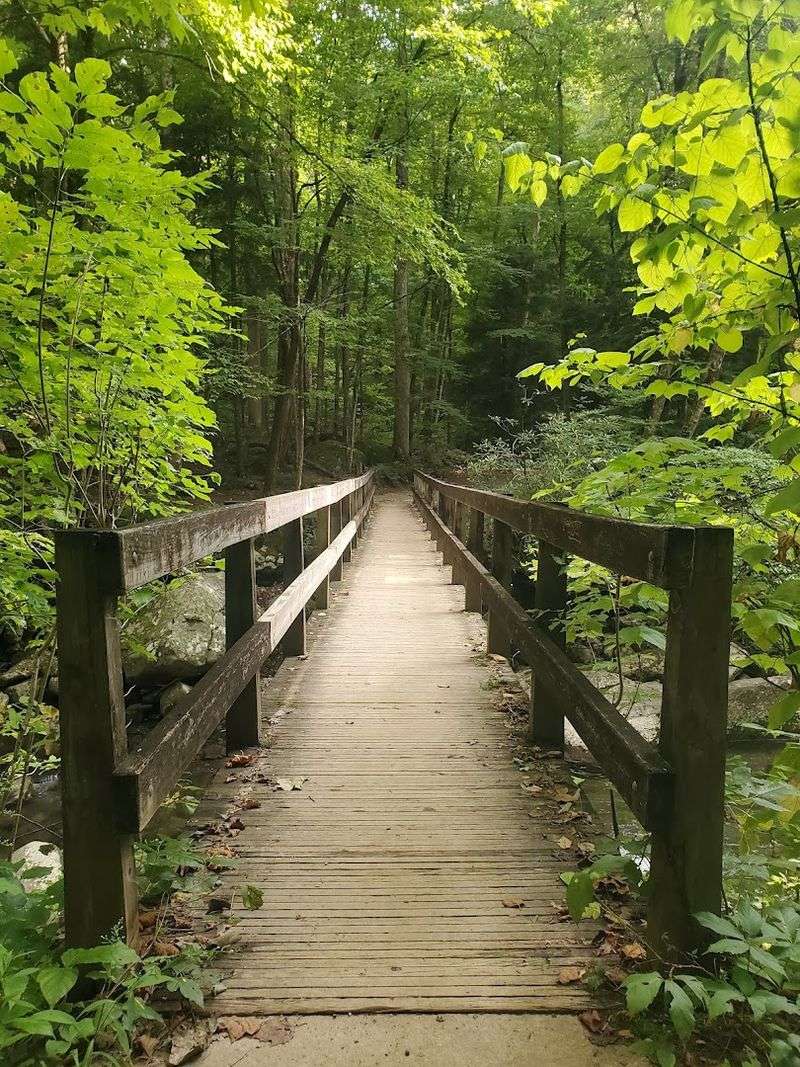
Some crossings use well-built wooden footbridges that span the clearest, coldest mountain water imaginable. Others require you to step carefully across rocks, balancing your pack and your confidence in equal measure.
After periods of heavy rainfall, water levels rise noticeably, and a few crossings can get your boots wet regardless of your technique.
Experienced hikers recommend bringing waterproof boots or at minimum being mentally prepared for damp feet. Trekking poles help enormously at the rockier crossings, providing stability on slippery surfaces.
The bridges themselves are photogenic enough to warrant stopping, with mossy timber railings and crystal-clear water rushing below. In spring, the streams run high and fast from snowmelt and seasonal rain, adding both beauty and a mild sense of urgency to the crossing experience.
It is one of those small thrills that makes this trail feel genuinely alive.
Ramsey Cascades Waterfall And Why It Stops You Cold
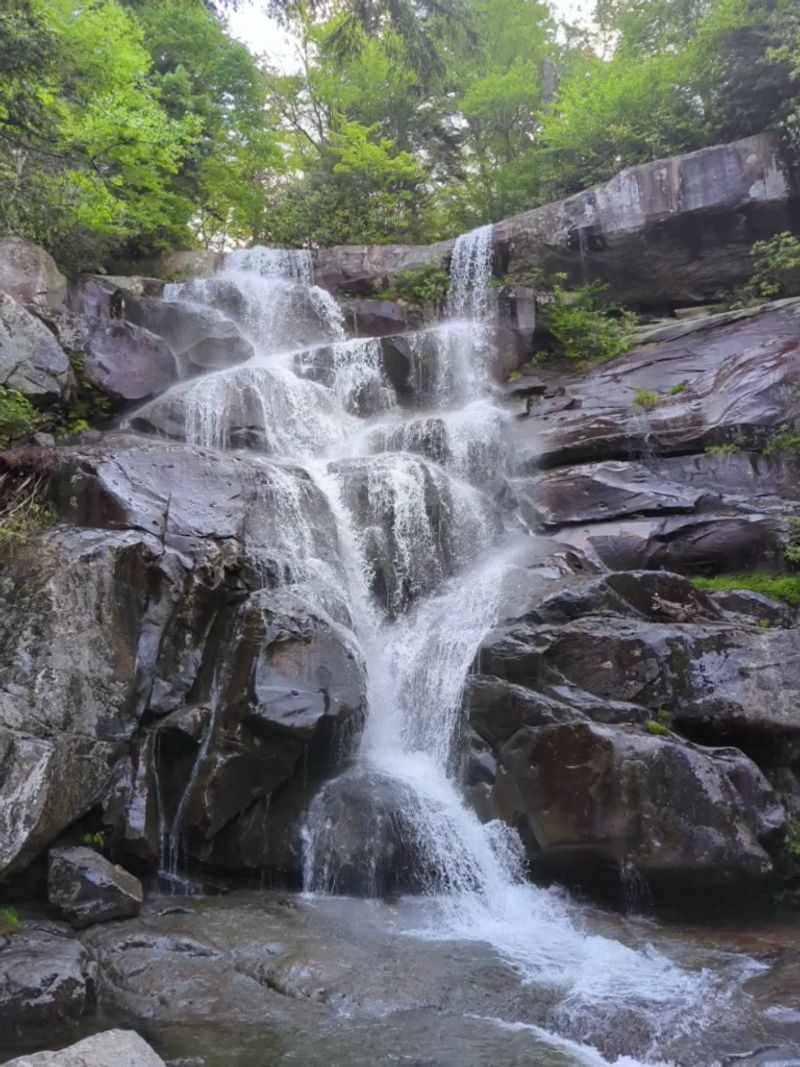
Standing at the base of Ramsey Cascades is one of those moments that makes all the sore muscles and labored breathing feel completely beside the point. The waterfall drops approximately 100 feet over a series of massive rock ledges, sending up a constant mist that drops the air temperature noticeably even on a warm spring afternoon.
The boulders surrounding the base are enormous, some reportedly the size of a small house, and the sheer scale of the place creates an atmosphere that feels theatrical without any human effort involved. The roar of the water is audibly intense long before you round the final bend and see the falls for the first time.
Visitors consistently describe the moment of arrival as worth every difficult step, and that sentiment holds up across hundreds of reviews. The cold air rising from the base feels like natural air conditioning after a sweaty climb.
Many hikers eat lunch on the surrounding rocks, letting the sound and spray reset them before the long walk back. In spring, the volume of water is typically at its peak, making this already impressive waterfall even more dramatic and forceful than it appears in most photographs.
Springtime Wildflowers That Line The Path With Color
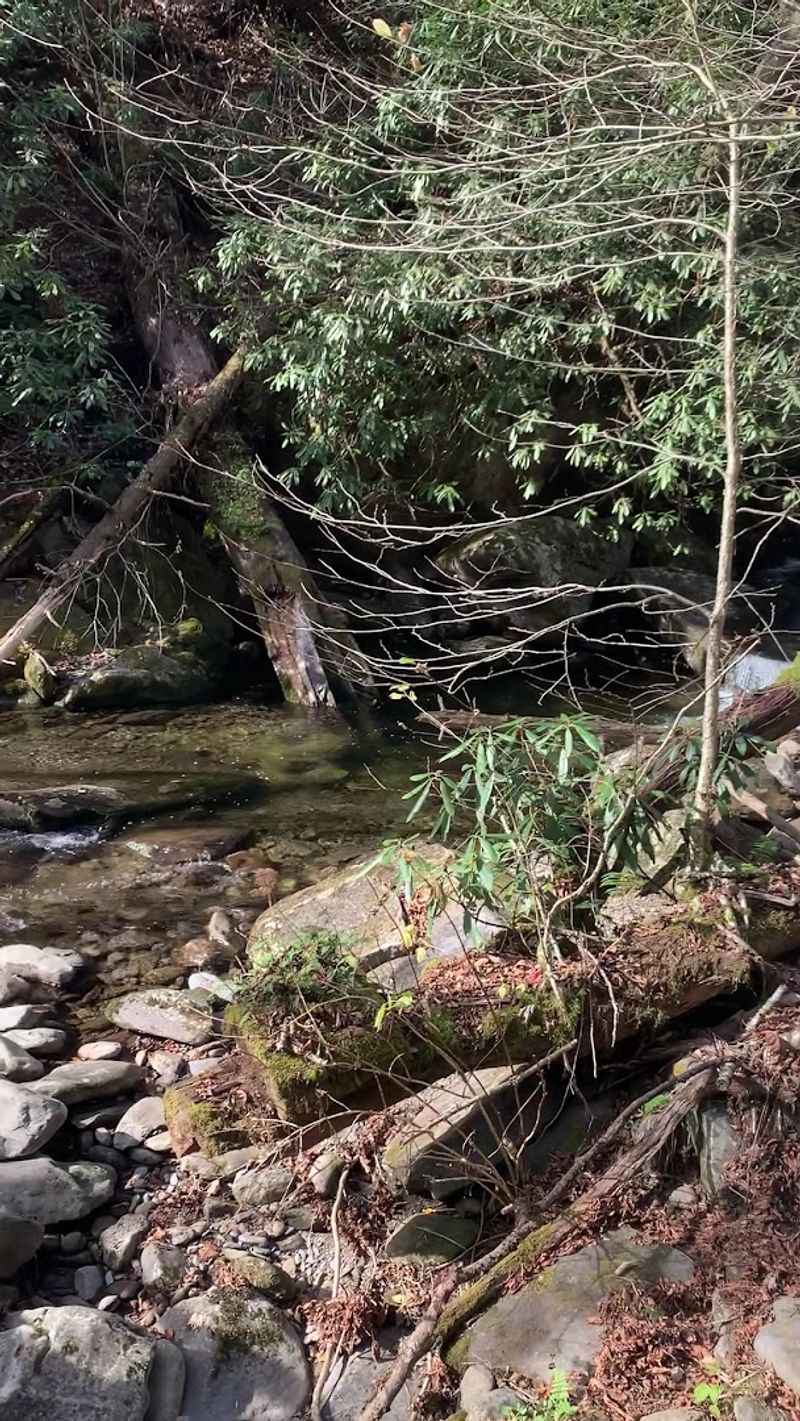
Spring arrives in layers along Ramsey Cascades Trail, and the wildflower display is one of the most rewarding aspects of visiting between late March and mid-May. The Great Smoky Mountains National Park is recognized as one of the most biodiverse regions in North America, and the wildflower variety along this trail reflects that richness beautifully.
Trilliums are among the most visible bloomers, their three-petaled flowers appearing in white, pink, and deep burgundy depending on the species. Wild geraniums, bloodroot, and hepatica also make appearances, often in small clusters that reward attentive walkers who take their time rather than rushing toward the waterfall.
The lower section of the trail, where light reaches the forest floor more easily, tends to produce the densest wildflower concentrations. As you gain elevation and the canopy closes in, the blooms become more selective and occasional, which makes each sighting feel more like a discovery.
Photographers visiting in spring should plan for early morning light, which filters through the trees at a low angle and gives the flowers a luminous, almost glowing quality. Bring a macro lens if you have one, because the details here are extraordinary up close.
Wildlife Encounters You Should Prepare For Honestly
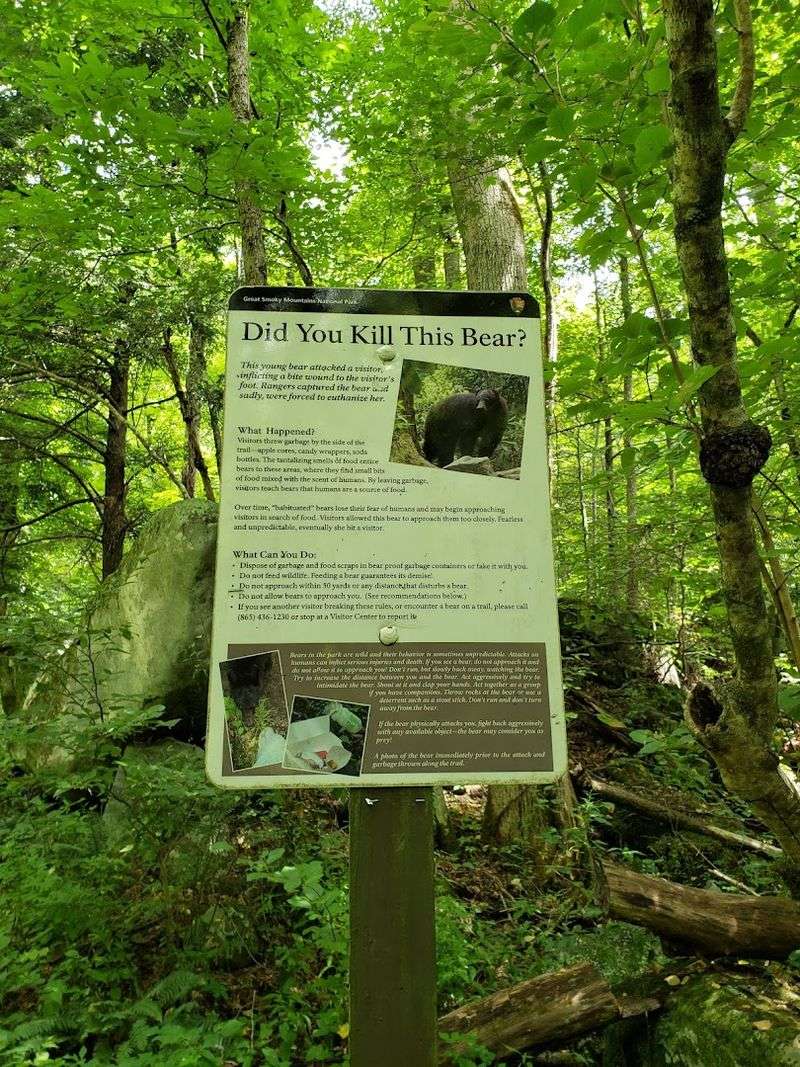
The Great Smoky Mountains National Park is home to approximately 1,900 black bears, and Ramsey Cascades Trail passes through prime bear habitat. Multiple visitor reviews mention bear sightings on this trail, typically in the early morning hours around the 1.5-mile mark.
Sightings are not guaranteed, but they are common enough to take seriously as a planning consideration.
Bears in the park are wild animals with unpredictable behavior, and the National Park Service recommends maintaining a minimum distance of 150 feet at all times. Bear spray is a practical addition to your pack, and making noise while hiking helps alert animals to your presence before a surprise encounter can occur.
Groups tend to have fewer unexpected animal interactions than solo hikers.
Beyond bears, the trail also passes through habitat used by white-tailed deer, wild turkeys, and a remarkable variety of bird species that become especially active in spring. The forest soundtrack in April and May includes wood thrushes, ovenbirds, and various warblers that pass through during migration.
Wildlife watching adds a rewarding dimension to the hike that goes well beyond the waterfall payoff. Coming early in the morning, as many reviewers suggest, dramatically increases your chances of meaningful wildlife observation.
Getting To The Trailhead And What To Know Before You Go
Reaching Ramsey Cascades Trail requires a bit more navigation than some of the more central Smoky Mountains hikes, and that extra effort is part of what keeps the crowds manageable on weekday mornings. The trailhead sits in the Greenbrier area of the park, accessed via a gravel road that can be rough on standard passenger vehicles.
Drive slowly and expect the road surface to be uneven.
Parking at the trailhead is limited, and it fills up quickly on weekends and holidays. Arriving before 8:00 AM is a widely shared piece of advice among regular visitors, and those who follow it consistently report a more enjoyable, less congested experience.
A federal recreation pass or day-use fee is required for entry into the national park.
Restroom facilities near the trailhead are basic, so plan accordingly before you leave your vehicle. Cell service is unreliable once you enter the park road, so downloading an offline map beforehand is a smart move.
The Greenbrier entrance is particularly convenient for visitors staying near Pittman Center or on the eastern side of Gatlinburg. Knowing these logistics in advance removes the friction from what should be a smooth and memorable morning in the mountains.
Packing Smart For An 8-Mile Mountain Hike
Eight miles with over 2,000 feet of elevation gain is a serious undertaking, and the difference between a great day and a miserable one often comes down to what you bring. Water is the most critical item, with most hikers recommending at least two liters for the round trip, more in warmer months when the climb generates considerable heat.
Food matters more than many beginners expect. The consistent uphill grade burns energy steadily, and arriving at the waterfall already depleted makes the return journey genuinely unpleasant.
Pack a real lunch plus snacks you can eat on the move, like nuts, dried fruit, or energy bars that hold up in a warm pack.
Footwear deserves serious thought. Trail runners work for experienced hikers comfortable on rocky terrain, but most visitors find that waterproof hiking boots provide the ankle support and grip that makes the technical upper section feel manageable rather than stressful.
Trekking poles appear in nearly every positive review of this trail, particularly for the descent, which puts significant pressure on knees over the final miles. A light rain layer is also worth including, as mountain weather in spring can shift quickly and the mist near the falls can make you colder than anticipated.
The Best Time Of Year To Visit Ramsey Cascades
Timing a visit to Ramsey Cascades Trail can make a significant difference in what you experience. Spring, specifically the window from late March through mid-May, is widely considered the most visually rewarding season.
Wildflowers bloom in succession during this period, the streams run full and fast, and the forest transitions from bare winter branches to a dense, layered green that transforms the atmosphere completely.
Early spring also brings cooler temperatures that make the long climb more physically comfortable. By late May and into summer, heat and humidity build quickly in the lower sections of the trail, and the wildflower display has largely finished.
Fall offers its own appeal with foliage color, but the water volume at the falls is typically lower after the drier summer months.
Winter visits are possible and surprisingly peaceful, with dramatically reduced crowds and ice formations near the waterfall that create an entirely different visual experience. However, the rocky upper section becomes genuinely dangerous when frozen, and only experienced hikers with appropriate footwear should attempt it in those conditions.
For most visitors seeking the full fairytale effect that this trail is capable of producing, a clear morning in April remains the single best combination of conditions the trail can offer.
Why This Trail Feels Different From Every Other Smoky Mountain Hike
Plenty of trails in the Great Smoky Mountains lead to waterfalls, and many of them are genuinely beautiful. Ramsey Cascades Trail manages to feel distinct from all of them, and the reason is not simply the size of the waterfall at the end.
It is the accumulation of everything the trail delivers across its full 4-mile length in each direction.
The old-growth forest section is rare and irreplaceable. The stream crossings add texture and mild adventure.
The wildlife presence is real and frequent enough to keep you alert. The elevation gain is honest and significant, which means the physical effort becomes part of the emotional experience rather than just a price to pay for the view.
Visitors who have hiked across the Smokies for years consistently rank this trail among their favorites, not because it is the easiest or the most accessible, but because it asks something of you and then delivers something genuinely extraordinary in return. The waterfall hits differently when you have earned it.
The cold mist on your face at the end of a hard climb is one of those small, perfect moments that does not photograph well but stays with you for years. That quality is what separates a good trail from a truly memorable one.