
This Dreamy Arboretum In New York Is So Beautiful, It Feels Like A Claude Monet Painting
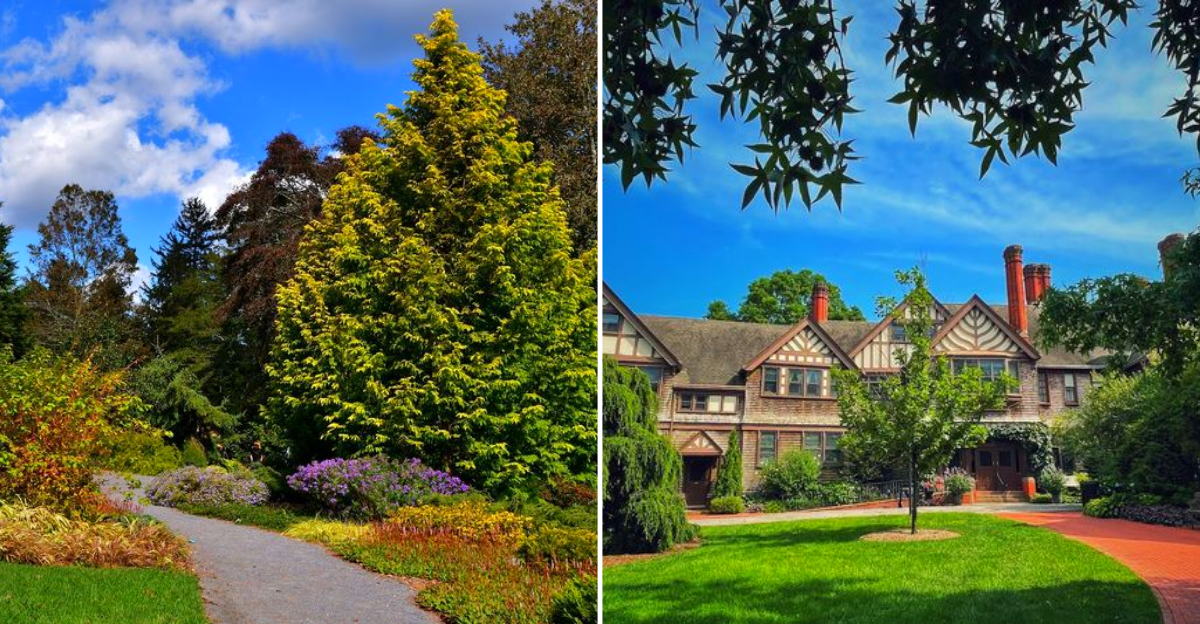
Step into this breathtaking arboretum in New York and the outside world quickly fades away. Paths wind through vibrant gardens where flowers spill over the edges of carefully tended beds, trees sway gently overhead, and quiet ponds reflect bursts of color in every direction.
The scene feels so soft and painterly that it almost looks like it belongs on canvas rather than in real life.
Visitors wander slowly here, pausing to admire the changing blooms and the way the light filters through branches and petals. Every season brings a different palette, but the overall feeling remains the same: peaceful, romantic, and quietly magical.
With its dreamy landscapes and impressionist-like beauty, this New York arboretum often leaves guests feeling as if they have stepped straight into a Claude Monet painting.
A Landscape That Stops You In Your Tracks
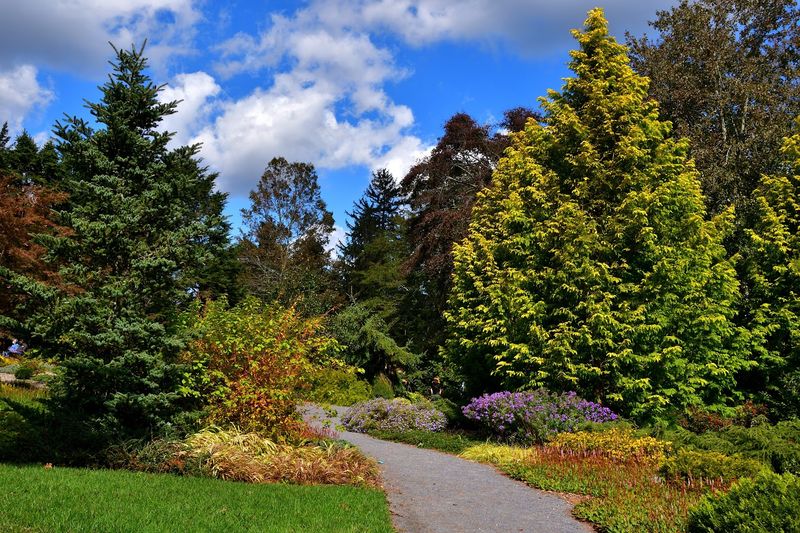
Few outdoor spaces on the East Coast manage to feel both cultivated and completely wild at the same time, but Bayard Cutting Arboretum pulls it off with quiet confidence. The grounds stretch across 691 acres along the Connetquot River, offering a scale of natural beauty that genuinely surprises first-time visitors.
Towering specimen trees frame open riverfront lawns, creating long, sweeping views that shift with the light throughout the day.
The arboretum was originally developed in the late 1880s by William Bayard Cutting, a prominent New York businessman who wanted a private retreat that reflected his appreciation for landscape design. Frederick Law Olmsted, the celebrated designer behind Central Park, helped shape the original vision of the property.
That foundational attention to composition still shows in the way paths curve naturally and open onto unexpected clearings.
What makes the landscape feel so alive is the variety packed into one continuous space. Conifer collections, rhododendron groves, wildflower patches, and manicured garden beds all exist within walking distance of each other.
Each turn along the trail offers a new frame, a new mood, and a new reason to slow down and actually look at what is growing around you.
Bayard Cutting Arboretum And Why It Belongs On Your List
Located at 440 Montauk Highway in Great River, New York, Bayard Cutting Arboretum is a state park that consistently earns a 4.8-star rating from thousands of visitors who clearly cannot stop coming back. The park is open Tuesday through Sunday from 9 AM to 4 PM, with Monday closures for maintenance.
Parking costs eight dollars per day, though Empire Pass holders with a physical card can enter free of charge.
The arboretum offers a genuinely complete day out rather than just a stroll through greenery. An on-site cafe serves food and beverages, a gift shop stocks locally inspired goods, and a visitors center near the parking area provides clean restrooms and air conditioning.
The historic mansion at the heart of the property is open for tours when available, offering a look inside one of Long Island’s most elegant Gilded Age estates.
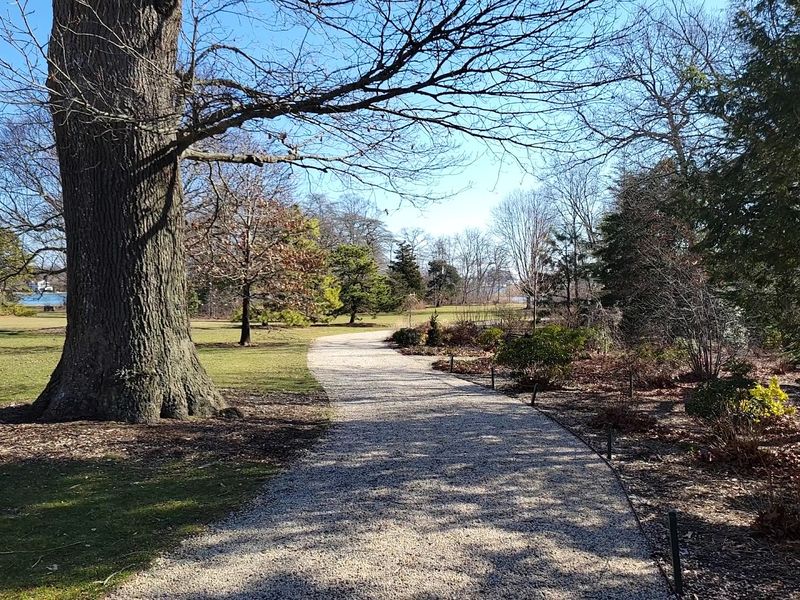
Trails range from short ten-minute loops to three-hour hikes, making the park accessible for all fitness levels and ages. The well-marked paths are a mix of paved surfaces, packed gravel, and natural dirt, so comfortable walking shoes are all you really need.
Benches are placed generously throughout, inviting visitors to sit, breathe, and absorb the surroundings without any rush.
The Historic Mansion At The Heart Of It All
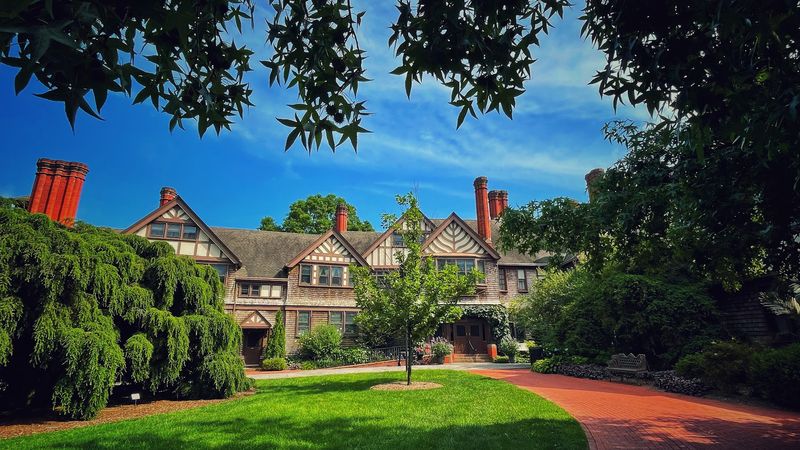
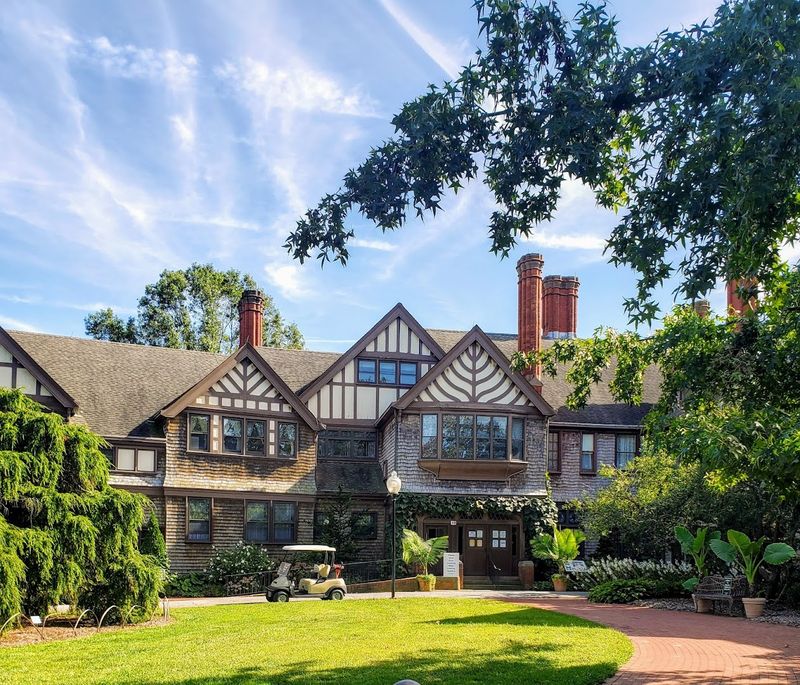
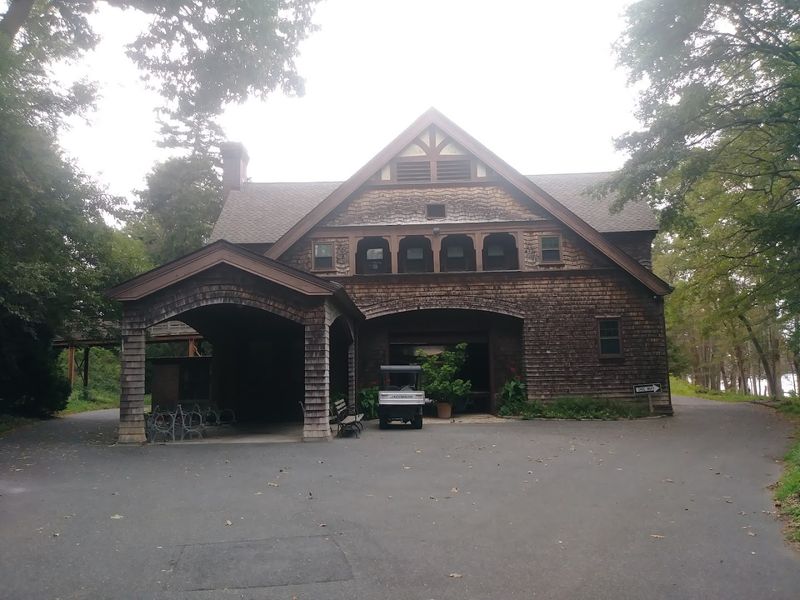
The 1886 mansion sitting at the center of Bayard Cutting Arboretum is the kind of building that makes you stand still and reconsider how people used to live. Designed in the Shingle Style by architect Charles C.
Haight, the house is graceful without being ostentatious, a quality that feels very much in keeping with the thoughtful character of the entire estate. Its wide porches and mullioned windows look out over the river and the lawns in a way that makes the architecture feel inseparable from the landscape.
Inside, the mansion preserves much of its original furnishings and decor, giving tours a genuinely immersive quality rather than the sterile feeling of a preserved-but-empty historic house. Visitors who take the time to step inside often describe feeling transported to a different era entirely, one where summer afternoons stretched long and the pace of life moved at the speed of a river current.
The house also hosts rotating art exhibitions, including a well-regarded women’s art gallery that has drawn considerable attention for the quality of work on display.
The combination of architectural history and living landscape makes the mansion more than just a backdrop. It anchors the entire arboretum with a sense of story and purpose that elevates the experience beyond a simple nature walk.
The Dahlia Garden That Earns Its Own Reputation
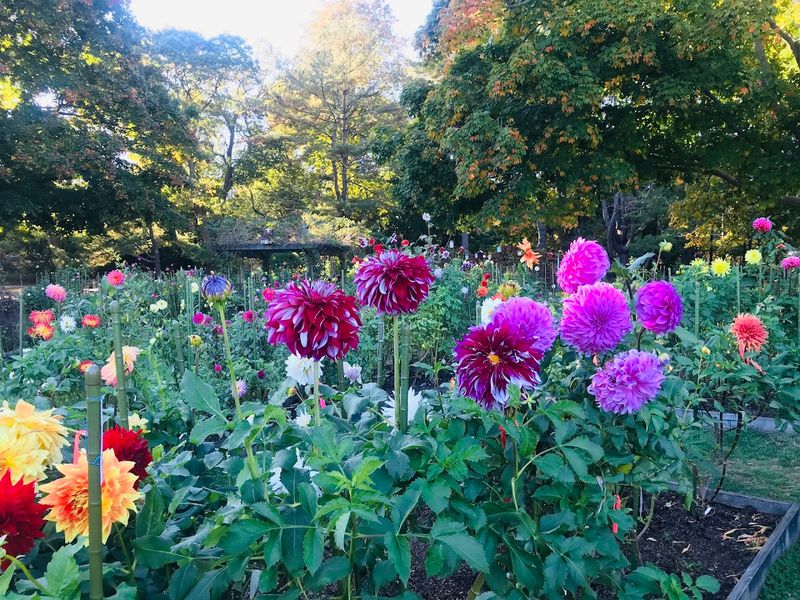
By late September, the dahlia garden at Bayard Cutting Arboretum reaches a level of color saturation that genuinely earns comparisons to Impressionist painting. Hundreds of blooms in deep reds, burnt oranges, soft pinks, and buttery yellows fill the garden beds with a density that feels almost theatrical.
Yet the effect is never cluttered because the beds are carefully arranged to let each variety breathe and be seen on its own terms.
Dahlias are a particularly rewarding flower to observe up close because of how structurally complex each bloom is. The concentric petals of a dinner-plate dahlia, for instance, have a mathematical precision that makes them look more engineered than grown.
Visitors who bring a camera to this garden tend to stay far longer than they planned, which is a reliable sign that a place has genuine visual depth.
The garden is just one section of a much larger floral program at the arboretum, which also includes rhododendrons in spring, wildflowers through summer, and striking foliage throughout autumn. A small chicken coop and a floral display area nearby add a charming, almost storybook quality to this corner of the grounds.
Regular visitors note that the dahlia garden alone justifies a dedicated September trip.
Breezy Island And The River Walk Trail
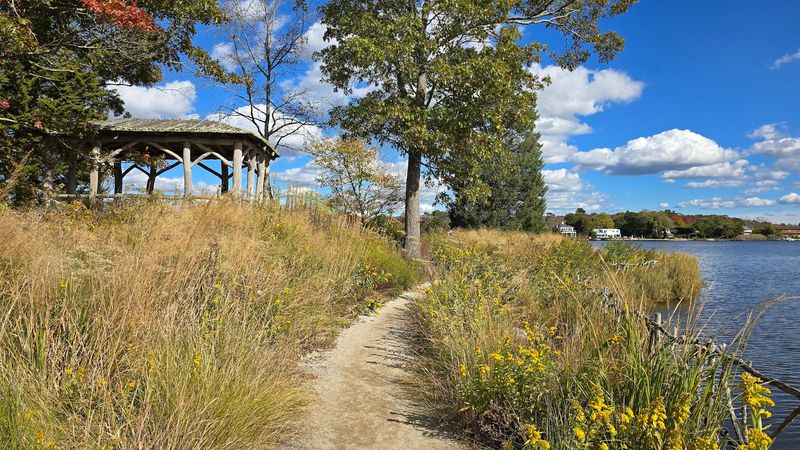
The River Walk trail at Bayard Cutting Arboretum covers roughly three miles and ranks among the most recommended routes in the entire park. It follows the Connetquot River through shaded corridors of mature trees, past open meadow stretches, and eventually leads to Breezy Island, a small land mass in the river that feels entirely removed from the surrounding suburbs of Long Island.
Crossing one of the footbridges to reach the island gives the walk a sense of mild adventure that is hard to replicate in a standard park setting.
Breezy Island itself features a gazebo, several garden plantings, and benches positioned to maximize river views in multiple directions. Swans are a frequent and graceful presence on the water, along with egrets, turtles, hawks, and the occasional wild turkey wandering through the open fields nearby.
The wildlife sightings here are not incidental but feel like a natural extension of the arboretum’s commitment to creating a functioning ecosystem rather than just a decorative landscape.
The trail surface transitions between paved sections and packed dirt, keeping the walk accessible without stripping it of its natural character. Early morning visits reward those willing to arrive at opening time with softer light, quieter paths, and a noticeably more intimate relationship with the surroundings.
Every Season Offers A Completely Different Experience
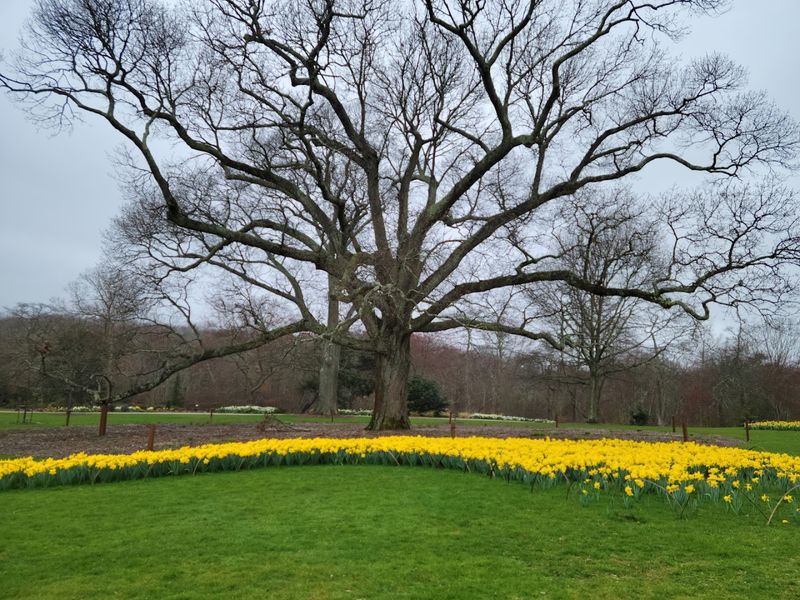
One of the most compelling qualities of Bayard Cutting Arboretum is that repeat visits never feel redundant. Spring brings an eruption of rhododendrons and early perennials that transforms the grounds into a dense, fragrant display of color.
By mid-May, the flowering trees and shrubs have reached their peak, and the entire property takes on a softness that is difficult to describe without resorting to the language of art.
Summer shifts the mood toward deep, saturated greens and the kind of lush canopy coverage that makes afternoon walks genuinely comfortable even on warm days. The gardens fill out, the river moves slowly, and the grounds feel generous with shade and space.
Autumn is arguably the arboretum’s most photogenic season, with foliage turning across the specimen tree collection in a progression of amber, crimson, and gold that unfolds over several weeks.
Even winter has its advocates among regular visitors. Snow-covered branches and the quiet stillness of the dormant landscape give the arboretum a contemplative quality that is entirely different from its warmer months but no less beautiful.
Swans remain on the water year-round, and the bare trees reveal structural details in the landscape that fuller seasons tend to conceal. Visiting across multiple seasons is not just recommended but genuinely rewarding.
The Hidden Oak Cafe And On-Site Amenities
A good cafe can make or break a day out, and the Hidden Oak Cafe at Bayard Cutting Arboretum earns consistent praise for both its food and its atmosphere. Situated near the mansion and gift shop, the cafe offers indoor and outdoor seating, making it a comfortable stop regardless of the weather.
The menu is straightforward and satisfying, with options that work well whether you are fueling up before a long trail walk or winding down after one.
The cafe also serves apple cider, a detail that feels particularly appropriate given the arboretum’s New England-adjacent aesthetic and its apple-season appeal in the fall. Staff members across the entire property are frequently noted for their friendliness and willingness to answer questions about the grounds, the history of the estate, and the best routes for different ability levels.
That kind of attentive hospitality adds a layer of warmth to the visit that a well-maintained landscape alone cannot provide.
Beyond the cafe, the arboretum offers a gift shop that stands out from the usual tourist fare, a visitors center with clean restrooms and air conditioning, and electric vehicle charging stations in the parking area. The overall infrastructure is thoughtfully designed to support a full day visit without feeling commercialized or out of step with the natural setting surrounding it.
Practical Tips For Getting The Most Out Of Your Visit
A few well-chosen details can significantly improve a first visit to Bayard Cutting Arboretum. The park opens at 9 AM Tuesday through Sunday and closes at 4 PM, so arriving early is the most reliable way to enjoy the trails without feeling rushed.
The eight-dollar parking fee covers the entire day, and holders of the New York State Empire Pass can enter free with the physical card rather than the mobile app version.
Comfortable walking shoes are essential since the trails mix paved, gravel, and natural dirt surfaces depending on the route. Pets are not permitted on the grounds, and bicycles are also restricted, which contributes directly to the calm, unhurried atmosphere that makes the arboretum so appealing.
Bringing a camera or simply a fully charged phone is worthwhile at any time of year, but especially during the dahlia season in September and the rhododendron peak in May.
The arboretum is located at 440 Montauk Highway in Great River, NY 11739, and is reachable by car with ample parking available near the visitors center. For questions about tours, events, or seasonal programming, the park can be reached at 631-581-1002 or through their website at bayardcuttingarboretum.com.
Planning even a loose itinerary before arrival helps ensure you cover the highlights without doubling back unnecessarily.