
This Dreamy Day Trip Destination In New York Is Absolutely Perfect For A Weekend Drive This May
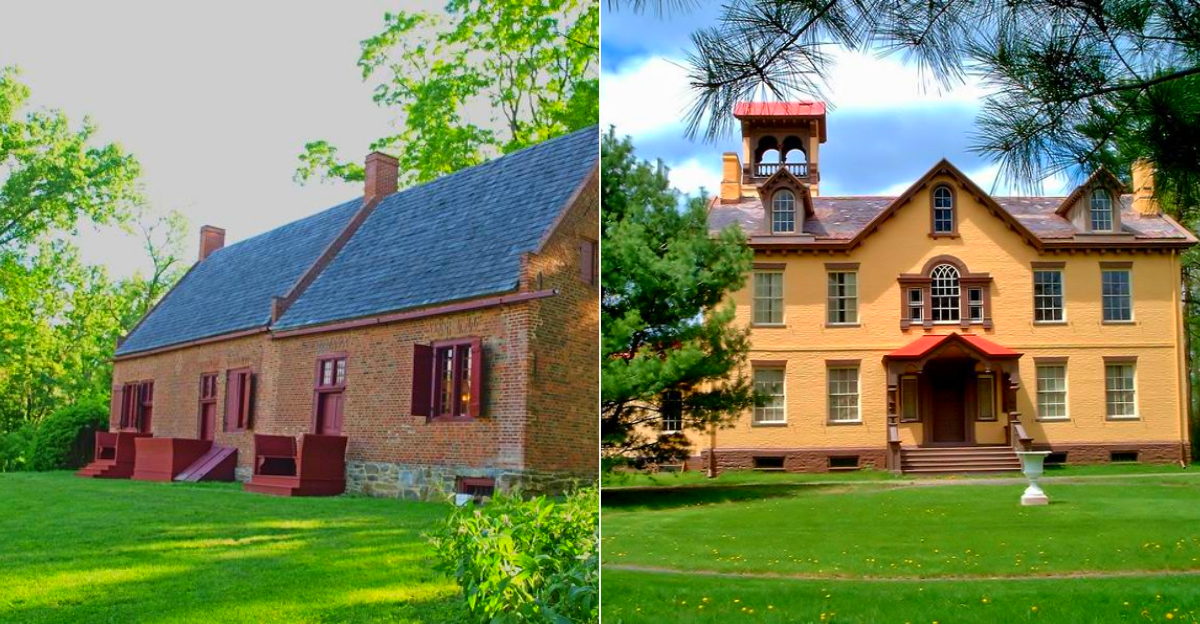
The drive sets the tone before you even arrive. Roads open up, the scenery shifts, and the whole thing feels easy in a way that makes you keep going a little longer.
This New York day trip hits especially well in May, the kind of spot that makes a weekend drive feel like the right decision the moment you’re on the road.
Pull in and it all comes together. The setting feels just right for the season, with fresh color, open views, and plenty of space to slow down.
You don’t need a packed schedule or a long plan. You show up, take it in, and let the day unfold at its own pace.
It’s simple, well-timed, and exactly the kind of escape that makes you glad you went.
A Village That Stopped Time In The Best Possible Way
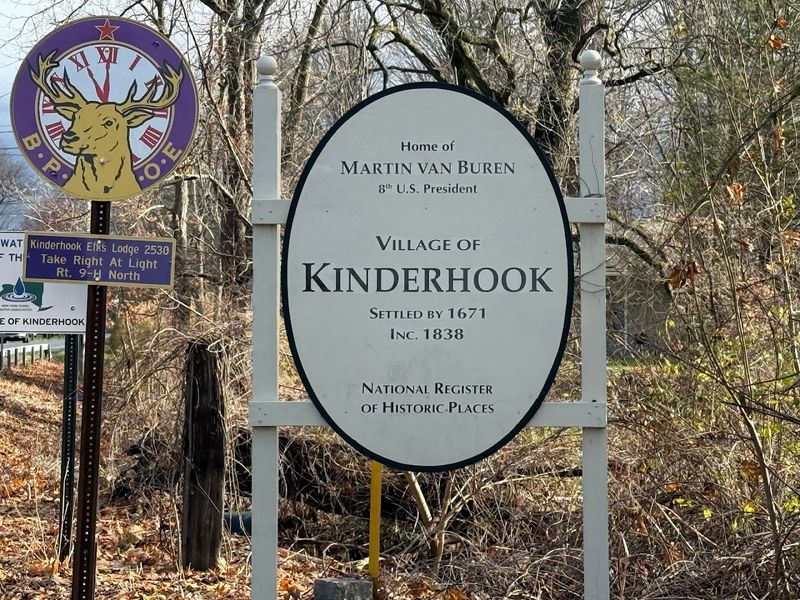
Few towns in New York manage to feel genuinely unhurried without also feeling forgotten, but Kinderhook pulls off that balance with remarkable ease.
The streets here are lined with mature trees that arch overhead in a satisfying canopy, and the buildings along those streets carry the kind of architectural detail that takes generations to accumulate.
Federal-style facades, preserved Dutch farmhouses, and carefully maintained storefronts create a visual continuity that feels earned rather than curated.
The name Kinderhook comes from the Dutch phrase for “children’s corner,” and Dutch settlers recorded the name on maps as early as 1614, making this one of the oldest documented settlements in the region.
That age shows in the best way, through the texture of the sidewalks, the proportions of the buildings, and the general sense that nothing here was built in a hurry.
Arriving in May adds a particular softness to the experience, as flowering trees and green lawns frame the historic streetscape beautifully. Kinderhook sits in Columbia County, New York, at the address of Kinderhook, NY 12106, and reaching it feels less like a commute and more like an arrival.
The town rewards slow walking and unhurried attention from any direction you approach it.
Lindenwald And The Legacy Of President Martin Van Buren
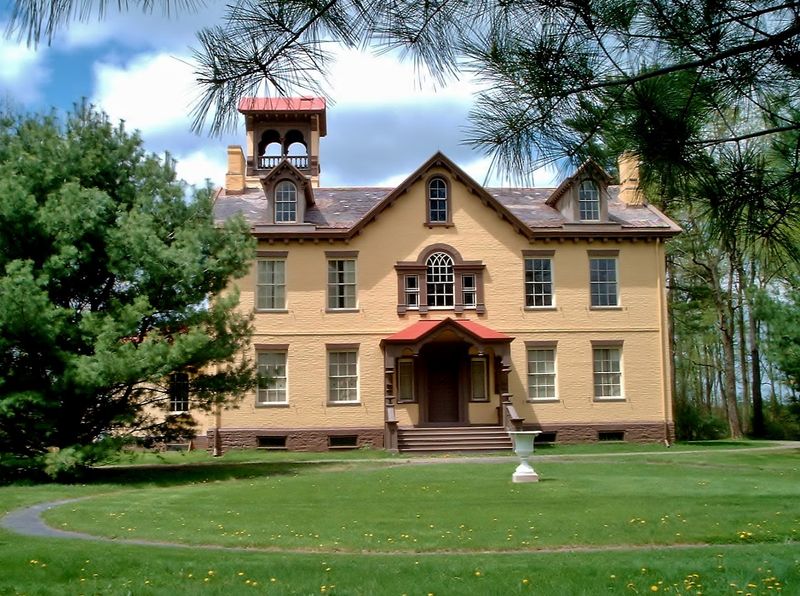
Martin Van Buren, the eighth President of the United States, was born in Kinderhook in 1782 and returned here after his presidency to spend the rest of his life on a working farm he called Lindenwald.
The property is now preserved as the Martin Van Buren National Historic Site and opens its doors each year from May through October, making a spring visit particularly well-timed for anyone interested in American political history.
The house itself is a layered architectural treasure, having been updated and modified across several decades by Van Buren and later by his son.
Guided tours walk visitors through rooms filled with period furnishings, personal artifacts, and the kind of domestic detail that brings a historical figure into surprisingly sharp focus.
Van Buren was a shrewd politician and a founding figure of the modern Democratic Party, and learning about his career within the walls of his own home gives the story a grounded quality that textbooks rarely achieve.
The grounds surrounding Lindenwald are equally worth exploring, with open fields and mature trees that reflect the agricultural life Van Buren embraced after leaving Washington. Van Buren is also buried at the nearby Kinderhook Reformed Church Cemetery, completing a meaningful connection between the man and his hometown.
The James Vanderpoel House And Its Exceptional Federal Architecture
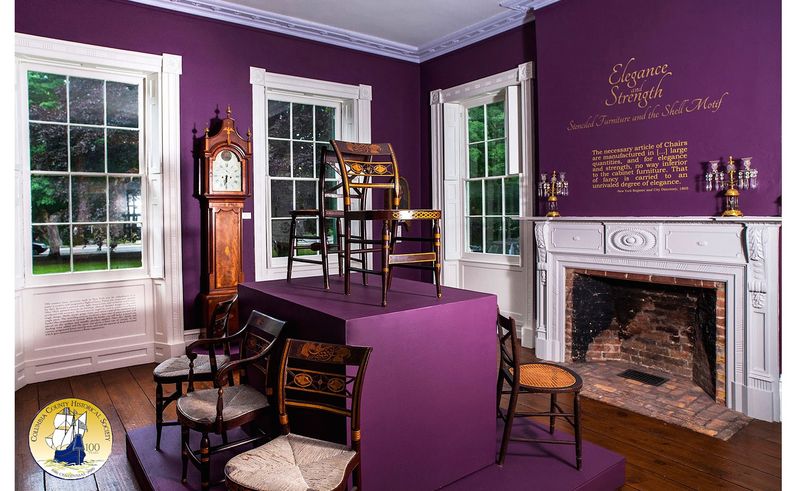
Built around 1819 and 1820, the James Vanderpoel House stands as one of the finest examples of Federal-style architecture in the Hudson Valley, and its current role as the House of History makes it as intellectually engaging as it is visually striking.
The Columbia County Historical Society operates the property, using it to exhibit paintings, decorative arts, and objects that trace the cultural and domestic life of the region across several centuries.
The house is open Friday through Sunday from 11 AM to 4 PM, which makes scheduling a visit straightforward for a weekend traveler. Inside, the rooms carry an atmosphere of careful preservation, with proportioned ceilings, original woodwork, and displays that feel curated without feeling sterile.
The Columbia County Historical Society Bookstore and Museum Shop located within the house offers a thoughtful selection of books and gifts tied to local history.
What makes the Vanderpoel House particularly rewarding is the way it functions as both an architectural experience and a cultural education simultaneously.
The decorative arts on display reveal the tastes and ambitions of early American households in ways that feel personal and specific rather than broadly generic.
History told through objects has a way of making the past feel close, and this house delivers that feeling with quiet confidence throughout every room.
Dutch Farmhouses, Ichabod Crane, And The Trails That Connect Them
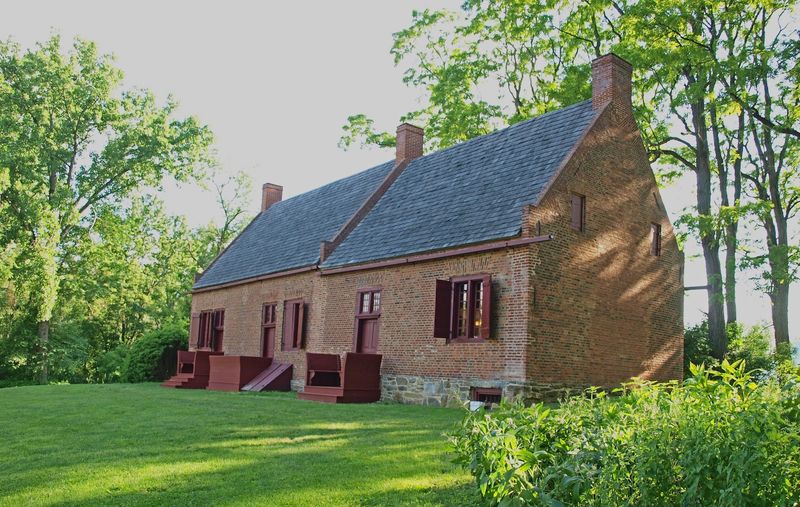
The 1737 Luykas Van Alen House is one of the most authentically preserved Dutch farmhouses in New York State, and standing in front of it on a clear May morning, it is easy to understand why historians treat it with such care.
The building’s Dutch stepped gable and stone construction have survived nearly three centuries with remarkable integrity, offering a direct visual connection to the region’s earliest European settlers.
Nearby, the Ichabod Crane Schoolhouse carries a literary association that adds a pleasantly spooky dimension to an otherwise sunny afternoon.
Washington Irving spent time in the Kinderhook area, and local lore connects the schoolhouse to the character of Ichabod Crane from “The Legend of Sleepy Hollow.” Both sites are typically open from Memorial Day through Labor Day, placing them right within reach of a May visit.
Connecting these two landmarks is the Dutch Farming Heritage Trail, a 1.7-mile walking path that threads through the landscape between the Luykas Van Alen House and Lindenwald. The trail is flat, easy to navigate, and lined with scenery that shifts pleasantly between open farmland and wooded patches.
Walking it gives visitors a sense of how these historic sites relate to one another geographically and culturally, turning a series of stops into a coherent and satisfying journey.
The Kinderhook Knitting Mill And Its Thriving Local Businesses
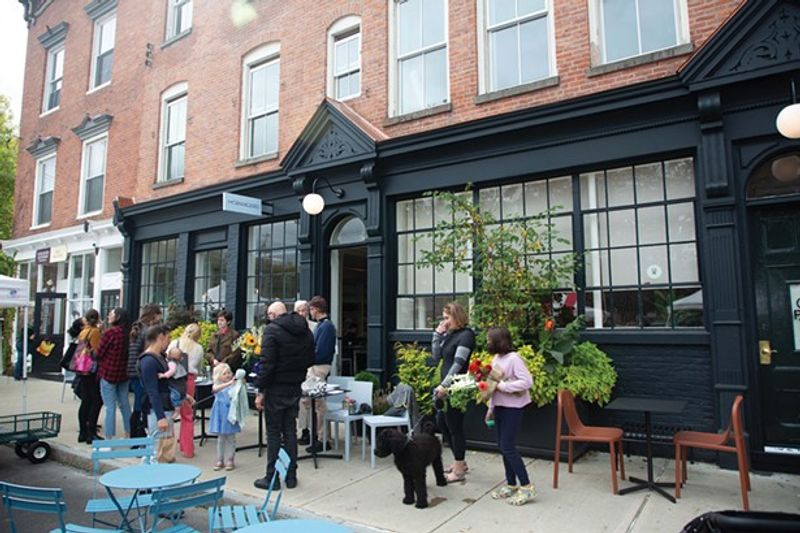
The refurbished Kinderhook Knitting Mill is the kind of place that takes an old industrial building and gives it a second life so convincing that it is hard to imagine the space ever serving any other purpose.
The complex now houses a collection of locally owned businesses, many of them run by women, that together create a shopping and dining experience with genuine personality and range.
Morningbird offers specialty coffee alongside a thoughtfully chosen retail selection, making it a natural first stop for anyone arriving with a travel-sized caffeine deficit. OK Pantry operates as a soda counter and home goods shop with a retro sensibility that feels fun without being overdone.
Still Life rounds out the creative offerings with hand-carved porcelain, original paintings, and vintage goods that reward careful browsing.
The Kinderhook Bottle Shop has earned recognition as one of the top wine shops in the region and hosts free weekly tastings on Friday evenings from 5 to 7 PM, a detail worth keeping in mind when planning an end-of-day itinerary.
The Aviary, an Indo-Dutch restaurant also located within the Knitting Mill, brings a genuinely distinctive culinary perspective to the complex.
Taken together, the businesses here reflect a community that has found creative ways to honor its past while building something new and worth visiting.
Broad Street Bagels, Saisonnier, And The Art Of Eating Well In A Small Town
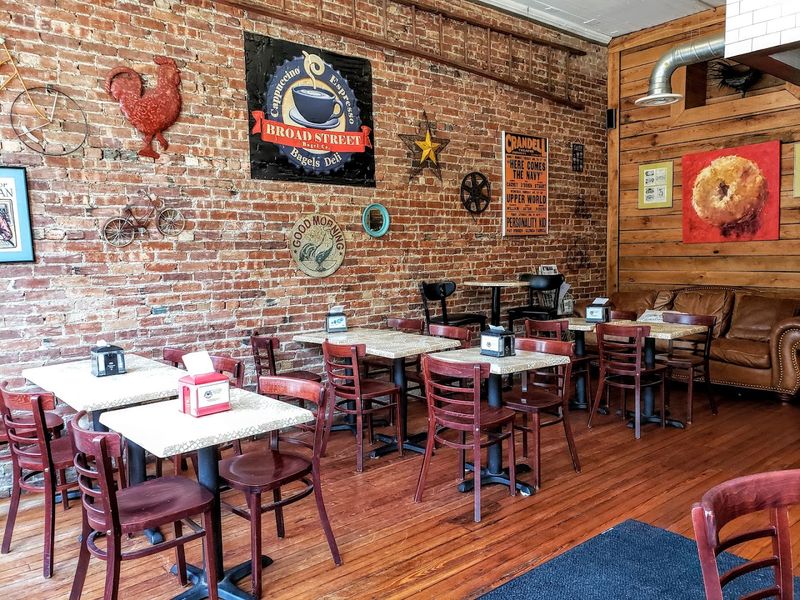
Small towns with exceptional food scenes tend to earn a loyal following among weekend travelers, and Kinderhook has quietly assembled a dining lineup that punches well above its population size.
Broad Street Bagel Co. has developed a reputation for bagels and breakfast sandwiches that carry what regular visitors describe as an old-world charm, which is a fair characterization for a product made with care and sold without pretension.
Saisonnier takes a different approach, focusing on cheese boards, grilled cheeses, and local craft beverages that pair well with the kind of relaxed afternoon that a May visit naturally encourages.
The menu reflects a commitment to sourcing thoughtfully, and the atmosphere matches the food in its unhurried, comfortable quality.
Hamrah’s Lebanese Foods adds further variety to the local scene, offering fresh Lebanese cuisine prepared with regional ingredients that give familiar dishes a distinctly local character.
Samascott Garden Market rounds out the food experience with local produce, cider donuts, and ice cream that feel perfectly suited to a warm spring afternoon.
Eating well in Kinderhook does not require reservations weeks in advance or navigating a complicated menu, which is part of what makes the food scene here so genuinely satisfying.
Good ingredients, prepared with skill and served without fuss, turn a meal into one of the better memories a day trip can produce.
Jack Shainman Gallery And The Contemporary Art Scene Taking Root
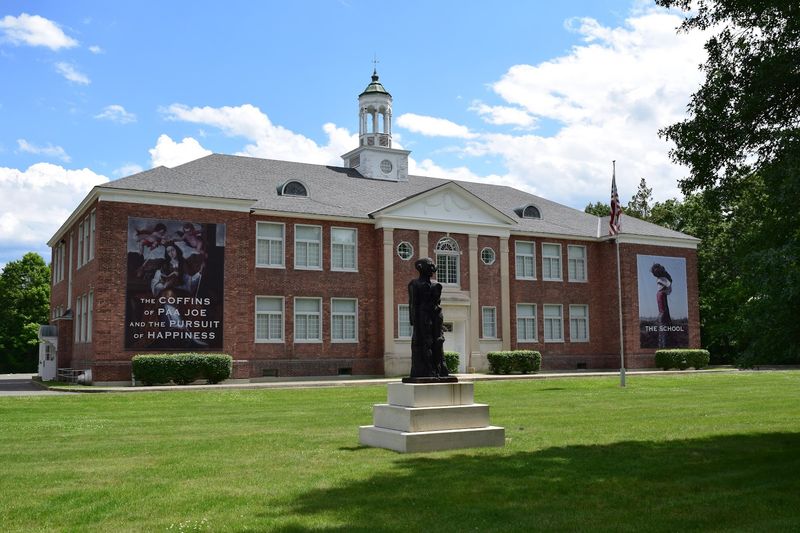
The School, operated by the well-regarded Jack Shainman Gallery, occupies a former public school building in Kinderhook and brings a level of contemporary fine art to the Hudson Valley that would feel at home in a major metropolitan gallery district.
The space itself is part of the appeal, as the high ceilings, large windows, and open floor plans of a former school building create an ideal environment for large-scale contemporary works.
Jack Shainman Gallery maintains a primary location in New York City and has built a reputation for representing artists whose work engages with history, identity, and culture in thoughtful and visually compelling ways.
Bringing that program to Kinderhook was a decision that has contributed meaningfully to the town’s growing reputation as an arts destination worth the drive from the city.
The gallery operates on a schedule that changes with exhibitions, so checking ahead before visiting is a reasonable step.
What makes The School particularly interesting within the context of a Kinderhook visit is the contrast it creates with the town’s historical sites.
Walking from a 1737 Dutch farmhouse to a gallery showing contemporary fine art in the same afternoon is the kind of range that makes a destination feel genuinely layered rather than one-dimensional.
Kinderhook manages that range without strain, which says something meaningful about the character of the place as a whole.