
This Enchanting Arboretum In Massachusetts Is So Stunning, It Looks Like A Claude Monet Painting
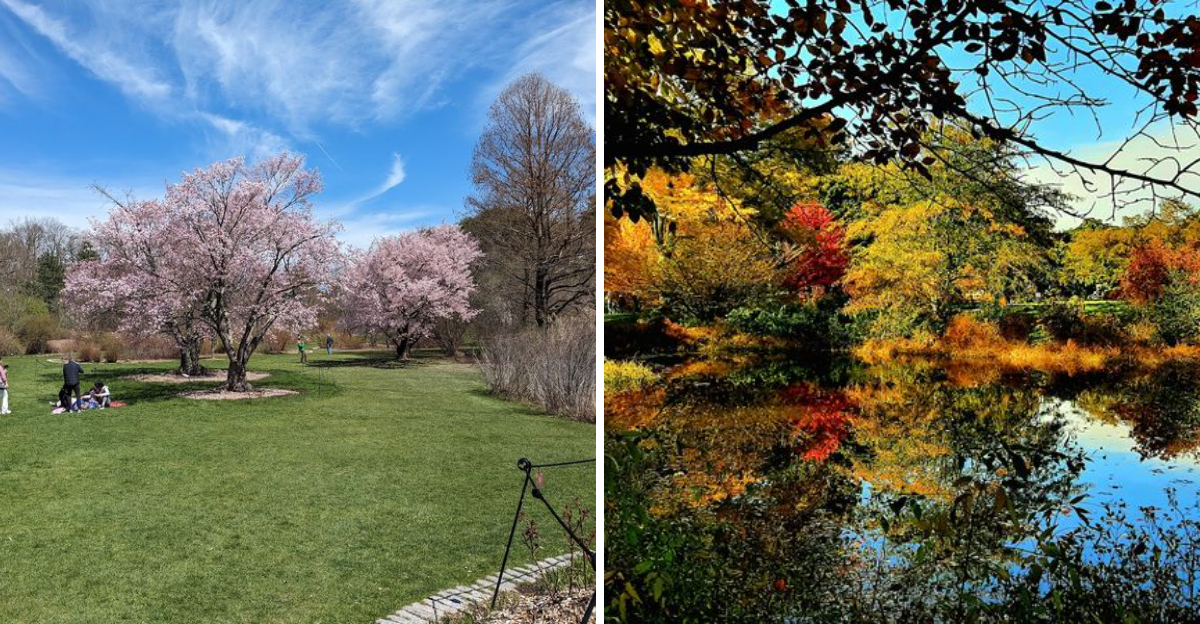
Soft colours, gentle light, and layers of blossoms that look almost painted across the landscape draw you in right away. Massachusetts is full of green spaces, yet this one feels completely different the moment you arrive.
Paths wind through rolling hills, flowering trees burst into colour at just the right time, and every turn sets up a perfect photo without trying. It feels calm without ever being dull.
Spend a little time here and the details begin to stand out, petals catching the light, leaves moving quietly, and suddenly the whole scene feels like a real-life painting.
A Living Museum Unlike Any Other In Boston
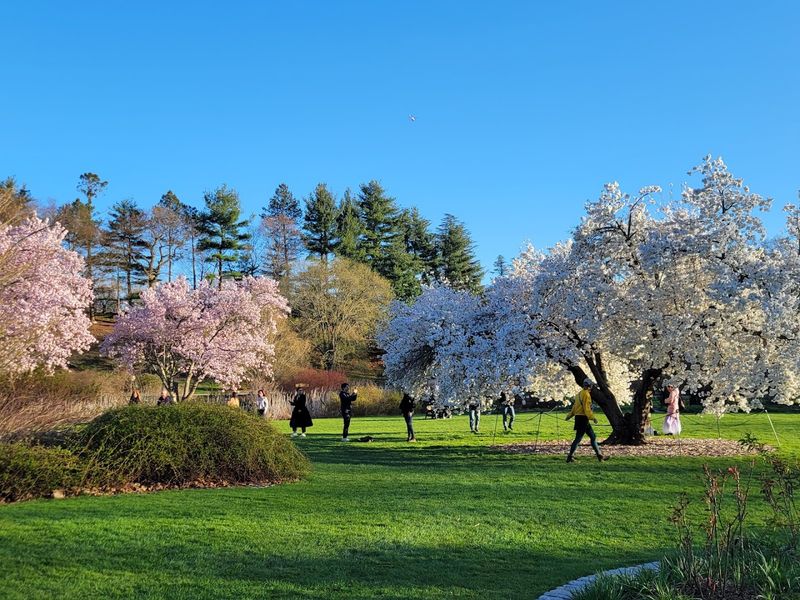
Most museums ask you to stay behind the rope. This one invites you to walk straight through the exhibit.
Spanning 281 acres across the Jamaica Plain neighborhood, this free outdoor tree and plant museum operates as both a public park and an active scientific research institution under Harvard University.
The grounds hold over 15,000 plants representing more than 3,500 species and varieties from around the world. Every specimen carries a label, so even casual visitors leave with a little more botanical knowledge than they arrived with.
The collection has been growing since 1872, which means some of the trees here have witnessed more than a century of Boston winters.
Families, runners, photographers, and curious wanderers all share the same winding paths without the place ever feeling crowded. The park is essentially car-free, which creates a calm that most urban green spaces simply cannot manufacture.
There is no admission fee, and the grounds are open daily from sunrise to sunset, making spontaneous visits entirely practical for anyone in the area.
Spring Blossoms That Rival Any Impressionist Canvas
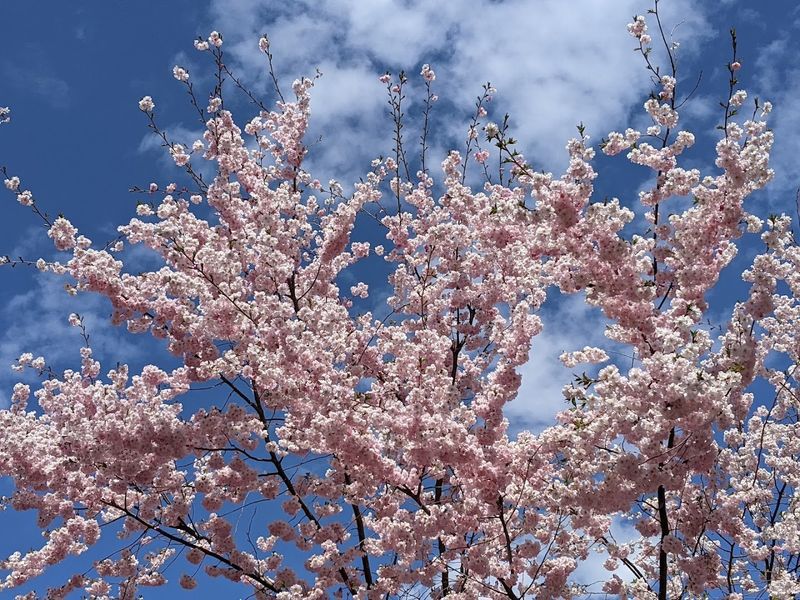
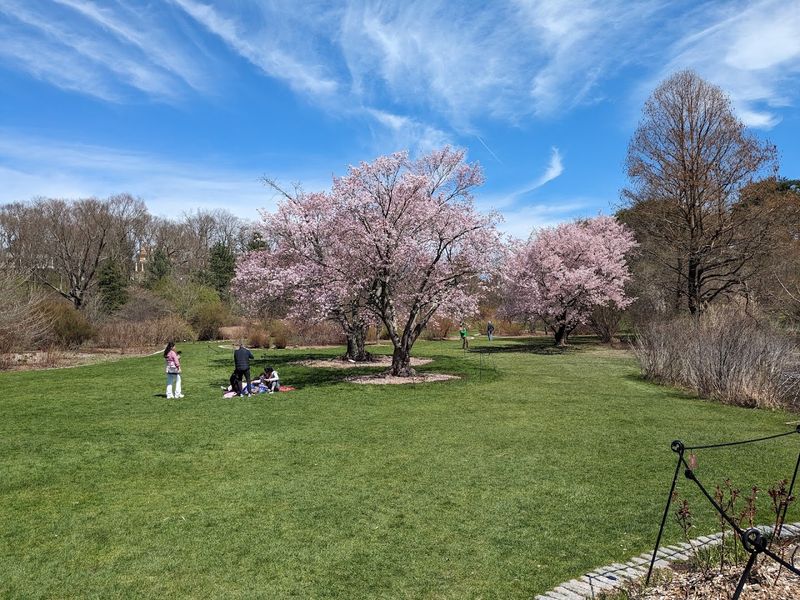
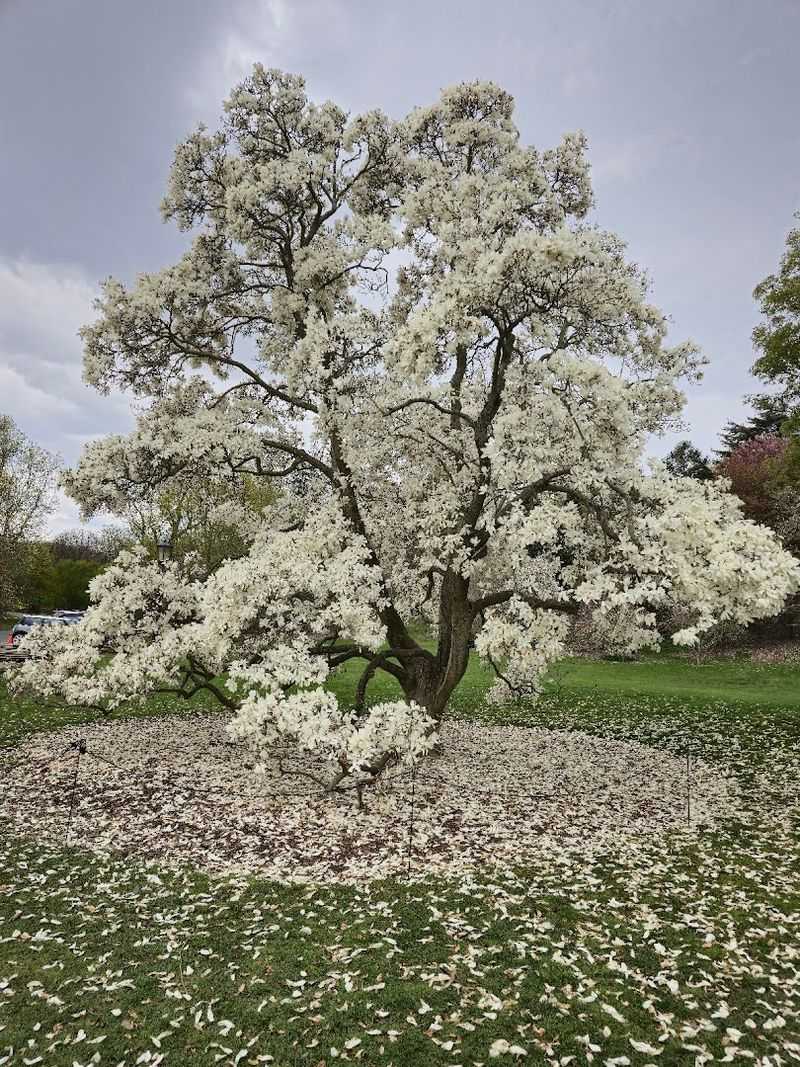
Each spring, something quietly extraordinary happens along the paths of the Arnold Arboretum. The cherry trees, crabapples, magnolias, and lilacs all reach their peak within a matter of weeks, transforming the landscape into a layered composition of pink, white, lavender, and cream that no filter could improve upon.
Lilac Sunday, an annual tradition held each May, draws thousands of visitors who come specifically to experience the fragrance and color of the arboretum’s famous lilac collection. The collection includes hundreds of lilac varieties, many of them rare, arranged across a hillside that becomes almost theatrical during peak bloom.
The scent alone is worth the trip.
Cherry blossoms along the main paths create a canopy effect that photographers adore. The light filters through the petals in a soft, diffused way that genuinely recalls the hazy, luminous quality found in Monet’s garden paintings.
Visitors who arrive in early morning find the grounds nearly quiet, with mist still settling between the trees and blossoms catching the first low light of the day. It is the kind of scene that makes you reach for your camera before you have even fully woken up.
The Legendary Bonsai Collection Worth Seeking Out
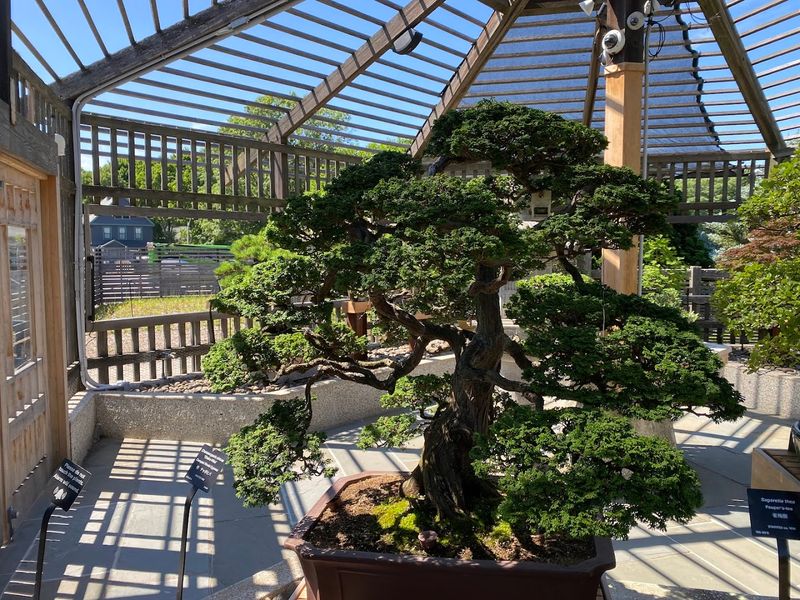
Somewhere near the center of the arboretum grounds sits one of the most quietly impressive collections in the entire northeastern United States. The Larz Anderson Bonsai Collection at Arnold Arboretum contains trees that are, in some cases, over a century old.
Seeing them in person produces a particular kind of stillness that is difficult to describe and easy to understand.
Bonsai cultivation is a discipline that rewards patience over decades, and these specimens show exactly what that patience produces. The twisted trunks, carefully balanced branches, and miniature root structures tell a visual story of deliberate, sustained care.
Several of the trees were donated by Larz Anderson in 1937, meaning they have been part of the arboretum’s collection for nearly ninety years.
The display area is open seasonally, typically from late April through mid-November, giving visitors a reasonable window to plan a visit. Even people who have little prior interest in bonsai tend to linger here longer than expected.
There is something about the scale of these trees, so small and yet so clearly ancient, that resets your sense of time and proportion in a way that feels genuinely meaningful rather than simply decorative.
Autumn Foliage That Turns The Grounds Into Pure Fire
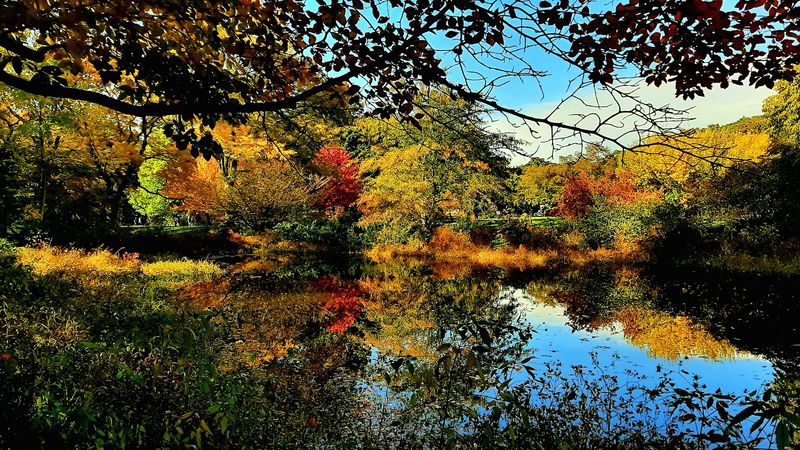
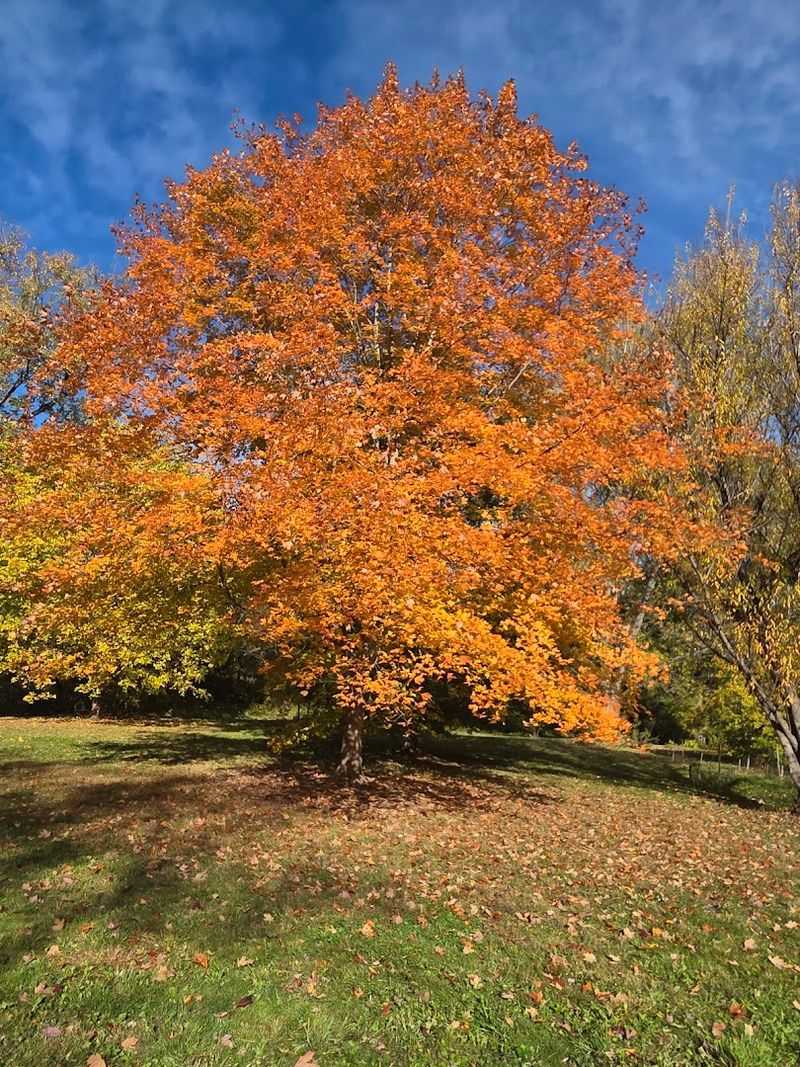
October at the Arnold Arboretum at 125 Arborway in Boston is a different place entirely from the soft pastels of spring. The maples, oaks, beeches, and ginkgos all shift into their autumn registers simultaneously, producing a color range that moves from deep burgundy through amber to bright gold within the span of a single hillside walk.
The Conifer Path and Beech Path, mentioned fondly by regular visitors, offer some of the most dramatic foliage views in the park. Towering trees line both sides of these routes, and during peak fall color, walking between them feels like moving through a slow-motion firework.
The light in October arrives at a lower angle than in summer, which intensifies the warm tones and casts long, soft shadows across the grass.
Photographers and painters have been coming here in autumn for generations, and the reason is immediately obvious. The landscape changes noticeably from week to week throughout October and into early November, so repeat visits within the same season reward the attentive eye.
Many regular visitors consider October and May to be the two finest months to experience the arboretum, and it is genuinely difficult to argue with that assessment.
Paths And Trails Designed For Wandering Without A Plan
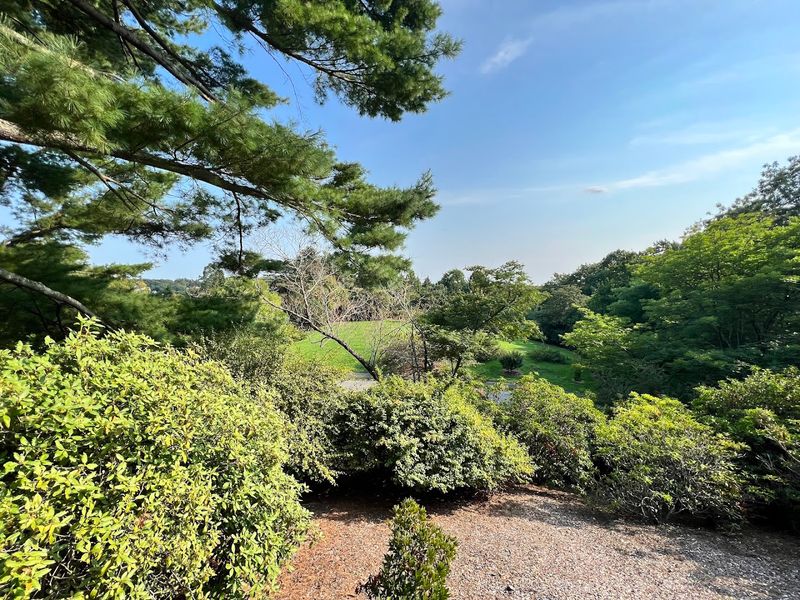
The trail network at the Arnold Arboretum rewards visitors who arrive without a strict itinerary. Beyond the main paved roads, dozens of smaller dirt, gravel, and mulch footpaths branch off in unexpected directions, leading through conifer groves, past ponds, over gentle hills, and into quieter corners of the grounds that many first-time visitors never find.
The terrain involves a few modest inclines, which provide elevated viewpoints across the canopy and, in some spots, clear sightlines toward the Boston skyline. These city views appearing suddenly through the trees produce a pleasant disorientation, reminding you that you are still very much inside a major American city even when the surroundings feel entirely rural.
Runners use the car-free roads for morning workouts, cyclists navigate the wider paths, and dog walkers occupy every trail at all hours. The arboretum is considered one of the best on-leash dog walking destinations in Boston, which gives the grounds a lively, sociable atmosphere without ever feeling like a crowded public park.
Getting pleasantly lost here for two or three hours is not only possible but practically encouraged by the layout of the place.
The Scientific Research Legacy Behind The Beauty
Beauty and science rarely share the same address, but at the Arnold Arboretum they have been cohabitants since 1872. Harvard University established the arboretum as a research institution from its founding, and that scientific purpose has shaped every decision about what gets planted, where it goes, and how the grounds are maintained over the long term.
Each plant in the collection carries a numbered label that connects to a detailed database maintained by Harvard. Visitors who want more than a pleasant walk can cross-reference these numbers to learn about a plant’s geographic origin, its relationship to other species, and its role in ongoing research.
Educational placards throughout the grounds add another layer of accessible information for anyone willing to slow down and read them.
Guided tours, available on certain days throughout the year, offer structured introductions to specific plant families or seasonal highlights. The arboretum also supports school programs, family activities, and public lectures that connect the institution’s research to broader questions about ecology, climate, and conservation.
This combination of public accessibility and genuine academic rigor is what separates the Arnold Arboretum from a simple city park, and it is part of what gives the place its particular character and depth.
Practical Visitor Information Worth Knowing Before You Go
Getting to the Arnold Arboretum is straightforward from most parts of Boston. The main entrance sits in the Jamaica Plain neighborhood, and the MBTA Orange Line stops at Forest Hills Station, which is a short walk from the gate.
Street parking is available along the Arborway, though spaces fill quickly on weekends and during peak bloom periods, so arriving early or using public transit is a practical strategy.
The arboretum is open daily from sunrise to sunset, and admission is completely free. Restrooms are available on the grounds, and several benches and open lawn areas make the space comfortable for picnics or longer stays.
Dogs are welcome on leash throughout the property, which adds considerably to the relaxed, sociable atmosphere of the place.
The main visitor center and the administration building can be reached by phone at 617-524-1718, and the official website at arboretum.harvard.edu provides updated information about seasonal events, guided tours, and current bloom conditions. Checking the site before a visit during spring is especially useful, since the timing of peak blooms can shift by a week or two depending on the year’s weather patterns.
Planning around those windows makes a significant difference in what you experience.
How The Grounds Compare To A Monet Painting Up Close
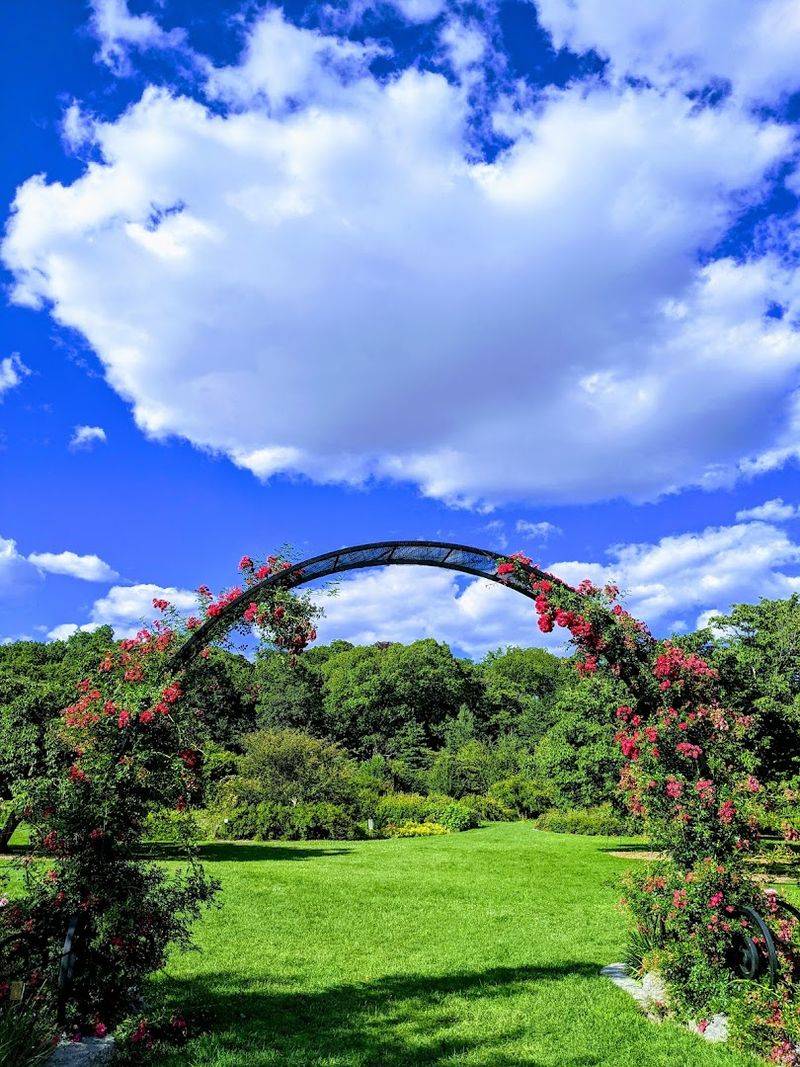
The comparison to Monet is not purely poetic. The French painter spent decades studying the way light interacts with water, foliage, and atmosphere, and the Arnold Arboretum presents exactly those conditions across multiple seasons.
The soft morning light through cherry blossoms, the reflection of willows in the arboretum’s ponds, the blurred edges of a lilac hillside seen from a distance all carry a visual quality that recalls his most celebrated garden canvases.
Monet himself was obsessed with the idea that a garden could be a work of art in its own right, not merely a backdrop. The arboretum, shaped by Olmsted’s design philosophy and Harvard’s curatorial precision, operates on a similar principle.
Every planting decision contributes to a larger composition that changes with the light, the season, and the weather in ways that no single painting could capture.
Visitors who arrive at the Museum of Fine Arts in Boston, just a few miles away, can view several Monet originals including the recently acquired Water Lilies, Reflections of Weeping Willows from around 1916 to 1919. Seeing those canvases and then walking the arboretum on the same day creates a conversation between art and nature that is genuinely illuminating and surprisingly easy to arrange.
Why Regulars Keep Coming Back Season After Season
There is a particular kind of loyalty that certain places inspire, and the Arnold Arboretum earns it through consistent, quiet excellence rather than dramatic spectacle. Visitors who come once during spring often return in autumn, then again in winter, then find themselves planning their schedules around Lilac Sunday the following May.
The place becomes a habit, and it is a genuinely good one.
Reviewers who have been visiting since childhood describe returning after decades and finding the experience richer rather than diminished. The trees are larger, the collection has grown, and the grounds continue to be maintained with obvious care and institutional commitment.
That sense of continuity, of a place that improves with time rather than declining, is rarer than it should be.
The arboretum functions simultaneously as a morning running route, a wedding photography location, a family weekend destination, a scientific resource, and a personal sanctuary depending entirely on who is walking through the gate. That range of uses, all coexisting without friction, says something meaningful about the quality of the design and the character of the institution.
Boston has many fine parks, but the Arnold Arboretum occupies a category of its own, and most people who spend an afternoon here seem to understand that immediately.