
This Enormous Michigan Car Museum Showcases Over 400 Rare Collector Vehicles
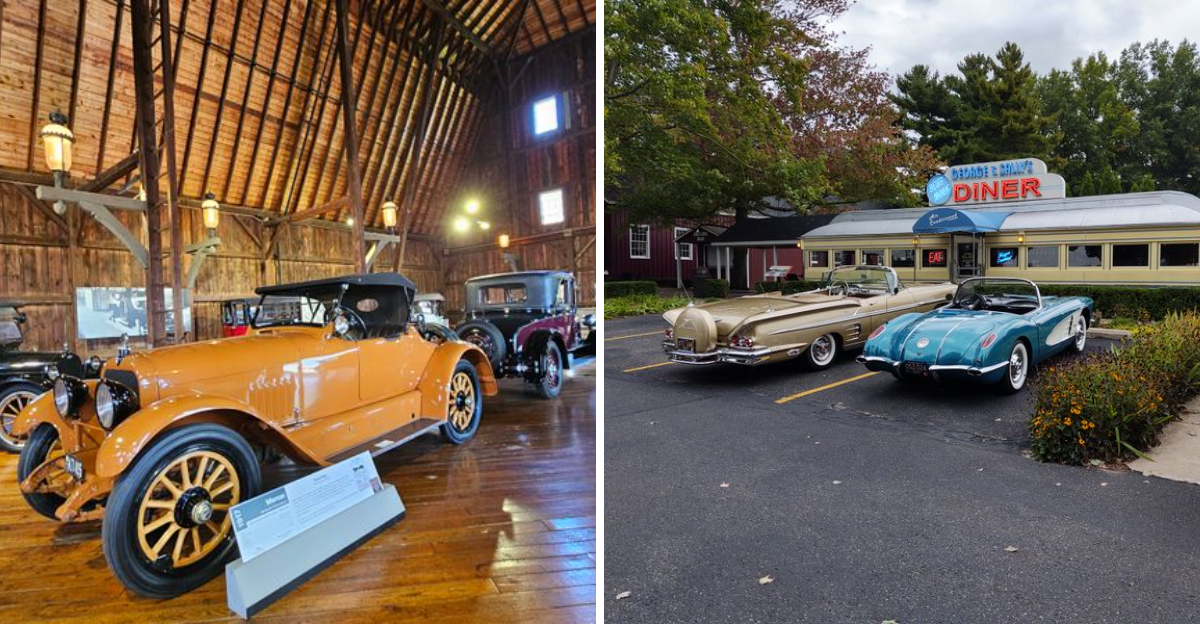
The Gilmore Car Museum stands as a monument to American automotive history, sprawling across the countryside of Hickory Corners, Michigan. More than four hundred vehicles from different eras wait inside carefully arranged buildings, each one telling a story about innovation, design, and the cultural shifts that shaped modern transportation.
Visitors who arrive expecting a simple collection of old automobiles quickly discover something far more ambitious: a living archive that preserves not just machines but the context in which they were built, sold, and driven across generations.
North America’s Largest Car Museum Spans Nearly 90 Acres
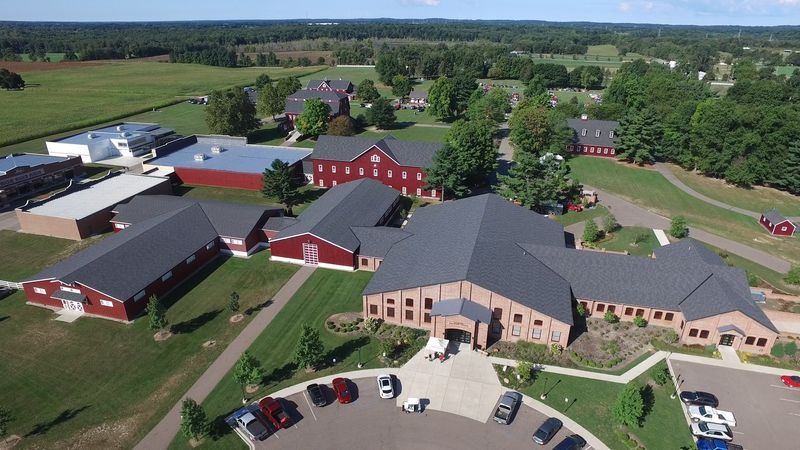
Rolling fields and vintage structures define the physical presence of the Gilmore Car Museum, which claims the title of North America’s largest automotive museum by sheer acreage. The campus extends across nearly ninety acres of Michigan farmland, a scale that allows the collection to breathe and provides room for outdoor displays, walking paths, and special event areas.
This generous footprint means visitors often spend an entire day exploring without feeling rushed.
The layout mimics a small village rather than a traditional museum complex. Historic barns converted into exhibition halls sit alongside restored service stations and period buildings, creating an atmosphere that feels less like a warehouse and more like stepping back through decades of American roadside culture.
The grounds themselves become part of the narrative, with vintage signage and landscaping that reinforces the sense of traveling through automotive history.
More Than 400 Rare And Historic Vehicles Are On Display
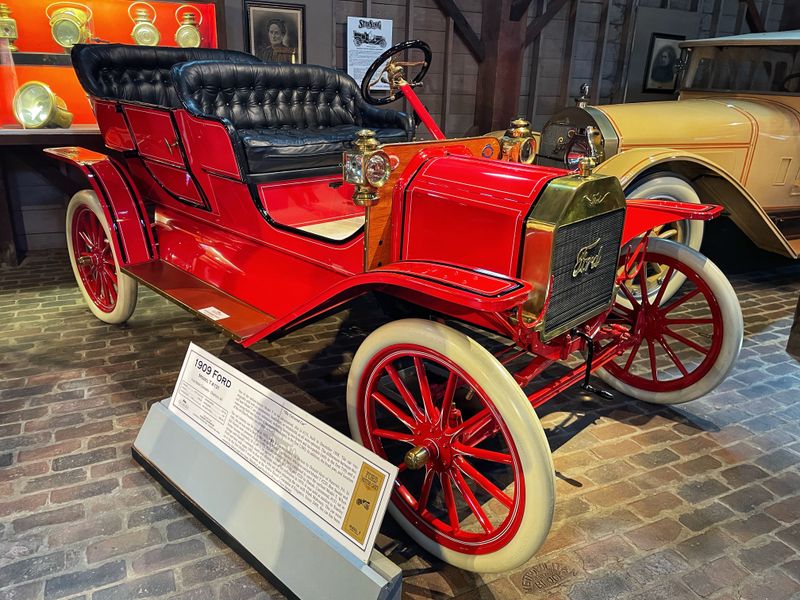
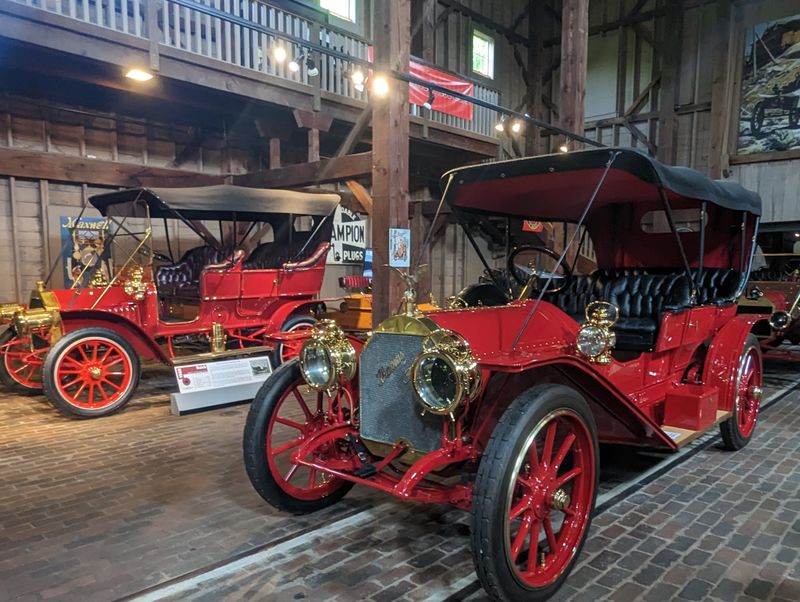
Walking through the exhibition halls at Gilmore means encountering more than four hundred vehicles, each selected for its historical significance, rarity, or role in automotive development. The collection spans the entire timeline of motorized transportation, from steam-powered carriages that predated the internal combustion engine to muscle cars that defined American performance culture in the 1960s.
Every vehicle receives meticulous care, with restoration work that honors original specifications while ensuring structural integrity.
The sheer variety prevents monotony. One building might house elegant touring cars favored by wealthy families in the 1920s, while another showcases utilitarian trucks that built American infrastructure.
Racing machines sit near family sedans, and experimental prototypes share space with production models that sold millions. This diversity allows visitors to trace how economic conditions, technological breakthroughs, and shifting consumer tastes influenced automotive design across generations.
The Collection Dates Back To An 1899 Locomobile
Among the oldest treasures at Gilmore sits an 1899 Locomobile, a steam-powered vehicle that represents the experimental dawn of personal transportation. This machine predates the widespread adoption of gasoline engines and offers a glimpse into an era when inventors were still determining which power source would dominate the automotive future.
The Locomobile required constant attention from its operator, who needed to maintain steam pressure and water levels while navigating unpaved roads.
Examining this early vehicle reveals just how much courage early adopters needed. The technology was unproven, infrastructure nonexistent, and mechanical failures common.
Yet these pioneers purchased expensive machines and ventured onto rutted paths, driven by the promise of independence and speed. The Locomobile at Gilmore serves as a reminder that every innovation begins with uncertainty, and the automotive revolution started with fragile contraptions that barely resembled the reliable machines we know today.
Multiple Partner Museums Share The Same Campus
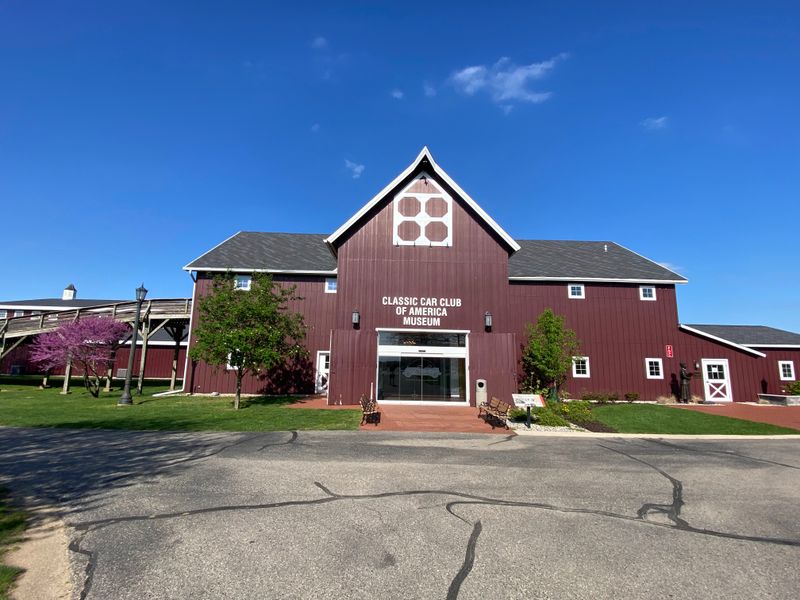
The Gilmore campus functions as a consortium, hosting several partner organizations that maintain their own dedicated exhibition spaces while contributing to the overall visitor experience. The Classic Car Club of America operates a museum building focused on luxury automobiles from the prewar era, while the Model A Ford Club of America maintains a separate facility celebrating Henry Ford’s successor to the Model T.
This partnership model allows specialized groups to curate collections according to their expertise.
Visitors benefit from this arrangement because each partner museum brings deep knowledge and passion to its specific focus area. The exhibits feel authoritative rather than superficial, with interpretive materials that reflect genuine enthusiasm and research.
This approach also keeps the campus dynamic, as partner organizations regularly update displays and host events that draw their membership networks. The result is a destination that serves both casual tourists and serious enthusiasts seeking detailed information about particular marques or periods.
Historic Buildings Create An Immersive Experience
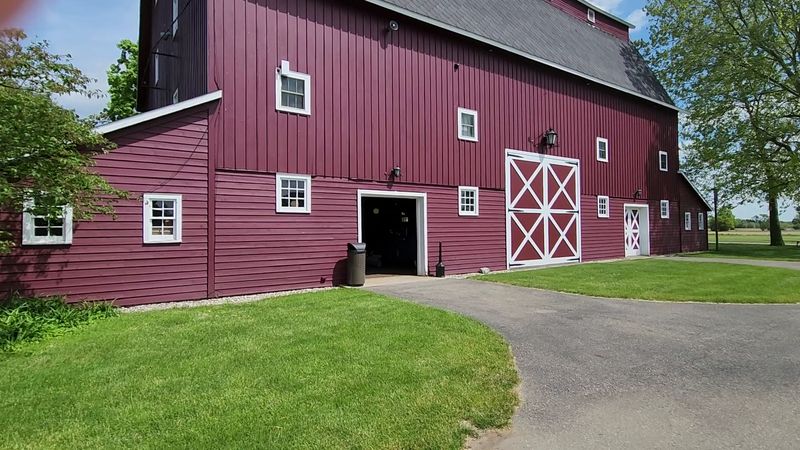
Rather than constructing modern exhibition halls, Gilmore has preserved and repurposed historic agricultural buildings that anchor the museum’s sense of place. Red barns with weathered wood siding and traditional gambrel roofs now house priceless automotive collections, creating a visual contrast that reinforces the rural American context in which early car culture developed.
These structures feel authentic because they are authentic, rescued from demolition and given new purpose.
The decision to use period architecture extends the educational mission beyond the vehicles themselves. Visitors absorb information about how automobiles transformed rural life, liberating farm families from isolation and connecting small towns to larger markets.
The barns themselves represent the world that cars changed, making the museum experience more holistic. Additionally, these spaces offer excellent acoustics and natural light that enhance the viewing experience, while their generous proportions accommodate even the largest vehicles without crowding.
A 1941 Blue Moon Diner Adds Retro Charm
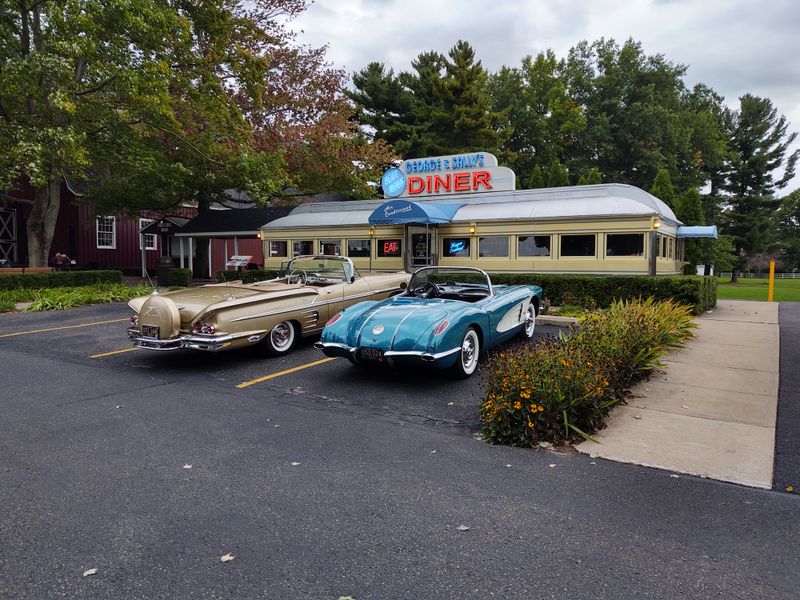
The Blue Moon Diner stands as one of the most photographed features at Gilmore, a fully restored 1941 dining car that serves food and functions as a living exhibit. Manufactured by the Jerry O’Mahony Diner Company, this streamlined structure embodies the Art Deco aesthetic that defined American roadside architecture during the prewar period.
Chrome accents, rounded corners, and a compact footprint made these prefabricated diners instantly recognizable landmarks along highways and in small towns.
Today, visitors can sit at the counter and order period-appropriate fare, including the diner’s famous frozen custard and pecan pie. The menu honors traditional recipes while meeting modern food safety standards, and the experience of dining inside an authentic vintage structure adds a sensory dimension to the museum visit.
Staff members wear period uniforms, and the interior retains original fixtures wherever possible. This functional preservation approach demonstrates that historic buildings can serve contemporary needs without sacrificing authenticity.
A 1930s Shell Station Is Part Of The Display
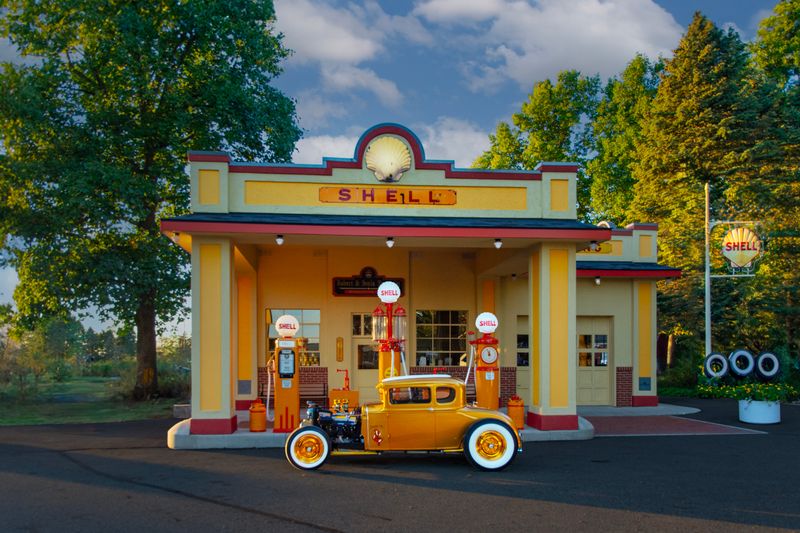
A meticulously restored Shell service station from the 1930s occupies a prominent position on the Gilmore grounds, complete with period gas pumps, signage, and service bay equipment. This structure represents a vanished aspect of automotive culture when filling stations offered full mechanical service rather than simply selling fuel.
Attendants would pump gas, check oil levels, inspect tire pressure, and clean windshields as standard practice, creating personal relationships with regular customers.
The Shell station at Gilmore includes interpretive displays about how petroleum companies competed for customer loyalty through branded architecture and superior service. The distinctive yellow and red color scheme made Shell stations instantly identifiable, while the building design conveyed modernity and reliability.
Examining the tools and equipment inside reveals how much automotive maintenance has changed. Tasks that once required specialized knowledge and physical strength now happen automatically or through computerized diagnostics, fundamentally altering the relationship between drivers and their vehicles.
Seasonal Events And Classic Car Shows Draw Enthusiasts
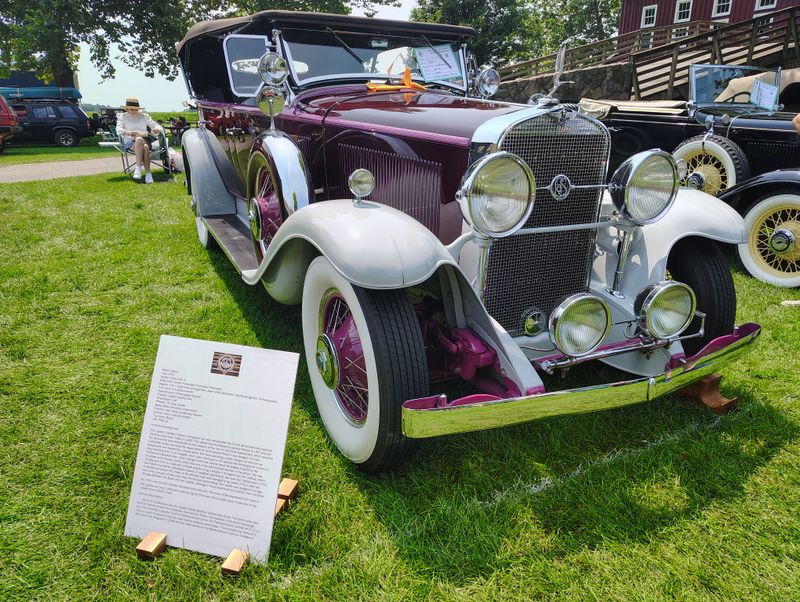
The Gilmore calendar features dozens of special events throughout the operating season, transforming the museum from a static collection into a gathering place for automotive enthusiasts. Weekend car shows focus on specific marques, eras, or styles, attracting collectors who trailer their prized possessions from across the region.
These events allow visitors to see rare vehicles that might never enter the permanent collection, while owners appreciate the opportunity to display their restoration work before knowledgeable audiences.
Beyond car shows, Gilmore hosts driving experiences where visitors can ride in vintage vehicles around the campus roads. Holiday events bring families for seasonal celebrations, and educational programs serve school groups seeking hands-on history lessons.
This programming strategy keeps the museum relevant to diverse audiences while generating revenue that supports conservation work. The events also build community among car enthusiasts, who return annually to reunite with friends and see what new acquisitions have joined the collection.
Rare Brands And Luxury Marques Fill The Galleries
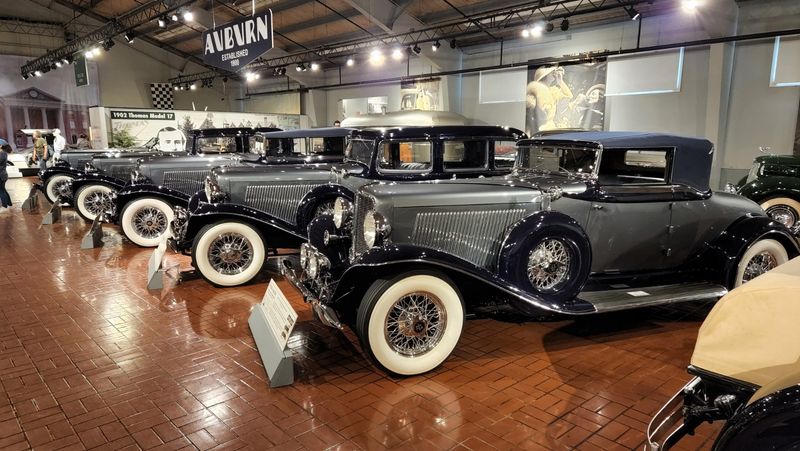
The Gilmore collection includes significant examples from automotive manufacturers that no longer exist, preserving brands that once competed with Ford, General Motors, and Chrysler for American buyers. Duesenberg, Packard, Pierce-Arrow, and Auburn represent the luxury segment that catered to wealthy customers seeking vehicles built to individual specifications.
These cars featured custom coachwork, powerful engines, and materials like exotic woods and hand-stitched leather that justified their extraordinary prices.
Seeing these rare marques in person reveals why they commanded such prestige. The attention to detail in their construction exceeds anything found in modern luxury vehicles, reflecting an era when craftsmanship mattered more than production efficiency.
Many of these companies failed during the Great Depression or were absorbed by larger competitors, making surviving examples increasingly precious. Gilmore’s commitment to preserving these orphaned brands ensures that future generations can study the full spectrum of automotive history rather than just the stories of successful corporations.
The Museum Began With A Single Classic Car In The 1960s
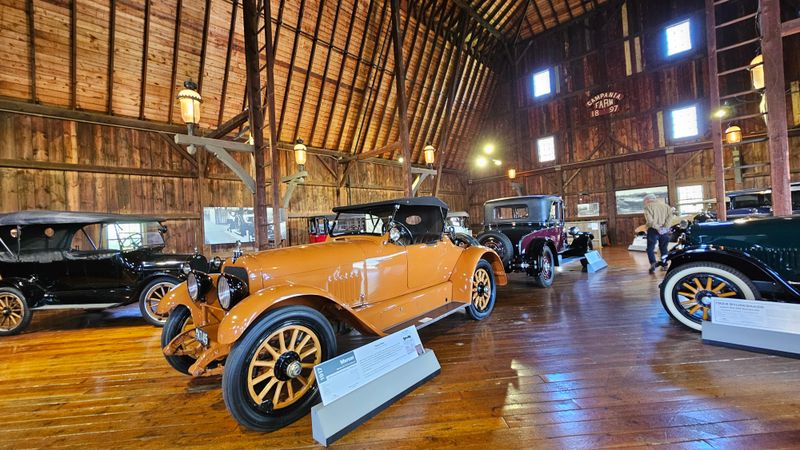
Donald Gilmore’s passion for automotive history began modestly in the 1960s when he purchased a single classic car that sparked a collecting obsession. As a successful businessman with resources to pursue his interests, Gilmore began acquiring additional vehicles and soon recognized that his growing collection deserved proper housing and public access.
The museum that bears his name opened in 1966 on family property in Hickory Corners, starting with just a handful of cars displayed in a converted barn.
The collection expanded steadily as Gilmore purchased significant vehicles and accepted donations from other collectors who wanted their automobiles preserved in a reputable institution. His vision extended beyond simply accumulating cars to creating an educational resource that would help Americans understand their automotive heritage.
After Gilmore’s death, the museum continued operating under professional management, maintaining his commitment to conservation and public education. The story illustrates how individual passion can create lasting cultural institutions when combined with resources and organizational planning.
Motorcycles And Automobilia Expand The Experience
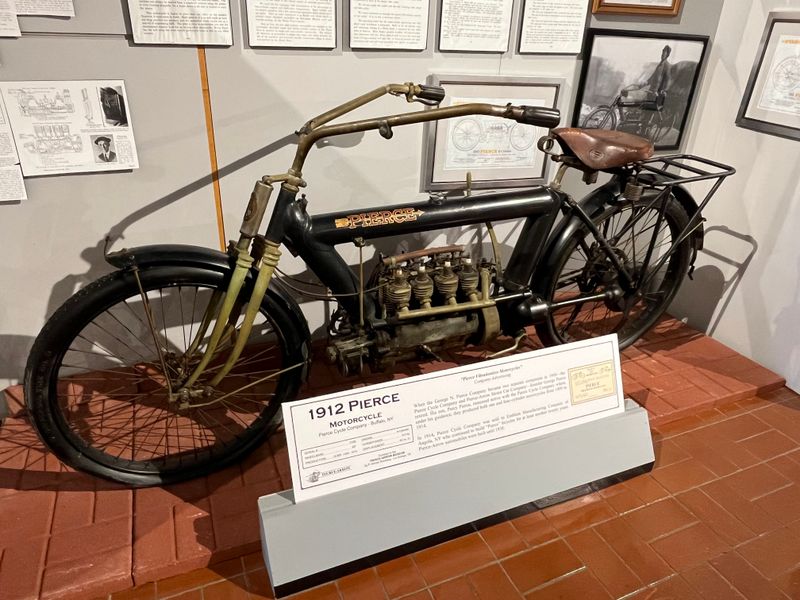
While automobiles dominate the Gilmore collection, a dedicated building houses an impressive array of vintage motorcycles that trace the parallel development of two-wheeled transportation. Indian, Harley-Davidson, and numerous defunct manufacturers are represented, showing how motorcycle design evolved from motorized bicycles to sophisticated machines capable of highway speeds.
These bikes appeal to a distinct collector community and demonstrate that the museum’s mission encompasses all forms of motorized personal transportation.
Automobilia displays throughout the campus feature period advertising, service station memorabilia, hood ornaments, and other artifacts that provide context for the vehicles. Vintage oil cans, road maps, and promotional materials help visitors understand how automobiles were marketed and maintained.
These supporting collections prevent the museum from feeling like a simple vehicle warehouse, instead creating an immersive environment where every object contributes to the larger story of American automotive culture and its influence on daily life across generations.
Located In Quiet Hickory Corners Near Kalamazoo
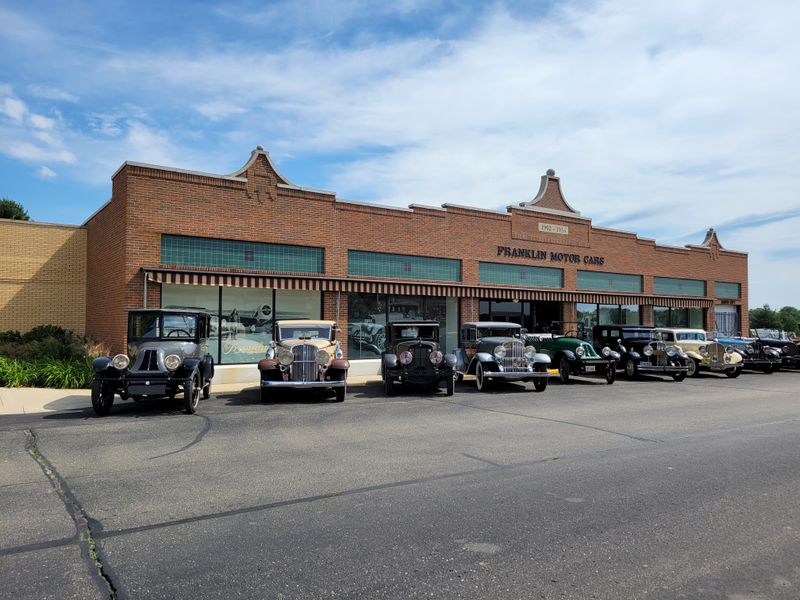
The museum occupies a rural location at 6865 Hickory Road in Hickory Corners, roughly equidistant from Kalamazoo and Battle Creek in southwest Michigan. This countryside setting might seem inconvenient for a major tourist attraction, but it actually enhances the visitor experience by providing the space necessary for such an expansive collection.
The drive through agricultural landscapes reinforces the connection between automobiles and rural American life, while the quiet surroundings allow guests to focus on the exhibits without urban distractions.
Hickory Corners itself consists of little more than a crossroads, making the museum the area’s primary destination. Visitors should plan accordingly, as dining and lodging options require driving to nearby towns.
The museum maintains generous operating hours from 10 AM to 5 PM daily, giving guests ample time to explore the grounds. The remote location has not hindered attendance, with thousands of enthusiasts making the pilgrimage annually to experience one of North America’s premier automotive collections.