
This Fascinating Nevada Museum Gives Visitors A Real Glimpse Of Cowboy Life
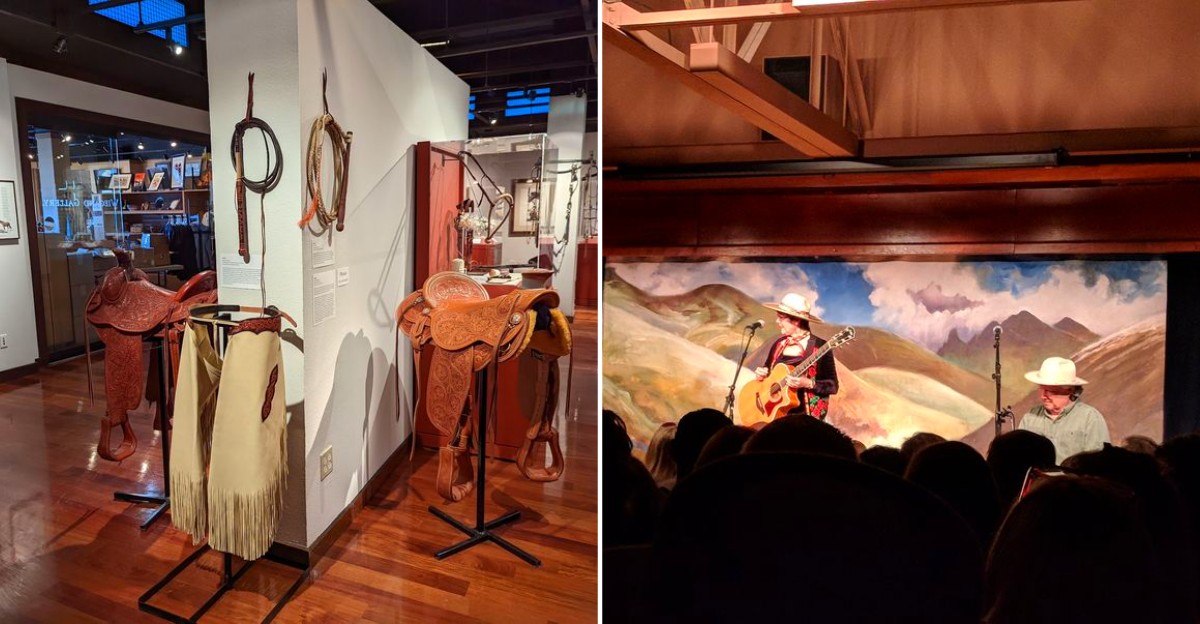
Forget the movie version of cowboy life. The real story is rougher, quieter, and far more interesting. Across northern Nevada, ranch traditions are still part of everyday life. Rawhide gets braided by hand.
Saddles are built to work, not just look good. Songs and poems grow out of long days on horseback, hard weather, and stories passed between generations.
This is where that world gets preserved without turning it into a costume. Exhibits dig into buckaroo culture, ranch work, gear, music, and the people who keep those traditions moving forward.
Each winter, the celebration grows even bigger as working ranchers, poets, musicians, and visitors gather to swap stories and keep old customs alive.
It is part museum, part cultural time capsule, and part reminder that the West never completely disappeared. Spend a little time here, and the cowboy image starts looking much more human.
A Historic Building With Its Own Story To Tell
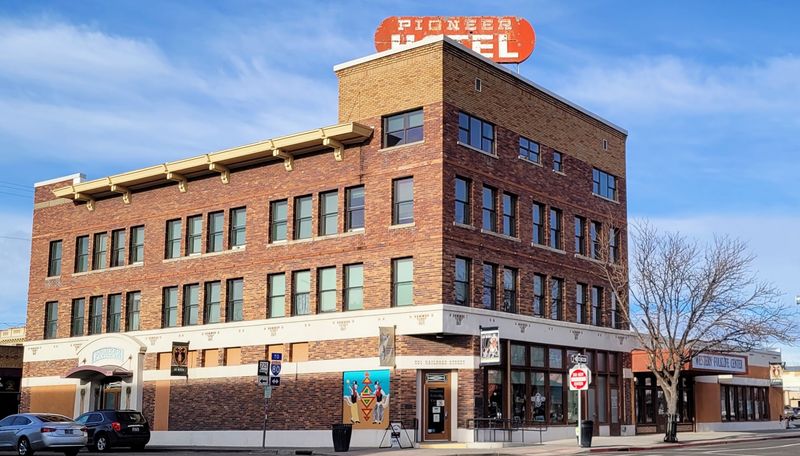
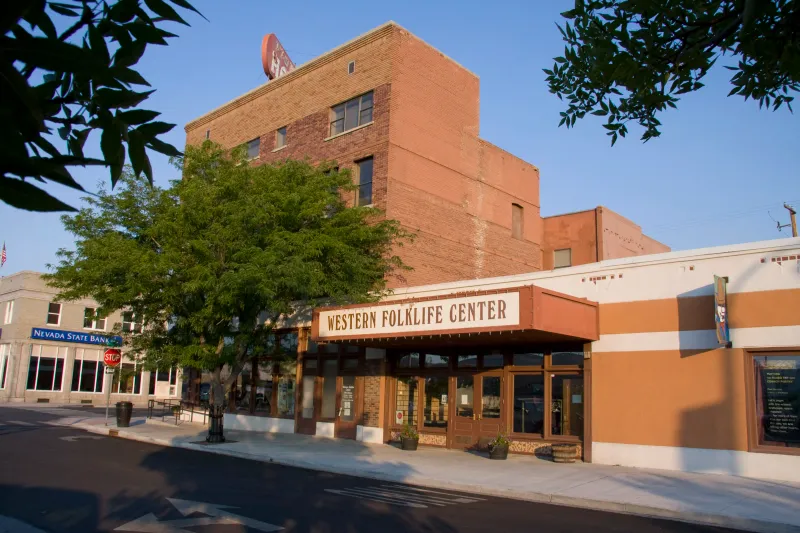
Before you look at a single exhibit, take a moment with the building itself. The Western Folklife Center is housed in the historic Pioneer Building. Completed in 1912-1913, the brick landmark became an important commercial and social center in Elko.
Railroad workers, ranchers, sheepherders, and miners all came through these doors when Elko was a busy stop on the transcontinental line. The Western Folklife Center purchased the building in 1992 and gave it new purpose as a home for Western culture.
You can still see the bones of the original hotel in the woodwork, the tall windows, and the layout of the rooms. That history matters, because the stories told inside are not imported from somewhere else. They grew right here.
Look up at the pressed tin details and the staircase as you move between floors. Staff are happy to explain which parts are original and which were carefully rebuilt.
Standing inside a place that once housed the very people whose lives are now on display gives the whole visit a different weight. You are not just reading about the past. You are standing in it.
Exhibits That Show How Buckaroos Really Work
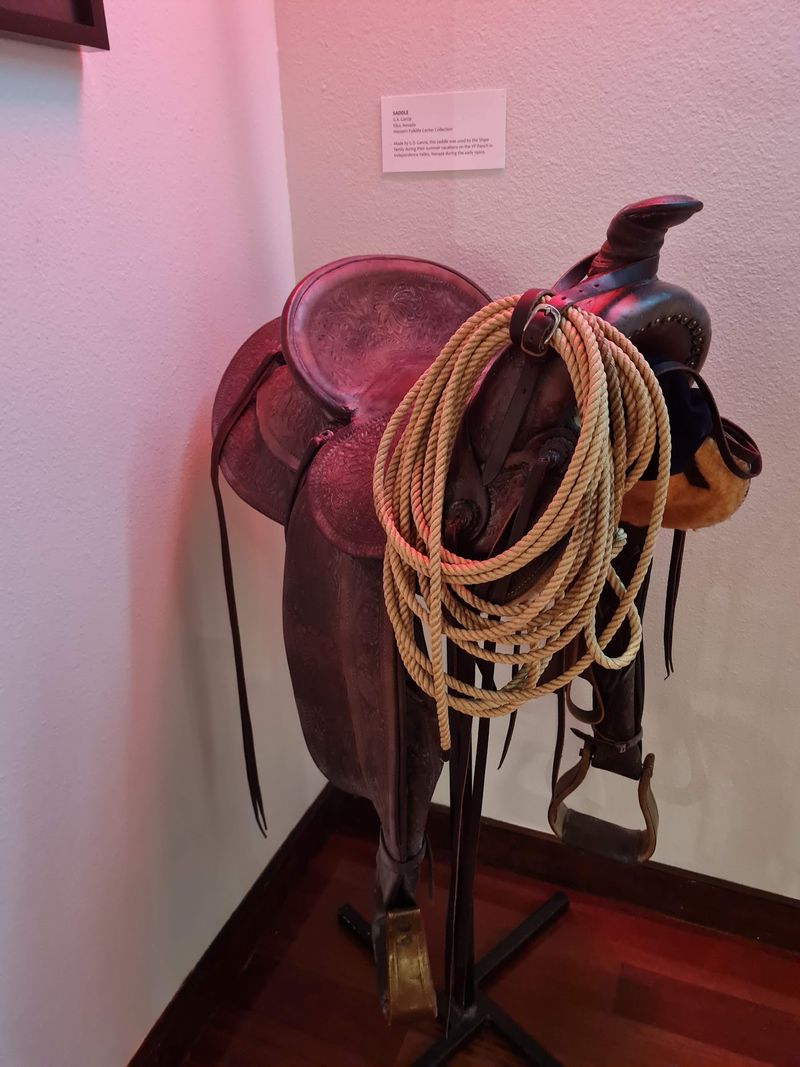
Forget the Hollywood version for a minute. The galleries here focus on the daily rhythm of ranch work, and that turns out to be far more interesting than any shootout.
Exhibitions explore Western ranching culture, gearmaking, cowboy traditions, and the people who keep those practices alive. Photographs show real people at work, not actors in costume.
What I appreciate most is the honesty. The exhibits do not pretend ranch life is easy or endlessly romantic. Long hours, isolation, and hard winters all get acknowledged.
Kids tend to gravitate toward the gear, especially the spurs and bits with their engraved patterns. Adults linger over the photographs and the recorded voices.
Plan on at least an hour in the galleries. You will leave with a much clearer picture of how food actually gets raised in this part of Nevada.
The Cowboy Poetry Gathering That Put Elko On The Map
Every winter, something remarkable happens in this corner of the state. The National Cowboy Poetry Gathering brings hundreds of ranch people, musicians, and writers together for a week of performances, workshops, and conversation.
It started in 1985 after folklorists researched contemporary cowboy poetry and brought working cowboys and ranchers together to share the tradition. Nobody expected it to grow into a nationally recognized event, yet it did, and the Western Folklife Center has hosted it ever since.
The poems are not fussy or academic. They rhyme, they tell stories, they make people laugh, and sometimes they land with real sadness. Most were written by people who spend their days on horseback.
If you visit during late January or early February, you will find the whole town shifted into gathering mode. Hotels fill early, so book well ahead.
Outside of that week, recordings and archives keep the tradition present year round. You can listen to past performances and read printed collections in the building.
Even if poetry has never been your thing, hearing it spoken in a working cowboy’s voice tends to change minds quickly.
Handmade Gear That Blurs The Line Between Tool And Art
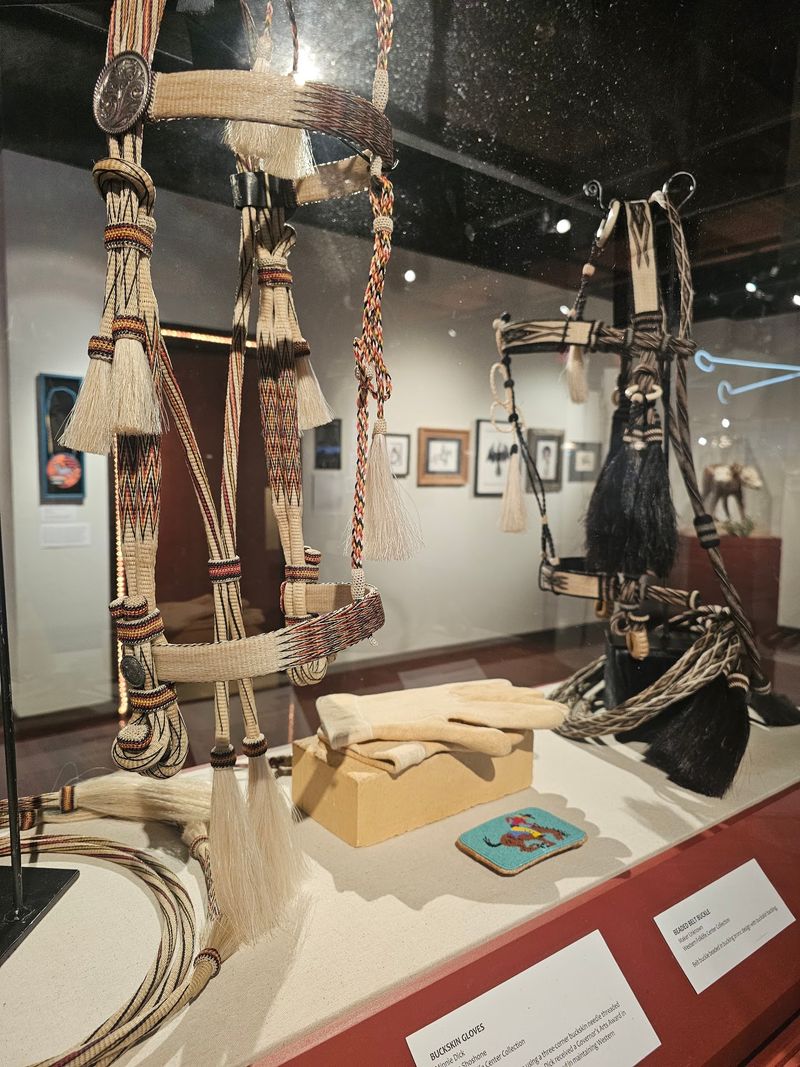
Some of the most beautiful objects in the collection were never meant to be admired. They were meant to be used.
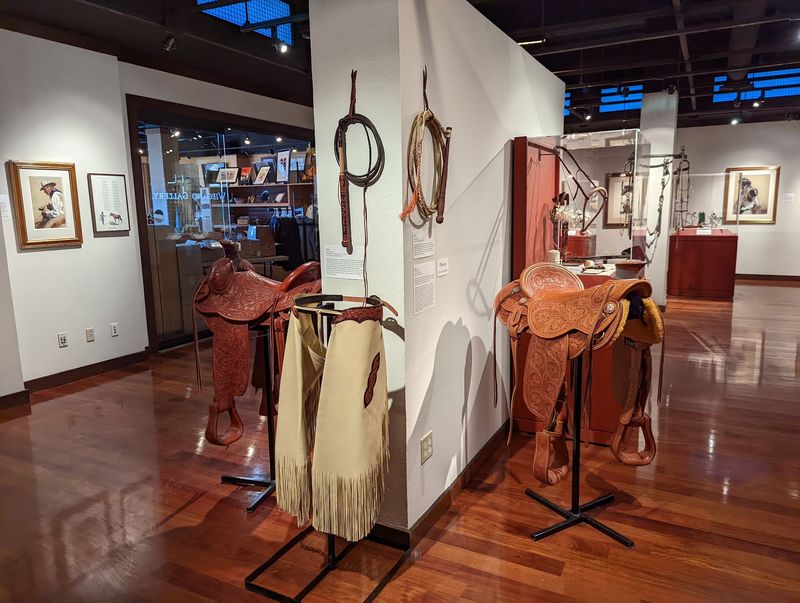
Saddlemakers, silversmiths, rawhide braiders, and bootmakers across Nevada and the surrounding states produce equipment that has to survive brutal conditions.
Somewhere along the way, those craftspeople started decorating their work with floral tooling, engraved silver, and braid patterns passed down through generations.
Look closely at the rawhide reatas and hackamores. Each strand was cut from a single hide, softened, and braided by hand over many hours. The precision is genuinely hard to believe.
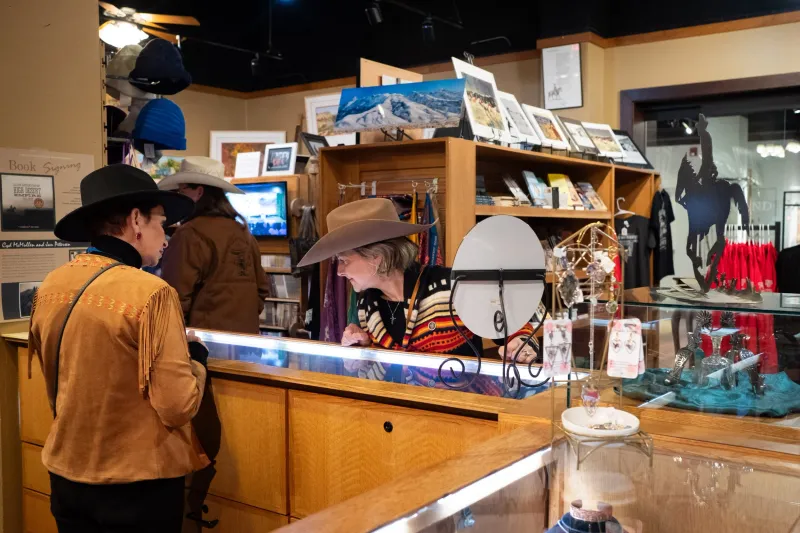
The gift shop carries Western books, recordings, art, gear, and other items connected to the region’s traditions. Books, recordings, and smaller leather goods fill the shelves too.
You will find the doors at 501 Railroad St in Elko, right in the heart of downtown and easy to reach on foot from nearby lodging.
What sticks with me about this part of the collection is the idea that usefulness and beauty were never treated as separate goals. Around here, they came standard together.
Wiegand Gallery And Its Rotating Displays
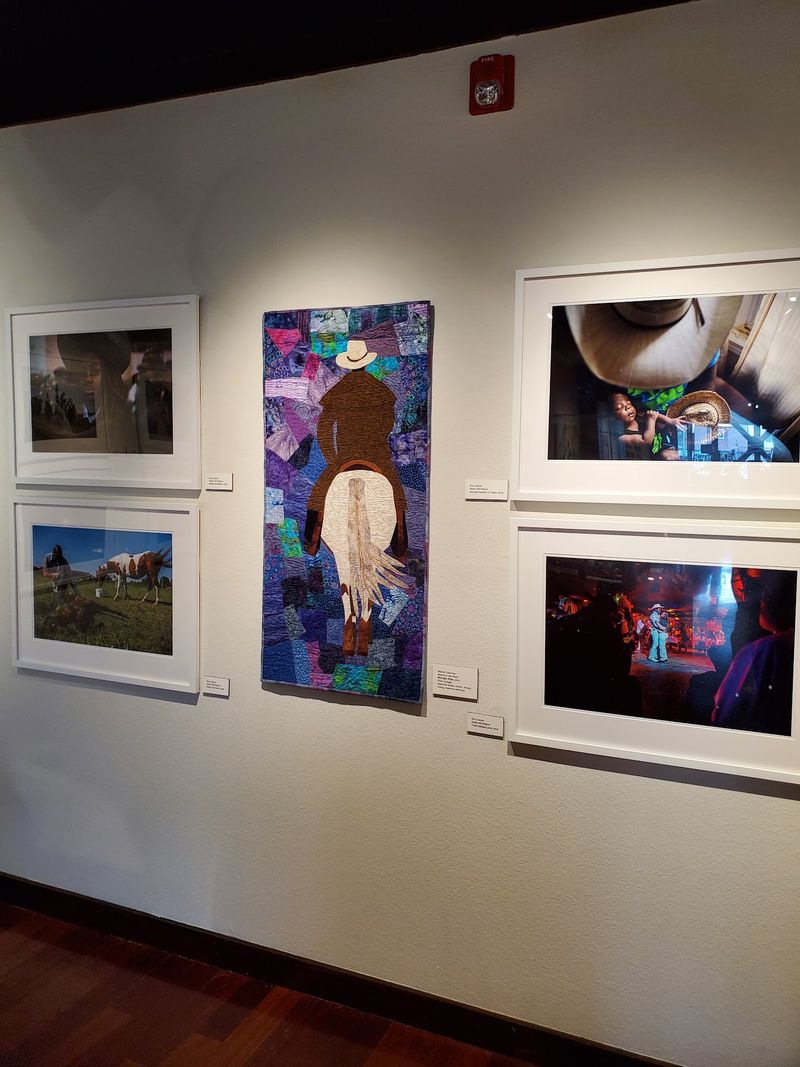
Repeat visitors have a reason to keep coming back, and it is the changing exhibitions.
The Wiegand Gallery hosts shows that rotate throughout the year, covering everything from documentary photography to contemporary art rooted in ranching country. One season you might find a photo essay about sheepherders.
Another might feature textiles, saddle making, or the work of a single regional artist.
Because the space changes, the Western Folklife Center never feels like a museum you have finished. Checking the current schedule before you drive out is a smart move.
Many of the shows include artist talks, demonstrations, or opening events that let you meet the people behind the work. Those evenings are relaxed and welcoming, and you do not need any background in art to enjoy them.
I like how the gallery treats folk traditions as living practice rather than something frozen behind glass. Younger artists get space alongside established names.
Give yourself time to sit with a few pieces instead of rushing through. The stories behind the images are usually printed alongside them, and reading them slowly makes the whole experience richer.
Live Music, Workshops, And Events All Year
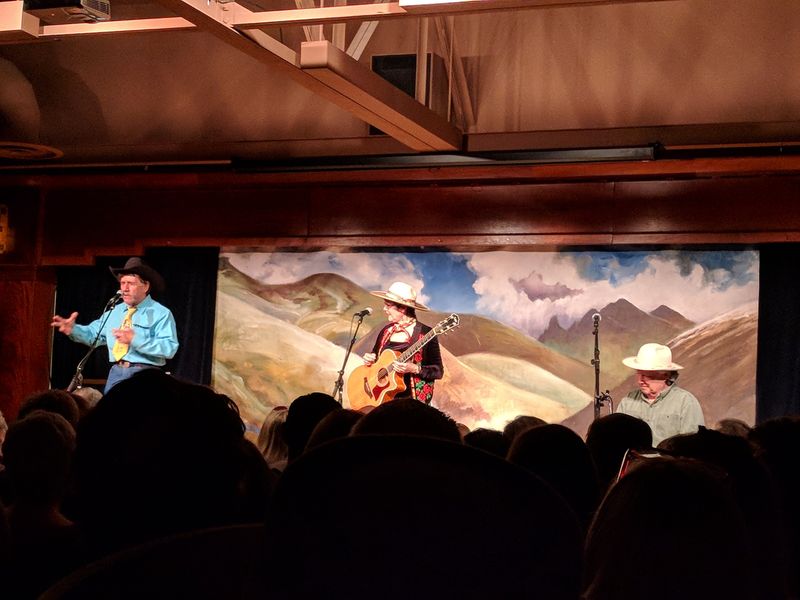
The calendar here stays busier than most people expect from a town of this size.
Throughout the year, the Western Folklife Center puts on concerts, film screenings, storytelling nights, and hands-on workshops. Programs can include concerts, films, workshops, storytelling, and other events tied to Western culture.
Performances often happen in an intimate hall where the back row still feels close to the stage. Musicians play traditional Western songs, cowboy ballads, and material influenced by Mexican, Basque, and Native traditions that all shaped this region.
Workshops fill up, so registering online ahead of time saves disappointment. Many are designed for beginners, which means you do not need any prior skill to join.
Families should ask about programs aimed at younger visitors. Children who get to touch materials and try a craft usually remember the visit far longer than they remember a display case.
Northern Nevada winters are long, and this building becomes a genuine community hub during those months. Dropping in on an event night gives you a feel for the place that daytime visits alone cannot match.
Basque Heritage And The Many Cultures Behind The Cowboy
Here is something that surprises a lot of first-time visitors. The cowboy of the Great Basin was rarely a lone Anglo figure riding into the sunset.
Basque immigrants arrived in large numbers to herd sheep across Nevada, and their food, language, and family names remain woven into Elko today. Mexican vaqueros brought the riding style, the gear, and even the word buckaroo itself, which comes from vaquero.
Native peoples, Chinese railroad laborers, and later arrivals all contributed to the culture that developed across this high desert country. Western Folklife Center programs and exhibitions have explored the many cultural traditions that shaped the American West.
You will see sheepherding tools, photographs of camp wagons, and explanations of how different traditions blended over time. It reframes the entire idea of the American West.
Ask staff about local Basque restaurants and the annual festival held in town during summer. Those recommendations pair naturally with what you learn inside.
Understanding this mix helps explain why the region feels distinct from Texas or Montana ranch country. Nevada developed its own accent, and it shows in the gear and the songs.
Planning A Visit That Actually Fits Your Trip
Getting here is simpler than the map suggests. Elko sits along Interstate 80 in northeastern Nevada, making it a reasonable stop on a drive between Salt Lake City and Reno.
Downtown parking is generally easy, and the museum sits within walking distance of hotels, cafes, and other local shops. Admission is modest, and members enter free.
Check current hours before you arrive, since they shift seasonally and around major events. Allowing ninety minutes gives you room to browse the galleries, listen to recordings, and spend time in the shop without feeling rushed. Photography rules vary by exhibit, so ask first.
Anyone driving through this part of Nevada gains something real by stopping. You come away understanding that cowboy culture is not a costume or a memory but an ongoing way of life practiced by people just outside of town.
That shift in perspective is what makes the Western Folklife Center stand apart. It hands you the genuine article and trusts you to find it as interesting as it truly is.